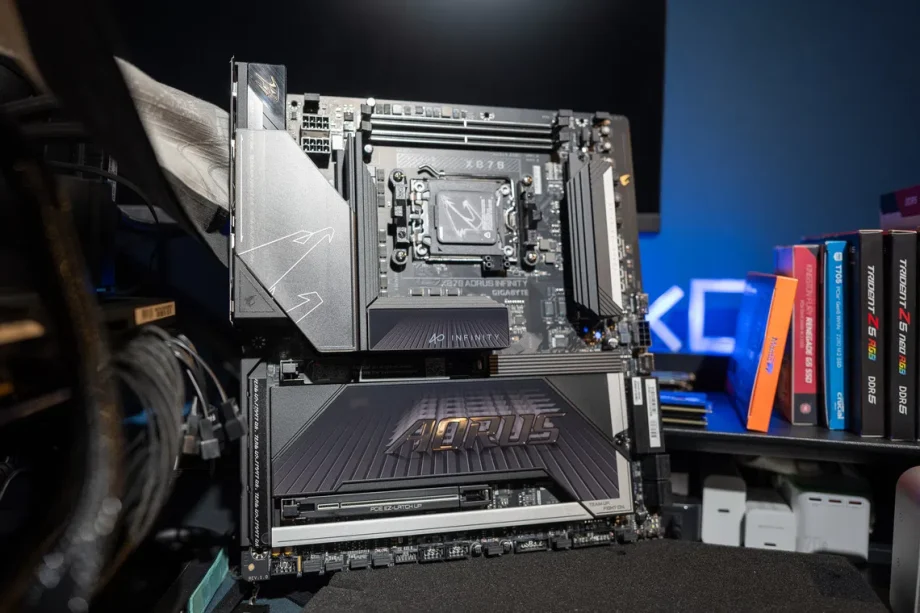
There is something quite appealing about a motherboard that makes you stop and work out where everything has gone. With the Gigabyte X870 Aorus Infinity, the memory slots sit on top of the processor, an M.2 drive goes where I would normally expect the RAM to be, and a row of buttons along the right edge doesn’t look like it belongs there in a traditional layout. Even before getting into its specifications, it is clear that Gigabyte has a particular kind of PC enthusiast in mind for this Infinity board.
And that would be the overclocker.
The Infinity’s unusual layout reflects its purpose: an AM5 board designed to help overclockers push their processor and memory further. It also reminds me that some enthusiasts want more from a motherboard than just simple overclocking. I find that interesting, even if my own priorities when building a PC tend to be rather more mundane these days.
This is a first look at the Infinity’s design and features, so I am leaving performance judgements for another time. There is already plenty to talk about without a benchmark chart, including a few decisions by Gigabyte that make more sense once you stop treating the Infinity as a conventional motherboard.
A familiar board but rearranged
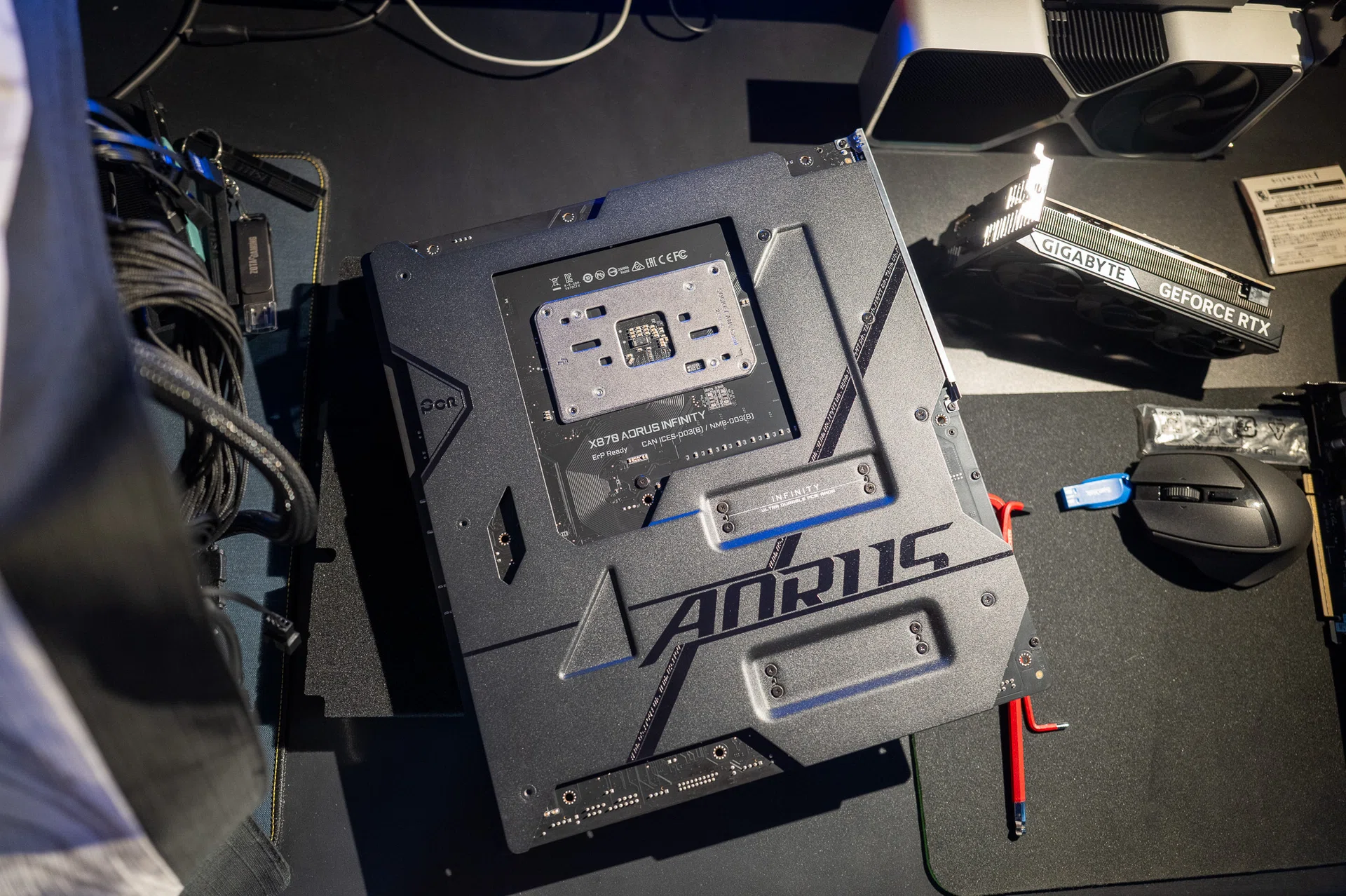
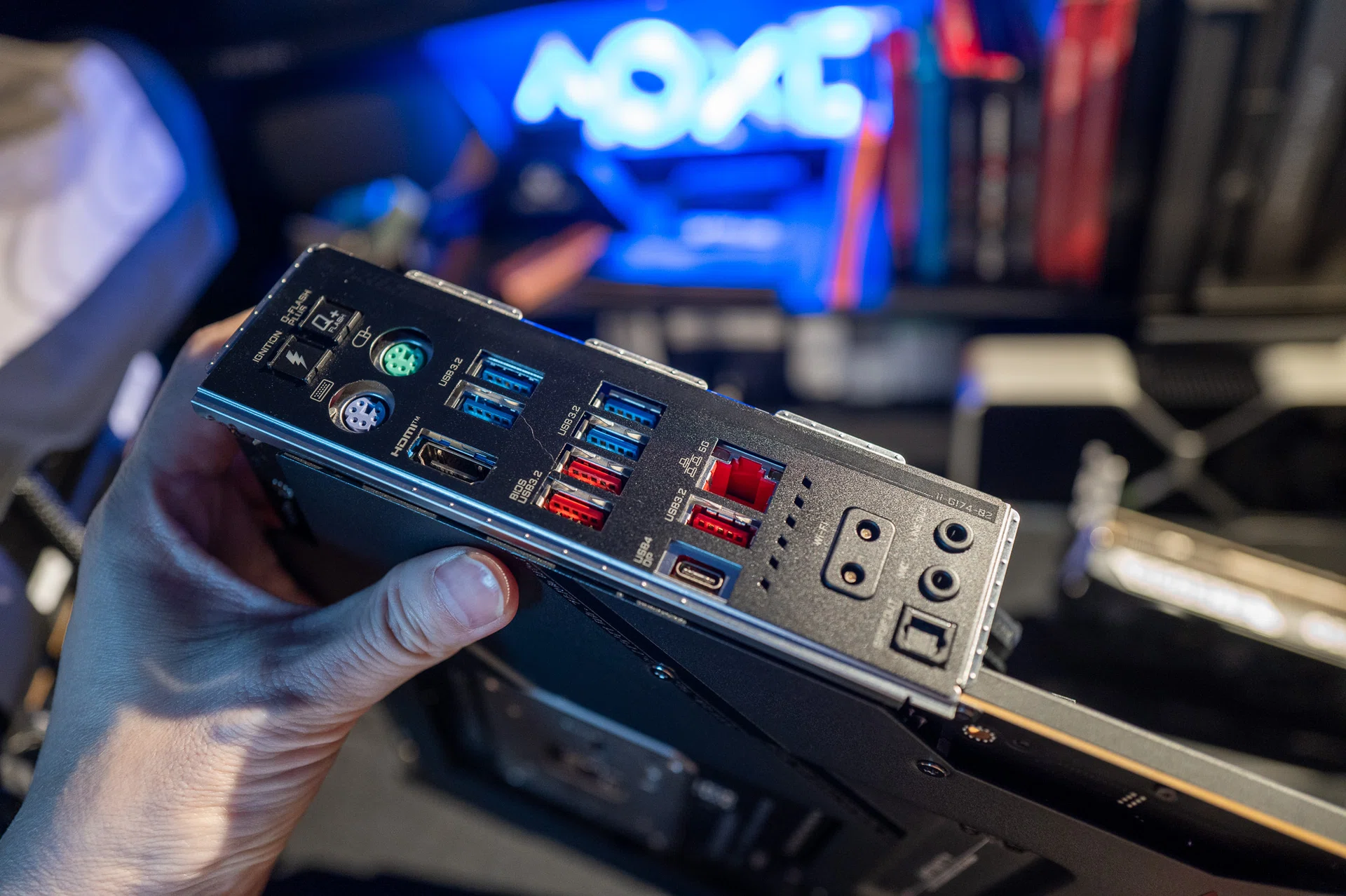
Even the back of the X870 Aorus Infinity is fully armoured.
Photo: HWZ
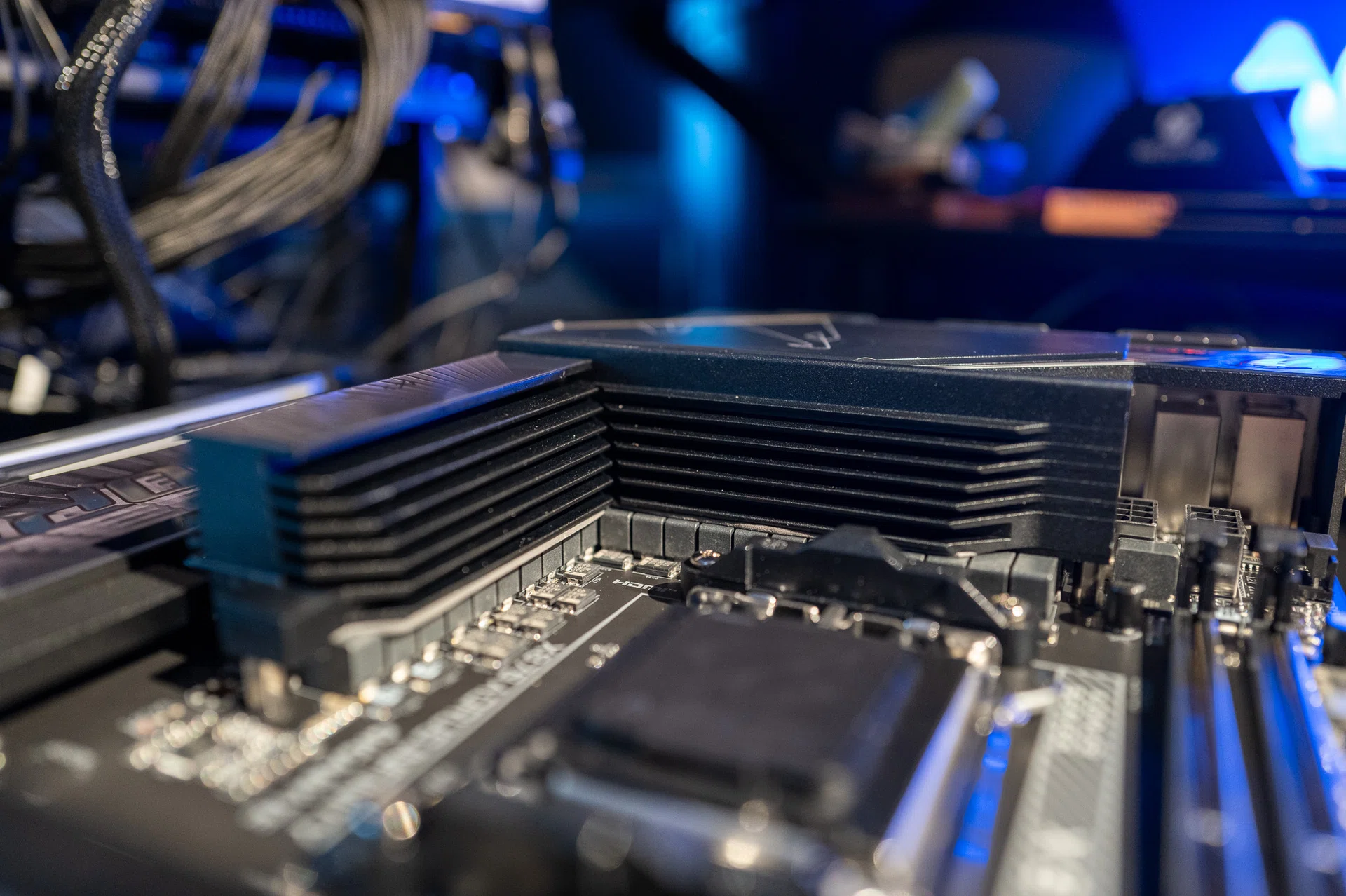
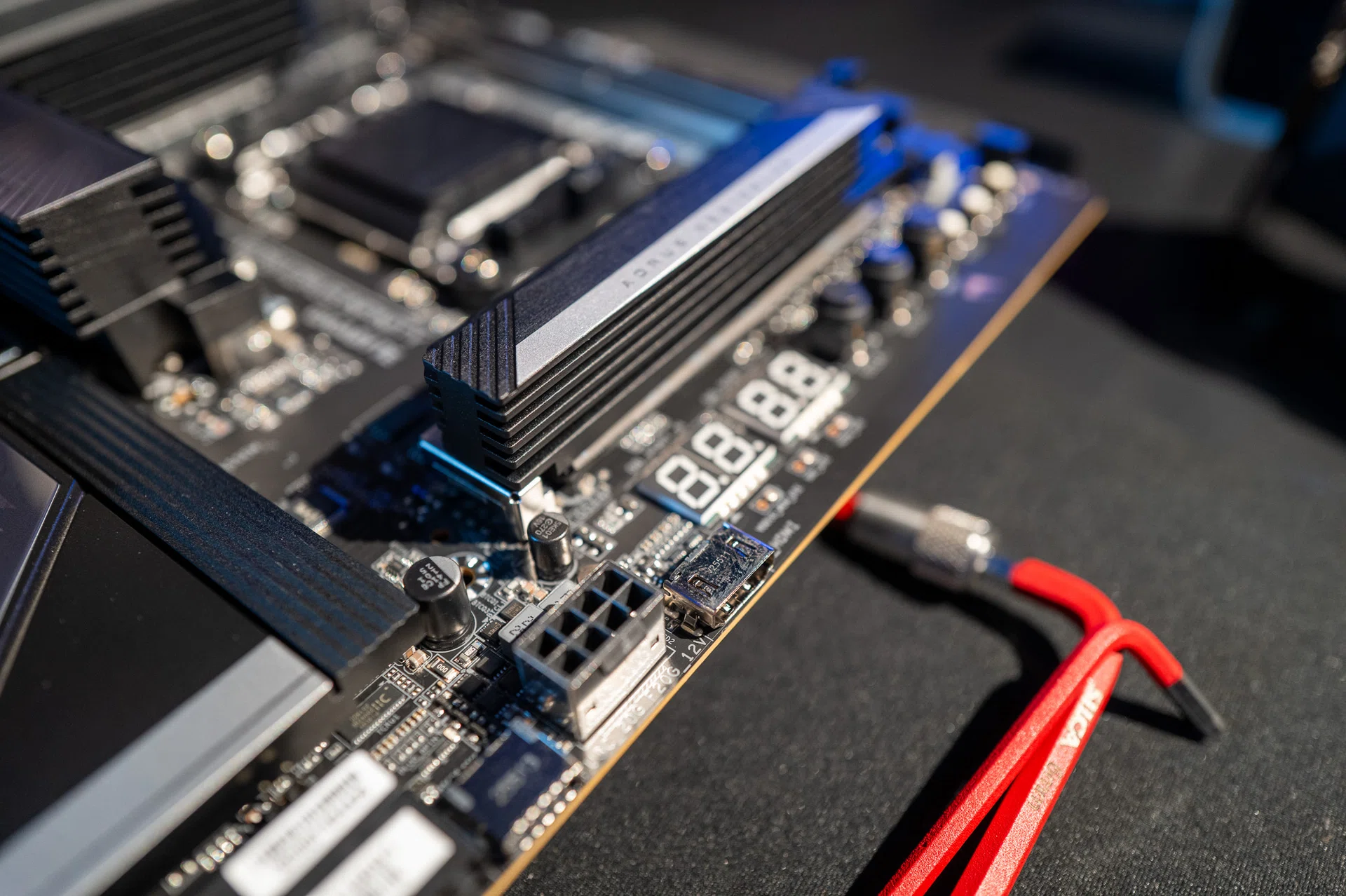
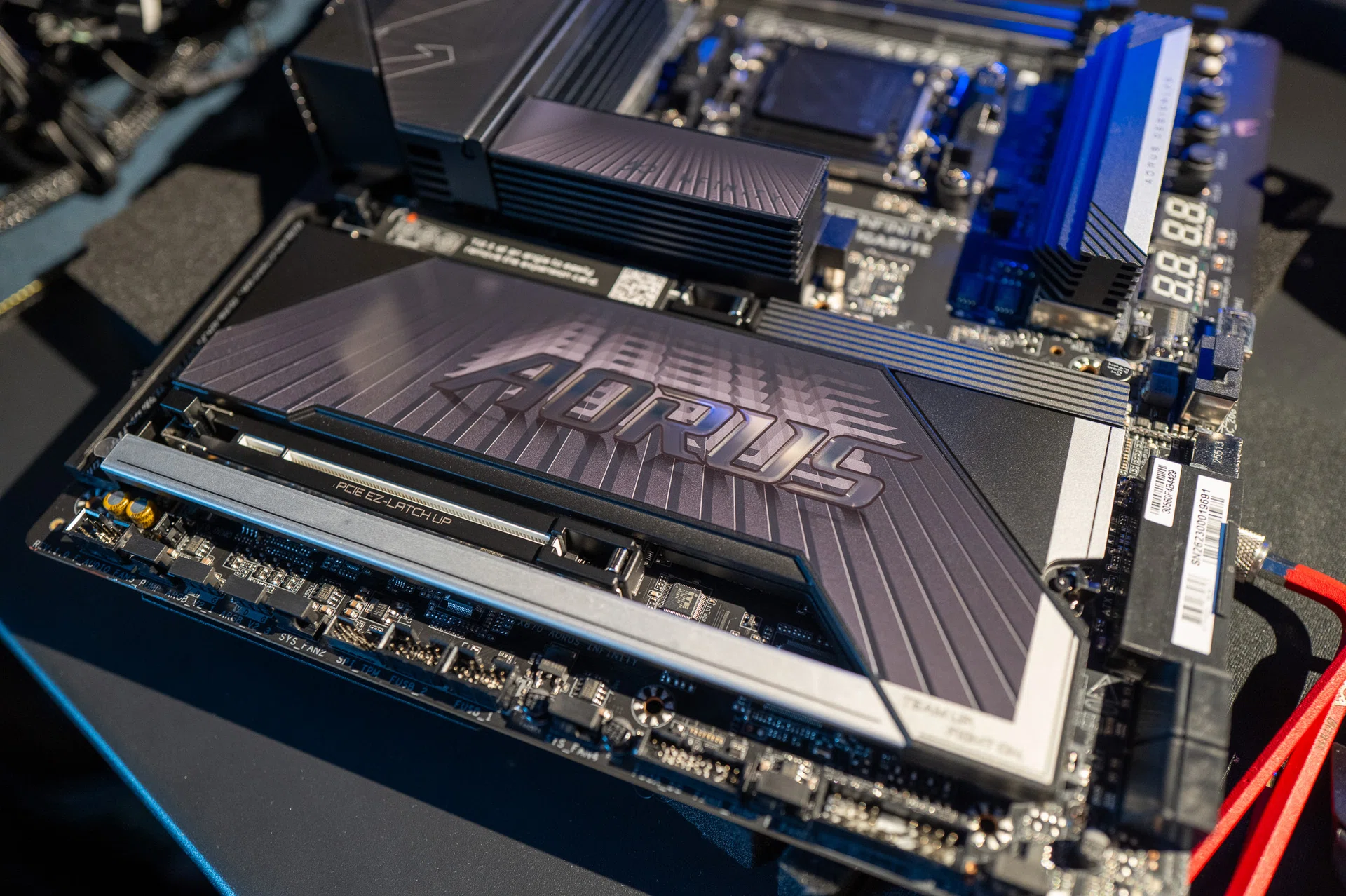
At a glance, I thought the black-and-silver finish is relatively restrained for a flagship consumer board. Large heatsinks and a full backplate give the Infinity a substantial appearance (and weight), while the illuminated Aorus falcon adds some RGB subtlety without turning the whole board into a light show. Personally, I like the balance as I thought the exposed switches and diagnostic displays already give the board enough character.
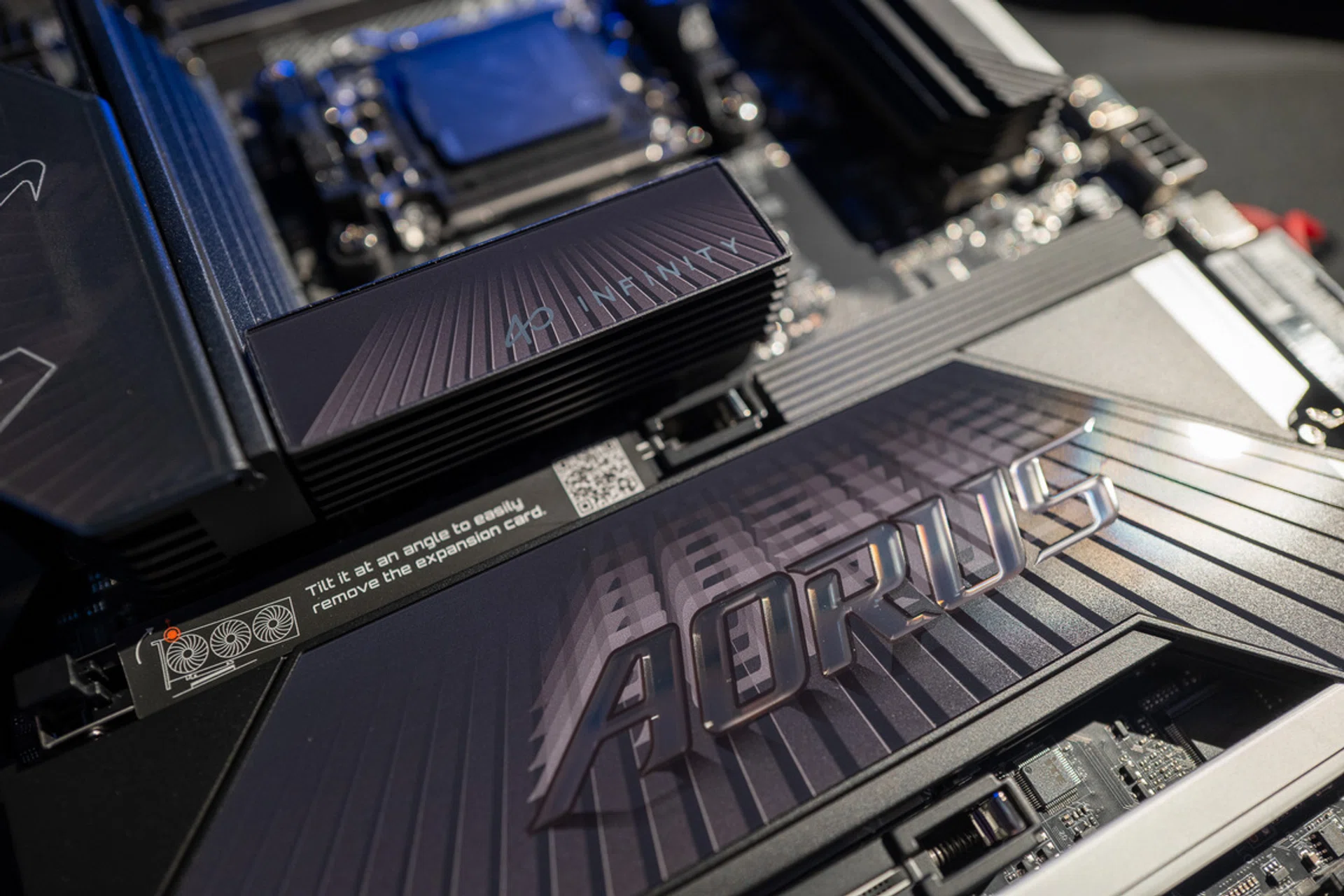
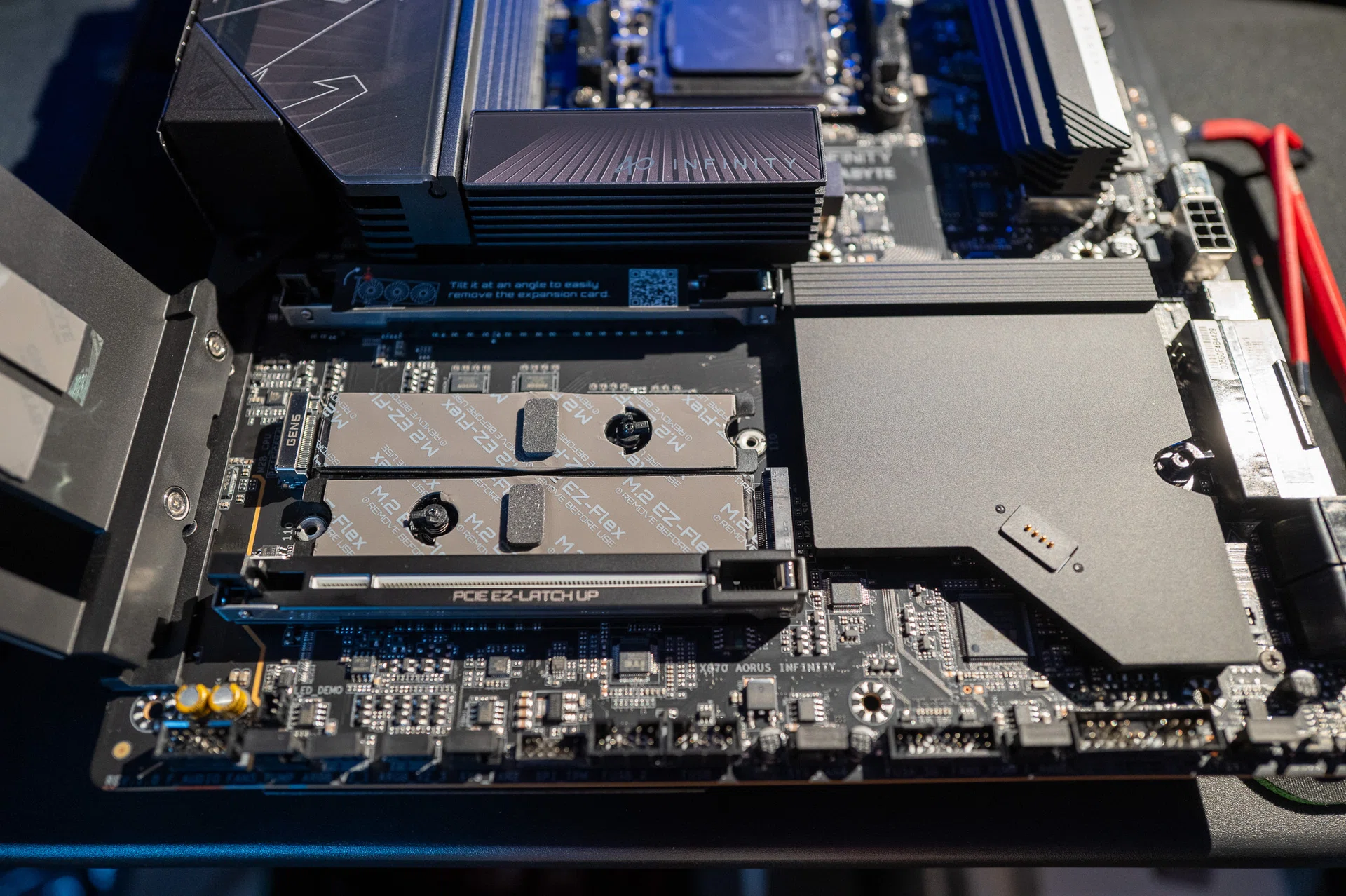
Gigabyte’s innovative EZ-Latch Up mechanism allows you to remove a graphics card easily.
Photo: HWZ
One detail I particularly like is the sliding cover over the two eight-pin CPU power connectors. It moves aside for access, then slides back to conceal the connections. It is a small touch, but one that I thought was very clever. That said, the 305mm by 275mm E-ATX footprint means checking your case carefully (make sure its E-ATX compatible), particularly the space around its cable-routing openings.
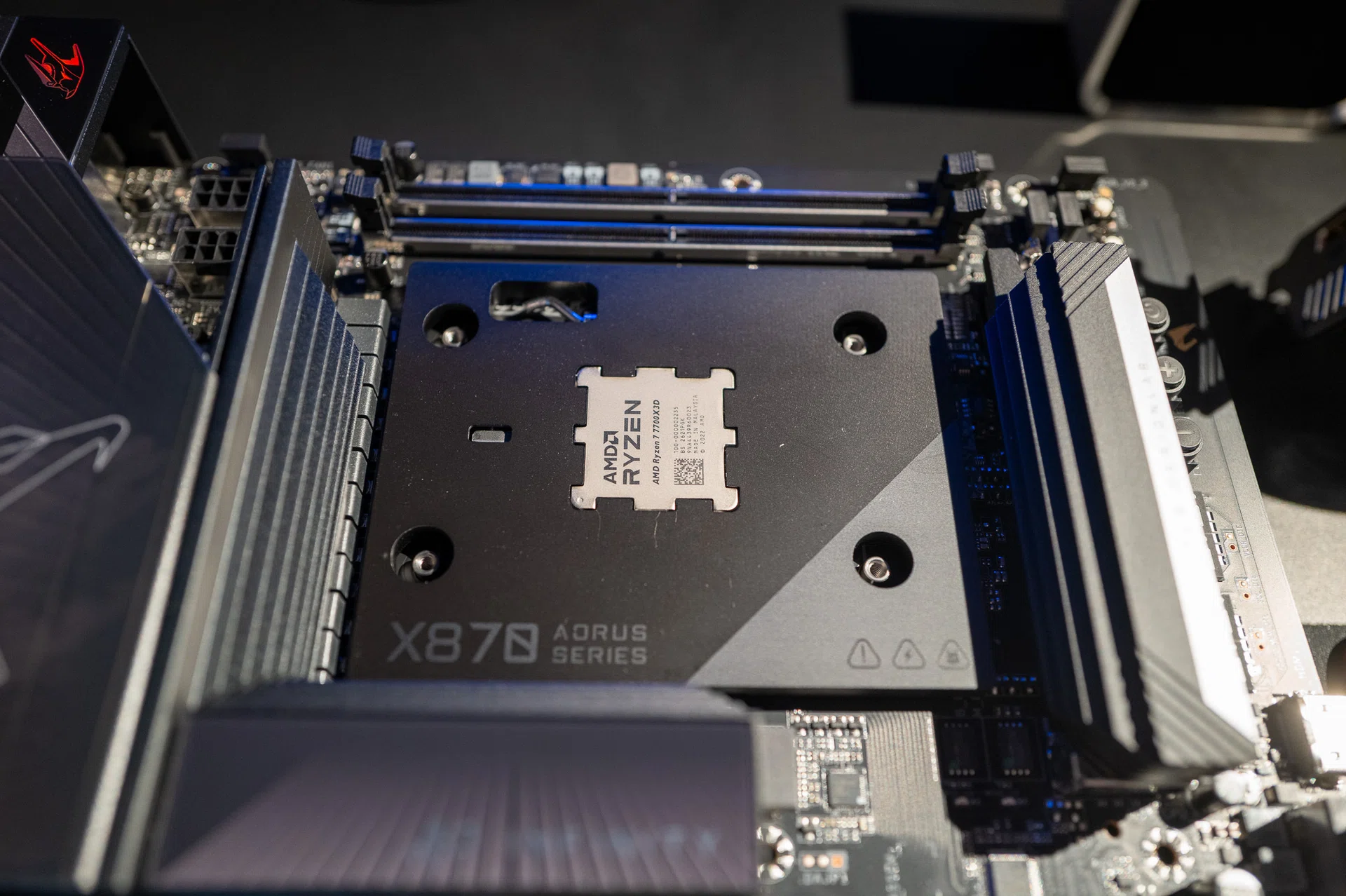
The more consequential change is the CPU socket, which has been rotated by 90 degrees here. Together with the two memory slots above it, Gigabyte claims this is intended to shorten and improve the consistency of the signal paths between the processor and RAM. The primary M.2 slot consequently sits vertically to the right of the socket. It takes a little mental adjustment, but there is a purpose behind the rearrangement.
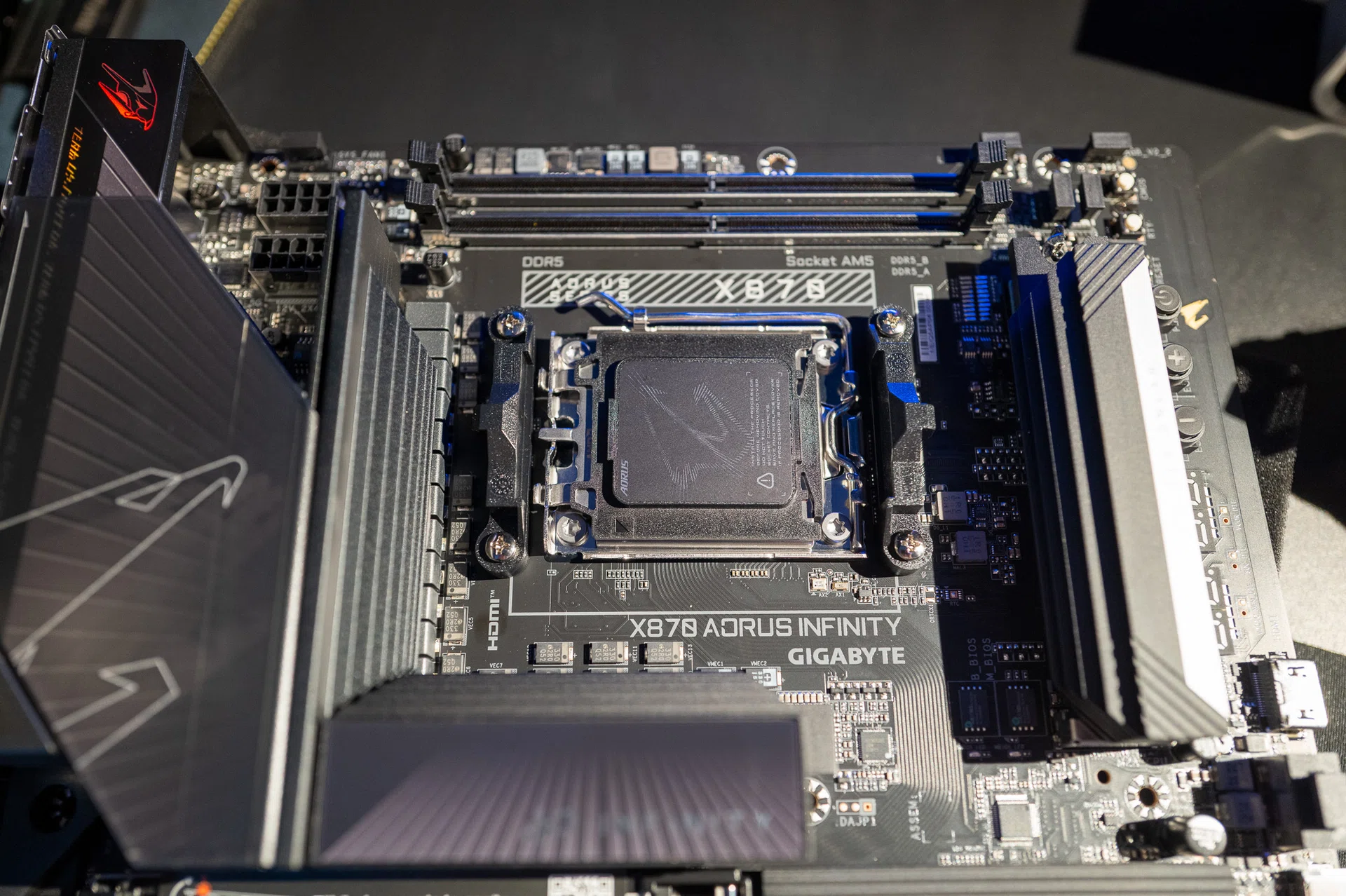
The Infinity has an 18+2+2-phase design, 110A power stages and a 10-layer PCB.
Read Full Article At Source