Note: This review was first published on 26 September 2025.
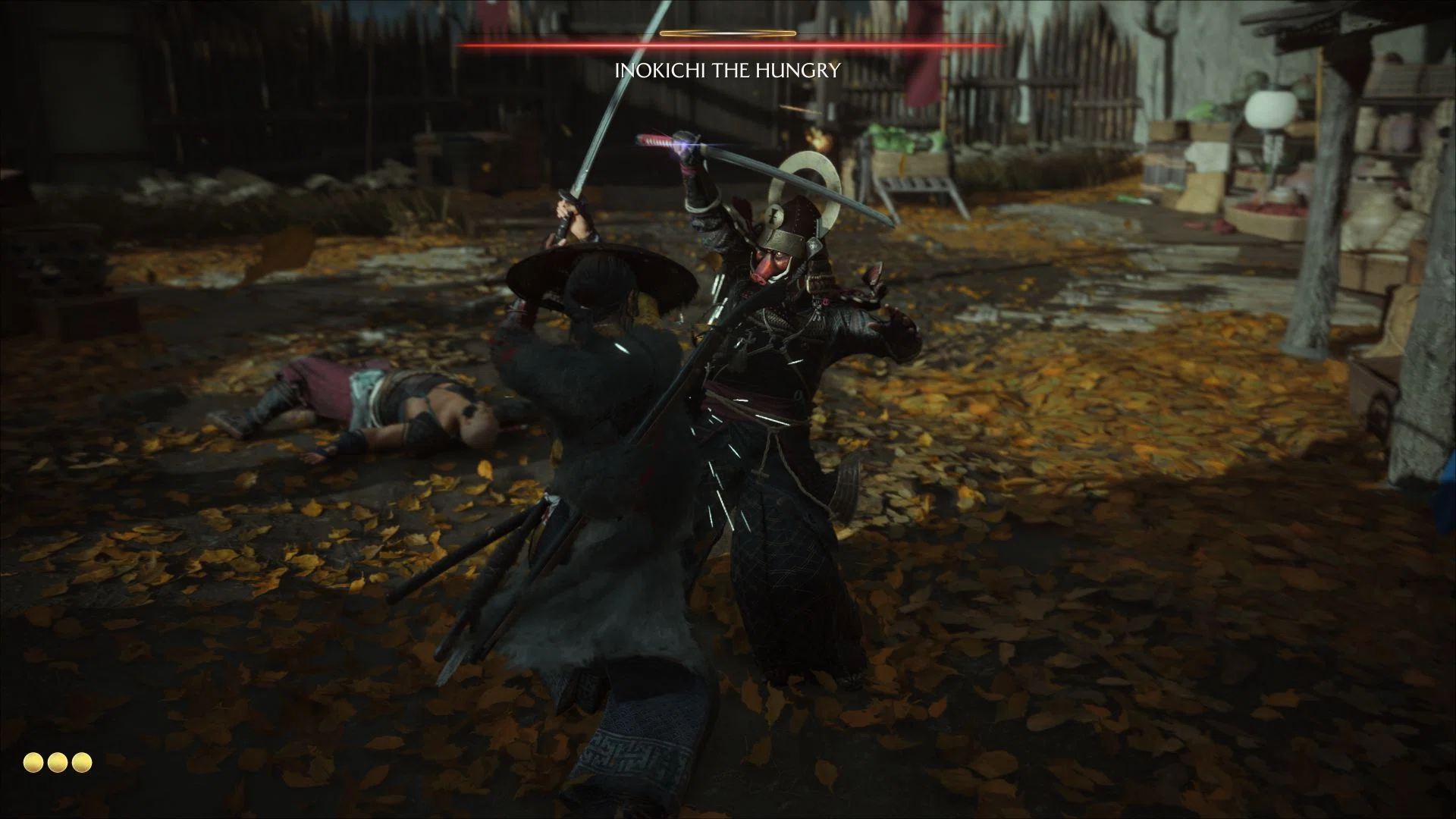
The first time Ghost of Yotei truly clicked for me wasn’t during an exploration or a sidequest – it was in a duel. A simple one-on-one, under grey skies, against a masked swordsman who felt like he’d been waiting for me all along. The fight lasted about two minutes, but my palms were sweating by the end. I’d mistimed a parry, nearly lost my balance, and just scraped through with a final desperate slash. The camera lingered on the fallen body, then pulled back to Mount Yotei’s reflection on a nearby stream. It wasn’t just a victory – it was a reminder that every duel, no matter how small, carried a weight that the open-world skirmishes didn’t.
Duels in Yotei are stripped down, more personal. They take away the chaos of bombs and pistols, forcing you to rely on timing and rhythm. When the blade meets steel in these moments, you feel the clash in your hands through the DualSense’s feedback. It’s less about mashing through waves of grunts and more about knowing when to commit, when to hold back, when to risk a heavy slash that could end it or leave you wide open. These duels became my anchor through the game; every time the open-world sprawl risked tiring me out, another duel pulled me back in.

Image: Sony
That’s the tone of Sucker Punch’s sequel: familiar in structure, yet heavier in mood. Where Ghost of Tsushima was about Jin Sakai navigating the honour of the samurai code, Ghost of Yotei centres on Atsu, who’s a warrior without such traditions to weigh her down. She has one purpose and only one: to hunt down the Yotei Six, the masked killers who murdered her family. Six names, one by one, across the wide emptiness of Ezo (the old name for Hokkaido). It’s a simple premise, but simplicity doesn’t make it lighter. Each step across the lonely landscape feels soaked in inevitability.
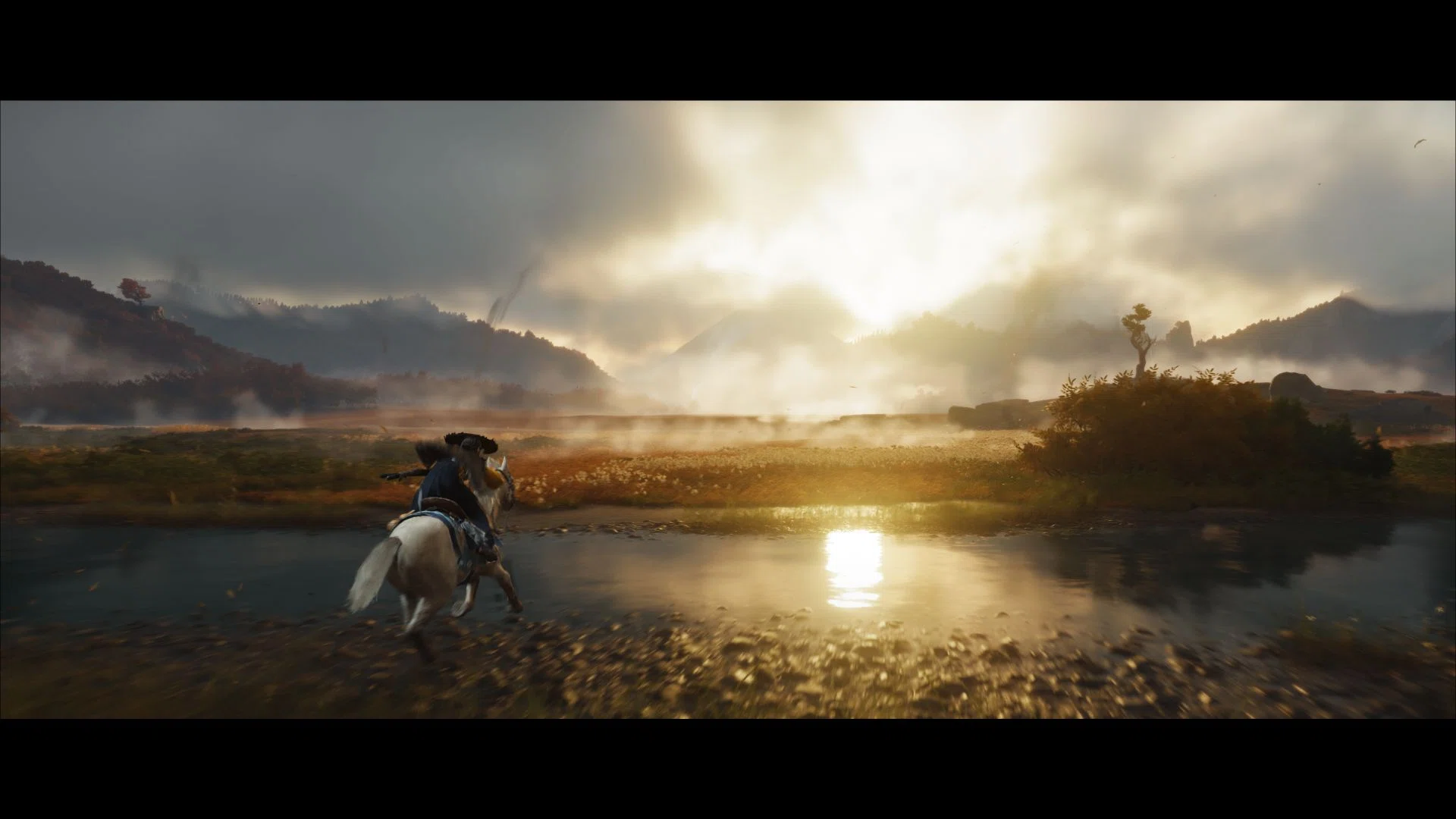
Ezo itself sets the stage differently from Tsushima too. It’s quieter and lonelier. Villages are sparse, and large stretches of the map are nothing but wind over grass or the sound of rivers in the distance. Travelling here means paying attention to cues in the land itself: gusts of wind bending trees, a golden bird fluttering away, or the faint cry of a fox. The game still has a map, redesigned into a tidy card-like layout, but most of the time you don’t need it. Ghost of Yotei trusts you to trust the world.
The early sections thrive on this sense of stumbling into things. I once intercepted a bandit ambush on a back road, sparing a panicked survivor. Instead of rewarding me with loot or coin, he coughed up information about Kitsune, one of the Six. That moment felt organic, like the world could bend in unexpected ways if you were paying attention. Sadly, by the second act, that looseness gives way to something more routine. Soon enough I was back to bouncing between quests and errands in a way that felt all too familiar. Still, those early hours, which were unpredictable and raw, were where Ghost of Yotei convinced me it was worth the journey.
Violence, beauty, and tension
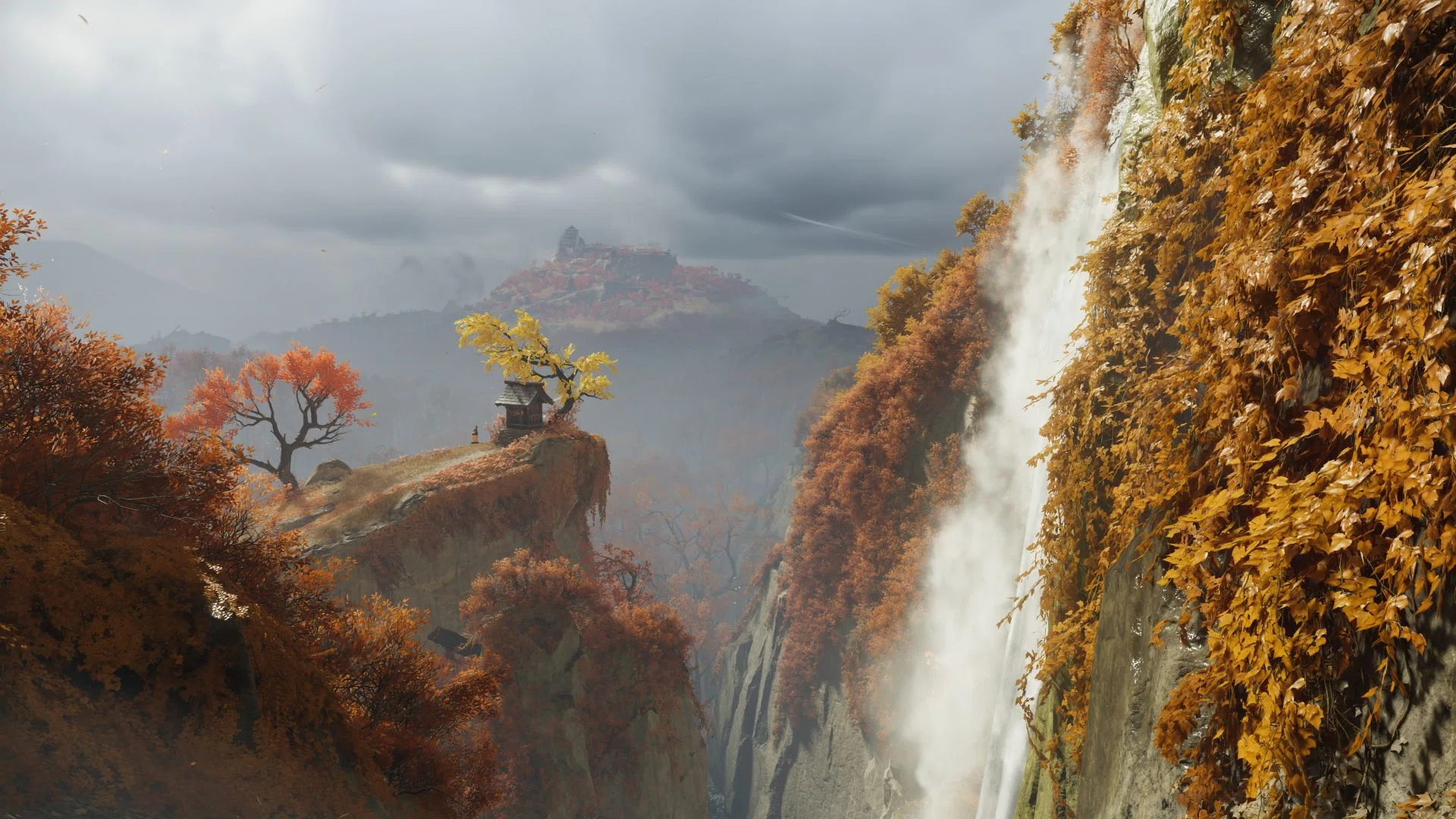
Image: Sony