The OPPO Find X9 Pro is the brand’s flagship-grade bar-type handset for 2026, and OPPO has made sure it’s both a camera and phone.
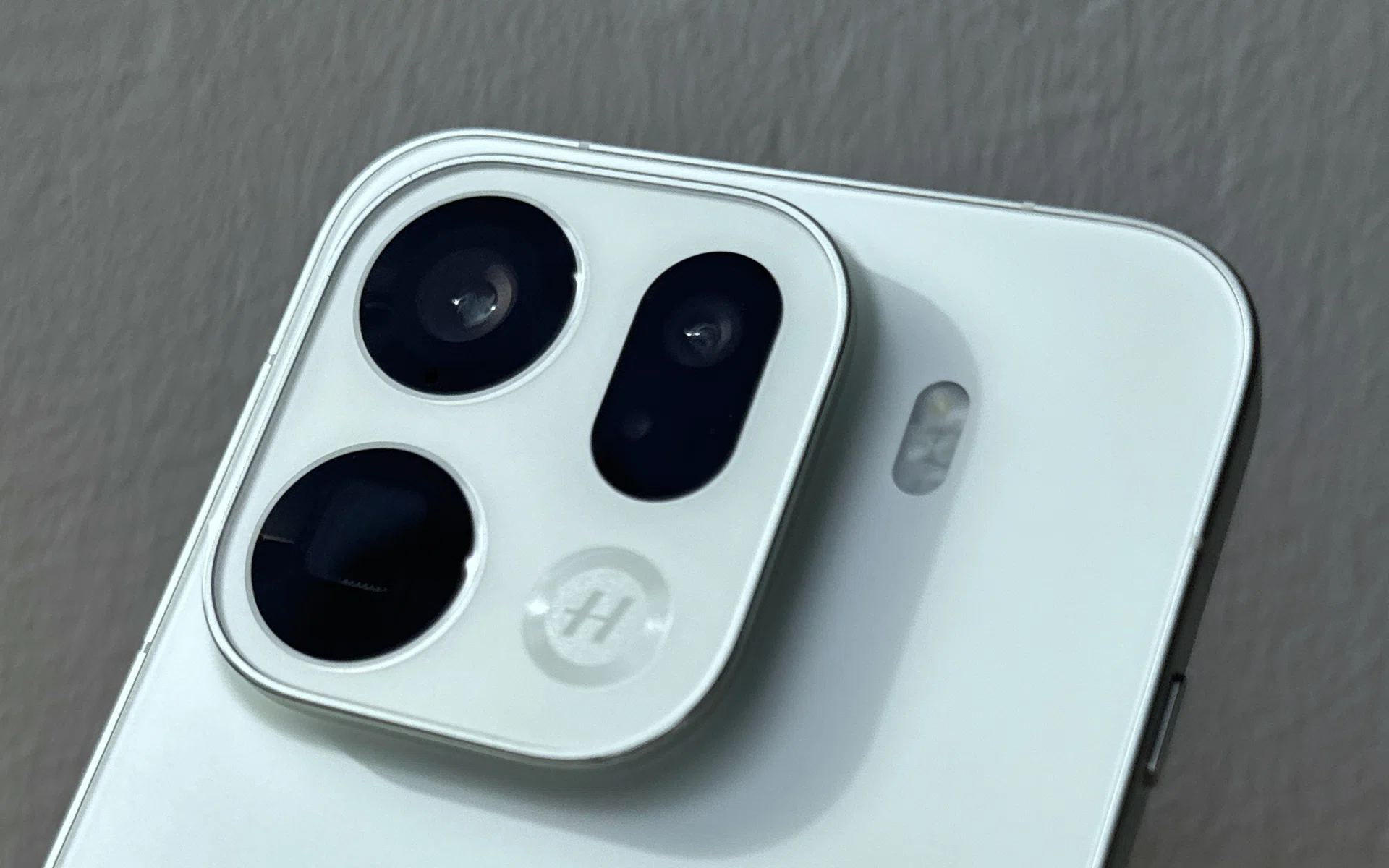
Running on its reskinned Android 16 interface (ColorOS 16), OPPO has done much to improve the phone inside and out. Not only are the triple rear Hasselblad-partnered cameras even sharper than before, OPPO also upgraded the rear with a 200MP telephoto camera to defy expectations.
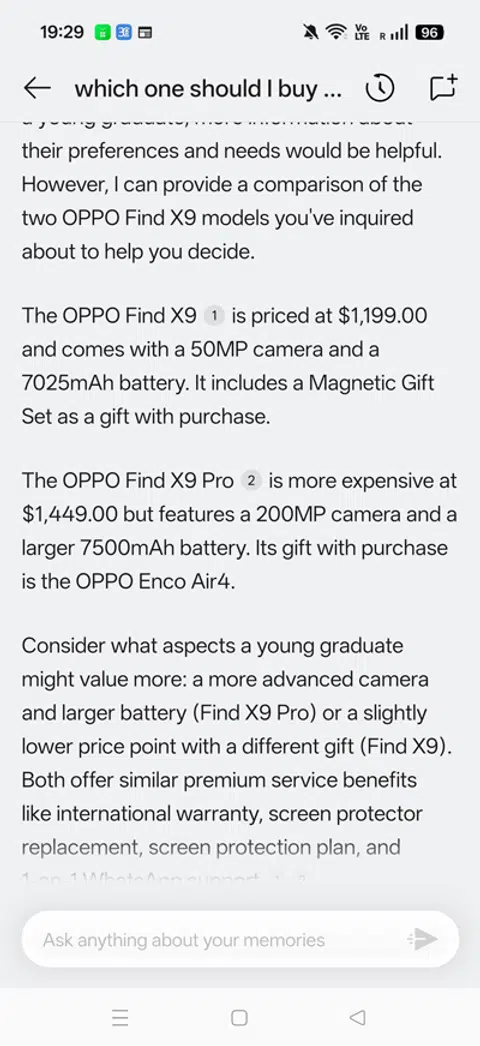
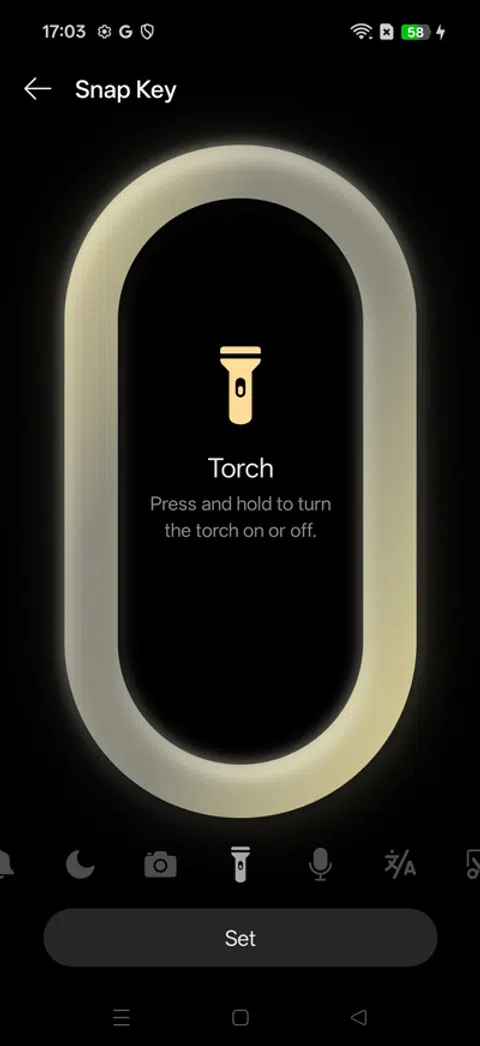
While its mainstay physical camera button returns, it is now accompanied by a new customisable friend called Snap Key, which works with the new AI Mind Space feature. We’ll also go through all these features below in greater detail.
That’s not forgetting one of the largest battery capacity upgrades we’ve seen in a modern Android smartphone, going up to 7,500mAh thanks to OPPO’s updated silicon-carbon battery mix. We’re more interested to know if that upsize results in anything substantial.
Is the OPPO Find X9 Pro going to set the tone for the incoming rush of 2026 flagship-tier Android phones, or will it be easily forgotten? Let’s find out.
Design, Display, Audio
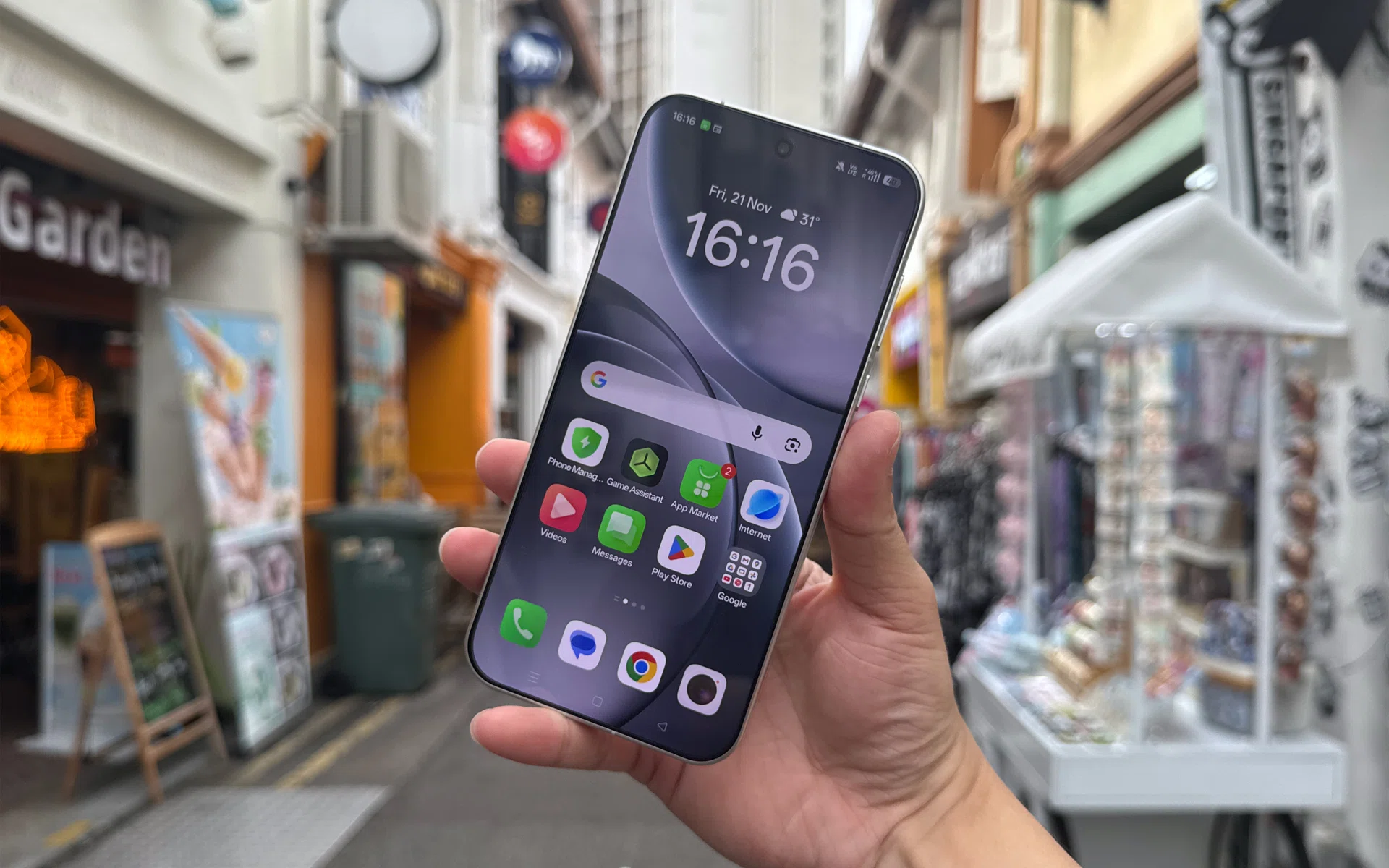
OPPO Find X9 Pro, front.
Photo: HWZ
The latest Find X series handset has shown that OPPO does have a fashionista’s finger on the pulse. If you recall, the predecessor (Find X8 Pro) was a competent all-around phone, but it still had a remarkably Chinese Android design language with a comically large rear camera housing and tapered back.
With the Find X9 Pro, OPPO has decided it should take design lessons from Apple and their iPhones instead. The phone’s rear cameras are cornered together in a raised island, accompanied by a subtle, encircled “H” logo that looks familiar to both Hasselblad and Haidilao patrons.

OPPO Find X9 Pro, back.
Photo: HWZ
Find X9 Pro also has the modern iPhone’s flushed back and sides with curved corners. Heck, even its dimensions (76.46mm) and weight (224g) are similar. The only ways to tell them apart (besides being an Android) is via the phone’s colours (most markets get Titanium Charcoal or Silk White) and the oblong-shaped camera hole for telephoto cameras.
What’s interesting is how OPPO also went all out to cover a series of wet-weather assurances by snapping up IP66, IP68, and IP69 ratings for dust and water resistance. So not only is the Find X9 Pro able to get wet, it can resist jets of water, immersion, and even high-temperature, high-pressure liquids.
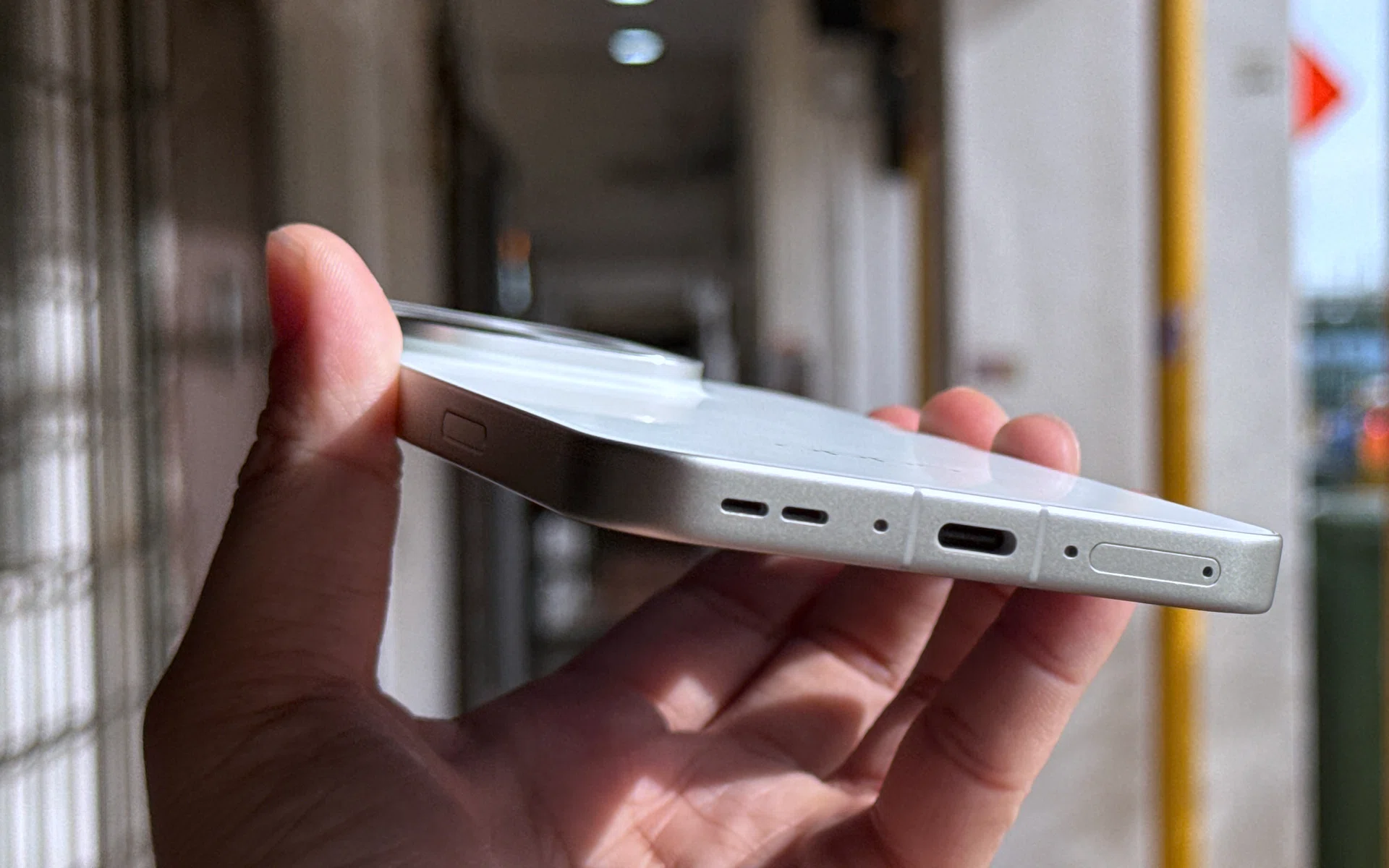
OPPO Find X9 Pro, bottom.
Photo: HWZ
As if to assure users that the Find X9 Pro’s build quality is impeccable, we were also given a chance to visit the Dongguan labs where OPPO tests its handsets (including this one) before they go up for sale. There’s plenty to munch on from that visit, so we have it all in its own article here.
Despite using an uncommon 1200p resolution, the 6.78-inch display could handle anything we threw at it, including 4K60FPS YouTube videos and high framerate gaming. Properly optimised content appeared incredibly sharp, and it plays nicely with HDR10+ and Dolby Vision content.

OPPO Find X9 Pro’s display
Photo: HWZ
The external speakers seems quite average, with reasonably distinct separation between highs, mids, and lows. However, the bass frequencies, while strong, sounded very dispersed. It performs well with vocals but the default mixing gives its boxy sound signature. We think you’d be better served with true wireless earbuds instead.
ColorOS 16 keeps mostly the good bits
OPPO’s ColorOS 16, its reskin of Android 16, isn’t a major change from its preceding ColorOS 15. Actually, that’s true for many flagship phones moving between Android versions, and aesthetic differences feel minor (by design) for familiarity and ease of use.
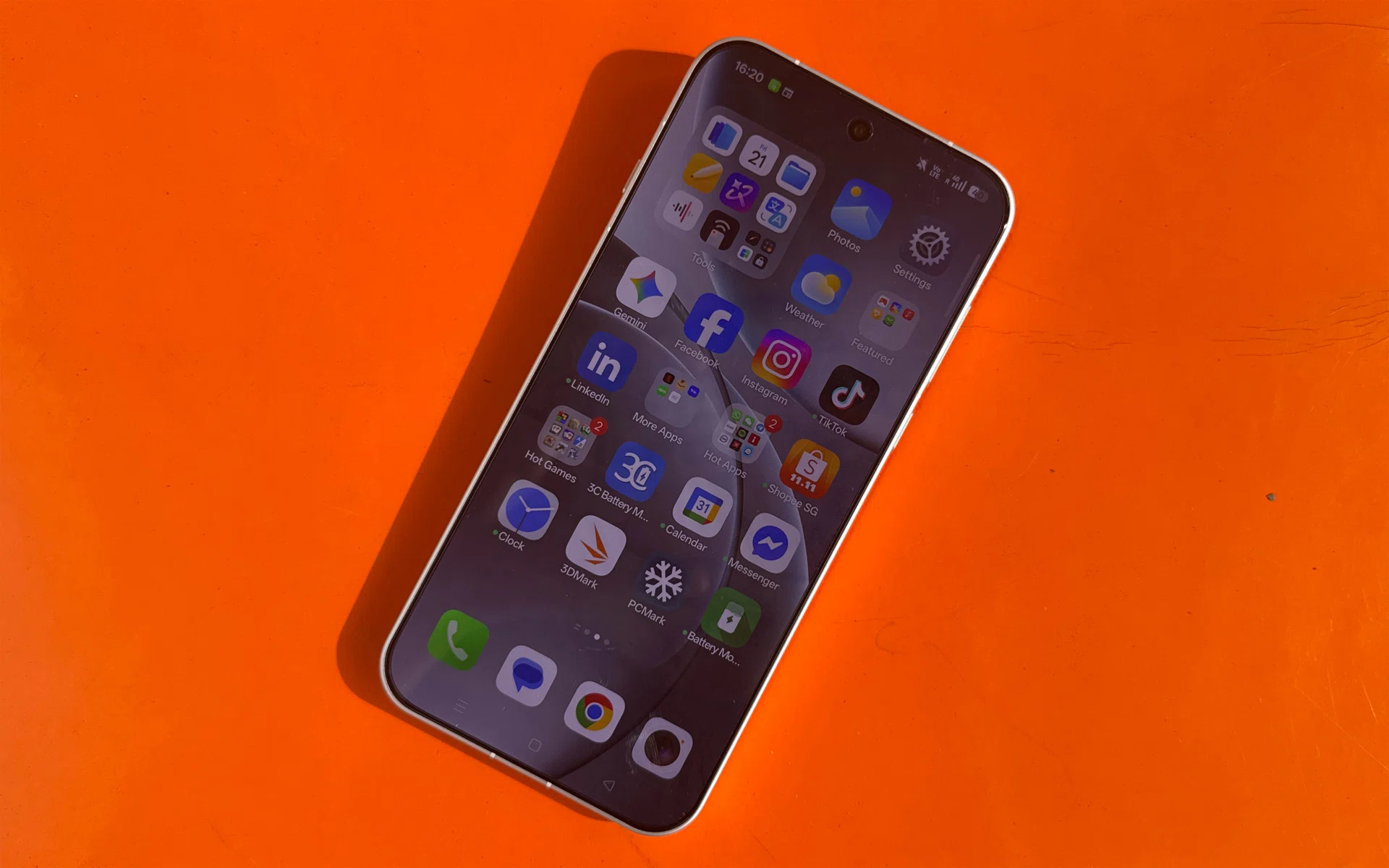
ColorOS 16 on OPPO Find X9 Pro
Photo: HWZ
However, ColorOS 16 did improve many critical software inefficiencies, which OPPO covered in great detail here. Adding to the novelty are Find X9-specific tools, such as AI Mind Space, Snap Key, and Quick Button, which we also explored below. Above all, we also did a sweep to check for bloatware.