Disclaimer: This is an opinion piece, and it may not represent the individual or collective views/insight of the entire HWZ Editorial team. Or it may. That’s the point.
What’s better than two displays on a phone? Adding an Apple logo to the back of it, of course
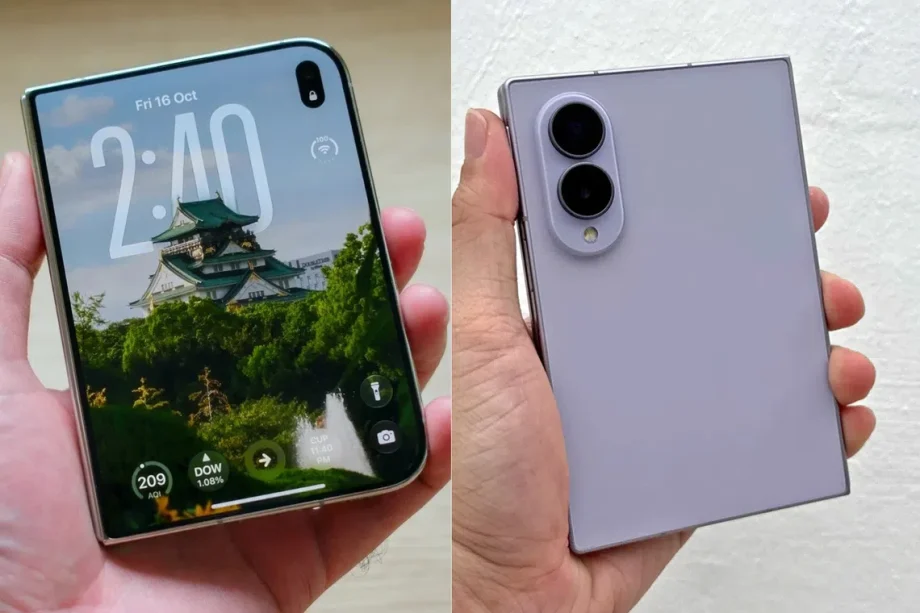
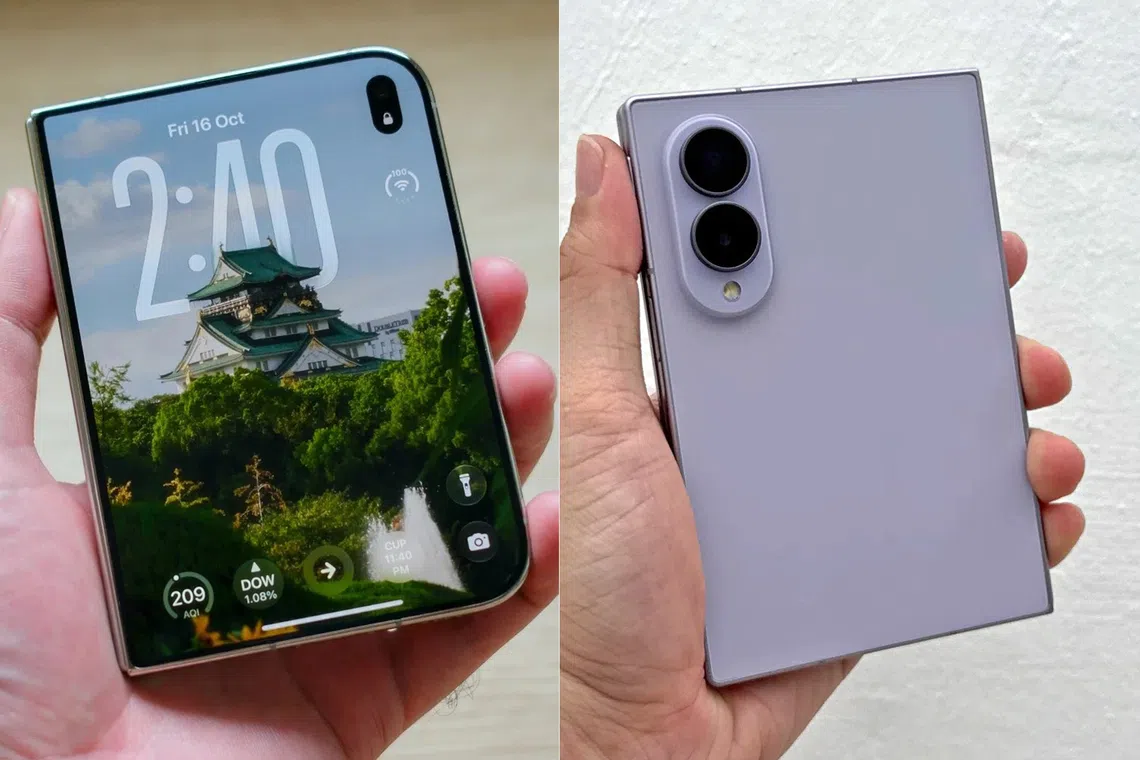
For many Apple fans and users, the weekend of 23 October 2026 marked an important mobile milestone. Apple’s first foldable, iPhone Duo, landed in Singapore and sold like hotcakes – to put it mildly. Aside from the fastest few, it’s currently backordered until late January 2027, so it won’t arrive in time for Christmas this year.
To be fair, some were just cashing in on the hype (and reselling them on the spot), but there’s no denying that Apple’s long-awaited passport-styled handset has broader mainstream interest and a high-quality polish, despite being the company’s first real attempt at one.
Hardcore consumer tech lovers, however, are ironically more reserved despite the fanfare. That’s because foldable phones have been around long enough in the realm of Android.
Depending on who you ask, the first mainstream foldable phone for global use might be the Samsung Galaxy Fold (2019), although prototypes and patents have been filed by many other brands earlier than that — such as LG Mobile back in 2017 (remember them?) and the 2018 Royole Flexpai for the Mainland Chinese market (surprisingly, it’s not the Huawei Mate X).
But this opinion piece isn’t about who’s first, last, or better. It’s about how the iPhone Duo, from its multi-year rumours to its retail-ready release, is the final piece of the puzzle Android phone makers need to bring foldables into mainstream acceptance.
The best things in life are usually free…?
In economics, a late-mover is a market entrant that learns from a first-and second-mover’s painful debut lessons before launching its own version. You don’t need to be an Apple Genius to know who this refers to, but this iPhone Duo’s launch has fuelled the Android foldable space in unexpected ways.
Read Full Article At Source