From Gran Turismo to smartphones: How Xiaomi is taking innovation beyond the track

From Gran Turismo to smartphones: How Xiaomi is taking innovation beyond the track


Xiaomi’s Vision Gran Turismo (VGT) concept car was first revealed at Mobile World Congress in Barcelona earlier this year. It is now heading to Gran Turismo 7 for PlayStation, with the game announcement made at the Gran Turismo World Series event in Singapore alongside a new EV Experience. For players who may not have driven a Xiaomi car in real life – let alone its super cars, the game will offer a chance to experience one virtually.

Xiaomi VGT and Polyphony Digital Gran Turismo

From left to right: Jean-Arthur Madelaine, head of design at Xiaomi Europe’s R&D and Design Centre for Xiaomi Auto, and Kazunori Yamauchi, CEO and producer of Gran Turismo series, Polyphony Digital.

Photo: HWZ

The concept was developed for Gran Turismo, but its design was not intended to be a fantasy car without a connection to the company’s broader direction. During the event, Jean-Arthur Madelaine, head of design at Xiaomi Europe’s R&D and Design Centre for Xiaomi Auto, shared that the project was meant to show how Xiaomi approaches a design challenge, rather than simply adding another hypercar to a videogame.

One of the ideas behind the car is a form shaped by the air around it. Jean-Arthur described the VGT as being designed like a wing, with a clean shape that avoids unnecessary add-on parts. The cabin, meanwhile, takes inspiration from the comfort of gaming at home. Xiaomi calls this idea a “sofa racer”, a car that brings together the relaxed feeling of playing from a sofa with the immersive experience of driving.

The concept also gave the design team plenty of room to explore. Unlike a production car, which must meet a wide range of practical and manufacturing requirements, the VGT could more closely reflect the team’s design vision. That does not mean its ideas are impractical or disconnected from future vehicles. Jean-Arthur said concepts are not created without purpose, and that elements of the VGT’s design philosophy could inform future Xiaomi cars, even if the production versions might look different in the end.

Building capabilities across products

Xiaomi Vison Gran Turismo

The Vision Gran Turismo’s design was not intended to be a fantasy car without a connection to the company’s broader direction.

Photo: HWZ
The VGT is one visible expression of a much broader effort, however. Xiaomi is investing in technologies that can support products across several categories, from cars and smartphones to smart home devices.

The company’s work spans chip development, AI, operating systems and manufacturing. Its MiMo models, for example, are part of its push into language, multimodal and speech AI. HyperOS is designed to connect personal devices, vehicles and homes, while Xiaomi’s manufacturing work includes developing its own equipment, software and automated production capabilities.

That effort is backed by substantial investment. Xiaomi invested RMB105.5 billion in research and development between 2021 and 2025, and had 25,457 R&D employees in 2025. It also reports more than 47,000 granted patents worldwide and plans to invest more than RMB200 billion in R&D from 2026 to 2030.

These figures show the scale of resources supporting the company’s growing product range. Developing an idea is only the first step; turning it into a product that can be manufactured at scale, and then integrating it with other devices, calls for engineering teams and infrastructure that can support multiple product categories.

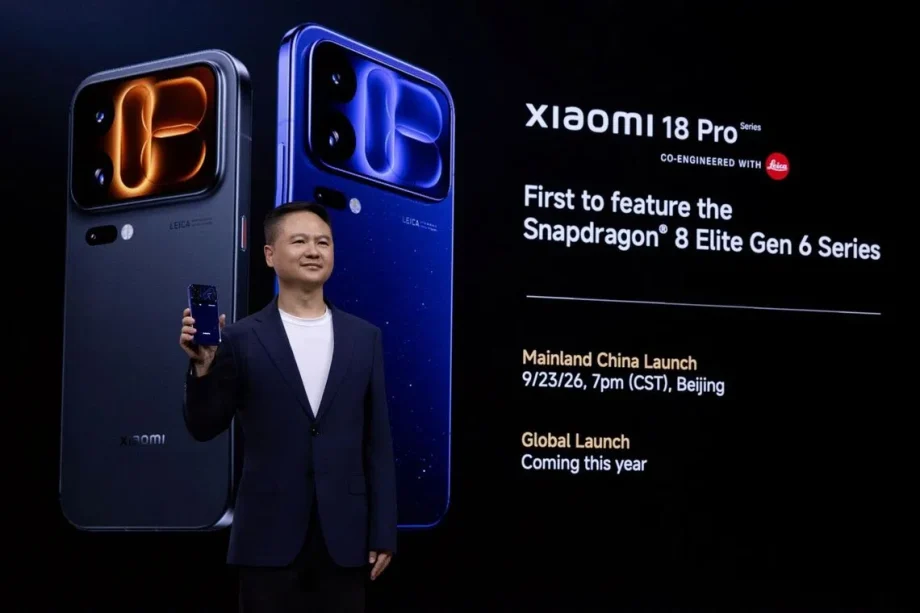
The upcoming Xiaomi 18 Pro series applies that approach into a product people use every day. The phones are set to arrive in Singapore, with one feature that gives the rear of the device a more defined and active role – an interactive display built into the back.

A second screen for everyday use

Xiaomi 18 Pro

The Xiaomi 18 Pro was recently launched in China.

Photo: HWZ

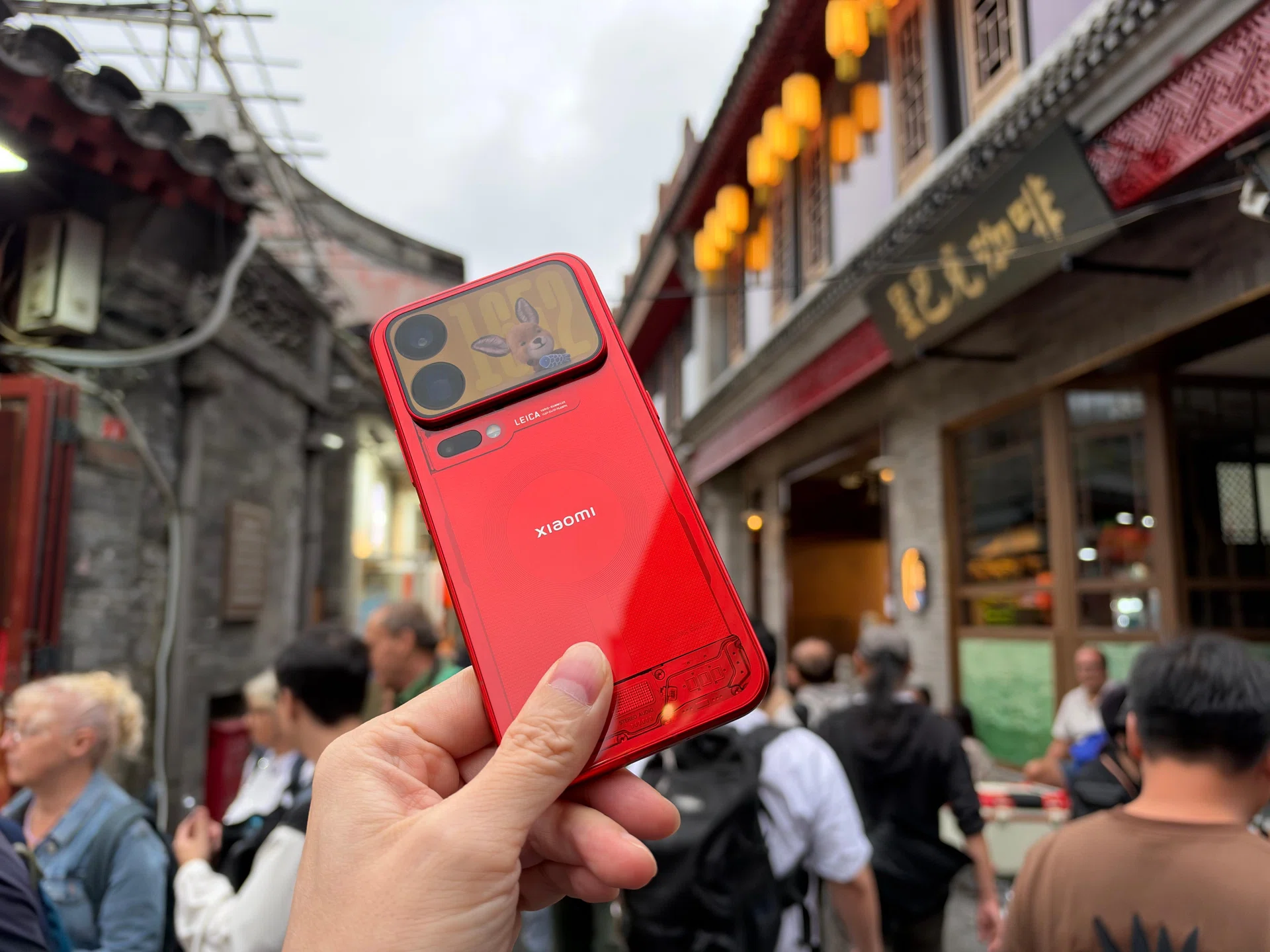
Can today’s smartphones still surprise us? Smartphone designs have settled into an all too familiar pattern. The front houses the display, while the rear is always home to the cameras. The Xiaomi 18 Pro series switches that up by adding a smaller, secondary touchscreen to the back.

This display can show updates at a glance when the phone is face down, helping users check key information without having to pick it up or wake the main screen. It can also be personalised with photos, wallpapers and used for framing shots with the phone’s main Leica cameras too when taking selfies.

But there’s more. With the included AI app creator, users can make mini apps for the rear display. Examples shown by Xiaomi at the 18 Pro’s launch event in Beijing last month include an egg timer, a water-drinking reminder and a Pomodoro timer. Unlike smartphones like the iPhone, these small tools allow users to handle quick tasks without switching to the main display. 

Adding a rear display to a slim phone involves more than fitting another panel into the design. It has to work around the camera system and other components, while keeping the phone’s thickness, power use and durability in check. The software matters too: the screen needs to make those quick checks and AI-generated mini apps useful in everyday use.

One strategy across phones, cars and homes

The VGT and the Xiaomi 18 Pro series may look like very different products, but both reflect a similar approach: using technology and design to create new ways for people to interact with familiar devices – or vehicles.

Xiaomi describes this strategy as Human x Car x Home. Smartphones act as personal computing hubs, vehicles become connected mobile spaces, and smart home devices extend that experience into the home. Meanwhile, HyperOS and AI are designed to help its phones, cars and smart home devices work together. The company is also looking to expand its reach beyond its existing smartphone business – with plans to enter the European EV market in 2027, while building out its major home appliance portfolio in Southeast Asia.

From a concept car on a PlayStation videogame to a secondary screen on the back of a phone, Xiaomi is exploring how its products can fit into more parts of our daily life. The ideas may be different in scale, but they point towards the same ambition: to build the technology behind connected experiences across the way people move, communicate and live.

Brought to you by Xiaomi


Read Full Article At Source

Share. Save. Don't Miss The Buzz: XFacebookRedditLINETelegramWhatsAppGmail

Leave a Reply