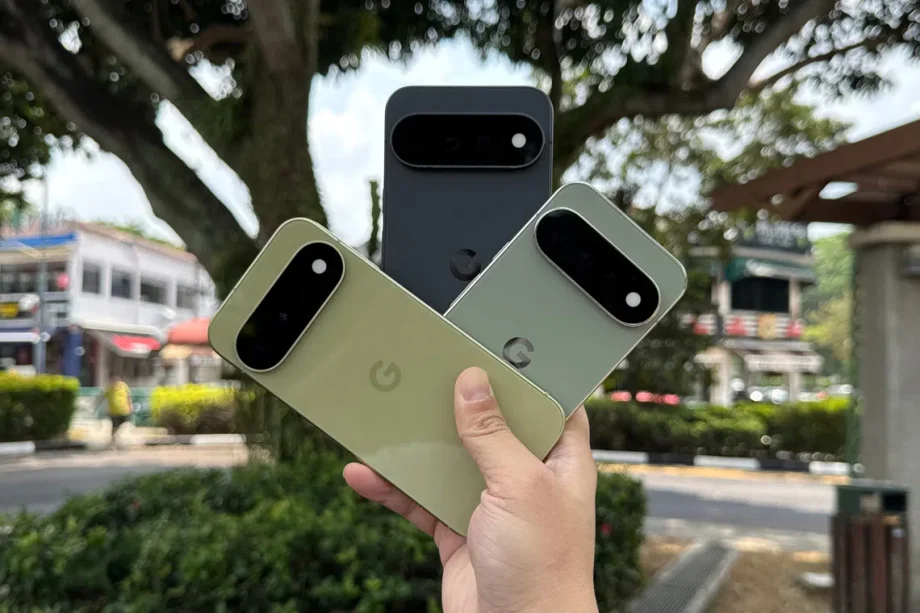
Pixel peeping, sort of
Google Pixel phone launches are unlike any other Android phones coming out in a typical year. Despite a relatively small user base in Singapore when compared to other options we have, it represents a unique blend of:
- Being a rare non-Asian Android phone brand that’s officially supported in Singapore
- Uses processors of its own design, even if it’s customised and manufactured elsewhere
- Has a strong focus on software, and similarly, its support (7 years of OS firmware, Pixel Drop software, and security updates)
It’s a different story within its own lineup. Between the standard Google Pixel 11 and the Pro variants, Google Pixel 11 Pro and Google Pixel 11 Pro XL, key differences are subtle: on the Pro handsets, you get a 1-120Hz refresh rate and a HiLight notification rear light (more on that later), while the base Pixel 11 has a 60-120Hz display and no gimmicky LEDs.
Another place where Google Pixel tries to differentiate its Pro offering is through camera hardware, but that doesn’t always translate into strong camera results (more on this in our imaging section below). For instance, Pro models have Instant Night Sight (faster, more stable low-light photography), while the base model does not.
Nearly everything else of note – from the consistent IP68 protection against dust and water, the identical charging speeds, the Google AI and Gemini perks, right down to their use of Google Tensor G6 chipset platforms — is nearly identical across the board. You can unfurl the specifications dropdown table above to see what we mean.
With that said, this is the perfect segue to bring up official starting prices:
| Device | 12GB RAM + 256GB storage | 12GB RAM + 512GB storage | Colours |
|---|---|---|---|
| Google Pixel 11 | S$1,299 | S$1,479 | Frost, Hibiscus, Pistachio, Obsidian |
| Device | 12GB RAM + 256GB Storage | 16GB RAM + 512GB storage | 16GB RAM + 1TB storage | Colours |
|---|---|---|---|---|
| Google Pixel 11 Pro | S$1,599 | S$1,779 | S$2,099 | Canyon, Olive, Fog, Obsidian (matte) |
| Google Pixel 11 Pro XL | S$1,819 | S$1,999 | S$2,319 | Canyon, Olive, Fog, Obsidian (matte) |
A gulf in prices between each model (no thanks to memory shortages resulting in price hikes) suddenly becomes a balancing act for Pixel phones: where do they draw the line between ensuring a high-quality base-model experience and including enough Pro perks to justify the extra cost?
Frankly, do these differences even matter if they are all on the same chipset and software? Will we see any surprises in performance? If those are your burning questions, you’ve come to the right place to seek answers.
HiLight is not the highlight we expected
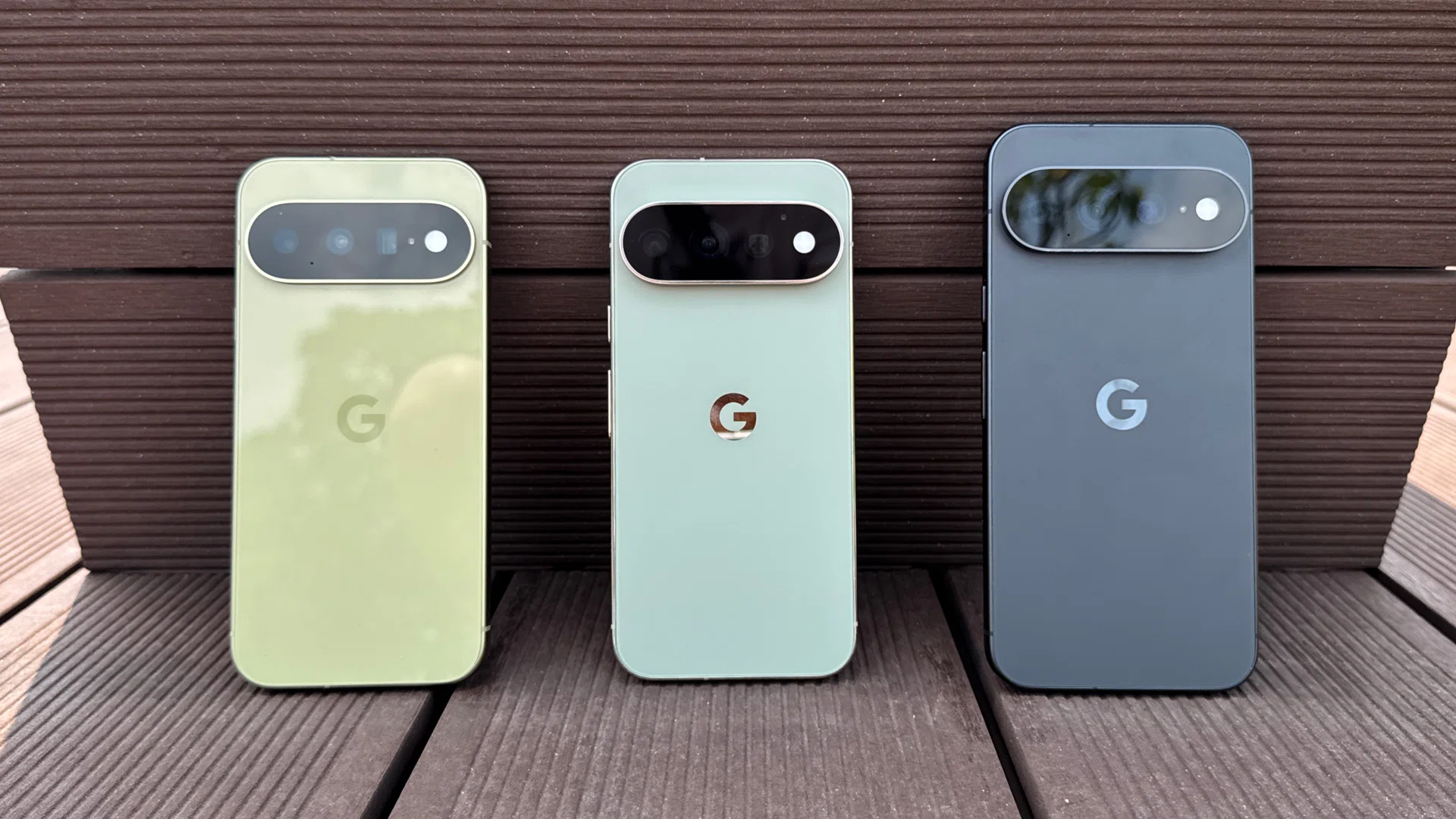
L to R: Google Pixel 11, Pixel 11 Pro, Pixel 11 Pro XL
Photo: HWZ
The design language of Pixel phones has virtually remained unchanged, and that’s apparent as soon as you look at the previous review here. The Pixel 11 series’ biggest design change is the HiLight on the Pro and Pro XL. This LED indicator is wrapped around the camera’s flash module, serving as a visual cue for important interactions.
Is… what we would have loved to say. Sadly, HiLight offers very limited practicality. Across the pond, UK-based Nothing, which has Glyph-branded lighting modules on its phones, can show charging progress or give a silent visual ping when notifications come in. Google Pixel’s HiLight is far more constrained in that regard, with only two scenarios: when Gemini responds while the phone faces down, and when you need to colour code your favourite callers.
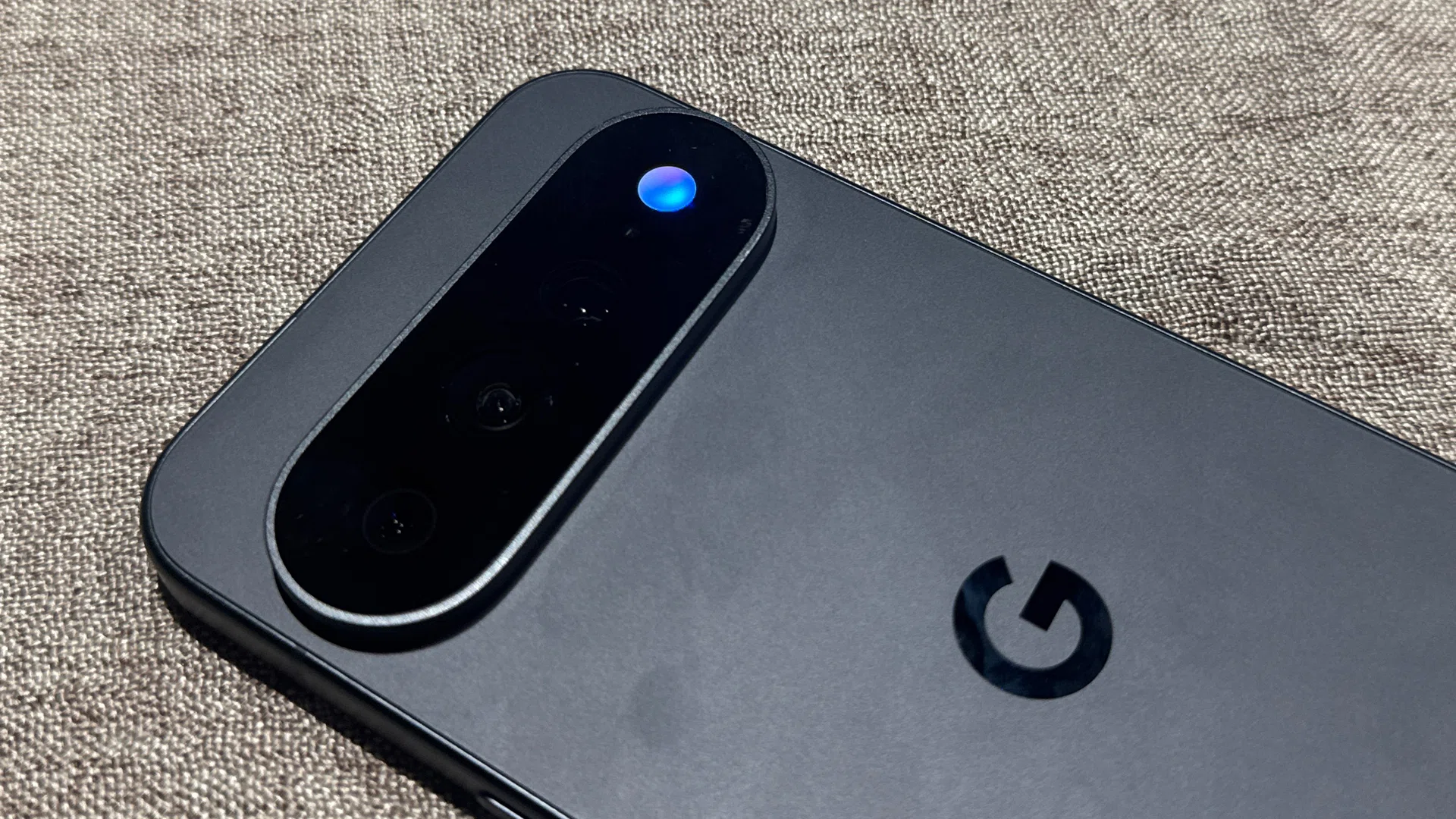
HiLight, the LED notifier that tells you Gemini is speaking, or a favourite person reached out to you.
Photo: HWZ
We’re not exactly sure where the value lies in seeing HiLight illuminate itself when Gemini replies. By now, most users who rely on AI tools for answers would realise that Gemini (as with other AI assistants) are really good at structuring its replies with formatting (bullet points, paragraphing, and the works). Google’s implementation – with Gemini’s HiLight working when the phone is face-down – requires the user to see the pretty ball of light instead of your well-formatted response. Also, it makes little sense to include this when the valuable response is coming through as voice and sound, as the mini-disco ball is programmed to follow intonation with no other cues to its recited information.
In HiLight’s defence, colour-coding your favourite contacts can help because of the privacy and subtlety it offers, but we expected added hardware to carry more weight (not literally). Perhaps the Pixel folks can take a look at what Nothing’s doing with addressable LEDs and think of other ways to make HiLight more useful.
Happily, this means base Pixel 11 users aren’t shortchanged by much. You get the same phone design, Corning Gorilla Glass Victus 2 cover glass, Bluetooth 6.0 compatibility, and IP68 durability. Even small details like USB 3.2 speeds (at least 5Gbps) are identical across these handsets. This means you’re more likely to choose Pro or Pro XL based on your display size and camera needs.
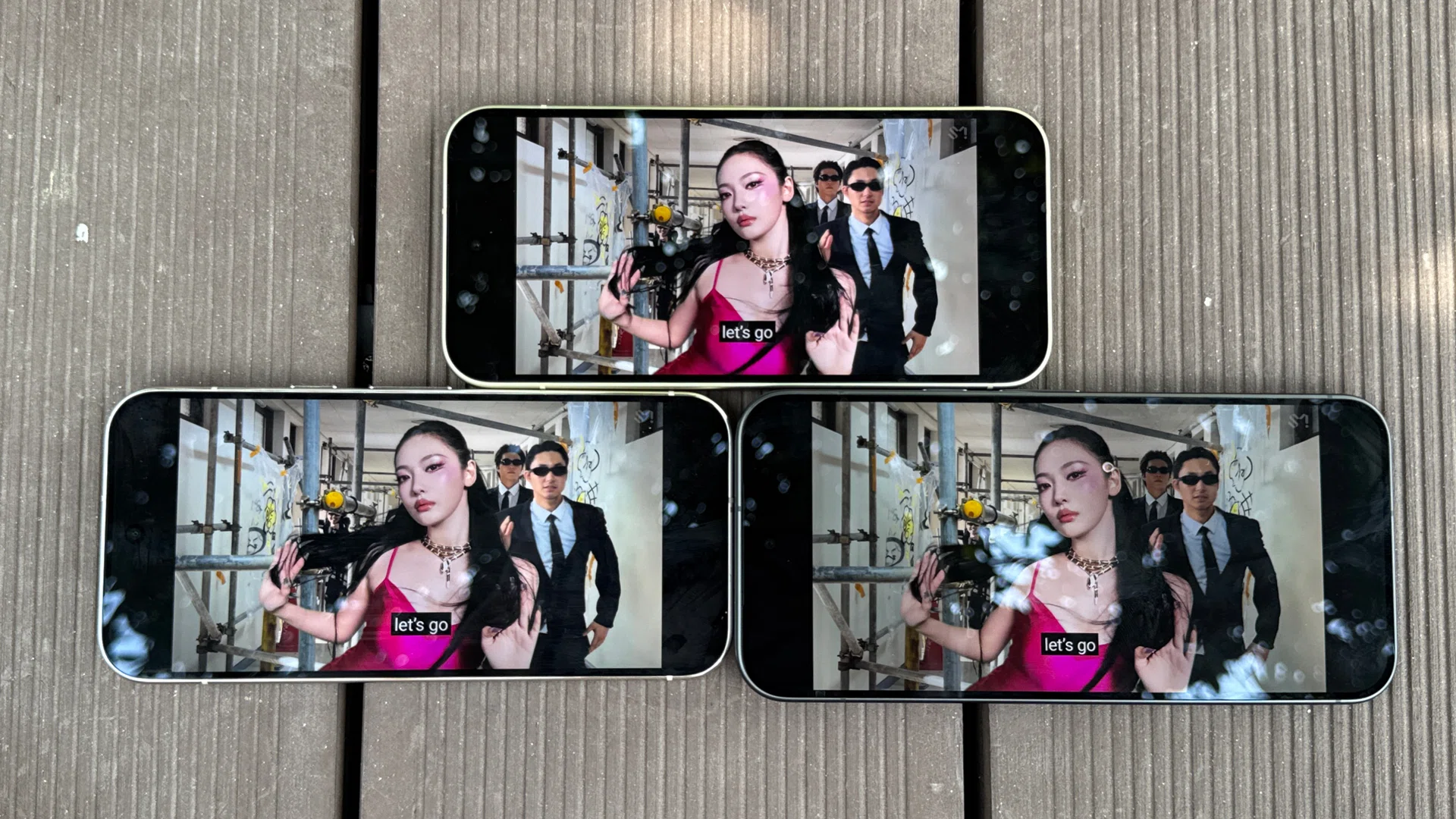
Guess which is the Pixel 11? It’s the top unit.
Photo: HWZ
We say that because Pixel 11’s Actua Display is almost indistinguishable from the other two models holding onto Super Actua Display. To the naked eye, streaming high-resolution (2160p) YouTube music videos seemed equally enjoyable across the board. This is also true in general browsing and gaming apps.
This not only reinforces what we said about the base model offering outsized value, but also calls into question the perk of owning a Pro model (especially the Pixel 11 Pro, because it has the same 6.3-inch size even if it has higher resolution and a greater refresh-rate range). Both Pro and non-Pro displays still support full 24-bit colour depth, and Pixel 11 is still rated up to 2,000 nits of HDR brightness (Pros are higher, up to 2,400 nits). So you’ll still get a decent viewing experience even if you pick the most affordable Pixel 11 device.
Still the leading software innovator, because they own Android
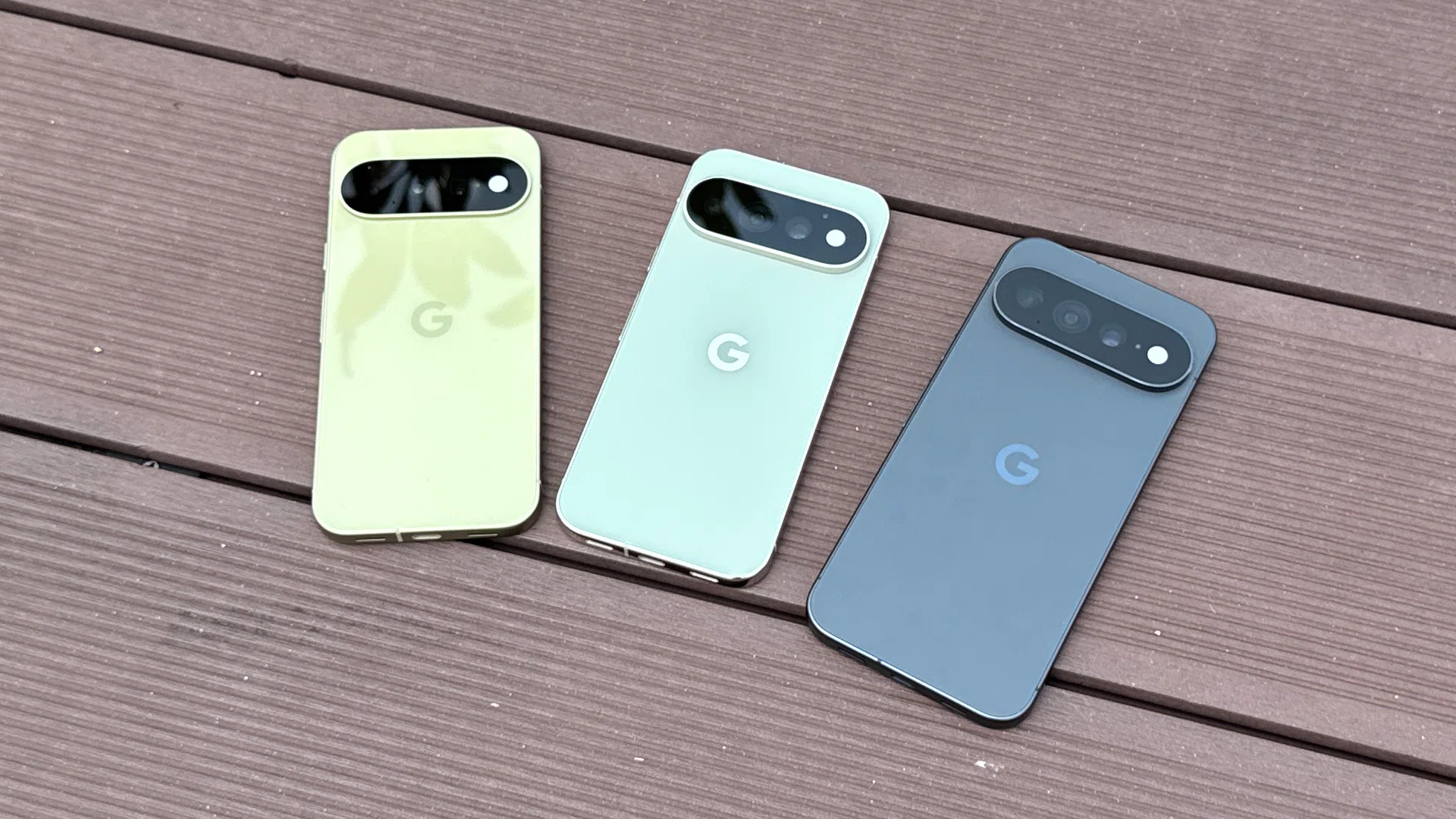
The Pixel 11 series.
Photo: HWZ
Following their theme of consistency is the out-of-box experience, with Android 17 installed across all three Pixel 11 bar-types.
This means your software is similar no matter which Pixel 11 you buy, as long as these features aren’t tied to HiLight or Pro camera sensors. You know this is true, too, because Pixel users have enjoyed its seven-year promise since the Pixel 8 series. In our past review, we’ve even said that this bold move helped set the standards for high-end Android phones.
Having no big reveal, however, doesn’t mean a lack of innovation, even if every new feature only addresses a smaller group of users.
For example, Rambler, its new voice-typing tool, is great for people who think faster than they speak, or don’t think before speaking. The great thing about Rambler is that it’s a Gboard input: it works in nearly every app that has a keyboard field, not just in Google’s first-party messaging apps. Its natural-language training results in impressive stutter correction. That said, having Rambler doesn’t mean you can have poor enunciation.
We would share more about Pixel and Gemini perks you can get through the Pixel 11 series and Android 17, but our coverage and reviews over the years ensured there’s nothing new we can add. For example, Android’s Quick Share compatibility with Apple’s AirDrop has expanded to nearly every other mainstream alternative, and even older Pixels had it before the Pixel 11 was announced. For users new to these tweaks, they’re summarised in the My Pixel app tutorial. Many of them are quality-of-life tweaks, which we liked but don’t necessarily make for a splashy phone review.
If you must know, the defining difference in Android devices today comes down to implementation — either the brand has already, or has yet to receive Google’s blessing for it. Google Pixel phones are quite unique in this area, being the only other Android option (next to Samsung Galaxy ones) to have Call Screening to tackle unknown callers.
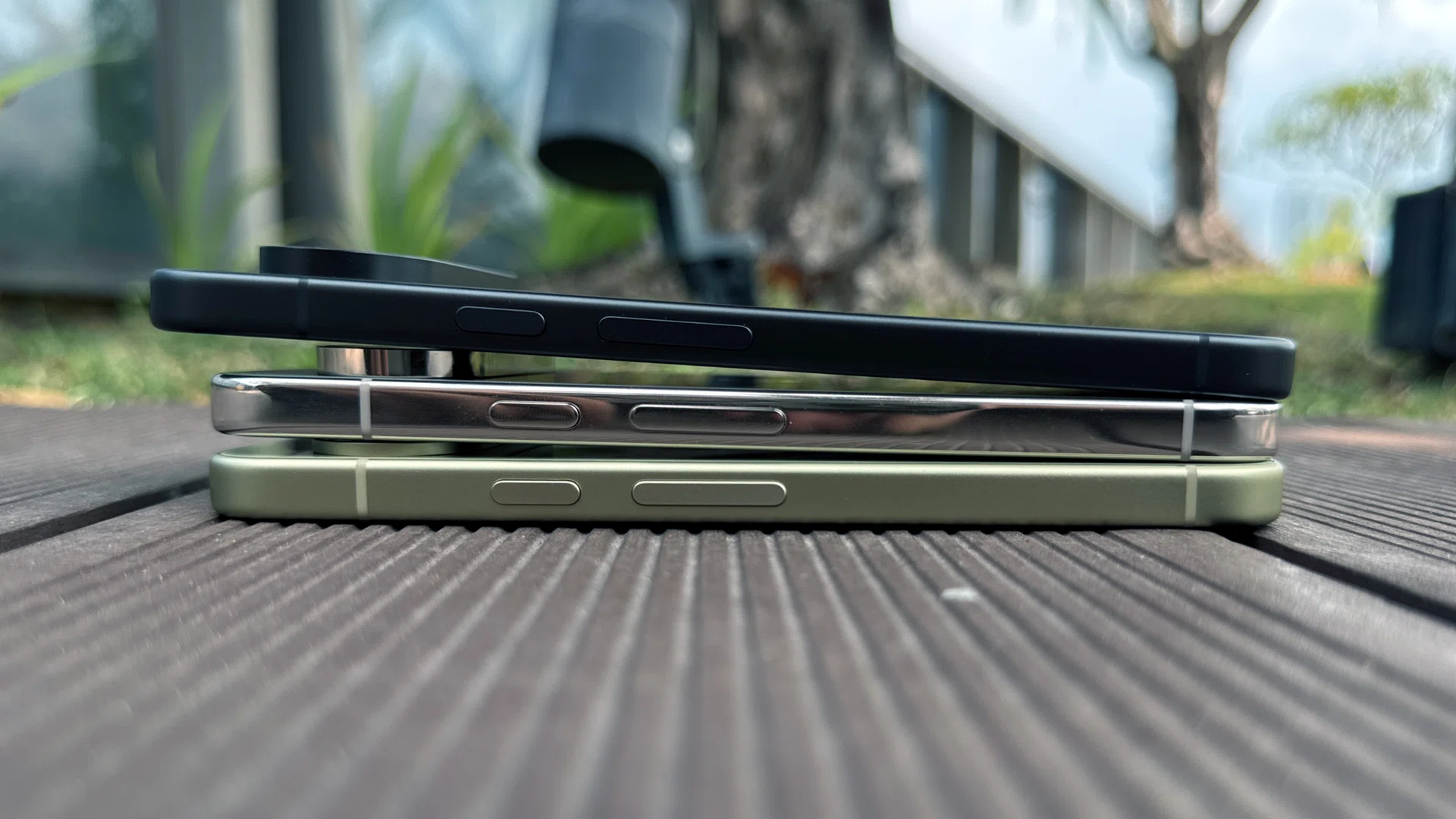
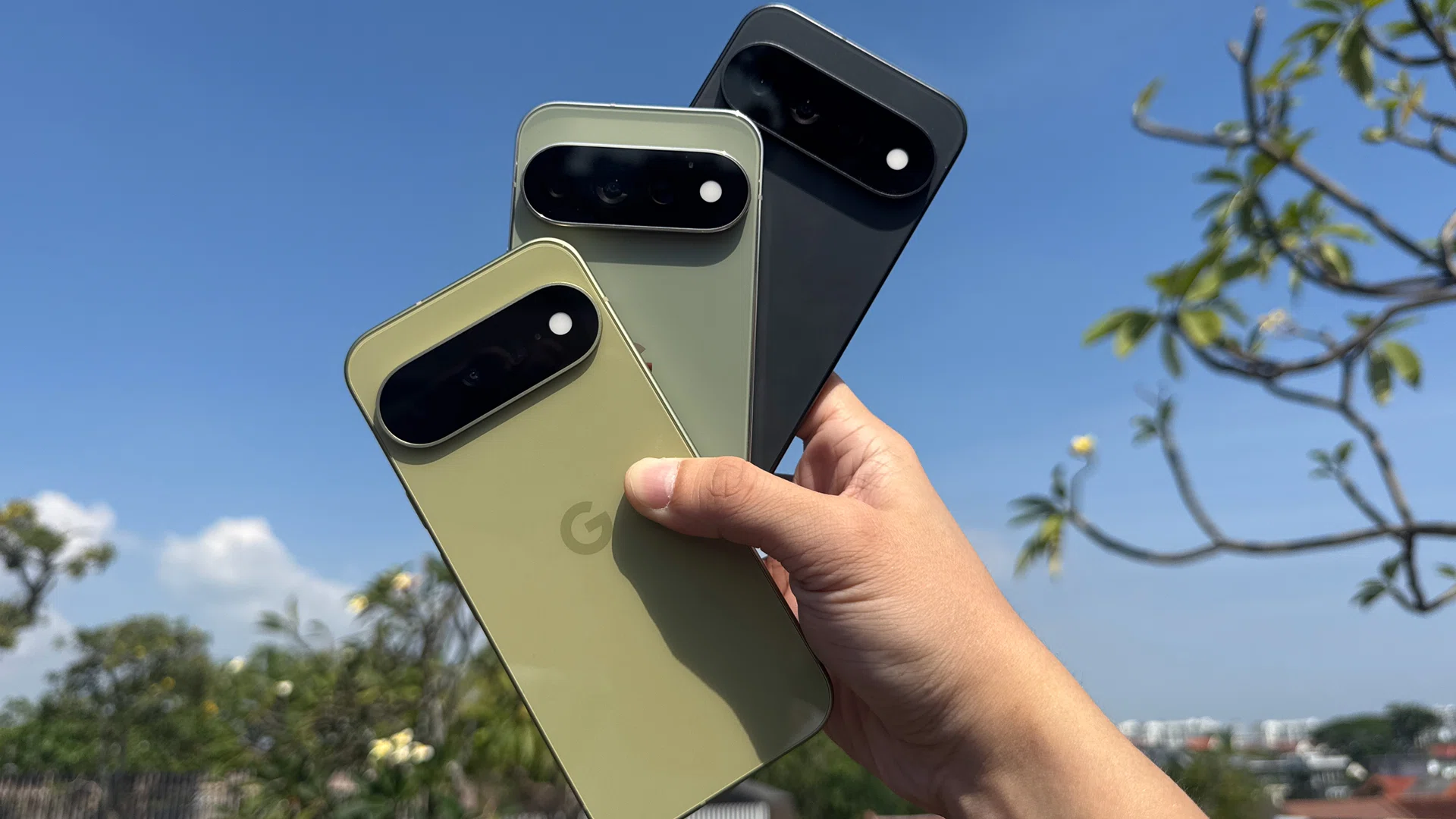
Stable phones, because of their big and long camera housing.
Photo: HWZ
So, it’s not that the Pixel 11 series lacks head-turning software features; Google owns both Gemini and Android, and building broad-base dominance through its partners means these features are nearly everywhere now, and almost consistent, too.
Imaging performance
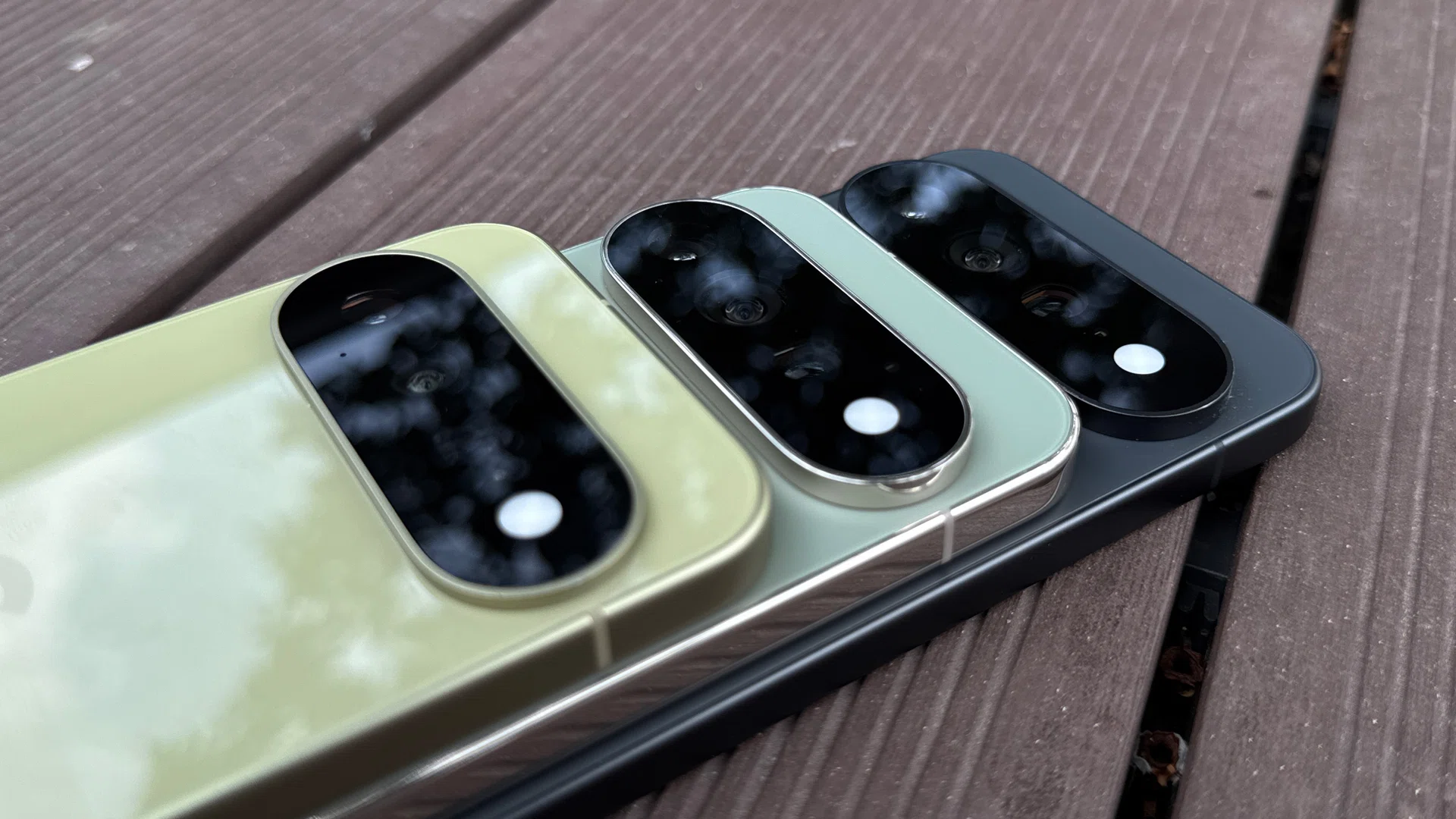
Rear cameras of the Pixel 11 (front), Pixel 11 Pro (middle), Pixel 11 Pro XL (rear).
Photo: HWZ
The cameras are where Google makes a bigger distinction between its base and Pro variants, with the Pro and Pro XL models sharing the same imaging hardware:
|
Phone |
Google Pixel 11 |
Google Pixel 11 Pro |
Google Pixel 11 Pro XL |
|
Main camera |
48MP, Quad PD, ƒ/1.70, 85° FOV, 1/1.56-inch sensor |
50MP, Octa PD, ƒ/1.68, 82° FOV, 1/1.3-inch sensor |
50MP, Octa PD, ƒ/1.68, 82° FOV, 1/1.3-inch sensor |
|
Ultrawide camera |
13MP, ƒ/2.2, 120° FOV, 1/3.1-inch sensor |
48MP, Quad PD, AutoFocus, ƒ/1.7, 123° FOV, 1/2.51-inch sensor |
48MP, Quad PD, AutoFocus, ƒ/1.7, 123° FOV, 1/2.51-inch sensor |
|
Telephoto camera |
10.8MP, Dual PD, OIS, 5x optical zoom |
48MP, Quad PD, OIS, 5x optical zoom |
48MP, Quad PD, OIS, 5x optical zoom |
Base Pixel 11 has a dedicated telephoto camera for optical zoom, joining the likes of Xiaomi 17 and OPPO Find X9 (also base models in their respective flagship lineups). What sets the Pixel 11 apart is its choice to make that telephoto a 5x optical zoom lens, while the Xiaomi 17 and OPPO Find X9 only offer up to 3x optical.
Happily (again), Pixel fans aren’t forced to buy Pro variants if you need optical zoom. What the Pros do have, however, is easier low-light photo-taking. Called Instant Night Sight, Google credits it to the Tensor G6’s 50% higher TPU compute than before. Which begs the question: doesn’t the Pixel 11 also use Tensor G6? And why did they only get regular Night Sight, then?
All these questions become moot once we started trying out sample shots with all three devices. Be sure to click the arrows and compare the same scene across each model.
Pixel 11
It was genuinely difficult to tell them apart at a glance, especially when we were trying to caption photos across three devices. These differences show up once you start zooming in and see details in the patterns, buildings, and foliage. Still, that’s not something to sweat about once you start uploading your snaps to social media platforms.
Pixel 11 Pro
The biggest difference is that the Pro models get sensor-crop zoom on their 5x optical lens, giving you a 10x optical-like zoom range. Beyond that, the imaging quality across all three models is generally pleasant, with the same flaws across all models (for some reason, its OIS doesn’t always kick in, and that can be a drag if you’re looking to get fast shots).
Pixel 11 Pro XL
Another observation is how much computational photography goes into each photo. Our Pixel phones even made this process visible to us—when you preview your shots or browse them in your Photos app, it shows the original shot for a split second before it massively brightens the image and adds better contrast, detail, and separation.
This isn’t new, but its computational control before the shot is. Called Camera Looks, you can apply your preferred colour science and vibe before or after the shot. The one featured in our sample shots is “Original”, with other options being Natural, Shadows, and Vanilla. You can also manually develop your own settings with the sliders and adjustments at the bottom.
The good news is that you can get specific camera signatures from your favourite camera brands without buying their partnered phone. It’s not-so-good news if you’re a camera and photography purist who sneers at Instagram “photographers” relying heavily on filters and editing, or if you need professional-level accuracy without needing to “un-correct” the optimisations (for that, please use the Pro models, with their built-in RAW mode shooting). The truly bad news, however, is that Camera Looks must be applied before shooting, and you can’t apply a new Look to a previously taken shot.

The real star of its imaging convenience, however, is Magic Capture. Available on all three Pixel 11 bar-type phones, Magic Capture automatically pulls frames from your 4K recording so you get stable, sharp shots from your footage. It sounds redundant until you realise it spares you from tapping the display to take a snap (and accidentally moving your phone), and it’s felt even more keenly with the Pixel 11 series’ temperamental OIS at play.
Benchmark performance
How we test smartphones: here.
All three models (Pixel 11, Pixel 11 Pro, and Pixel 11 Pro XL) use the same Google Tensor G6 chipset. Like its predecessor, Google designed it, and TSMC manufactured it on a 3nm process. However, they now use Arm’s new C-series processing cores, underpinned by Arm’s new ARMv9.3-A architecture.
It’s configured with 1 prime core at 4.11GHz, 4 performance cores at 3.38GHz, and 2 efficiency cores at 2.65GHz. Google spared no expense: the prime core is a flagship-grade C1 Ultra, while the performance and efficiency cores are C1 Pro, for extended phone use.
For this benchmark, we’ll pick one previous-generation Pixel to represent generational differences and avoid cluttering the charts. The other entries are alternative flagship choices available in Singapore.
Note: The Pixel 11 series can’t participate in Solar Bay Unlimited benchmarks by 3DMark, which specifically tests hardware-based ray-tracing capabilities in gaming graphics.
We know all three Pixel 11 series models use the same chipset, as shown by consistent benchmarking results across the trio here. Notably, they have greatly improved their CPU performance, but it still trails behind the competition. Graphics, sadly, are not there yet, and have been this way for generations.
Gaming is possible and smooth, but it depends heavily on the intensity of your game and your graphics settings. An hour of 60FPS gaming took about 3% battery capacity off the Pixel 11 Pro XL, with the phone reaching a comfortable 35-36°C at the end of the session.
Battery life
Our battery benchmark uses PCMark for Android’s Work 3.0 Battery Life, with results shown in minutes. This controlled benchmark simulates real-world usage, such as web and social media browsing, video and photo editing, parsing data with various file formats, writing, and more.
The Pixel 11 series has the following battery capacities, wired charging, and wireless charging specifications:
|
Model |
Battery capacity |
Wired charging |
Wireless charging |
|
Google Pixel 11 |
4,895mAh |
30W |
25W (Qi2.2-certified) |
|
Google Pixel 11 Pro |
4,850mAh |
30W |
25W (Qi2.2-certified) |
|
Google Pixel 11 Pro XL |
5,115mAh |
30W |
25W (Qi2.2-certified) |
Following our review process, each Pixel 11 series phone received multiple attempts. Within each device, they reported consistent uptimes across every try. Truly, the Google Pixel 11 lasts an hour longer than its Pro counterparts, despite sharing the same processor, clock rates, and core layout.
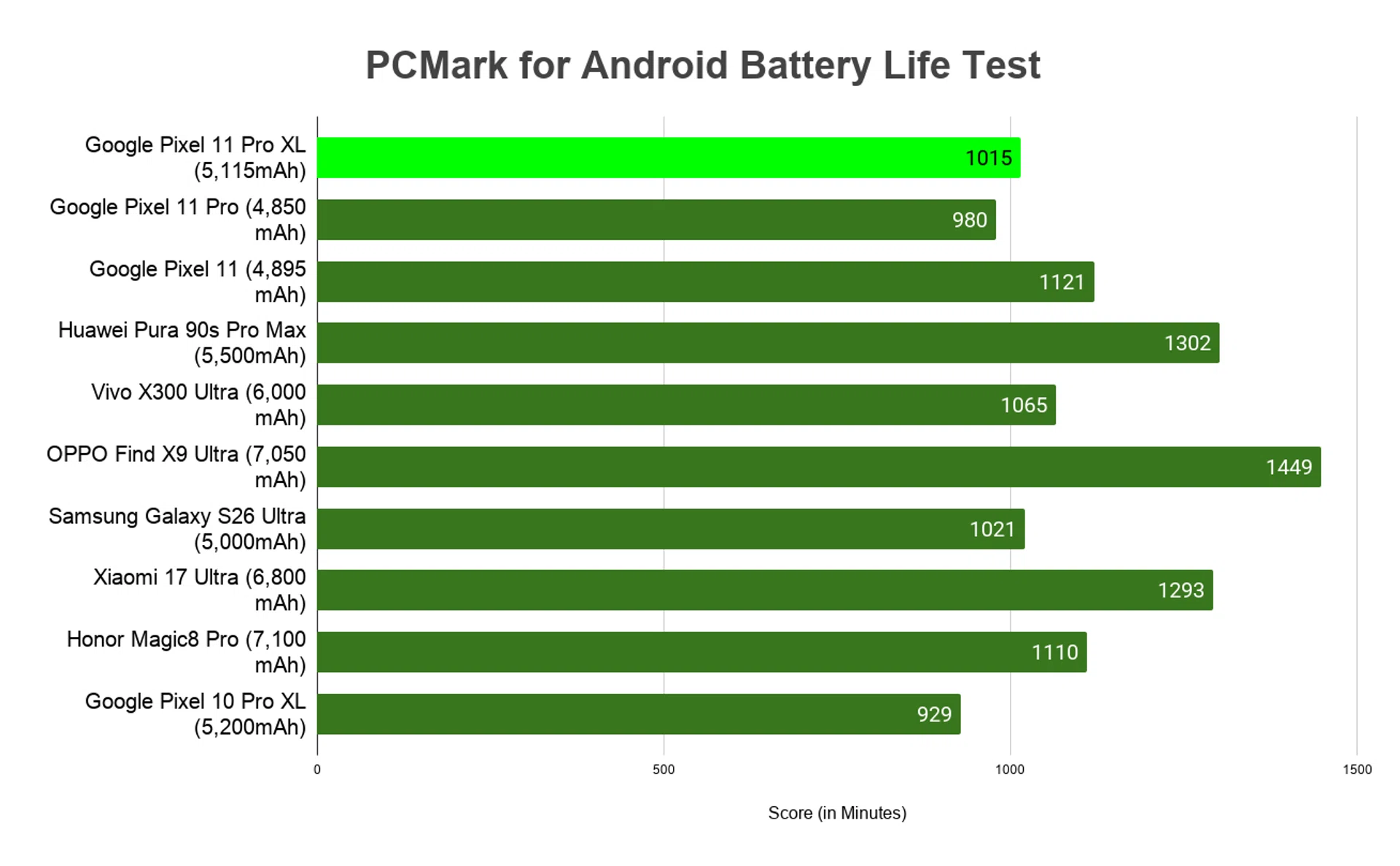
Uptime in minutes, the longer, the better.
Image: HWZ
We think the uptime difference in the Pixel 11 comes down to either the 60-120Hz display (instead of 1-120Hz) or lower RAM (12GB, while the Pro offers 16GB variants).
Tensor G6 efficiency, however, is still behind most Snapdragon 8 Elite Gen 5-powered phones that pull greater performance without impacting battery (too much). In the case of Pixel 11 series (as with past Pixels and past Tensor G-numbers), saving on power doesn’t translate to more uptime next to your flagship OPPO, Xiaomi, Vivo, or even Huawei alternatives (many of which also benefit from larger capacities).
It sounds harsh, but it’s really not. 16 to 19 hours of uptime is still impressive to us; it’s just that Android users these days are truly spoilt for choice, putting the Pixels in a very competitive market.
Charging-wise, the Pixel 11 series can now take over Samsung’s previous crown as the slowest to update its charging capabilities. Recent, high-end Samsung Galaxy phones have already updated to 45W wired charging. Across the board, the Pixel 11 series still operates at 30W max. That is on top of the built-in Adaptive Charging feature, which intelligently slows charging speeds depending on how close the batteries are to full.
|
Phone |
0-50% charging |
0-100% charging |
|
Google Pixel 11 |
~25 minutes |
~120 minutes |
|
Google Pixel 11 Pro |
~30 minutes |
~80 minutes |
|
Google Pixel 11 Pro XL |
~25 minutes |
~70 minutes |
In particular, the Pixel 11’s full charge was painfully slow, with its Adaptive Charging (wired) plummeting to 11W as it approached 90%. We understand that slower charging makes it safer and helps with battery longevity, but we personally don’t know anyone who can afford to wait two hours in the middle of the day. This charging style is more suited to overnight replenishment, where you can wake up to a full battery for a fuller day ahead.
The wireless charging rear comes with built-in magnets, so a compatible Qi2.2 wireless charging pad or stand can hold and charge all three Pixels. This differs from most Android phones, which typically can charge with pads and slates but require a magnetic case for stands or pucks. However, Pixel 11 series magnets do not feel as strong as Apple’s MagSafe.
Conclusion
Front to Back: Google Pixel 11, Pixel 11 Pro, Pixel 11 Pro XL
Photo: HWZ
We really like Google’s Pixel phones for their smooth user experience and their everyday-carry feel. But they’ve always made it hard for us to wholeheartedly recommend them to everyone because of the strange ways they hold back in areas that go beyond everyday use (which happens more often than you’d think).
Within the Google Pixel 11 series, the base Pixel 11 commands the best value for your money (again). At S$1,299 for 12GB RAM and 256GB storage, it has an impressive battery life and a great display. Plus, you get the full Android 17 experience, IP68 durability like its more expensive counterparts, and a 5x telephoto camera that’s uncommon at this price. If you want to know how the Pixel 11 excels, it’s worth scrolling back up and going through every section where we compared it to its Pro siblings.
The Google Pixel 11 Pro and Pixel 11 Pro XL are where things start to get confusing. For its starting 256GB models at S$,1599 and S$,1819 respectively, you get things like a Super Actua Display (when the base Pixel’s Actua Display isn’t bad either), a 5x telephoto zoom camera (which the base Pixel also has a variant of), and a HiLight LED notification that… doesn’t notify much, and shorter battery life. Neither do they have better processors nor massively different software approaches to make us say: yeah, that extra S$300-S$520 is a sound purchase decision.
That’s just within Pixel 11 series itself. Once you open up your options to the many Ultra-tier Android phones we already have (starting at the Xiaomi 17 Ultra, which is S$1,799 for 512GB), the equivalent Pixel 11 Pro XL (S$1,819 for 256GB to S$2,319 for 1TB) suddenly doesn’t seem so attractive anymore. Some brands offer long battery life, but they don’t gimp performance for it. They too have updated software, impressive photography chops, a beautiful display, and some of their IP ratings are so intense that they even include alphabets that represent water pressure resistance.
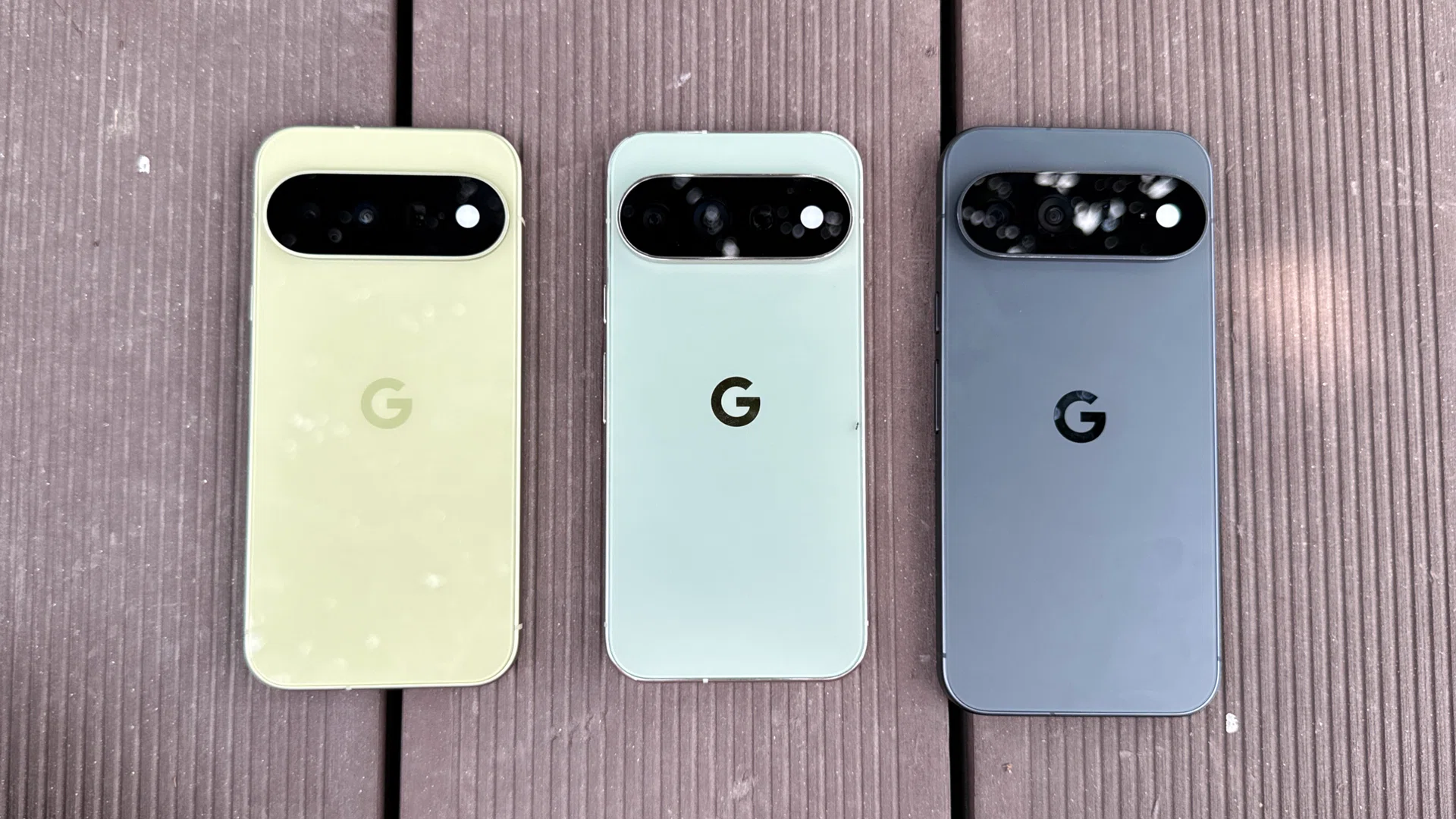
Google Pixel 11, Pixel 11 Pro, Pixel 11 Pro XL
Photo: HWZ
We don’t think that’s Google’s or Pixel’s fault. As mentioned within our review, Pixel handsets are in a unique position to spearhead what our Android ecosystem should look like. To the consumer’s great fortune, partner phone brands using Android are happy to take what Gemini and Google can offer and turn it into their own. So, it matters less that everyone can also use their version of Circle To Search, can take interesting pre-filtered, computer-guided photos, and use AI tools in your face or in the background to give you the shortcuts you never knew you needed.
To us, these phones are special not because they offer superlative performance or incredible bang for the buck, but rather they allow us to experience Android and Gemini the way Google intended. And for diehard Google fans and Android purists, the Pixel 11 should suffice. Pixel sets the tone; the other Android phones follow.
Buy Google Pixel 11 series phones here:
- Google Pixel 11: Google Store, Singtel, StarHub, Shopee, Lazada, Harvey Norman, Best Denki, COURTS, and Metapod.
- Google Pixel 11 Pro: Google Store, Singtel, StarHub, Shopee, Lazada, Harvey Norman, Best Denki, COURTS, and Metapod.
- Google Pixel 11 Pro XL: Google Store, Singtel, StarHub, Shopee, Lazada, Harvey Norman, Best Denki, COURTS, and Metapod.
Read Full Article At Source