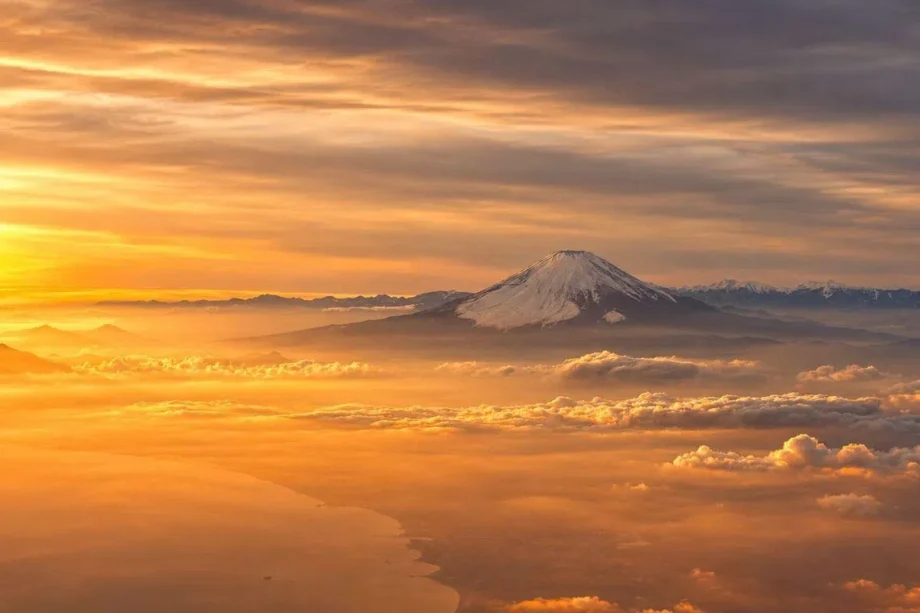
For those of us who love winter, Japan’s has a very specific kind of pull. That probably feels even stronger when you are reading this in the middle of Singapore’s usual heat and humidity, when the thought of crisp mountain air, fresh snow and an outdoor onsen already sounds like a holiday worth counting down to. For me, the attraction has always been simple: snow. Especially the soft, powdery snow that blankets Japan’s mountain towns in winter and changes the rhythm of a holiday completely – also known as Japow (or Japan powder). Everything slows down a little. You walk more carefully, you take more time to wear your layers, and you become far more aware of small comforts such as a hot meal, a warm sake, or the feeling of soaking your tired body in an onsen.
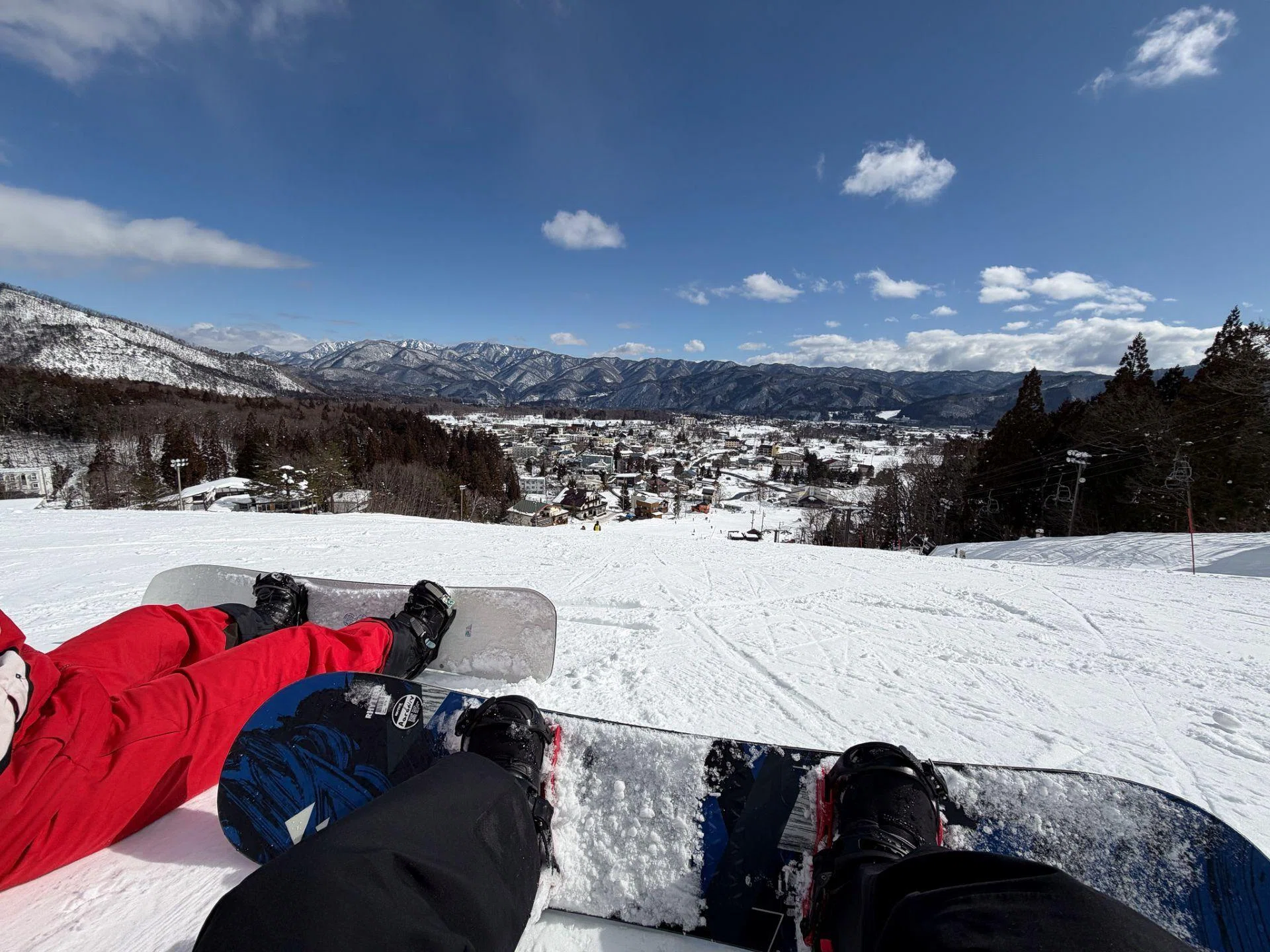
Are you planning for a winter holiday in Japan too?
Photo: HWZ
For this trip through Nagano and Gunma earlier this year, I decided to make one small change to the way I usually travel. Instead of relying on my usual combination of the iPhone 17 Pro and Leica Q3, I brought the Samsung Galaxy Z Fold7 as my main phone, camera, tablet and general travel companion. This was not meant to be a formal camera review, and I was not trying to prove that a foldable phone could replace a dedicated camera (much less my iPhone) in every situation. Samsung had loaned me the Fold7 for the trip, with no editorial obligations attached (you can read Hongzuo’s review here), but I was curious to see how it would fit into the way I actually travel while still giving me images I would be happy to keep.
Nagano / Hakuba
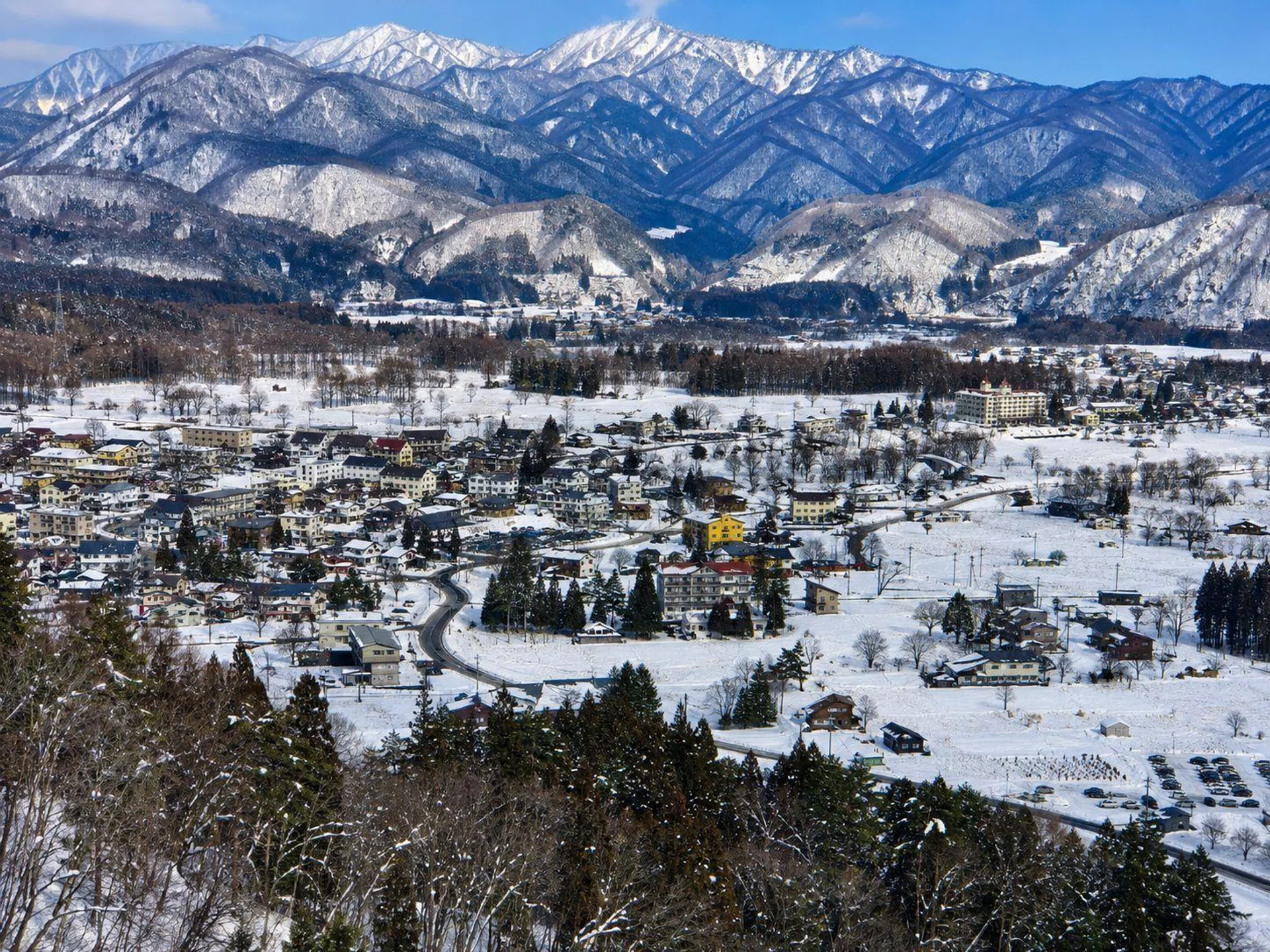
Hakuba offers a very different winter vibe from another popular destination – Niseko.
Photo: HWZ
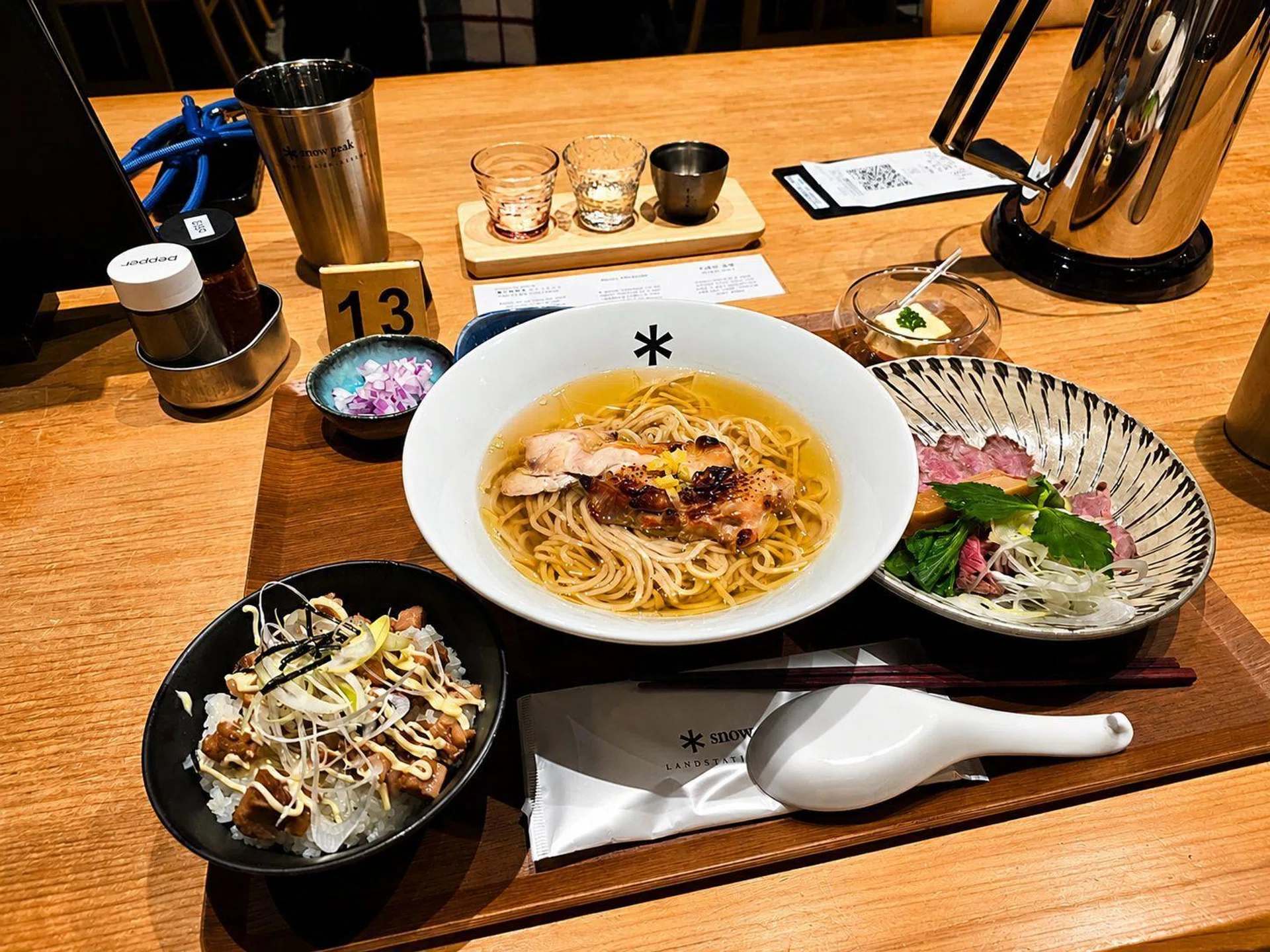
Snow Peak is more well-known for its camping gears, but if you ever get a chance to visit their Land Station in Hakuba, be sure to try their ramen selections.
Photo: HWZ
Hakuba Village, which is within easy reach of Nagano City, is especially popular with skiers and snowboarders, thanks to its picturesque mountain views and excellent variety of slopes. Even if you are not the sort of traveller who plans an entire holiday around skiing, Hakuba still has plenty of appeal because the scenery itself is worth the trip. Snow-covered roads, wide open fields, distant peaks and the general ski-town atmosphere all make it feel like the kind of place where you want to slow down, wander a little and take in the landscape rather than rush from one attraction to another.
We stayed at Hotel Glorious, and while it was not exactly the most comfortable lodging, it was a practical base for the few days we were there. The nicer hotels had already been fully booked four months in advance, so that is one thing I would strongly suggest planning early if Hakuba is on your winter itinerary. The upside was that the hotel was close enough to the Happo-One ski area, which made it convenient for getting around without having to spend too much time figuring out transport. It was also next to Ohyokkuri, a popular Japanese eatery that turned out to be one of those small but important travel wins. After spending time outdoors in the snow, there is something deeply satisfying about sitting down to a warm meal without having to travel far for it (Tip: Be there early as queues start as early as 5:30pm for dinner).
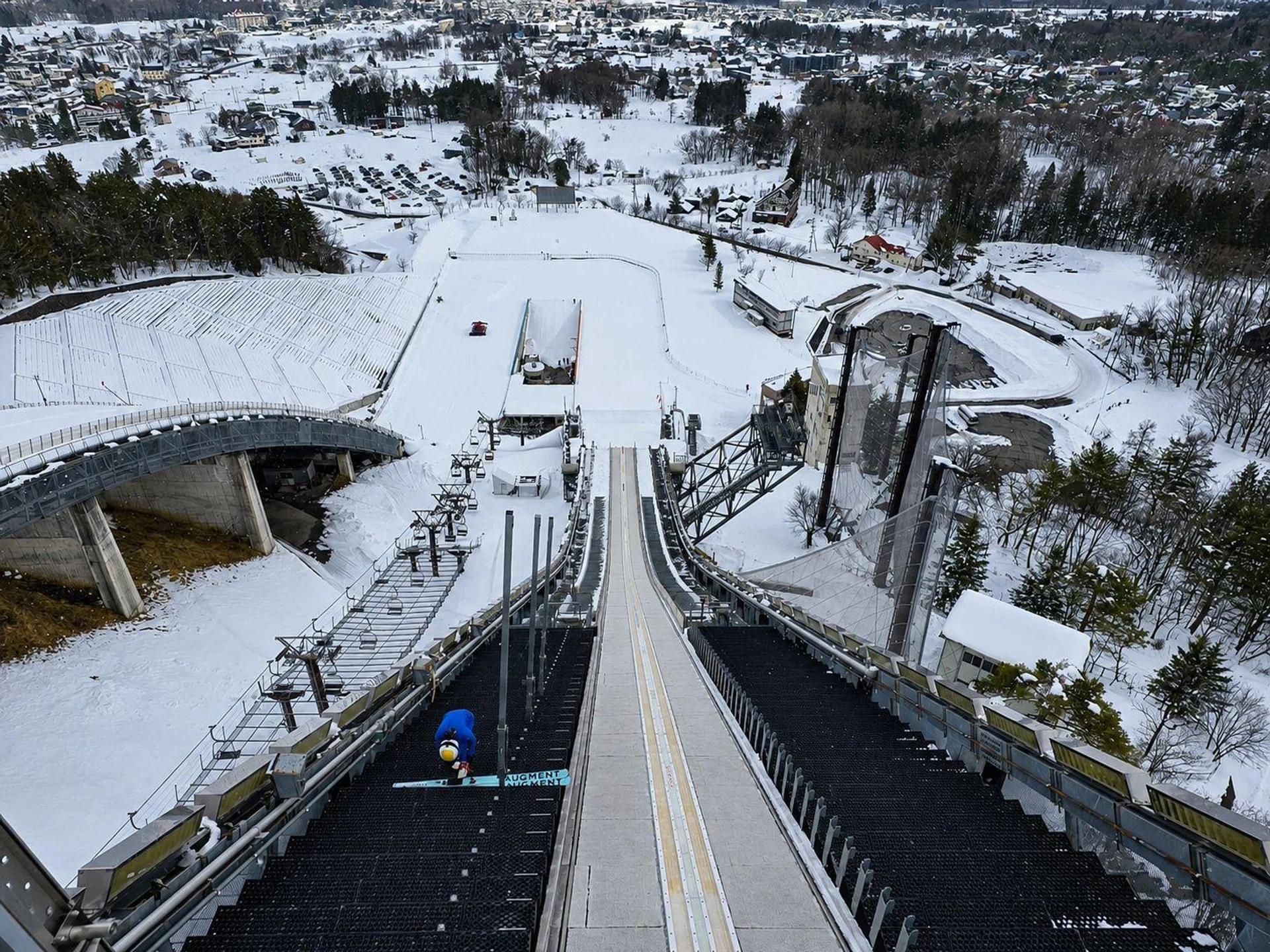
Watching the young ski jumper fly into the air and then land safely with our own eyes for the first time was pretty surreal.
Photo: HWZ
One of the highlights around Hakuba was visiting the Hakuba Ski Jumping Stadium, which is worth a stop even if you have no real interest in ski jumping as a sport. The scale of the ramps is difficult to appreciate until you are standing near them, and the viewing area gives you a sweeping look across the valley and surrounding mountains. It is the kind of place that reminds you why Hakuba became such a winter sports destination in the first place. And by a stroke of luck, we even spotted a ski jumper training. Forget what you see on the television; seeing a ski jumper in action live is a jaw-dropping sight.
Read Full Article At Source