OPPO Find X9 Ultra review
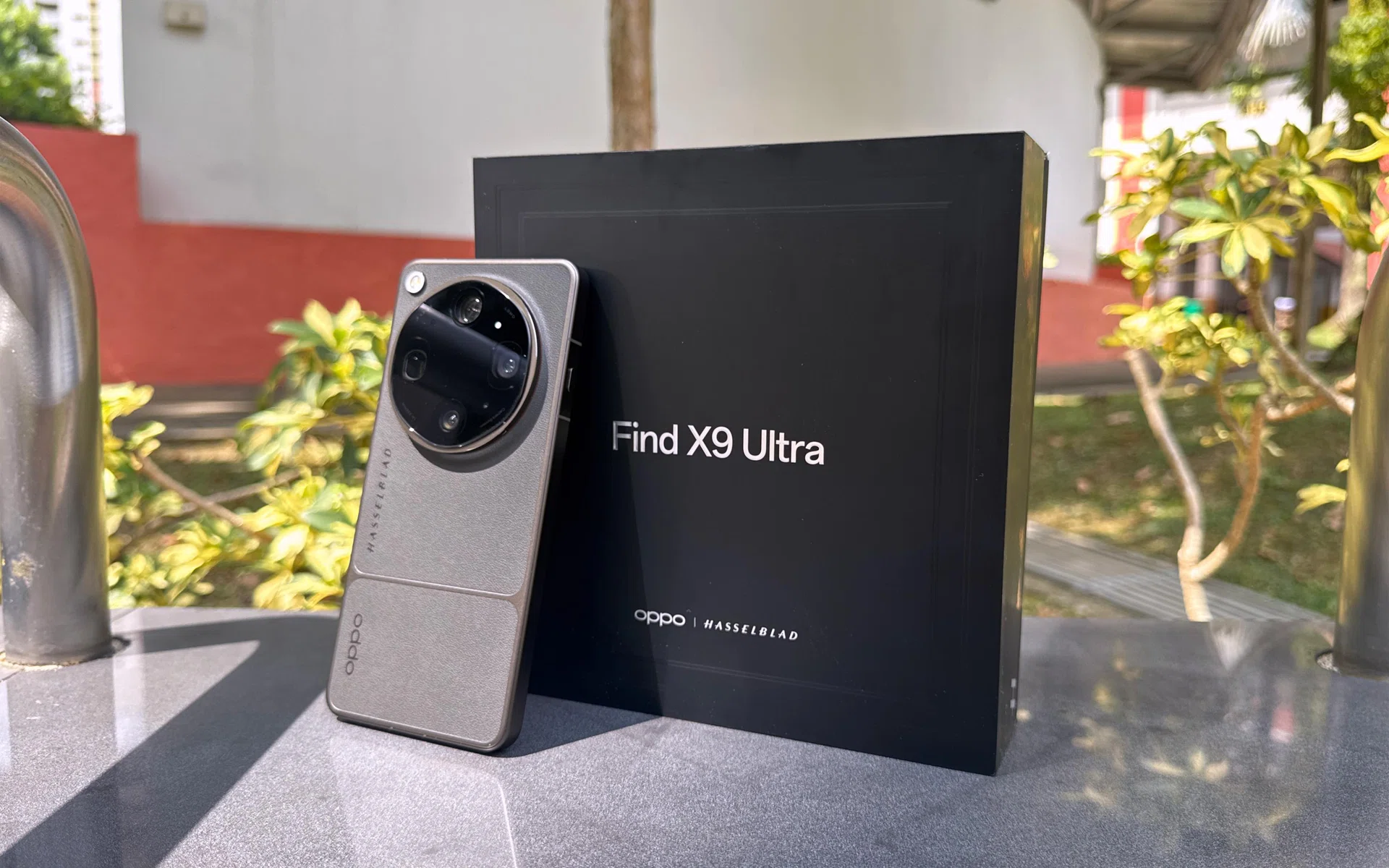
The wait is over for the biggest fans of OPPO smartphones outside of China: OPPO has finally launched an international version of an Ultra variant from its Find X series, and that’s none other than the OPPO Find X9 Ultra.
With the Find X9 Ultra, OPPO has pulled out all the stops to make the best possible Android phone it could muster in 2026. It goes even further than the OPPO Find X9 Pro (review here) by giving it as many cutting-edge components as possible, backed by its ColorOS 16 user interface.
For instance, Find X9 Ultra uses the highest-end 2026 smartphone processor available, Qualcomm Snapdragon 8 Elite Gen 5 (and that’s on par with the other premium flagship-grade Android phones). Its RAM (LPDDR5X) and storage (UFS 4.1) are also among the latest and fastest technologies available to consumers.
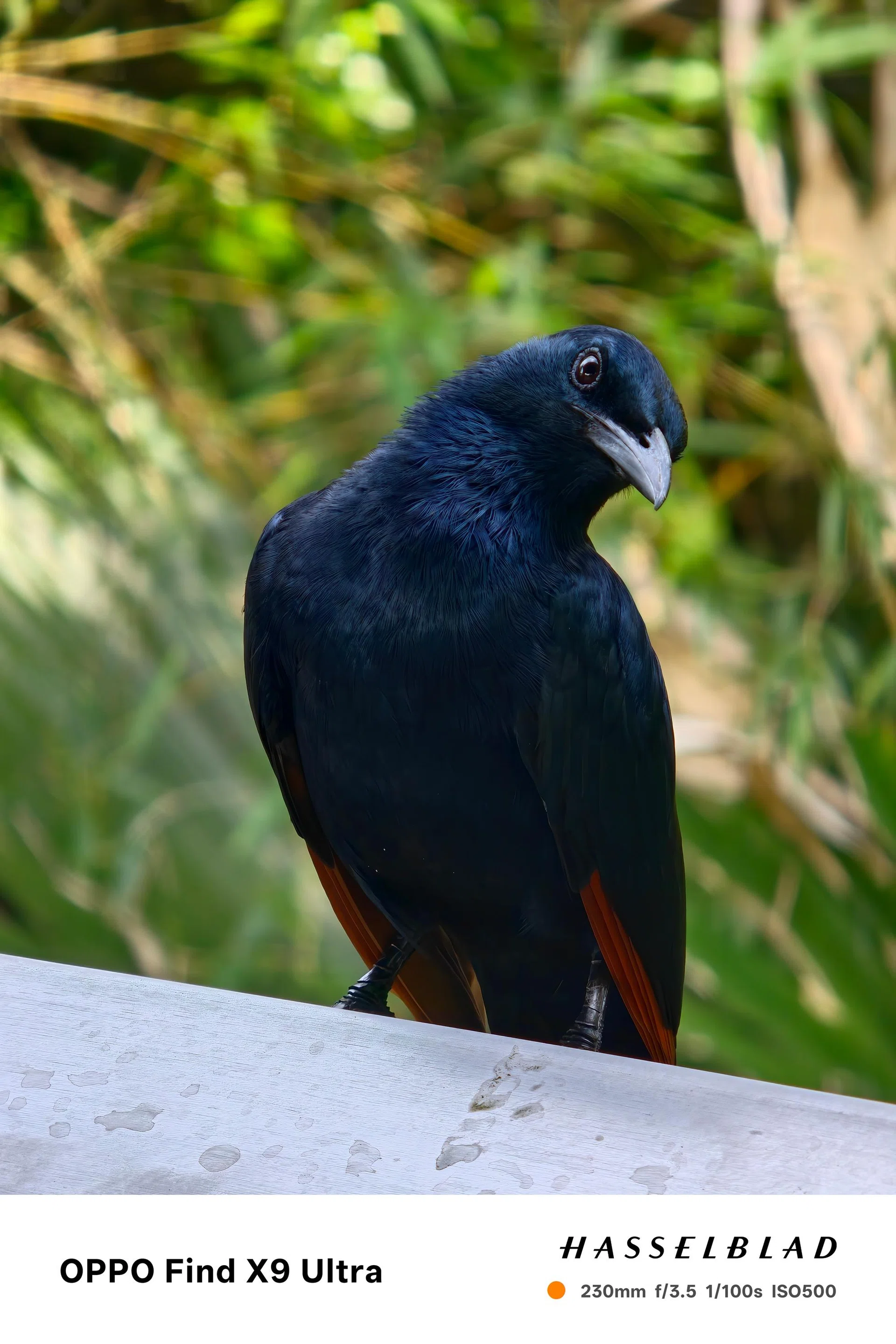
While it has powerful rear cameras, including a 200MP main and 3x optical zoom telephoto, the Ultra gets an extra 50MP 10x optical zoom rear camera (the last time we had one was on the Samsung Galaxy S23 Ultra, and that was only 10MP).
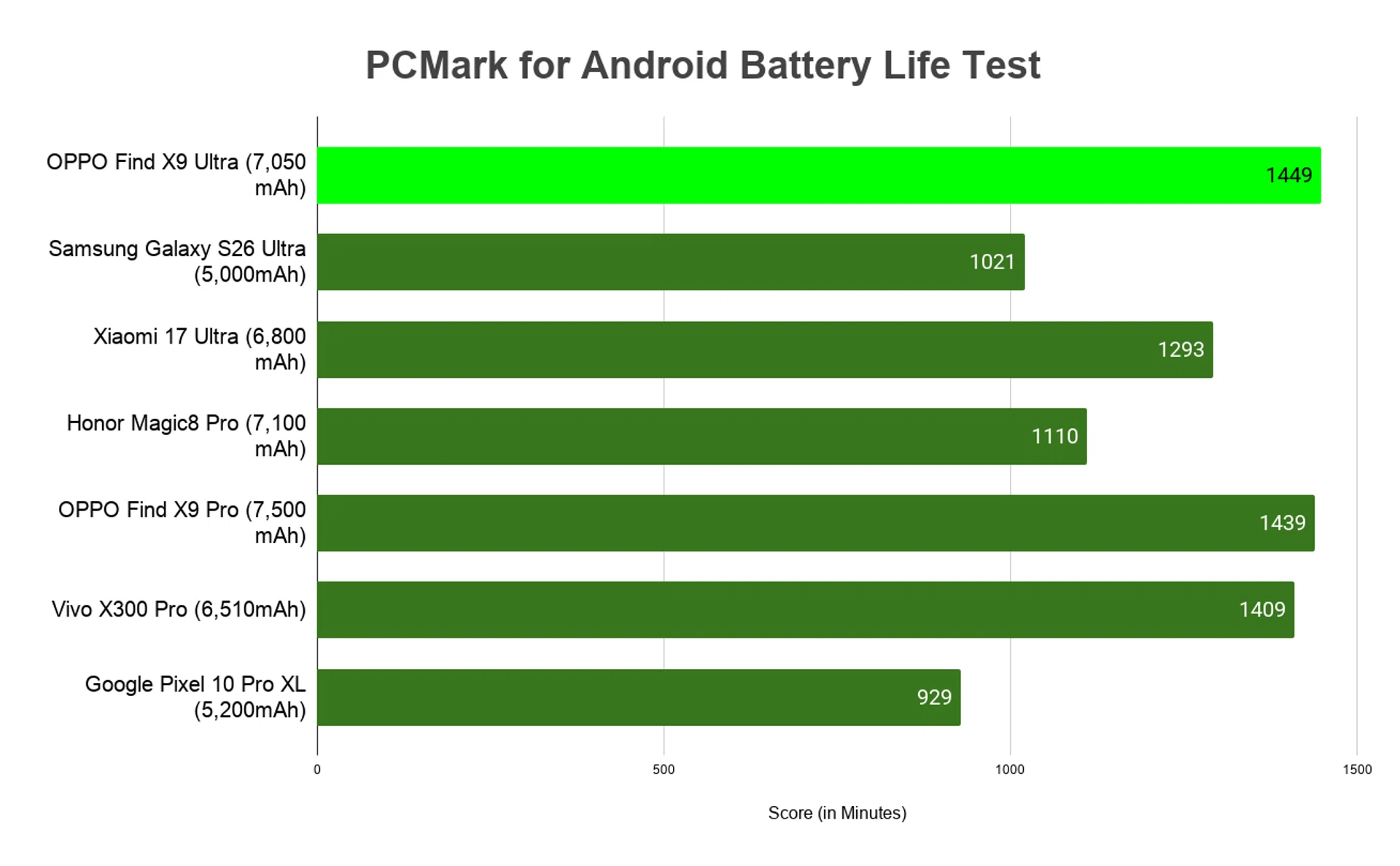
It also packs a 7,050mAh silicon-carbon battery, which is significantly more than the old 5,000mAh standard. That’s not forgetting its 1Hz to 144Hz LTPO AMOLED display, triple certifications for dust and water resistance (IP66, IP68, and IP69), or its 100W wired and 50W wireless charging.
There’s no question that with its shooters using Hasselblad filters and optimisations, the OPPO Find X9 Ultra is a photography-centric handset. But, given its not-insignificant S$2,199 (512GB) starting price and flagship billing, it has to do more than just photography to stand out. In this review, we find out whether it’s truly worthy of being a premium flagship choice or just a glorified phone camera.
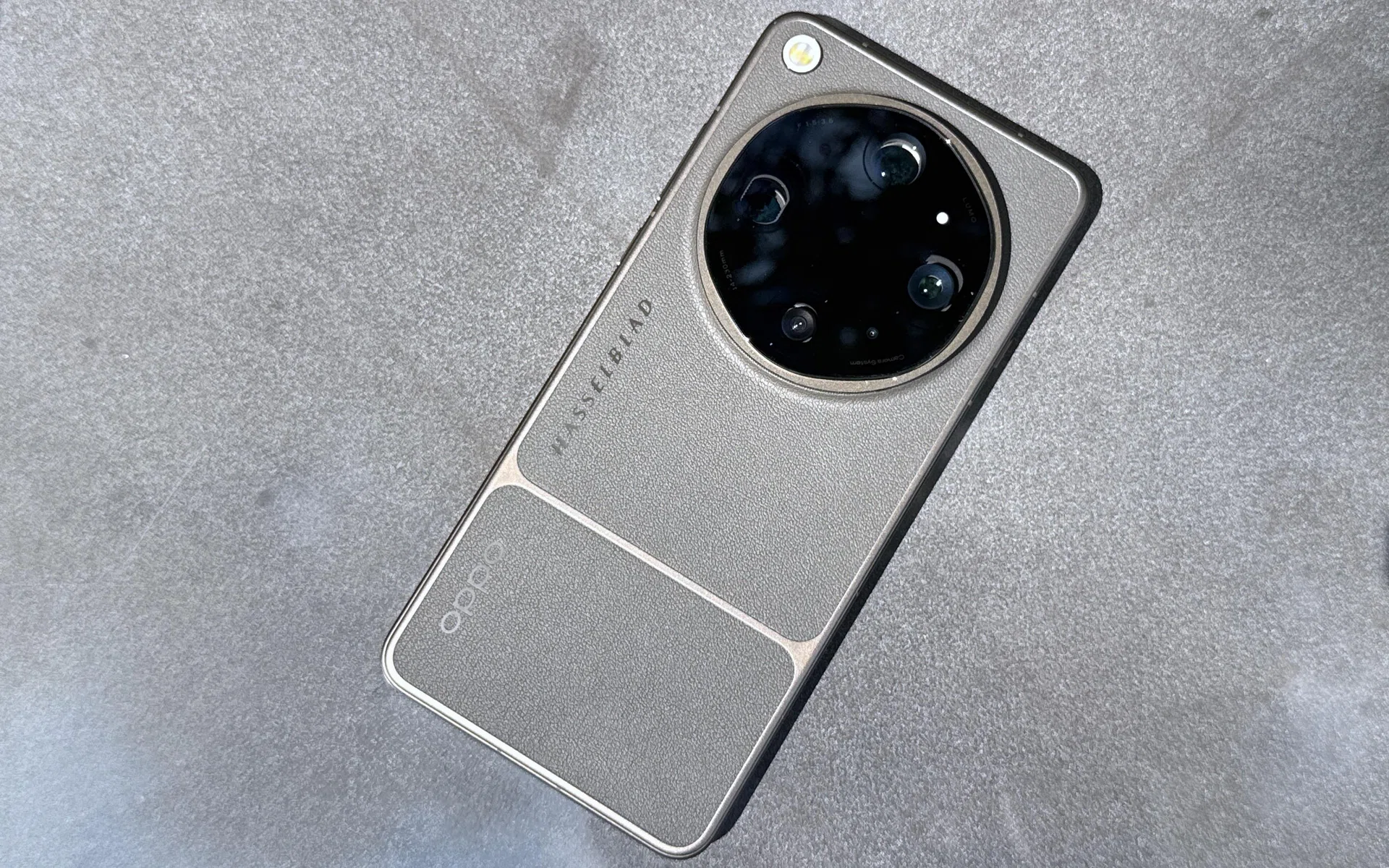
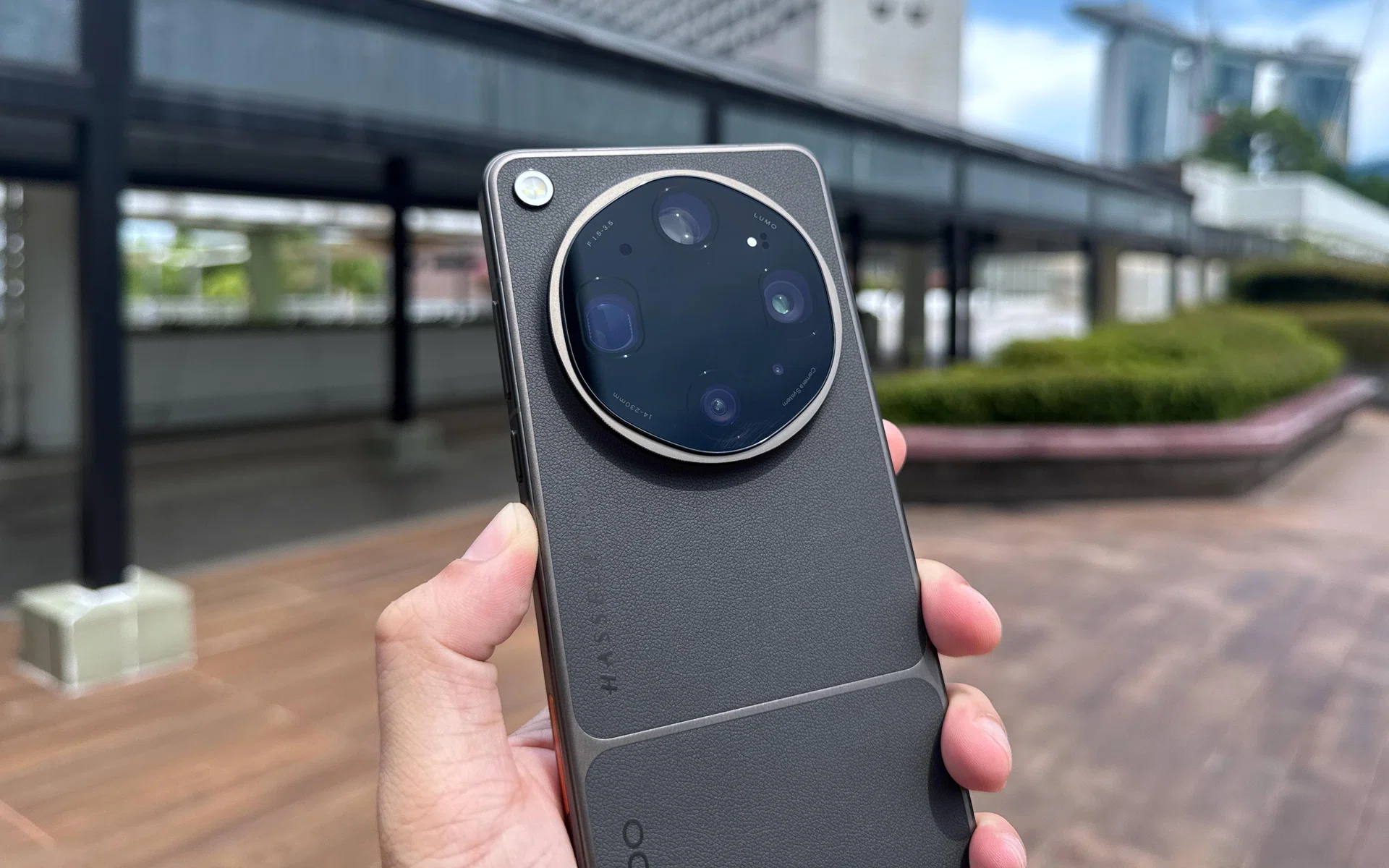
Tundra Umber colourway of the OPPO Find X9 Ultra.
Photo: HWZ
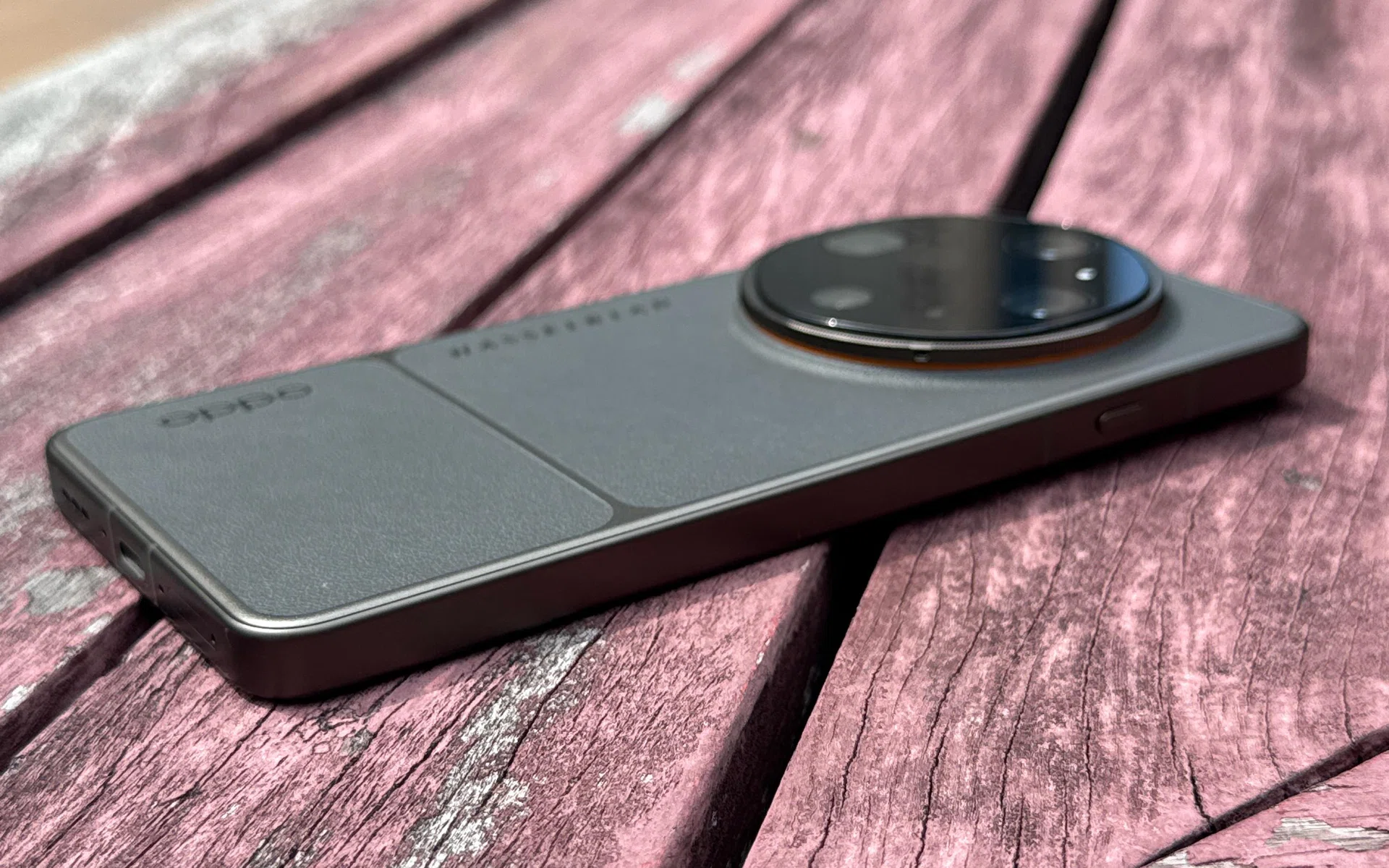
OPPO hasn’t neglected the practicality of design in the Find X9 Ultra, using an understated Tundra Umber colourway to tie it all together (a sleek grey based on Hasselblad’s X2D 100C Earth Explorer Edition camera). For starters, its vegan leather back adds a natural feel that juxtaposes nicely against the coldness of its gunmetal finish and trimmings.
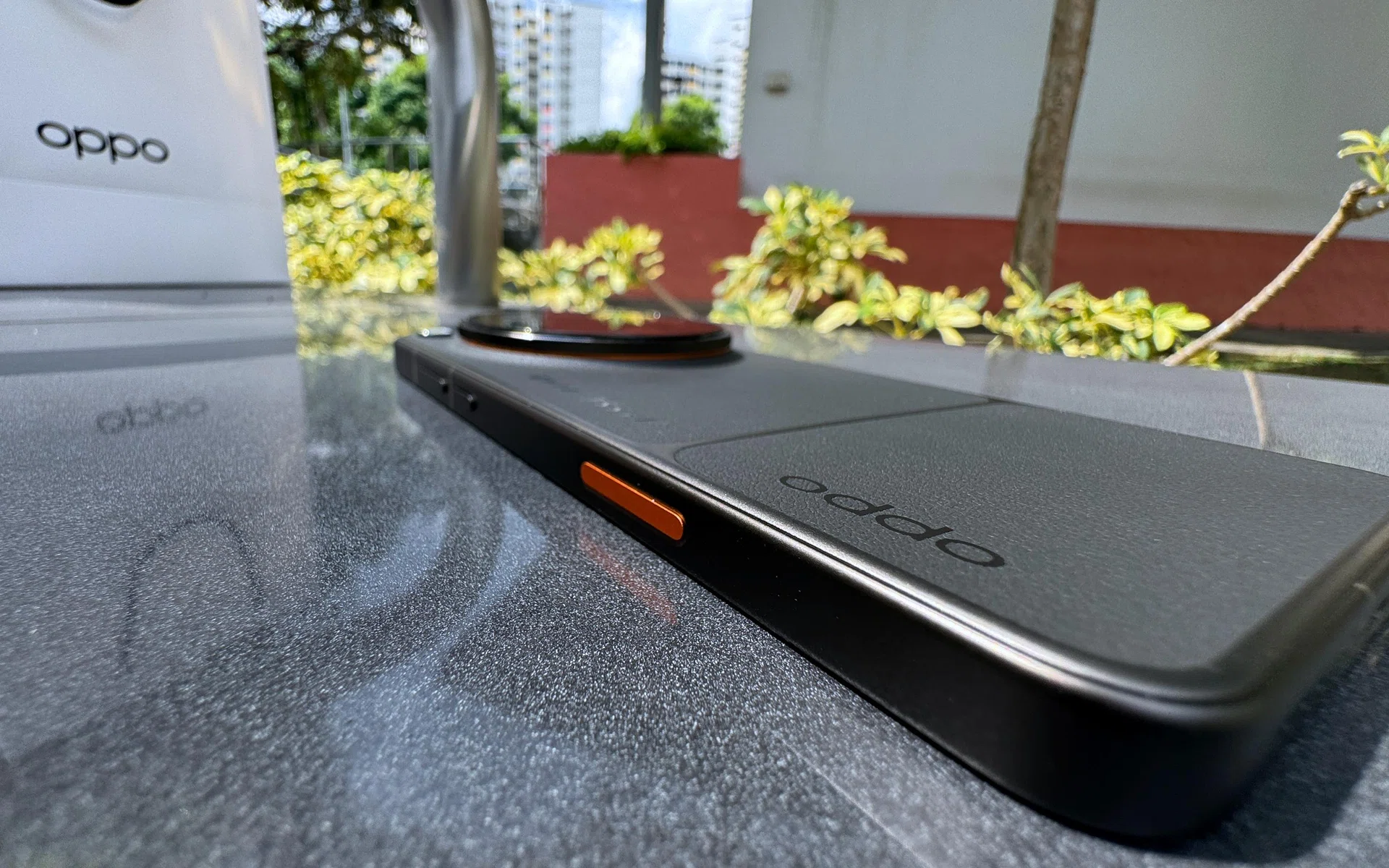
The Quick Button (in orange).
Photo: HWZ
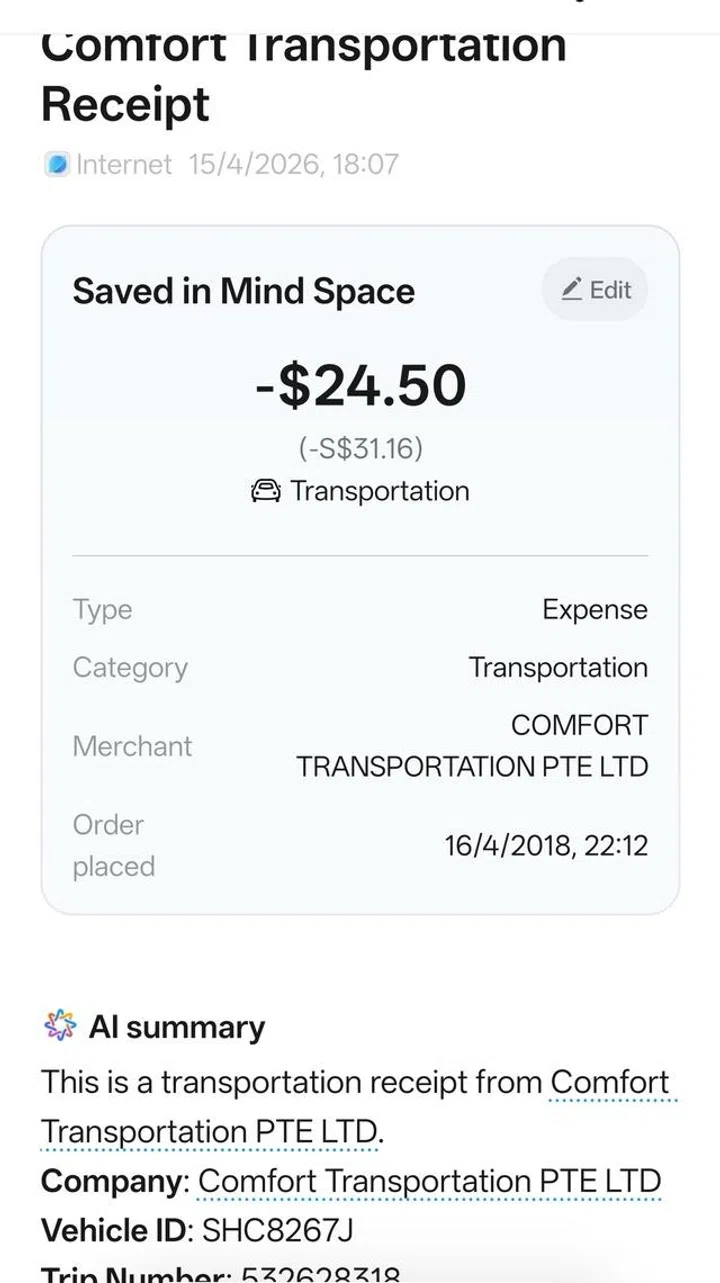
Just below the volume buttons lies an orange, pressure-sensitive Quick Button. Where the silencing toggle once was is now a customisable Snap Key. If you’ve seen our OPPO Find X9 Pro review, you’ll know that the default function of Quick Button is for camera controls (including shutter, focus, and zoom). On the other side of the phone, Snap Key saves information inside OPPO AI’s Mind Space for later analysis.
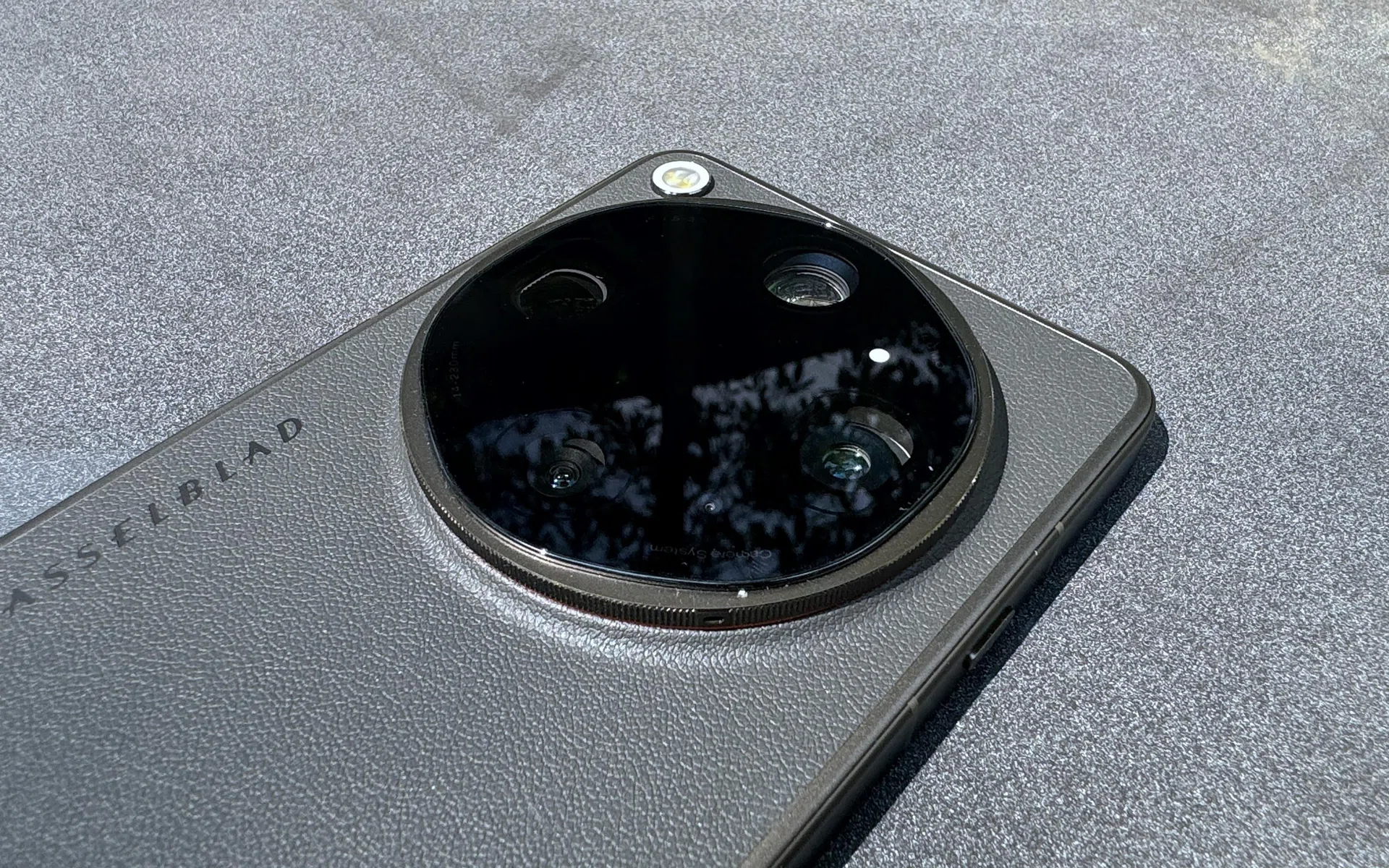
Hasselblad-partnered cameras with a unique design, despite its big housing.
Photo: HWZ
With this phone’s rear cameras being a massive selling point, OPPO paid extra attention to the shape of its lens housing, making it resemble a camera’s lens aperture ring. A special touch is the hexagonal detailing around the glass, resembling fully open aperture blades. Another cherry on top is the orange trim below its knurled patterns, which pays tribute to Hasselblad’s orange dot.
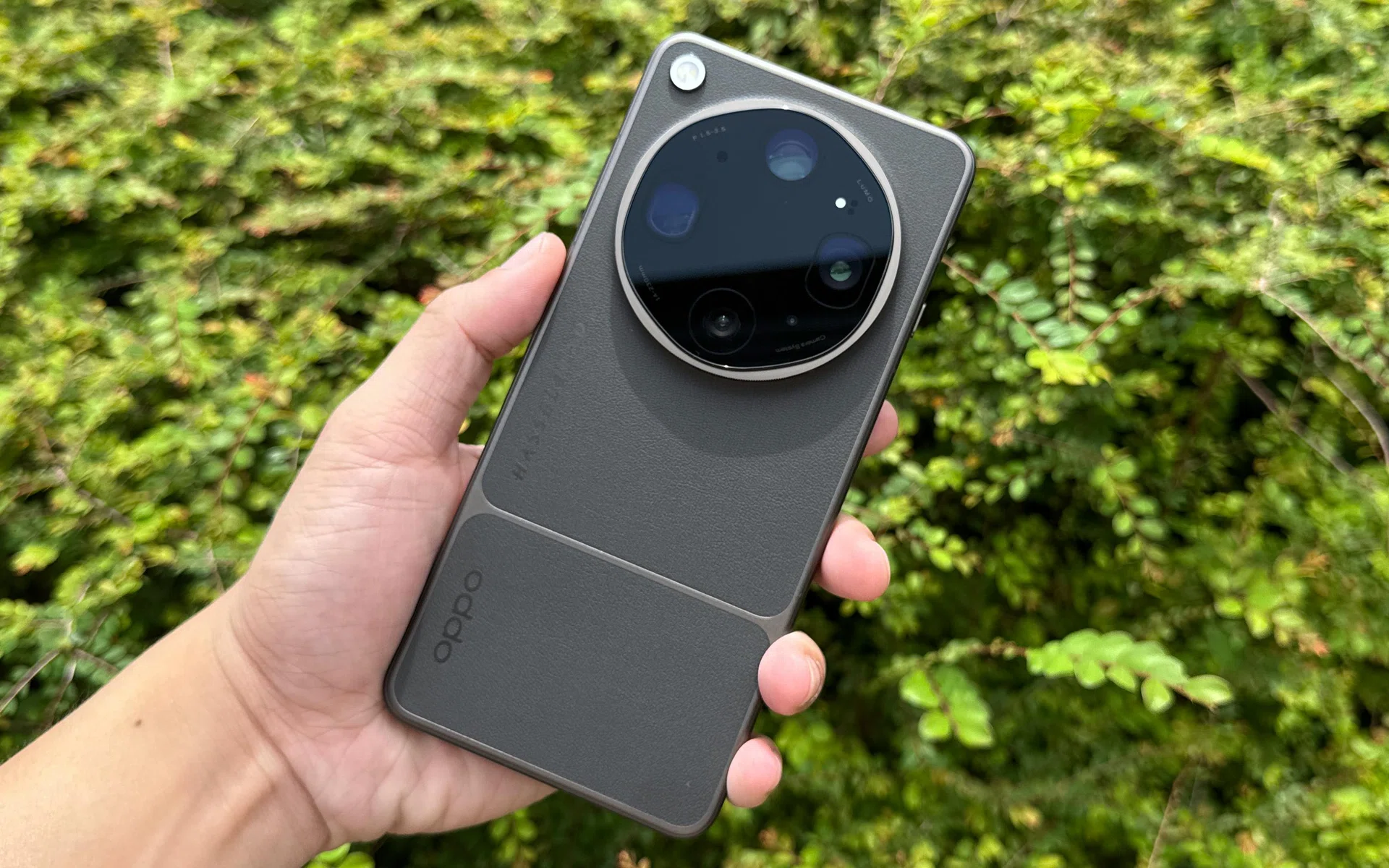
It’s quite hefty, but secure in hand.
Photo: HWZ
This CNC-machined construction gives us great confidence when holding the Find X9 Ultra; you can literally feel its premium build in your hand. Slapping a cheap case on it feels like a waste of good craftsmanship. One downside is the phone’s width (~77mm), which calls for a wider grip around its sides.
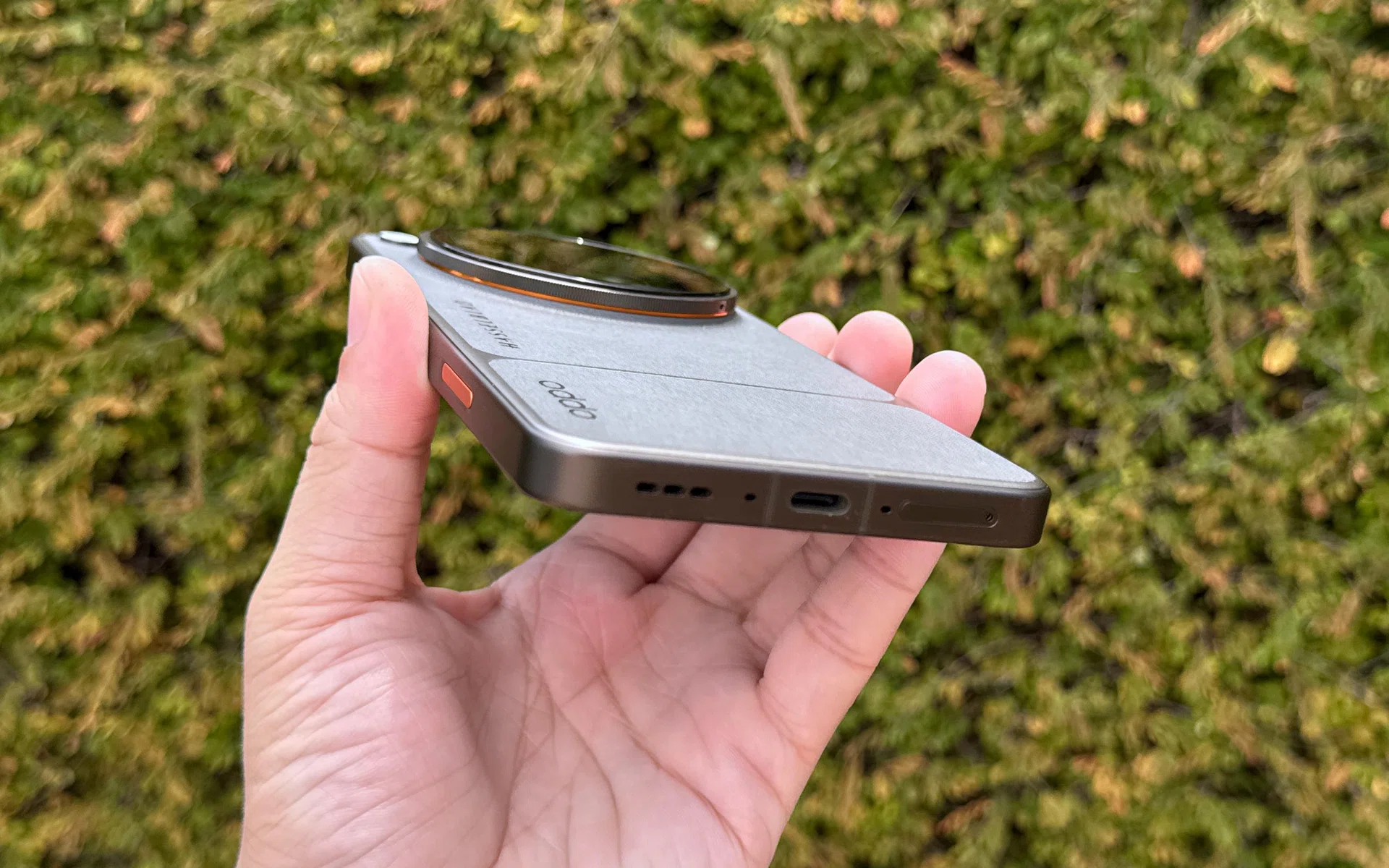
9.1mm thick for this colourway.
Photo: HWZ
At 236g and 9.1mm thick (Tundra Umber), the OPPO Find X9 Ultra is heftier than its competitors. But the design considerations do justice in giving it a stoic and polished feel. Also, it checks all the boxes for durability (IP66, IP68, IP69 ratings for dust and water resistance).
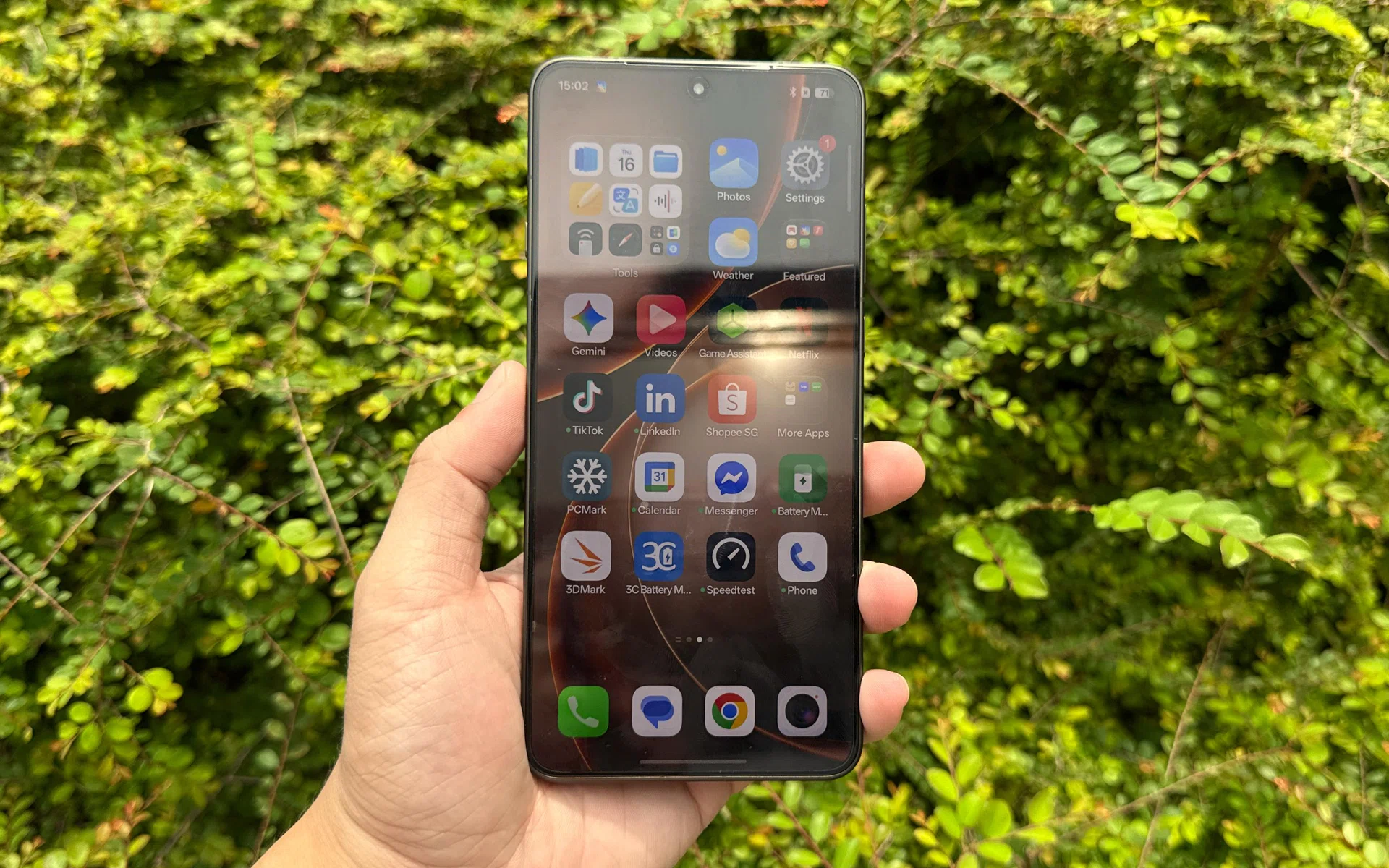
6.82-inch LTPO AMOLED with 1-144Hz refresh rate isn’t overkill for a top-dollar phone.
Photo: HWZ
The 6.82-inch ProXDR OLED display (LTPO AMOLED) offers QHD+ resolution (1440p) and has a 1Hz to 144Hz refresh rate, with 1,800-nit full-screen brightness (it can reach up to 3,600-nit peak brightness for outdoor, direct-sunlight use).
It’s not as oversaturated as Samsung’s panels, and the Find X9 Ultra has no issues producing sharp-looking videos with excellent contrast and fluidity. However, at full brightness, some well-lit content can appear slightly washed out.
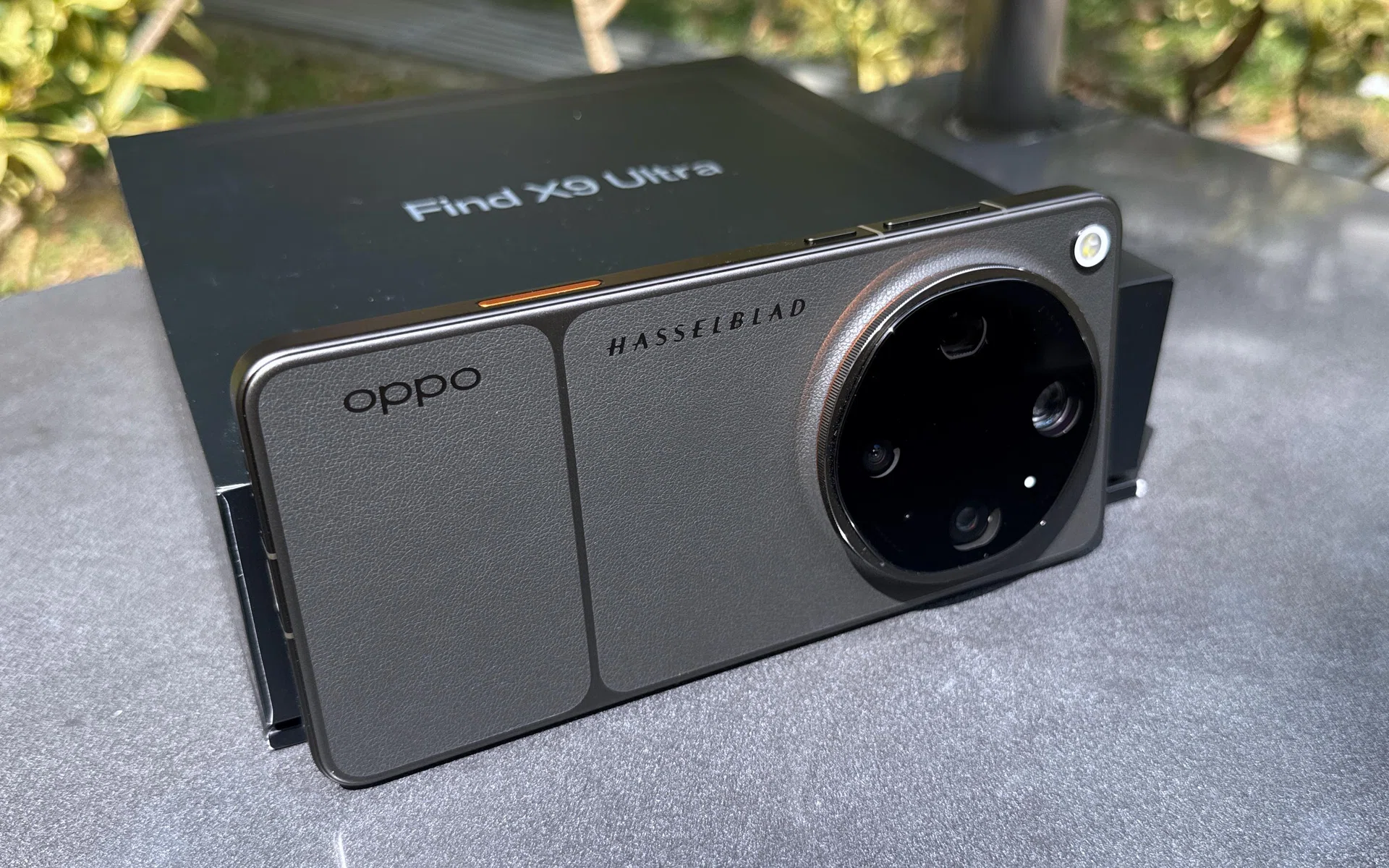
OPPO Find X9 Ultra with packaging box.
Photo: HWZ
To push it past regular AMOLED or OLED phone panels, OPPO said the Find X9 Ultra is colour-calibrated right out of the box. It also added a Display P3 Pro chip to extend the display’s lifespan, manage power consumption, and minimise motion blur. Most of these added perks are under-the-hood upgrades, but there’s no doubt that the panel is amazing to use and see. For those wondering if the display is different from that offered on the Find X9 Pro, it’s a resounding yes. For the spec freaks, here’s a quick comparison between both phones across the board:-
The external speakers’ audio works best at half volume in a quiet place, with excellent balance across normal hearing frequencies. Go any louder, and it starts to lean into a boxy, bass-forward version of an otherwise neutral sound signature.
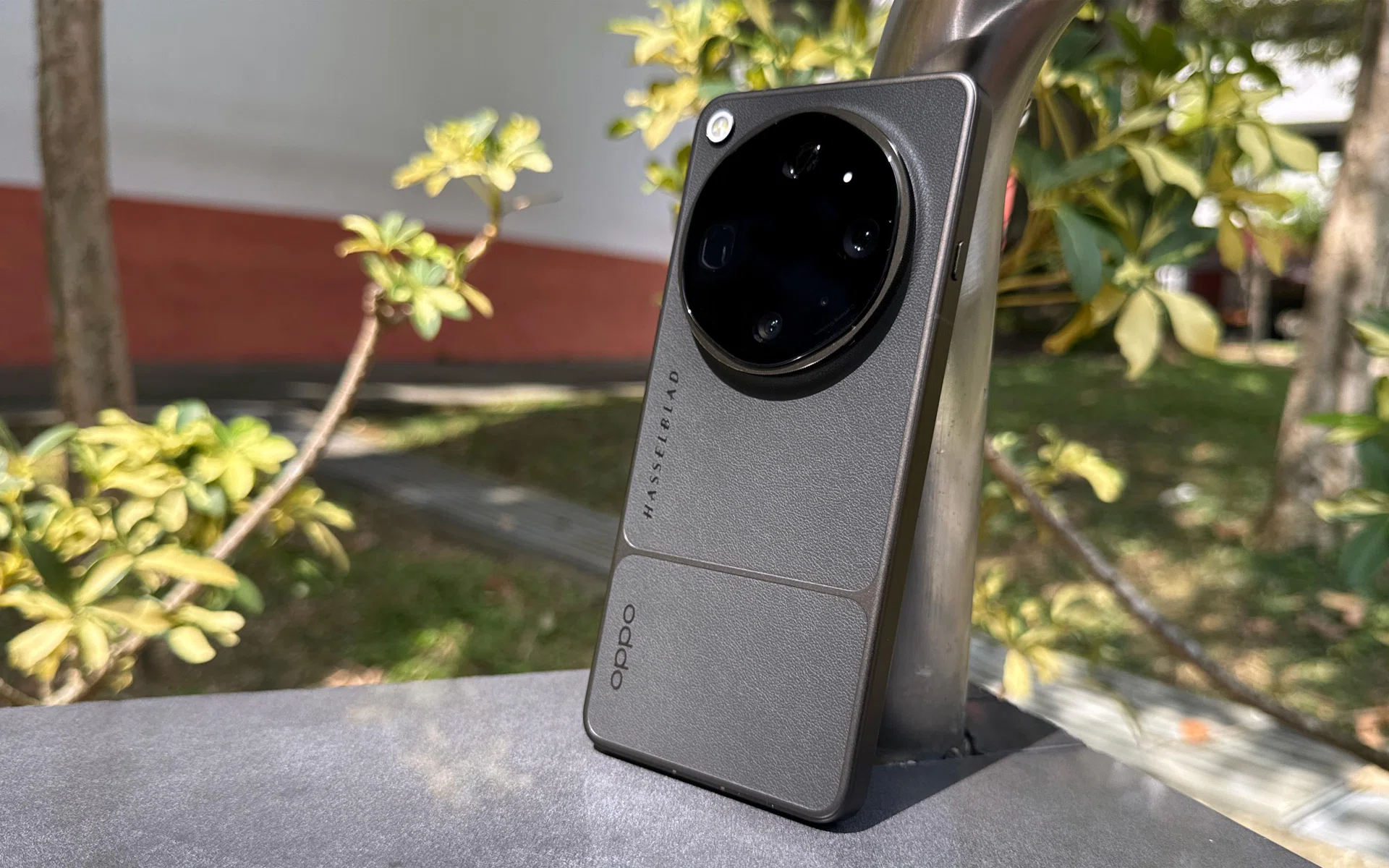
Unsurprisingly, the Find X9 Ultra comes with some AI tools. Happily, they are not completely superfluous.
Photo: HWZ
The phone runs on ColorOS 16 (OPPO’s version of Android 16). Besides an uncannily smooth navigation experience across the Home Screen and its menus, it’s still the same ColorOS on the OPPO Find X9 Pro and OPPO Find N6. Instead of going through every tiny detail, we’ll only highlight what’s newly added to its software.