OPPO Find N6 review
The OPPO Find N6 launched with massive international fanfare, and even some HWZ Forum members were roped in get an early look of the bookstyle foldable before it officially went to retail.
It’s easy to see why OPPO was so excited to announce its premium handset. Besides the typical upgrades like a bigger 6,000mAh silicon-carbon battery and latest Snapdragon 8 Elite Gen 5 processor, it has also managed to reduce the crease’s look and feel to nearly nothing, while improving folding fundamentals like its hinge and IP ratings against dust.
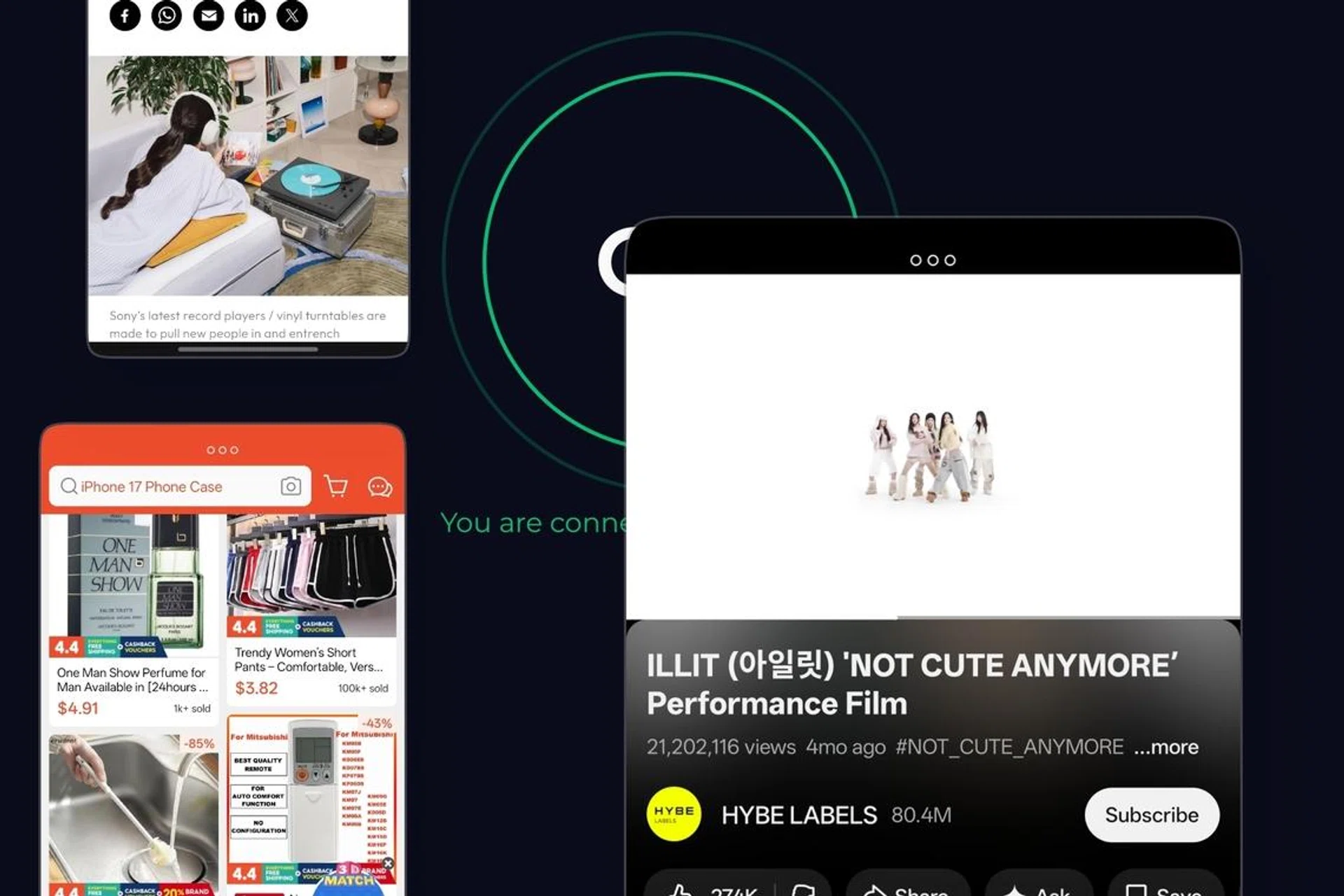
This is on top of adding a new multitasking feature, Free Flow Window, and boosting its Hasselblad rear cameras to 200MP+50MP+50MP across main, ultrawide, and telephoto shooters.
The downside? It’s S$200 more than its predecessor, which is a huge ask in an uncertain climate marked by a memory shortage and the knock-on effects of rising prices. Surely there must be a reason why OPPO is so confident of the Find N6’s sticker price before promotions and discounts.
Is S$2,699 (512GB) too high a price if its biggest change is a less visible crease? What other sleeper upgrades are on this foldable? We find out below.
Design improvements to break limits
At first glance, the OPPO Find N6 seems like just another slim bookstyle foldable, but the little details become clear the moment you hold it in your hand.
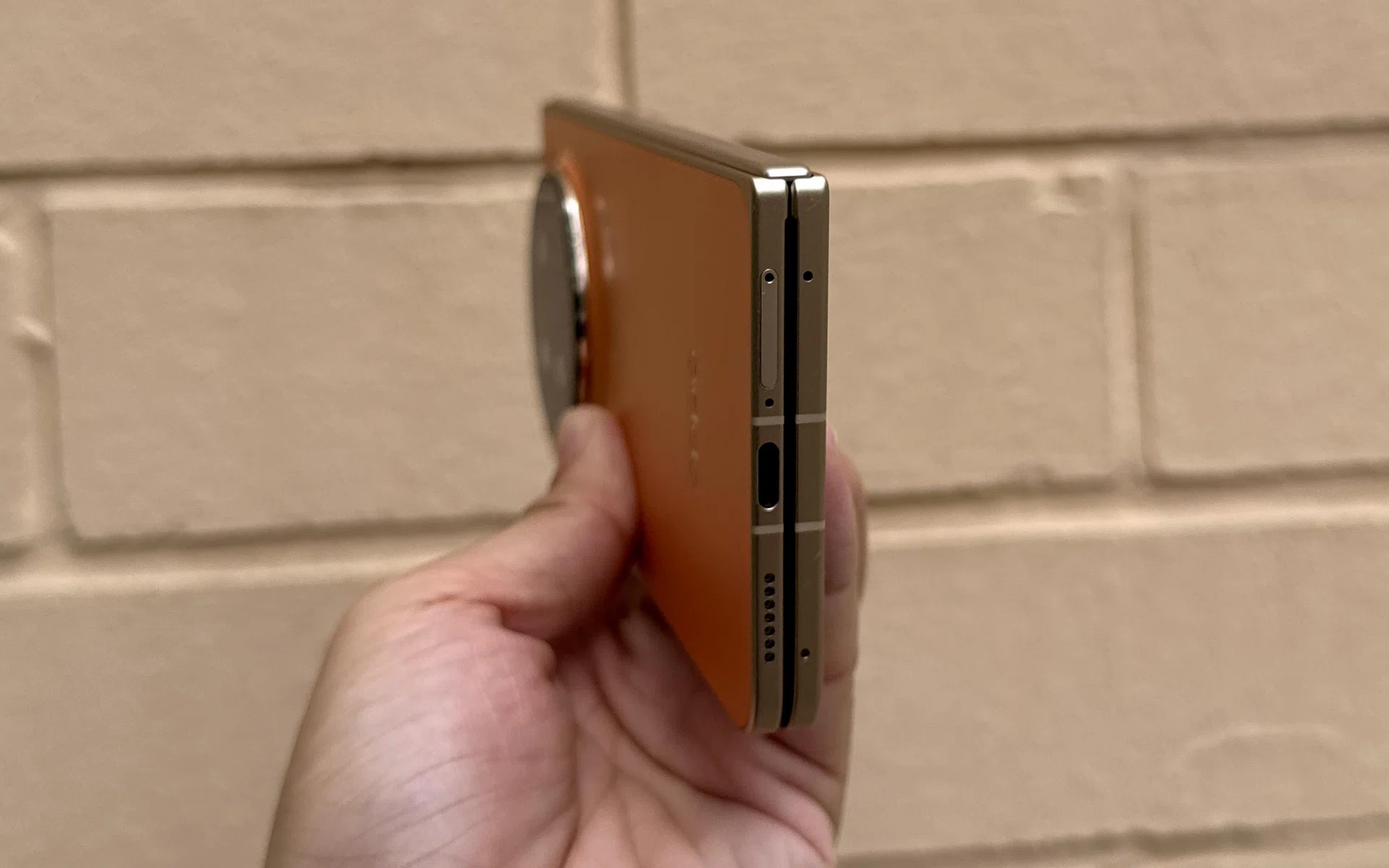
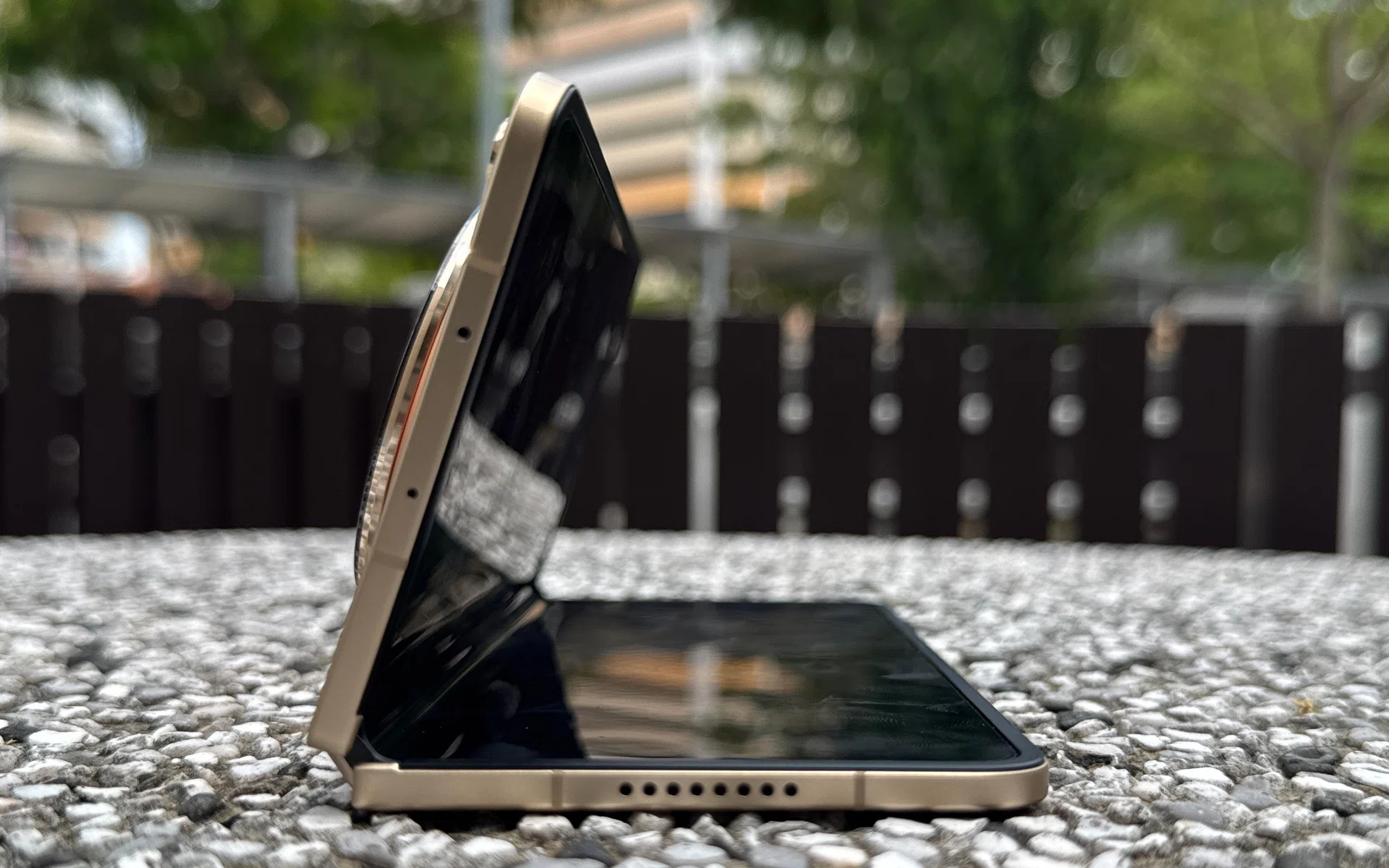
8.93mm when folded.
Photo: HWZ
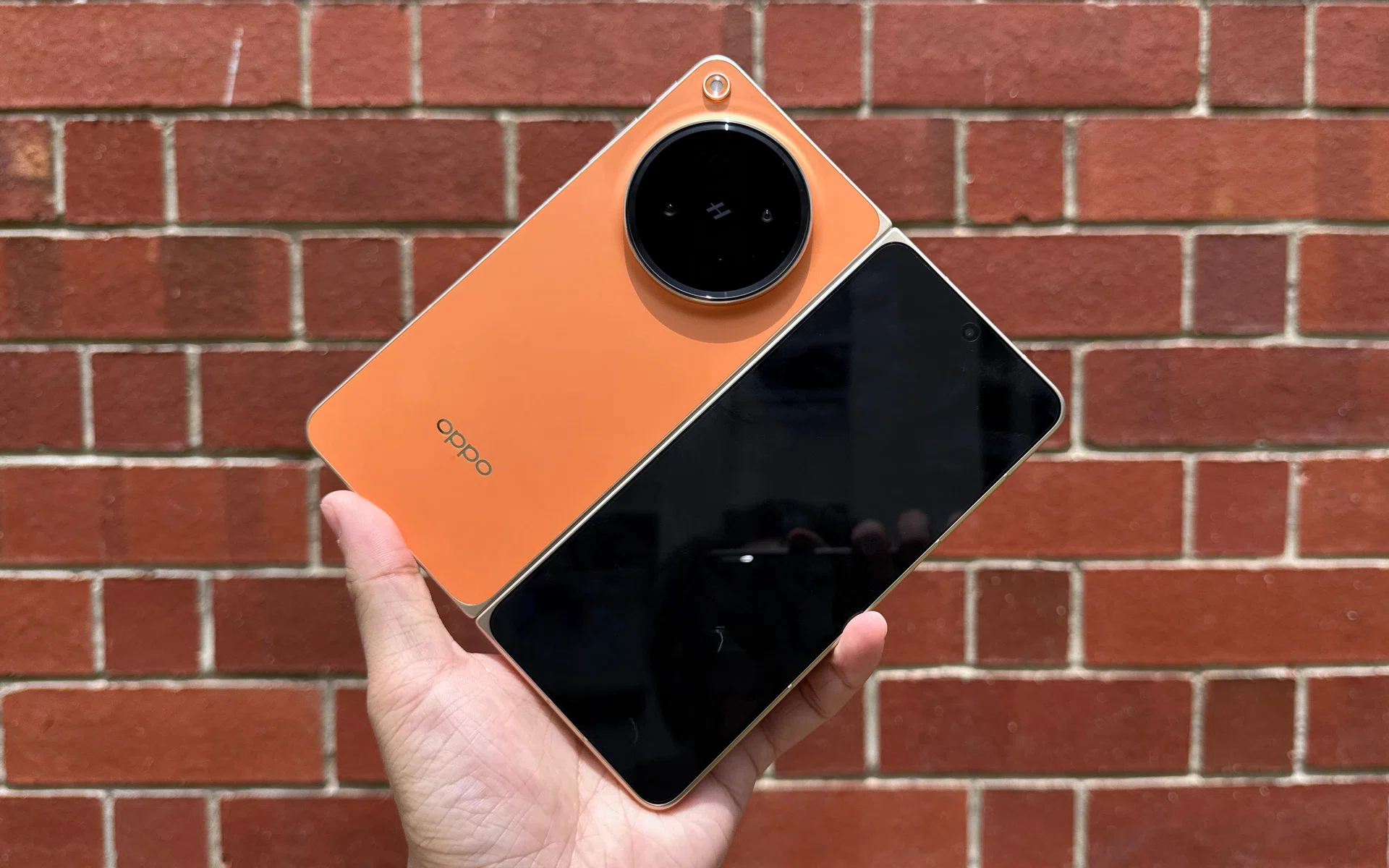
Part of why its weight (225g) and size (4.21mm unfolded, 8.93mm folded) feel impressive is because it comes close to the dimensions of the Galaxy Z Fold7 (215g, 4.2mm unfolded, 8.9mm folded).
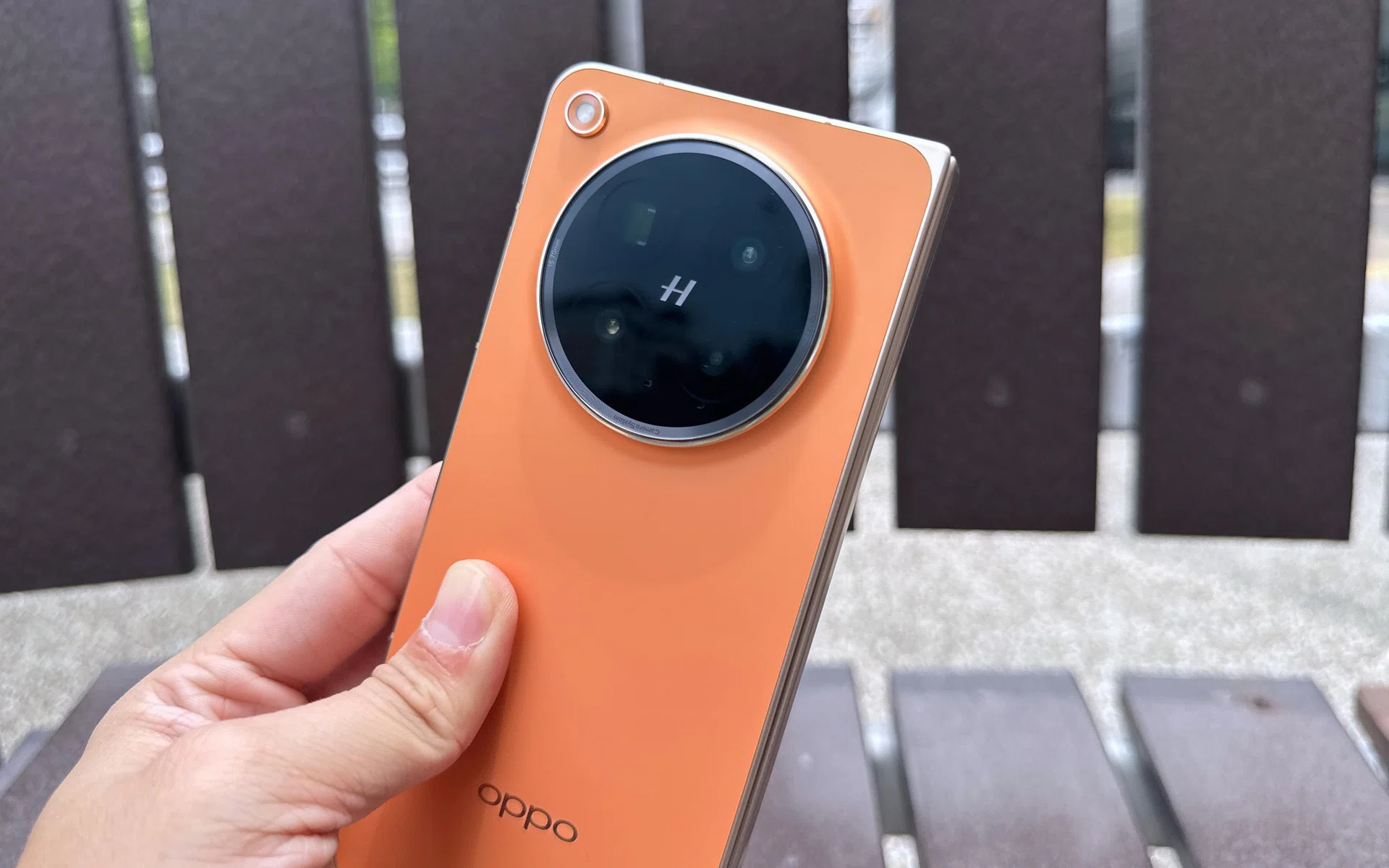
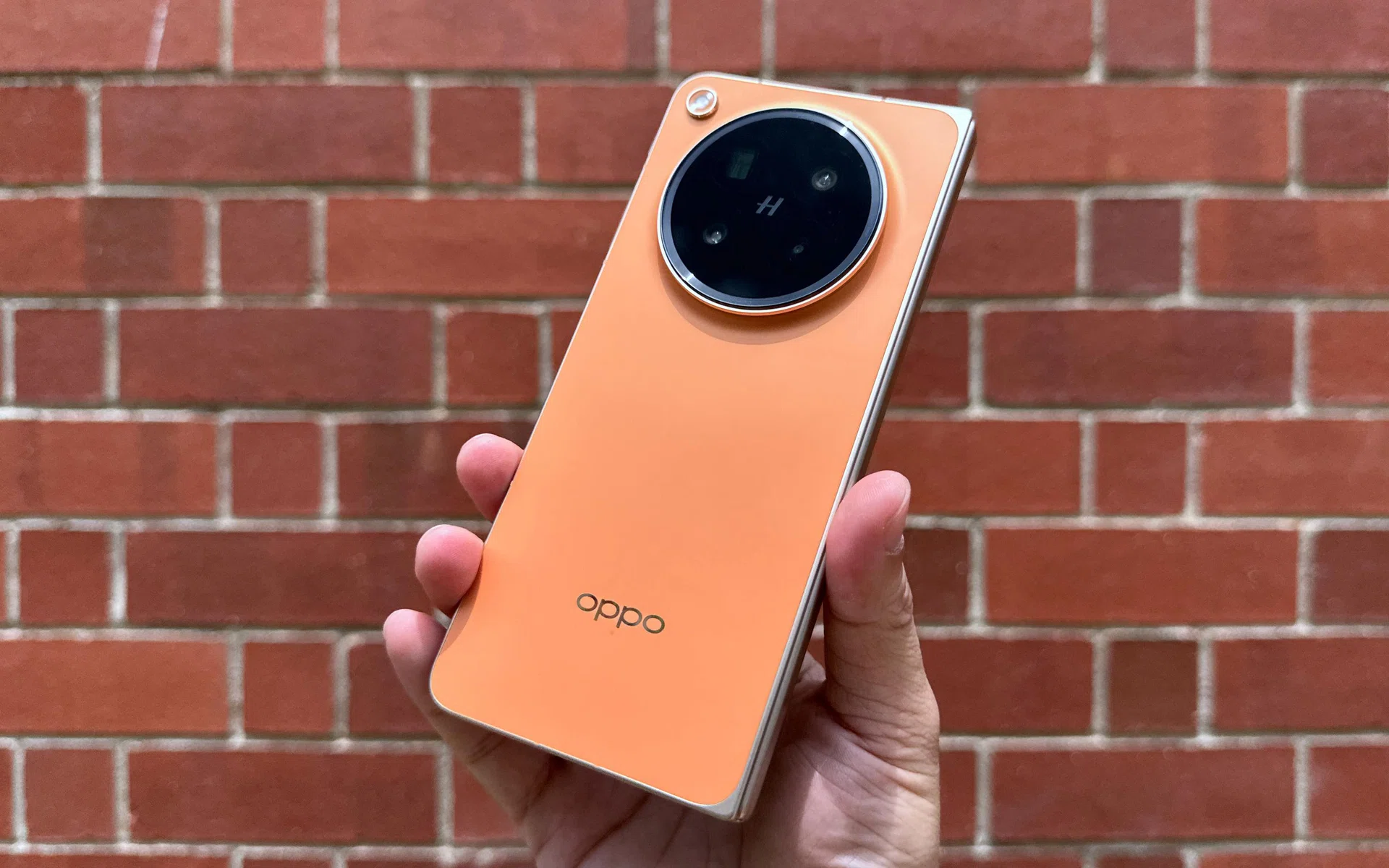
Without a phone case attached, the OPPO Find N6 feels smooth and light for a foldable. It’s also right-sized when gripped, even if we aren’t a fan of rounded corners or massive camera blocks. The latter is also a handling perk, because its camera ring helps the phone sit steady when it’s face-up on a desk.
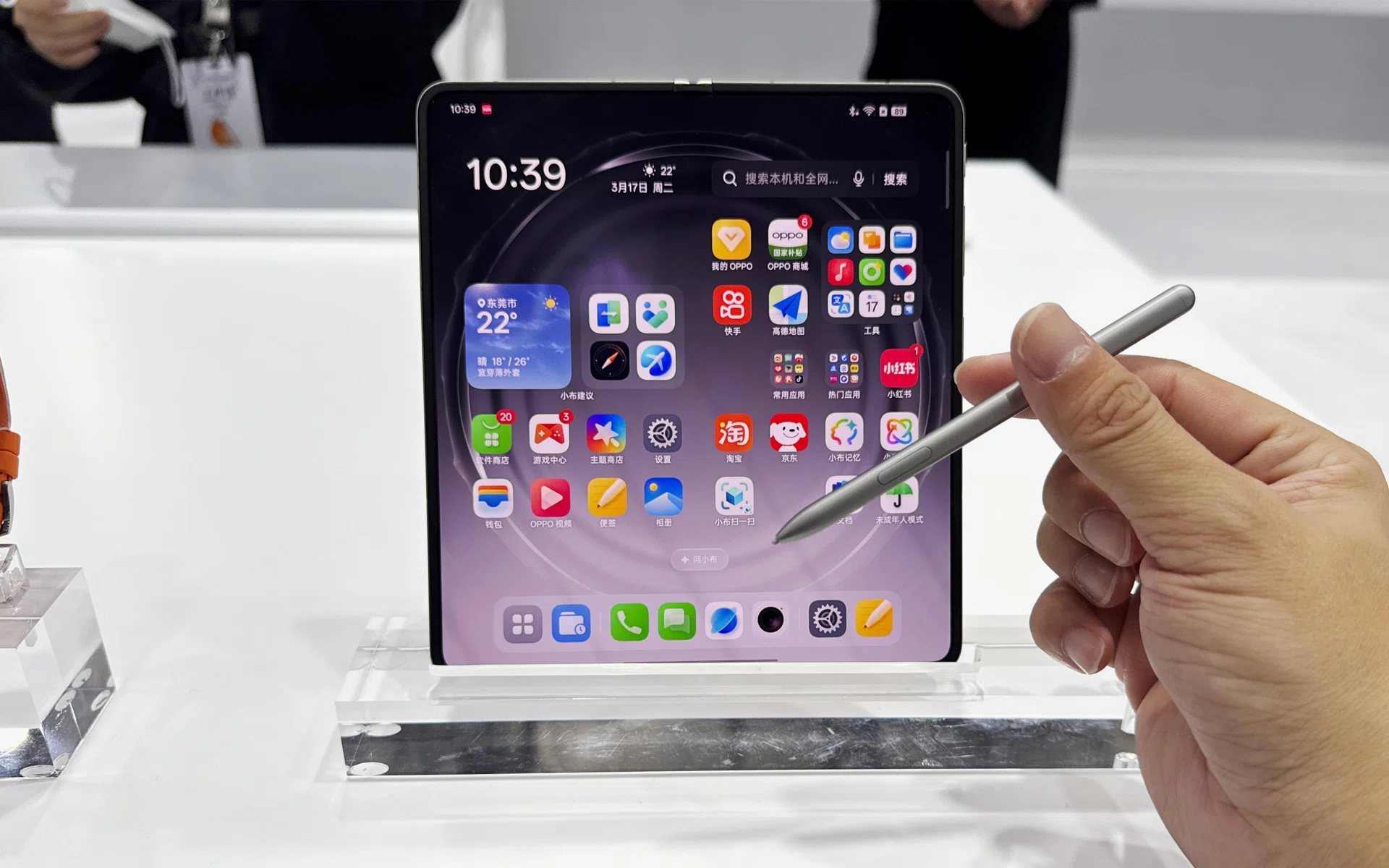
Having already been through a whole HWZ event, a hands-on walkthrough at its international launch, and weeks of testing, it was easy to see why its 8.12-inch Main Screen became our preferred way to use the device.
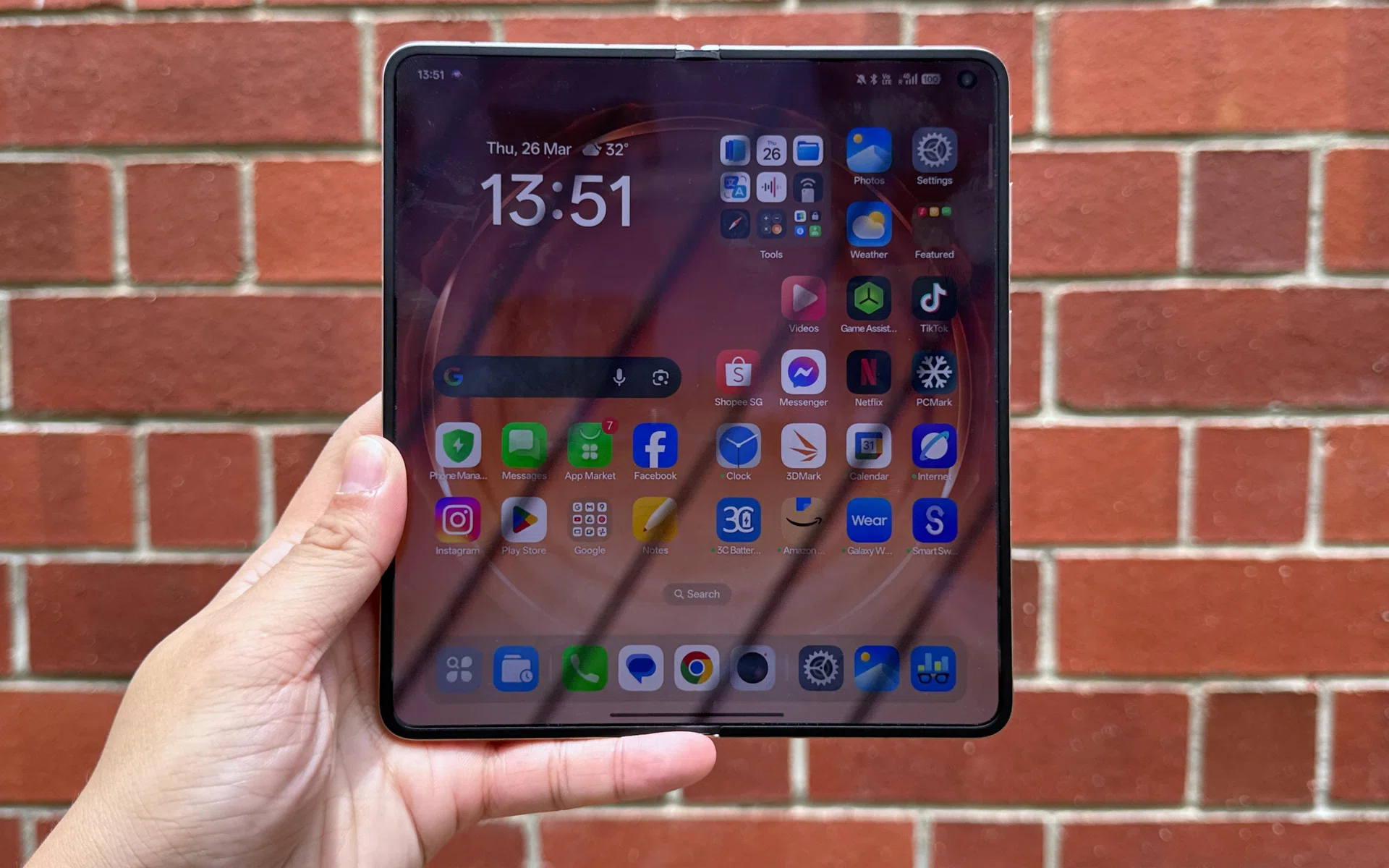
8.12-inch Main Screen.
Photo: HWZ
Its “zero-feel” crease isn’t just talk; when browsing in apps or watching streamed content, it wasn’t visible even when you tilted the display.
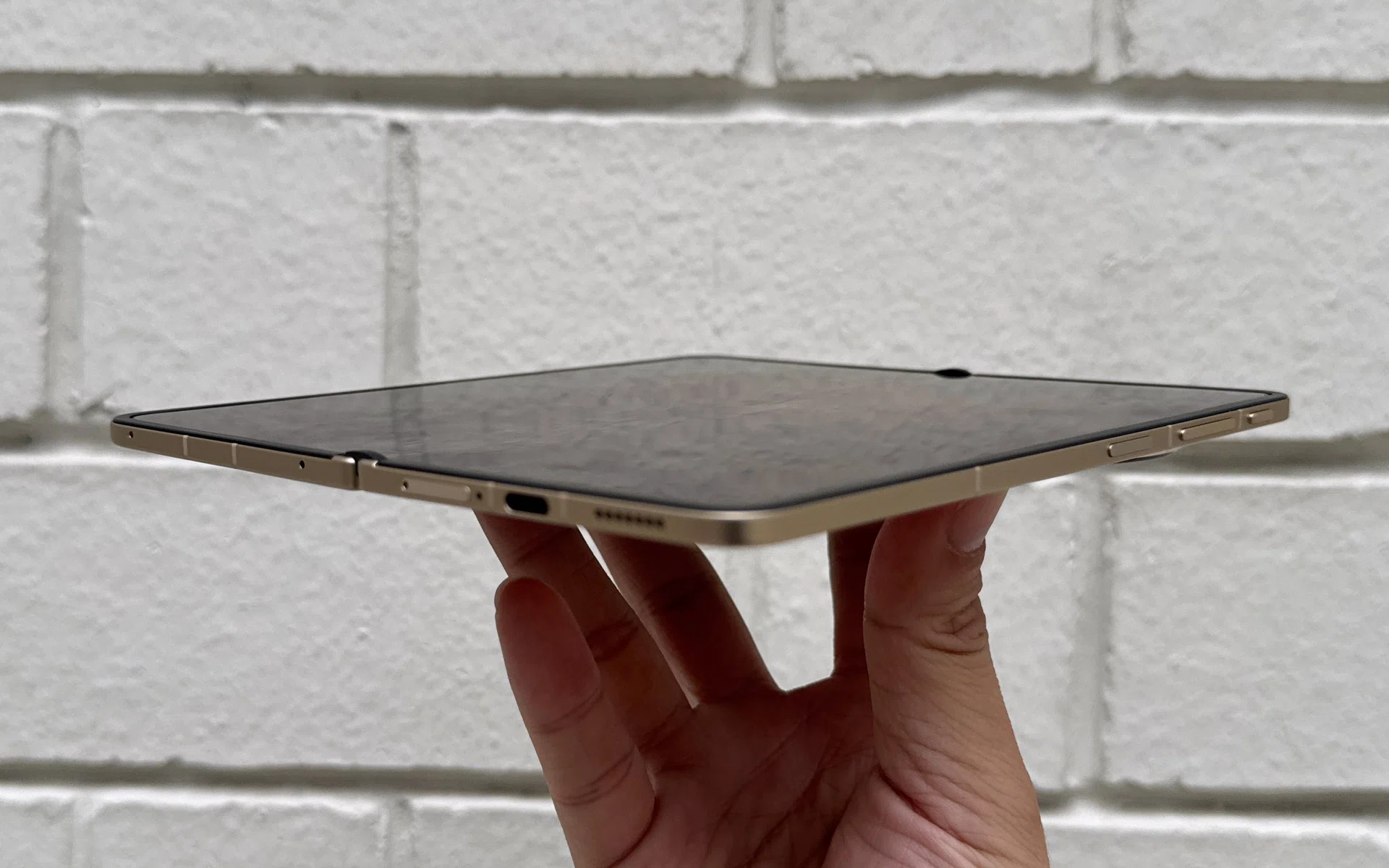
Tilted for your viewing pleasure.
Photo: HWZ
You can barely feel its indent when running a finger across the seam, too, and it’s only properly seen if you power off the display with overhead lights striking the panel at the right angles. If we had to pick on the panels, it’s the smudges from regular use that bothered us more.
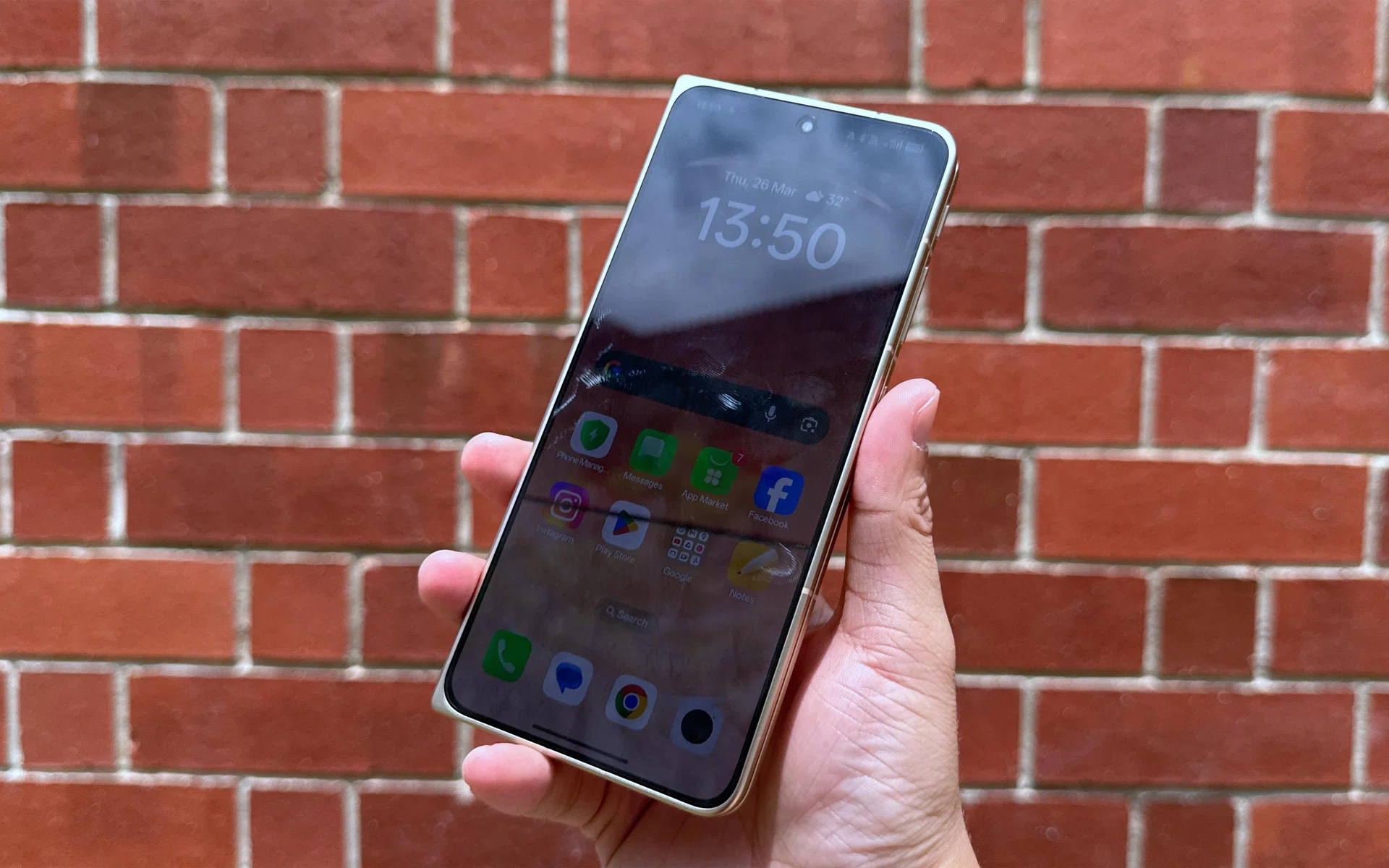
Photo: HWZ
The near-creaseless look was reason enough for us to prefer the larger panel whenever we had the opportunity to unfold it, while the 6.62-inch cover screen was relegated to texting, emails, and other on-the-go activities like checking a booking or appointment.
The exact numbers by OPPO for crease reduction (and how they achieved it) are in our launch news, so we won’t repeat them here.
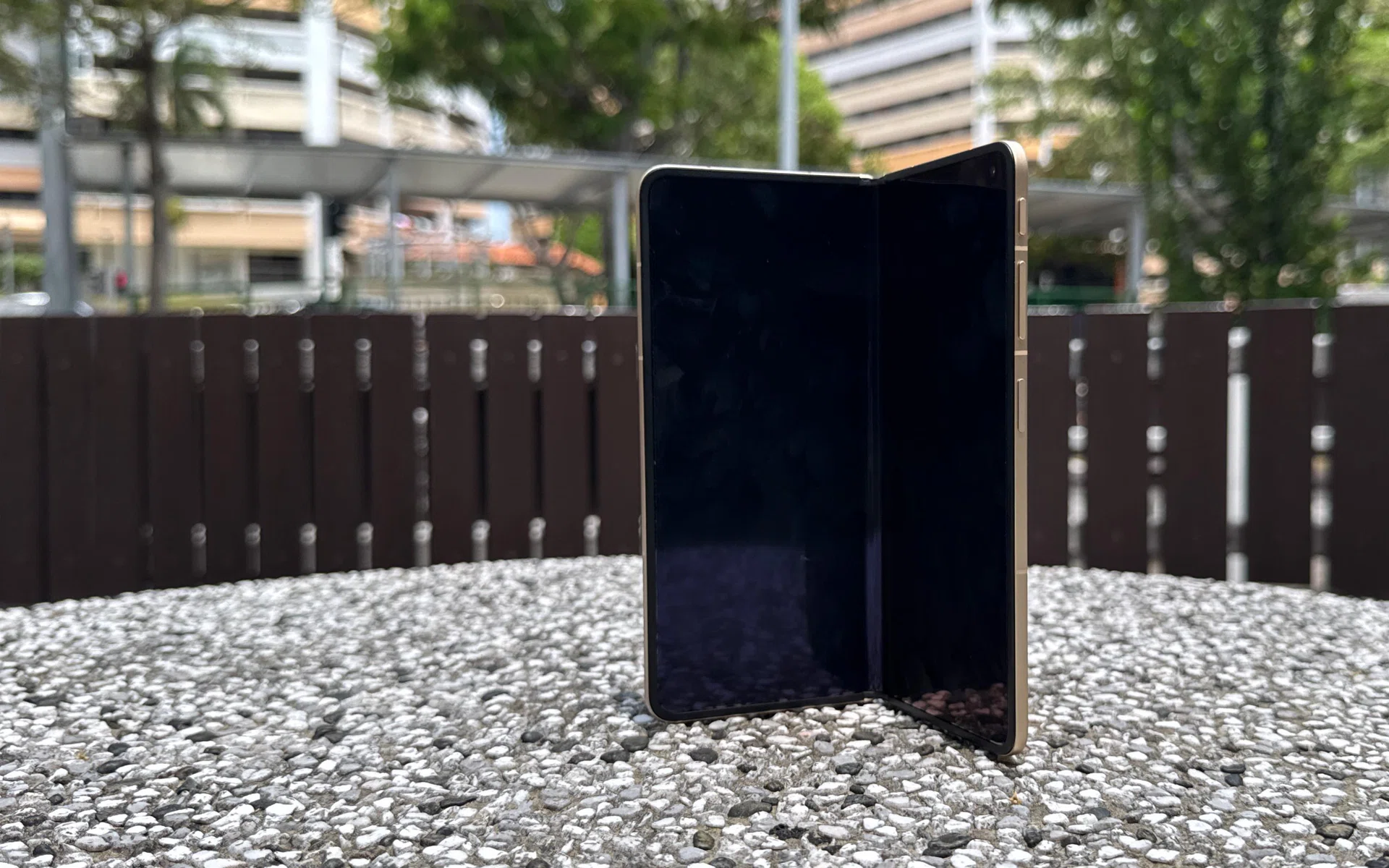
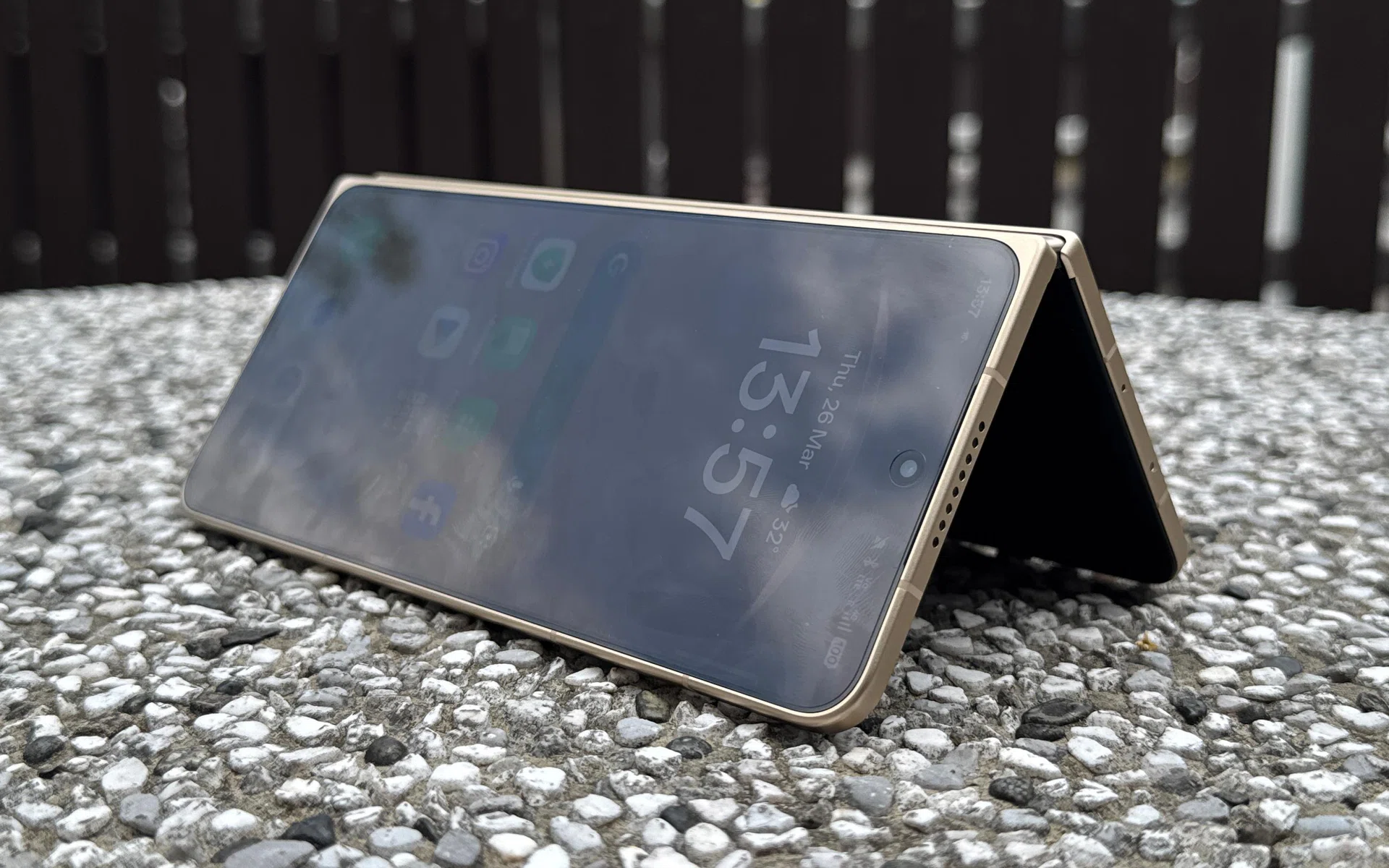
The cover screen is noticeably brighter when using the foldable under direct sunlight, while the larger Main Screen struggles a little (as seen in these product photos taken in strong, sunny weather). We believe this is because of the lower peak brightness on the bigger panel.
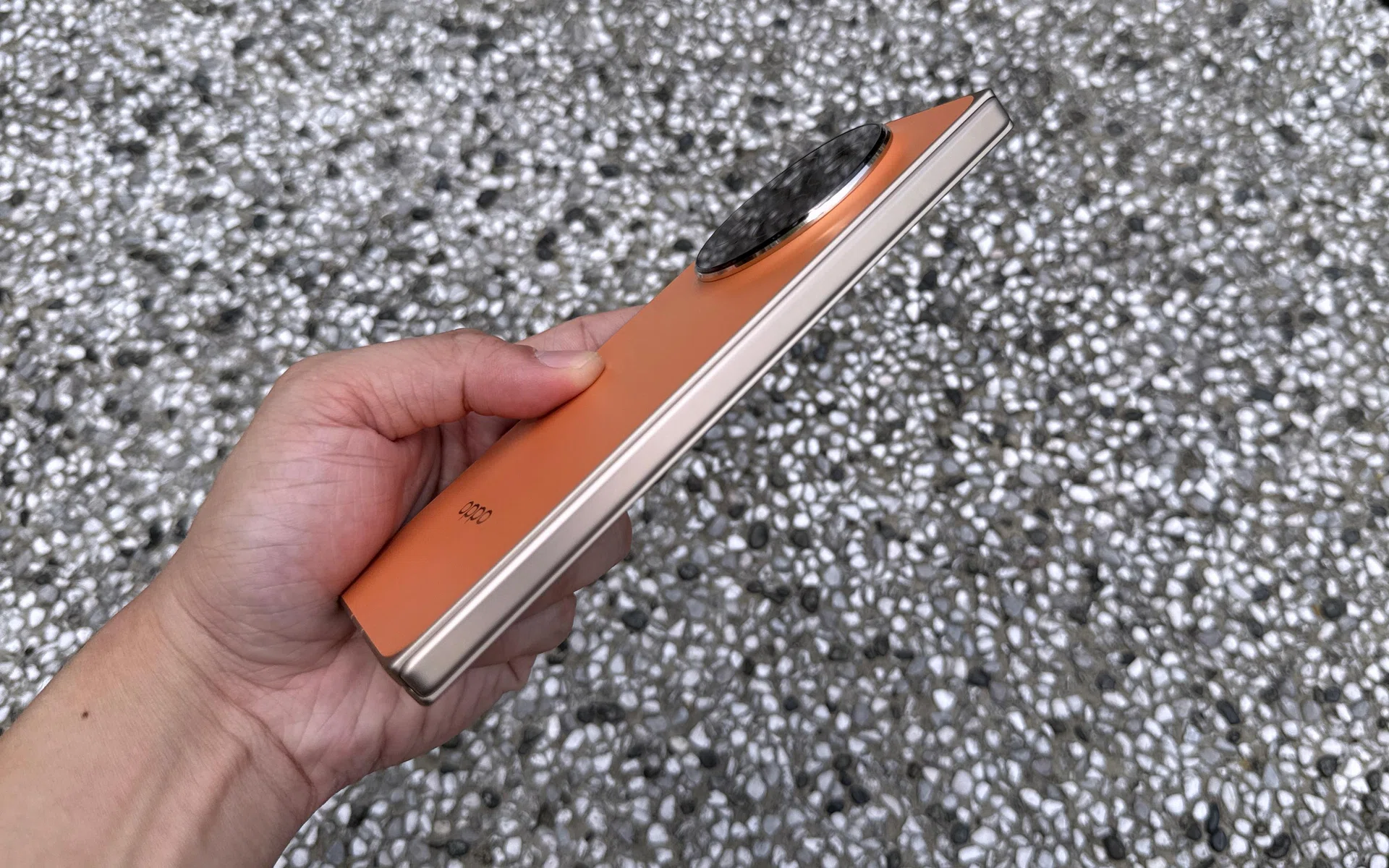
Photo: HWZ
That said, the phone’s construction underwent so many modifications that we could overlook the less-bright Main Screen.
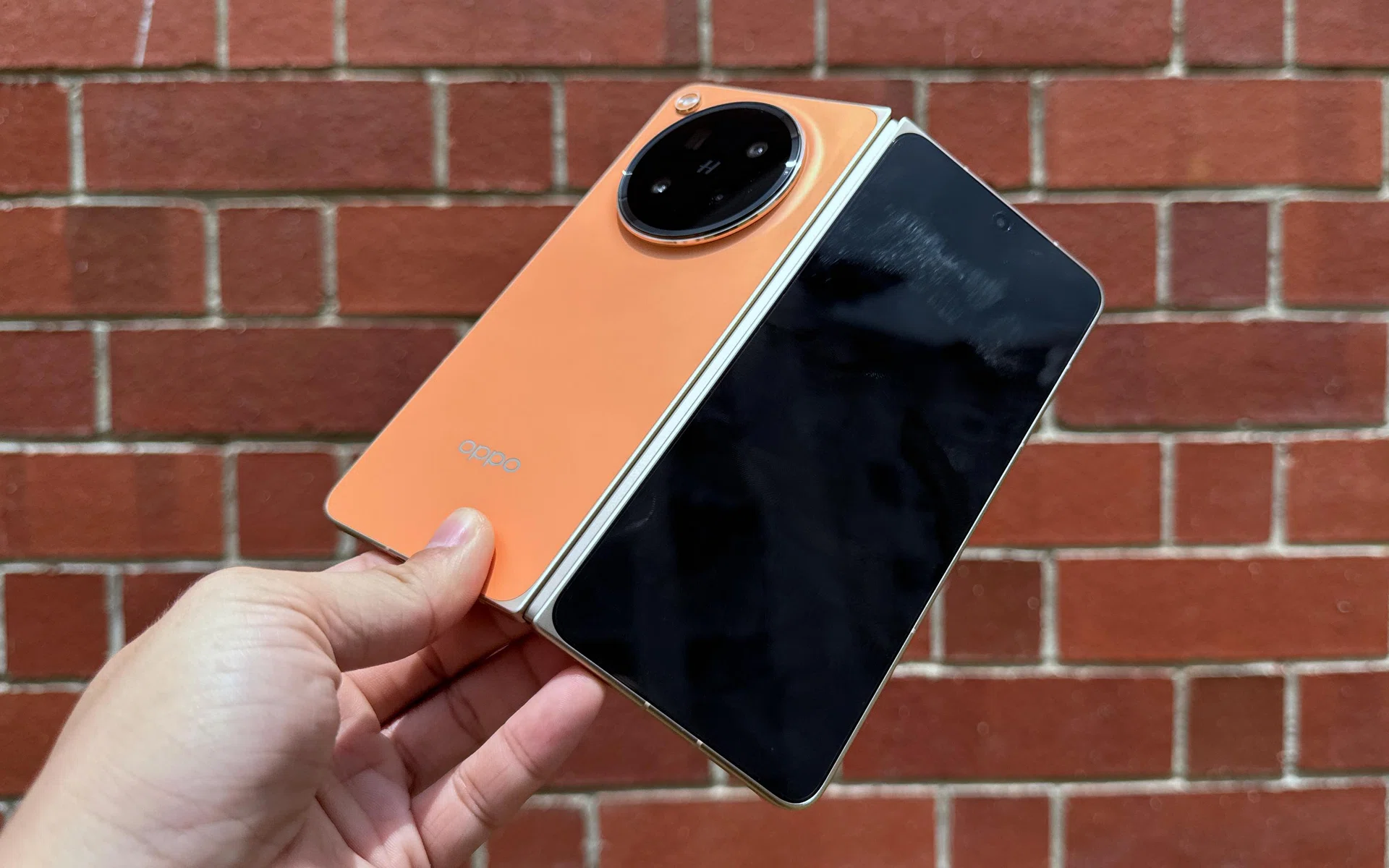
Photo: HWZ
Usually, a foldable maker would barely find the resources, expertise, materials, or time to refine a handful of physical parts to make these devices less flawed. In the Find N6’s case, OPPO:
- Added the Find X9 Pro’s Snap Key
- Tweaked the volume button placement for better handling
- Upgraded the hinge’s construction (details here)
- Ramped up the cover screen’s puncture resistance by 20%
- Heightened its IP-rated dust resistance (now IP56+IP58+IP59, up from IP48)
- Drastically increased peak brightness of its cover screen (3,600 nits vs previous 2,000 nits)
- Gave minor improvements, like a lighter rear glass and higher-strength aluminum body
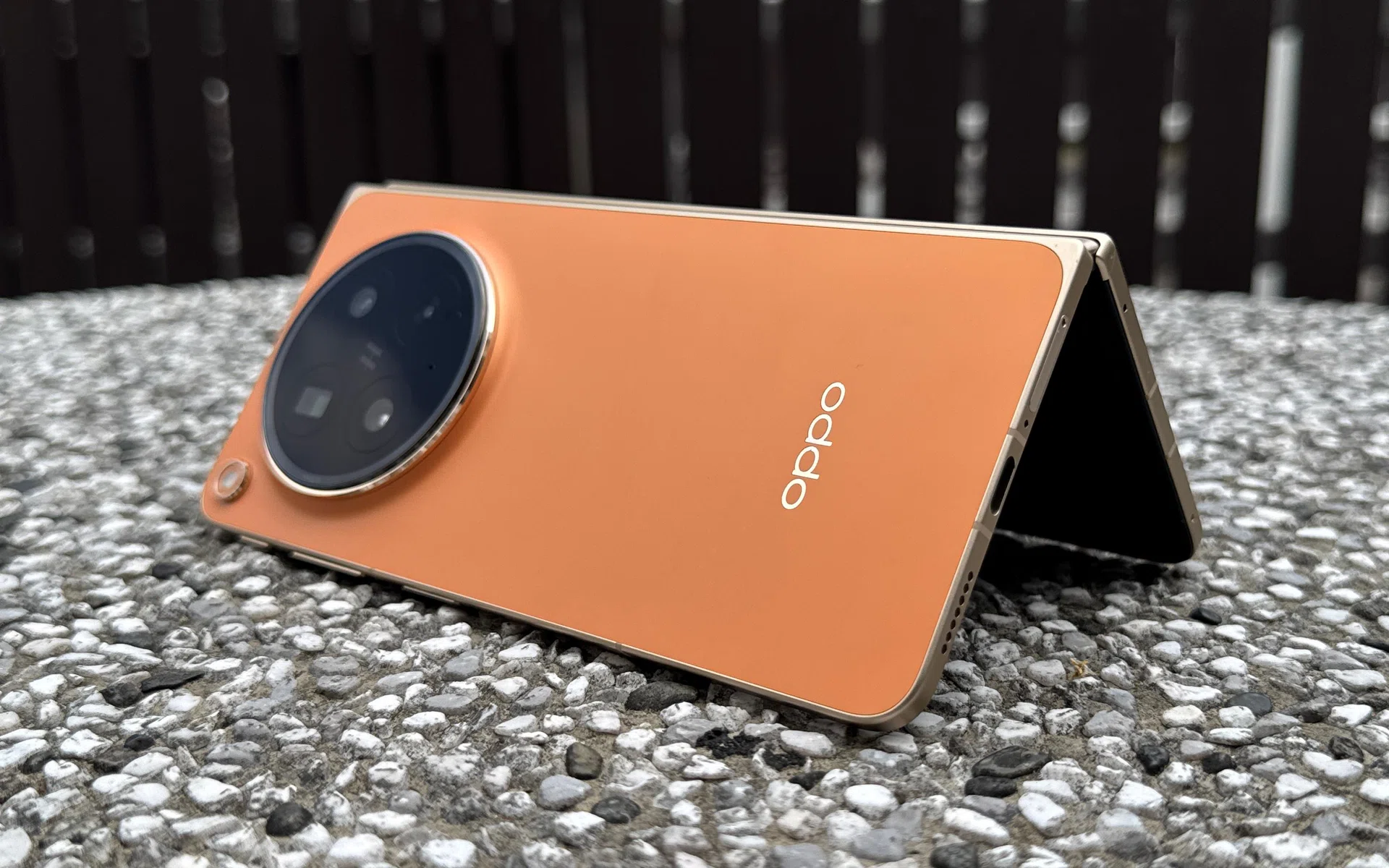
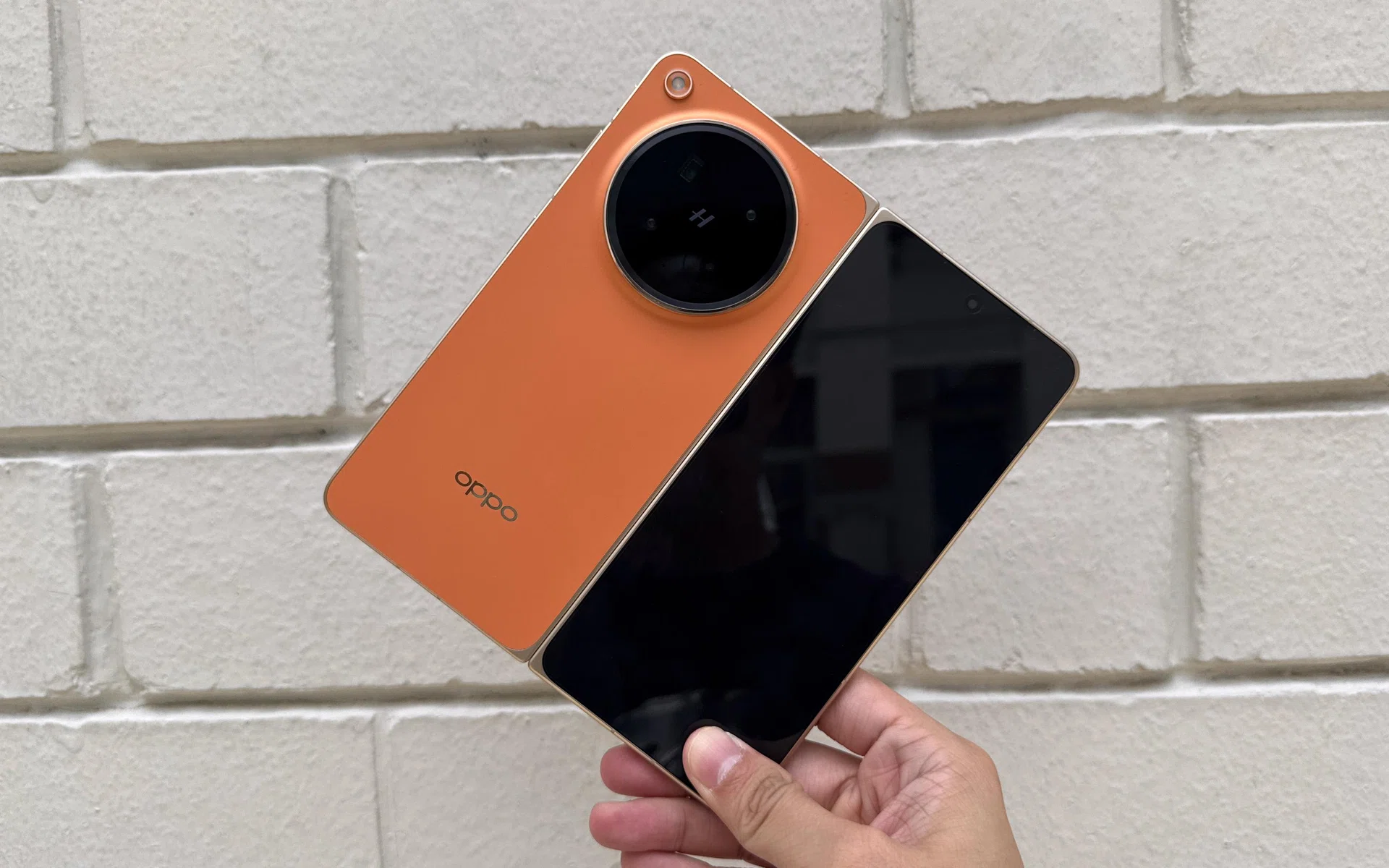
OPPO Find N6.
Photo: HWZ
All these refinements had to play second fiddle to its headlining “zero-feel crease” and bar-type handling quality, since those changes are more apparent in a device that historically struggled to stay crease-free and portable.