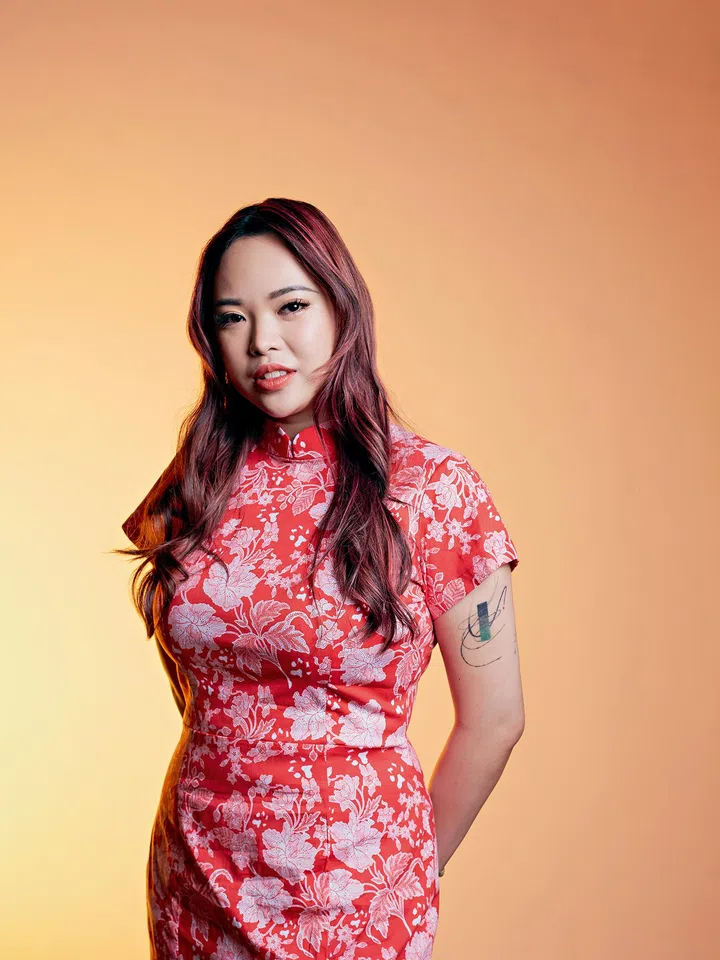
When the Surety co-founder, Valery Tan, entered the menopause space in her 20s, the assumptions came quickly. What followed was a complex challenge: earning trust across generations through listening rather than lived experience.
The assumption comes before the introduction. In your 20s, as you step into the menopause conversation, the question comes early and often: What makes you qualified?
Surety’s co-founder, Valery Tan, has heard it more times than she can count. “You’re too young.” “You won’t get it.” Early on, she responded by over-explaining: her intentions, her research, her story, her why.
After a while, she caught herself thinking, “What for?” Because even if you answer perfectly, some people will still decide who you are before you speak.
“I learned to keep my response human and light, not defensive,” the 28-year-old says. If someone questions her understanding, she’ll acknowledge plainly that her lived experience is different, then reframe what she is committing to: listening closely, building with the people living it, and creating a space that’s culturally relevant and safe.
Earning authority differently
But credibility, she realised, was never the real starting point. It was something more personal and unresolved: How do I create a space where midlife conversations can exist without shame, confusion, or isolation, and where people actually know what to do next?
She was an only child, in university, exploring entrepreneurship, when she suddenly noticed her mother’s changes affecting her mood, their relationship, and the texture of daily life at home.
Tan had no words for what was happening. “I remember feeling lost, mentally drained, and honestly scared,” she says. “Not just for her, but because I realised how unprepared families can be when this happens.”
That sense of disorientation pushed her to start looking outward. In her attempt to understand what was happening with her mother, Tan found that most resources were Western and didn’t always reflect how Asian families speak, cope, or stay silent. “That disconnect made me want to build something culturally relevant,” she says. “Not in a theoretical way, but in a practical, day-to-day way that women here could actually relate to.”
That gap would become the foundation of Surety. But getting there required something that frameworks and strategy decks couldn’t provide.