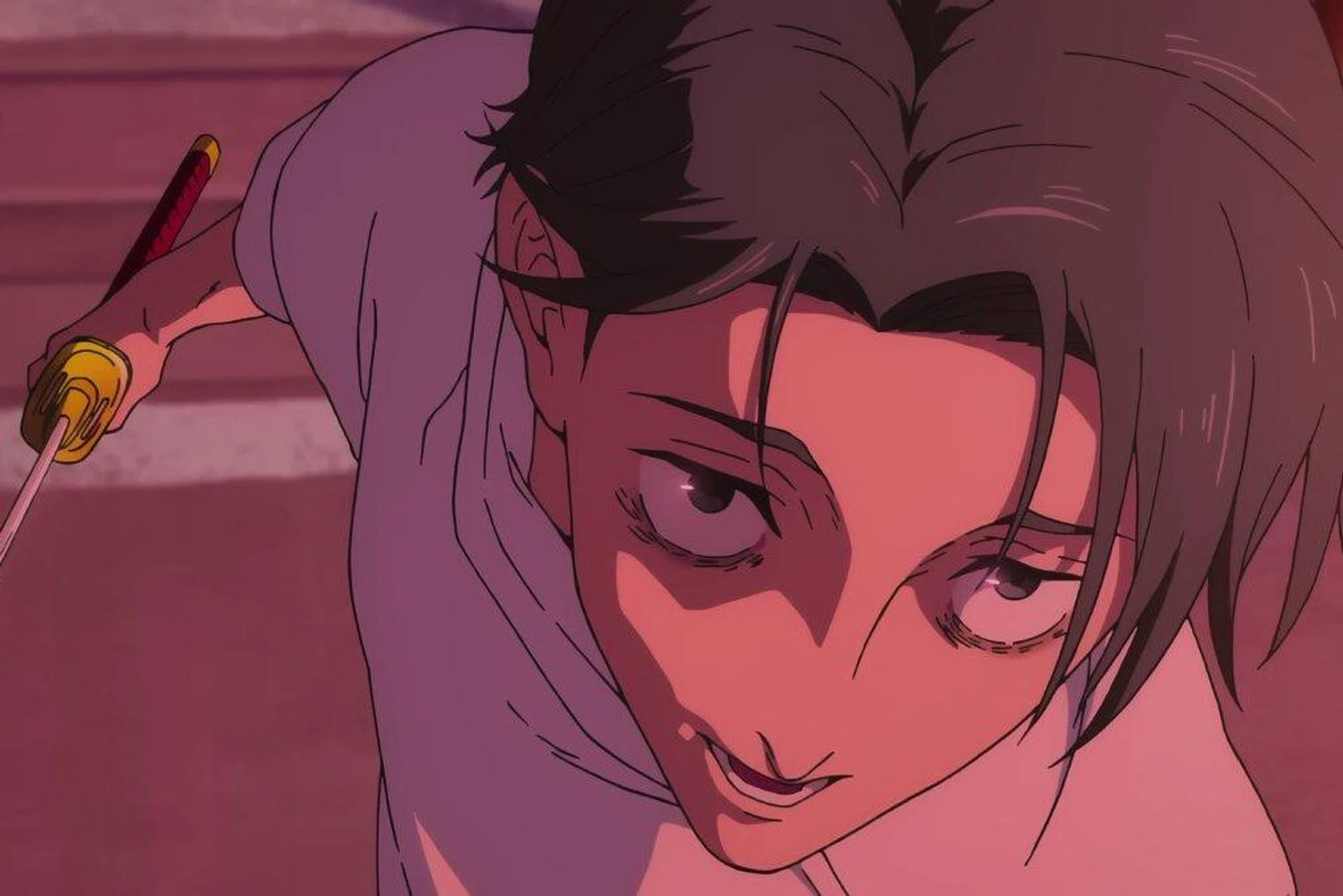
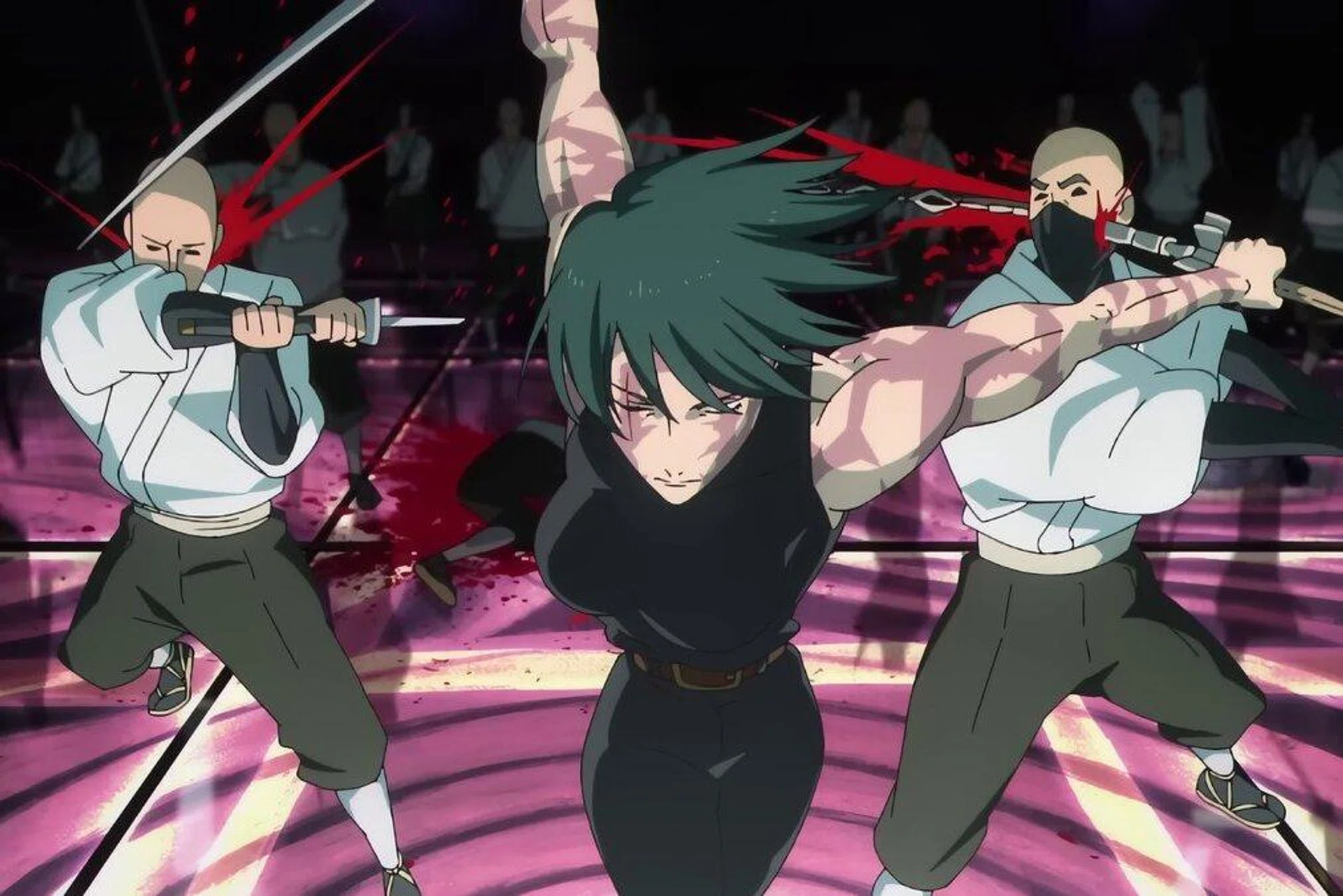
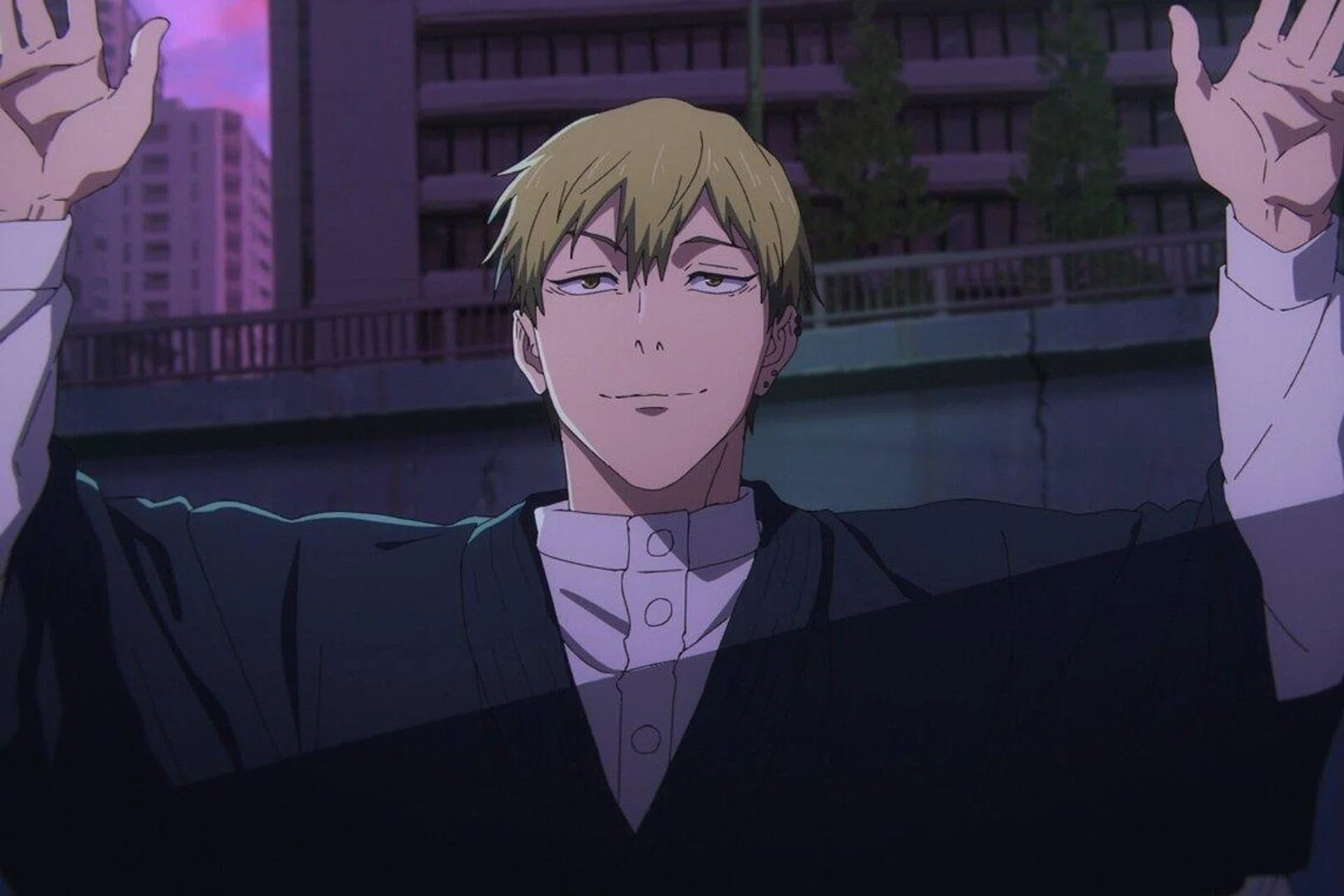
Jujutsu Kaisen Season 3 is the latest season of the anime adaptation of the hit shonen manga by Gege Akutami, pushing deeper into the most intense stretch of the story so far, the culling games.
Unlike previous seasons that had a clear conclusion by this point, Season 3 is still ongoing. That makes any final judgment premature (even as a manga reader myself), but the story’s direction so far is getting intense.
The Story so far
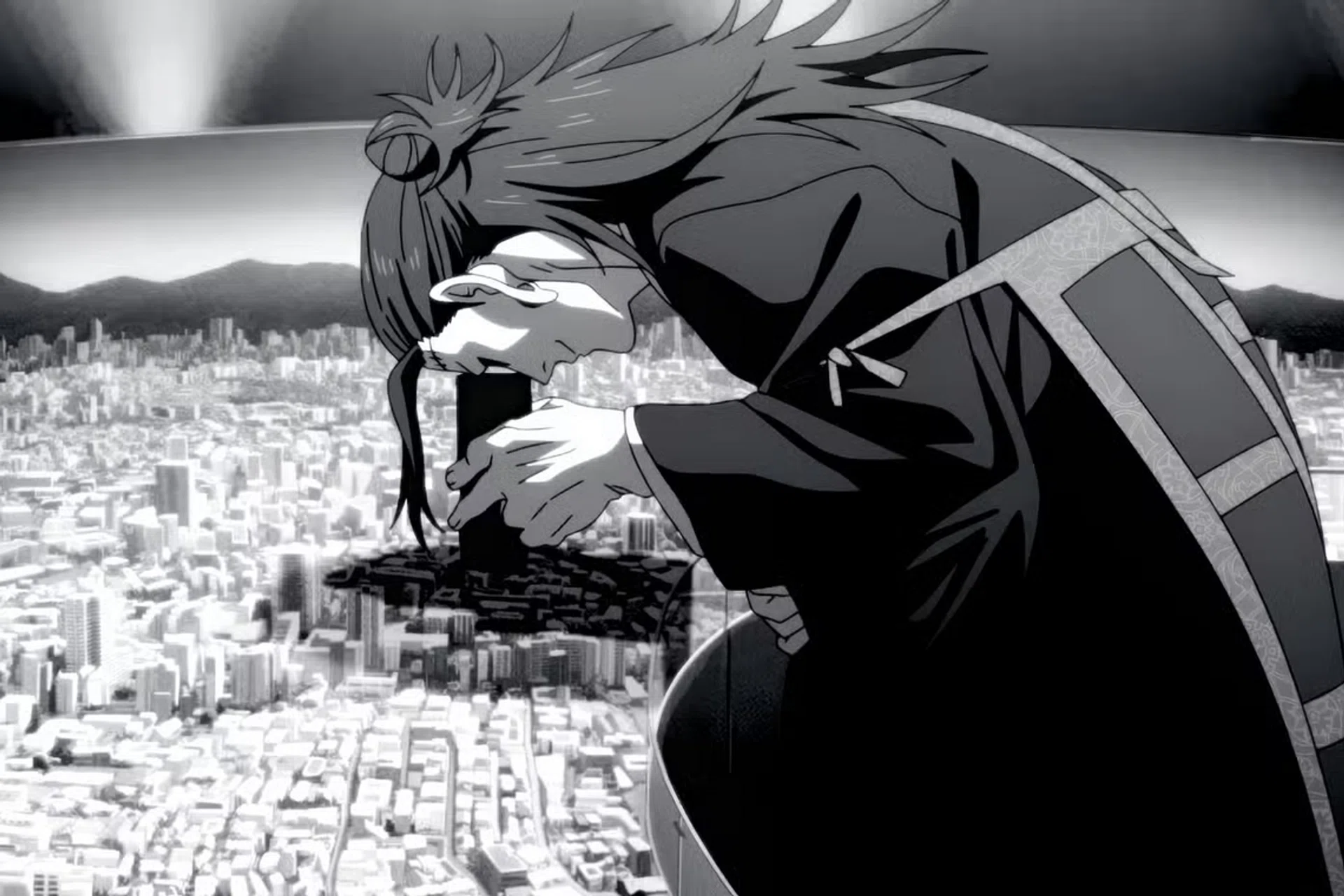
Kenjaku, the main antagonist of this arc in the opening of Season 3
Photo: Crunchyroll
The current arc continues right after the Shibuya Incident, a tragic and in-world changing event where the existence of curses and Jujutsu sorcerers are revealed to the public and where many fan favourite characters were killed off or trapped.
Season 3 is the beginning of the culling games, a lethal battle royale with strict rules orchestrated by Kenjaku who is also the main antagonist of this arc. The culling games escalates conflict within the jujutsu world while expanding the battlefield beyond just simple, typical shonen slog fests. Power structures and alliances are fragile and the future of the world of Jujutsu Kaisen hangs in the balance.
The pacing remains fast, with episodes moving quickly between confrontation, strategy, and aftermath. Because of the lack of recap and almost no filler, the season assumes viewers are fully caught up to or at least have some knowledge of the established world, making it not ideal for first-time watchers (why would you start with season 3, though?), but very satisfying for fans who are already in the know.
Fair warning about this review, because the season is not over yet, several major plot points remain unresolved (unless you’ve followed the by-now finished manga). Key matchups are still unfolding, and the likely emotional fallout will shape the final episodes. What stands out is the sense that events are building towards a grand showdown.
Character development
Rather than just relying solely on cool animations for fights or battles, the season grounds its intensity in personal growth. Characters are not static characters just moving from one confrontation to the next; they evolve in response to trauma, responsibility, and shifting power dynamics.
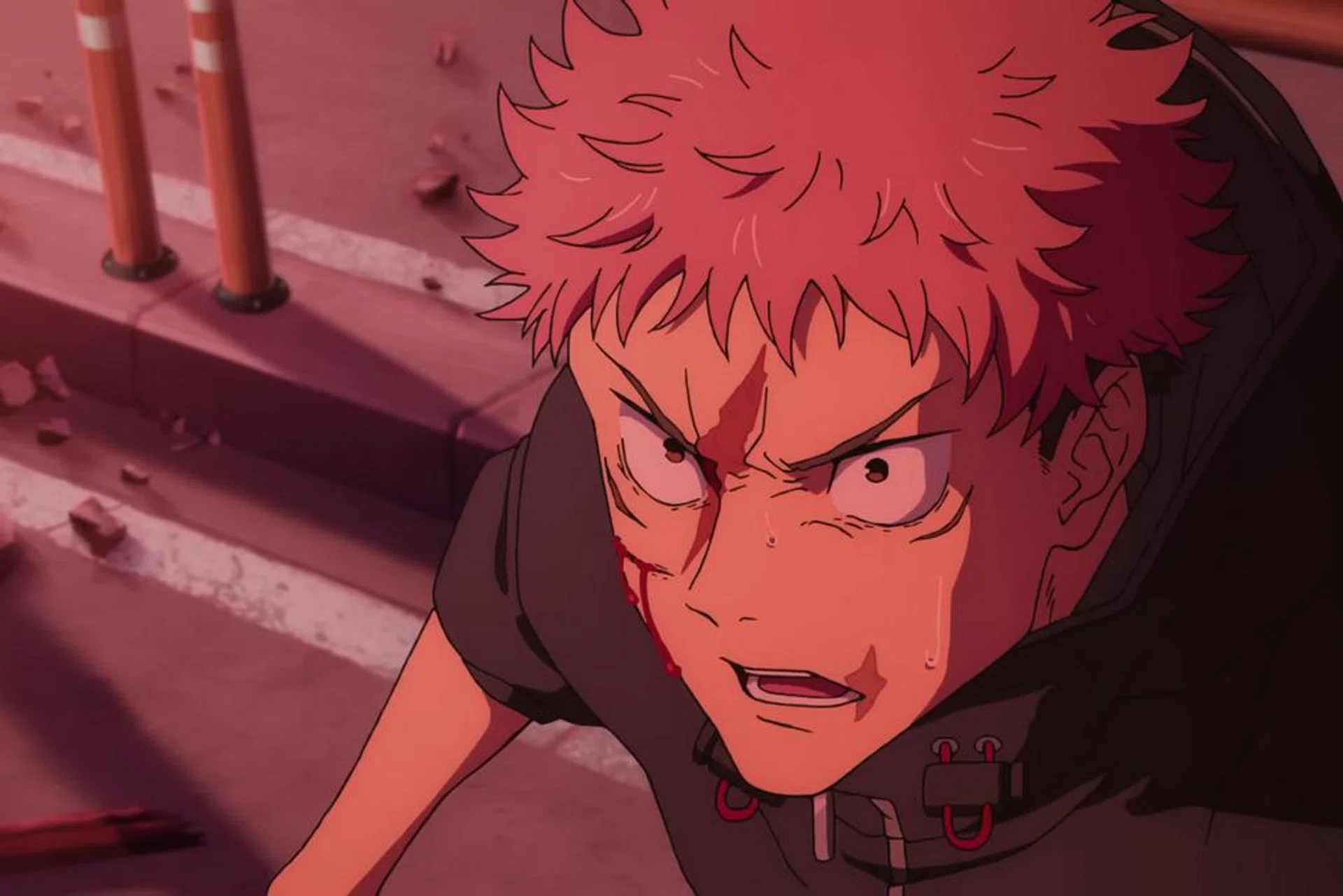
Screenshot of Yuji Itadori, the series main character
Photo: Crunchyroll