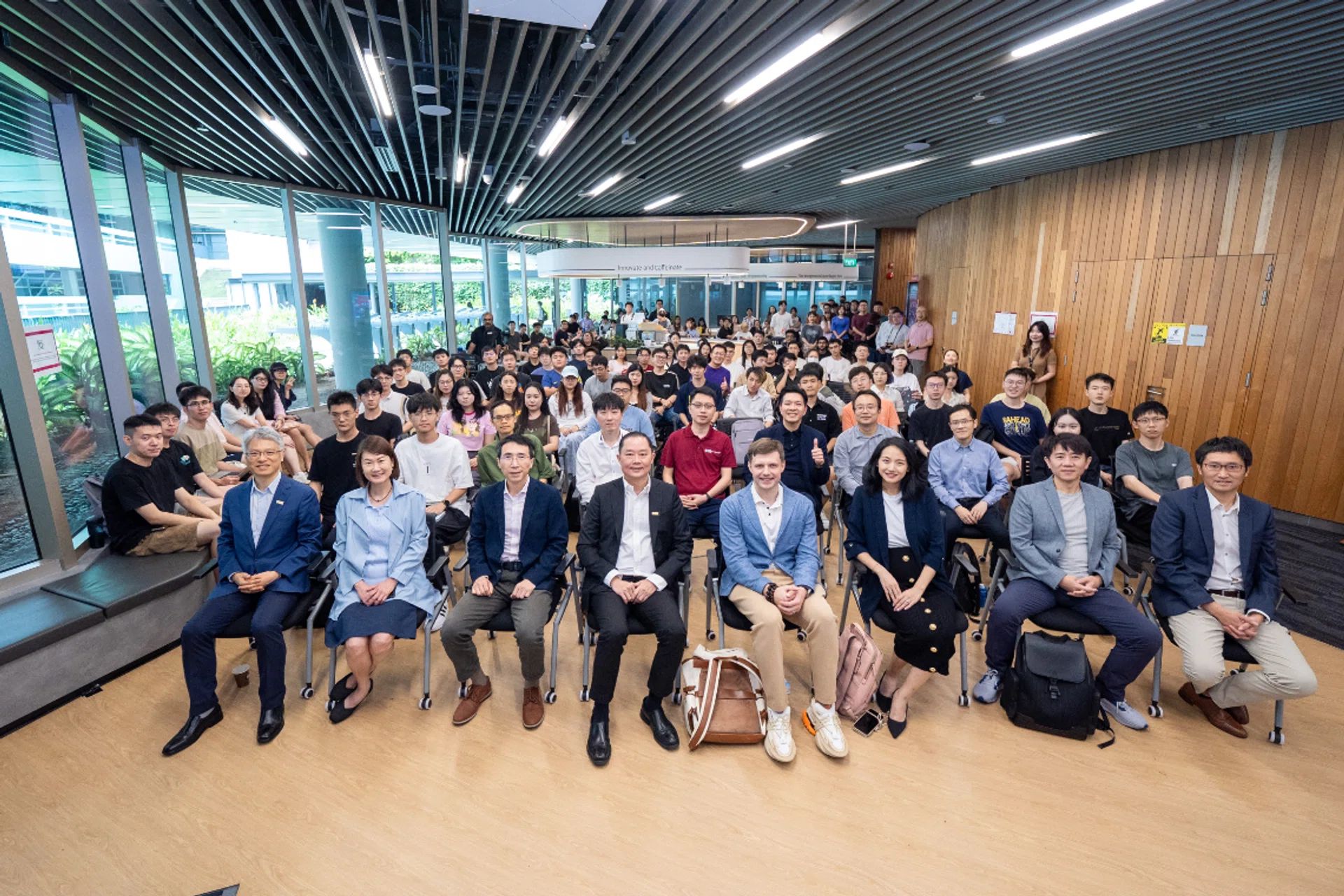
When Zero Gravity (0G) and Nanyang Technological University, Singapore (NTU), announced a new joint research hub for decentralised AI, the move signalled a decisive shift in how next-generation AI systems may be built, verified, and governed.
The S$5 million initiative is 0G’s first university collaboration globally, aiming to address one of the most pressing problems in modern artificial intelligence: making AI systems more accountable, transparent, and genuinely open to public scrutiny.
The partnership arrives at a moment when Singapore is strengthening its position as a global leader in digital trust, infrastructure resilience, and responsible AI development. As AI models grow larger and more complex, both organisations believe the world can no longer afford to accept opaque, untraceable systems controlled by only a few dominant players.
Why AI needs to break away from centralised black boxes
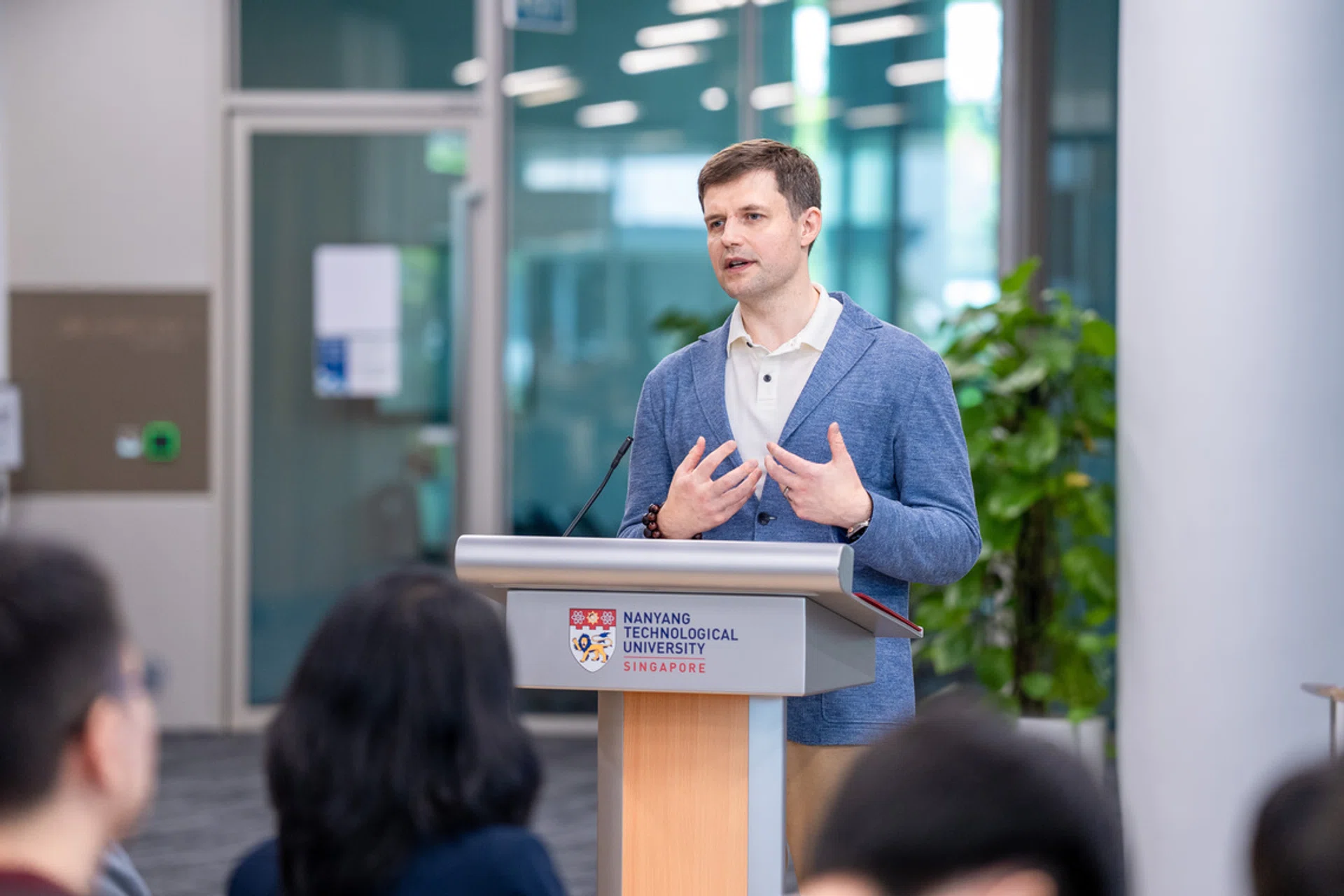
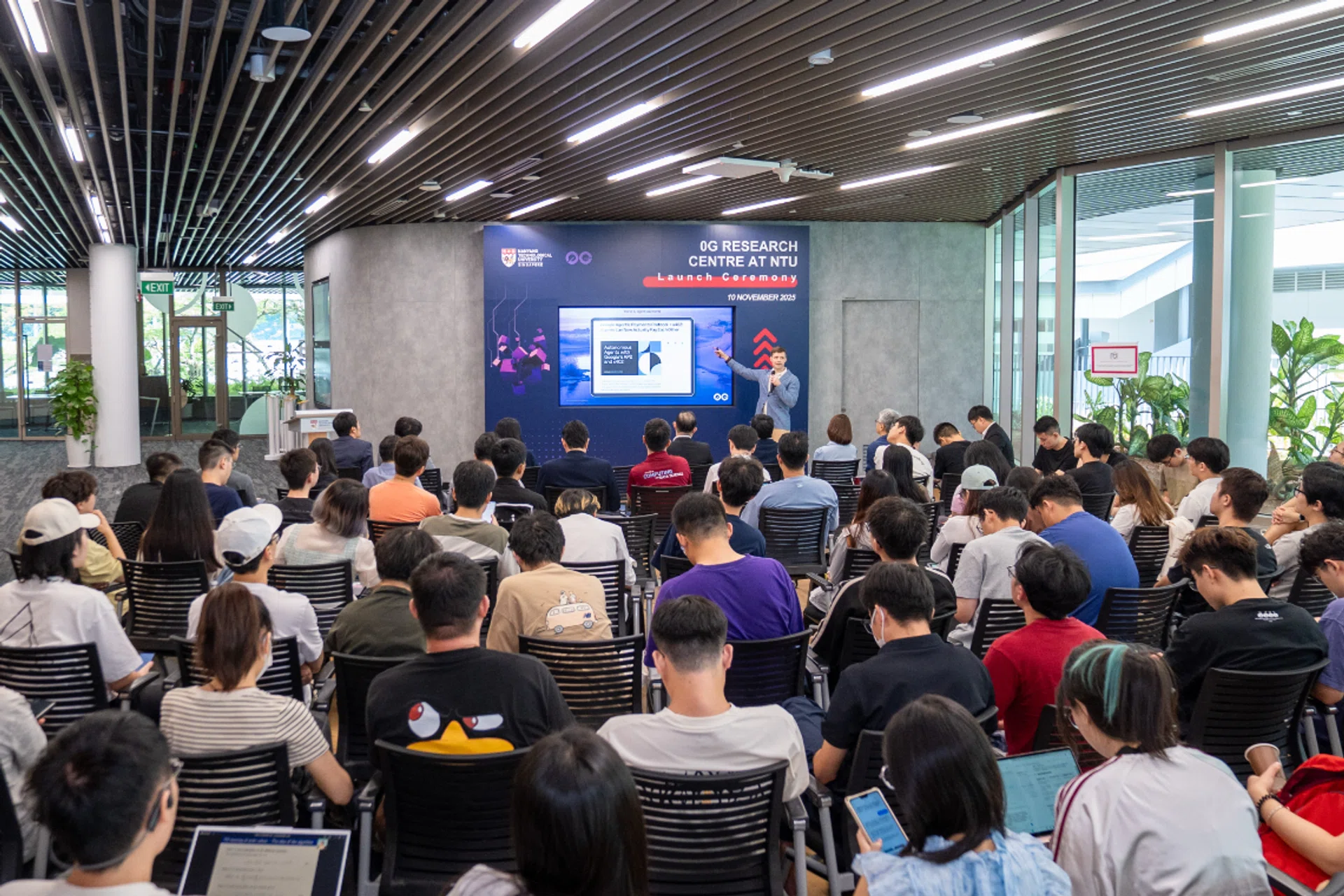
ZeroGravity co-founder and CEO Michael Heinrich
Photo: NTU
For 0G co-founder and CEO Michael Heinrich, the motivation is blunt. “AI must be a public good, not a private monopoly,” he says. He argues that the current landscape, dominated by a handful of companies with enormous control over models and data, creates systemic risk. These risks include hidden biases, unverifiable outputs, and opaque training sources, all of which erode trust in the system.
Heinrich believes the industry is at an inflection point. “If we do not build an open, decentralised foundation now, the current system will be locked in,” he explains. For him, decentralisation is not a fashionable add-on. It is the only way to make AI safer and more widely accessible.
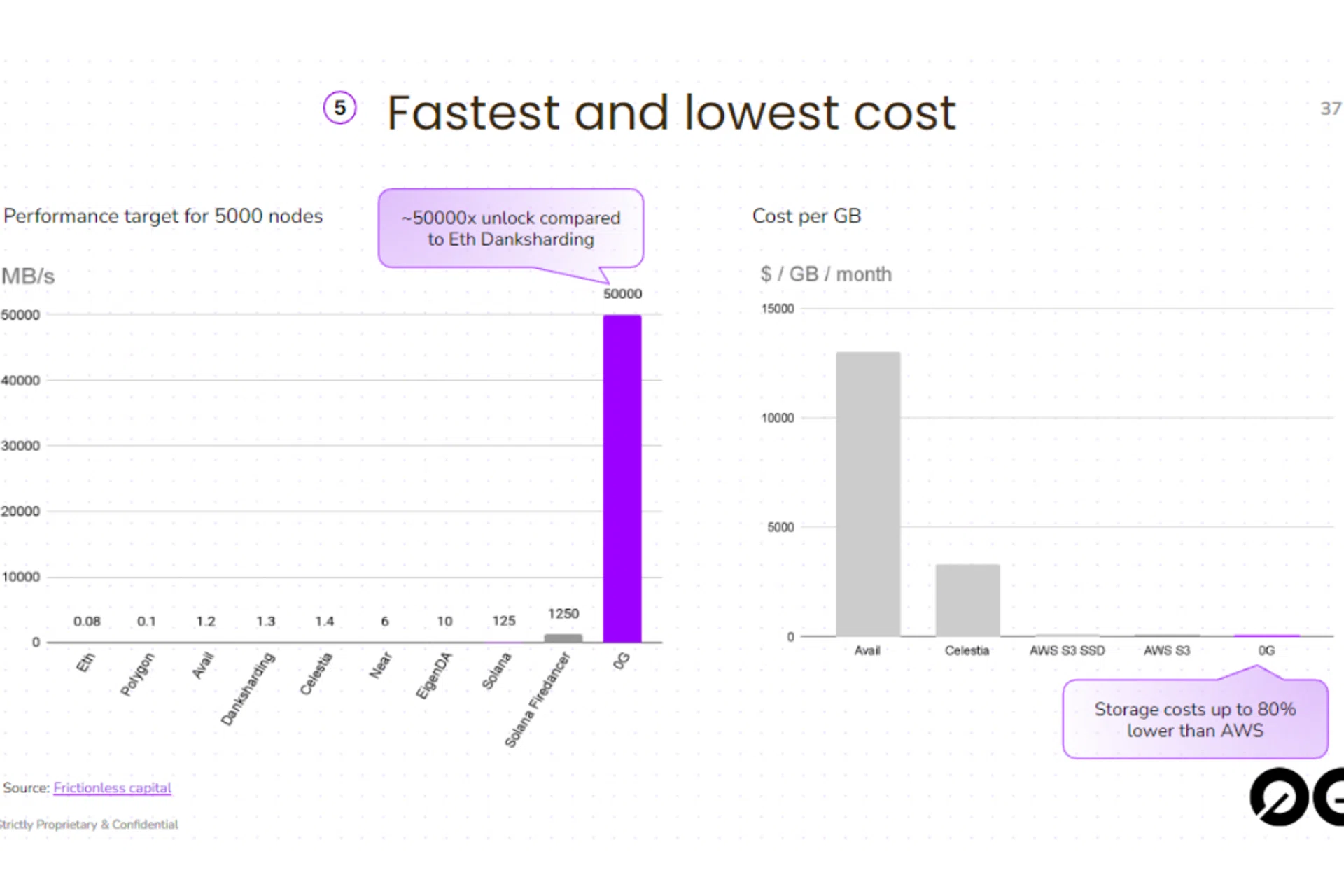
This is why 0G has built a modular blockchain architecture optimised specifically for AI. The system supports what Heinrich calls “verifiable AI”, where every model, dataset, and output is recorded on a chain. “It creates an immutable birth certificate for every model,” he says. If a model claims to use a certain dataset or alignment policy, that claim can be checked rather than accepted on faith.
Turning academic theory into real-world infrastructure
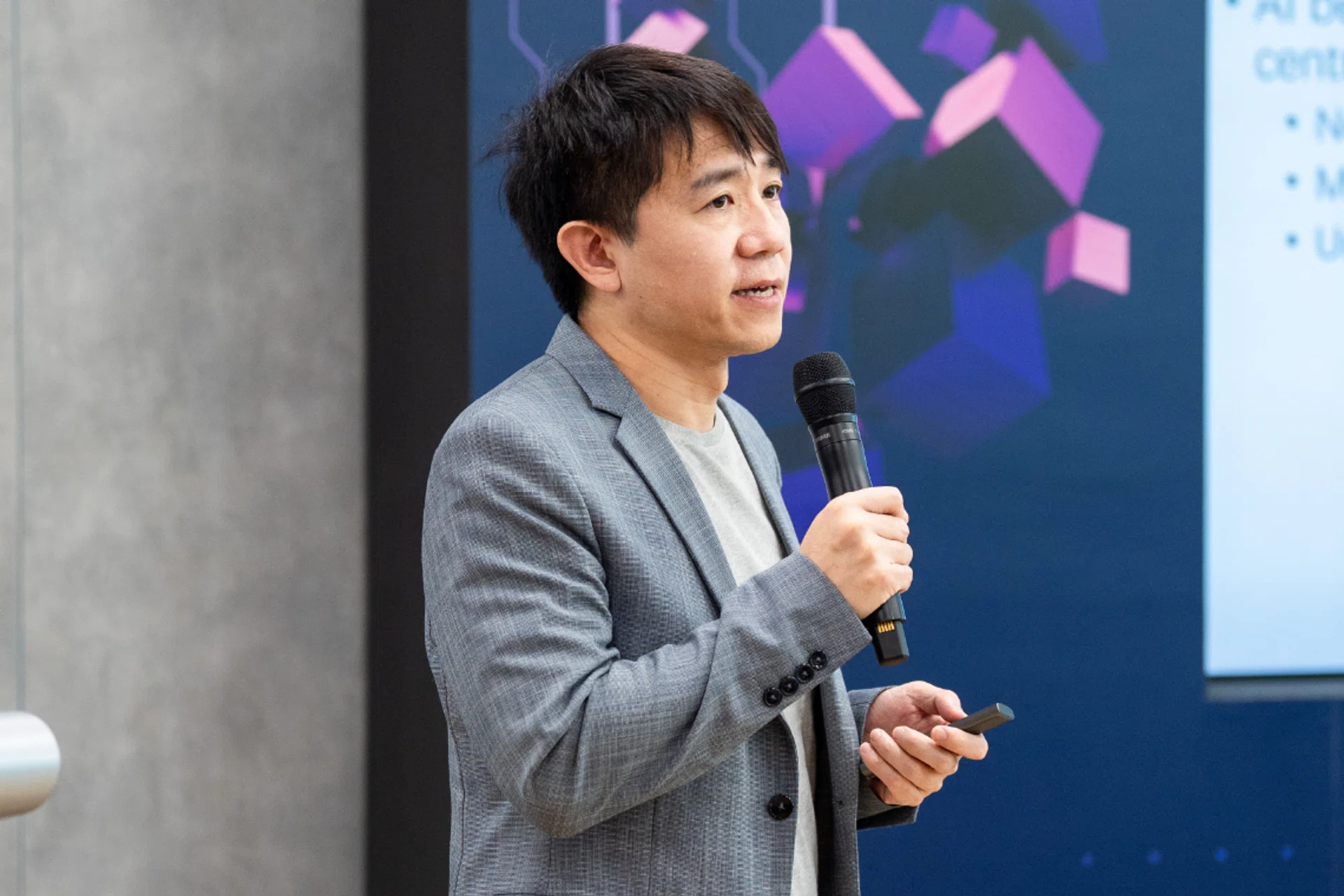
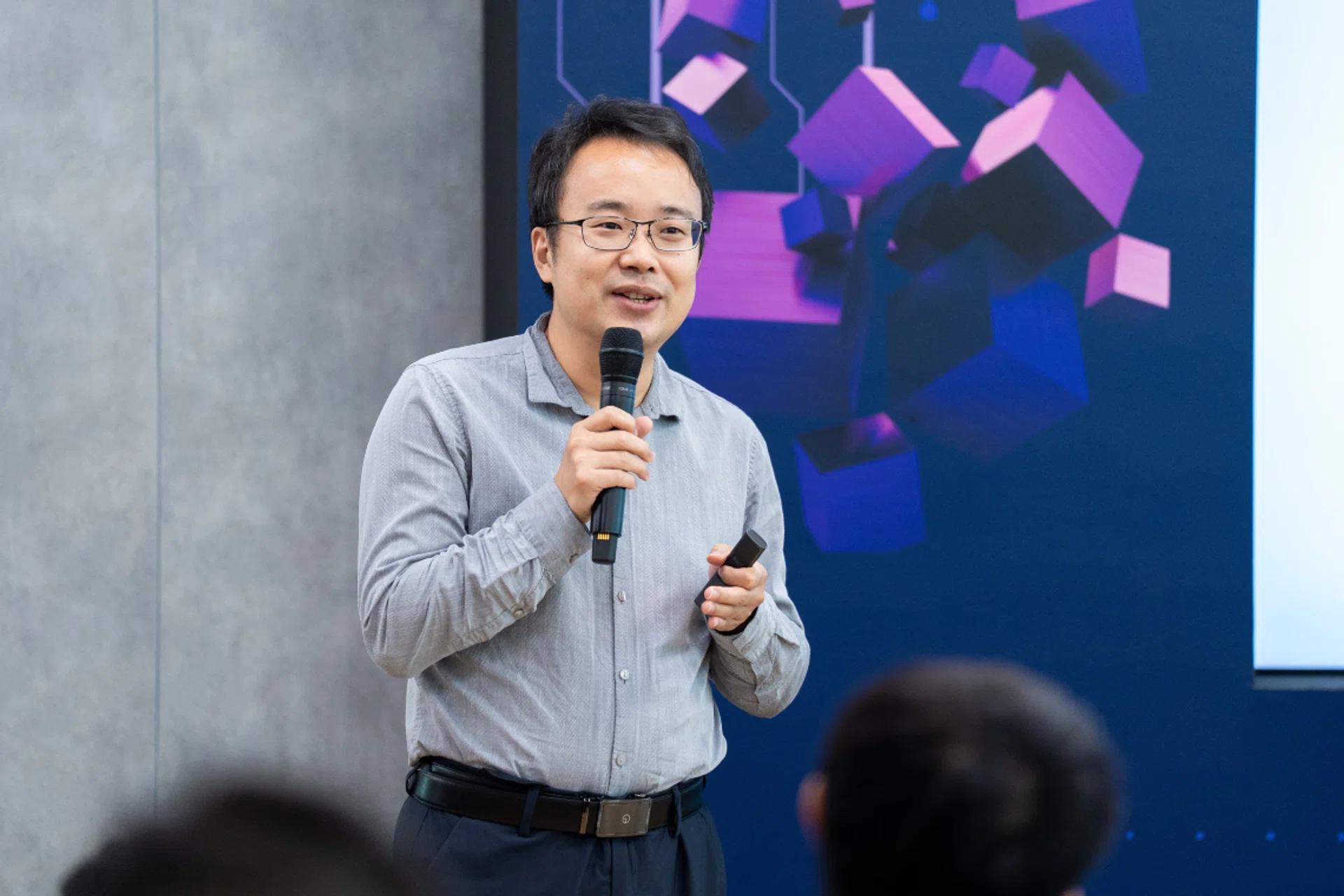
Dr Ming WU, CTO and Co-Founder ZeroGravity
Photo: NTU
While Heinrich champions the philosophy, his co-founder and Chief Technology Officer (CTO), Dr Ming Wu, focuses on the engineering realities. “It is one thing to write a whitepaper on ethical AI or decentralised governance. It is another thing entirely to build the economically viable infrastructure that makes it possible,” Dr Wu says.
He views academic institutions as the breeding ground for the long-horizon ideas the industry needs. Proof-of-Useful-Work, verifiable computation, secure provenance, model alignment: these are not weekend hacks but fundamental research challenges.
“With NTU, we are turning research into reference implementations,” he adds. The hub will work on verifiable inference toolchains, blockchain-integrated alignment frameworks, and Proof-of-Useful-Work protocols that can run on real nodes. “We want to bridge the gap between papers and prototypes, and from prototypes to SDKs and governance.”
NTU’s perspective aligns closely with this. According to Associate Professor Zhang Tianwei, College of Computing and Data Science, NTU Singapore, Singapore’s AI ecosystem has matured to the point where the next frontier is not simply capability, but accountability and openness. “A decentralised, blockchain-enabled foundation ensures that computation and data can be shared, verified, and rewarded transparently,” Zhang explains.
This is why 0G, with its focus on scalable decentralised AI infrastructure, is the right partner for the moment.