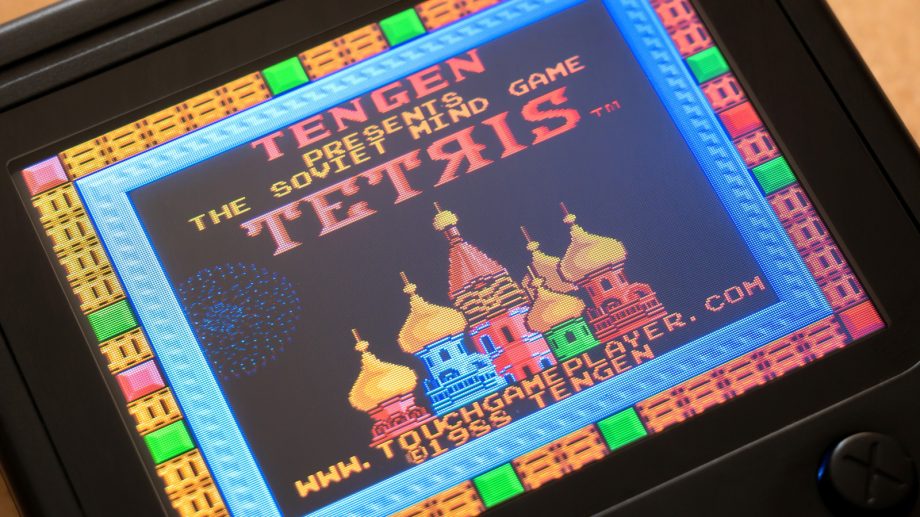
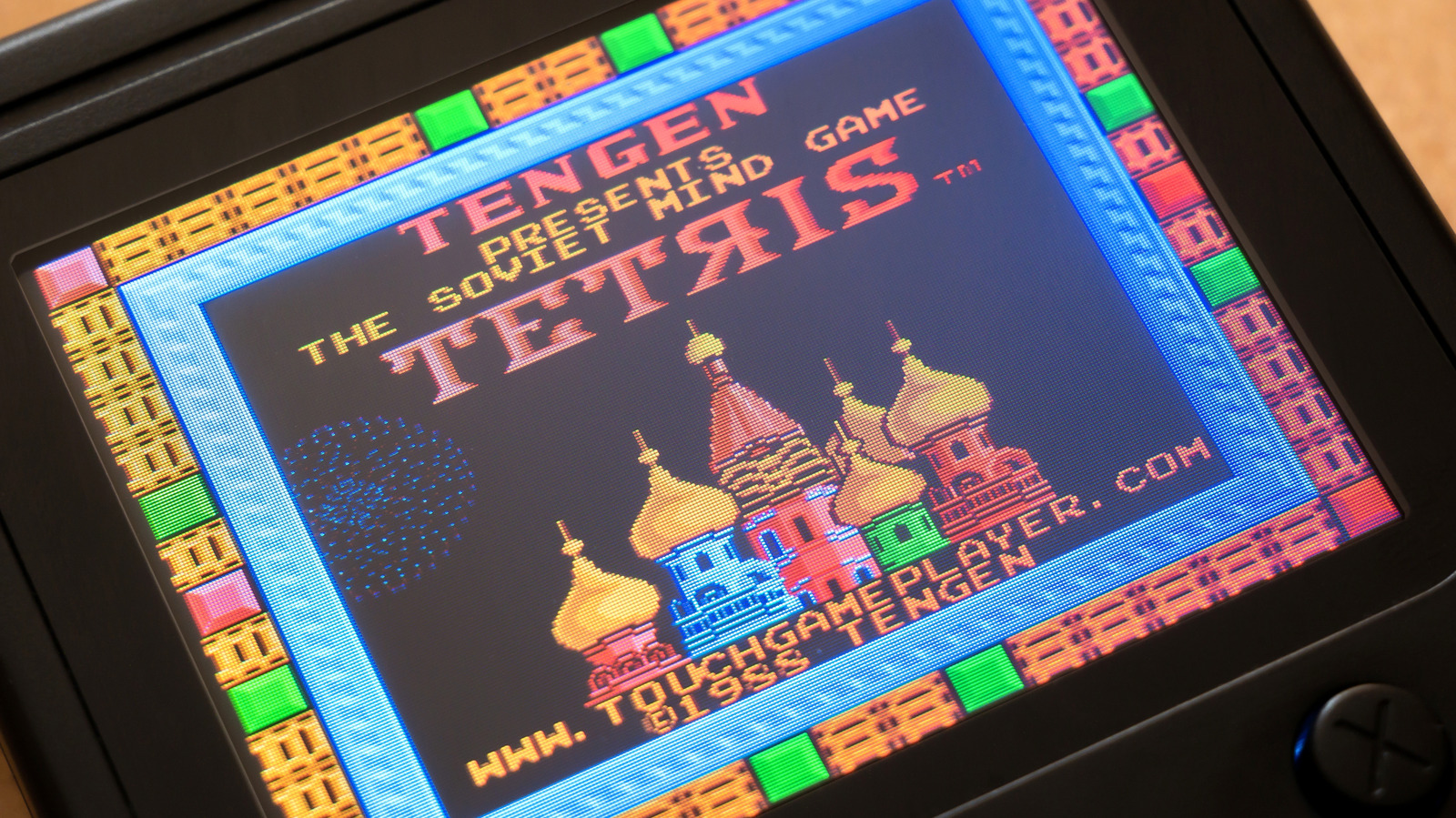
It’s not feasible to discuss every version of Tetris, but it’s interesting to look at some of the most notable iterations. The NES release, which also debuted in 1989, is unique because it wasn’t intended to be played indefinitely like most other versions. Instead, the game speeds up drastically past a certain point, which was designed to be a run’s natural ending. This initially led to competition centering around racking up a max score before the “kill screen,” but in recent years, players have developed techniques to play past the point that was previously thought impossible.
NES Tetris also makes for a good competition version because it’s more “hardcore.” It lacks quality-of-life features present in later releases, like holding a piece, plus there’s no grace period for movement once a tetromino touches the bottom — it’s locked in instantly. And unlike later games that have a pseudo-random system to make sure you get each tetromino shape every so often, NES Tetris can have droughts where you never see the I-block you need.
The Game Boy Color got Tetris DX in 1998, which updated the Game Boy release with color. It was the first version to offer the now-staple Sprint mode, where you race to clear 40 lines instead of the typical endless gameplay. The New Tetris, released on Nintendo 64 in 1999, was the first mainstream version to allow four players to compete simultaneously. It also marked the introduction of the ability to hold a piece to swap in later.
Read Full Article At Source