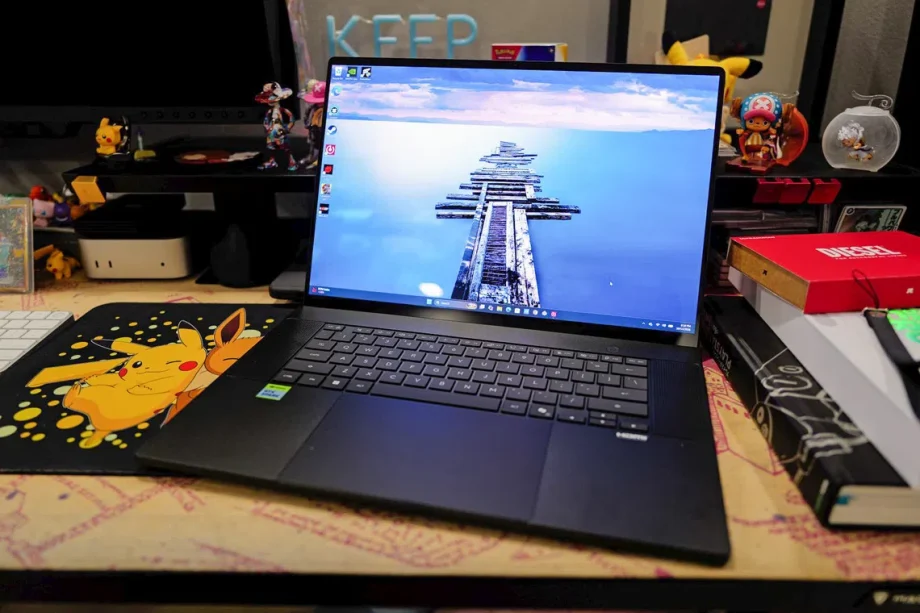
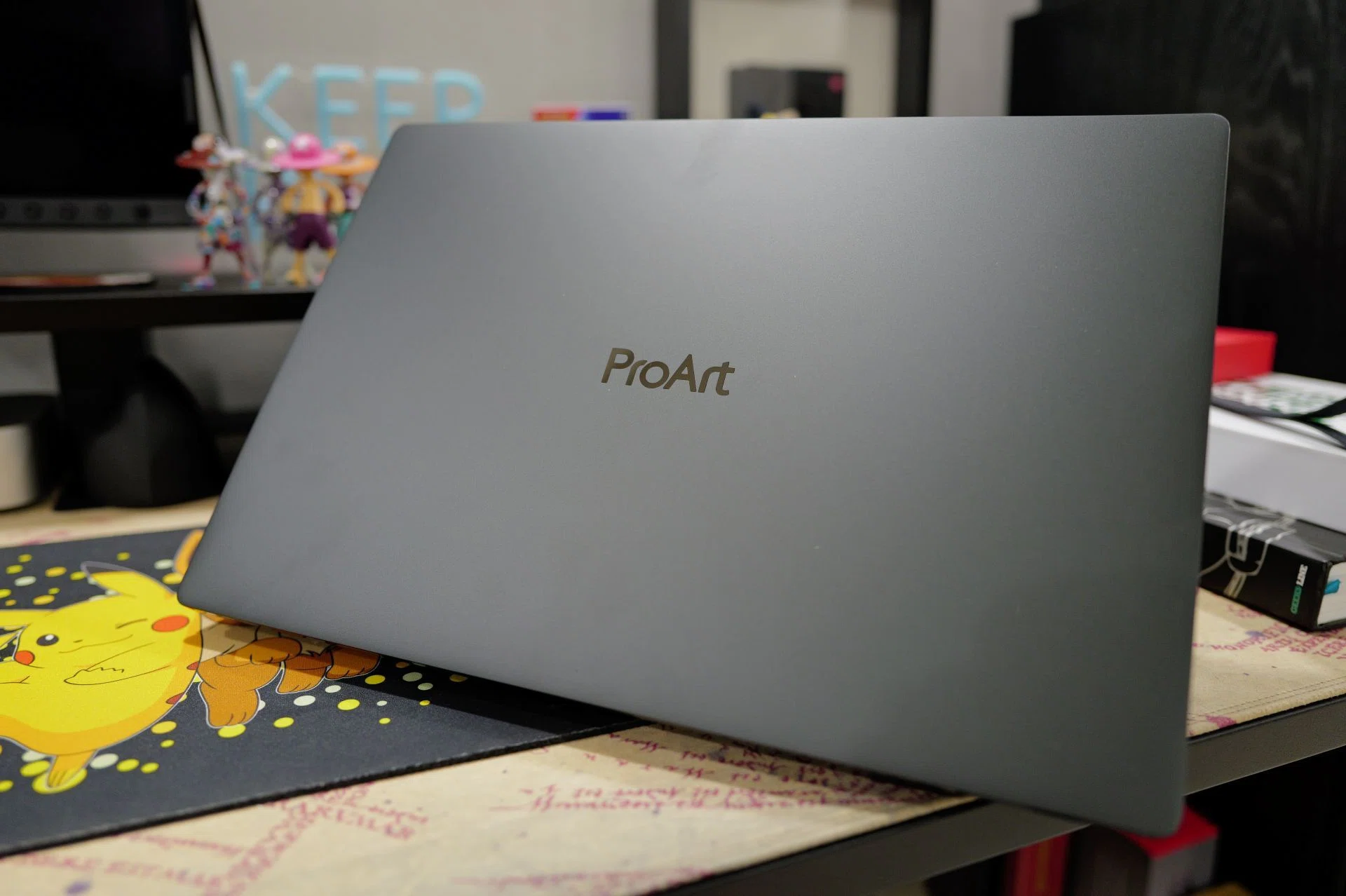
For the past five days, I’ve been using the ASUS ProArt P16 as my first proper experience with NVIDIA’s RTX Spark platform. It’s an unusual machine, which is part of what makes it interesting. If you don’t already know it yet, RTX Spark combines an Arm-based NVIDIA Grace CPU with a Blackwell GPU and unified memory, instead of pairing an x86 processor with a discrete graphics chip. ASUS offers the ProArt P16 with up to 128GB of unified memory and a 16-inch 4K OLED touchscreen, but the unit NVIDIA provided has 64GB of memory and a lower-resolution 3K OLED display. Those differences matter when assessing the laptop itself, but in this article I’m more interested in sharing what RTX Spark can do.
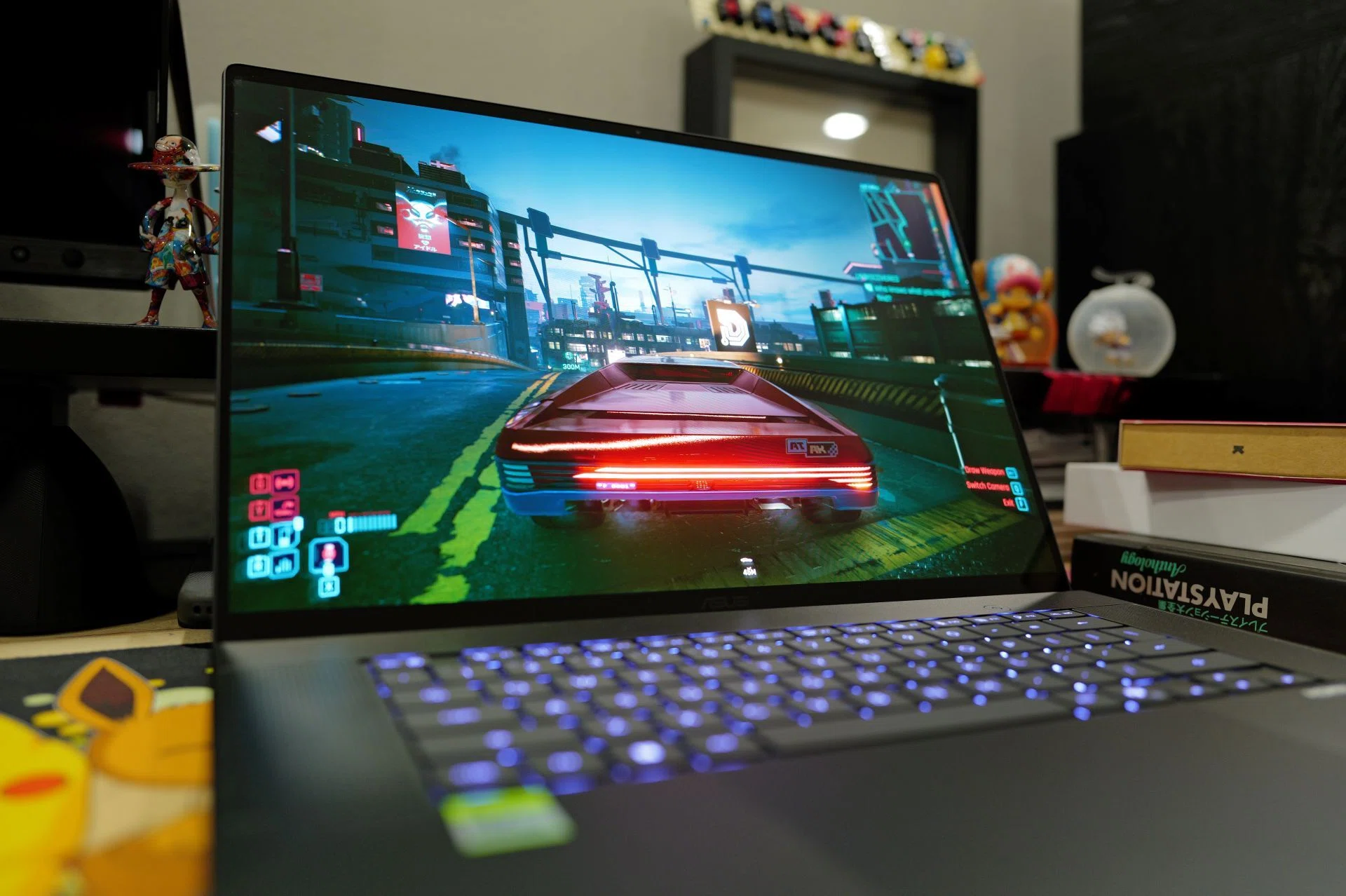
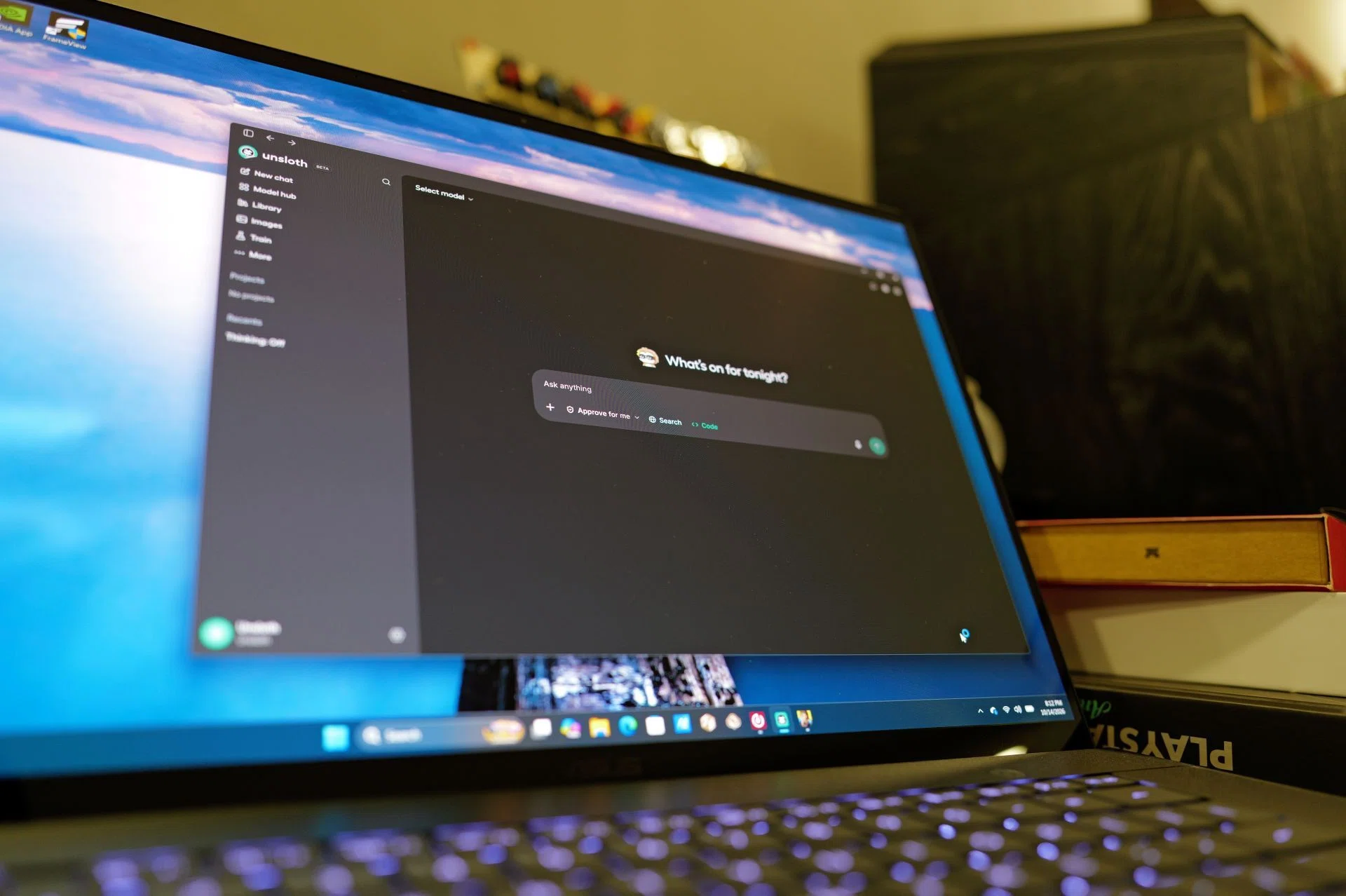
That combination is meant to handle creative work, local AI models and PC gaming in one relatively slim laptop. NVIDIA’s pitch includes running large AI models locally and playing demanding games with its RTX technologies, but I haven’t had enough time to test all of that properly, and NVIDIA’s review schedule has been tight.
Even in a short time, however, RTX Spark has made the ProArt P16 feel different from the Windows notebooks I’m used to reviewing. The processor architecture is Arm, but the graphics side is unmistakably NVIDIA: Blackwell, CUDA, ray tracing and DLSS 5 are all part of the package. This isn’t simply another thin Windows laptop with integrated graphics. It’s an attempt to bring Arm’s efficiency together with the graphics capabilities people expect from an RTX machine.
Windows on Arm is part of the experience
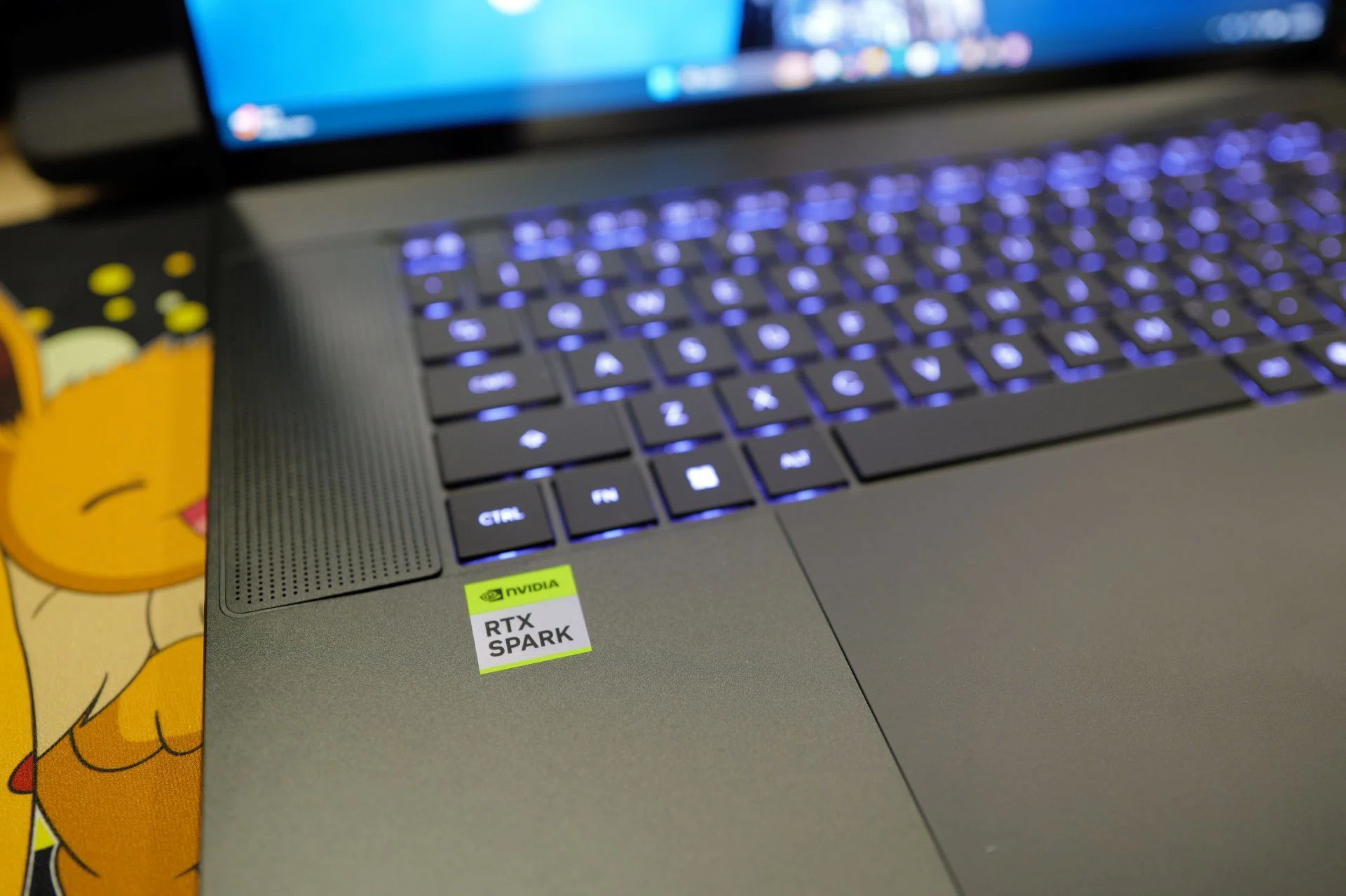
RTX Spark might be the boost that Windows on Arm needed.
Photo: HWZ
RTX Spark is built for Windows on Arm, and its arrival is significant for Qualcomm’s Snapdragon X Elite series, which helped bring Windows on Arm to a wider audience with laptops focused on everyday computing, battery life and on-device AI. RTX Spark brings NVIDIA’s graphics technology and local AI tools into the same Windows ecosystem, but with a different emphasis. That said, I don’t see RTX Spark making Snapdragon X Elite obsolete. The platforms target different priorities, but NVIDIA’s presence is more likely to encourage wider support for games and applications on Windows on Arm.
Beyond its CPU architecture, RTX Spark also joins a growing group of platforms built around unified memory. Apple has used a unified memory architecture in its Apple silicon Macs since the M1 arrived in 2020, and the latest MacBook Pro with M5 Max can be configured with up to 128GB. AMD has brought a similar approach to Windows PCs with its Ryzen AI Max+ series but unlike RTX Spark, Apple’s M-series and Qualcomm’s Snapdragon X Elite, the AMD’s platform is still based on x86.
Read Full Article At Source