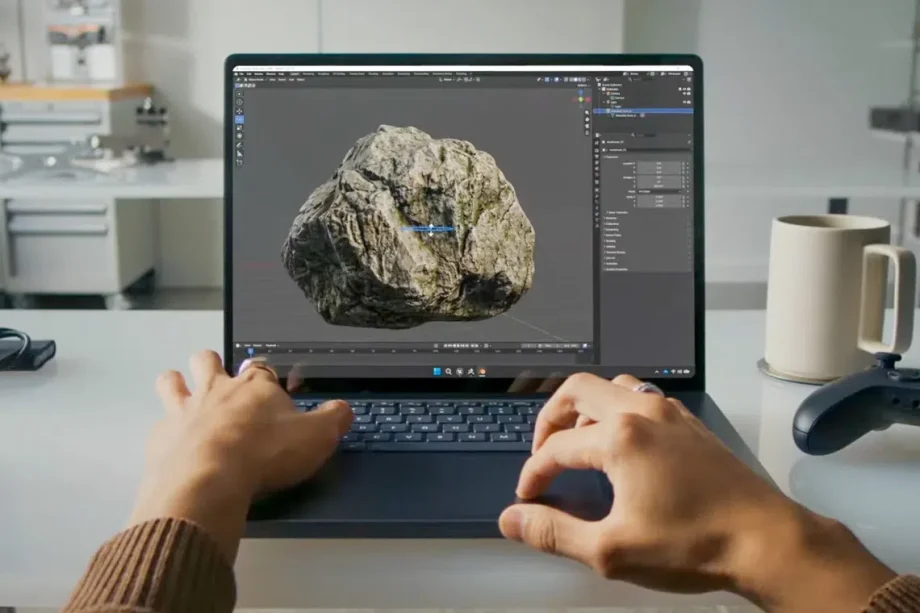
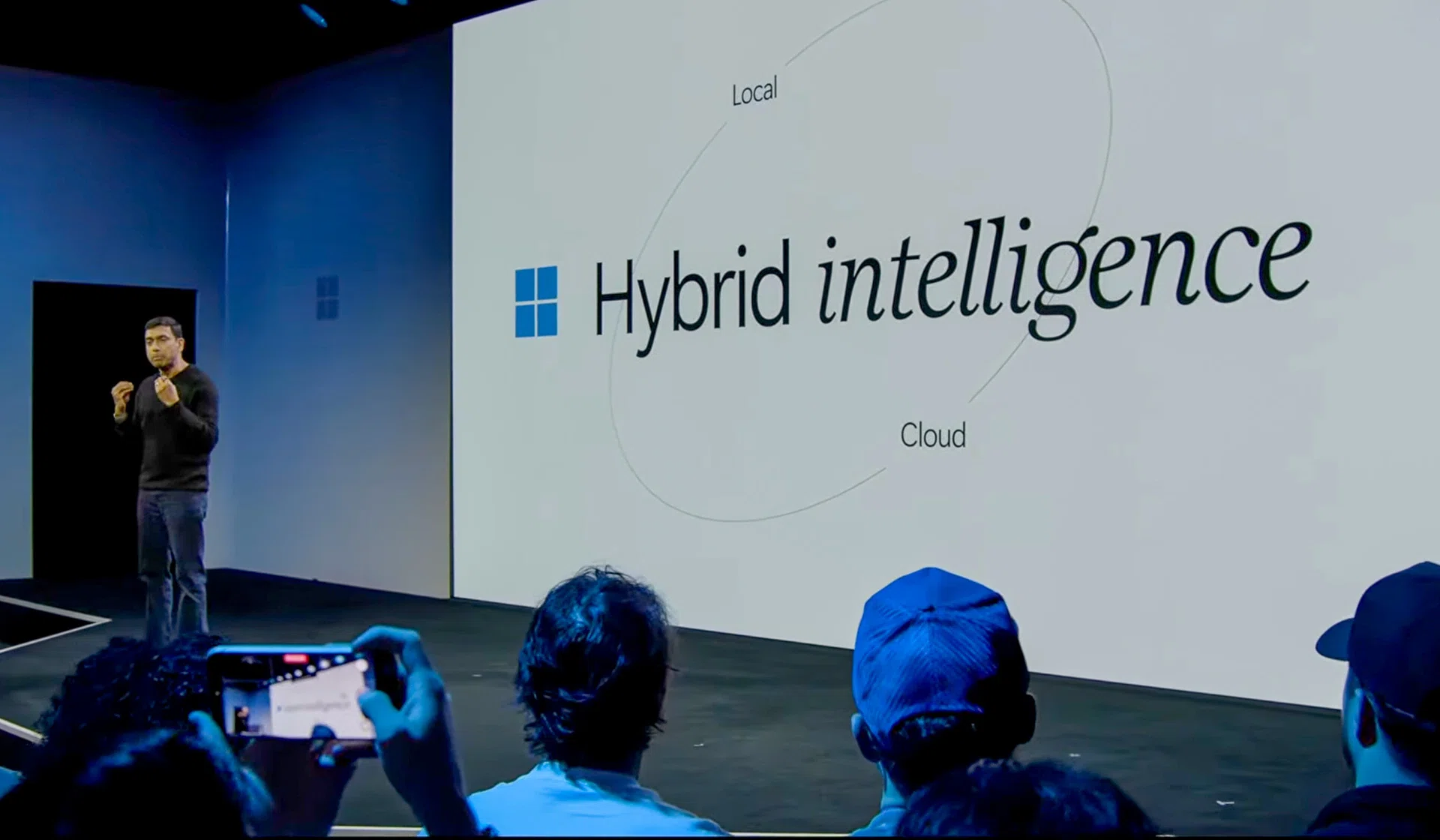
Microsoft just ended its Windows and Surface event in San Francisco, and if there was one phrase the Redmond-based company wanted everyone to take away, it was hybrid intelligence.
The idea behind it is actually pretty simple: Microsoft does not think every AI task should be sent off to the cloud. Instead, it wants Windows PCs to decide when something can be handled locally (aka on-device), when it needs the cloud, and increasingly, when both should work together.
At the centre of that push are Microsoft’s new RTX Spark systems, developed in partnership with NVIDIA. They provide the local AI horsepower behind Microsoft’s hybrid intelligence strategy, while also giving the company a new platform to rethink what a high-performance Windows PC can be.
Surface Laptop Ultra is Microsoft’s showcase for RTX Spark
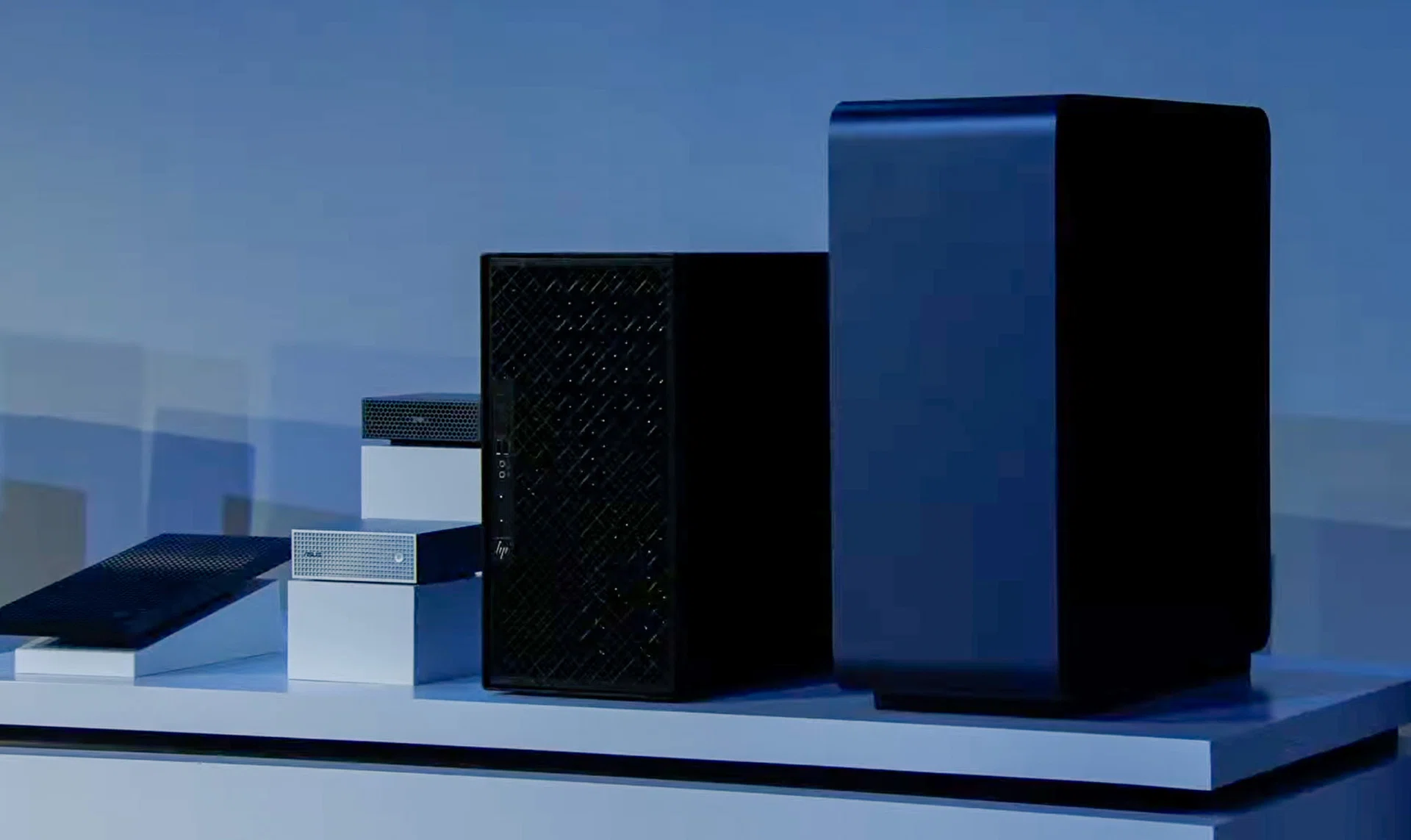
Microsoft also revealed there will be new Surface RTX Spark Dev Box PCs.
Photo: HWZ
The first and most obvious example of that is the new Surface Laptop Ultra, Microsoft’s high-performance flagship and its first notebook built around NVIDIA’s RTX Spark platform. It uses a Grace-based CPU paired with a Blackwell RTX GPU, with configurations going up to 128GB of unified memory – enough to run AI models with more than 120 billion parameters locally. The machine isn’t exactly an unknown either; we have already seen it first-hand at Computex in June (check out our video below), but it has now also been humorously revealed to have a magnetic USB-C charging system that works a little like Apple’s MagSafe.
Prices start at US$2,599, putting it up against the MacBook Pro. I don’t think that comparison is accidental either, but it’s really not about Windows versus macOS here. RTX Spark brings NVIDIA’s CUDA ecosystem into a familiar Windows environment, which could make local AI development and coding more accessible to a much wider audience, especially those who do not want to rely entirely on the cloud or set up a separate Linux machine just to experiment with AI models.
Surface Laptop Ultra is also only one part of the story. ASUS, Dell, HP, Lenovo and MSI all announced RTX Spark laptops of their own, with Gigabyte among the brands joining in the second wave. This is significant because NVIDIA’s traditional role in the Windows PC ecosystem has been that of a discrete GPU provider – Intel, AMD and more recently Qualcomm provide the CPUs. RTX Spark changes that dynamic by bringing NVIDIA’s Arm-based Grace CPU and Blackwell GPU together into a single platform, with unified memory shared across both.

Read Full Article At Source