Note: This article was first published on 23rd June 2026.
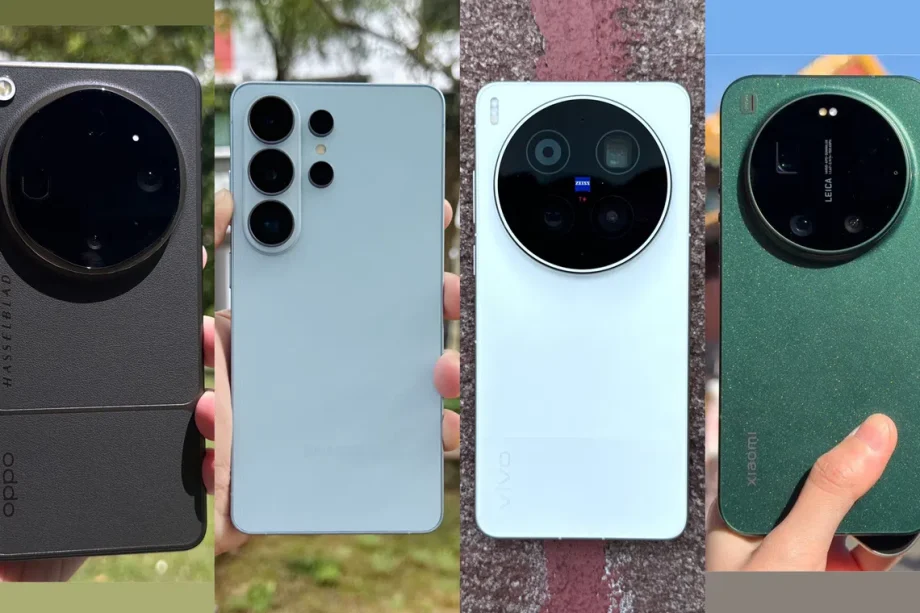
Meet the class of 2026
People in Singapore who love having powerful, premium smartphones are spoilt for choice in this unusual year. While it’s been a rough patch for the humble and honest who are besieged by retrenchments, price hikes, and severe shortages of essential components, we also cannot deny that this same timeline saw phone brands working hard to bring us flagship-class, high-quality smartphones to help us survive and thrive.
A smartphone is easily one of the most intimate and personal devices an average person could own today. This simple comparison guide collects our past reviews, distils key areas for consideration, and form an opinion relative to what else is out there. If you want the super-detailed reads where these phones are picked apart, our actual reviews are here:
Let’s get comparing to see which Ultra Android phone works for you. Phones are listed in alphabetical order (”O” starts first), so don’t be weird and start inventing conspiracy theories about how we organised things here.
Note #1: The comparison looks at final outcomes and how these perks and benefits affect the end user: someone who uses a premium flagship-class smartphone as their daily driver. While we are in the best position to nerd out (e.g., identifying display manufacturers, picking out the detailed tuning of RAM, CPU, and the blend of battery chemicals), we won’t be touching on these in favour of how a typical user can best benefit from these devices, based on what they prioritise.
Note #2: Because these are Ultra flagship-class smartphones where the brands put their best efforts into a single handset, it’s unlikely you will get a dud. These devices have been extensively tested by the HWZ Editorial team, so you know they’re good.
Everybody’s favourite — price comparison
We start by looking at the official retail prices of each handset.
| 256GB storage | 512GB storage | 1TB storage | 2TB storage | |
|---|---|---|---|---|
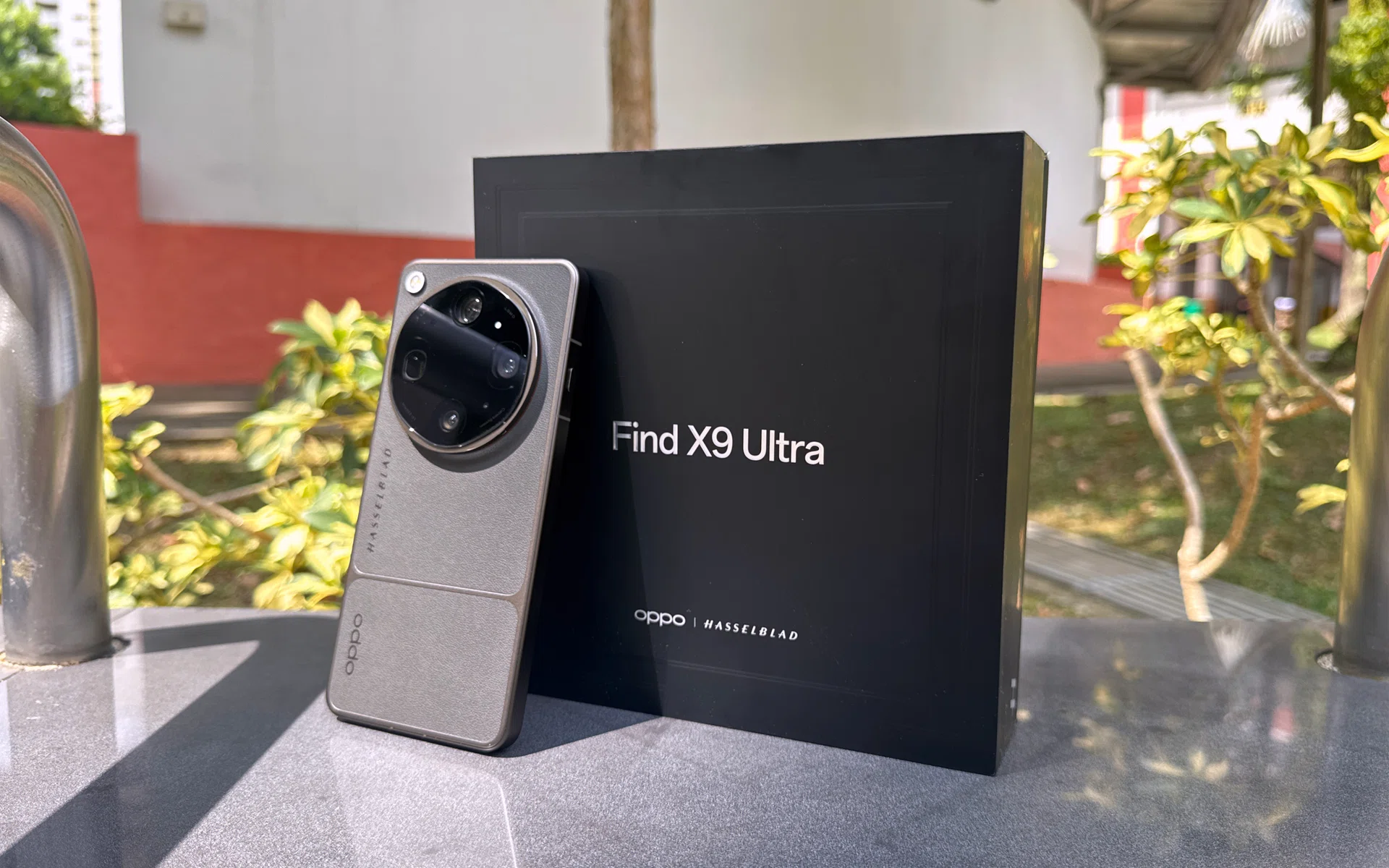
| OPPO Find X9 Ultra | N.A. | S$2,199 | S$2,599 | N.A. |
| Samsung Galaxy S26 Ultra | S$1,828 | S$2,128 | S$2,578 | N.A. |
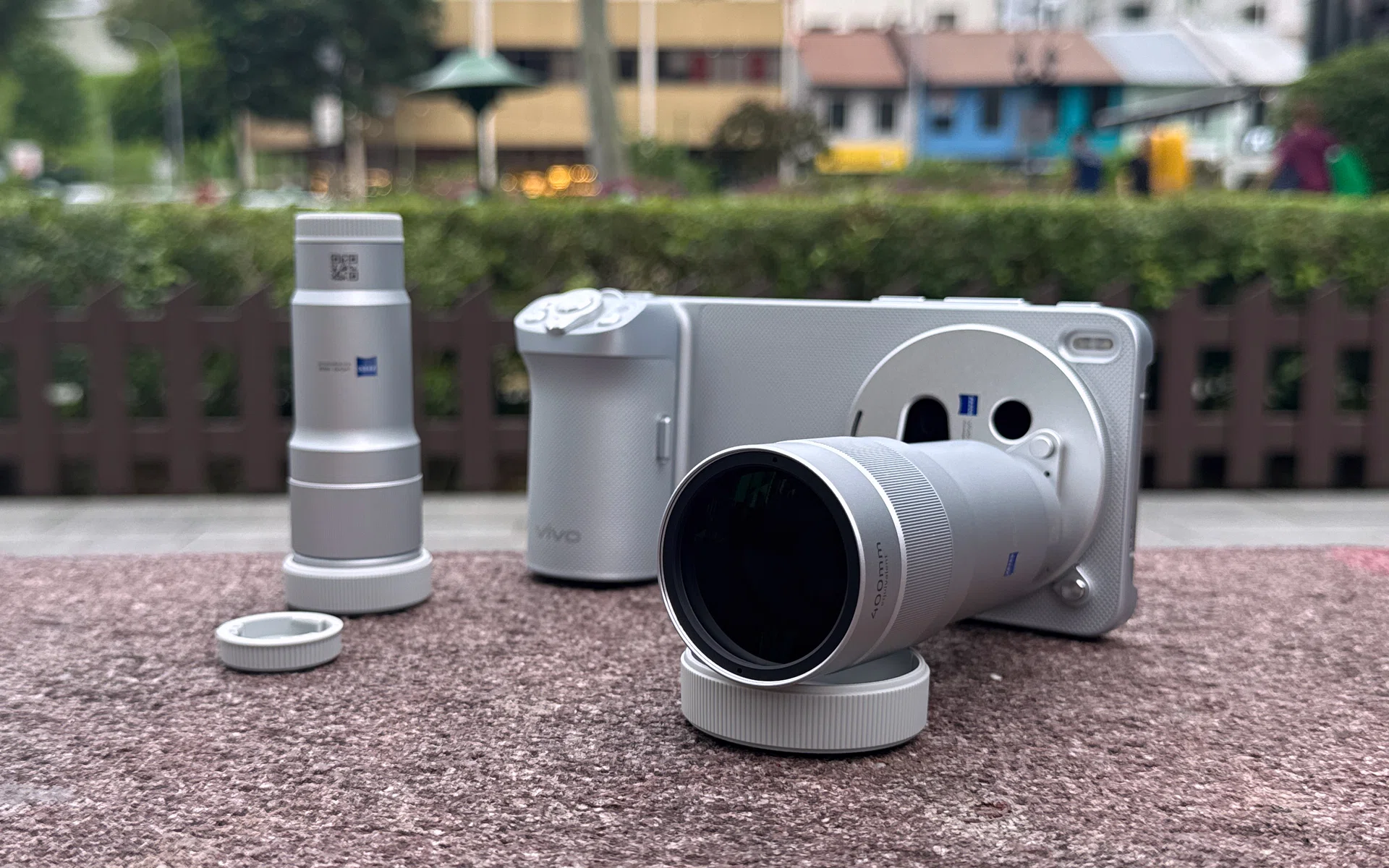
| Vivo X300 Ultra | N.A. | N.A. | S$2,499 | N.A. |
| Xiaomi 17 Ultra | N.A. | S$1,799 | S$2,299 (Leica Leitzphone powered by Xiaomi) | N.A. |
Note: N.A. means “not applicable”, and that’s because that variant isn’t officially sold in Singapore, or doesn’t exist. Also, these are launch prices, so there’s a chance you can find these phones below RRP after factoring in promotions and platform discounts.
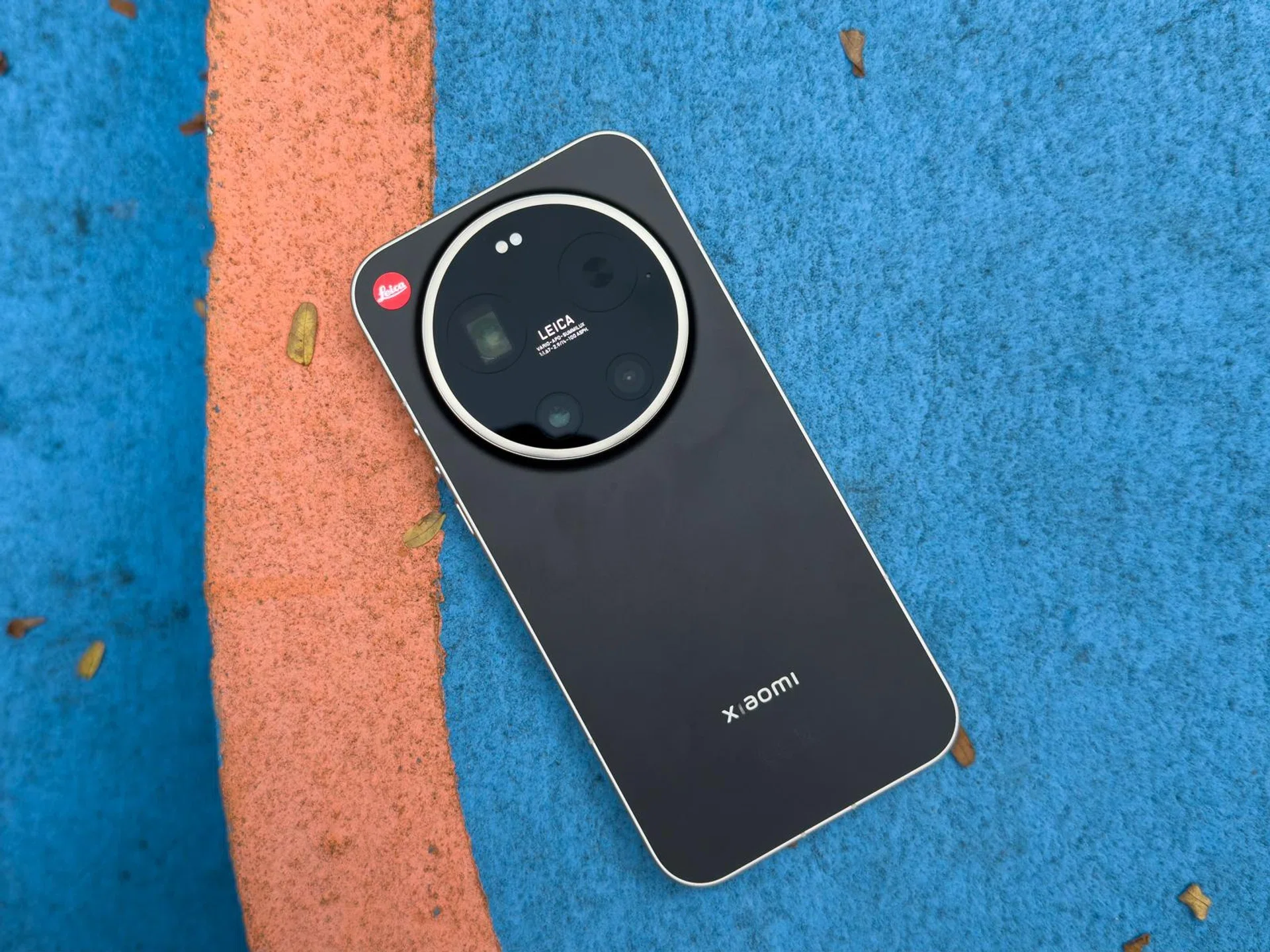
Xiaomi 17 Ultra
Photo: HWZ
Our pick: Xiaomi 17 Ultra (S$1,799 for 512GB). It’s a no-brainer if you’re all about getting the most bang for your buck (including modest offline storage), since the Xiaomi phone practically packs equal (or greater) components at a much lower price across the board.
You’re not short on anything with the same processor (base version), and other specs befitting of an Ultra’s display, battery life, camera work, and even software optimisations.
Your next-lowest-priced choice is the Samsung Galaxy S26 Ultra at S$1,828, but note that it comes with 256GB of storage. For heavy users, this could mean having a disciplined approach to having apps and media files on-device.
Also, while the Leica Leitzphone powered by Xiaomi (a Leica-branded Xiaomi 17 Ultra) is the most affordable 1TB variant, it’s been out of stock on both Xiaomi and Leica platforms for ages. Realistically, that leaves the Vivo X300 Ultra (S$2,499 for 1TB) as your next port of call, especially if you don’t want to pay above S$2,500 for a 1TB phone.
Read Full Article At Source