Samsung Galaxy A57 5G review: Is “decent” decent enough?

Samsung Galaxy A57 5G review: Is “decent” decent enough?


  1. 1. Design, build and display
  2. 2. 6 generations of operating system upgrades and security
  3. 3. Imaging Performance
  4. 4. Benchmark performance
  5. 5. Battery Life
  6. 6. Conclusion – Was it enough love?

The Galaxy A series needs more love.

That was our conclusion of the Samsung Galaxy A56 5G review last year. It was a reliable device for daily use, but faltered under sustained workloads. With Samsung bringing us a Samsung Galaxy A57 5G to succeed it, we came with higher hopes for this midrange lineup.

Beyond Samsung’s flagship releases like the new Galaxy Z foldables and the annual ‘S’ series staples, the midrange category is still important for the rest of the non-tech-chasing crowd, and it’s also where Android phone competition is most heated.

This year brings even more challenges, with the main one being rising component prices. Noticeably, it launched at a lower sticker price and has seen upward revisions to its current S$678 (128GB), S$868 (256GB), and S$1,058 (512GB) price tag.

With price-sensitive consumers spoilt for choice, the Galaxy A57 5G needs a robust package even without the draw of cutting-edge components. Did Samsung pull it off this time?

Design, build and display
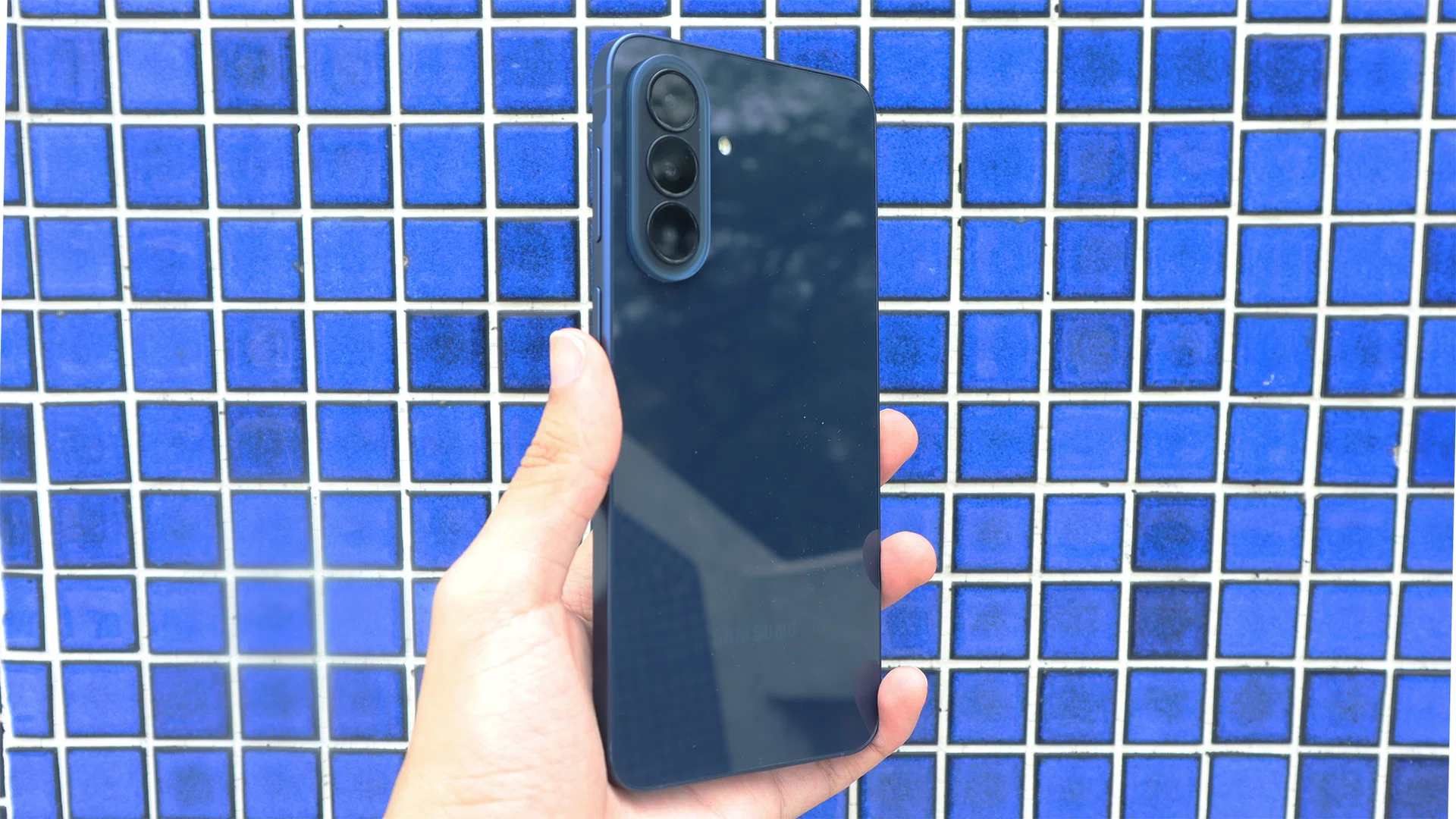
Samsung Galaxy A57 5G review

The Galaxy A57 makes a few subtle tweaks compared to the A56.

Photo: HWZ

Physically, the Galaxy A57 doesn’t differ too much from its older counterpart. It’s likely you may not be able to tell the two apart even when side-by-side. The real changes were minor, but no less important to the overall experience.

For starters, the Galaxy A57 is smaller at 161.5 x 76.8 x 6.9mm. That’s only a few millimetres off from the A56, but it’s notably retains the same battery capacity (more on its performance below). Even more astounding is the A57 is lighter than its predecessor at 179g (as opposed to 198g), despite the similarities.

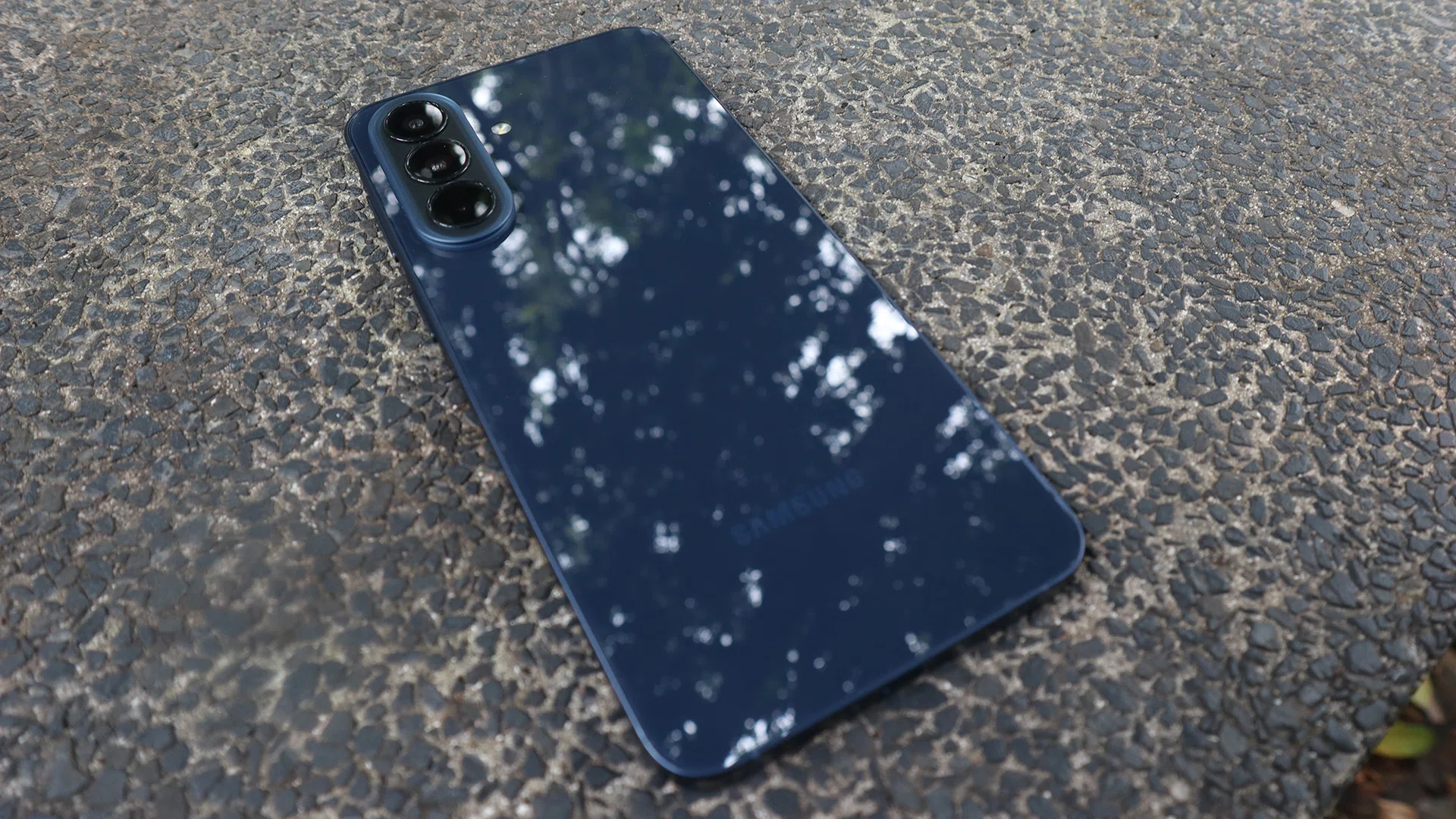
The lighter feel isn’t because Samsung cut corners on materials, either. You get an aluminium frame and Corning Gorilla Glass Victus+ glass sandwiching both sides of the phone. This lets the A57 feel light and slim in hand without feeling cheap or toy-like.
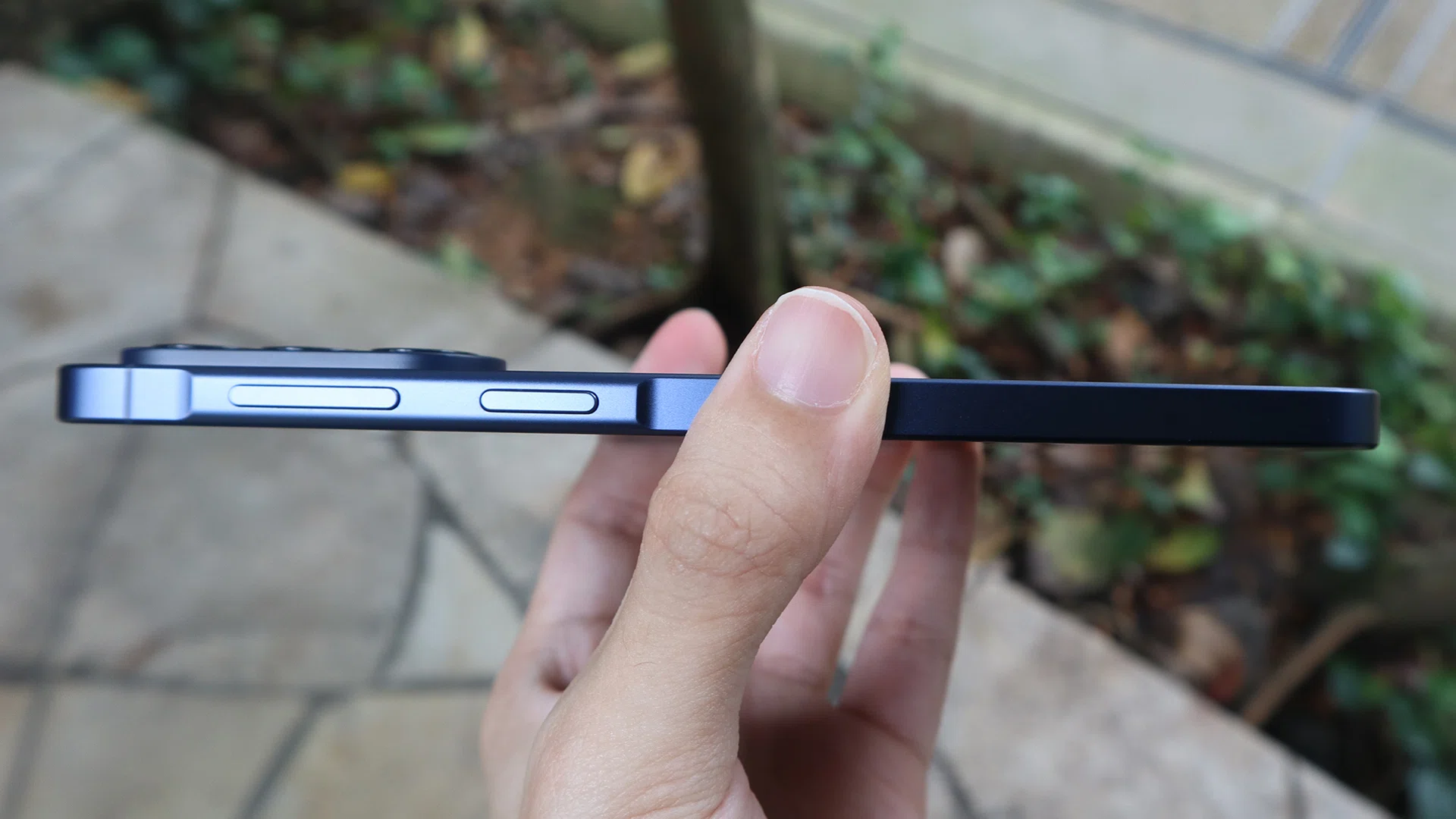
Samsung Galaxy A57 5G review

Samsung managed to shave the size and weight of the A57, without shaving off the battery capacity.

Photo: HWZ

That said, Galaxy A57 also has design choices I’m not too big a fan of. The edge holding both metal frame and glass feels too sharp for my liking. While the materials may feel premium, they’re particularly susceptible to the tiniest bit of staining (from condensation and palm sweat). With how thin the phone is, the A57 feels particularly slippery in these cases. Admittedly, this can easily be rectified with a phone case.

For added assurance, this midrange device offers IP68 dust and water resistance, which is a nice touch of practicality and durability despite its lower price.

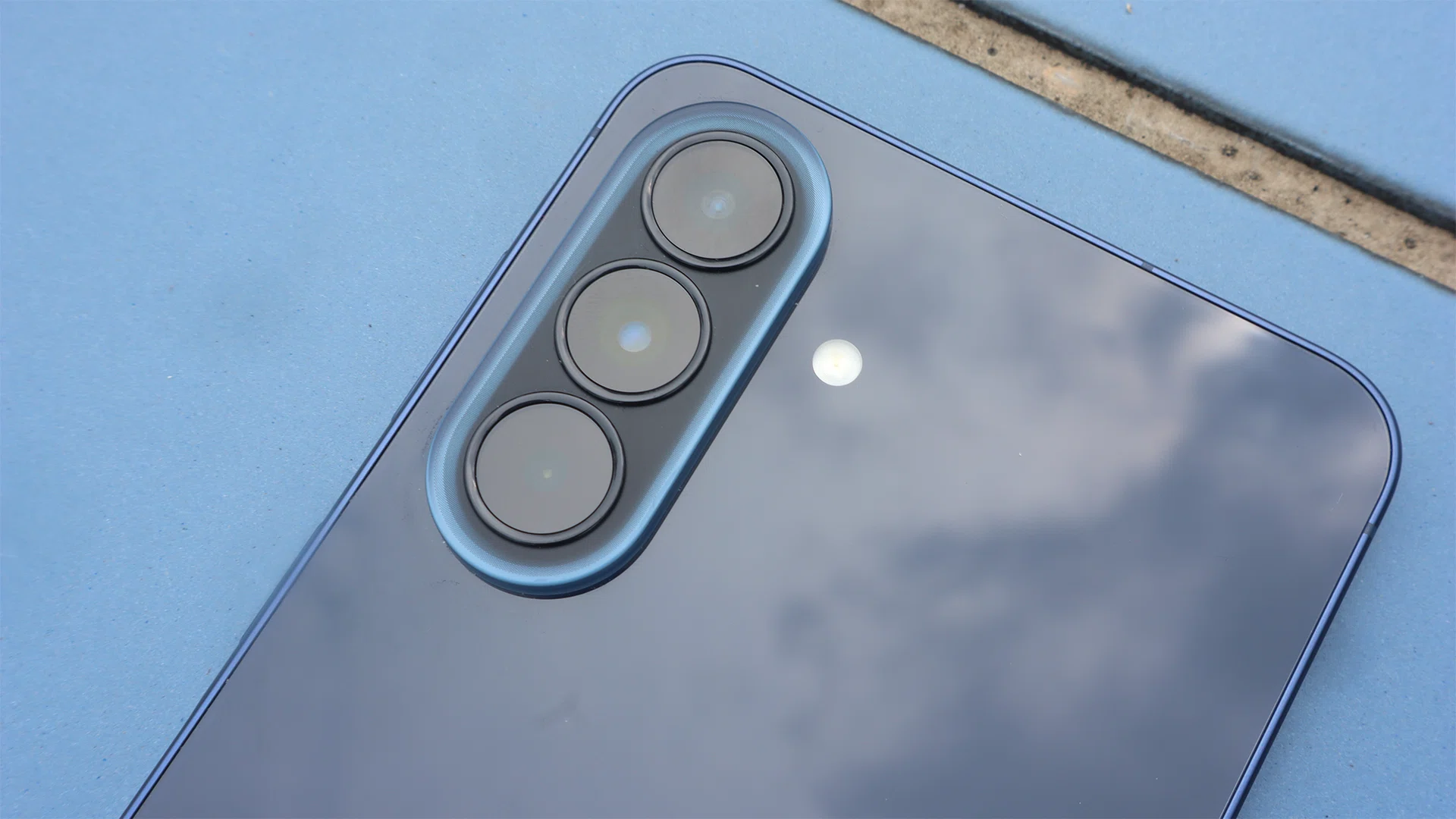
Samsung has also removed the small gap beneath the camera island, which was a sticking point on the A56 because it was prone to trapping dust. The island still protrudes quite a lot, so the phone wobbles whenever we put it on a flat surface.

Still, these are just nitpicks. Overall, the A57 does a decent job delivering design and handling value despite its affordability.
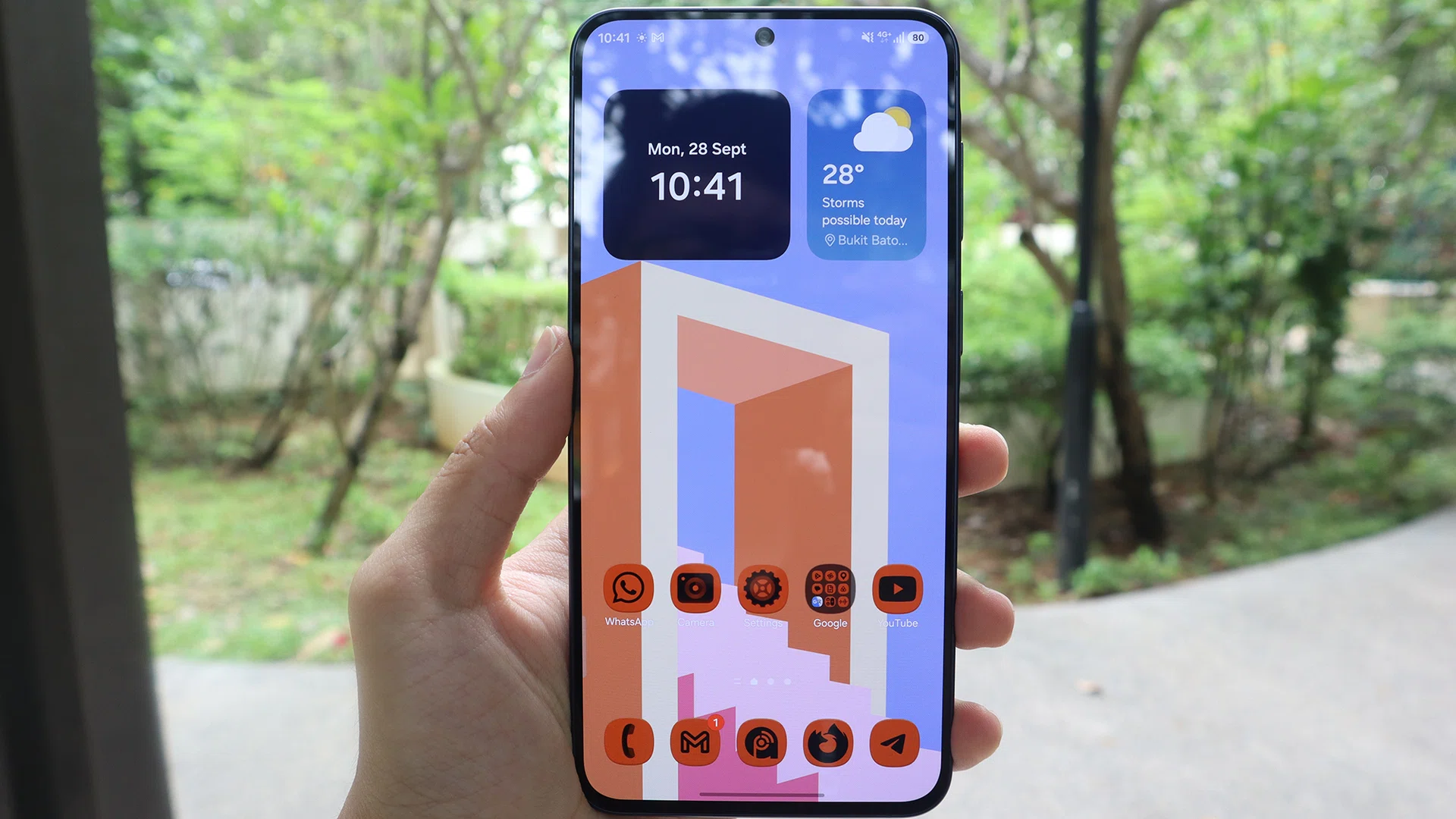
Samsung Galaxy A57 5G review

No complaints about the colours on the Galaxy A57’s display, only the brightness.

Photo: HWZ

Adding to that value is a premium-looking display. Similar to the A56, it’s a 6.7-inch Super AMOLED + display with a 2,340 x 1,080 pixel resolution, with excellent indoor legibility.

Sadly, its 1,200 nits in High Brightness Mode isn’t accessible through manual tweaks. You have to enable adaptive brightness to make the display readable in direct sunlight, and that relies heavily on the phone’s sensors.

Thankfully, colour reproduction doesn’t seem lethargic on the A57’s display, at least on the default Vivid display mode. I also tried testing with pastel-coloured Home Screen wallpapers. In general, pastel tones are generally hard to get right, but the A57 balanced them nicely without looking too saturated or washed out.

The 120Hz refresh rate is a nice touch, albeit insufficient for my needs. Standard mode locks the screen to 60Hz, while Adaptive mode uncaps it to 120Hz. I’d have liked to see app-level refresh-rate limits, which sounds like a stretch for a midrange phone.
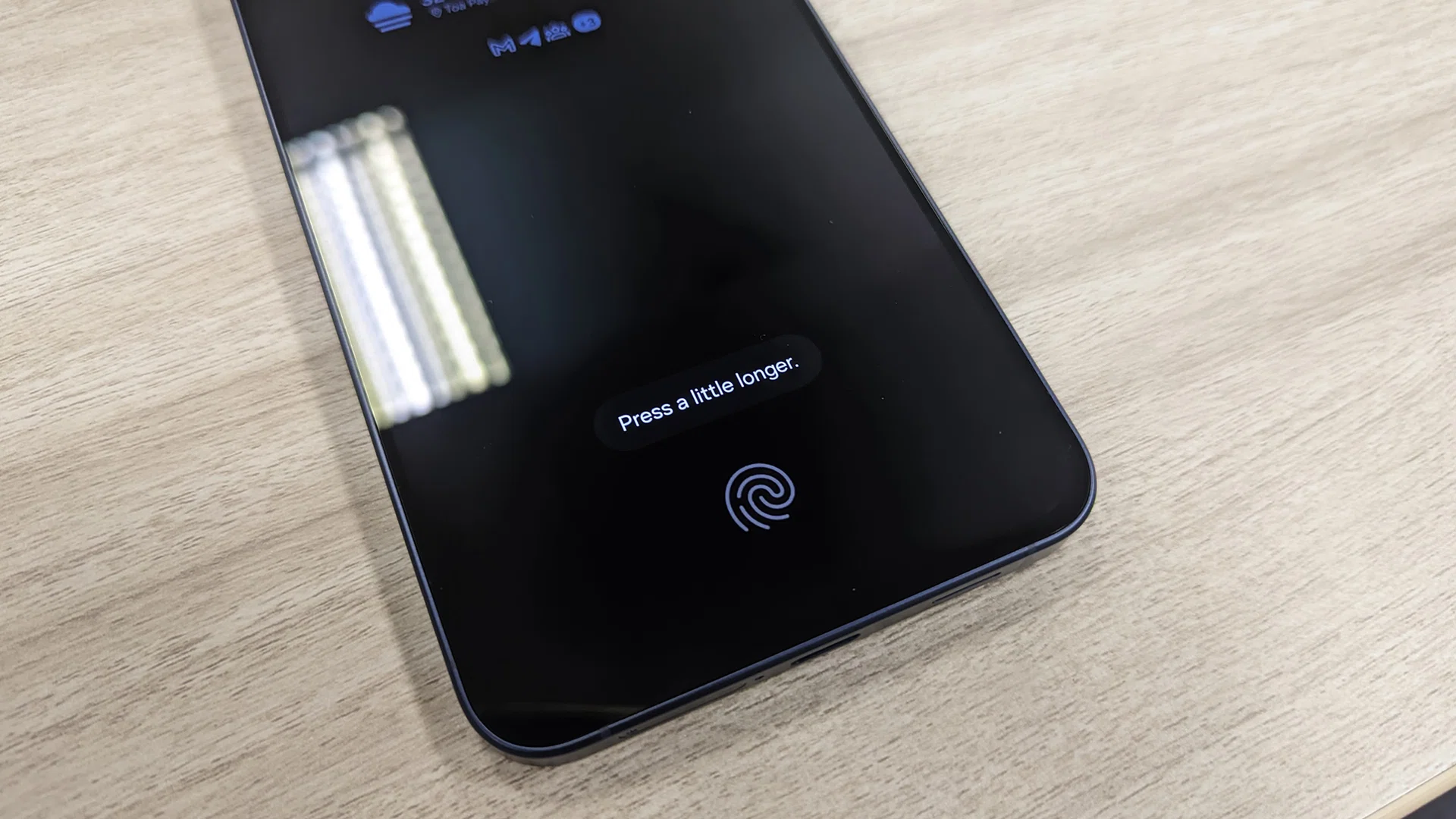
Samsung Galaxy A57 5G review

The A57 uses an optical fingerprint scanner, and takes half a second to unlock.

Photo: HWZ
For security, the Galaxy A57 uses an optical under-display fingerprint sensor. Although optical sensors have been around for about 5 years, they often lag behind ultrasonic sensors (and even physical sensors) in speed. The Galaxy A57 is no different in this regard, as it takes just a smidge longer to unlock. It’s worth noting when you get this device, but it’s hardly a world-ending problem.

6 generations of operating system upgrades and security

Samsung Galaxy A57 5G review

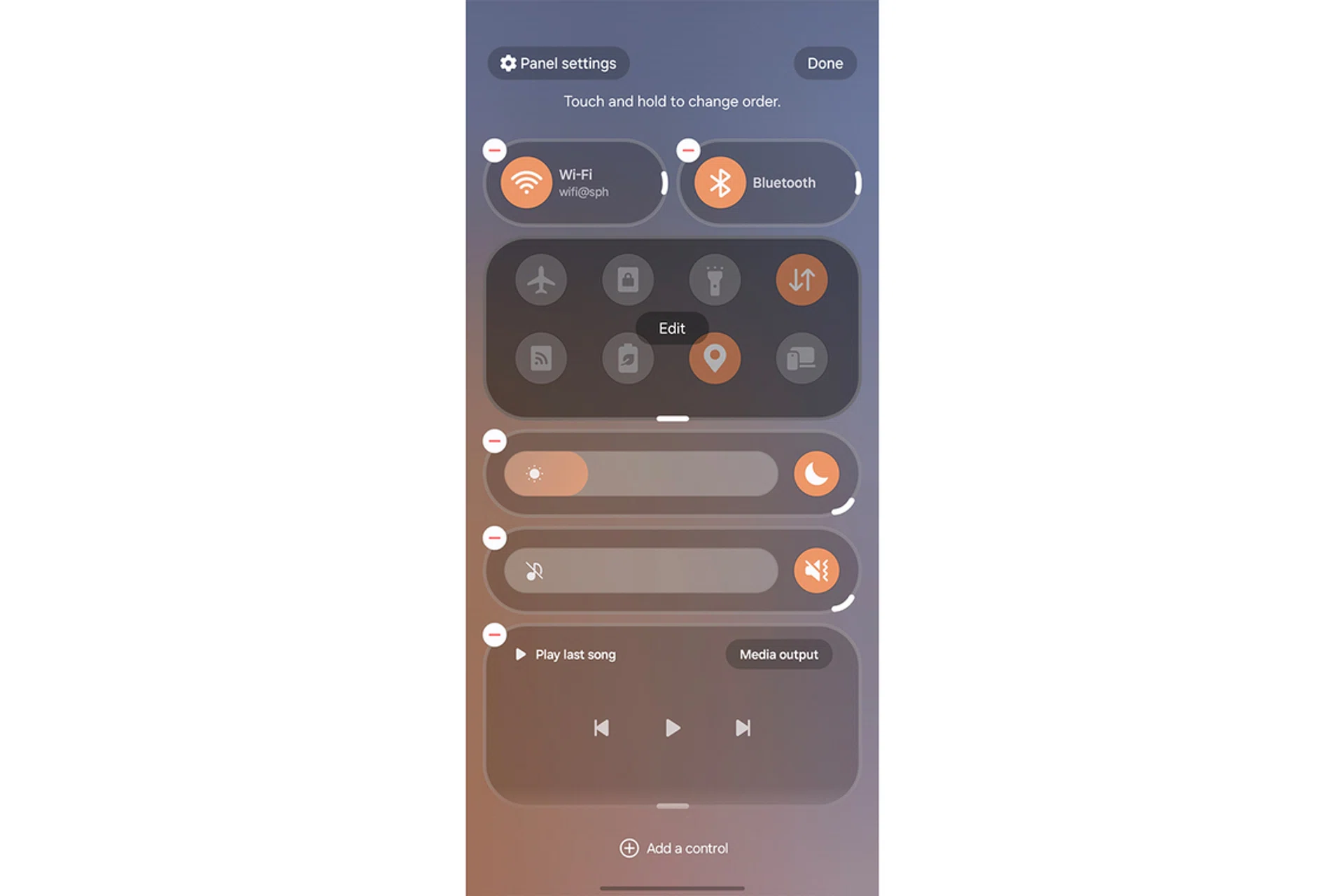
One UI 8.5 allows for some pretty in-depth customisation options, including for the Quick Settings panel.

Photo: HWZ

The Galaxy A57 released with Samsung’s One UI 8.5, based on Android 16. As of reviewing, it hasn’t received the Android 17-based One UI 9, as it only began its stable rollout to the S26 series in September 2026. But that’s hardly an issue since Android versions have been business-as-usual stability upgrades, as all the attention now lies on developing mobile AI features.

Aside from customisation features like in-depth Quick Settings editing and new lock screen clocks, another big talking point for One UI 8.5 was Galaxy AI. However, not all flagship software features made it to the A57. As far as we can tell, Now Brief and Now Nudge, arent on this phone. Indeed, the Galaxy AI settings tab that you’d normally find on S26 series phones is also not present on the A57, which is now an ‘Intelligent features’ page that’s light and trim.

However, they are still useful. Key ones include Photo Assist features like Object Eraser and custom filters pulled from reference images. There’s also AI voice transcription and, of course, the overhauled Bixby.

Samsung Galaxy A57 5G review

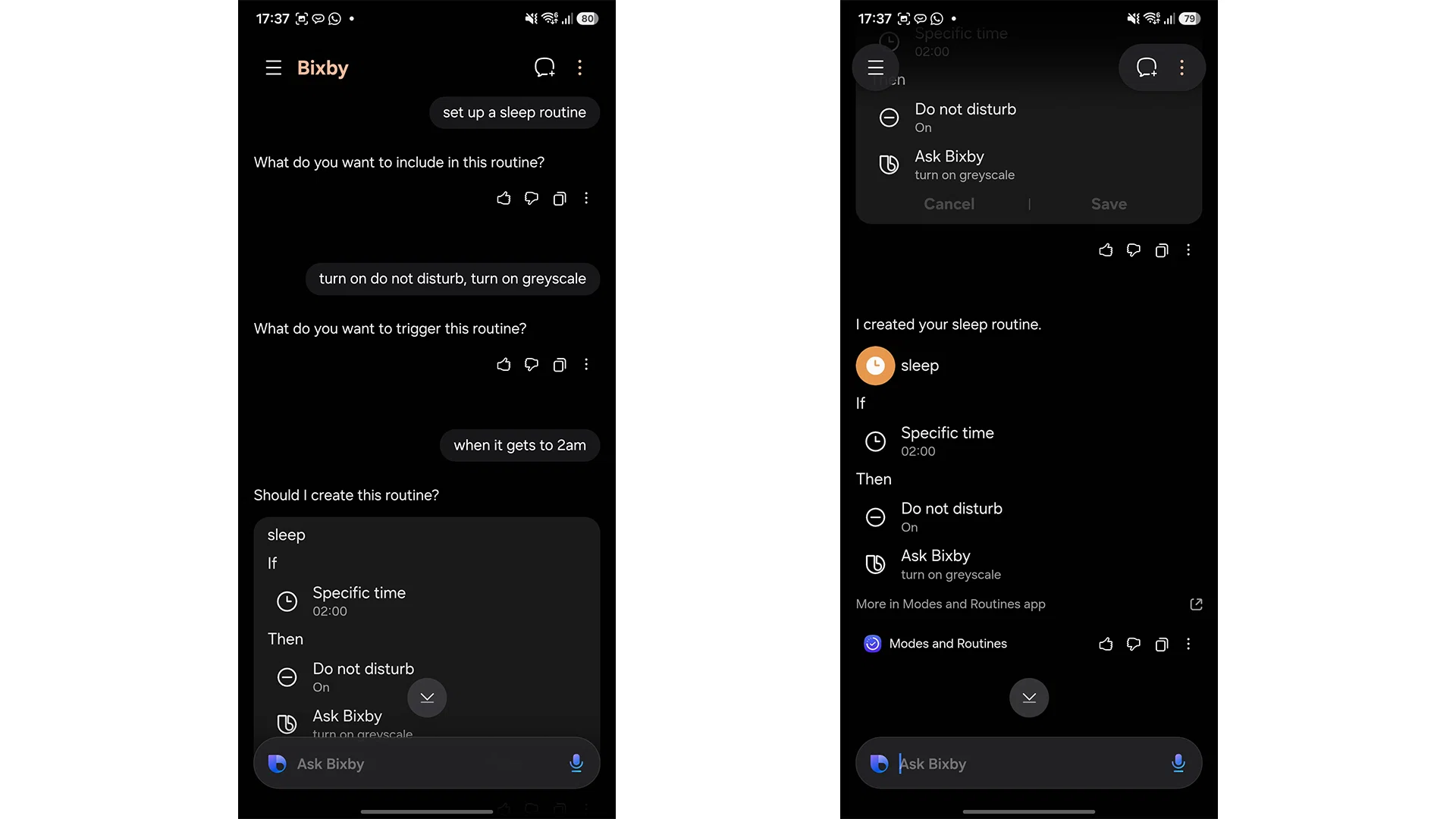
The new Bixby can even help you set up Routines. It doesn’t have access to all the available Routine settings, though, instead defaulting to “Ask Bixby”.

Photo: HWZ

One of Bixby’s particular strengths is deep system integration. Aside from basic functions like adjusting volume and setting alarms, you can also ask Bixby to change certain settings without navigating the phone. There are limitations (for example, you can’t adjust always-on-display settings). However, Bixby still helps by pointing you to where it thinks those settings are located, getting it right about 80% of the time.

You can also perform certain tasks via Bixby. For instance, it can launch the default camera app in 50MP mode upon request and prepare a Google Drive upload for my latest photo. It stops short of uploading, needing me to expressly press the upload button. This is a nice touch that lets me feel in control of my AI use.

This assistance extends to more complex tasks. Routines are a powerful One UI feature that can look a bit intimidating at first glance. After telling Bixby, it sets Routine for you. Thanks to the conversational prompting overhaul, Bixby doesn’t need complex instructions.

That said, AI use even outside of Samsung phones has its inaccuracies, and Bixby isn’t spared. When setting up a simple sleep Routine, Bixby could understand some conditions correctly but couldn’t handle others (like setting the display to greyscale). It didn’t matter that these options are available in the actual Routines menu.

Overall, Bixby can help more casual phone users become power users through asking and prompting, as long as you keep your expectations in check. We also feel that this level of AI access feels sufficient for a midrange handset, so kudos to Samsung for including it.

Imaging Performance

Samsung Galaxy A57 5G review

The Galaxy A57 uses the same camera configuration as the A56, with a main, ultrawide and macro lens.

Photo: HWZ

Unfortunately, if you were hoping for camera upgrades, the A57 appears unchanged from the A56:

  • 50MP main camera (f/1.8 aperture, OIS)
  • 12MP ultrawide camera (f/2.2 aperture)
  • 5MP macro camera (f/2.4 aperture)

This camera configuration traces its roots back to 2023’s Galaxy A54. As much as we’d hoped for a major camera upgrade after three years, we can also understand Samsung’s hesitation to fix what isn’t broken and its need to keep costs down. If we had to pick, it could afford to replace its macro camera with something more useful, like a low-range optical zoom. Oh well, maybe next year. 

The Galaxy A57 can be competent at colour accuracy, showing only mild oversaturation when lighting conditions aren’t optimal, to compensate for low light. Otherwise, the A57’s colours are well balanced; photos look punchy without being ridiculously gaudy.

The cameras also tend to underexpose shots. Some photos in the gallery above were taken on a slightly cloudy day, but it’s actually not as dull as the final shots suggest. While the A57 kept the colours from washing out in that lighting, they still appeared greyer than the naked eye. That said, the A57 can still discern a fair amount of detail in shadows.

One more word on the colours – they’re pretty consistent between the ultrawide and the main sensor, which is a nice surprise for its price.

Detail retrieval leaves more to be desired. The A57 does a great job preserving foreground, but cracks appear when you pixel-peep at background objects. For example, far-field subjects (like the trees in the background of image #1 and #2) get smeared out.

Combined with the A57’s lack of a telephoto lens, even its 2x digital zoom (let alone 4x or 10x) might not always perform well.

In addition, photos tended to have more noise than usual, especially on solid colours and smooth surfaces. We can only assume this is the A57 trying to add a bit more detail by sharpening them algorithmically, though it’s only noticeable when you zoom in. Switching to 50MP mode (the main camera shoots in 12MP by default) mitigates this issue, though.

If you’re just taking photos for personal use in messaging apps and social media, the Galaxy A57 is more than sufficient. Anything beyond that, such as needing accurate reproduction, is not really its forte.

Night Mode does its job in brightening up low-light images. However, photos can become susceptible to blown-out light sources and lens flare, giving some images a ghostly look. The main sensor without Night Mode is competent enough and, in scenarios like the gallery above, can provide a bit more contrast than with Night Mode on.

However, the same can’t be said for the ultrawide. Without Night Mode, the focus on ultrawide pictures becomes incredibly soft.

Finally, it’s worth noting that the camera visibly stutters when you’re shooting at night, even with Night Mode off.

Benchmark performance

The Galaxy A57 runs on Samsung’s own Exynos 1680 chip, an upgrade from the A56’s Exynos 1580. It’s an octa-core processor built on a 4nm process, with 1x 2.9GHz ARM Cortex-A720 core, 4x 2.6GHz Cortex-A720 cores, and another 3x 1.95GHz Cortex-A520 cores.

On paper, it’s almost the same configuration as last year’s Exynos 1580, except with an A520 core swapped out for an A720 core. Other changes include the new Samsung Xclipse 550 GPU, an upgrade to UFS 4.1 storage, and a new 8K MAC NPU. Samsung touts the A57’s improved AI and graphics performance compared to the 1580, but we shall see.

Here’s the benchmarks. The Galaxy A57 sits squarely in the midrange, so although we normally test flagship phones, we’ll include competitors in the same price range whenever possible. We’ve also snuck in Samsung’s own flagship alternative, so you know that you really get what you pay for.

Note: The Galaxy A57 can’t participate in Solar Bay Unlimited benchmarks by 3DMark due to the lack of Vulkan support.

Both Geekbench 7.0 and the updated Work 3.1 / Storage 2.1 benchmarks from PCMark for Android are new. Their scores are not compatible with older versions. We’re transitioning to the newer tools by building our bank of benchmark scores with future phone reviews. Until then, we’ll feature old scores in their old charts, where possible.

The results align with what we expect from a midrange chip. In synthetic benchmarks, the S$678 (128GB) Galaxy A57 is only slightly better than its predecessor, so you’re unlikely to see much performance difference. It does have a leg up against some alternatives like the Redmi Note 17 Pro Max (starts at S$749 for 256GB), but Redmi does it at S$119 less than A57’s S$868 (256GB); that’s a significant price difference for affordable-tier phones.

Anecdotally, on-device AI features such as Circle to Search and Object Eraser on Photo Assist didn’t take too long to compute and generate results. Bixby takes maybe a second longer than I’d like, but AI wait time is never egregious on the Galaxy A57.

Sadly, gaming is a bit more of a mixed bag. Titles like Hatsune Miku: Colourful Stage! (a rhythm game) could maintain 60FPS in active play (even with 3D backgrounds on), and stuttering only occurs in certain loading menus. Bang Dream: Girls Band Party, a less optimised rhythm game, was less stable, dipping to low-50s FPS if you’re playing with 3D music videos.

If you’re curious as to what the limits of the A57 are, Minecraft with maxed-out graphics settings resulted in around 20FPS.

When you are playing games, however, make sure to enable 120Hz animation via the Gaming Hub – it’s set to 60Hz by default.

Battery Life

Samsung Galaxy A57 5G review

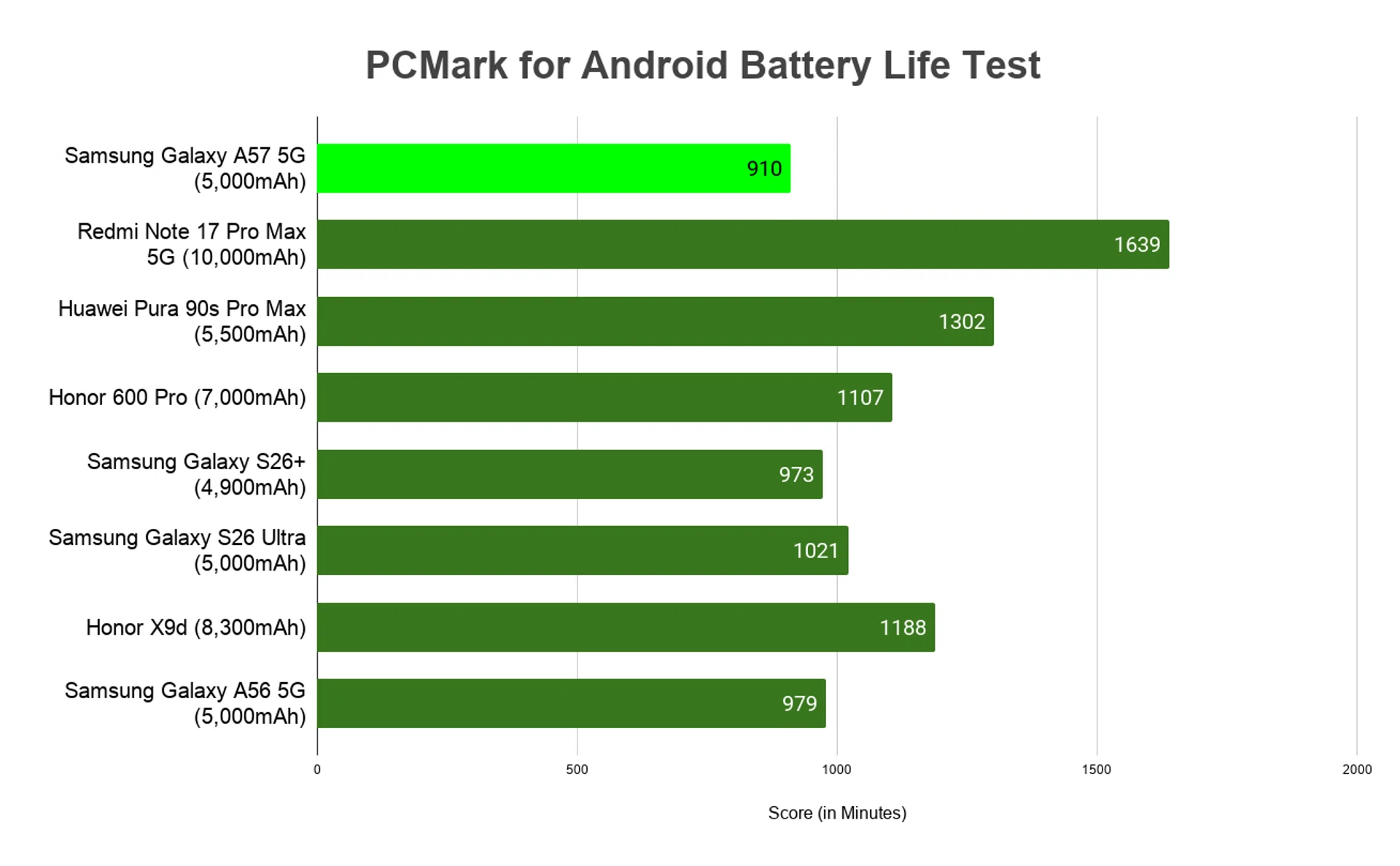
Battery life test in minutes.

Photo: HWZ

The Galaxy A57 features a 5,000mAh battery, notably the same size as the Galaxy S26 Ultra. Unfortunately, it can’t quite match its flagship cousin in our benchmarks. The ceiling for phones of this battery capacity is around 900 to 1,100 minutes, so we’re pleased to see the Galaxy A57 still reaching the lower end of that range.

However, Samsung’s insistence on capping its batteries at 5,000mAh (outside its foldables) may be getting outmatched, since most of the A57’s competitors consistently deliver more screen-on time with bigger batteries. The trauma from its Note 7 debacle hasn’t been forgotten, and it shows.

In practical terms, I was never particularly worried about battery life, at least for mundane tasks like scrolling through social media or watching videos. A57 also held its own when put under heavy load; three hours of near-continuous use – taking pictures, listening to music, occasional social media scrolling and Google Maps navigation – depleted around 40% of the battery. 

Conclusion – Was it enough love?

Samsung Galaxy A57 5G review

The Galaxy A57 is an improvement over its predecessor, but is it enough?

Photo: HWZ

To set the scene, this is how much each configuration of the Galaxy A57 costs:

Configuration Price
8GB RAM + 128GB S$678
12GB RAM + 256GB S$878
12GB RAM + 512GB S$1,058

One of our main issues with last year’s Galaxy A56 was the underwhelming performance. This year’s Galaxy A57 fixes some of that with modest improvements to camera and gaming performance. But it’s not necessarily a generational leap.

It’s unfortunate, then, that the price changes aren’t as incremental, even if they’re not within their control. The base model (8GB + 128GB) saw a 26% price increase. Meanwhile, the model we reviewed is the maxed-out 12GB + 512GB configuration, which costs S$1,058.

This option didn’t exist last year, but it’s worth noting that it may be the first ‘A’ series phone to cross the S$1,000 threshold – you’d have to go all the way back to the Galaxy A80, with its motorised camera, to even come close. For that price, Samsung competes against phones like the Honor 600 Pro and Poco F9 Pro, both of which come with more powerful Snapdragon chip and other minor perks.

If you want to stick within the Samsung ecosystem, you can also look at the Galaxy S25 FE, which should offer better performance, alongside a proper triple-camera setup with a telephoto. It’s also worth noting that the A57’s highest configuration costs more than the starting price of the newly launched Galaxy S26 FE (S$1,017), if you want the latest Samsung phone at this price point. This shows that chip and memory shortages have truly affected the average everyday user, as these uncertainties create more problems for consumers instead of solving them.

That said, there is still a lot to like about the Galaxy A57. The truly outstanding features cut across all memory configurations, like its display, the premium build, and One UI. These are enough to build a case for the base model’s S$678 price tag. Throw in extra RAM and storage, and the S$878 price of the 12GB + 256GB configuration might still be comfortable for the right user – likely someone who wants to stay in or enter Samsung’s ecosystem on a budget. 

Because Samsung seems to be targeting the same audience as it did with last year’s A56, this year’s A57 has an uncertain value proposition, especially if you’re out of the loop. As it stands, it ticks all the boxes nicely with a pleasant design, but it may not be compelling enough to force a brand switch at the midrange tier.

You can purchase the Samsung Galaxy A57 5G on Samsung’s Official Store, Shopee and Lazada.


Read Full Article At Source

Share. Save. Don't Miss The Buzz: XFacebookRedditLINETelegramWhatsAppGmail

Leave a Reply