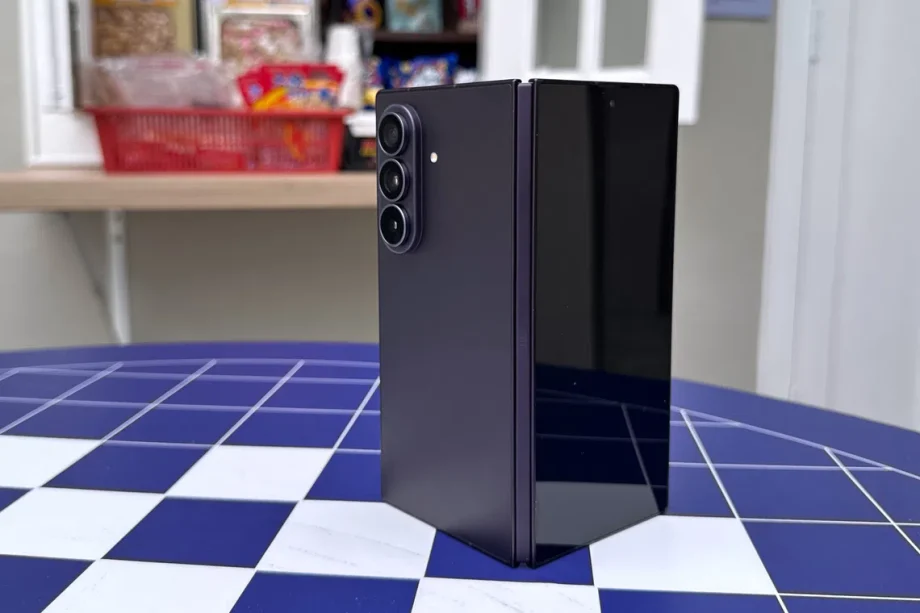
Did Samsung really raise the bar and meet its own Ultra standards?
Longtime Galaxy Fold users would know that Samsung’s Galaxy Z Fold8 Ultra practically paved the way for its newer passport form factor. Hence, it was fitting that this year’s bookstyle gets an upgrade in name. It’s now called the Samsung Galaxy Fold8 Ultra.
It shares the same AMOLED display quality, updated battery blend (silicon-carbon), chipset (Qualcomm Snapdragon 8 Elite Gen 5 for Galaxy), and mechanisms (Flex Titanium display module, upgraded hinge and bevelled edge design) as its passport counterpart. Practically, every key upgrade – right down to Galaxy AI add-ons – can be found on both Galaxy Fold8 Ultra and the Fold8.
Changes unique to the bookstyle come from its higher pixel resolution on its main, 8-inch, 10:9 aspect ratio panel, an improved 50MP ultrawide camera, and a larger battery (now 5,000mAh, up from 4,400mAh) with faster charging (45W wired, 25W wireless). Other aspects that worked well in its predecessor were unchanged, like its 200MP main camera and an angular silhouette with a mildly oversized camera housing.
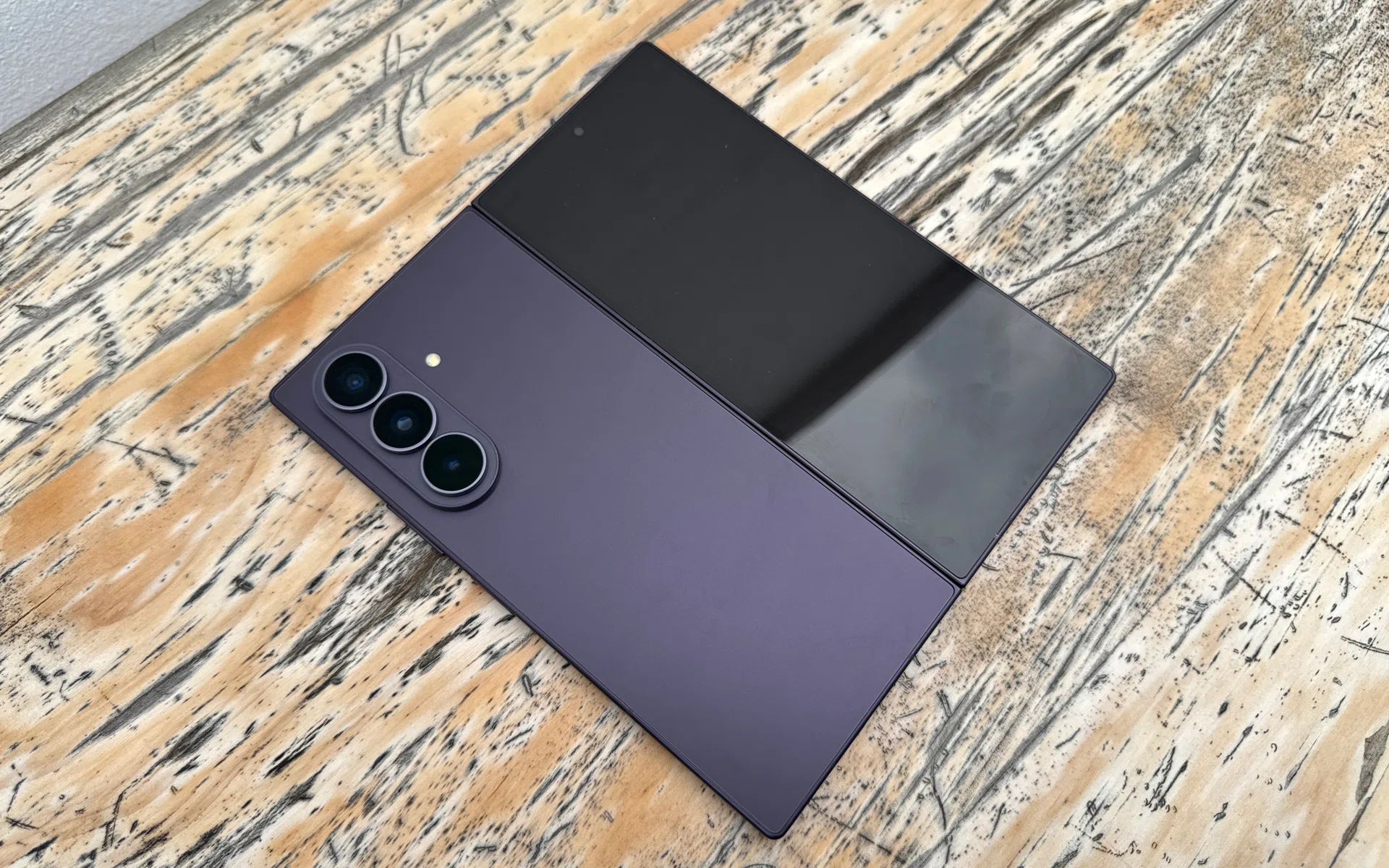
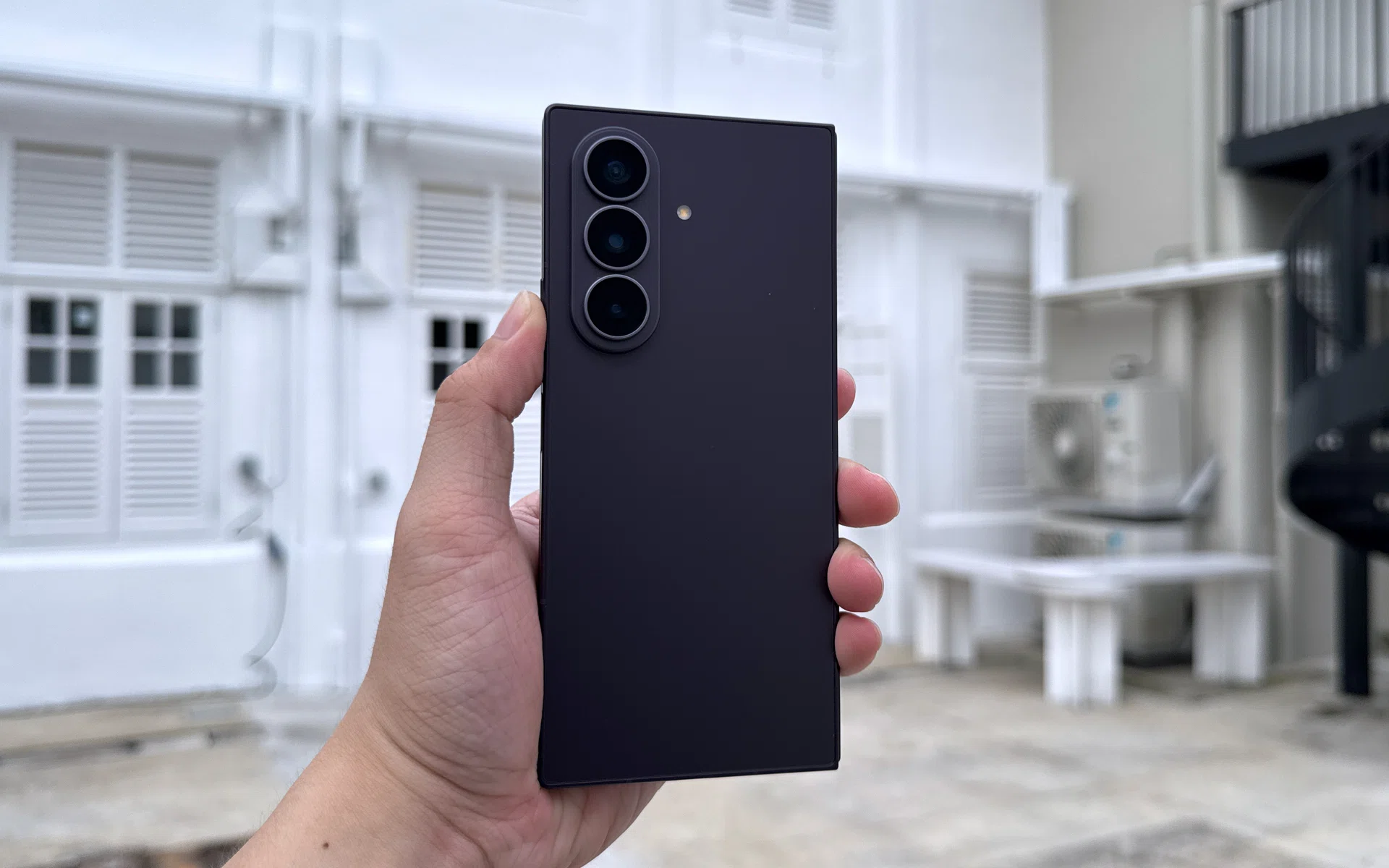
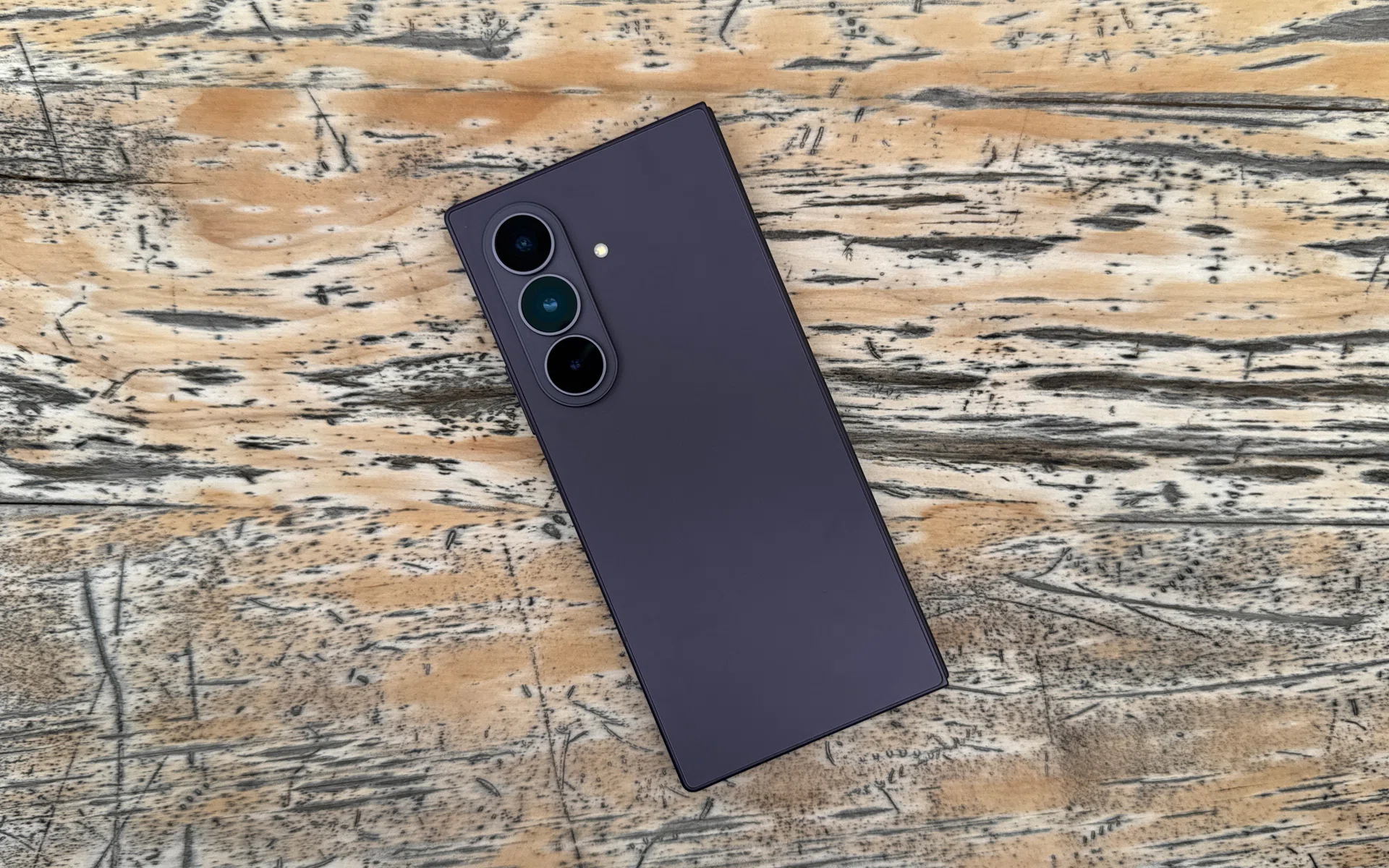
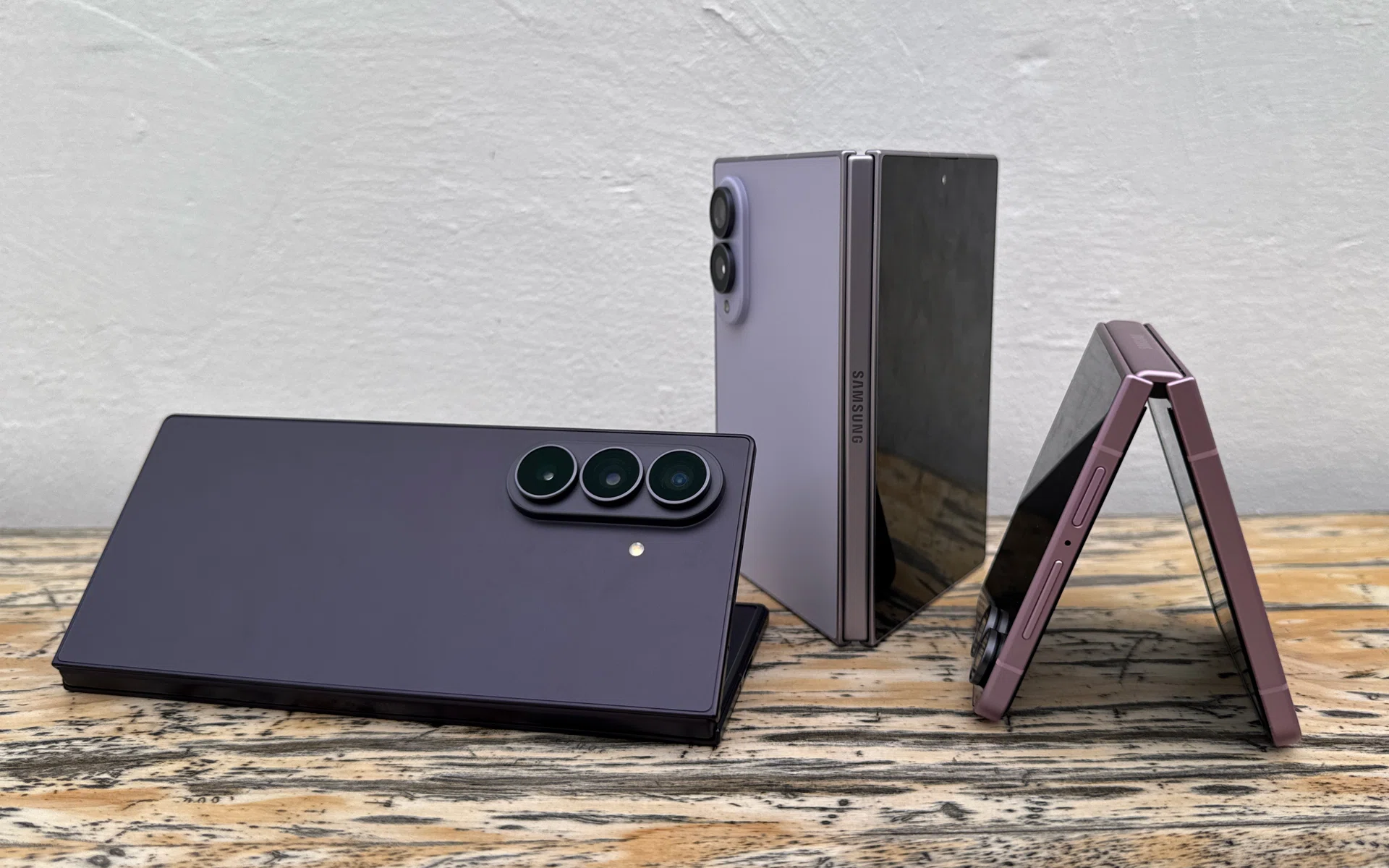
Samsung Galaxy Z Fold8 Ultra, face down.
Photo: HWZ
What stayed the same feels strange. Despite such a massive upgrade in name (Ultra, leh), the phone didn’t regain S Pen compatibility (it was lost with the Fold7), and the telephoto camera (3x optical zoom) wasn’t swapped for a longer optical zoom distance. The rated dust and water protection (IP48) also stayed stagnant, despite rivals like the Honor Magic V6 (certified IP68 and IP69) and OPPO Find N6 (IP56, IP58, and IP59) already going beyond.
While we know better not to judge a phone by its marketing name, the word “Ultra” has become synonymous with the best Android phones that money can buy. Ultra phones don’t simply stop at sufficient or current-generation technology. This is true even within Samsung, which is also represented by a very capable bar-type handset, the Samsung Galaxy S26 Ultra.
Coupled with the memory shortage driving up prices for basic digital goods and services, the Galaxy Z Fold8 Ultra now starts at S$2,798 for 256GB, S$100 higher than its predecessor’s official retail price.
How does the rebranded foldable compare to other tantalising rivals we already have? Is there still more room for improvement on Samsung’s part? We find out in this review.
Ultra’s bigger than the rest, but it’s not harder to use
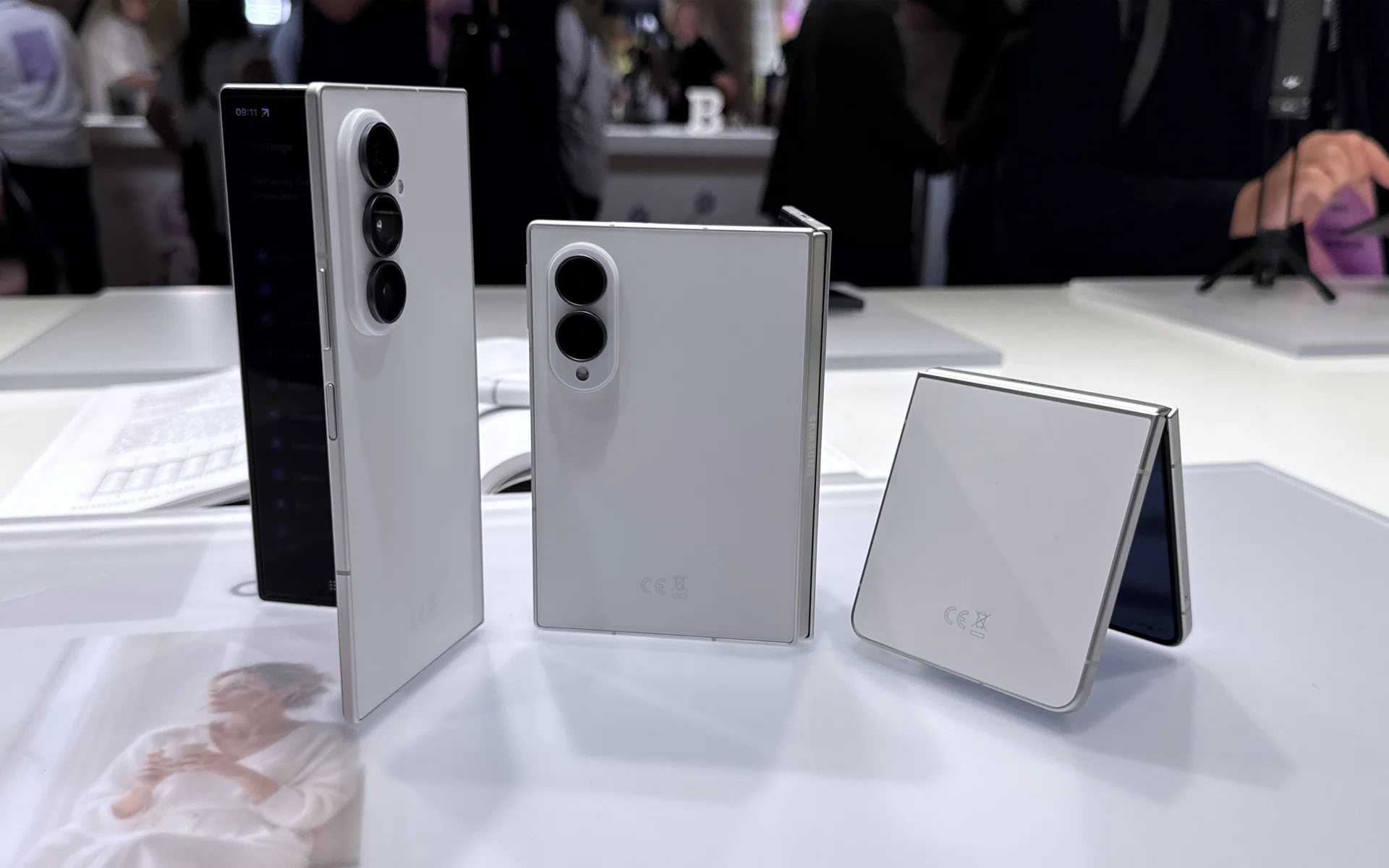
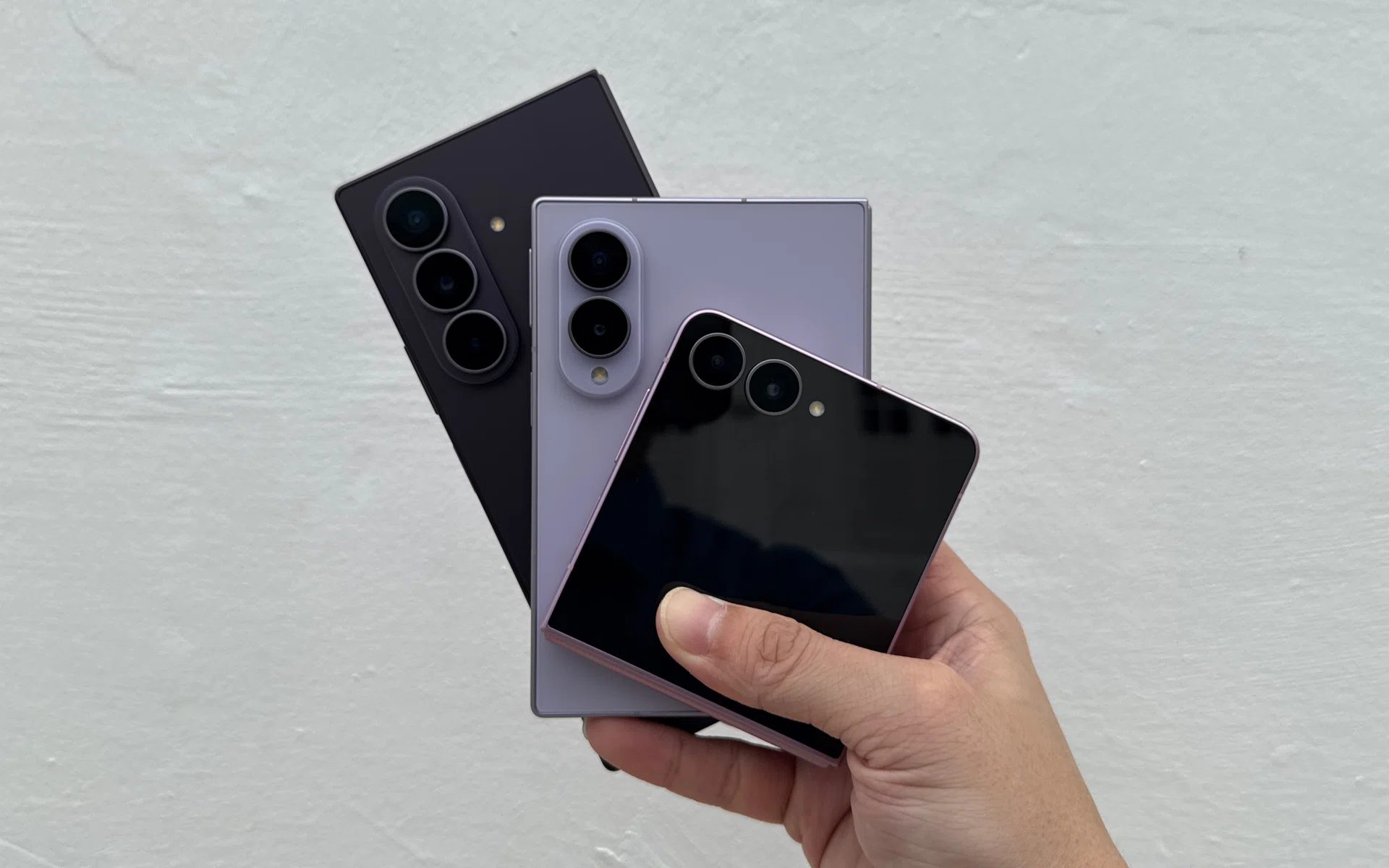
(L to R): Fold8 Ultra, Fold8, Flip8
Photo: HWZ
We’re happy to report that the Galaxy Z Fold8 Ultra’s handling is vastly improved from its predecessor, thanks to one key upgrade to its physicality: bevelled edges. We’ve already explained how it works in our Galaxy Z Fold8 review, and the Ultra’s version of this is felt more keenly since it has a much longer body (thus, more to work with, and more to be careful with).
The rest of its design is virtually identical to the Fold7. Weight (215g) and thickness (8.9mm) remained unchanged, so users of even older Samsung bookstyle foldables would find it even more pleasant to use than the Fold7 thanks to the new edges.
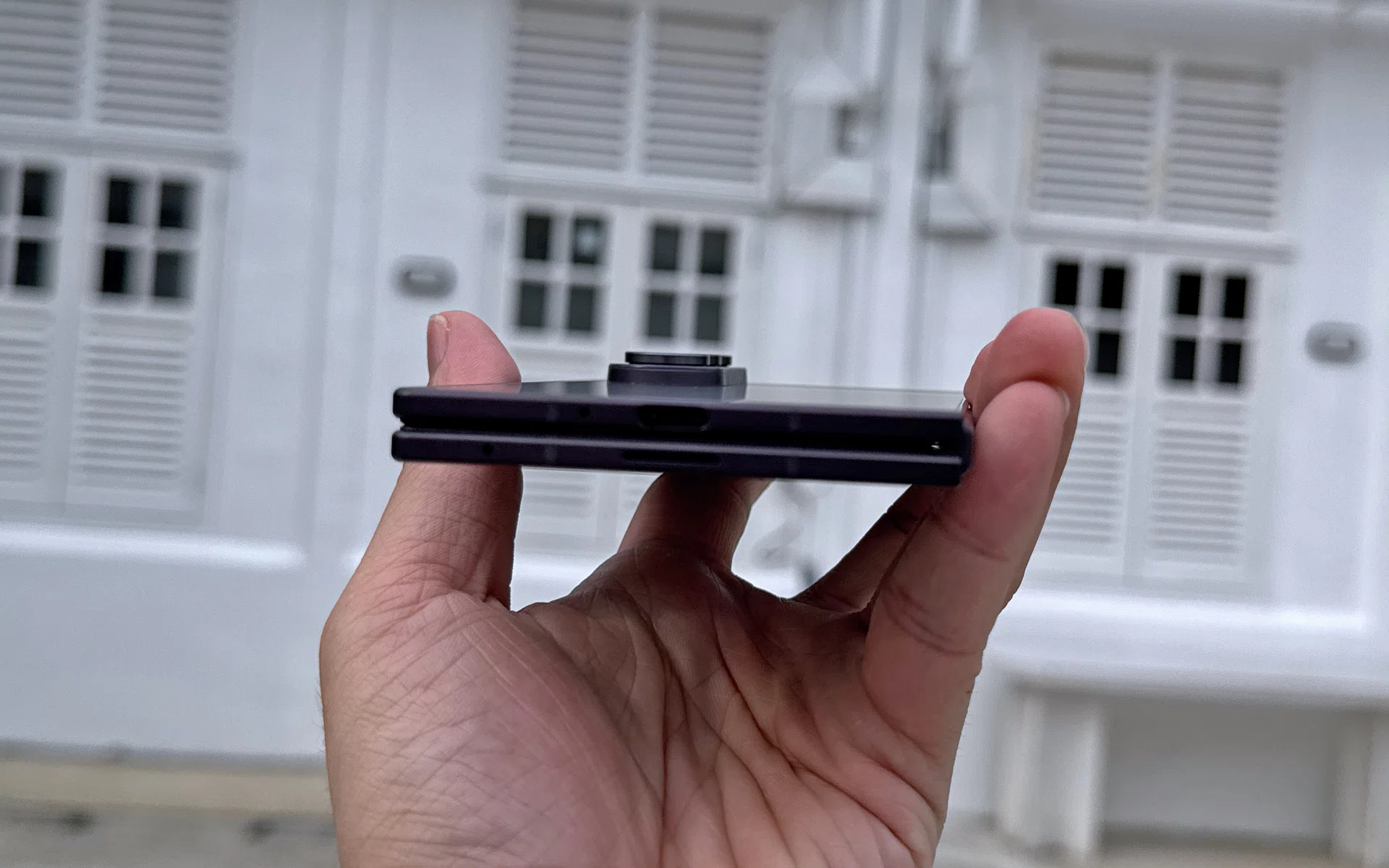
Galaxy Z Fold8 Ultra side profile
Photo: HWZ
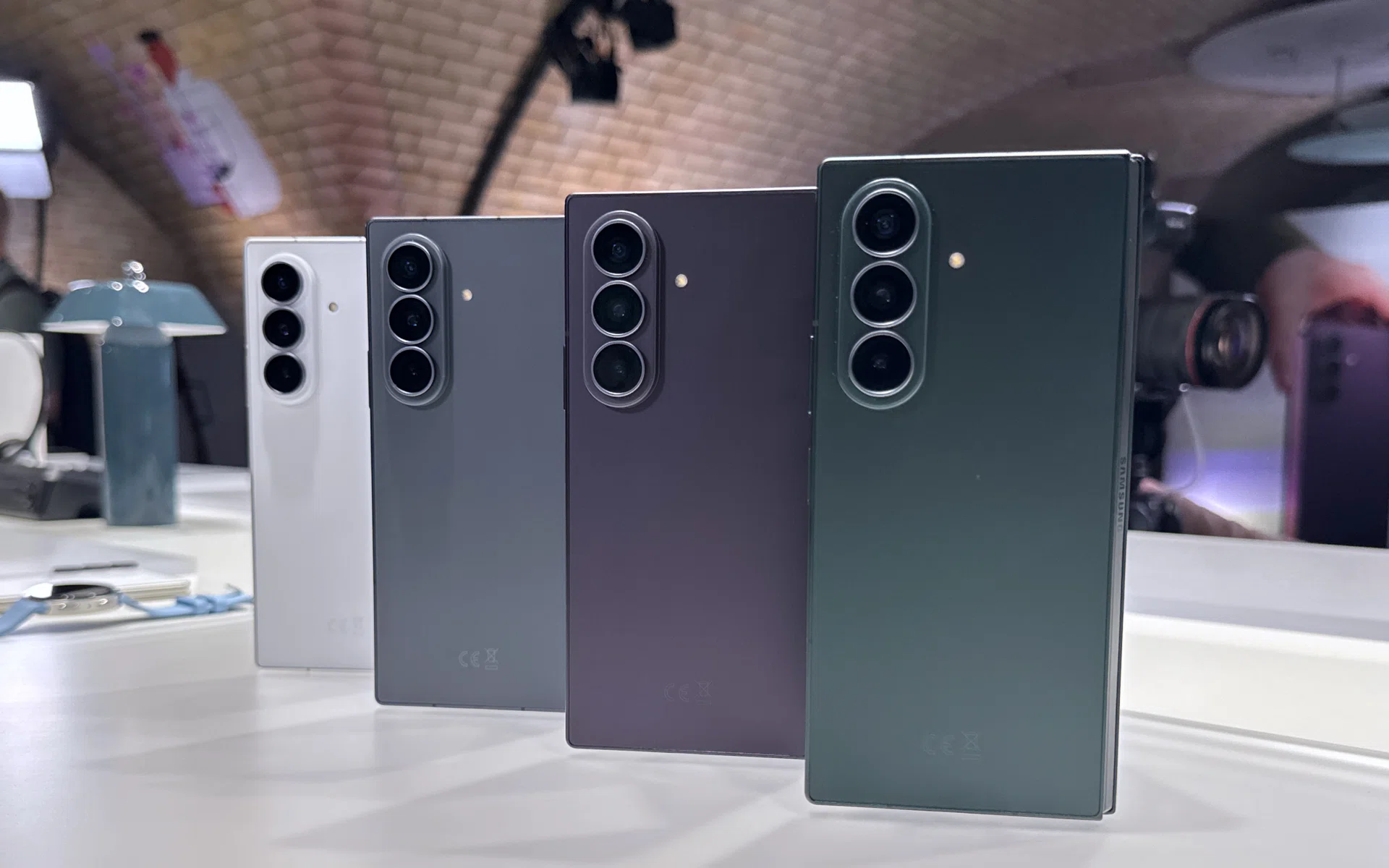
Similarly, the old design flaw stays. A lumpy triple rear camera housing makes it difficult to place the folded Ultra on the desk with the lenses facing down, but that’s to be expected if we want the rest of the device to stay impossibly thin.
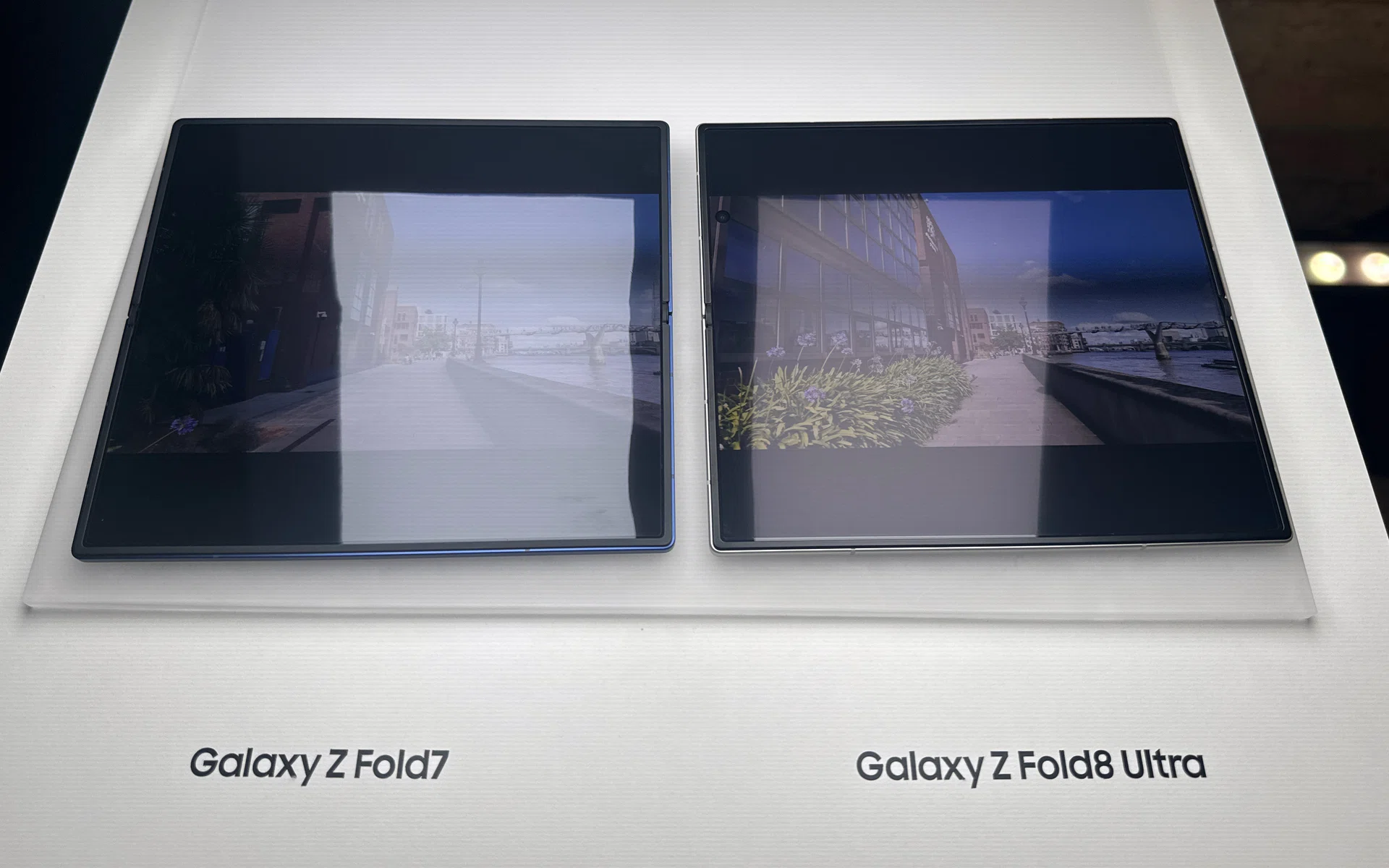
The display improvements also see better glare reduction versus its predcessor.
Photo: HWZ
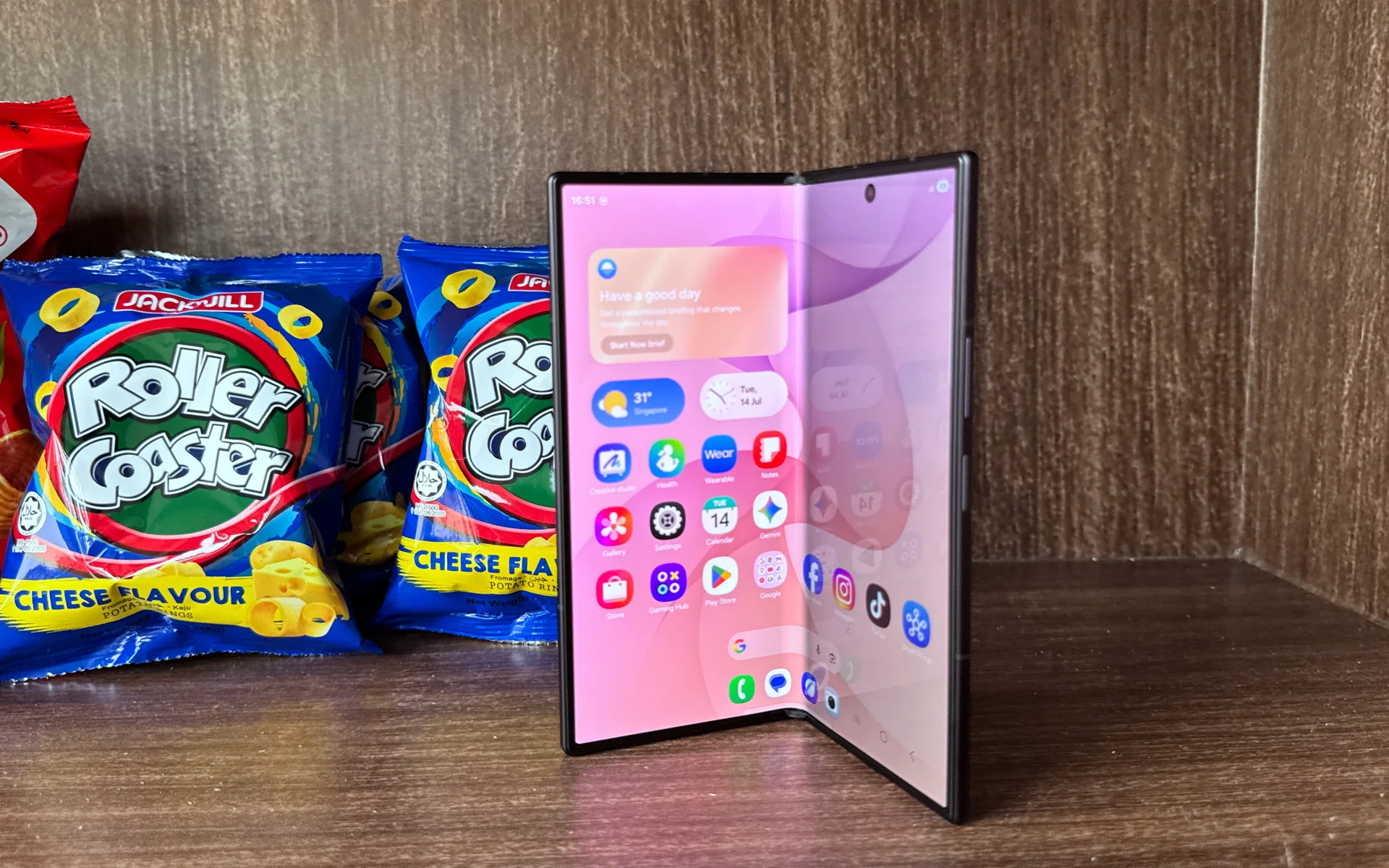
We’re also very satisfied with both its 6.5-inch (21:9 aspect ratio) external display, and 8-inch (10:9 aspect ratio) main display. While the form factor didn’t change, the bigger panel got a slight bump in pixel density (now ~421 PPI, up from Fold7’s ~367 PPI). That’s a 14% denser grouping of pixels per inch, which makes for a finer rendition of your content and better sharpness even when running apps in split-screen mode.
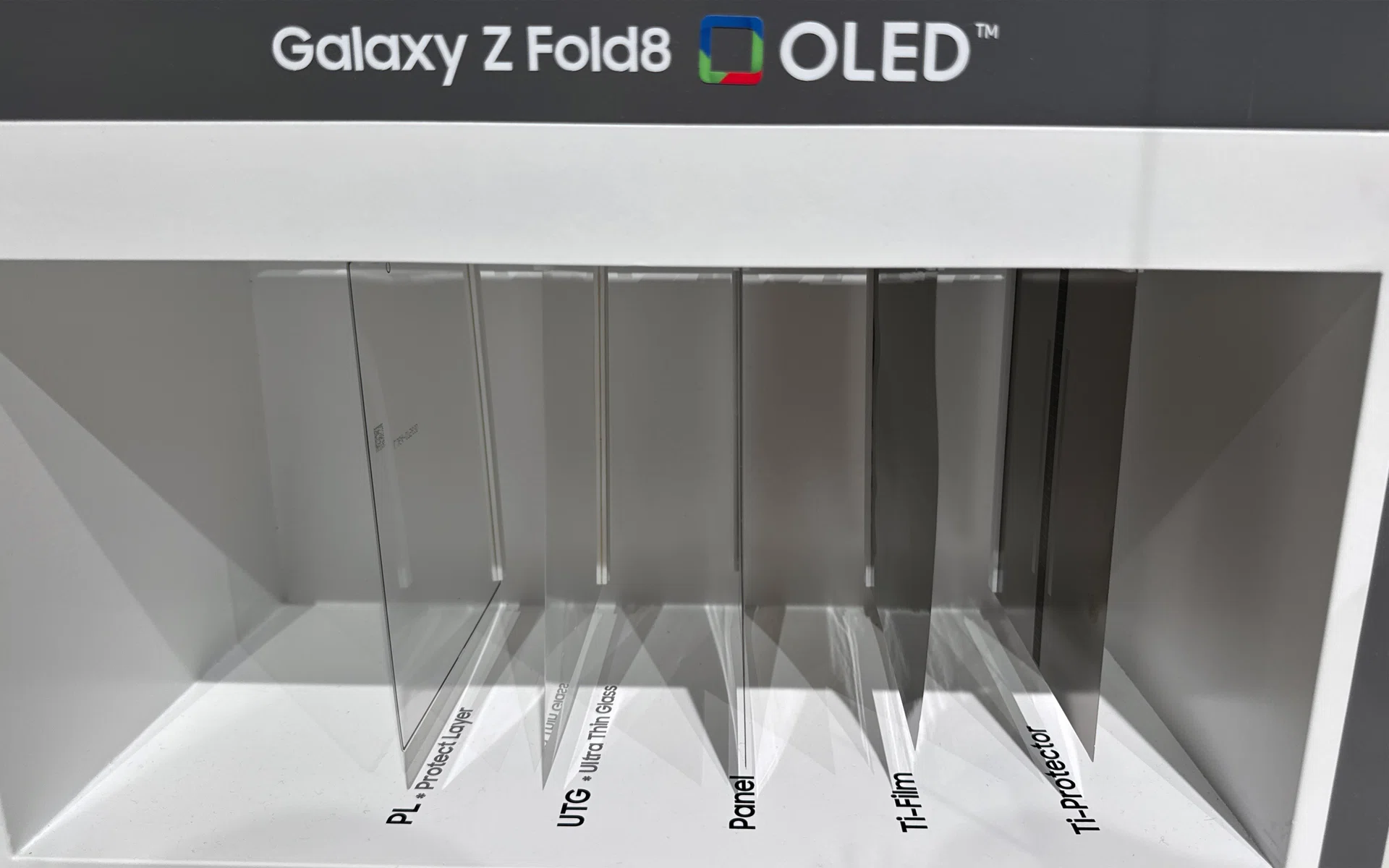
Flex Titanium. This display module support technology is shared with the Ultra, too.
Photo: HWZ
Also important is the new Flex Titanium display module, which helps to make the Ultra appear crease-free. It was a genuine struggle to spot the indented line when the display is active, and you only get a hint of it when the phone is idling. It’s still obvious to the touch, but we’ll take any improvements we can get from the Koreans.

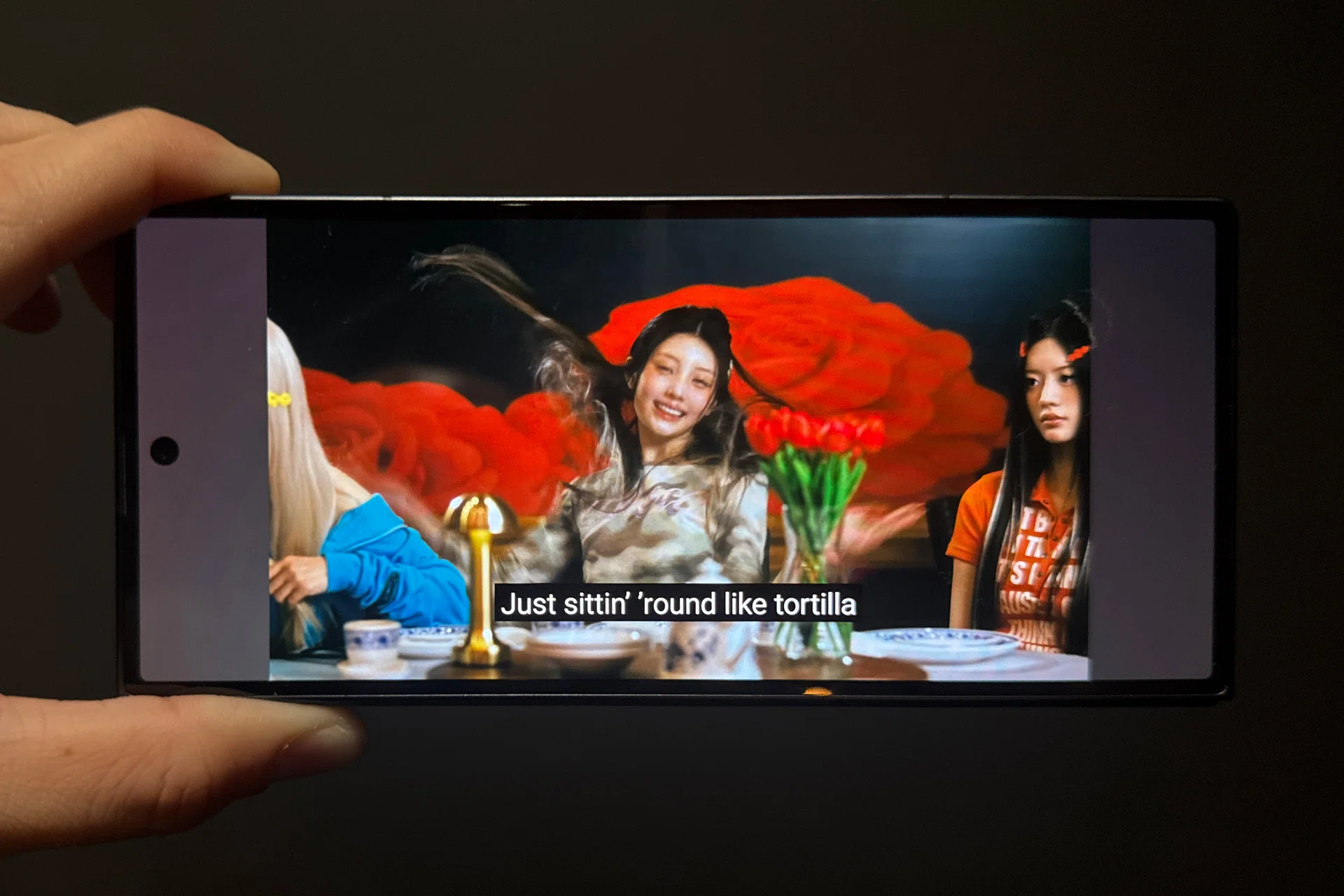
Letterboxing demonstration of a standard 16:9 YouTube music video on 8-inch Main Screen.
Photo: HWZ
We think this upgrade makes sense for the 8-inch panel since you’ll likely see upsized versions of your favourite YouTube videos, TikTok clips, and even websites. We’ll also be honest: these changes (the higher pixel density and less visible crease) weren’t immediately noticeable the first time we came across the Galaxy Z Fold8 Ultra, so the upgrades feel muted at first glance.
Read Full Article At Source