EV mechanics are in short supply in Singapore

EV mechanics are in short supply in Singapore


Electric vehicles now account for most of the new car registrations, and from 2030 every newly registered car must meet clean-energy requirements. But only around 10% of Singapore’s professional mechanics had EV servicing experience, according to Dr Kwan Kian Hoong, director of Temasek SkillsFuture Academy at Temasek Polytechnic (TP). 

That gap is what the Temasek Polytechnic-Volt Auto EV Academy is hoping to close. The two signed a memorandum of understanding for the academy earlier this year, with training due to begin in the October 2026 semester.

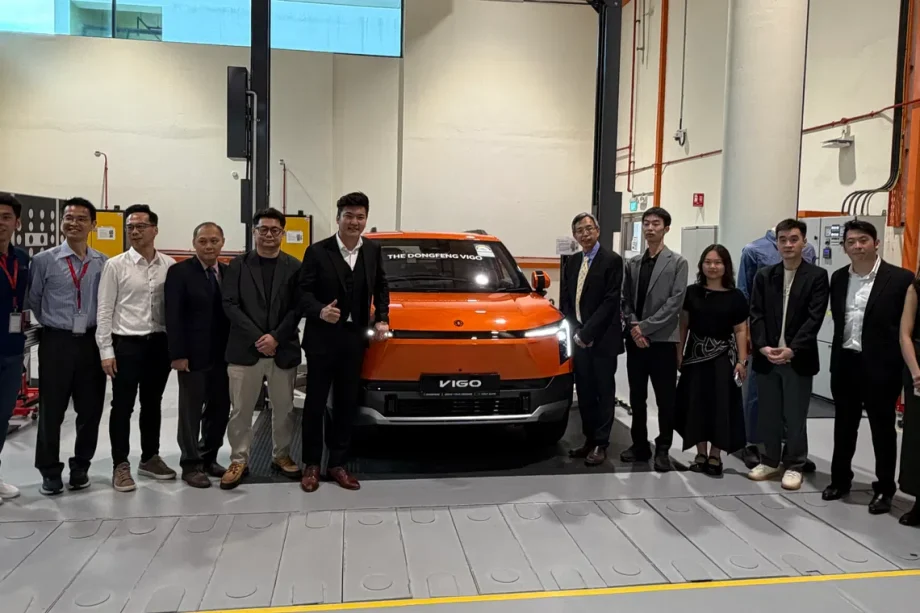
Volt Auto, the exclusive distributor of Dongfeng passenger vehicles in Singapore and Malaysia, is contributing a Dongfeng VIGO electric SUV and its own diagnostic kits as training equipment. The Academy will take both full-time diploma students and adult learners, with structured on-the-job training, job shadowing and internships through Volt Auto’s partner network.

It isn’t only aimed at mechanics. TP and Volt Auto both spoke about developing EV consultants, pre-delivery inspectors, EV detailing specialists and accident service advisors as target roles, which is a sign of where the market is going.

Soh Ming, founder and chief executive of Volt Auto, said:

“We have observed how quickly the EV industry is growing across Singapore and Malaysia, and we believe the biggest bottleneck at this stage is talent.”

What the syllabus covers
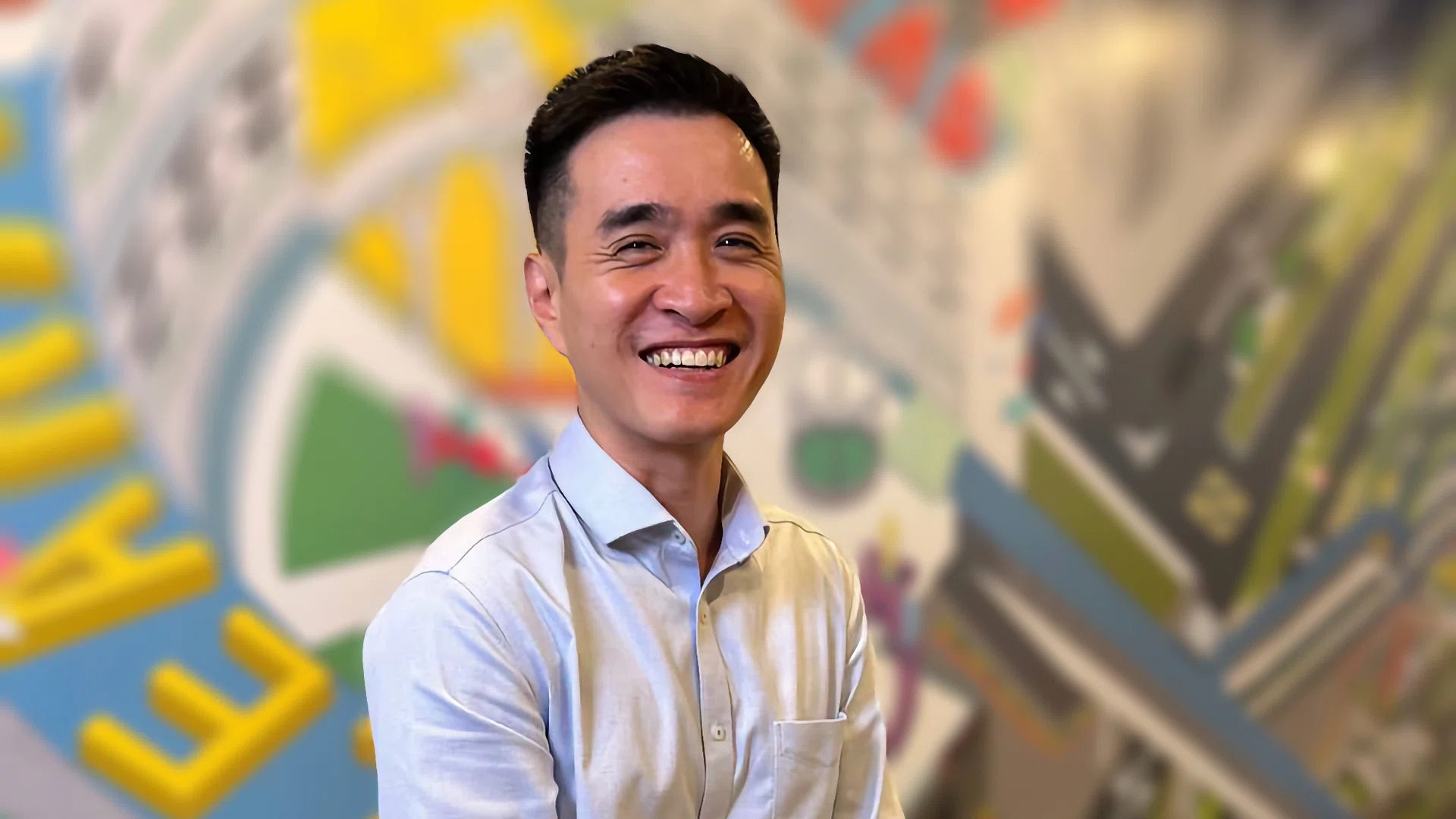
Dr Kwan Kian Hoong

Dr Kwan Kian Hoong, Director of Temasek SkillsFuture Academy at Temasek Polytechnic (TP)

Image: TP.

Dr Kwan made it clear that EV training isn’t a replacement for what came before.

“We are not replacing one skill set with another but broadening it,” he says. Students still learn core vehicle systems, diagnostics and maintenance, with added weight on battery systems, electric drivetrains, high-voltage work, charging infrastructure and vehicle software.
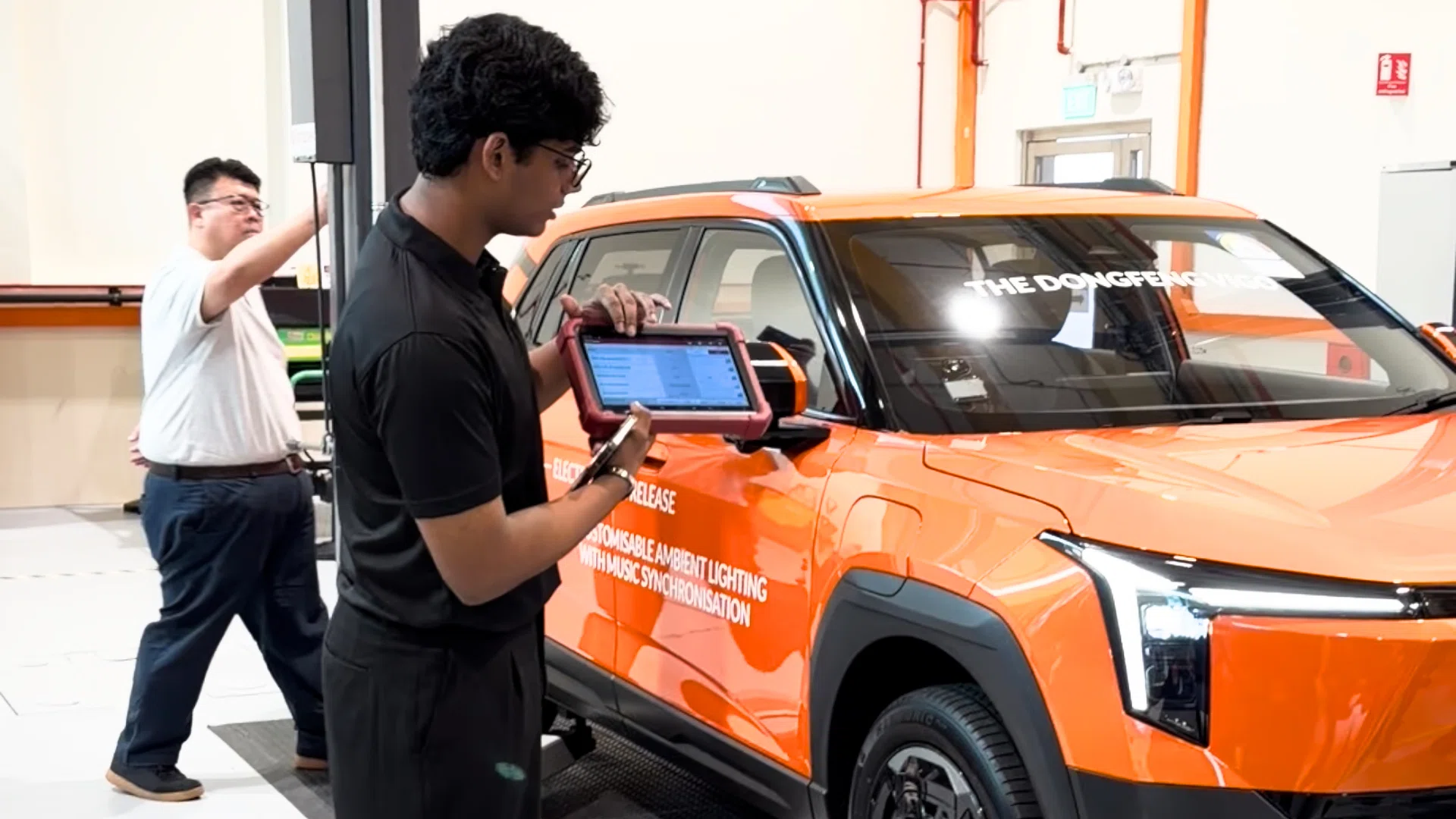
A student demo of the EV skills he’s learnt

A student demonstrating an EV diagnostic tool and the Dongfeng car they use for repairs.
The risk in a partnership like this is that graduates end up trained only on one manufacturer’s vehicles. As training is on a Dongfeng vehicle using Volt Auto’s tools, we asked how the qualification stays portable.

Kwan says the vehicle and kits are “learning platforms rather than brand-specific training”, with the curriculum built on transferable competencies: 

  • understanding how systems work
  • diagnosing faults systematically
  • working safely with high voltage
  • applying engineering judgement to technical information

He pointed to the National Skills Pathway for EV Technical Specialists, which was introduced in March, as evidence that the sector is moving toward a shared competency framework rather than brand-tied routes. This defines the core knowledge, skills, and behaviours expected across different job roles and departments, so technicians can apply the skills they learn across multiple EV brands.

On how much of the course involves hands-on experience working on an actual vehicle rather than classroom studying, the closest figure available is from TP’s existing National EV Specialist Safety certification, which runs at around 40%. 

The MOU sets out the programme framework, Kwan says, and operational commitments sit within implementation arrangements between the partners. TP’s contribution is described as educational expertise, curriculum development, training facilities and academic resources.

The curriculum itself was still being developed when the MOU was signed, with Kwan saying TP had already been building its EV training capability and engaging industry partners, and that Volt Auto’s role is to refine it with practical insight rather than build it from nothing.

Getting mid-career workers through the door

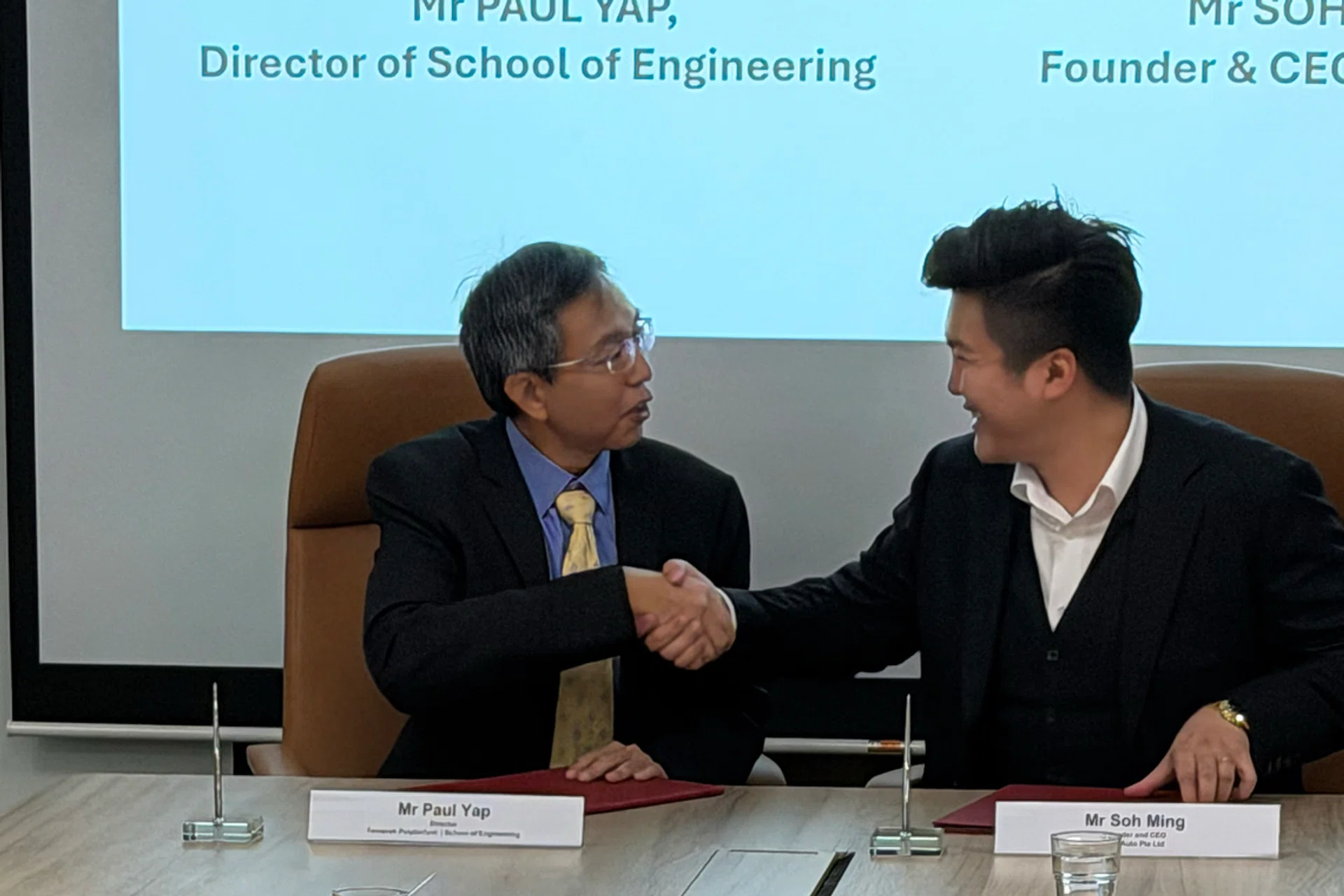
Paul Yap and Soh Ming signing the MOU

Paul Yap, director of the School of Engineering at TP and Soh Ming, founder and CEO of Volt Auto, at the signing of the MOU establishing the Temasek Polytechnic-Volt Auto EV Academy.

Image: HWZ

This isn’t the only EV workforce development initiative running. NESS certification already covers foundational high-voltage safety. The earlier-mentioned National Skills Pathway launched in March with Borneo Motors, BYD, Cycle & Carriage and Komoco behind it. 

But compared to students, it is far harder to get a mechanic already working six days a week through the doors of an EV conversion course.

To address this, TP runs modular, stackable continuing education pathways, including short EV courses, and Kwan says the Academy will explore how those support more flexible routes for working adults. These courses are structured as Skills-Based Modular Courses (SBMCs). Each modular certificate typically takes six months to complete, allowing working professionals to stack them into full qualifications at their own pace. Because the training is short-form, participants can stay employed while taking it, and he says employers generally allow time off.

Kwan also says that adoption is better than expected. According to him, more than 50% of enrolment in TP’s EV-related short courses, including Hybrid & Electric Vehicle Technology and Maintenance, ADAS Features and Calibration, and NESS certification, comes from Singaporeans aged 40 and above. What is handy for this group of individuals is that the SkillsFuture Level-Up Programme covers a substantial share of fees for them.

What employers keep asking for, according to Kwan, is: 

  • strong fundamentals
  • high-voltage safety
  • diagnostics and fault-finding
  • building comfort in using digital tools and software-defined vehicles

How the automotive skills landscape is evolving with EVs

The EV Academy at its TP classroom.

The TP and Volt Auto EV Academy.

Photo: HWZ

An EV has far fewer moving parts than a combustion car and needs less routine servicing, which raises the question about whether electrification will shrink the aftermarket even as it changes the skills.

Kwan didn’t dismiss it: 

“Some traditional maintenance work will decline. But EVs bring their own requirements around batteries, high-voltage systems, electronics, software, diagnostics, charging and thermal management, and vehicles are increasingly connected and fitted with driver-assistance systems. Treating fewer mechanical components as a proportionate cut in technical employment would be an oversimplification, and the more useful question is how roles get redesigned and where technicians can move into higher-value work.”

AI sits in the same category. From AY2027, all students at Institutes of Higher Learning will develop AI competencies within their own discipline, following the direction set by Education Minister Desmond Lee. For an EV technician, Kwan says, the point isn’t knowing how to use ChatGPT. It’s knowing when AI helps, how to use it responsibly, and when professional judgement has to take over.

He added: “The more sophisticated technology becomes, the more important human verification and accountability become. Technology may arrive faster than the workforce can support it, and that is precisely why education and industry need to stay closely connected.”


Read Full Article At Source

Share. Save. Don't Miss The Buzz: XFacebookRedditLINETelegramWhatsAppGmail

Leave a Reply