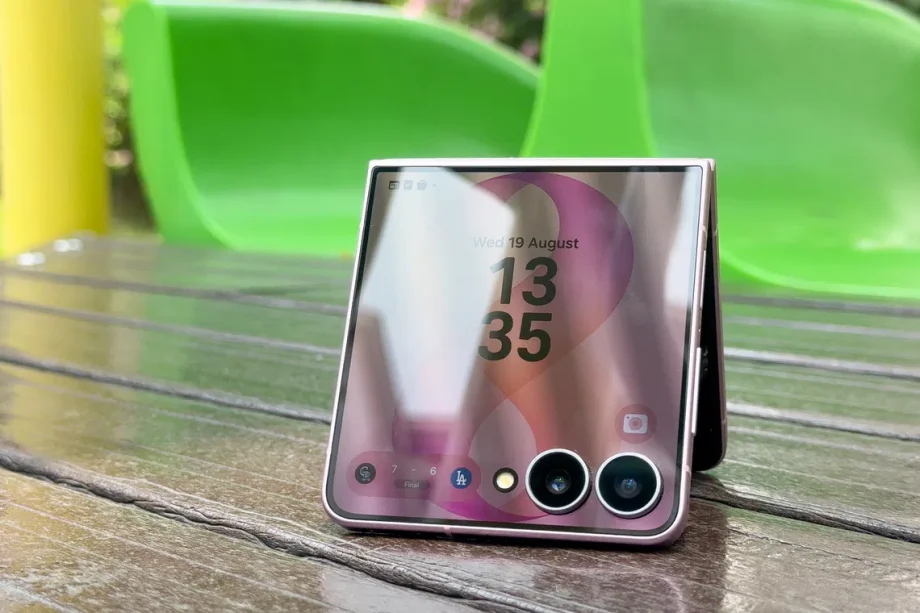
Amidst all the hype for the fancy new Z Fold8, it’s easy to overlook the smallest foldable in the lineup. Add on the fact that rumours have been swirling that this might be Samsung’s last clamshell foldable, and it’s easy to see why things might start to look a bit grim.
Regardless, the Z Flip8 received some quiet improvements that make the phone not only even more portable, but also more convenient to use.
This year, the phone gets even lighter at just 180g, while the new bevelled edges make it easier to open one-handed.
Aside from that, the phone remains equipped with an Exynos processor here in Singapore, specifically the latest Exynos 2600, which also powers the Galaxy S26 and S26+.
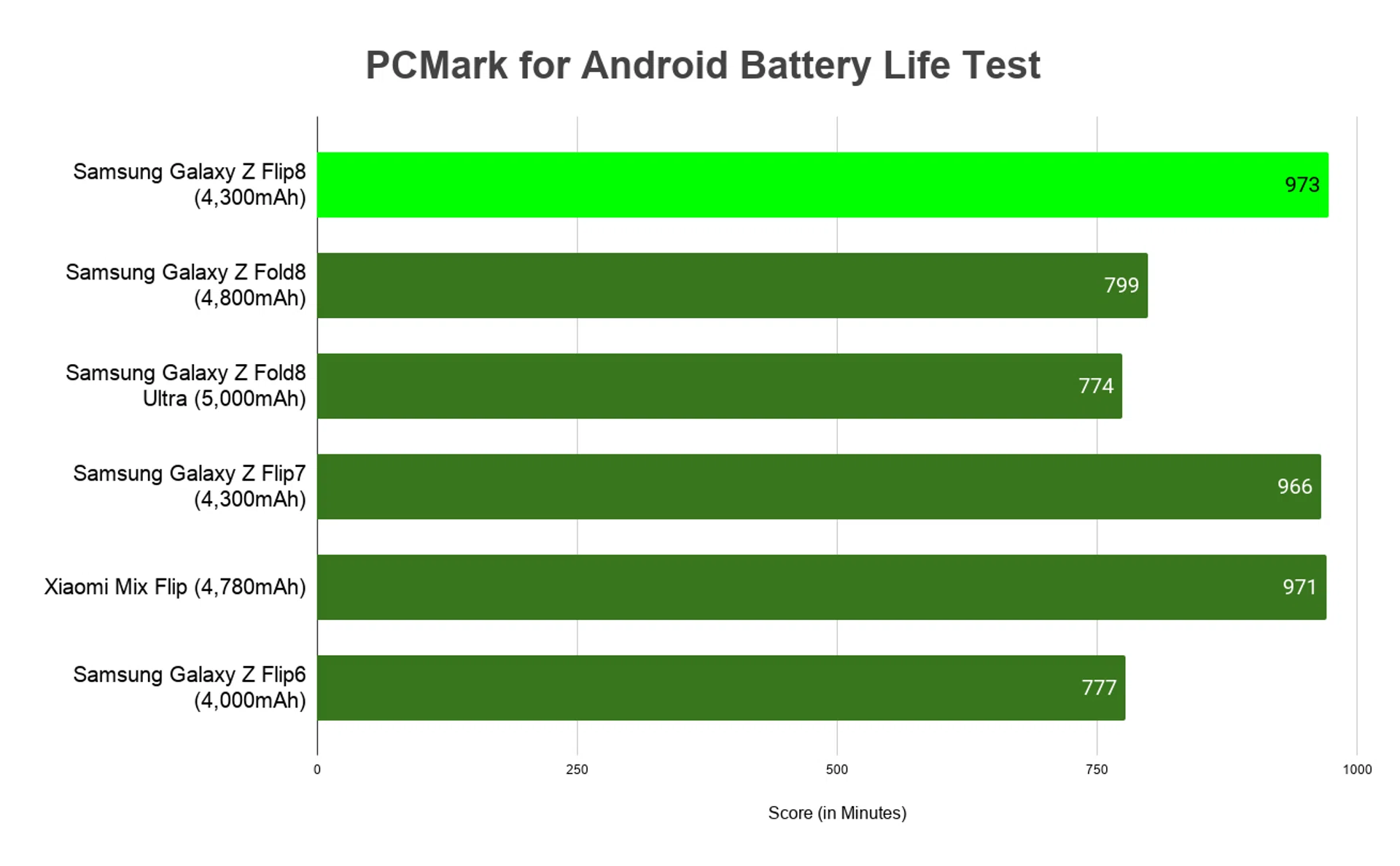
There are also some small changes inside, with Samsung finally making use of silicon-carbon batteries for the 2026 Z series devices. Instead of opting for a larger battery, it remains at 4,300mAh since Samsung chose to slim down the device instead.
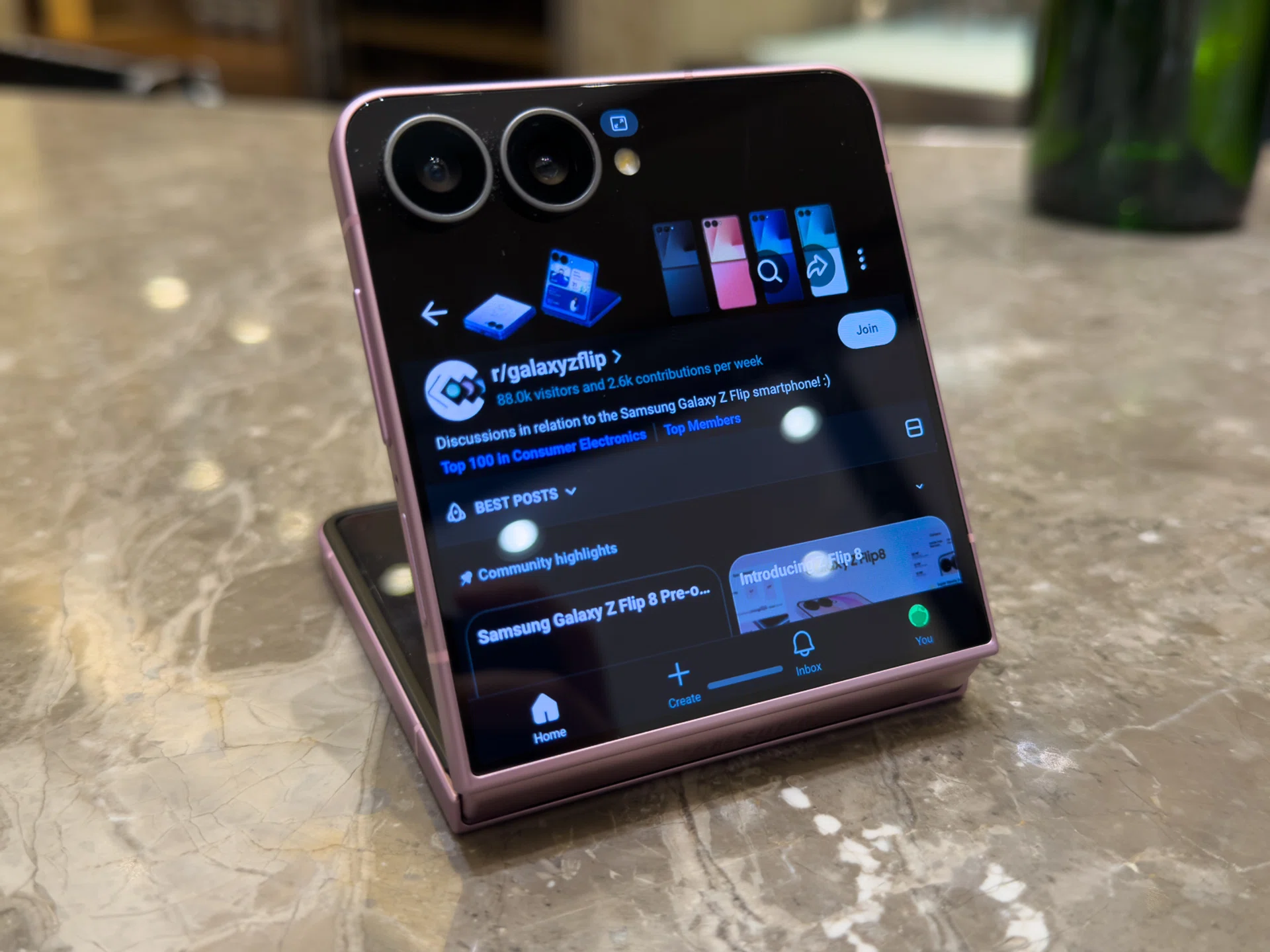
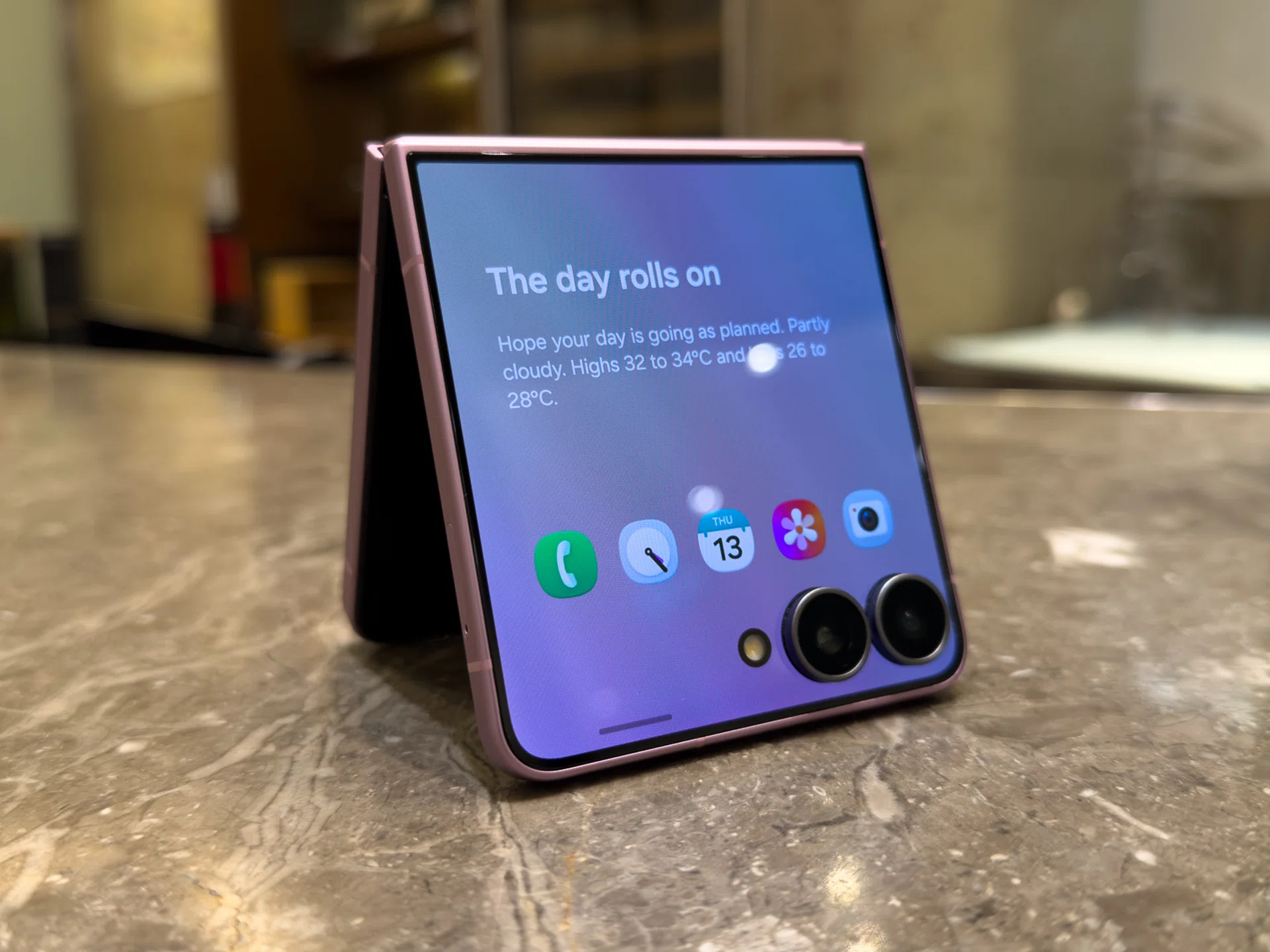
The FlexWindow also gets some nice improvements, with up to 16 native apps supported on it so users can handle small tasks without having to flip open their phones. Additionally, thanks to MultiStar integration, it’s incredibly easy to add additional apps below, with up to 50 slots available.
However, there are some small downsides to the phone as well. Let’s dive into it and see if the 8th generation of this clamshell foldable is worth the S$1,678 that Samsung is asking for it, and if we think Samsung is going to be discontinuing this form factor.
Design
There’s very little that’s different visually. In fact, if you place the Z Flip7 and the Z Flip8 side by side and ask someone to guess without picking either phone up, it would be pretty difficult. But there are small tells.
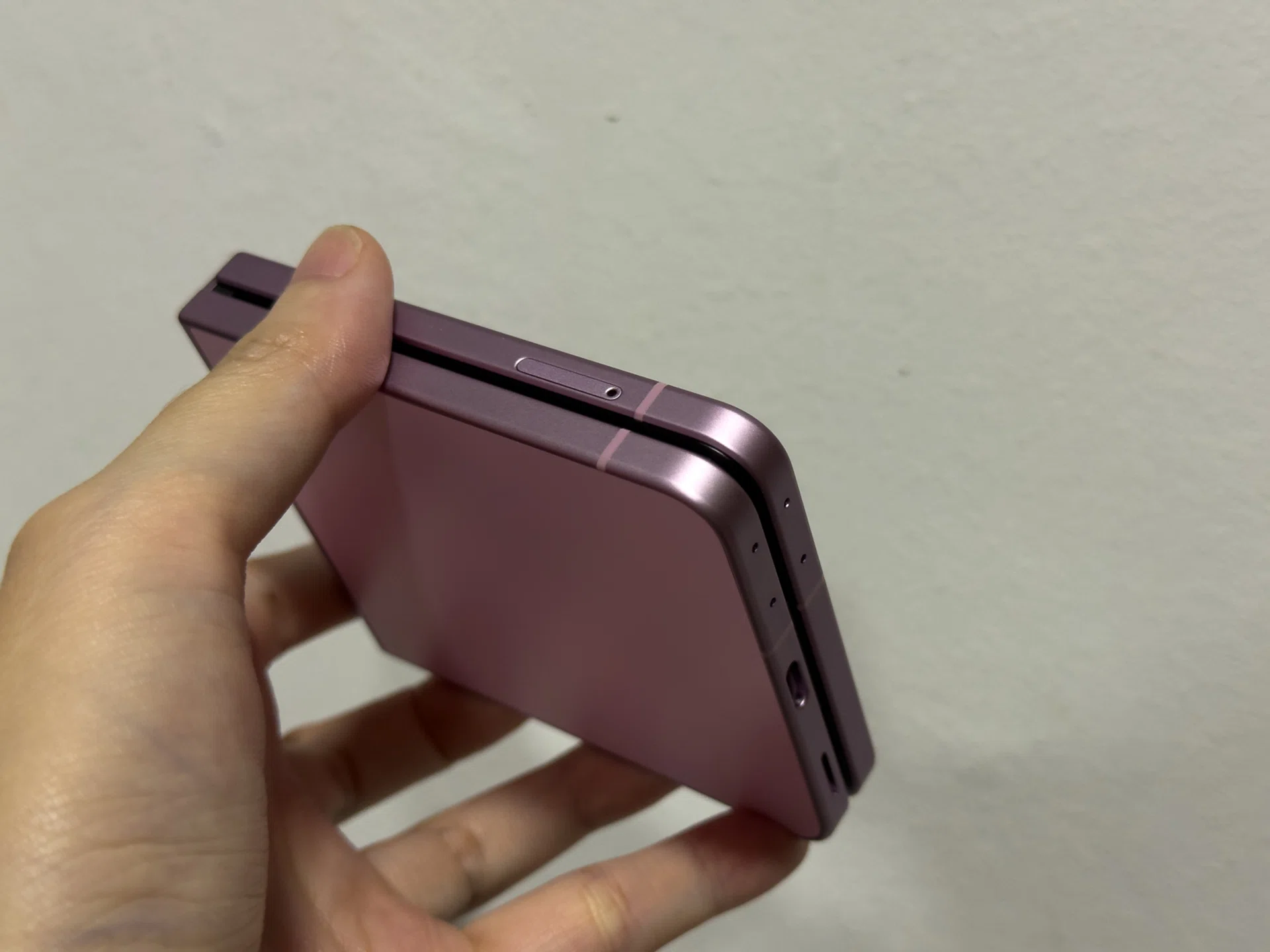
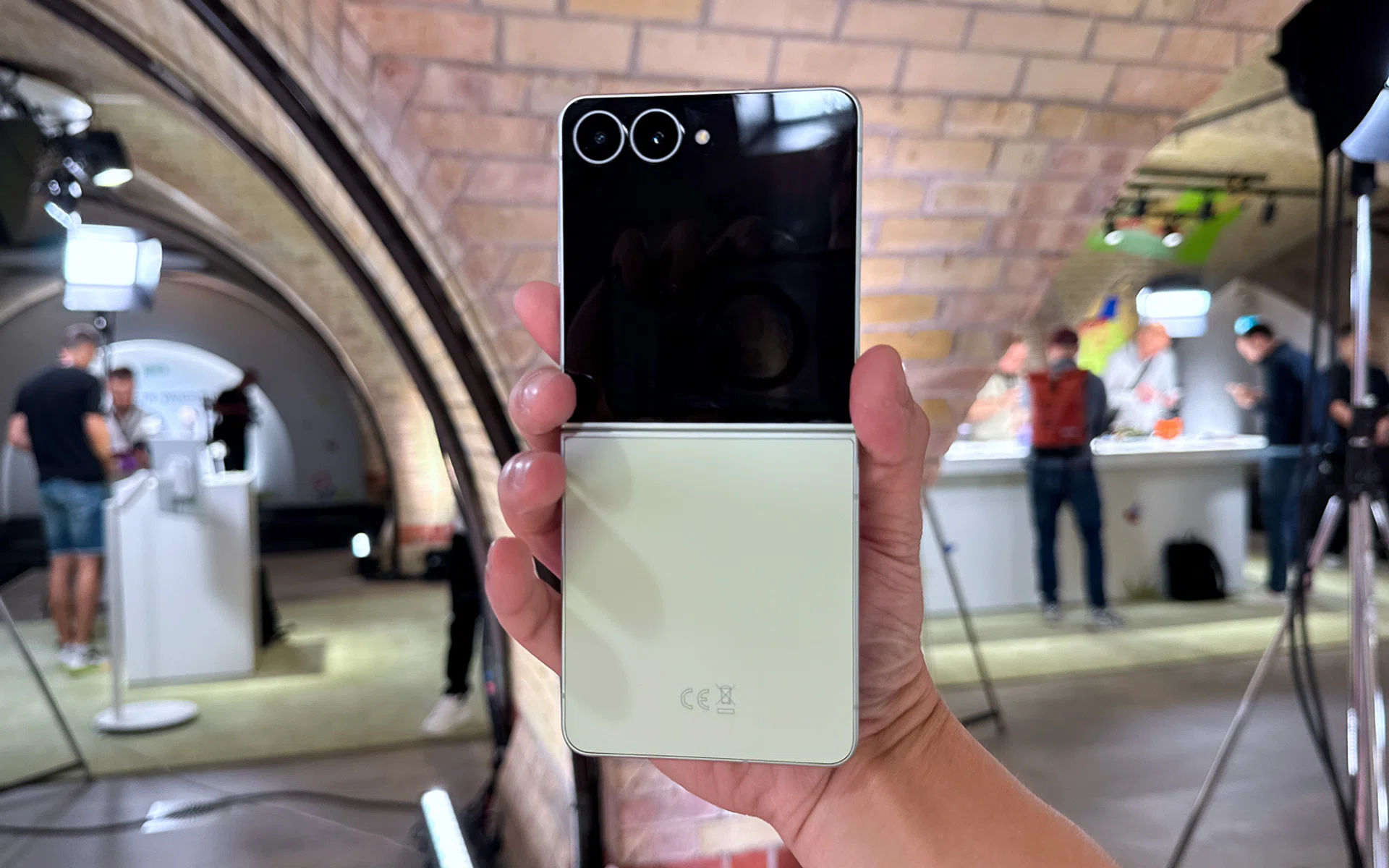
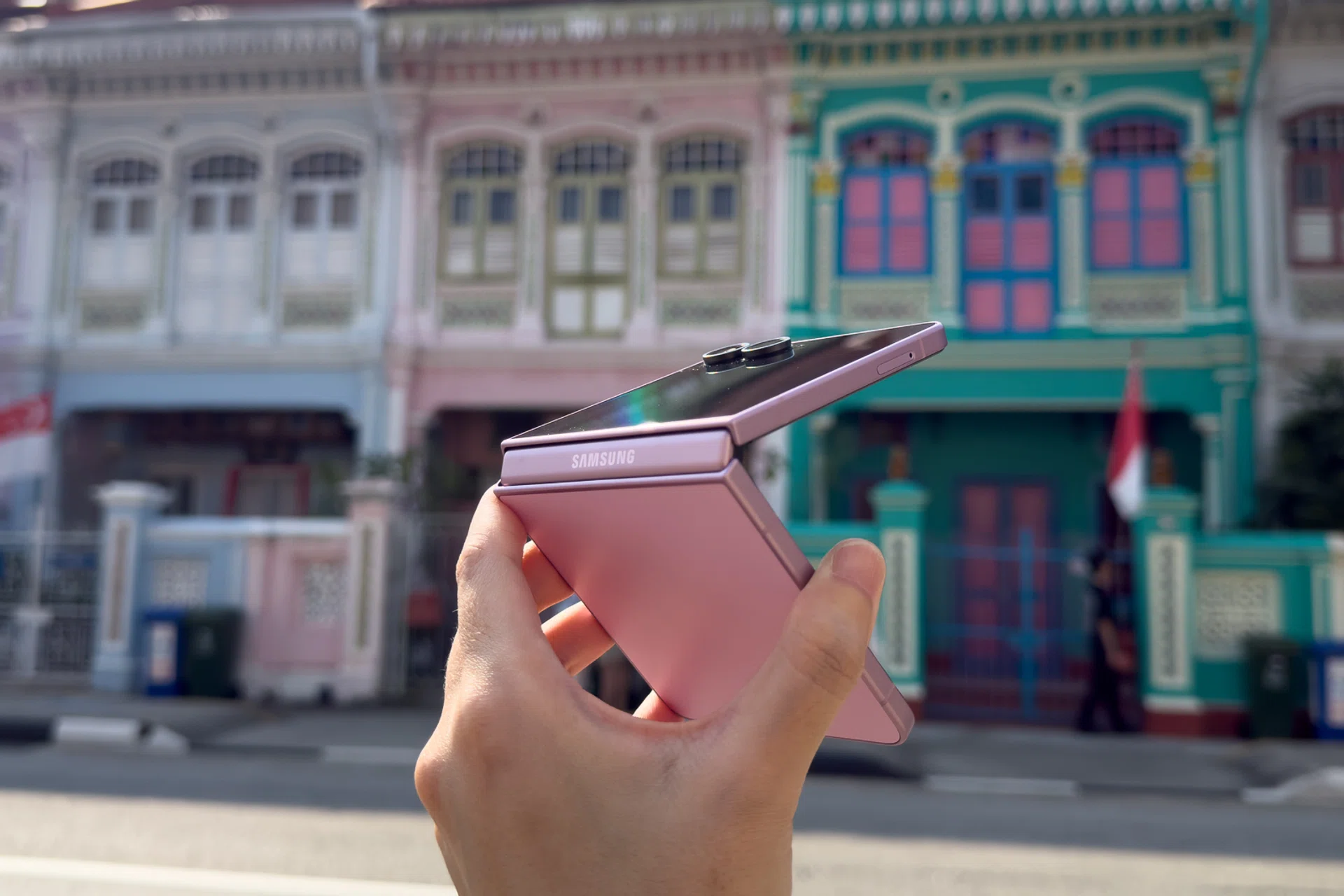
The new bevelled edges make unfolding the phone much easier.
Photo: HWZ
The bevelled edges, for one, are a fantastic quality-of-life improvement. It offers a small area for your fingers to grip onto when opening the phone, and makes for a much nicer user experience compared to the older Flips.
Once you pick the phone up, you’ll notice the weight decrease, particularly if you’re upgrading from an older Flip. A 7g or 8g decrease might sound minuscule, but it all adds up, especially if you’re using your phone for long periods of time.
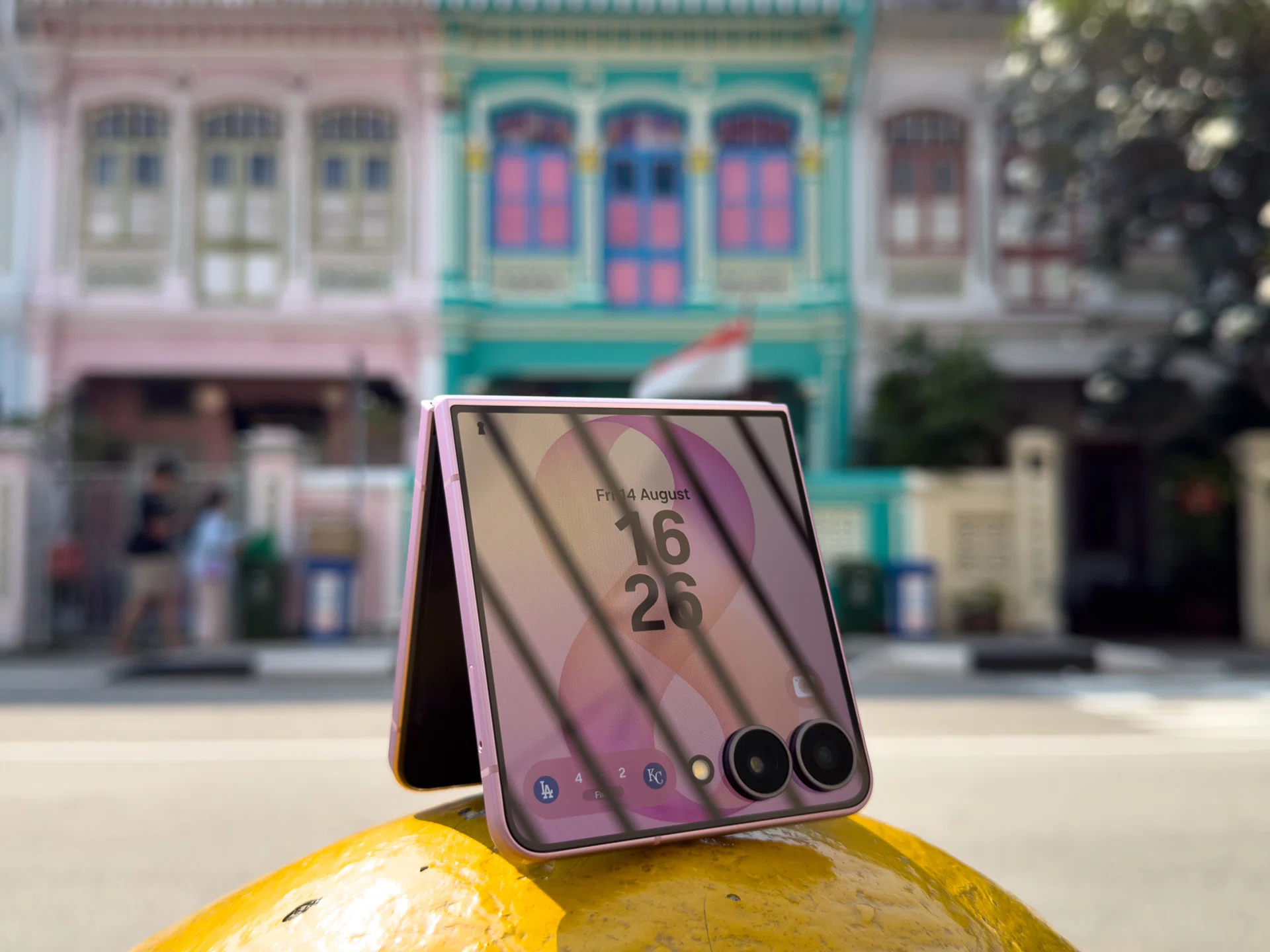
Both displays are bright and legible under afternoon sun. (You won’t see the banding in real life.)
Photo: HWZ
The FlexWindow (Samsung speak for cover display) remains mostly unchanged, with the same 4.1-inch screen that can get up to 120Hz refresh rate. There are some nice software updates though, which we’ll talk about later.
When folded, it’s thinner than ever at just 13.1mm, so you’ll really be able to feel the difference, particularly if you’re upgrading from an older Flip.
When unfolded, the crease on the inside is less prominent than the Z Flip7, but it’s still present. Unlike the Z Fold8 and Z Fold8 Ultra, the Z Flip8 doesn’t get the Flex Titanium support structure, which is rather unfortunate, since the internal screen could definitely do with a bit more durability.
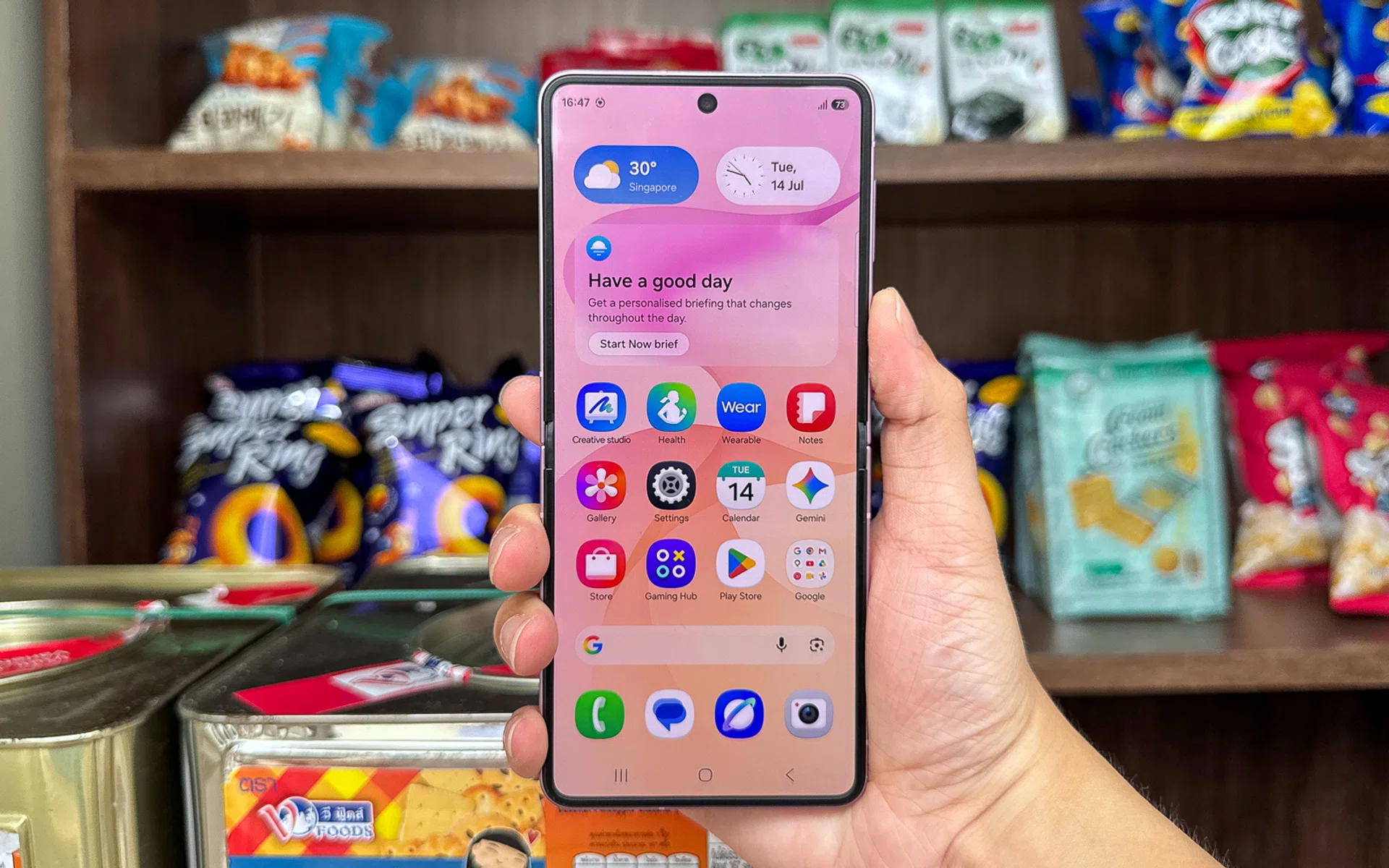
The inner display is the same as always, but we wish it would have gotten Flex Titanium.
Photo: HWZ
The internal 6.9-inch display is also completely unchanged, retaining the 21:9 aspect ratio and a 1-120Hz adaptive refresh rate. The bezels are thinner as well, compared to the Z Flip7, with the inner bezel gap and bevelled edges making it more noticeable. The frame is still made of Armor Aluminum and the phone retains its IP48 dust and water resistance rating.
Read Full Article At Source