Real-time translations are more useful than you think
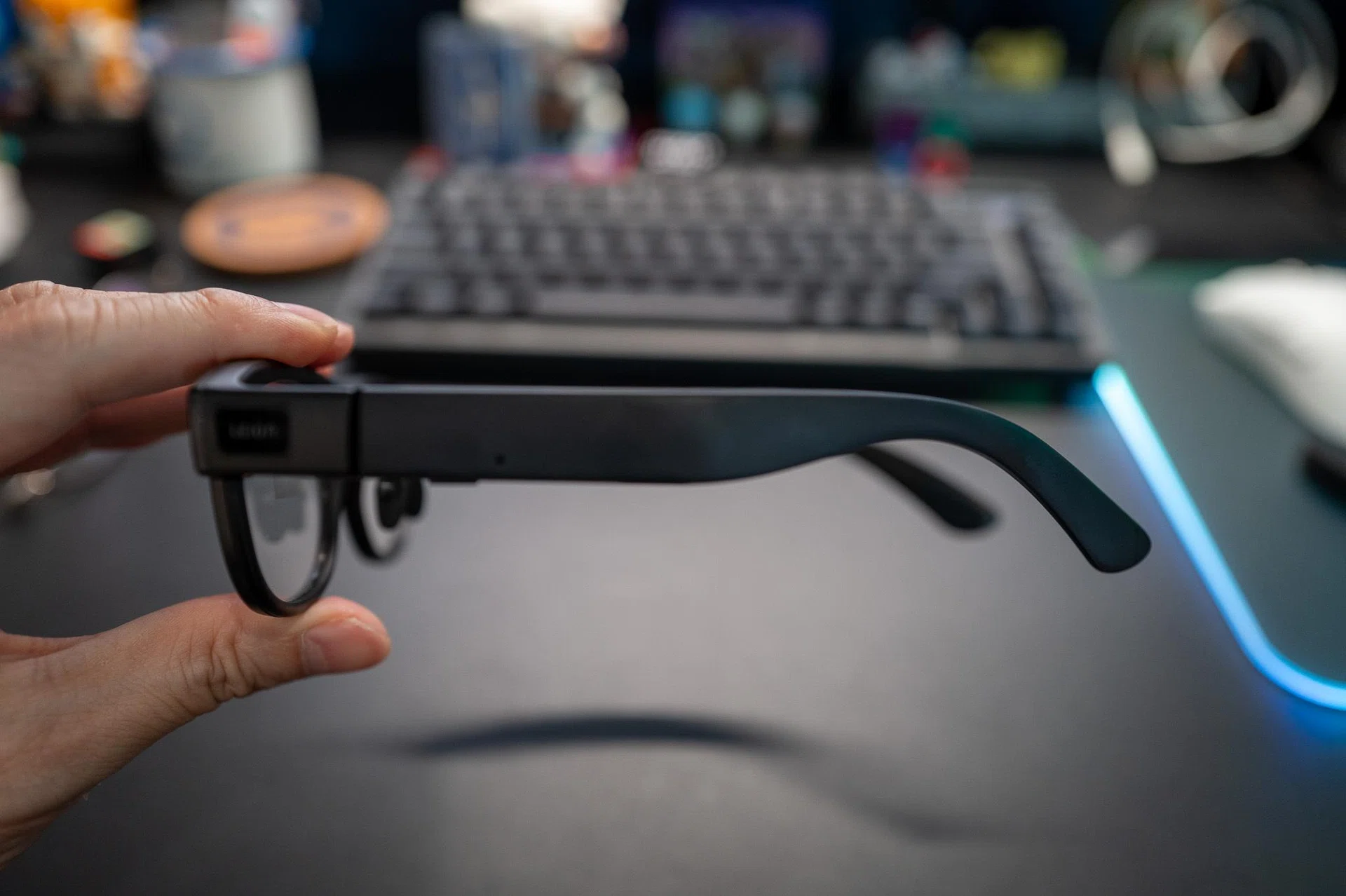
The Leion Hey 2 isn’t quite like the Ray-Ban Meta Gen 2 glasses that I reviewed earlier. It’s essentially a pair of AR smart glasses built almost entirely around one feature: real-time translation.
So when somebody speaks Mandarin, Japanese, Korean or Spanish, subtitles appear directly in front of your eyes in English while the conversation is happening. There’s no need to constantly glance down at your phone or pause awkwardly for translation apps to process sentences. The idea here is to make multilingual conversations feel as natural as possible and honestly, after spending some time with the Hey 2, I think maker LLVision might actually be onto something.

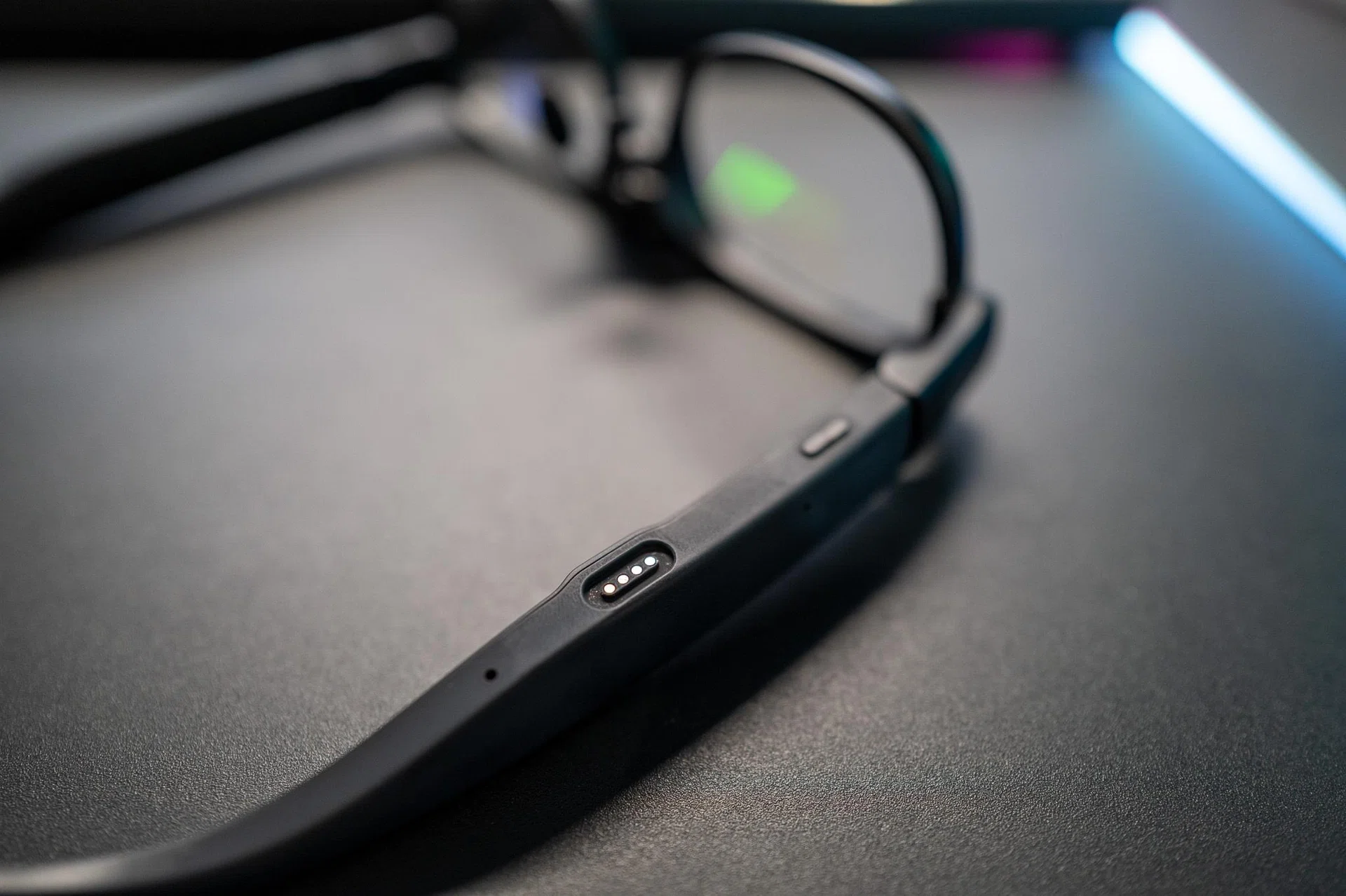
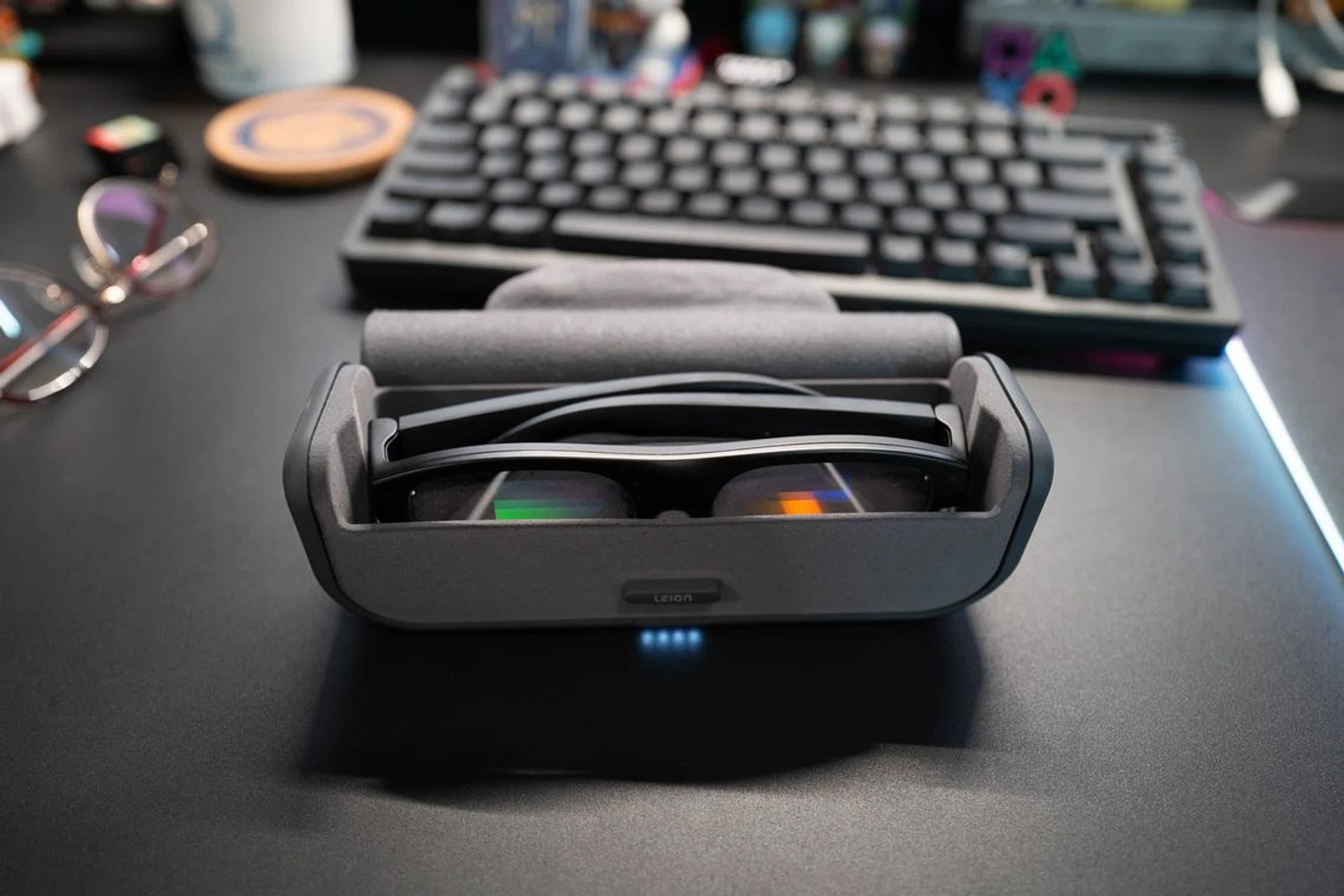
Interestingly, the reflection of the monochrome green display on the Hey 2 is a dead giveaway that you’re wearing a pair AR glasses.
Photo: HWZ
Translation gadgets are not new, of course. Our smartphones already do this. Translation earbuds exist too. But those devices usually change the rhythm of a conversation because somebody has to stop talking, stare at a screen or wait for the AI voice to finish translating. The Hey 2 feels more intuitive because the subtitles quietly sit in your line of sight while you continue talking normally.
Using the Hey 2 almost feels like watching a foreign-language Netflix show with captions enabled, and that’s probably the smartest thing about these glasses. You still maintain eye contact with whoever you’re speaking to. You still read their facial expressions. And I think that’s what makes the translations feel surprisingly seamless and natural, instead of turning every conversation into this awkward stop-start exercise.
Do you need live translations?
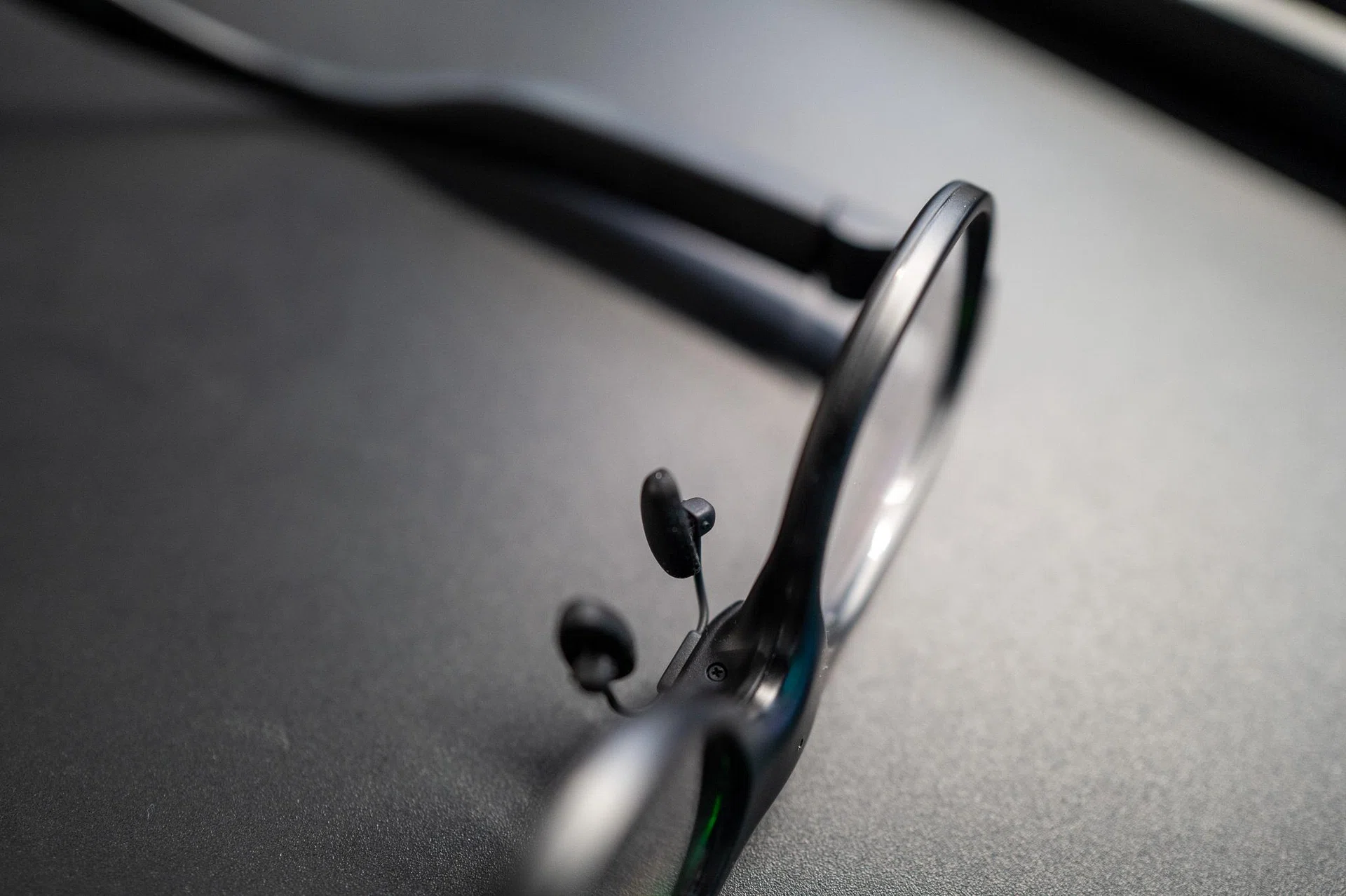
The glasses’ feature a magnesium-lithium alloy frame and adjustable titanium nose pads.
Photo: HWZ
The entire time I was using the Hey 2, though, I kept thinking back to the Ray-Ban Meta Gen 2 glasses. And honestly, that comparison is probably unavoidable now because both products are trying to answer the same question: what exactly should smart glasses be good at?