While the Samsung Galaxy S26 Ultra was the highlight of the Korean tech giant’s first Galaxy Unpacked launch this year, we haven’t forgotten about its non-Ultra variants: the Samsung Galaxy S26 and Galaxy S26+.
Sure, they didn’t get the cool Privacy Display found on the Ultra, but they still come with a new processor, a larger display and battery for the base Galaxy S26 model, and software trickle-downs like Horizon Lock and new AI features.
Are these incremental updates worth the S$150 sticker price increase this year? Let’s find out.
More of the same Galaxy?
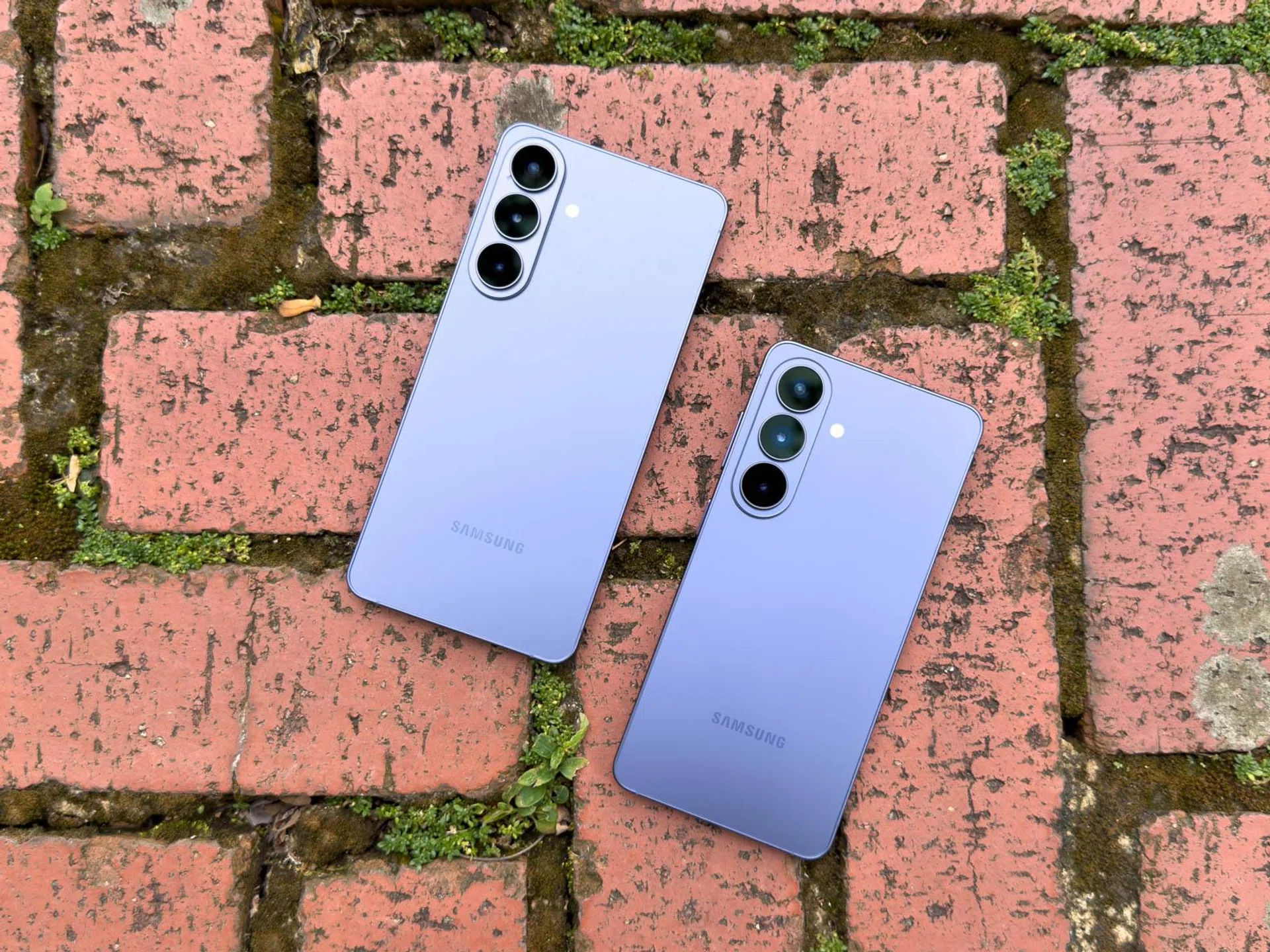
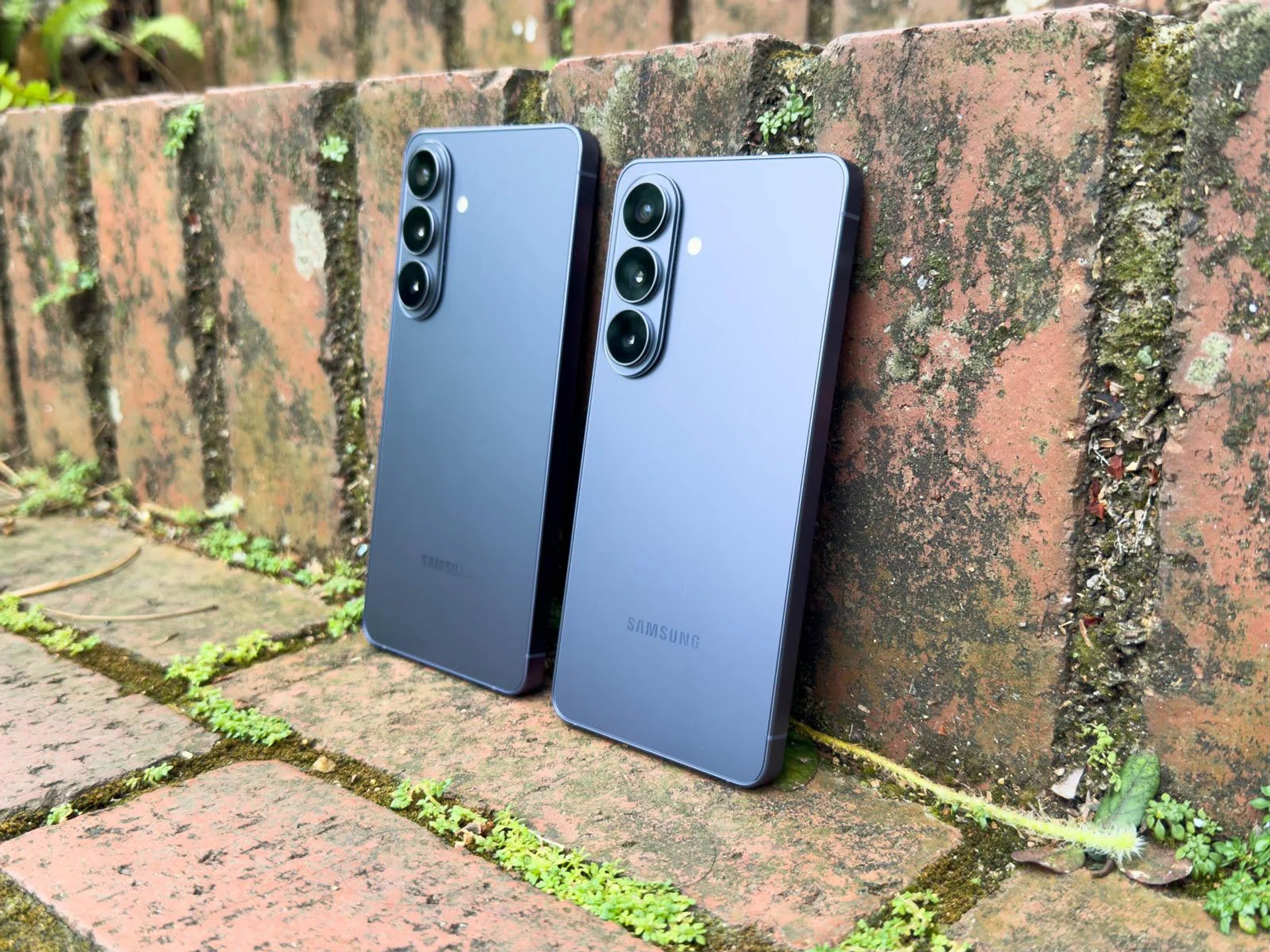
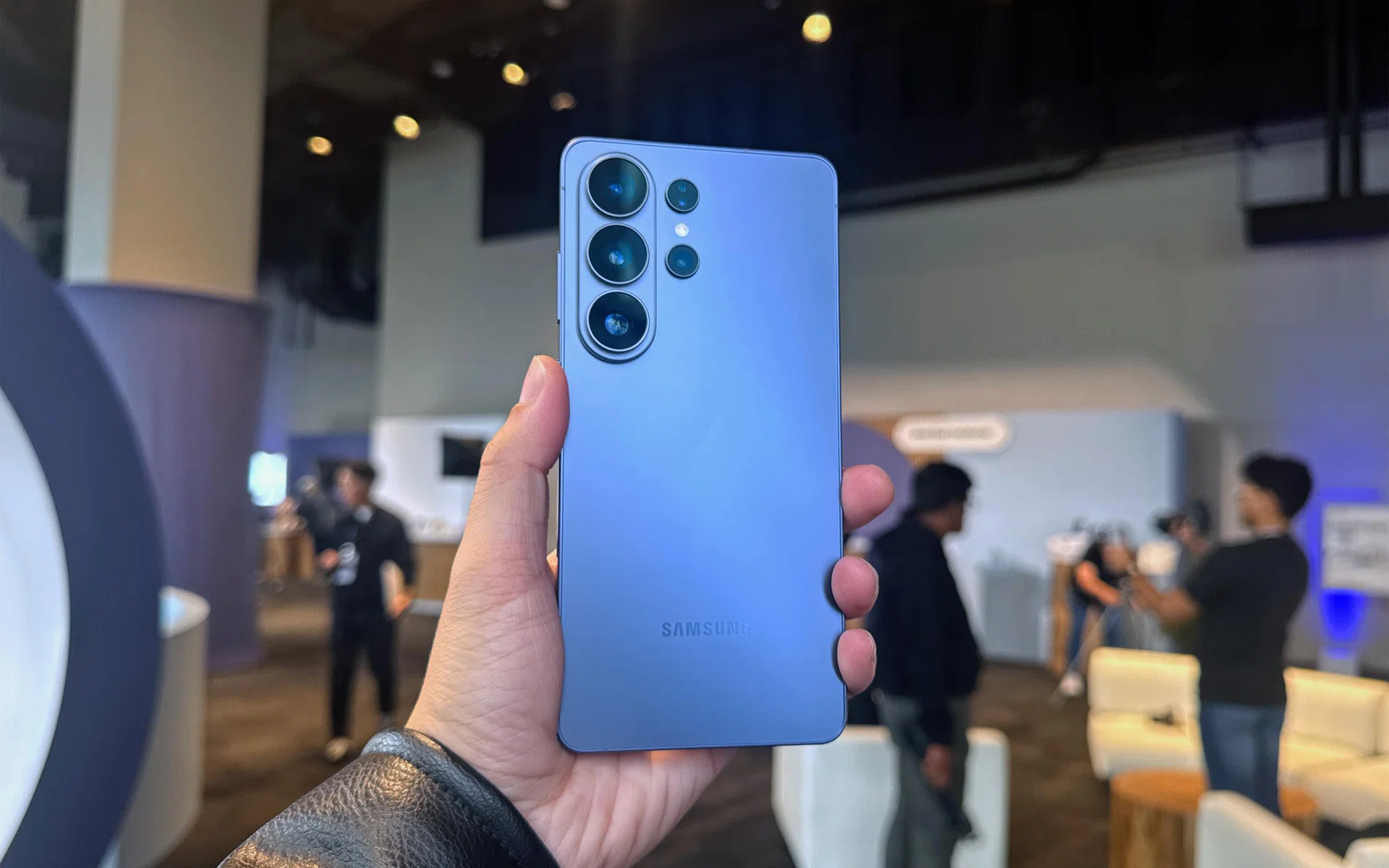
The biggest design change is their camera housing.
Photo: HWZ
Design-wise, folks who aren’t religiously following Samsung’s releases will find it hard to see what’s new. While the camera housing is consistent with the Galaxy S26 Ultra’s camera bump, they are otherwise mostly identical to their predecessors.
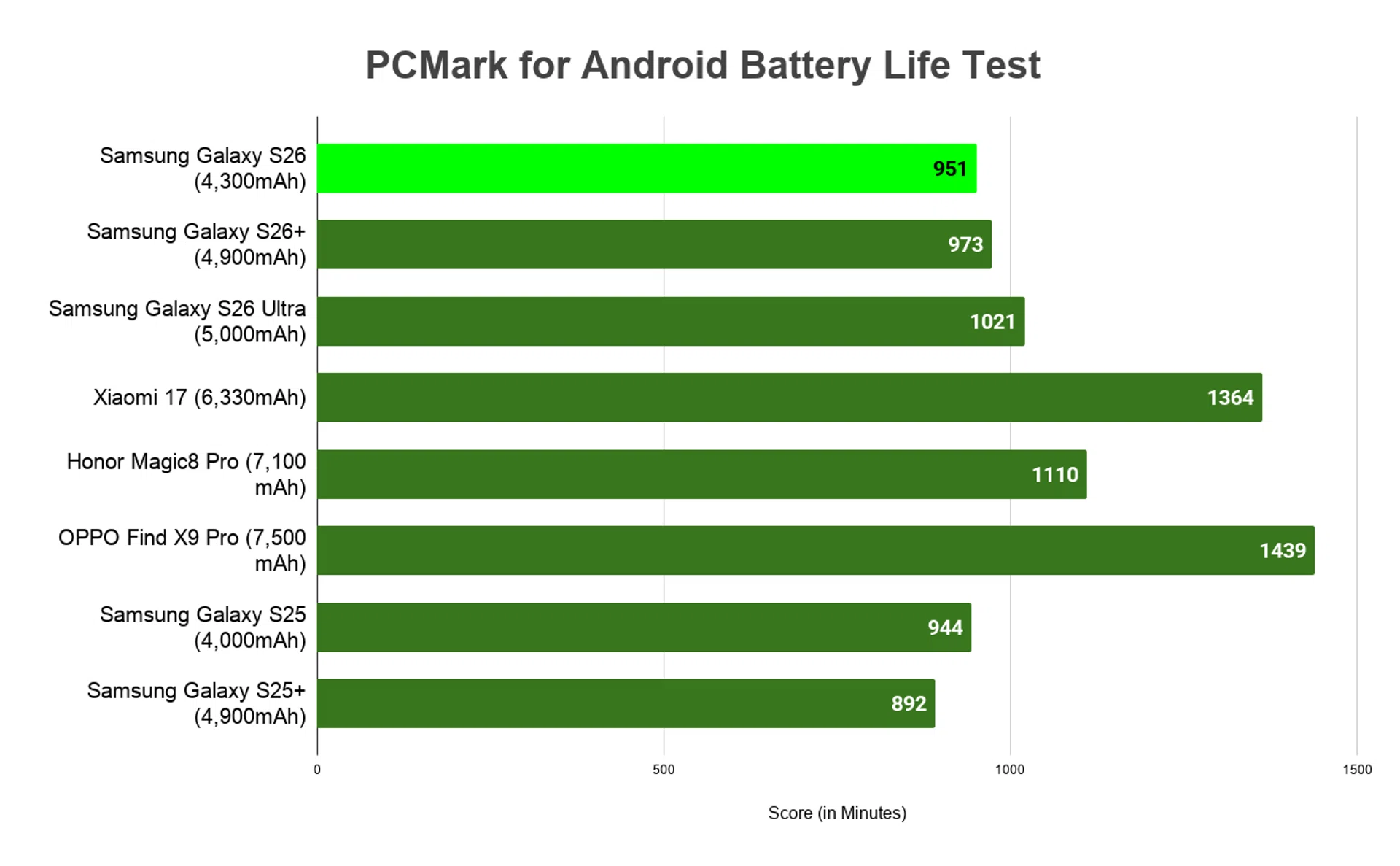
Keen-eyed users, however, would notice that the base Galaxy S26 is slightly larger and heavier than before, accommodating the slightly larger 6.3-inch display and upsized 4,300mAh battery. By contrast, the Galaxy S25 had a 6.2-inch screen and a 4,000mAh battery.
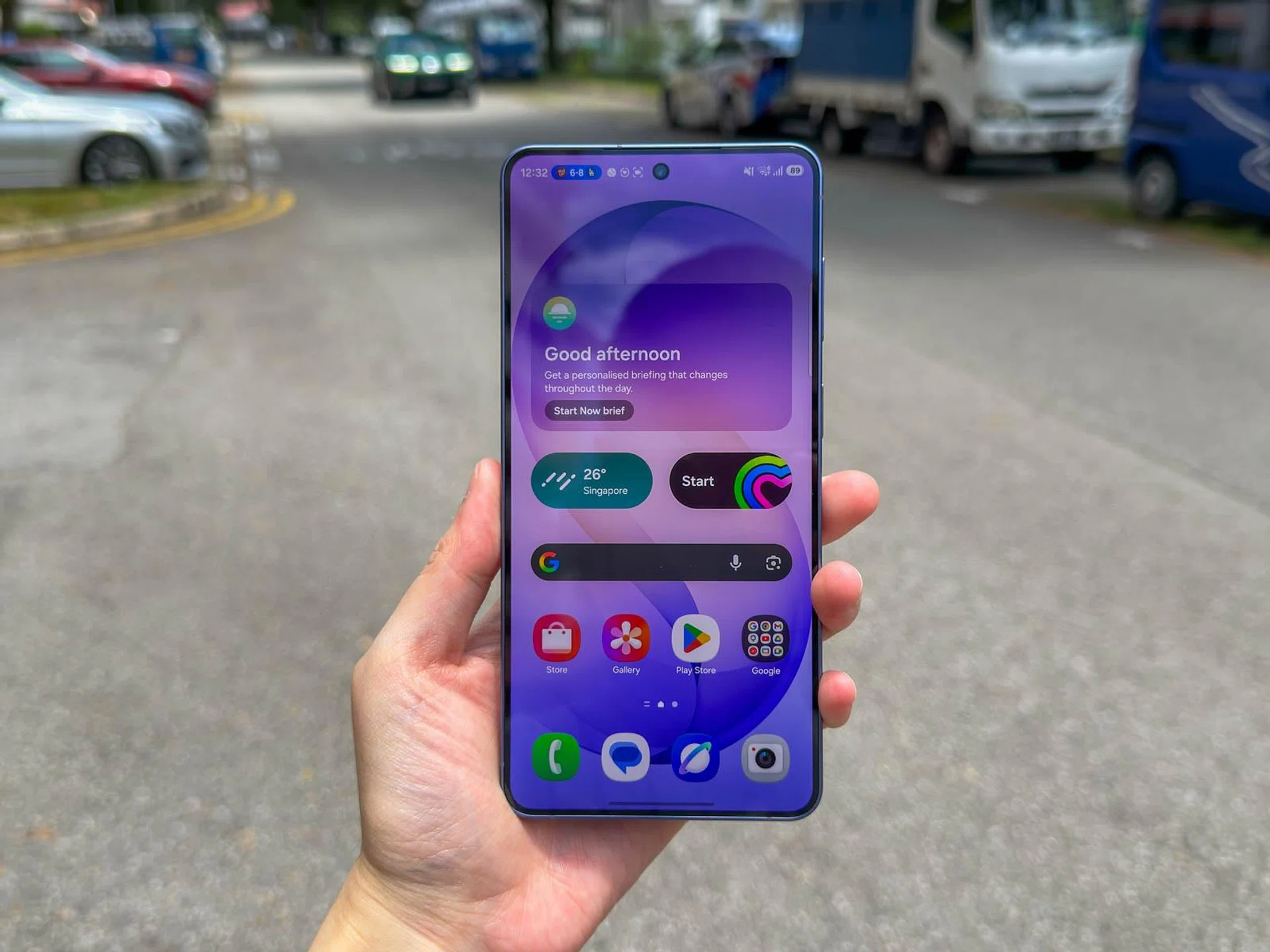
The screen is still bright and legible.
Photo: HWZ
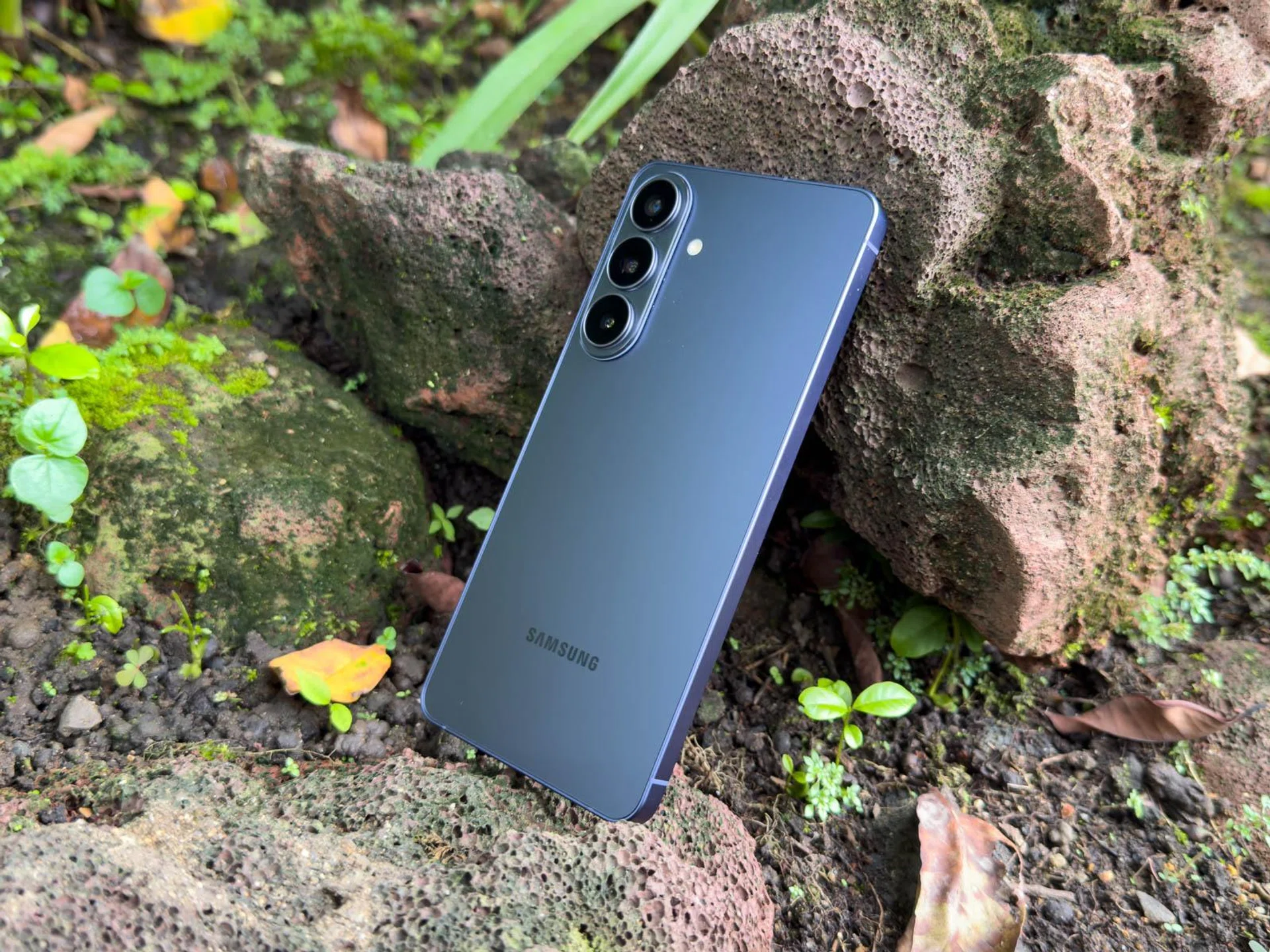
When in hand, the added heft is unnoticeable. These phones look and feel just like they did last year, with the same flat Armor Aluminum 2 metal sides and Gorilla Glass Victus 2 glass panels while also retaining their IP68 dust and water resistance rating.
Base model Samsung Galaxy S26 gets a new 6.3-inch FHD+ display, while the Galaxy S26+ retains its 6.7-inch QHD+ display. Both screens still have a peak brightness of 2,600 nits, and on-screen content is very legible under bright sunlight thanks to Samsung’s Vision Booster feature.
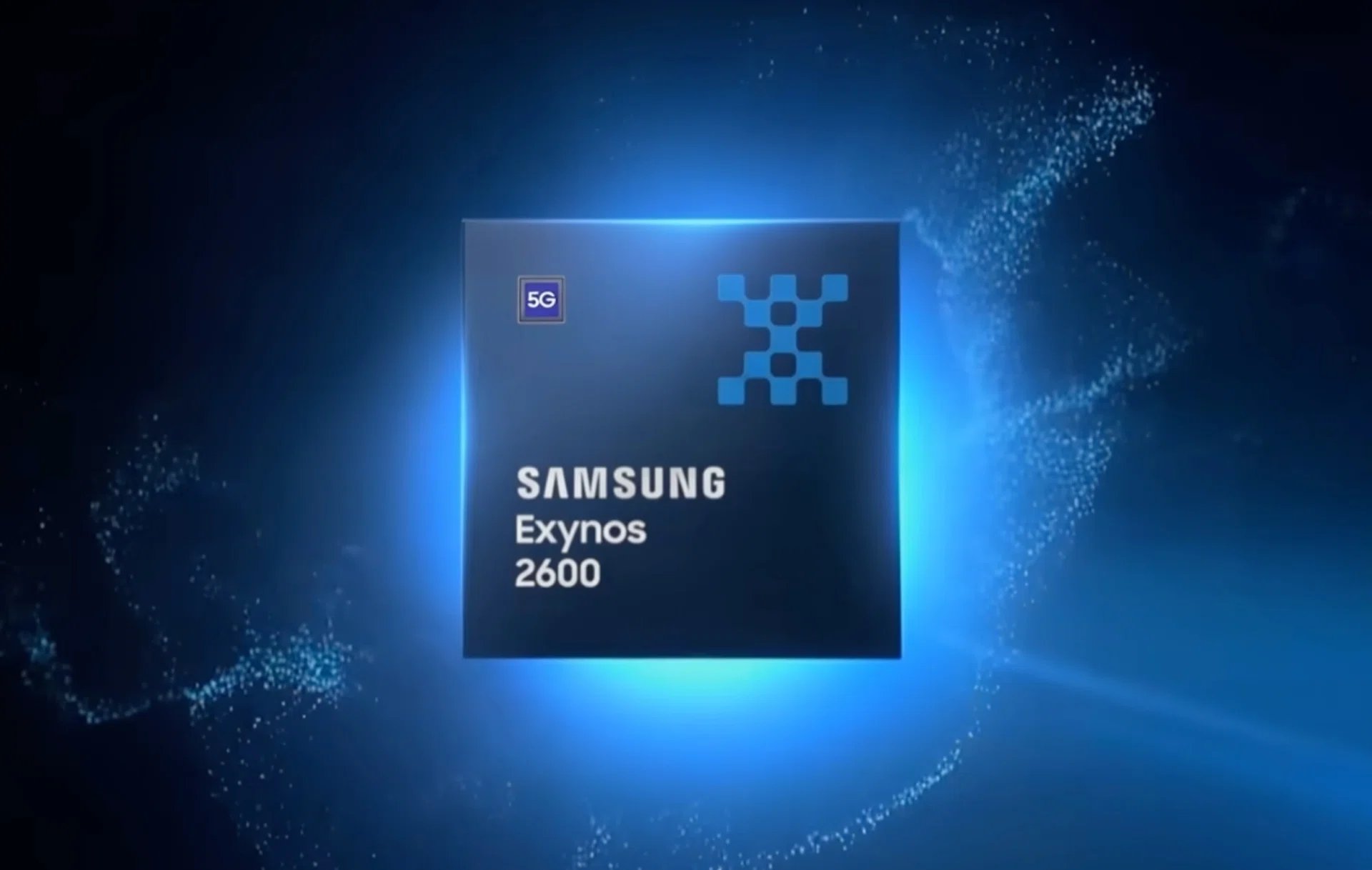
First 2nm smartphone processor in use
Photo: Samsung
When compared to the Ultra flagship model, the biggest difference is the chipset brand and choice. Samsung uses the world’s first 2nm smartphone processor, the Exynos 2600 (made by Samsung). It powers both Galaxy S26 and Galaxy S26+.
Because these Exynos chips are Samsung’s flagship processors at the time of writing, and are new, we’ll need to compare them against the likes of MediaTek Dimensity 9500 and the Qualcomm Snapdragon 8 Elite Gen 5 (more on this below).
Besides boasting one of the most modern mobile processors, the real draw is Samsung’s promise of the same seven years of software and security updates, which is one of the longest in the market.
Refinements for less AI friction
With upgrades like Now Nudge and an updated Now Brief, Samsung is focusing on tweaking its AI features to make them more useful and seamless to use on its phones. We won’t go into too much detail as we’ve carved them out here and tested others in the Samsung Galaxy S26 Ultra review.
Now Nudge is supposed to be a smart assistant living in the keyboard. It will scan what’s on the screen, then suggest actions in the Samsung Keyboard. In theory, this sounds like a great AI feature that checks whether you’re available at a certain time without opening the calendar app, saving you a step.
However, it doesn’t always work consistently, even when using Samsung Keyboard and Samsung’s native Calendar app. As with many AI tools and features on the market, the technology itself still faces teething issues, even when used for good.
Now Brief has been a simplified one-glance overview companion to check what’s coming up, as well as offering some related practical elements such as weather, audio track recommendations, mapping info for your next meeting location, and more at a glance. Whether it’s useful depends on the individual and one’s expectations. There’s a new “Get richer insights” option, where you can choose to share personal data to get more personalised content in the Now Brief. Unfortunately, those insights were nowhere near the level of help I expected.