In 2024, the inaugural Chinese Wine Awards took place in Macau. The event was the first of its kind in the city, showcasing wines produced in China judged by a panel of international experts and critics. The awards have since expanded in scale, featuring a larger panel of judges, and this year included activation events in Beijing leading up to the judging sessions and award ceremony.
For years now, Chinese labels have appeared at food fairs and international exhibitions, and occasionally featured on restaurant wine lists. But they were rarely celebrated for their own distinctive identities, nor did they have the PR budgets for significant marketing exposure. Instead, they were treated more as curiosities than wines worthy of serious consideration. The recent rise of Chinese wines – their popularity and the increasing number of international awards they have been receiving – is, however, no surprise to wine lovers and industry experts.
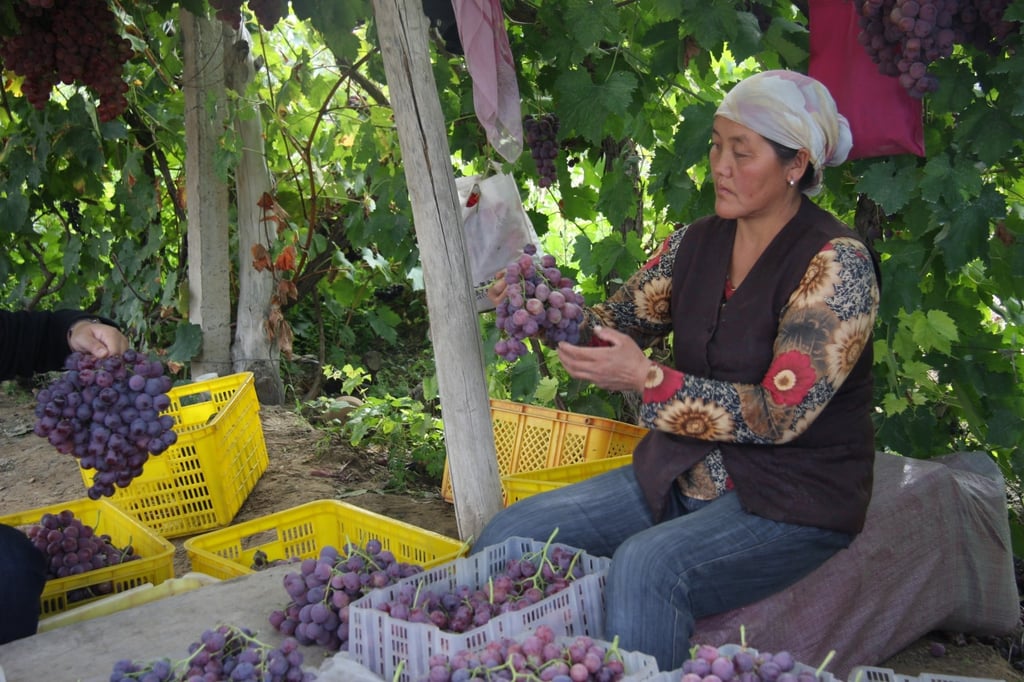
As wine has become an increasingly valuable agricultural product in China, wineries have learned that the country’s terroir and climatic elements tend to facilitate the viticulture of grapes for red wines better than for whites. Prominent varieties include Grenache, cabernet sauvignon and Marselan, a French varietal that struggled in its place of origin but flourishes in East Asia, thriving from budburst to harvest in less than six months.
However, Tam stresses that while wine lovers are certainly curious about China’s labels, the place of origin is only one (and definitely not the only) determining factor when a customer selects a particular wine.
“Guests always go back to the triangle system when selecting wines – structure, concentration and acidity. The three elements must be in balance,” he explains. “These elements rely heavily on naturally occurring factors such as terroir, rain, sun intensity and time – although human interference in winemaking can also help shape them, but not as much as the wine’s raw talent.”
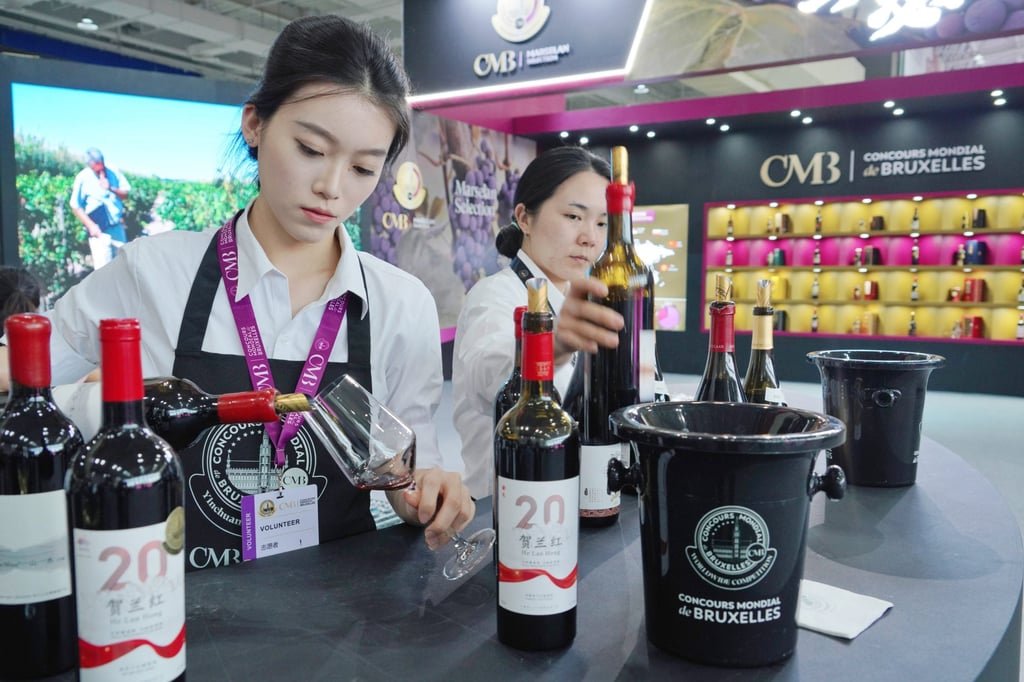
Similarly, elsewhere in Macau, sommelier Phenol Mak says interest in Chinese wines is increasing and believes it is an obvious mission for members of his profession to ensure that the city’s acclaimed restaurants – those included in the 100 Top Tables, Michelin and Black Pearl guides – engage more with native Chinese labels.
“As a sommelier, it’s not just about selling wines,” he adds. “We also maintain a consistently high curiosity for tasting new wines, in this case Chinese wines that may be under the radar. We also aim to understand our guests better and [note] the feedback from them before we officially add any wines to our wine lists.”
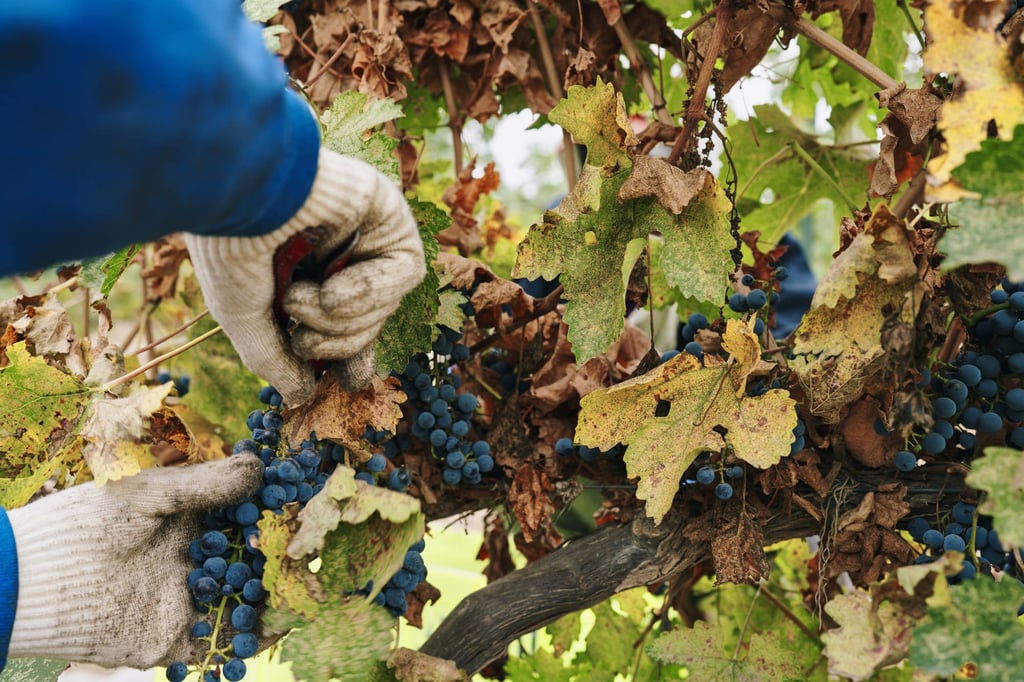
Besides notable names like Ao Yun and Long Dai, Mak says he has grown fond of Chinese labels such as Silver Heights and Starting Point, both from Ningxia, as well as Xinjiang’s Puchang and Yunnan’s Xiaoling. He considers all of them to be maisons which are raising standards and can represent modern-day winemaking in China.
Amid the rapid growth in interest in Chinese reds, Mak also points out the potential of white wines, which are starting to gain traction in the industry with a polished style and clean profile. He cites a recently listed Chardonnay from Jiangpo Village, “a small production from 2,900 metres elevation in the Shangri-La region of Yunnan, which produces only 887 bottles each year”.
Beyond restaurant consumption, the burgeoning interest in Chinese wines extends to the country’s citizens, according to Xing Wei, a wine critic and judge at the Chinese Wine Awards. He points out that the wine industry is driven largely by China’s economy. In times of economic uncertainty – like now, with the current crisis in the Middle East disrupting energy markets – wine is seen as an indulgence and less of a necessity. That has meant a recent dip in wine consumption in China but, according to Wei, this has done nothing to inhibit Chinese wines’ growing profile on the world stage.
As one of the 23 judges at the Chinese Wine Awards this year, Wei considers his mission to taste and judge wines a matter of “discovery” and appreciation of what China has to offer. Tasting between 160 and 180 wines over four days, the judging process meticulously selects winners that not only master the balance of structure, concentration and acidity but also vintages that enhance the iconic characteristics of their varietals and winemaking methods.
Hosted at Wynn, the Chinese Wine Awards play a significant role beyond the ceremony by shaping the luxury hotel’s dining events throughout the year. Wynn proactively includes award-winning Chinese wines in its dining programme to increase their exposure to guests who value quality food alongside new tasting profiles.
The annual event has proved a hit and has expanded from a live event to an entire online platform that documents every wine label in competition, each with an information page detailing flavour profile, characteristics, details on the winery, as well as notes from wine judges. It sets a precedent in profiling a large library of Chinese wines, moving beyond being a tool for a B2B industry-recognised event to become a useful reference for consumers. The enriched website is set to launch within 2026, after the third instalment of the awards.