Jennifer Si Tou, deputy director of the Macao Government Tourism Office (MGTO), describes the expansion as a deliberate effort to deepen the festival’s urban impact, and hopes it will help stimulate economic activity across the city using gastronomy not merely as spectacle but as a driver of local vitality.
It is a vision that Macau’s best restaurants are already working to realise. At Aji, inside the MGM Cotai resort, sustainability is an operating philosophy baked into every level of the business – from how the kitchen plans its purchasing to how imperfect produce is redistributed across the resort’s 22 other dining outlets rather than discarded. Last year, that philosophy earned Aji a historic distinction: it became the first restaurant in Macau to achieve the highest three-star rating by the Food Made Good Standard, a rigorous global benchmark for responsible sourcing and operations in hospitality.
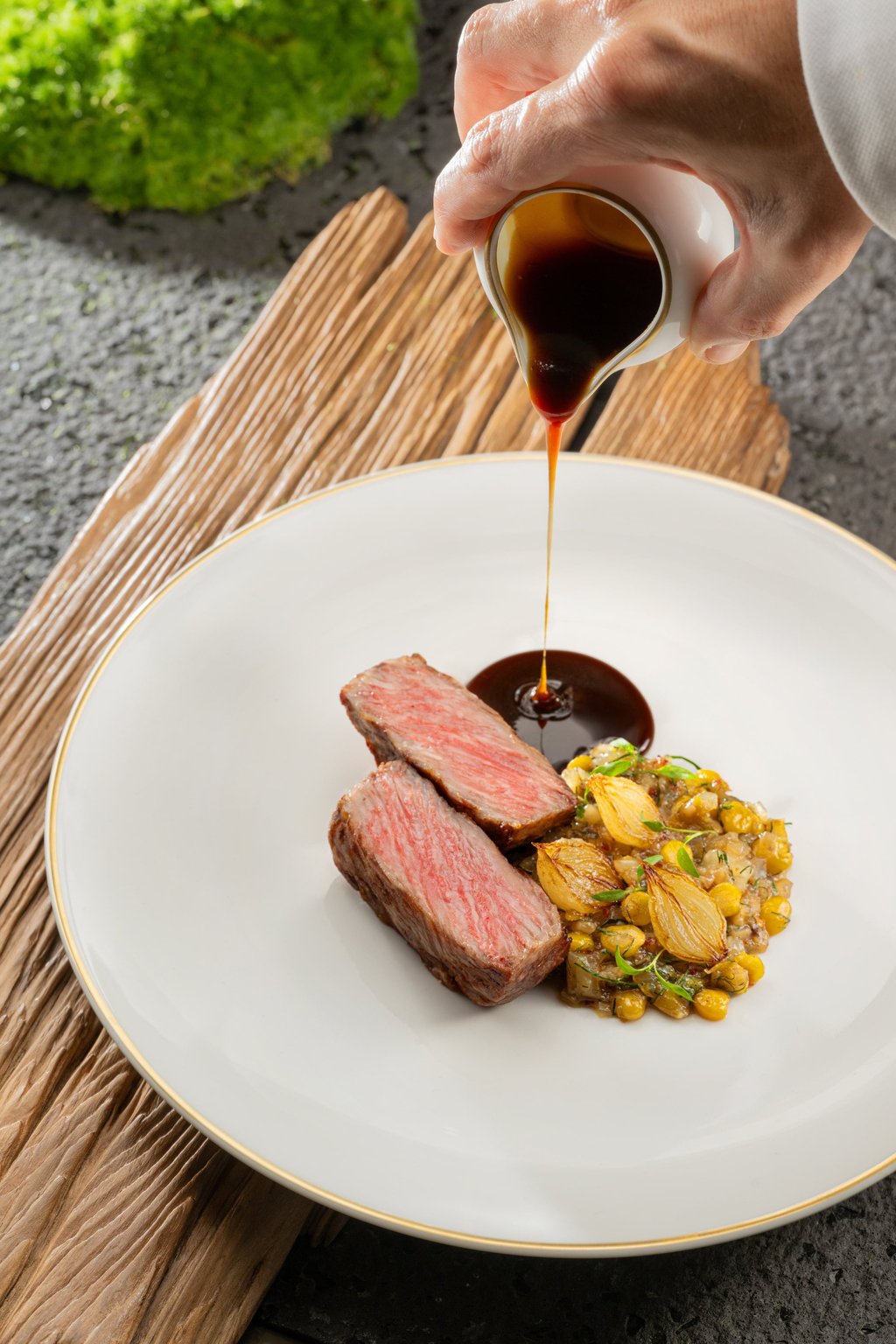
“I would say that it’s a group effort,” says Sihui Pan, executive sous chef of MGM Cotai. “It is not only about buying certain products, it’s also about how you manage your business, your supply chain, whatever ways you’re producing. We try to reach the optimum performance.”
Ruby O, assistant vice-president of sustainability and business synergy, adds, “MGM has also invested in AI and digital tools to track and trace food waste, using data-driven insights to deploy ingredients more efficiently.”
Sourcing locally in Macau presents a particular challenge – due to its small size the city produces almost zero agriculture of its own. Around 90 per cent of Aji’s vegetables and fruit come from China, predominantly from the nearest available supply. Pan is deliberate about countering the perception that regional produce is inferior to global imports. “A lot of the suppliers have been certified for good practices,” he says. “As people get more educated and sophisticated, you can see the change – even in a generic local supermarket in Macau, there is now a pesticide-free selection at an affordable price.”
O asserts that MGM dining establishments see their roles as making sustainable, high-quality regional ingredients more accessible and inclusive, as well as showcasing that luxury dining and environmental responsibility can coexist.
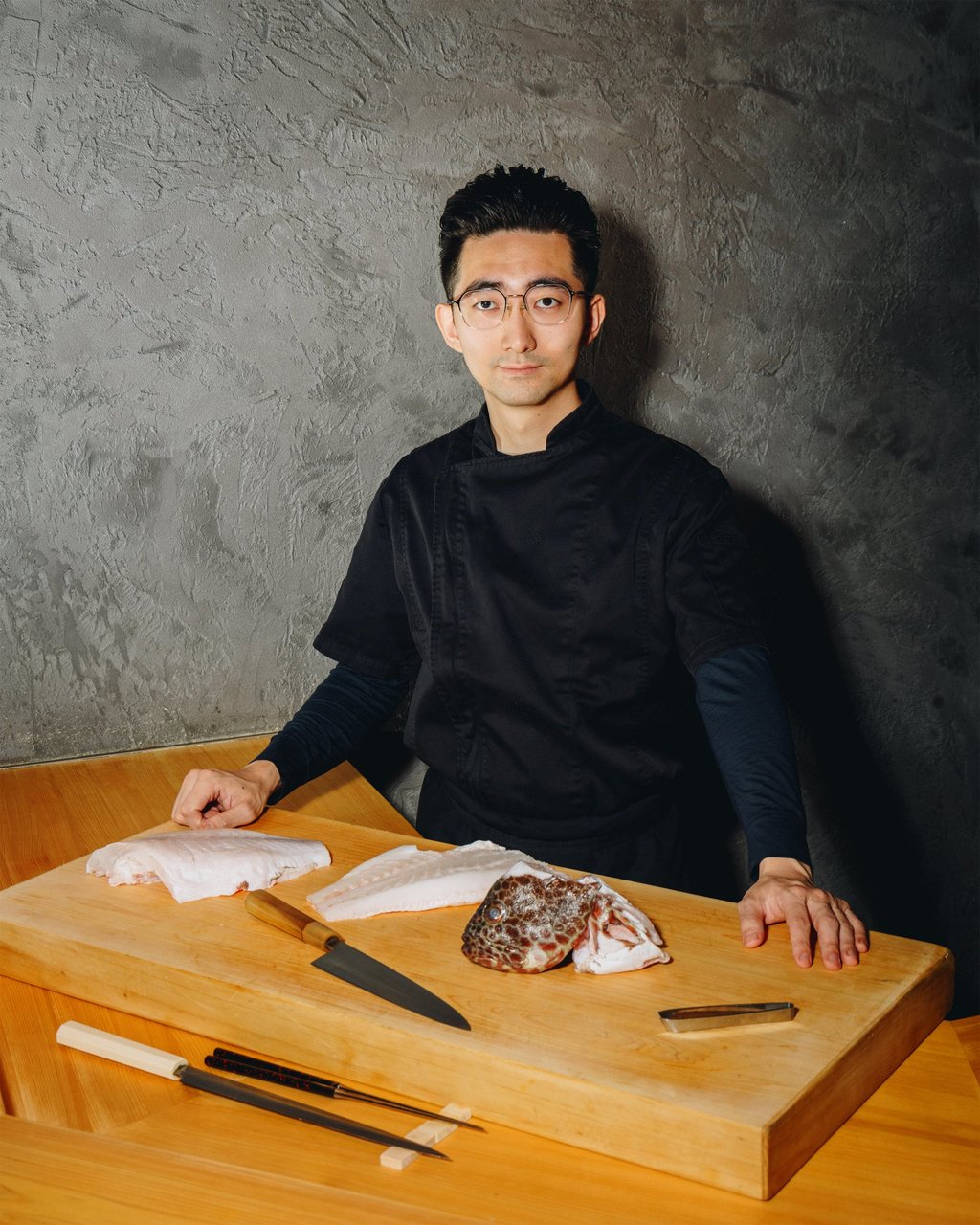
The decision is not merely a sourcing one but a philosophical reconsideration of sushi itself. Edo-mae, he notes, was originally defined by the waters of Tokyo Bay. “My aim is to interpret this essence by leveraging Hong Kong’s unique advantages, rather than blindly replicating the culinary techniques and dishes of Japan’s historical Edo period.”
Among the species Leung has championed, none has generated more enthusiasm than the fourfinger threadfin – known locally as ma yau – once considered a humble catch, now an omakase centrepiece. On one occasion, he staged an entire threadfin-themed dinner, featuring the fish in every course from appetiser to dessert. What distinguishes Hong Kong’s waters, in his view, is something seasoned connoisseurs call a distinctive “savoury fragrance” – an oil-rich depth of umami that imported fish cannot replicate.
“I believe this is a gift uniquely bestowed upon Hong Kong by nature,” he says, “and perhaps explains why locals have held seafood in such deep affection since childhood.”
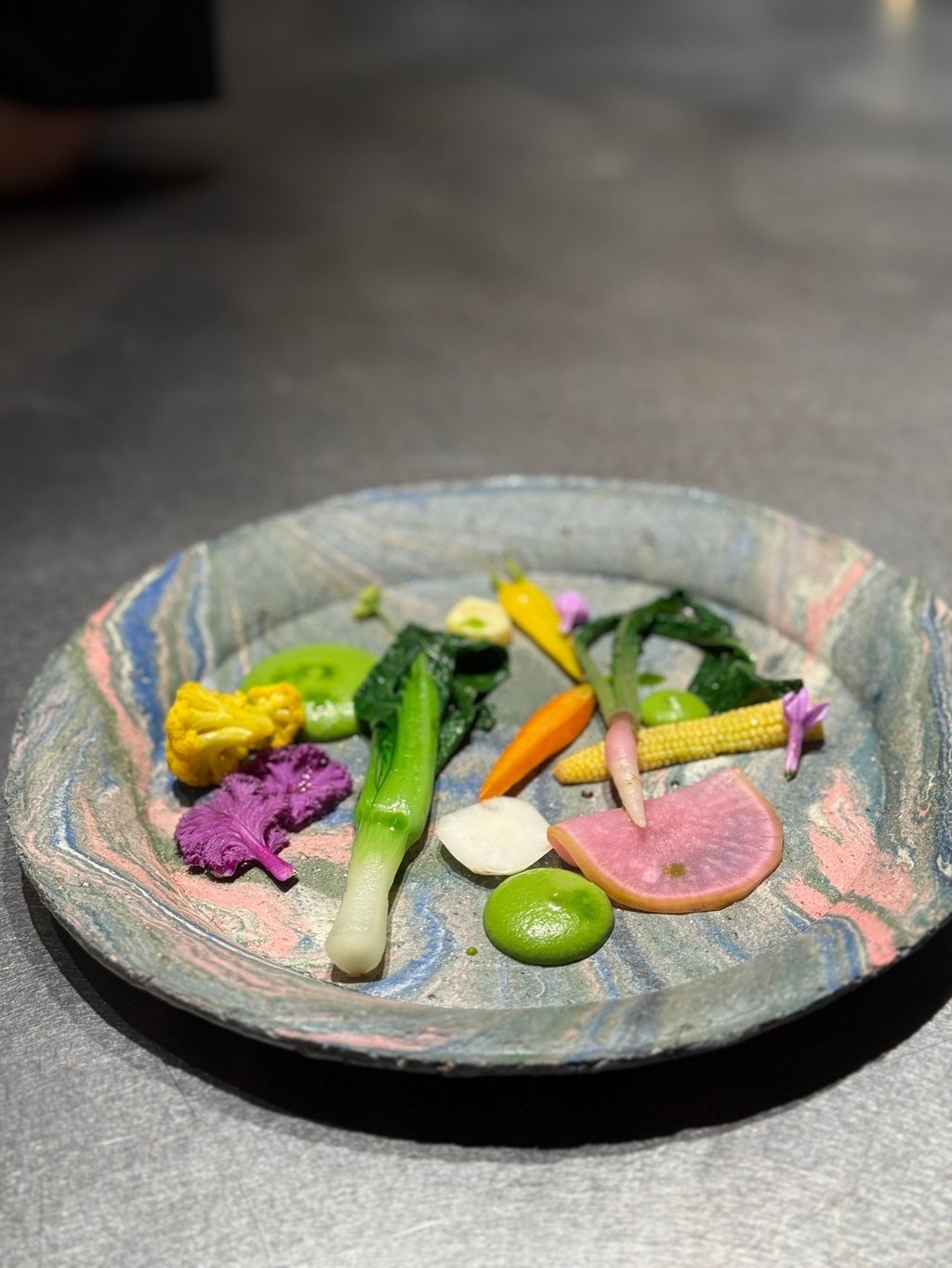
Elsewhere in the Greater Bay Area, across the border in Shenzhen – and at sister venues in Chengdu and Hangzhou – Pairedd takes on an even more ambitious project: mapping the micro-terroirs of China through a French tasting menu framework. Local Chinese ingredients account for 95 per cent of each quarterly menu.
“Fusion is never the goal itself; rather, it is a tool in service of the dish,” says Toto Zhong, brand chef of Pairedd and research and development chef of By Little Somms Group. Farms sit typically within a 30-kilometre radius of each restaurant; the team practises full utilisation of all ingredients; and regional libations, such as teas and Shaoxing yellow wine, are woven into the beverage pairing alongside wine.
Our goal is to bring more of these high-quality organic Chinese ingredients to the global stage
The relationship with producers runs deeper than procurement. Pairedd participates in seed conservation, purchasing heritage grains such as Guizhou’s Green Aroma Rice at a premium to help preserve ancient Chinese varieties. Chef teams led by Cai Wenbin, executive chef of By Little Somms Group, and Kevin Tang, chef de cuisine of Pairedd Shenzhen, conduct regular field visits to farmers and artisans to build long-term supply relationships. “Our goal is to bring more of these high-quality organic Chinese ingredients to the global stage,” they say.
What connects these restaurants – from Macau’s data-driven kitchens and zero-waste herb gardens to Hong Kong’s seafood counters and Shenzhen’s terroir-mapped menus – is a shared conviction that the most meaningful food is food that knows where it comes from. “Sustainability is not talking about one or two years,” says Pan. “It takes a generation to change. But eventually, I’m sure that we will get there.”
As the International Cities of Gastronomy Fest brings the world’s culinary attention to Macau this month, the timing feels apt. The best dishes on these menus will tell you, without a word of explanation, exactly where you are.