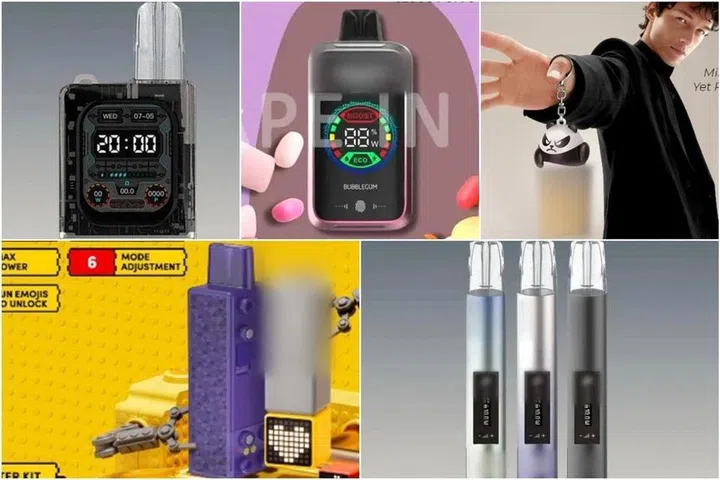
Vape peddlers are now pushing devices with Bluetooth connectivity and digital screens to entice the young to buy them as keepsakes.
Some of these vapes can even function as phones.
The Straits Times has also found that despite a clampdown, which has seen dozens of people arrested and scores of vapes and their components seized, sellers are still claiming that they have “ready stock” in Singapore.
Mr Salim, who has a son in Primary 4, said: “We parents are just learning about the dangers of vapes, and reminding our children how harmful these can be to their development.”
“Most of us are still finding it hard to tell the difference between a vape and stationery items, and now you have these new devices which are meant to look cool to the young,” added the 41-year-old, who did not want to be identified by his full name.
These new devices are harder to spot because they do not resemble traditional vapes. Some “smart” models are designed to look like and can be mistaken for everyday items, such as mobile phones.
Checks by ST showed that the Bluetooth-enabled devices, which can double as gaming machines or music players, typically sell for $90, compared with regular vapes that used to be sold on platforms like Telegram for between $16 and $30.
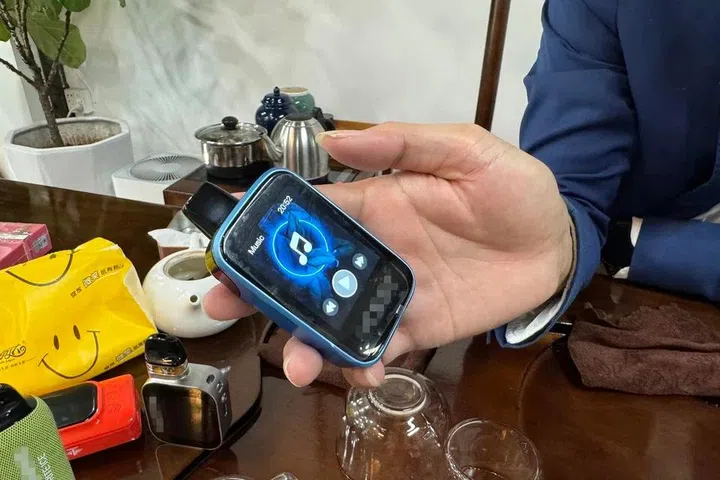
The Bluetooth-enabled devices can double as gaming machines or music players.
Photo: Michelle Ng
Some of these peddlers are also trying to allay health concerns by claiming that the smart vape devices allow users to control their nicotine hit through a touchscreen.
Experts in Britain, where vaping is not banned but regulated, are concerned that the new devices are targeting children.
In a British Medical Journal forum post in 2025, medical specialists Artur Galimov, Liam Obaid and Jennifer B. Unger warned that manufacturers are enticing the young with the “integration of smartphone-like designs and functionalities into vaping devices”.
Professor Unger, who teaches at the University of Southern California Keck School of Medicine, said the devices are combining three things that are highly reinforcing: nicotine, video games and sweet flavours. “And they are being packaged in a way that makes them feel safe, fun and even nostalgic.”
She told the Daily Express in the US: “When a vape looks like a toy and rewards you for using it, it is not just a product – it is a behavioural trap.”
In the US, the Food and Drug Administration has issued warnings to retailers and manufacturers of devices that resemble smart technology devices.
Vape producers based in Shenzhen, China, where most of the world’s vapes are manufactured, say they have been adjusting their devices to meet market demand.