As the year draws to a close, it’s only natural to pause, look back, and start peering ahead. We’ve done this exercise before, and if recent years have shown us anything, it’s that many once-speculative ideas have a habit of becoming reality faster than expected. Some trends took off exactly as predicted, others needed more time to find their footing, and a few surprised us altogether, a reminder that technology rarely moves in straight lines.
With 2026 on the horizon, the team has once again gathered its collective crystal balls to consider what comes next. This isn’t about incremental upgrades or the annual cycle of devices getting thinner, faster, or flashier. Instead, we’re looking at the broader shifts, the technologies, form factors, and ideas that could meaningfully change how we game, work, communicate, and consume content in the years ahead.
A Happy New Year everyone!
A more secure and productive Android experience
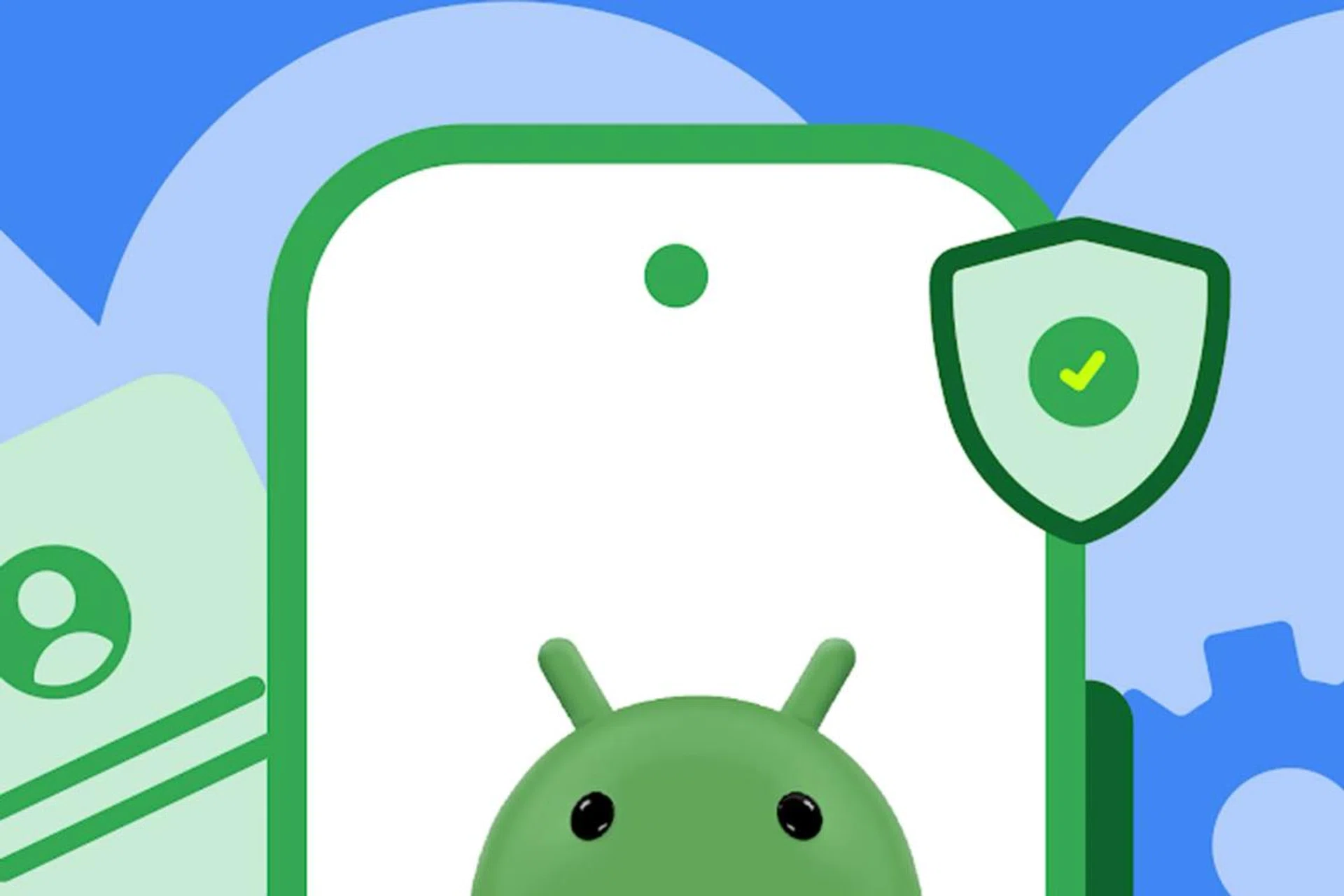
Photo: Google
Big changes are coming to Android in 2026. Developers are required to register with Google and provide app signing keys and legal information. Google anticipates that this change will help protect more users from malicious malware and scams by ensuring only apps from verified developers and sources can be installed. While it means added security for most users, it also means that anonymous APKs can’t be sideloaded onto certified Android devices, which could spell trouble for alternative app stores.
The upside is that users are less likely to fall prey to links forwarded through messaging apps, where such scams are most likely to occur, since one is likely to trust info/links from known contacts. Meanwhile, for those of us who diligently update from Google’s Play Store or via your phone brand’s app store, this shouldn’t pose too much of a change since they already require developer verification.
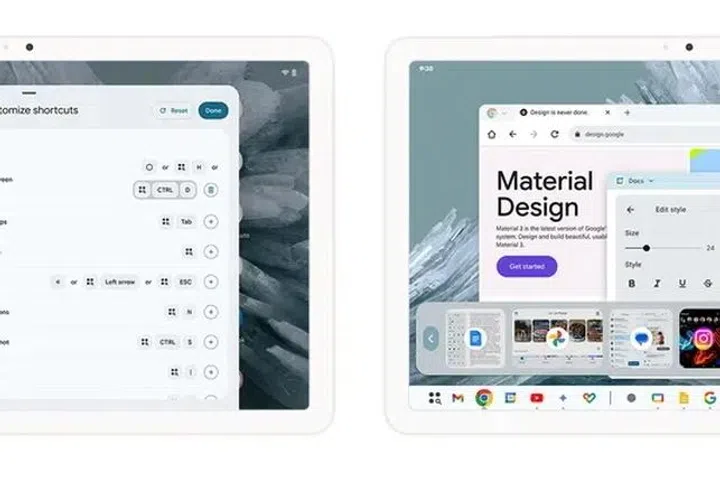
Photo: Google
Android’s “Desktop Mode“ is also set to get an upgrade, with the feature possibly coming to even more phones in 2026. It’s currently only available for Pixel phones running the QPR beta version of Android 16 with developer options enabled, so it’s still not quite ready for primetime, but we’re excited about the possibilities when it’s finally officially released.
Smart glasses set to enter the mainstream market
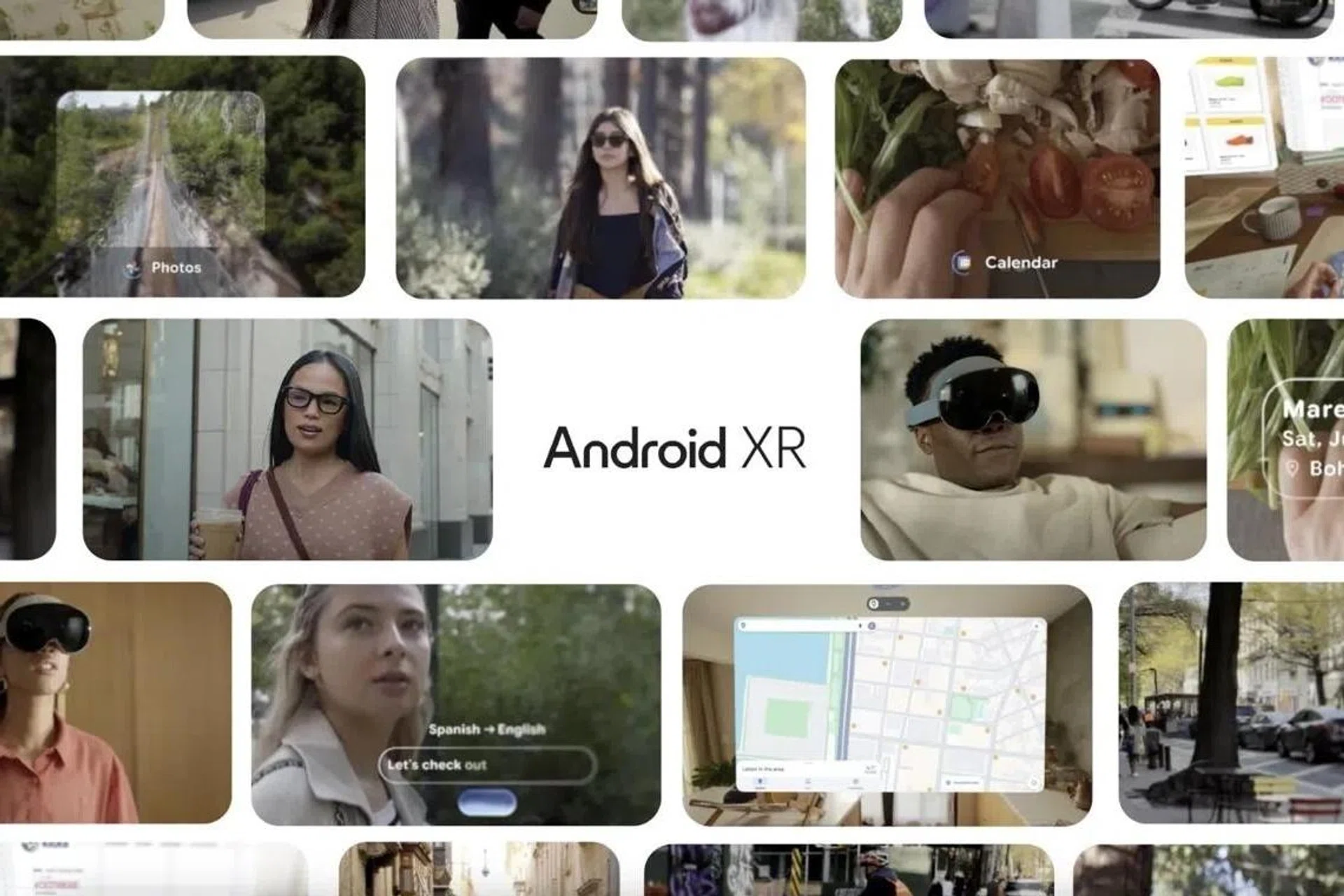
Photo: Google
With Meta having recently released the Meta Ray-Ban Display glasses, the smart glasses industry is set to really heat up in 2026. This is particularly exciting since smart glasses are a more discreet way of being able to interact with our surroundings and display information without looking like we’re wearing oversized ski goggles on our heads. From being able to utilise built-in cameras to translate menus and signs in different languages to having displays that can display navigation directions and more, smart glasses are going to be a product category to watch in the new year.
We’ve been hearing rumours about Samsung’s upcoming smart glasses, which are said to be powered by Gemini and will offer features like a built-in camera. Samsung is collaborating with Google on these, along with Warby Parker and Gentle Monster. Then there’s the wired smart glasses, Project Aura, from Xreal, which will be available in 2026. Xreal has a track record of delivering great AR glasses, so we’re expecting a polished product here.
Apple has also long been rumoured to be working on a pair of smart glasses, which would be an exciting development for Apple users since there are rumours that it could finally be coming to fruition in 2026. Apple already has experience with custom prescription lenses, thanks to the Apple Vision Pro headset, so it could be a more inclusive product than the Meta Ray-Ban Display, which only allows for a prescription range of -4.00 to +4.00.
Big changes to the iPhone
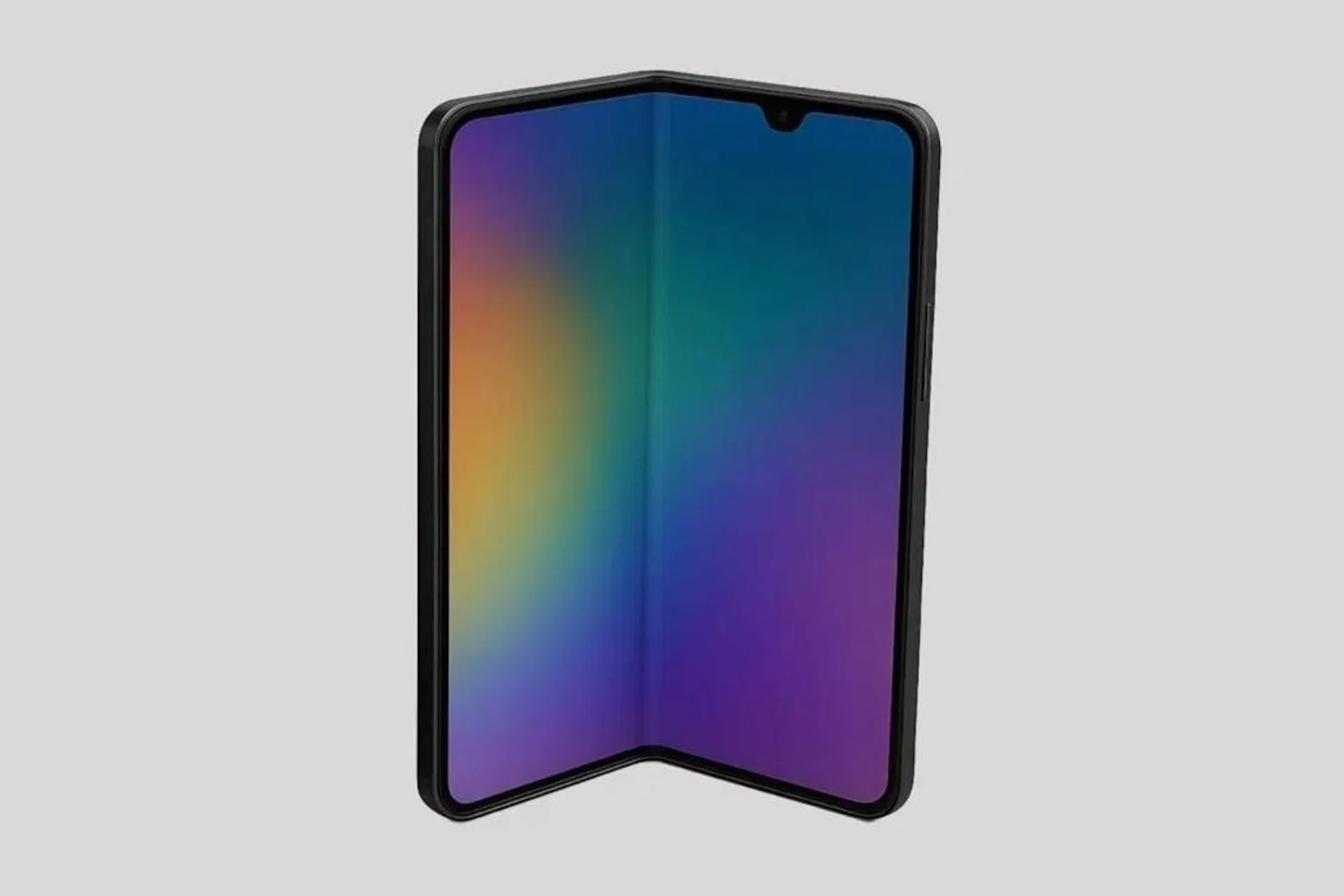
It’s hard to predict Apple’s plans, but if the rumours are right, big changes will be coming to the iPhone this year.
To start, we have the highly anticipated foldable iPhone. Rumoured to be called the iPhone Ultra, this will be Apple’s first foldable phone. Word on the street is that the star of this product will be Apple’s revolutionary hinge, which will supposedly make the crease of the foldable display almost invisible.
It could also be smaller than expected. The latest rumours say its cover display will be around 5.4 inches when folded, which makes it roughly the same size as the discontinued iPhone 13 mini. And when unfolded, the display is expected to measure around 7.6 inches. Not only do these figures make it smaller than rivals from Samsung and Huawei, but it also means it will have a 4:3 aspect ratio and a more book-like form factor.