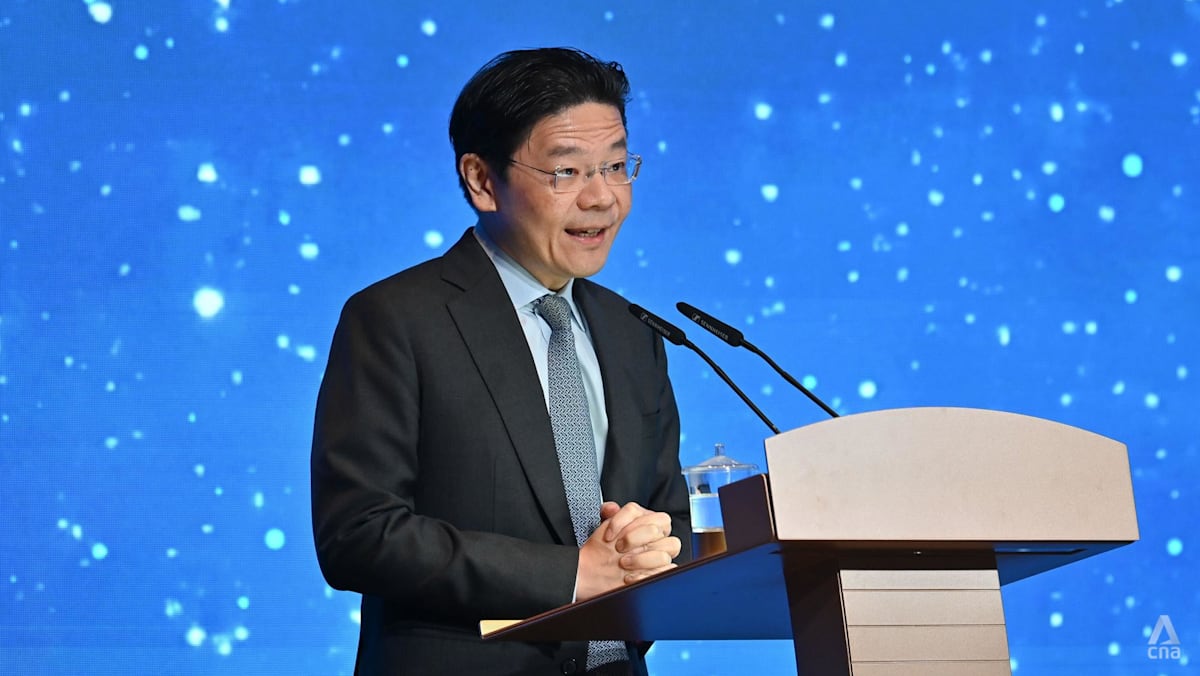
SINGAPORE: Price controls may benefit consumers at first, but suppliers may have less incentive to produce or invest over time, Prime Minister Lawrence Wong said on Wednesday (Sep 30).
Speaking at the Economist Service’s 25th anniversary dinner, he said the immediate effects of holding prices artificially low can look attractive, but the costs often emerge only later.
“Supply will fall short of demand, shortages will emerge and the original problem becomes even harder to solve,” he added, citing rent controls that discourage the supply of rental units and food price caps that lead to shortages.
Costs can also surface in other ways – fiscal burdens can accumulate, investments can move elsewhere and people find ways around the rules, said Mr Wong, who is also the finance minister.
The Singapore government intervenes in many areas to correct market failures, pool risks and achieve “important objectives”, he added.
“But precisely because government intervenes, we need to intervene correctly.
“We have to diagnose the problem well, understand the incentives we are creating, recognise the costs and trade-offs, and think through the second- and third-order consequences,” he said.
Mr Wong said maintaining this discipline is one of the most important responsibilities of the Economist Service.
Read Full Article At Source