Meta’s wants to put AI technology on your face

Meta’s wants to put AI technology on your face


Meta made a slew of hardware and AI announcements at last week’s Meta Connect 2026, but there was one fairly obvious takeaway from the event: the social media giant wants us to wear more of its technology on our faces.

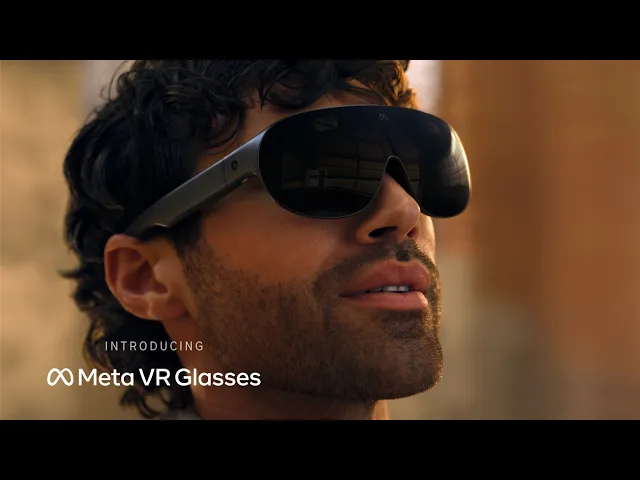
That includes new Meta and Ray-Ban AI glasses available in Singapore now, the arrival of the Muse personal AI agent on existing glasses, and a new pair of Meta VR Glasses that promises much of the experience of a typical VR headset but weighing just about 100g.

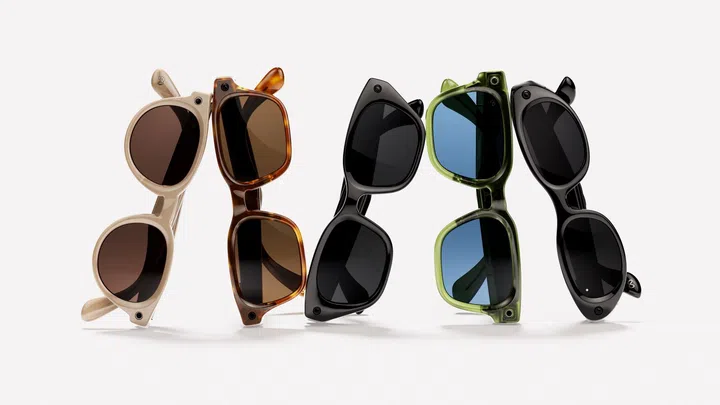
For us Singaporeans, however, the most interesting part of the announcement has got to be the expanded Meta Glasses collection (not to be confused with the Ray-Bans). Prices start at $349, with new Capri and Nova frame styles joining the existing models, along with more combinations of frames, lenses and cases.

The Meta Adventurer Lisa Edition.

The Meta Adventurer Lisa Edition.

Photo: Meta

Meta is also tapping into the popularity of Blackpink’s Lisa with two special-edition designs (the super K-pop star also just announced a PlayStation collaboration). The Meta Adventurer Lisa Edition comes in a Moonlit Sky frame with Blush lenses, while the Meta Capri Lisa Edition is an Eclipse cat-eye frame with grey lenses. Prices start at $559.
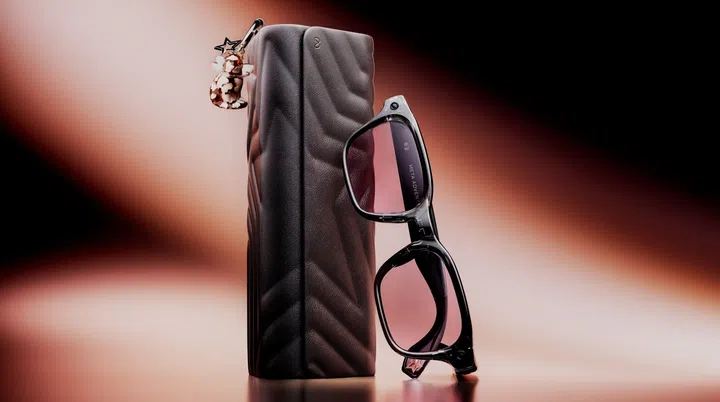
Lisa Edition Meta glasses pouch

The Lisa Edition Meta glasses comes with matching pouches too.

Photo: Meta

The new Gen3 Ray-Ban Meta glasses are also available in Singapore now, starting at S$669. They are offered in Wayfarer, Aviator and Zena styles. If you already own a Gen2 Ray-Ban Meta glasses, fret not – the improvements in the newer models may not be worth swapping over for. They are now a sliver slimmer and designed to be more comfortable, while battery life has increased to as much as nine hours – one hour more than the Gen2 glasses. A new six-microphone array is claimed to reduce over 90% of background noise during calls and voice commands, and there is now a customisable action button that can provide quicker access to Meta AI.

The Gen3 Ray-Bans still uses a 12-megapixel camera but can now record 3K Ultra HD video. Meta says its new Dynamic Photos feature will also let users choose the most suitable frame from a captured moment. As before, an outward-facing LED lights up when photos or videos are being recorded, although that’s not going to settle the privacy concerns surrounding camera-equipped glasses.
Meta’s Muse

Meta is improving Muse to work on longer tasks for its AI glasses.
The above hardware announcements may have been the centre of the announcements, but Muse could turn out to be the more important part of Meta’s strategy.

For the uninitiated, Muse is Meta’s personal AI agent, and now it is being developed to do more than answer queries. Meta is improving it to work on longer tasks, such as planning a workout, logging meals, comparing flight prices, making an appointment or finding a product that a Meta glass wearer is looking at by calling it out – this can be a movie poster, an item or a shop shelf or even a shopping list.

Meta is also adding connections to shopping, travel and productivity services, including Shopify, PayPal, Expedia, Instacart, Notion, GitHub and Box. Muse will even receive its own e-mail address, allowing it to communicate and complete certain tasks on the user’s behalf.

The key question remains, of course: Are you comfortable enough to allow an AI agent to see through your smart glasses, access connected services and act on your behalf?

Meta VR Glass

Meet the new Meta VR Glass.

Photo: Meta

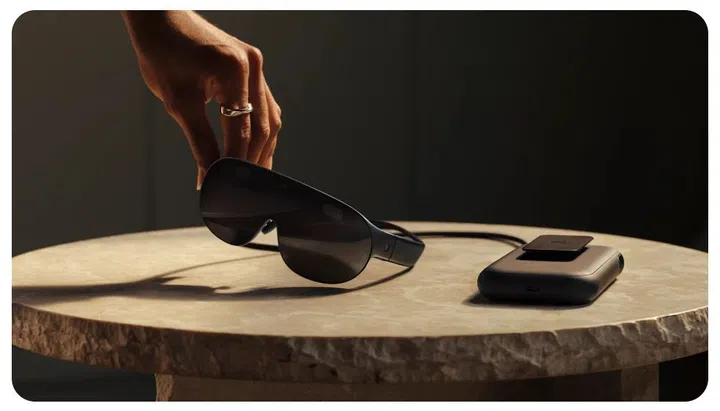
The most interesting hardware shown at Connect was arguably the new Meta VR Glasses, which are scheduled to arrive in spring 2027. Singapore pricing has not been announced, but they will sell for US$1,299.99 in the US.

Unlike the company’s current Quest headsets, the Meta VR Glasses look closer to a thick pair of regular glasses and are relatively light at 100g – unlike a heavy and bulky VR headset. According to Meta, that’s five times lighter than the Quest 3.

Seeya Technology and BOE

Meta VR Glass will be using micro-OLED panels supplied by both Seeya Technology and BOE.

Image: Meta

Inside the glasses is what Meta calls a 5K Infinite Display, built around micro-OLED panels from Seeya Technology and BOE. Dolby Vision and Dolby Atmos are supported, while full-colour passthrough and open sides should allow most wearers to be aware of their environments. The system also uses Qualcomm’s Snapdragon Reality Elite processor, with the puck providing up to three hours of high-resolution media playback and supporting 45W charging.

Meta is positioning the device as more than just a gaming hardware. Some of the use cases it showed include creating a private multi-screen workspace, turning a flat surface into a virtual keyboard and touchpad, and making hologram calls through services such as WhatsApp and Zoom. It will also be the first IMAX Enhanced-certified VR device, with support for 3D movies and immersive sports broadcasts.

Gaming will still be a significant part of the experience. More than 75 games supporting hand-only controls are planned for launch, while Xbox Cloud Gaming will provide access to hundreds more games. Beat Saber will receive what Meta describes as its largest update in spring 2027. The update introduces Flux, a new mode built around hand tracking, together with 35 songs, a refreshed campaign and the game’s first progression and rewards system. The entire game will also become playable without controllers.

Ray-Ban Meta Audio is coming later

Ray-Ban Meta Audio

The Ray-Ban Meta Audio do not come with a camera.

Photo: Meta

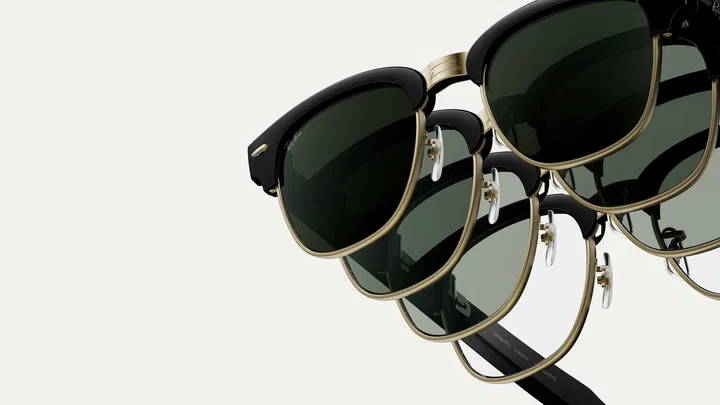
Meta also announced the Ray-Ban Meta Audio, its first AI glasses built primarily around open-ear audio. Weighing 43g, the glasses combine speakers, microphones and Meta AI with up to 12 hours of battery life. The included charging case will add another 48 hours. These will be sold in Clubmaster and Burbank styles.

Singapore pricing and availability have not been confirmed, although Meta says they are coming soon.

My main takeaway from Connect 2026 is that Meta now sees smart glasses as core to its broader AI strategy. By the end of the year, the company expects to offer more than 100 variations across Ray-Ban, Oakley and its own Meta Glasses range. Meta’s idea of the next computing platform is an “ordinary” pair of glasses, but the challenge is convincing people that having this much Meta technology sitting on their faces is safe and useful enough to justify the trade-off.


Read Full Article At Source

Share. Save. Don't Miss The Buzz: XFacebookRedditLINETelegramWhatsAppGmail

Leave a Reply