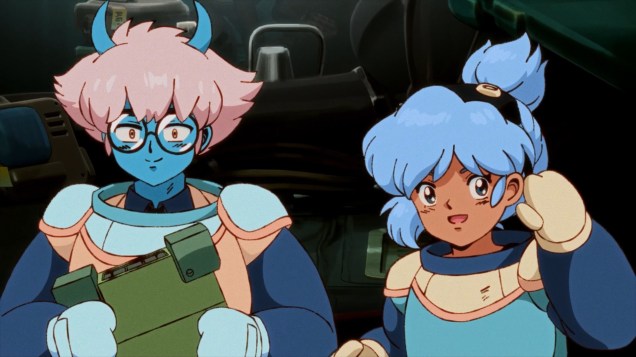
Something core to Orbitals stuck out to me as I played the Switch 2 exclusive. Compared to the similar co-op games from Hazelight Studios, the major difference in Shapefarm’s two-player 3D platformer was that the two main characters, Maki and Omura, actually seemed to enjoy each other’s company.
While that might seem like an inconsequential detail, it was actually a breath of fresh air after sitting through Hazelight’s co-op hits A Way Out, It Takes Two, and Split Fiction, which all centered on troubled, angsty, and often-combative protagonists. Hazelight’s games blazed a path for Orbitals, refining a template of required two-player cooperative play, forced split-screen, and puzzles and action sequences that emphasize teamwork. While the Hazelight inspiration was clear in Orbitals (the game director is even a Hazelight alumnus), Shapefarm’s contribution to the genre contains a warmth and affability that better represent the spirit of what a cooperative game can be.
For better or worse, Orbitals doesn’t bog you down with the backstories of Maki and Omura. It’s clear from the game’s opening that they’ve known one another since they were children, living together on a space station ravaged by a cosmic storm. The dual protagonists are basically blank slates with little motivation outside of their drive to save themselves and everyone on the station. And while that left a little to be desired in terms of history and lore, that minimalist approach ultimately served the gameplay experience.

Maki and Omura may appear shallow on the surface, compared to the likes of escaped prisoners Vincent and Leo from A Way Out or soon-to-be divorcees Cody and May in It Takes Two, but the magic of Orbitals shows in dialogue. Through the 6-7 hours of the game, the duo imbues the story with infectious positive energy, bantering the same way long-time childhood friends would. They trade jabs, and players can actively spray water or shoot a metal claw at one another, with the characters reacting with playful mock-threats.
