Poco F9 Ultra – Flagship… killer?
It’s hard to forget Poco’s claim to fame, the Pocophone F1 (S$499, 256GB). That 2018 flagship-killer phone took the mobile world by storm because it was so affordable. Back then, it was up against flagship phones residing in the ~S$1,000 band, making it a true flagship killer.
A S$1,000 flagship is anachronistic by today’s standards, no thanks to the combined forces of inflation, component shortages, and broader supply-chain turmoil that have driven prices up over the past few years. Today’s affordable, yet powerful phones are not sparred.
This brings us to the S$1,199 Poco F9 Ultra, which faces off against today’s S$1,800+ ‘Ultra’ class phones (here’s a good summary of what Singapore currently has to offer).
While this option by Xiaomi’s sub-brand may be more cost-friendly than its peers, it’s still weighed down by pricing creep. What does an alleged killer of flagship rival phones look like in 2026? Here’s what we make of the F9 Ultra’s modus operandi.
Design, display, and audio features of the Poco F9 Ultra
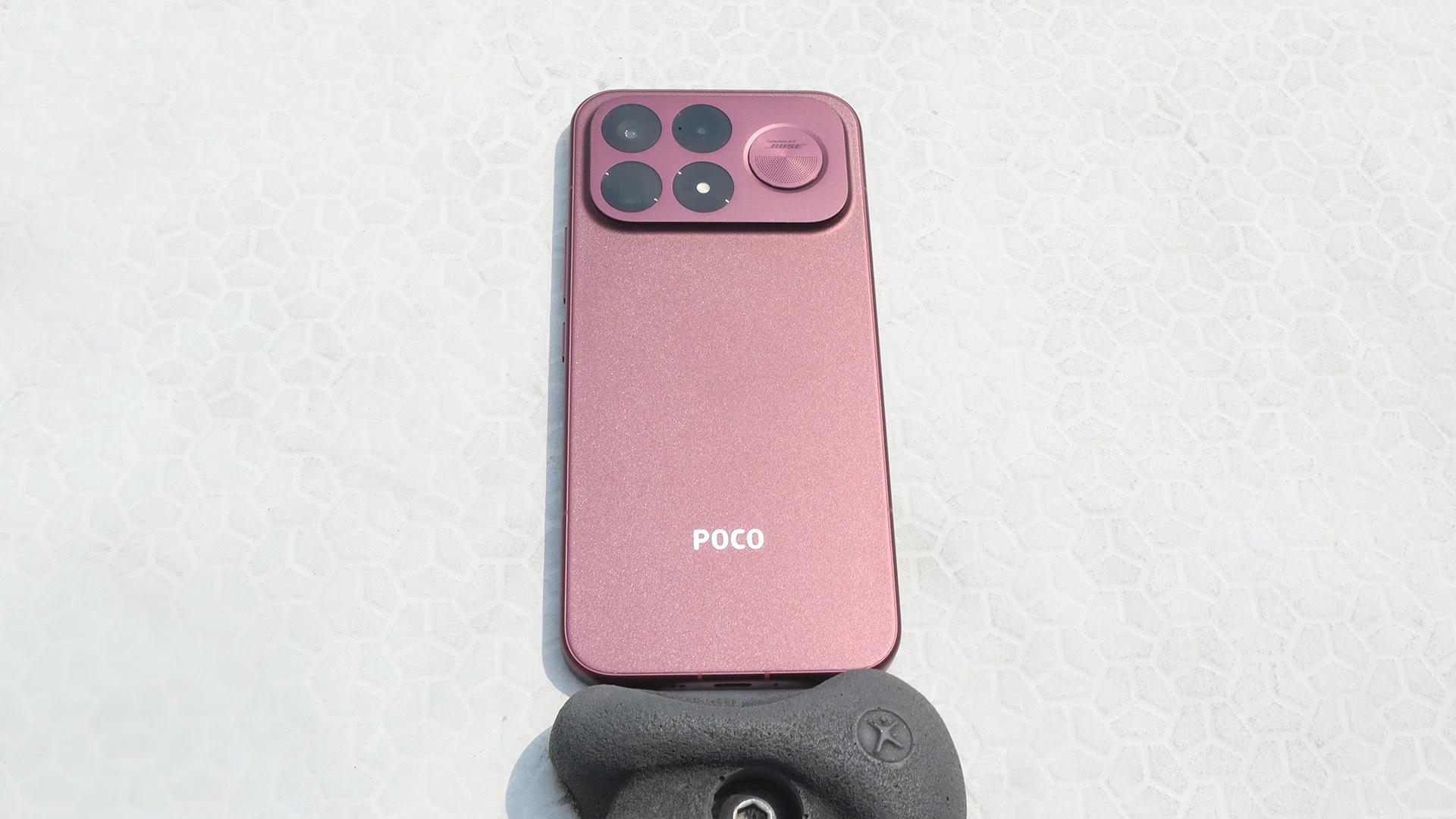
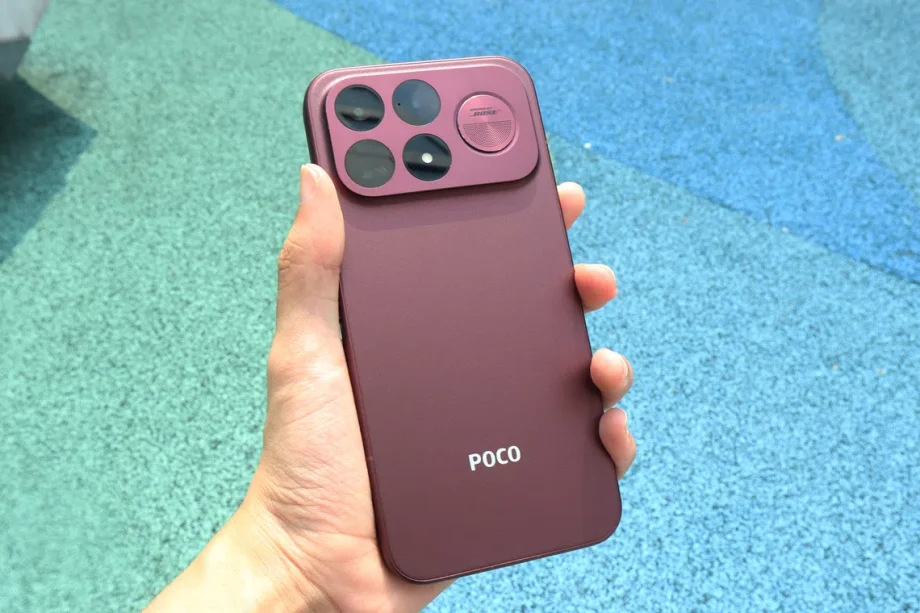
The F9 Ultra looks pretty similar to the F8 Ultra, with some subtle differences.
Photo: HWZ
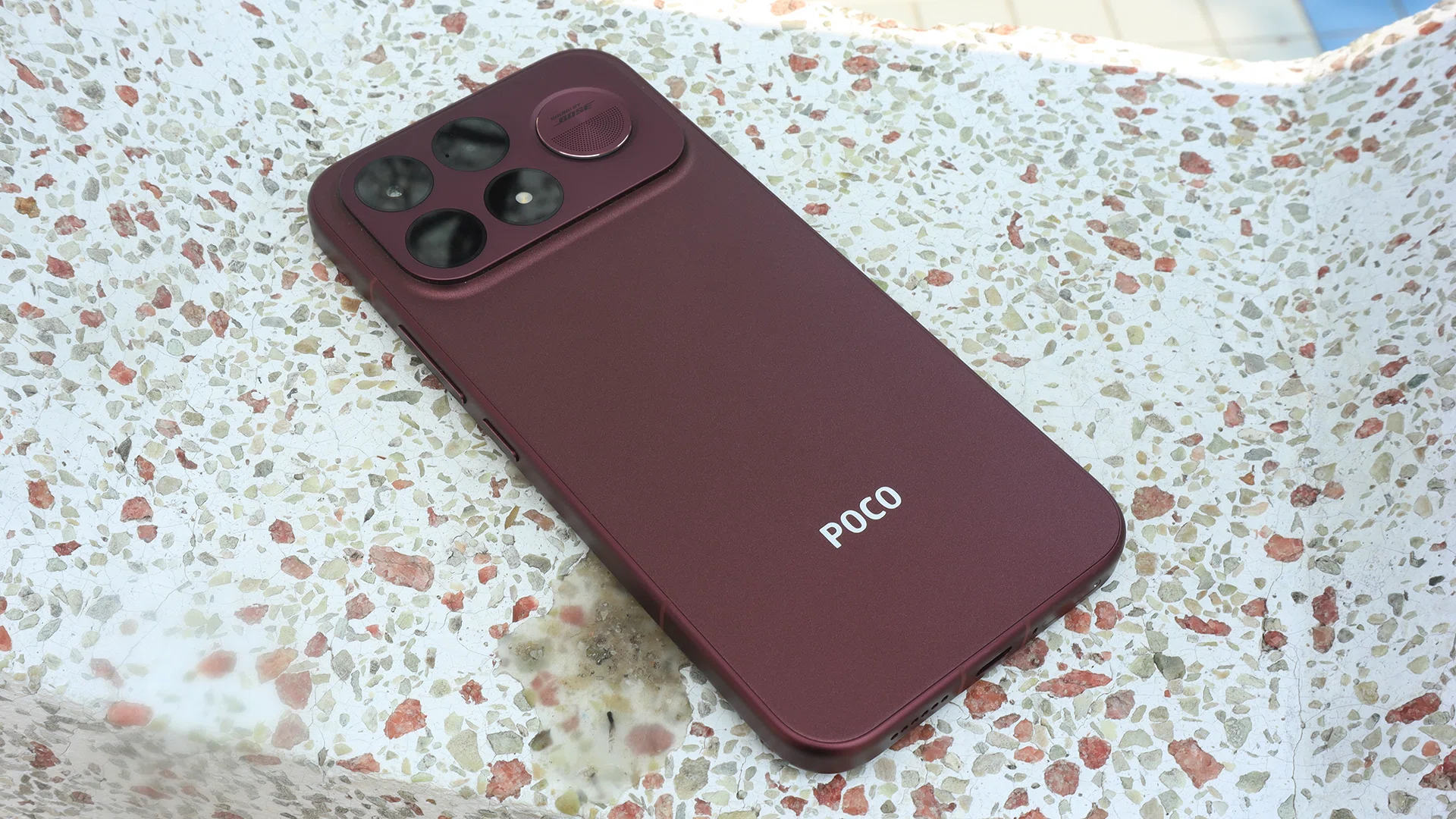
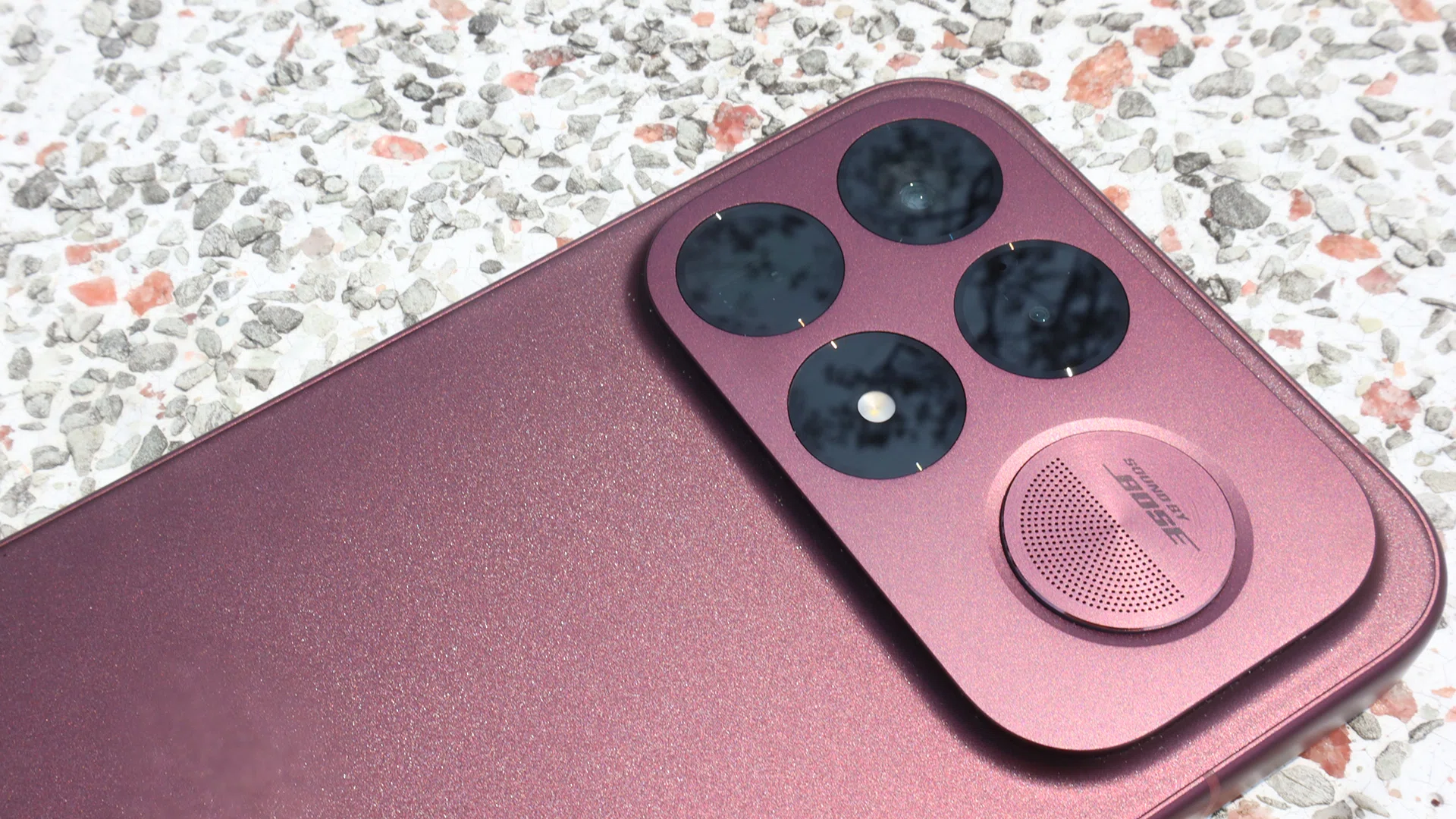
If you’ve seen the preceding Poco F8 Ultra, then you’ve basically seen the F9 Ultra. The design is almost identical, with a large camera island on the back. Unlike the F8 Ultra, the new phone’s LED flash now replaces the dummy camera lens. What stayed was the subwoofer, taking the same spot next to the lens array.
A subtle tweak is the new LED light ring that wraps around the subwoofer unit. You can apply various effects, including a notification LED, audio-reactive responses, or in-game lighting (for PUBG and Call of Duty: Mobile). The feature set sounds thin, but it exceeds the Google Pixel 11 Pro series’ HiLight LEDs, which have only two use cases.
For this review, I set the Poco’s backlight as a notification LED because I’m a sucker for seeing previously widespread features get a second wind. Truthfully, it hasn’t been all that useful since I usually leave the phone face-up. I’d imagine it’d be more helpful for someone who needs that privacy.
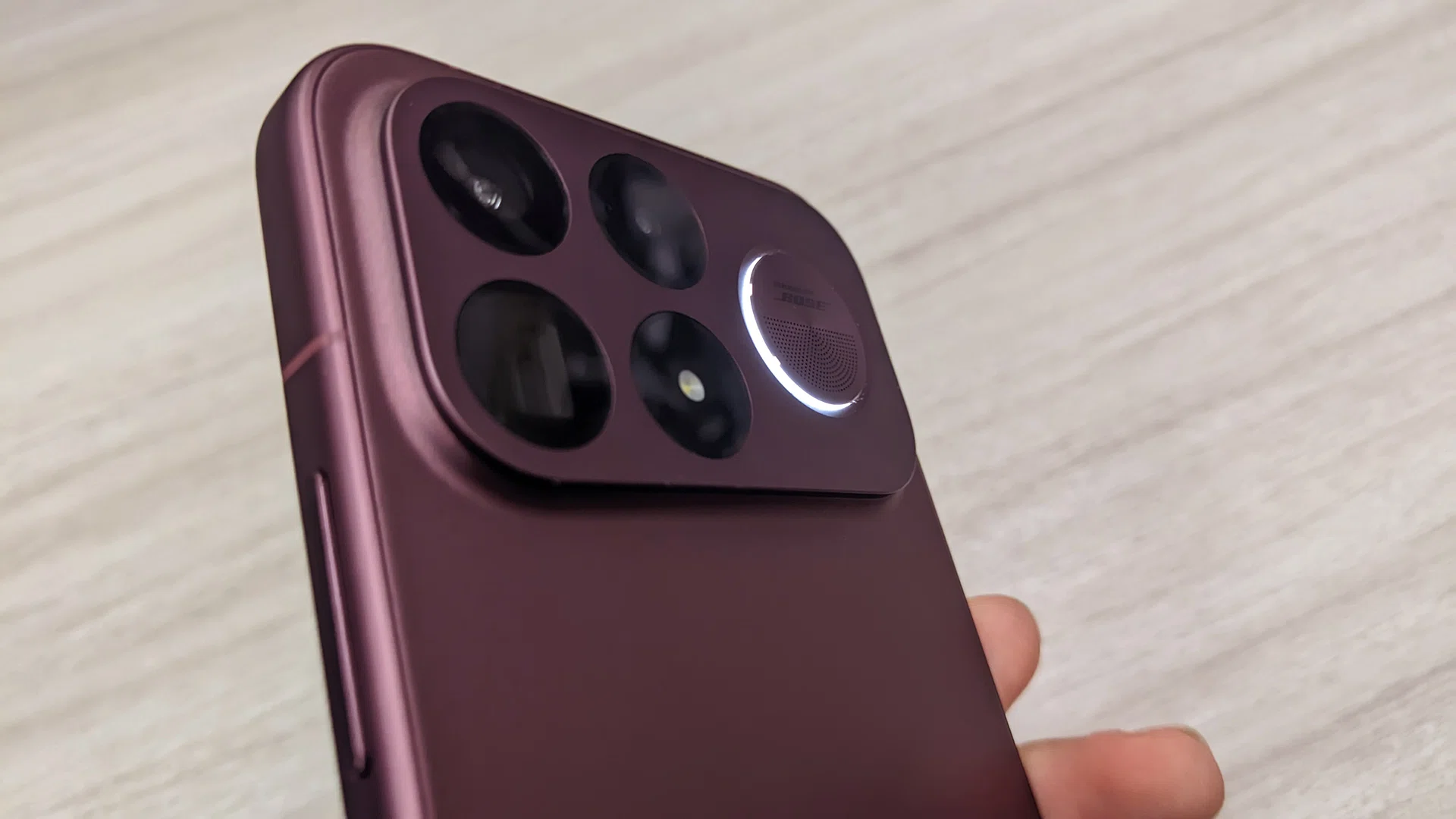
The subwoofer now sports a LED that can be used for notifications and other lighting effects. Note how the camera lenses are now flush with the camera island.
Photo: HWZ
Speaking of face-up placement, it’s made possible because the lenses are flush against the camera island. That’s not like the Poco F8 Ultra, which had protruding lenses in the way. I appreciated this, as I’d imagine the cameras are less likely to be damaged when they touch the desk.
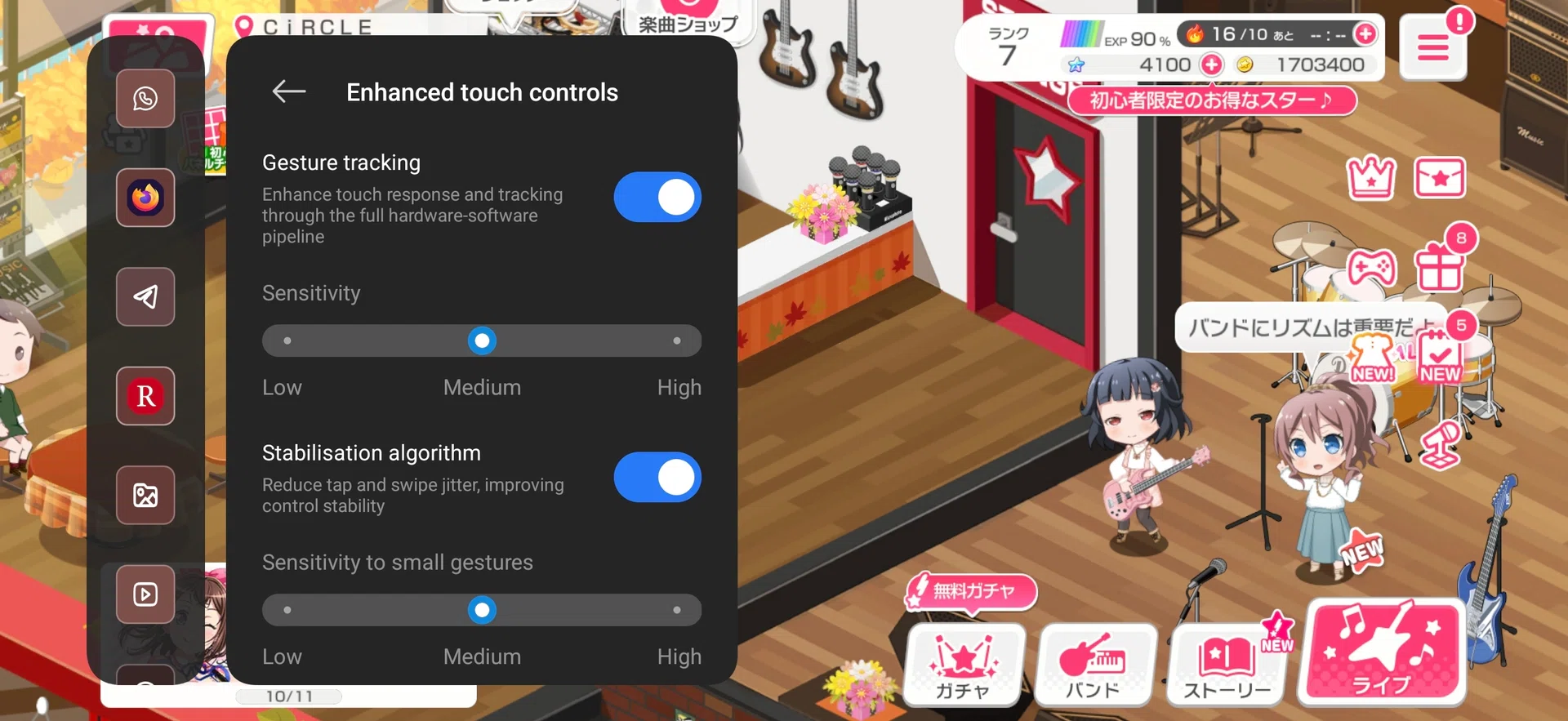
Other handling perks come through in games. With the phone set on a surface, the phone becomes friendlier to certain rhythm game titles, since there’s less wobbling when you tap the display.
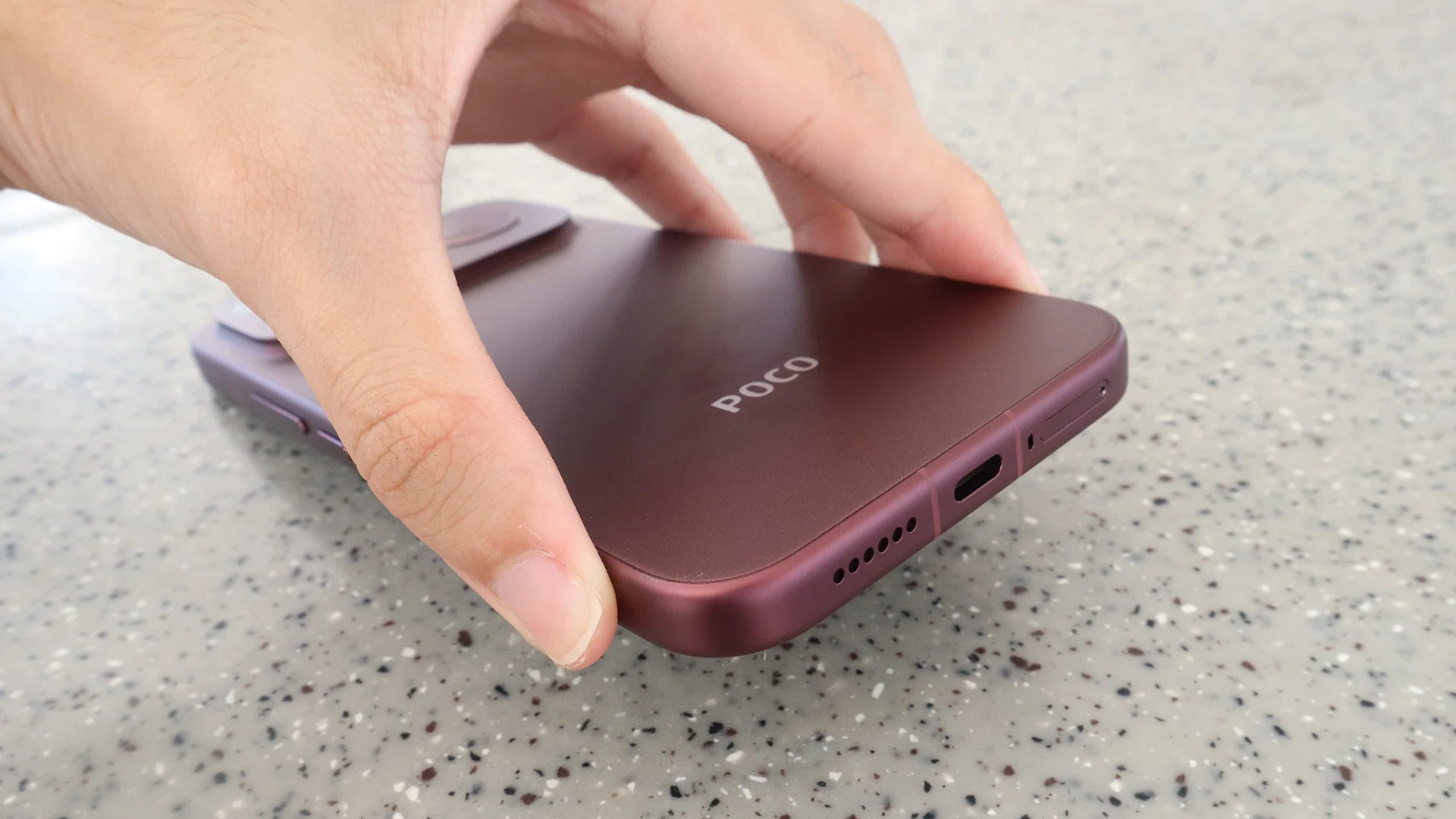
The curved edges on the metal rails are appreciated.
Photo: HWZ
Another worthy design feature is the filleted edge (where the metal rail meets the rear matte glass). It’s a common element in smartphone design now (including the iPhone), but that doesn’t make it any less appreciated on the Xiaomi sub-brand’s flagship handset. This grip makes the Poco F9 Ultra easier to hold during long gaming sessions.
While I’m not a huge fan of large displays (and the F9 Ultra’s 6.9-inch panel is no exception), I found its 163.5 x 77.9 x 8.7mm dimensions easier to handle than expected. It has a stocky feel, and it significantly cut down the time it took to adjust from a compact phone. When gaming horizontally, my hands weren’t too far apart either. YMMV depending on your hand size, though.
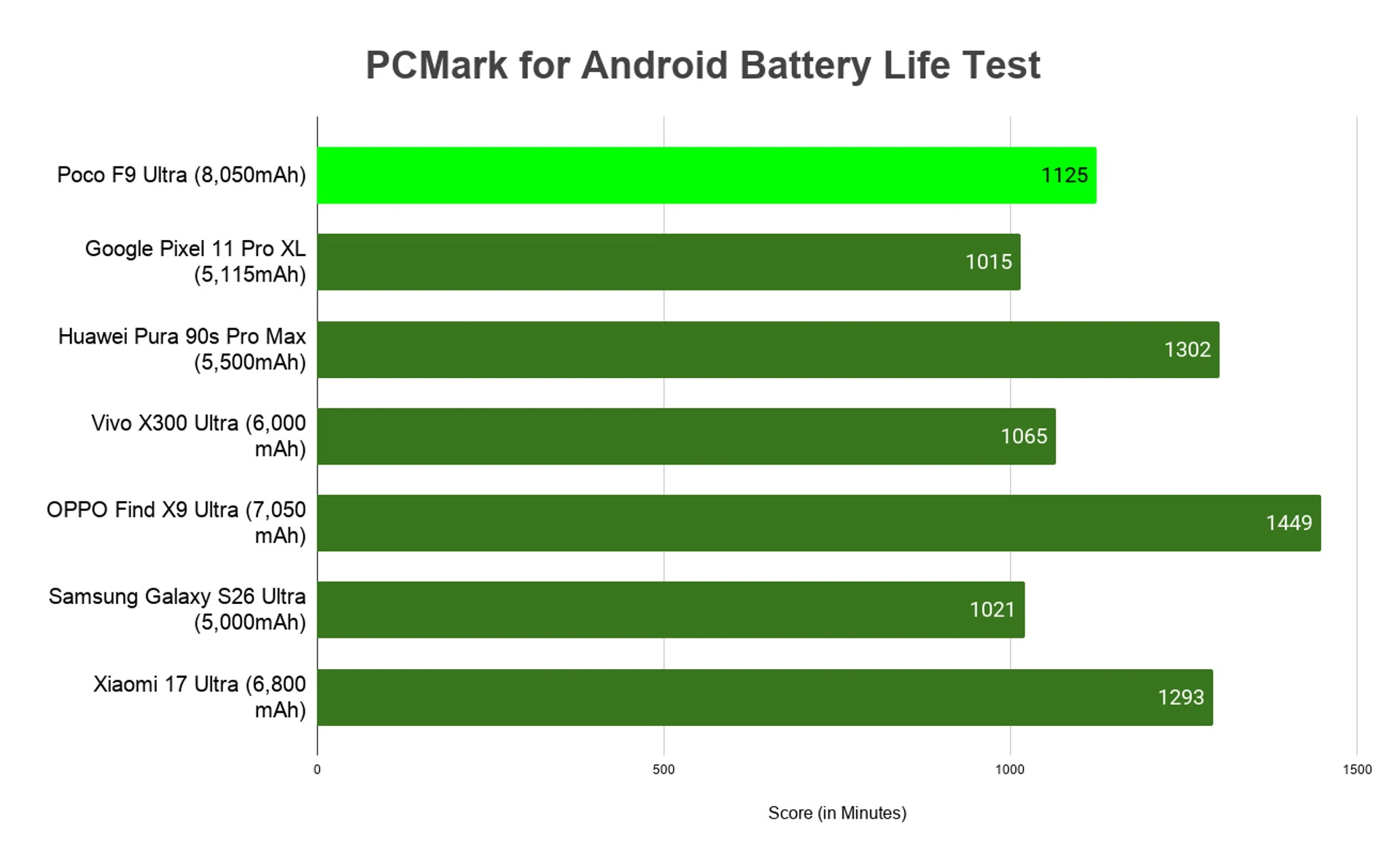
What’s unavoidable is the phone’s hefty 235g body. That’s heavier than some foldables, and you can feel it. The camera block also makes the F9 Ultra feel a bit top-heavy, which takes time to get used to. The phone’s weight also comes from its 8,050mAh battery, which I’ll cover later.
The phone is also rated IP68 for dust and water resistance, and it has Corning Gorilla Glass 7i on the front. Unfortunately, my editor might drop me if I dropped the phone in water, so I did not.
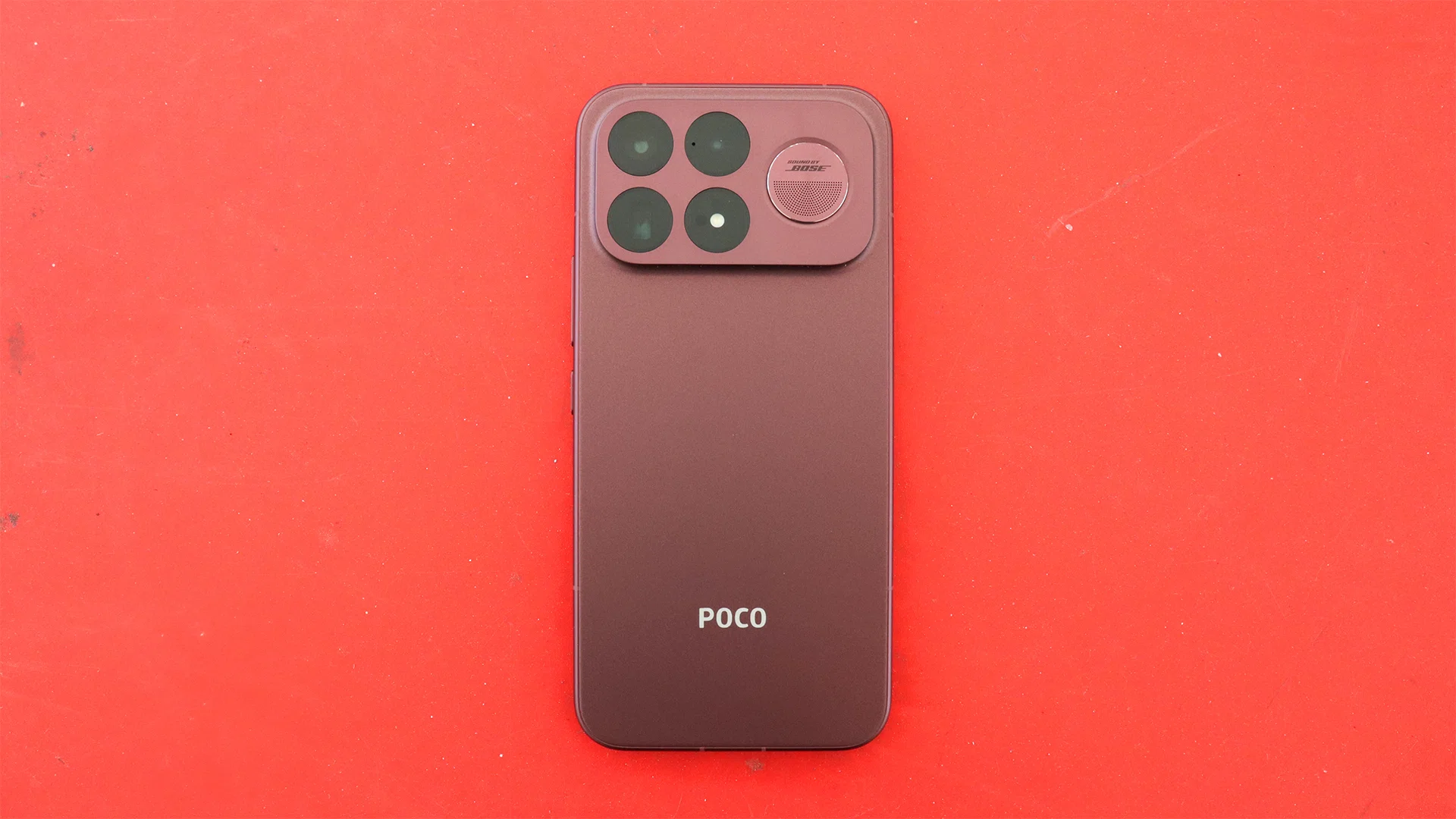
Apart from the subwoofer, the rest of the phone looks like a ‘normal’ 2026 phone.
Photo: HWZ
Beyond its subwoofer, the phone looks normal in other ways. You get the usual power and volume buttons on the side. Notably, Poco advertises its rear as a “fibreglass back panel,” but it feels like regular matte glass with a mild metallic texture.
The whole package feels expensive in the hand, but I do find it unfortunate that the unique Denim finish from the F8 series didn’t carry over to the next generation. It was easily the most interesting-looking texture of last year’s phones. At least, we still have a Dark Cherry colourway (our review unit) which looked quite classy. That’s further bolstered by a newly launched, burgundy, Apple-ly phone.
Poco says the 6.9-inch HyperRGB AMOLED display supports up to 185Hz, but with a caveat. Poco said 185Hz is available in 20+ select titles, but it did not list them publicly. The usual refresh rate caps out at 120Hz, as verified by the phone’s built-in FPS counter in Developer mode.
You can, however, set frame rate caps on apps of your choosing, so you don’t have to waste precious battery on an e-reading app or schoolwork. Neat.
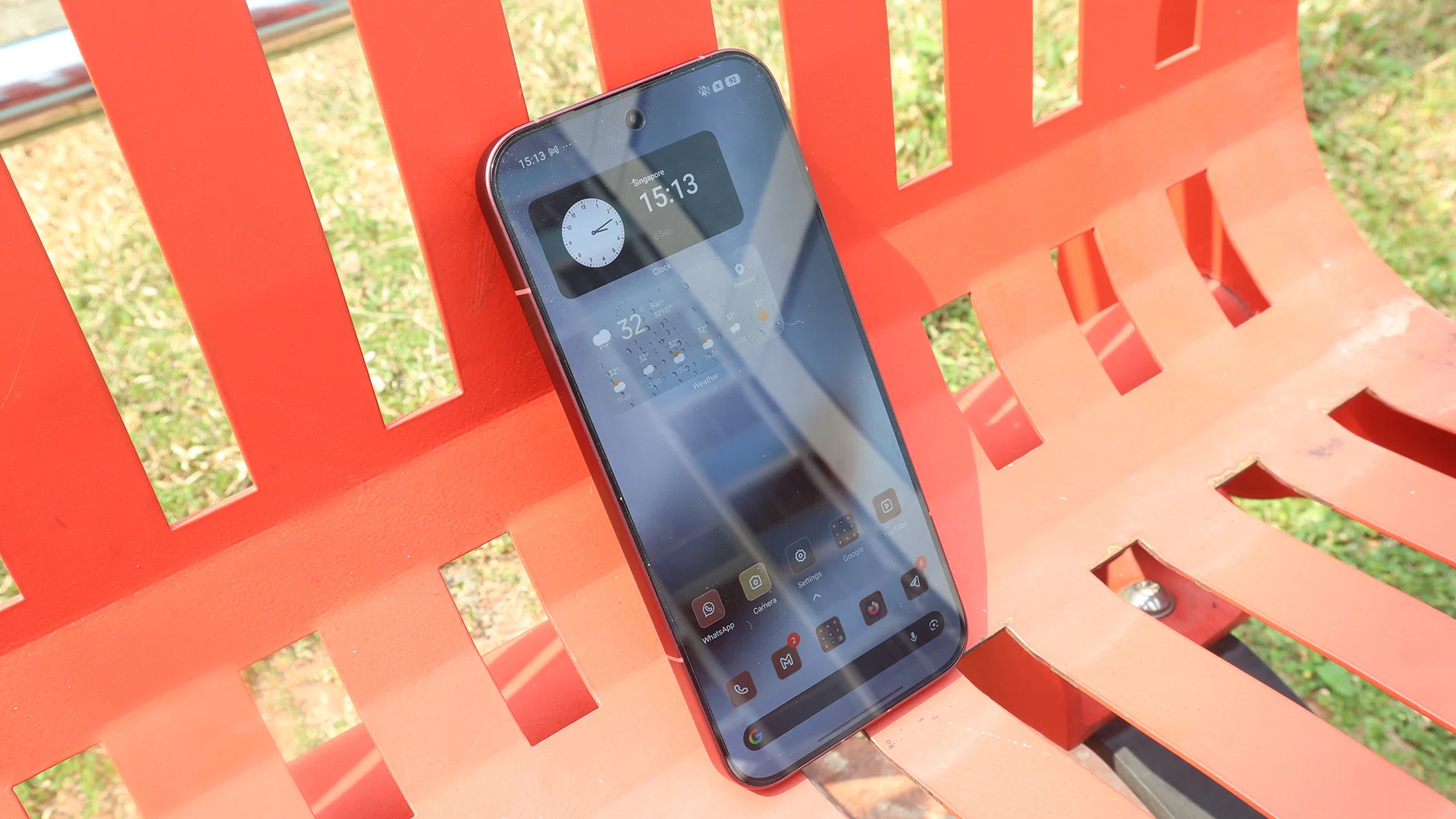
The screen remains legible in sunlight, though it is still quite reflective.
Photo: HWZ
Poco marketed a peak 10,000-nit brightness figure, but that applies to only 1% of the screen’s surface area. Realistically, the phone’s full-display maximum brightness reaches 850 nits, ramping up to 2,200 nits in Sunlight Mode. For what it’s worth, I had no legibility problems under direct sunlight, although the glass is still mildly reflective.
The display’s vividness is nothing to write home about. The colours don’t particularly stand out, even though it’s not washed out or dull. It’s not a ding on the Poco F9 Ultra, as it shows how far phone screens have come these days.
To aid its visual output, the F9 Ultra has a display enhancement setting called “Dual Core Visuals” for video upscaling. Poco said it’s designed specifically for longer videos on Netflix and YouTube. To my eye, however, it doesn’t look like it’s doing much.
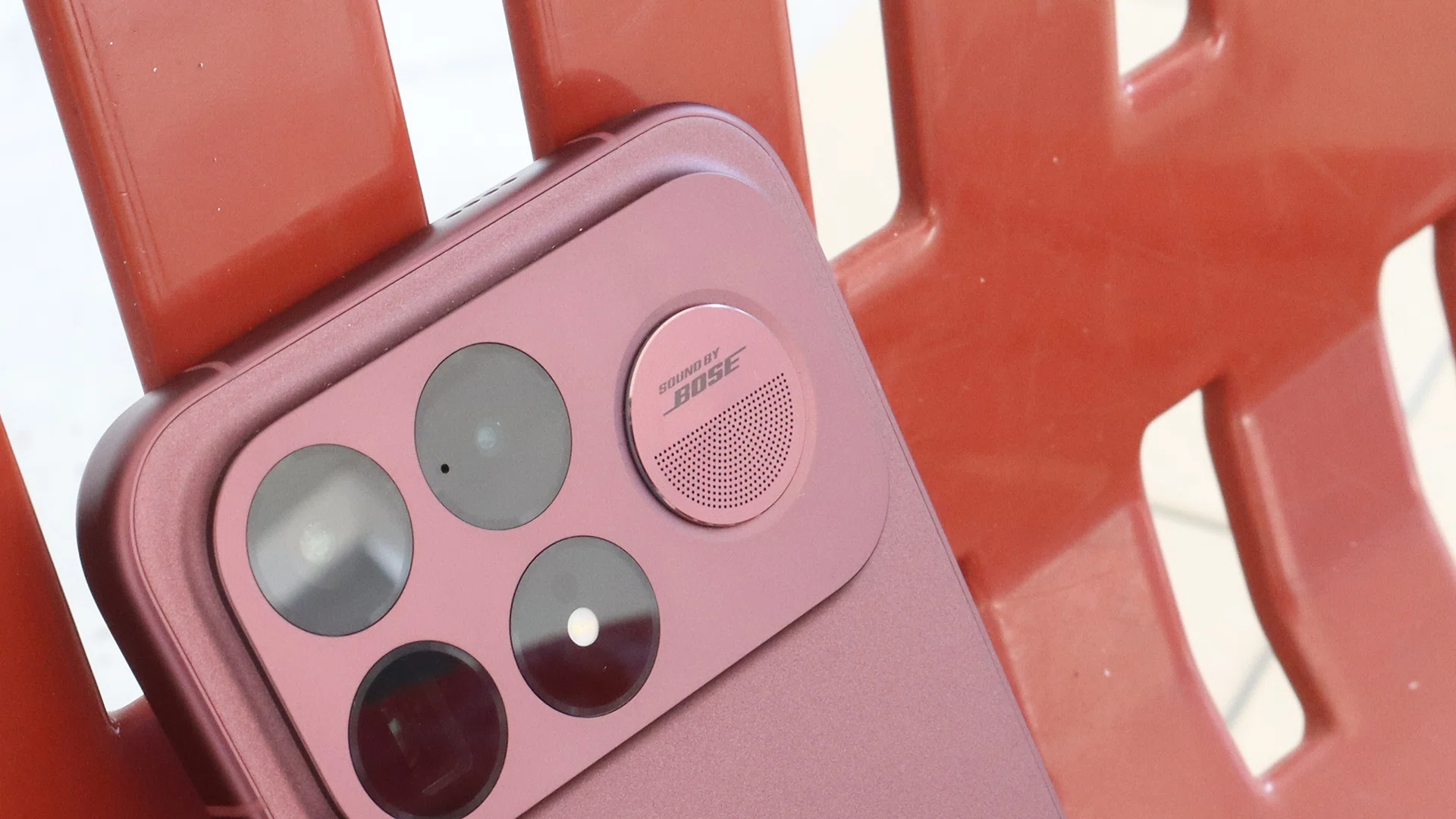
The Bose-tuned audio on the F9 Ultra is terrific.

Read Full Article At Source