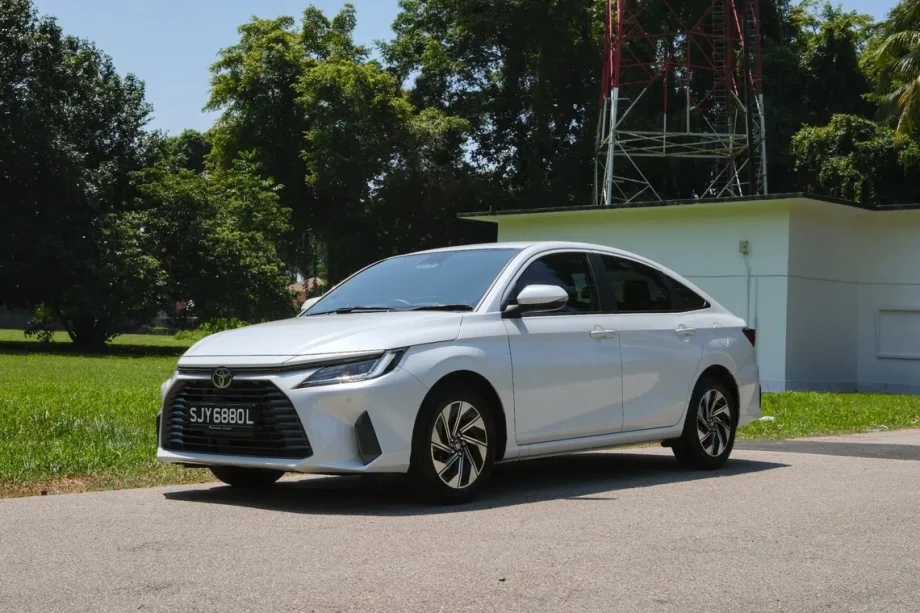
Toyota Vios Hybrid review: A story of unfavourable policies

Toyota Vios Hybrid review: A story of unfavourable policies


Normally, when I write a review about a car, I like to talk about its features and practicality, what it offers, and then tell you if you should buy one. I’m going to reverse that this time. Because of the government’s desire to transition our nation’s entire population of cars to EVs, policies have been put in place to make EVs more attractive. Unsurprisingly, this has had a negative impact on ICE cars. And few have been affected as drastically as the Toyota Vios Hybrid, to the point where it’s very difficult to recommend it over the vast sea of entry-level EVs that are currently available.

It’s by no means a bad car – it’s actually pretty nice in some ways, and I’ll explain why below –  but its price is, to put it gently, tricky. At the time of writing, it costs S$197,888. If it sounds like a lot, then brace yourself, because it’s actually the most affordable car Toyota sells. 

  1. 1. Why does it cost this much?
  2. 2. Not your usual hybrid system
  3. 3. What’s the rest of the car like?
  4. 4. Final thoughts and buying advice
  5. 5. Availability and pricing

Why does it cost this much?

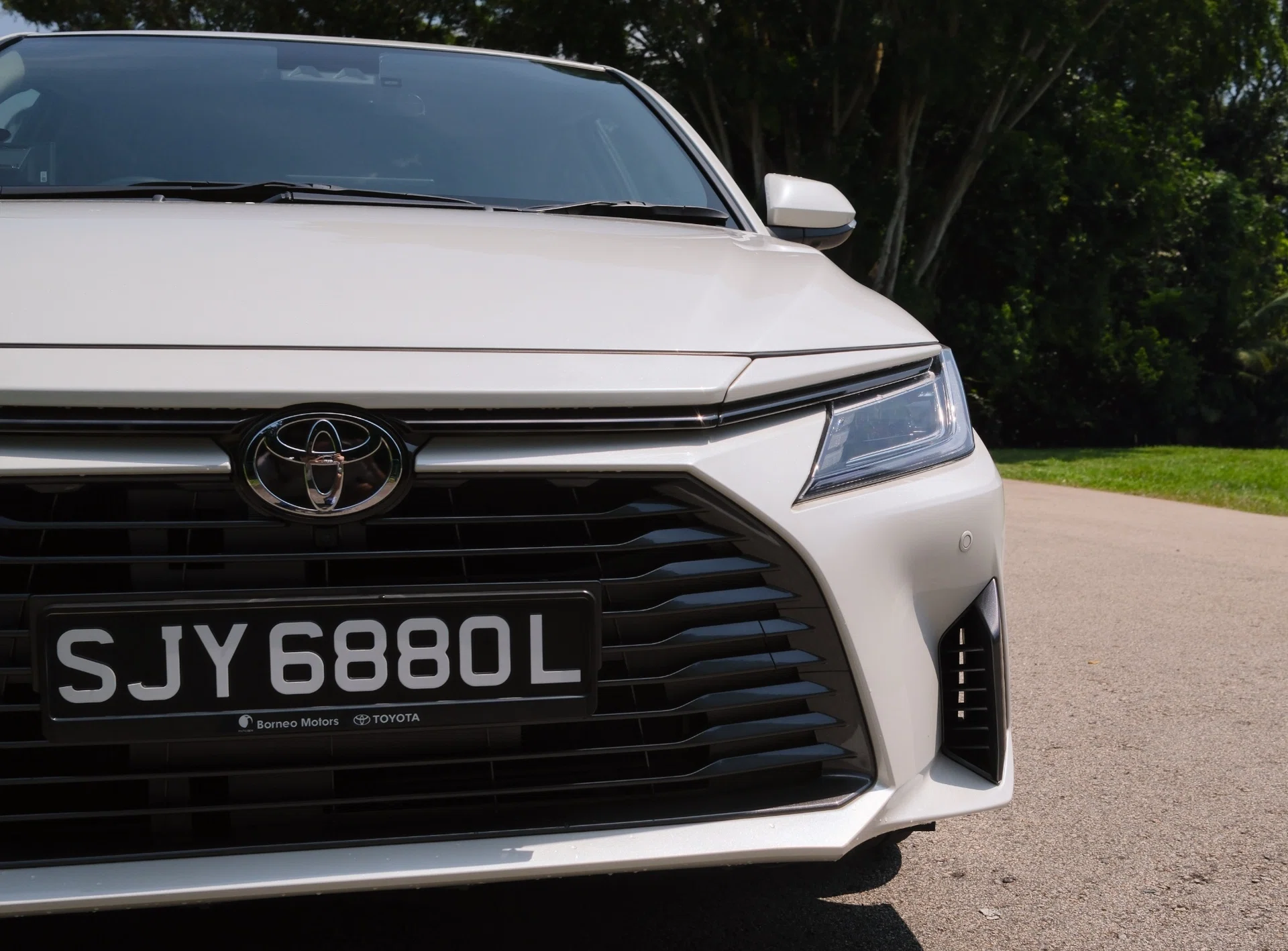
Toyota Vios Hybrid front bumper

Interestingly, the front bumper has functional aero elements.

Photo: HWZ

Keen observers will point out that, for the same money, you can find a good number of EVs that offer more bang for the buck. There’s also no shortage of even cheaper EVs. The cheapest Model 3 starts at S$191,999, and few would disagree that it’s a more refined car than the Vios Hybrid. And if you prefer SUVs, the very spacious Leapmotor C10 costs over S$15,000 less, while the charming Jaecoo 6 is very nearly S$18,000 less. You get the point. 

The reason why some EVs can be priced so attractively is because of the Electric Vehicle Early Adoption Incentive (EEAI) and the Vehicular Emissions Scheme (VES). I won’t go into the details (you can read more here), but together, rebates from the EEAI and VES enable buyers of EVs to attain savings of up to S$30,000. The Vios Hybrid, on the other hand, by virtue of having an internal combustion engine, doesn’t qualify for any rebates – even if it’s ostensibly a fuel-efficient and economical hybrid.

Not your usual hybrid system
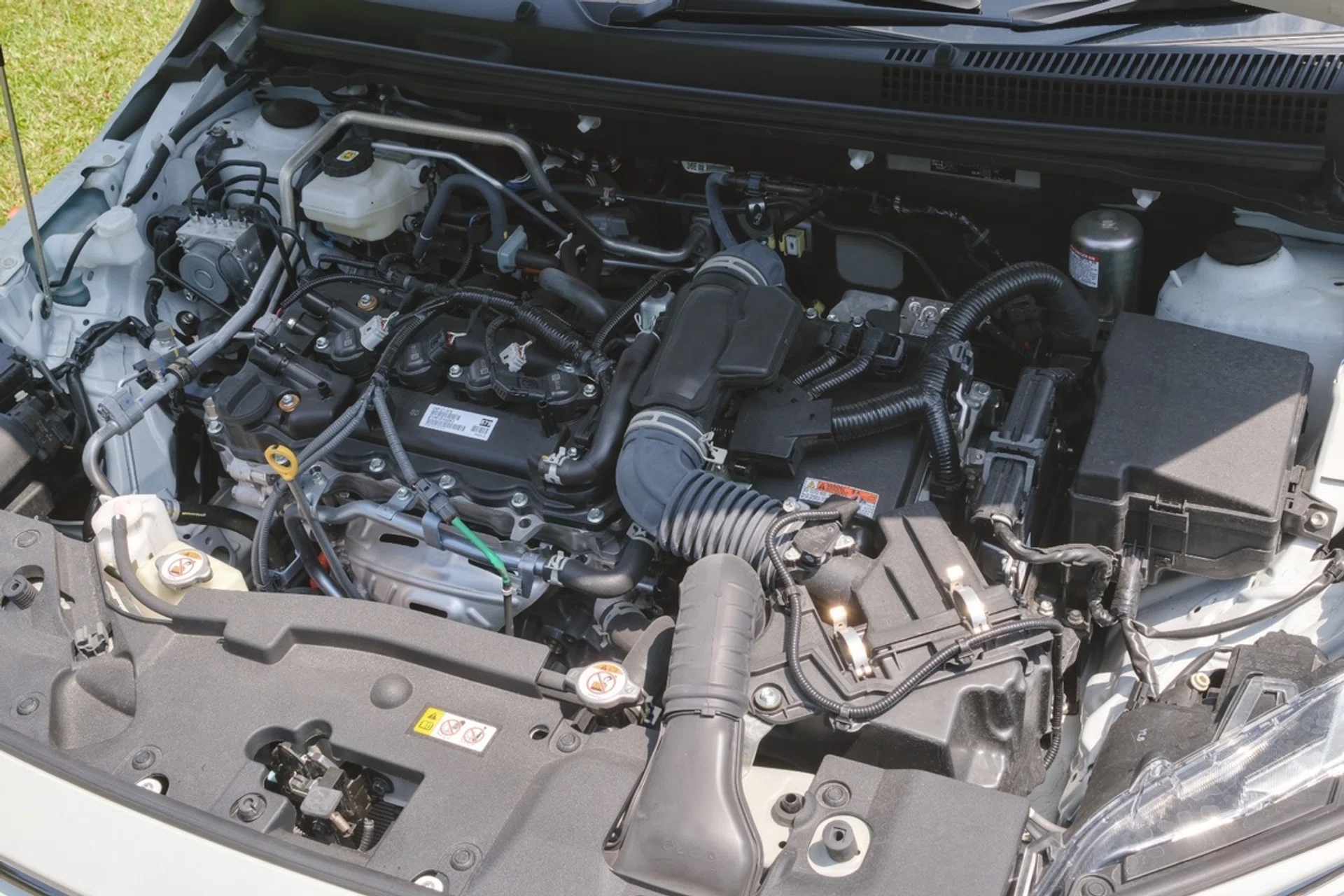
Toyota Vios Hybrid engine

The powertrain feels punchy because it produces 262nm of torque.
The hybrid system in the Vios Hybrid comprises a 1.5-litre naturally-aspirated 4-cylinder engine and an electric motor that gets its power from a modest 0.76kWh battery. It’s worth pointing out also that it’s a more complicated series-parallel hybrid system. This means it can be driven by the engine and electric motor individually or together. It also means the engine can act as a generator for the battery – something that parallel hybrids, like the CLA I tested recently, can’t do. It can also run solely on electricity, but only for very short periods and under very light loads.

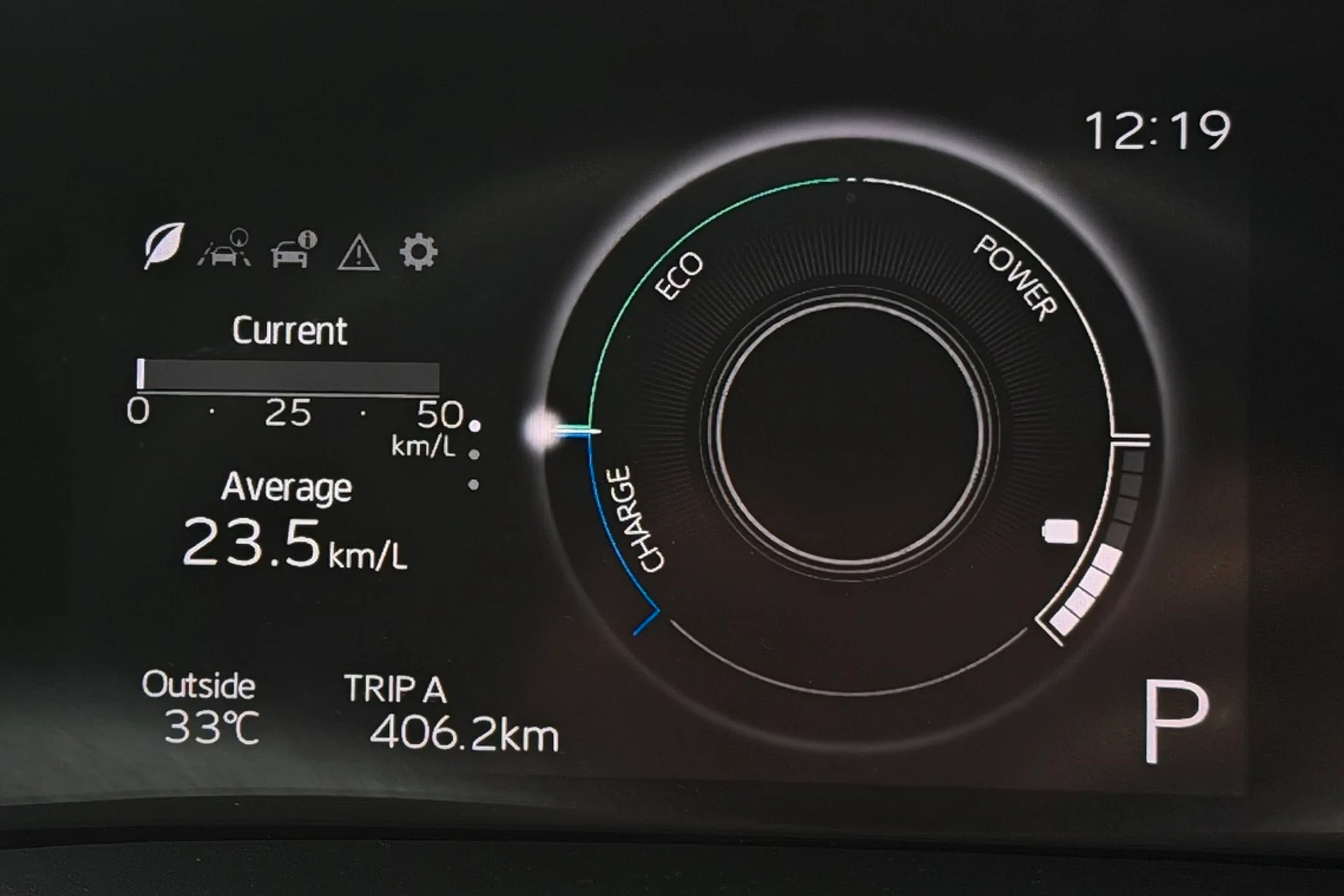
Toyota Vios Hybrid fuel consumption

The trip computer reported an average fuel consumption of 23.5km/l over 406.2km.

Photo: HWZ

Together, the engine and electric motor produce a peak output of 110hp and 262nm of torque. Because it has this much torque, it feels sprightly, even if it actually isn’t very fast. However, like most other Toyota hybrids, the powertrain groans loudly when you work it hard. 

Toyota claims a fuel efficiency of 27km/l, but I’m afraid I didn’t manage that. Over a weekend, I travelled over 400km and managed 23.5km/l, which is still pretty impressive given my fairly heavy right foot. Since its fuel tank has a capacity of 36L, it’s possible to get a range of over 800km – that’s enough to get from here to KL and back.

What’s the rest of the car like?

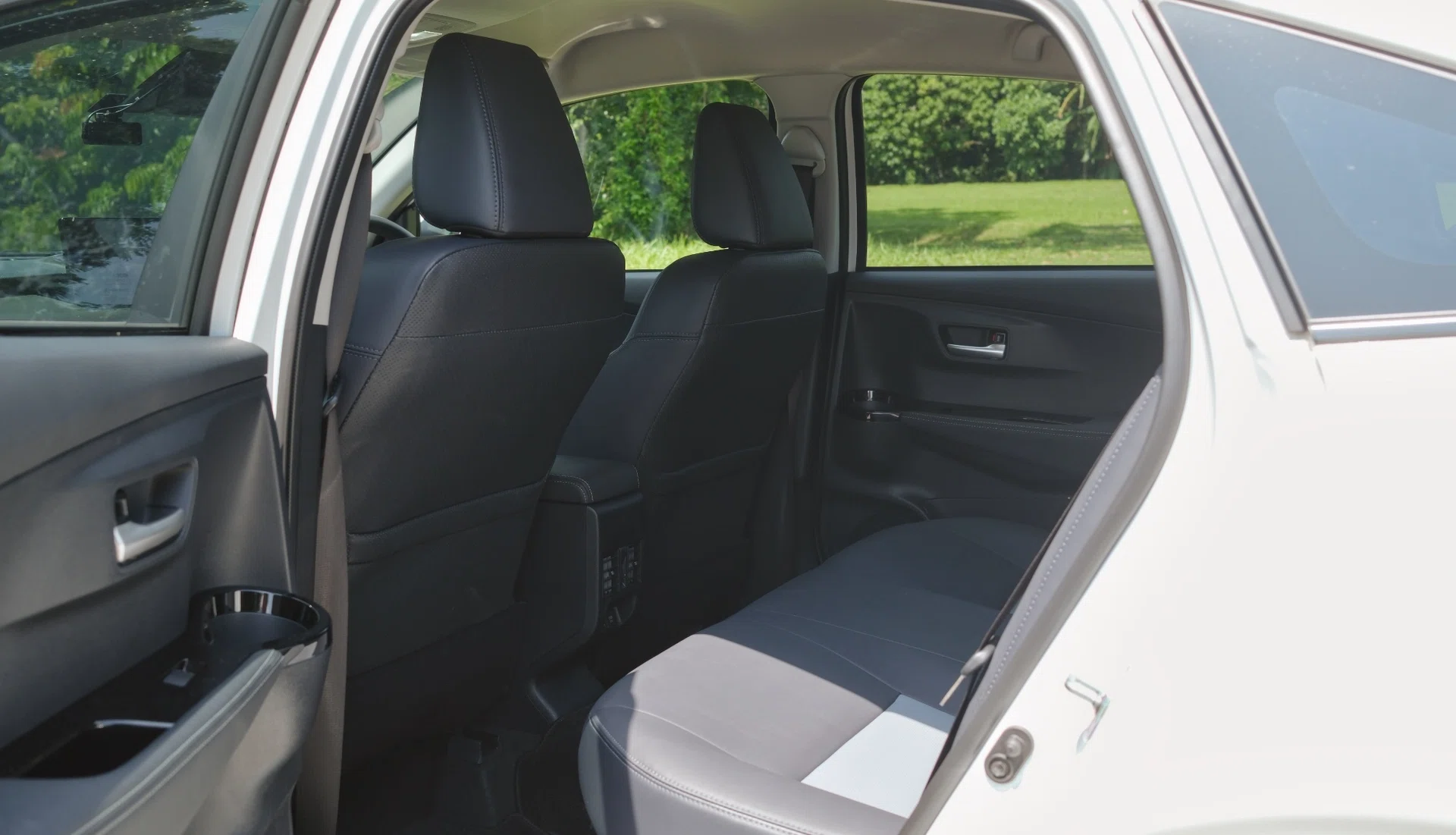
Toyota Vios Hybrid rear leg room

Rear leg room is decent for a car of its size and class.

Photo: HWZ

While the fuel consumption is remarkable, this being Toyota’s entry-level sedan, there’s visible cost-cutting. There are hard plastics in places, the parking camera is low-res, the seats don’t offer much side support, the speakers sound quite tinny, the steering wheel doesn’t come back far enough, I could go on. But that would be missing the point. This is Toyota’s answer to personal transportation for the masses.

And to be fair, it doesn’t miss out on the essentials. For a start, the aircon is arctic cold – even when it’s set to 26 degrees, it’s freezing. There’s also support for both wireless Apple CarPlay and wireless Android Auto, air-con vents for rear passengers, and safety features like blind spot monitoring and collision warning. It even has adaptive cruise control, though the implementation isn’t the best – it accelerates and brakes too abruptly. Furthermore, rear leg room is adequate, the boot is of a usable size, and it even has customisable ambient lighting.

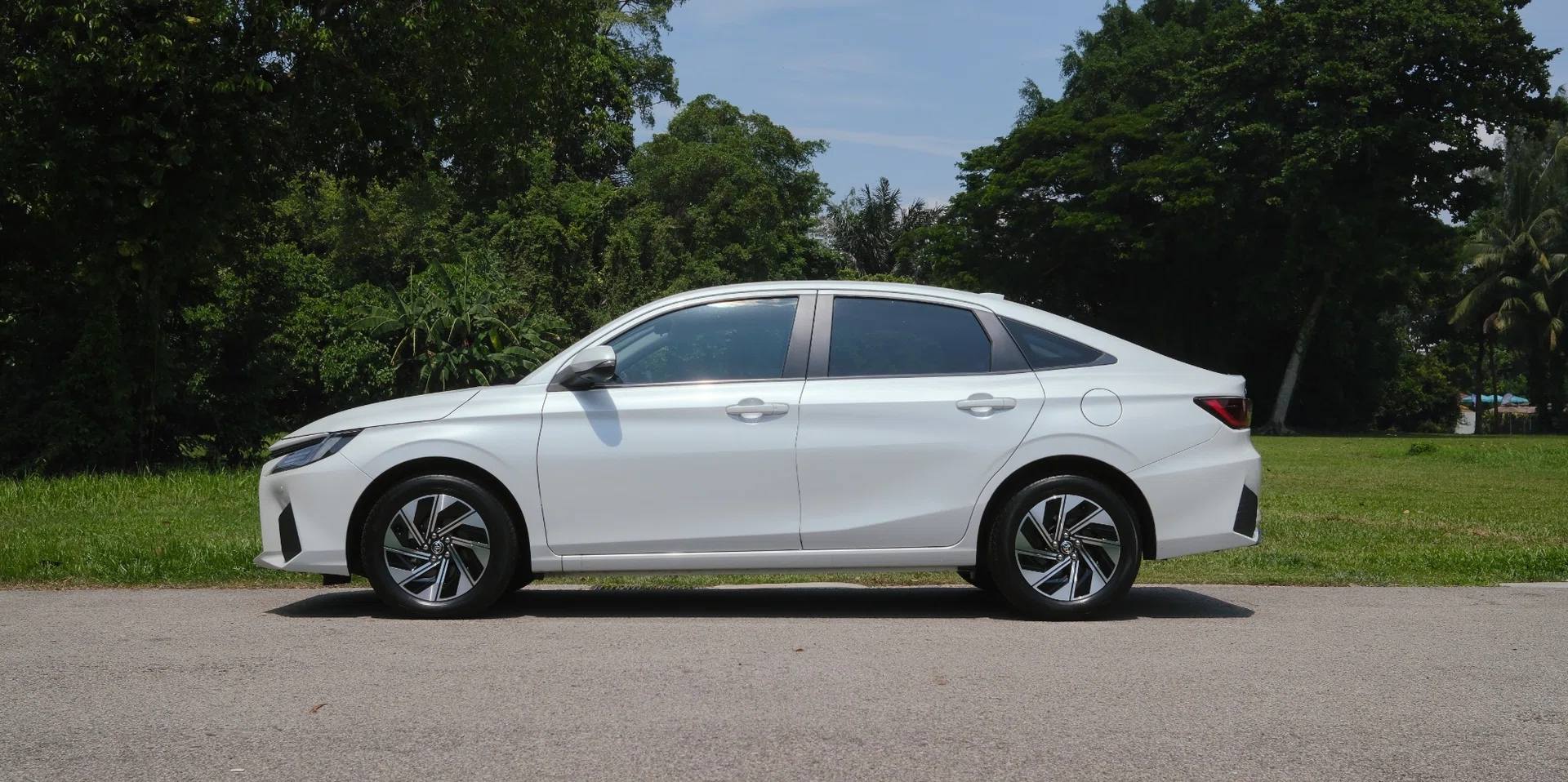
Toyota Vios Hybrid side profile

The Vios Hybrid has a fastback profile to improve aerodynamics.

Photo: HWZ

As for the way it rides, it absorbs imperfections in the road well enough. It could do with more refinement, but it generally feels comfortable enough and is completely up to the task of coping with our roads. However, if you pay attention, you can feel vibrations and jitters through the steering rack on poorly paved surfaces. The steering itself is also unexpectedly heavy for a car of its type, but you soon get used to it. On the whole, the ride is perfectly acceptable given its positioning in Toyota’s hierarchy. 

Final thoughts and buying advice

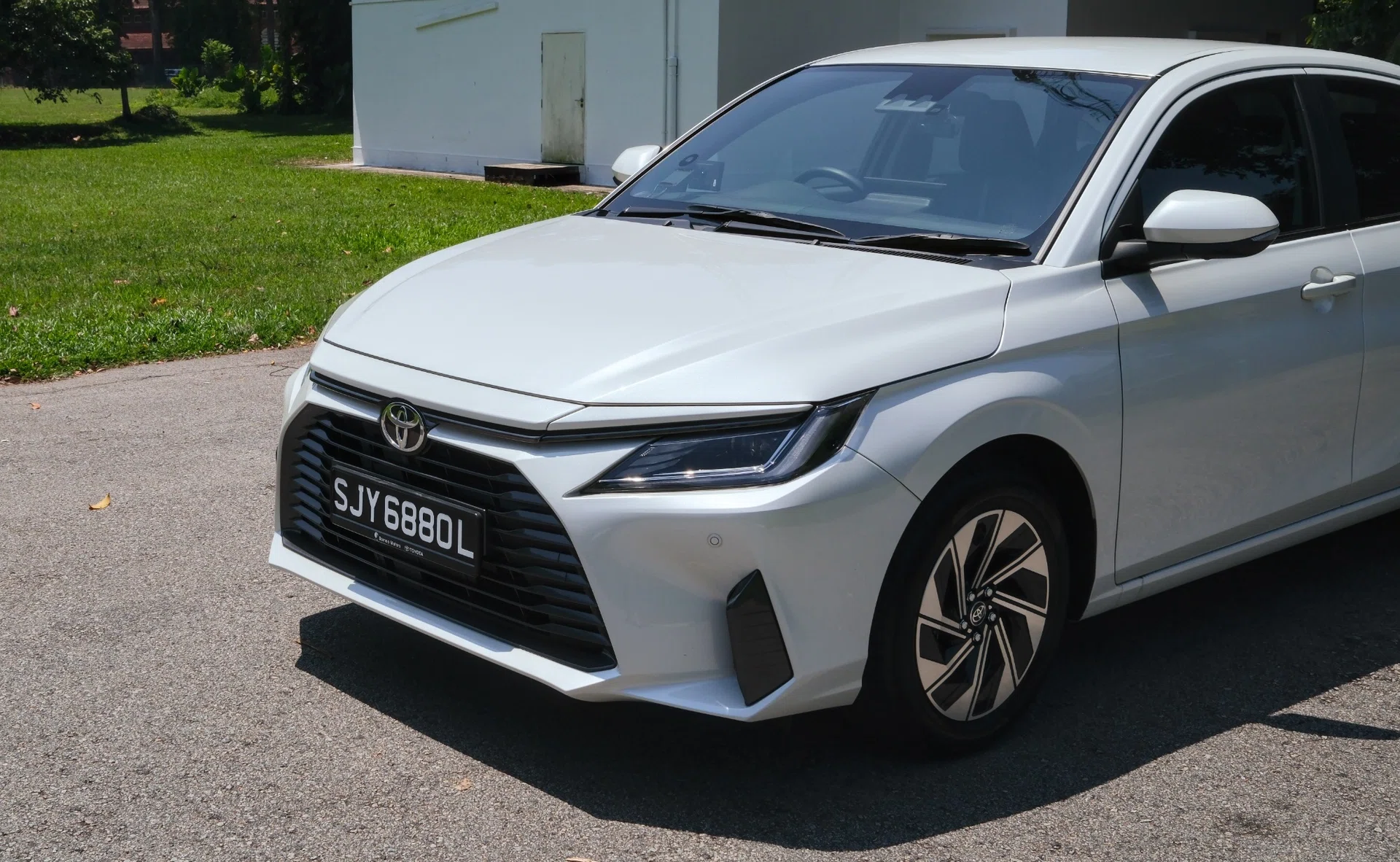
Toyota Vios Hybrid front

Objectively speaking, it doesn’t offer the most bang for the buck, but if you need an economical car with an internal combustion engine, there are few better options.

Photo: HWZ

Credit must be given to the Chinese EV companies. Even if you take away all the rebates, they would still remain compelling cars that offer a lot of bang for the buck. With the current rebates in place, however, they are no-brainer propositions for anyone who is looking for a comfy way to get around, as long as you can live with the limitations of an EV.

But an EV isn’t for everyone – at least not right now while infrastructural gaps exist – and that’s where the Vios Hybrid comes in. If you should require the convenience and freedom of an ICE car, and want to keep expenses as low as possibly, the Vios Hybrid remains a potent option. It’s fuel-efficient, practical, and because it’s a Toyota, it should be easy and cheap to run, and be as reliable as a wood-burning stove. Unless you are willing to venture into the used market, I struggle to think of a more sensible alternative.

Availability and pricing

The Toyota Vios Hybrid is available now and prices start at S$197,888. For more information, visit Toyota’s website.

Note: Prices are correct at the time of publishing.


Read Full Article At Source

Share. Save. Don't Miss The Buzz: XFacebookRedditLINETelegramWhatsAppGmail

Leave a Reply