Secretlab Atlas chair review: Hybrid gaming & office

Secretlab Atlas chair review: Hybrid gaming & office


  1. 1. The new Atlas
  2. 2. Building the Atlas
  3. 3. Living with the Atlas
  4. 4. Final thoughts

The new Atlas

I’ve reviewed just about every major Secretlab chair over the years, from the older Omega model to the more recent Titan Evo generations. These days, most of my working hours are spent in a Titan Evo NanoGen, which has become my default reference point whenever a new chair arrives in HardwareZone. That’s partly why I was a little puzzled when Secretlab first revealed the Atlas to me at a media preview in April this year. At first glance, it seemed like an odd product to introduce. Secretlab already has a flagship chair that continues to sell extremely well and, unlike graphics cards or smartphones, chairs don’t suddenly become obsolete because a newer model has arrived. The Titan Evo remains a very good chair in 2026, so the obvious question was why Secretlab felt there was room for another premium chair sitting alongside it. Was this simply a different take on the same formula, or was Secretlab trying to reach a completely different audience?
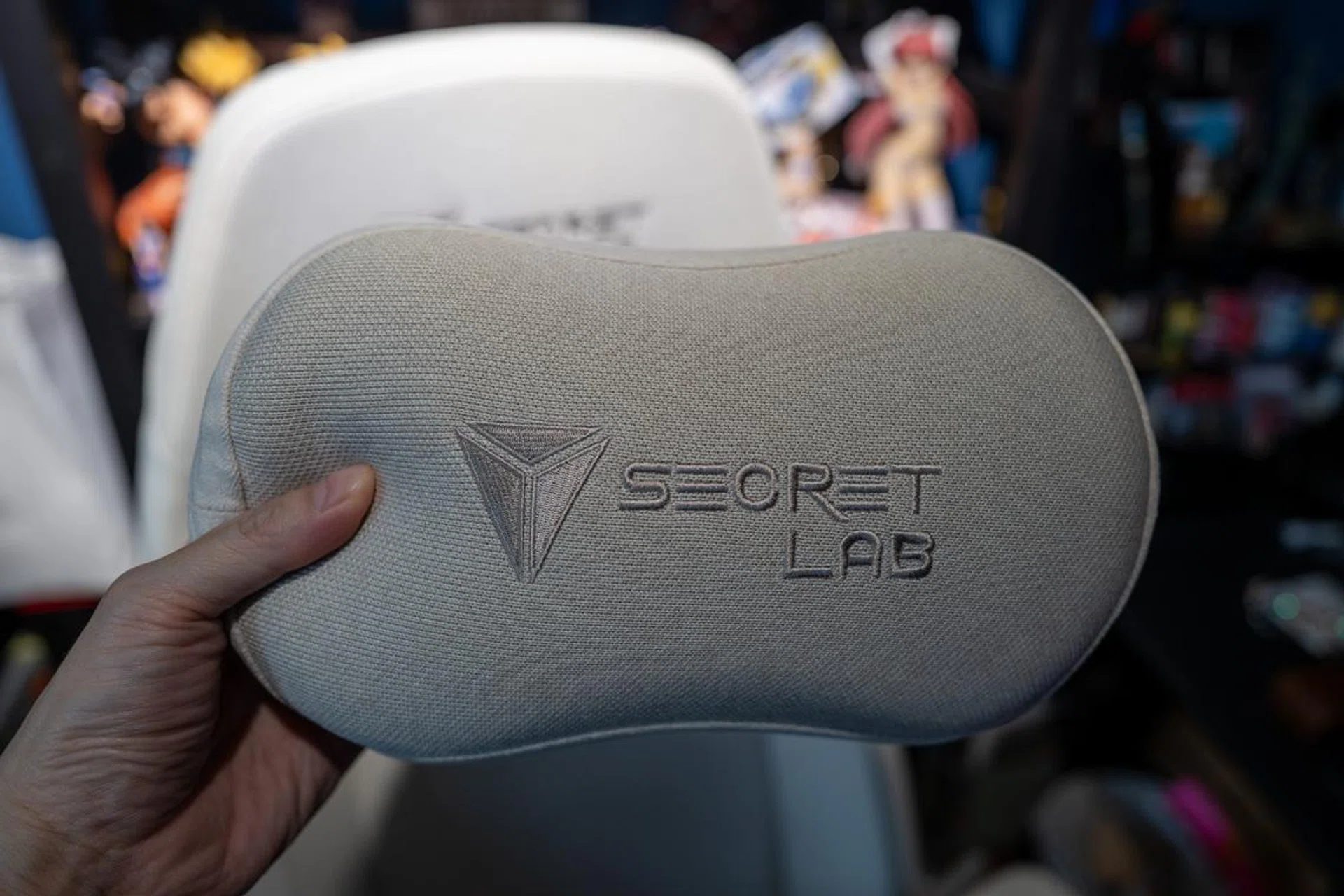
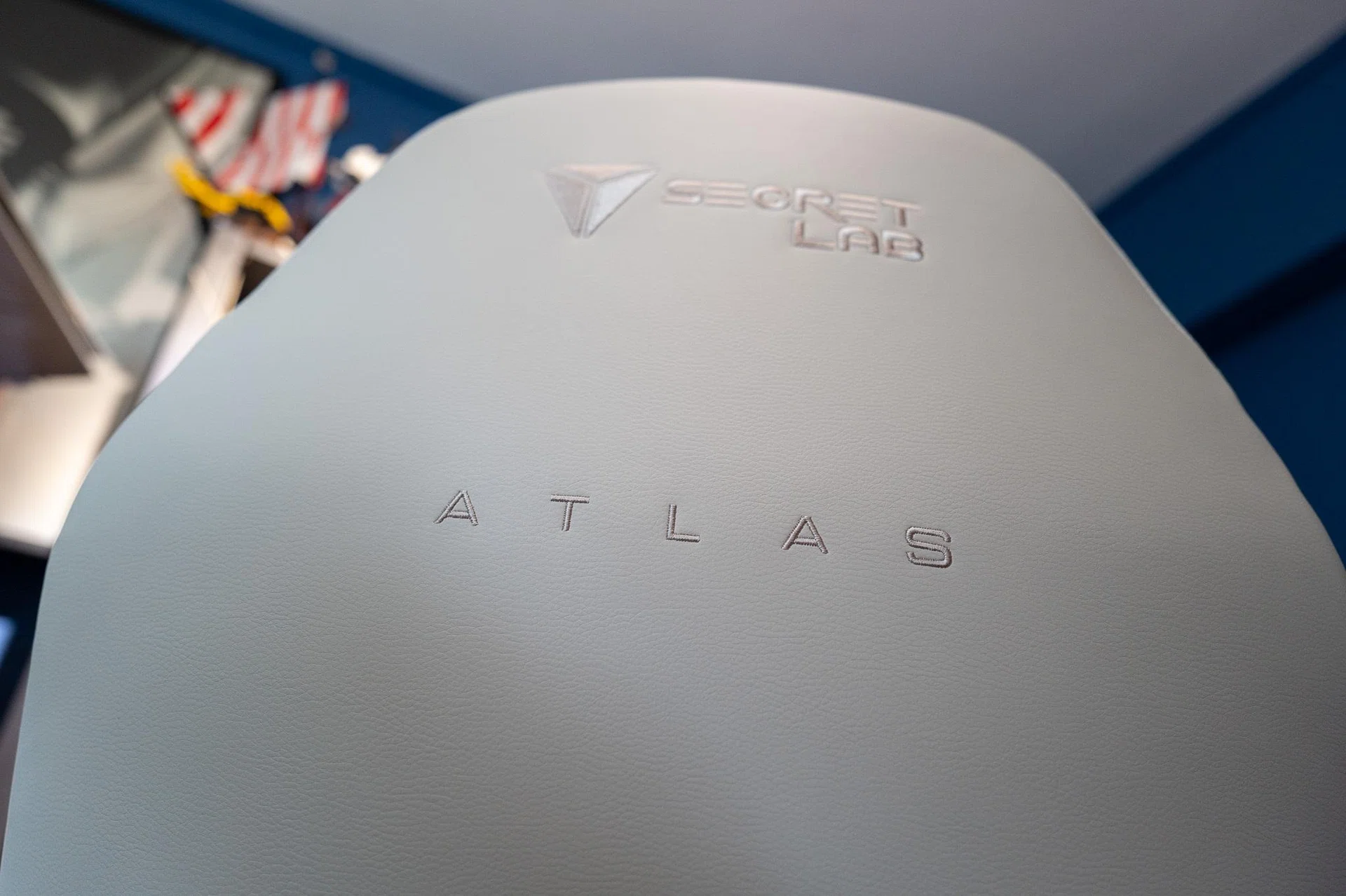
Head pillow

Each Atlas chair colour comes with its own matching magnetic Memory Foam head pillow.

Photo: HWZ

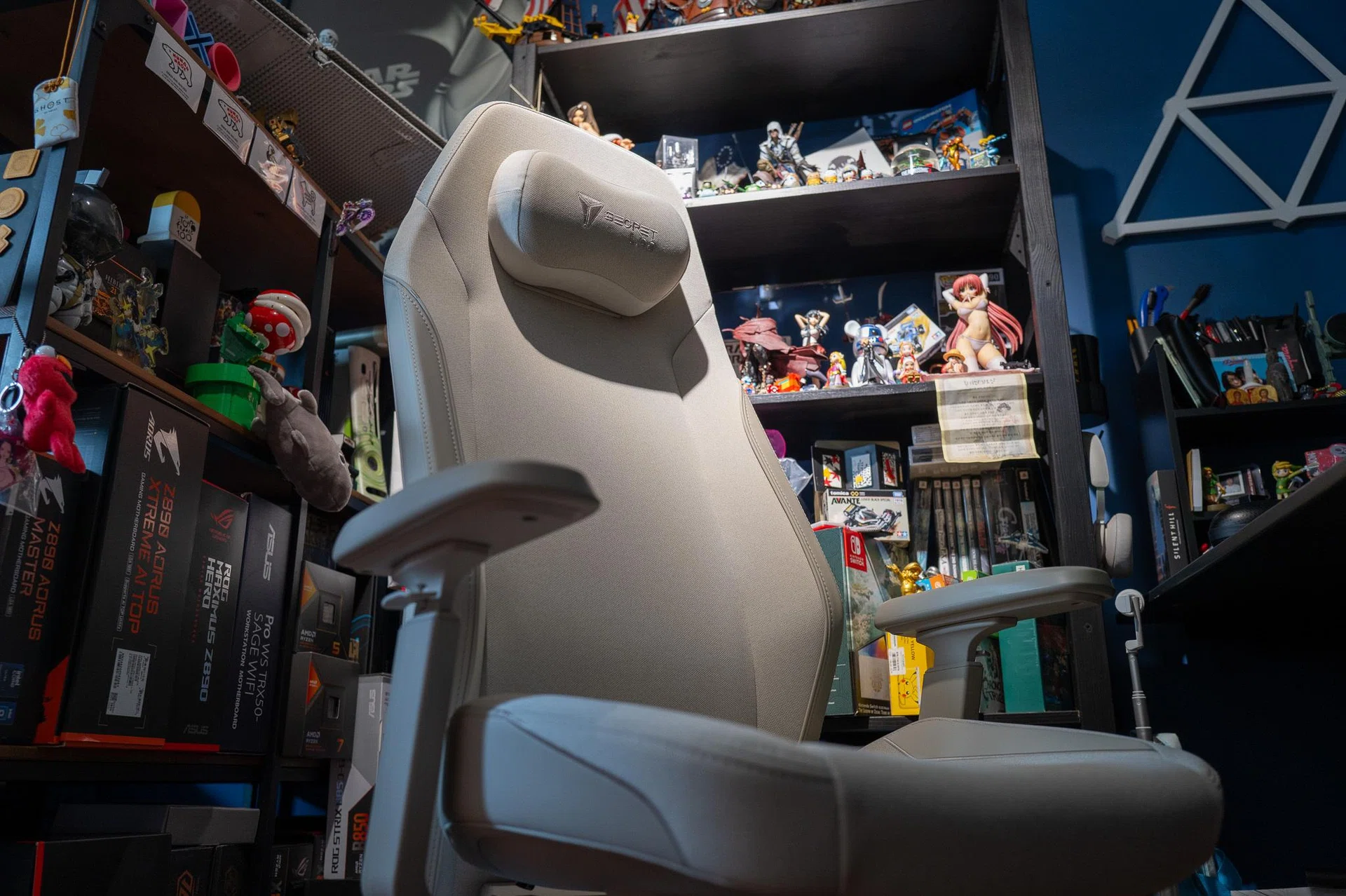
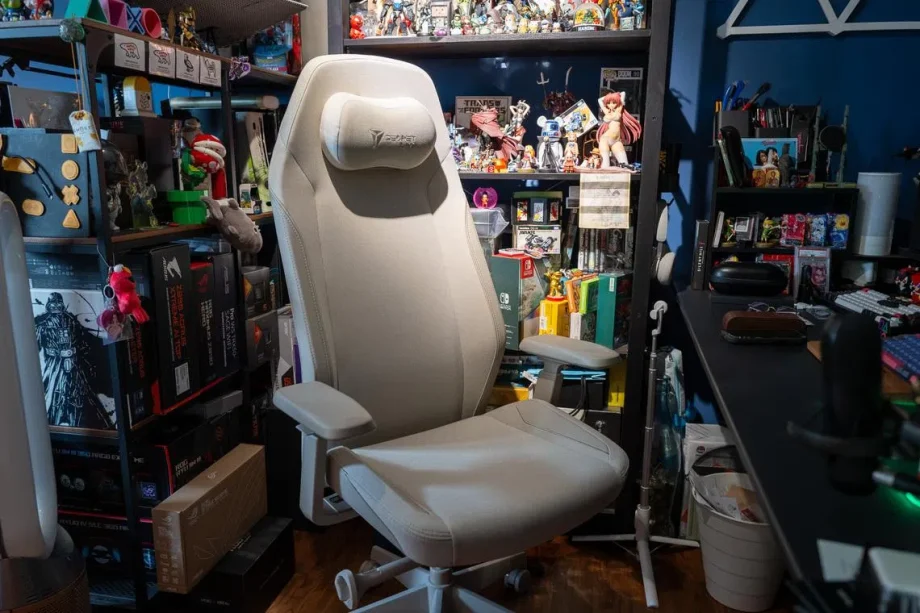
After spending several weeks with the Atlas, I think I’ve finally figured out what Secretlab is trying to do. The Atlas doesn’t feel like a replacement for the Titan Evo, nor does it feel like a successor waiting quietly in the wings. Instead, it feels like a chair designed around a different set of priorities. Where the Titan Evo remains unapologetically gaming-focused, the Atlas feels like Secretlab looking beyond the traditional gaming chair market and asking what happens when the same person spends eight hours working at a desk before spending another two or three gaming in the evening. That shift in thinking influences almost every aspect of the chair. My review unit arrived in the premium Dune+ colourway, which pairs Secretlab’s SoftWeave Plus fabric with the company’s NanoFoam Composite cushioning (that is also used only on the Titan Evo NanoGen), and the first thing that struck me wasn’t the material or the cushioning. It was how understated the chair looked. The slimmer backrest, muted colours and more restrained overall profile mean it wouldn’t look out of place in a home office or even a corporate workspace. In fact, if you removed the Secretlab logo, I could almost assure you that most people probably wouldn’t immediately identify it as a gaming chair at all.

Building the Atlas
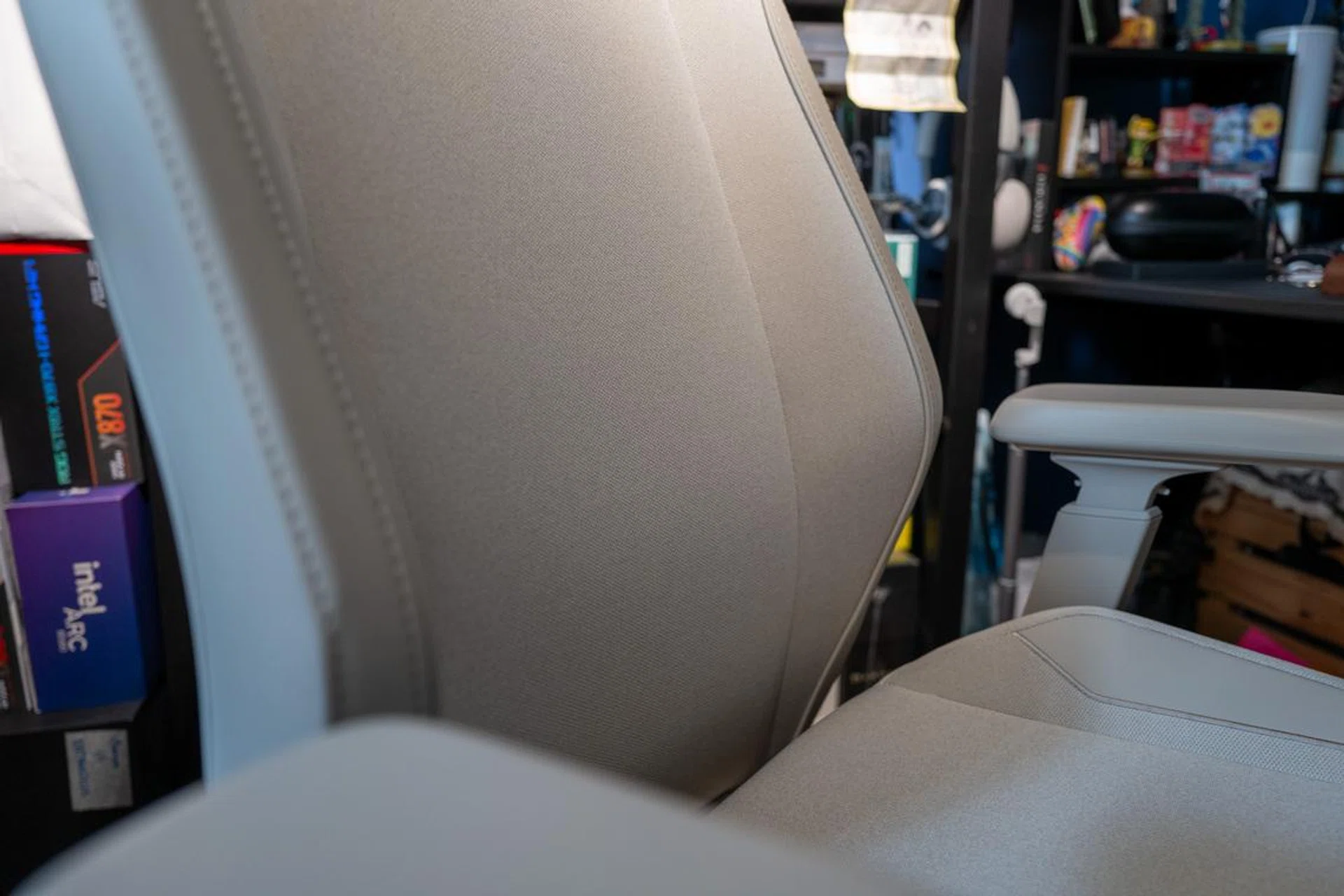
Adjustable seat base

The Atlas’ seat base allows forward and backward adjustments to accommodate a wide variety of body types.

Photo: HWZ
9 different colours

There are a total of 9 colours for the Atlas, but the Dune+ colourway gets my pick.
Having assembled more Secretlab chairs than I can honestly remember, the Atlas felt familiar from the moment I opened the box. Secretlab’s packaging remains among the best in the business, with every component neatly organised and protected, while the included tools and instructions continue to make assembly far less intimidating than it could have been. Yet it didn’t take long before I realised the Atlas wasn’t simply a Titan Evo wearing a different set of clothes. The assembly process itself is noticeably different in a few areas. Existing Secretlab owners will immediately spot that the armrests arrive detached rather than pre-installed, requiring them to be secured during assembly. It’s a small change, but one that hints at a different design philosophy. The Atlas also feels noticeably lighter and easier to manoeuvre than a Titan Evo, which became particularly apparent when I was positioning the various components on my own. Secretlab still recommends assembling the chair with another person, but the Atlas never felt quite as cumbersome as the larger Titan Evo chairs I’ve worked on in the past.

Once assembled, the Atlas makes a very different first impression from the Titan Evo. Where the Titan Evo still proudly wears its gaming-chair DNA, the Atlas feels more restrained. The slimmer backrest, cleaner lines and the softer colour palette of my Dune+ give it a more contemporary appearance, and it doesn’t dominate a room in quite the same way. That doesn’t mean it feels smaller once you’re sitting in it. In fact, the seat base is remarkably spacious, offering plenty of room to shift positions throughout the day. It’s simply packaged in a design that feels less concerned about looking like a gaming chair and more concerned about blending into a wider variety of environments. That said, it’s worth noting that while my preferred Titan Evo size is Regular, I opted for the Large version of the Atlas. This is because the Atlas’ seat base is slightly shallower and didn’t provide quite as much under-thigh support as I was accustomed to from the Titan Evo. Part of that may simply be because I’ve spent years sitting on various Titan Evo chairs, but it’s something prospective buyers should keep in mind. If possible, I’d strongly recommend trying both Atlas sizes in person before committing to one, especially if you’re coming from the Titan Evo chair.

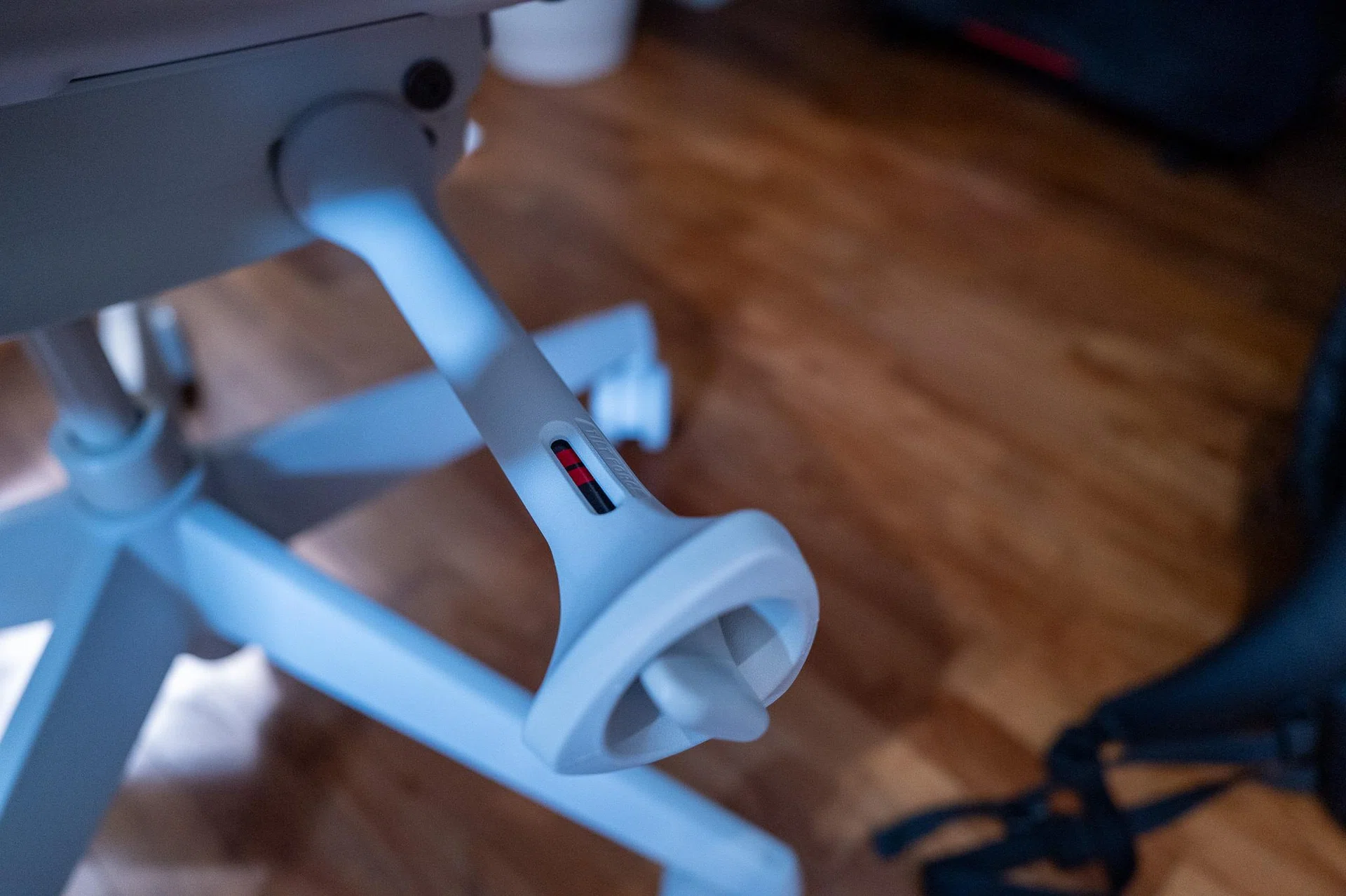
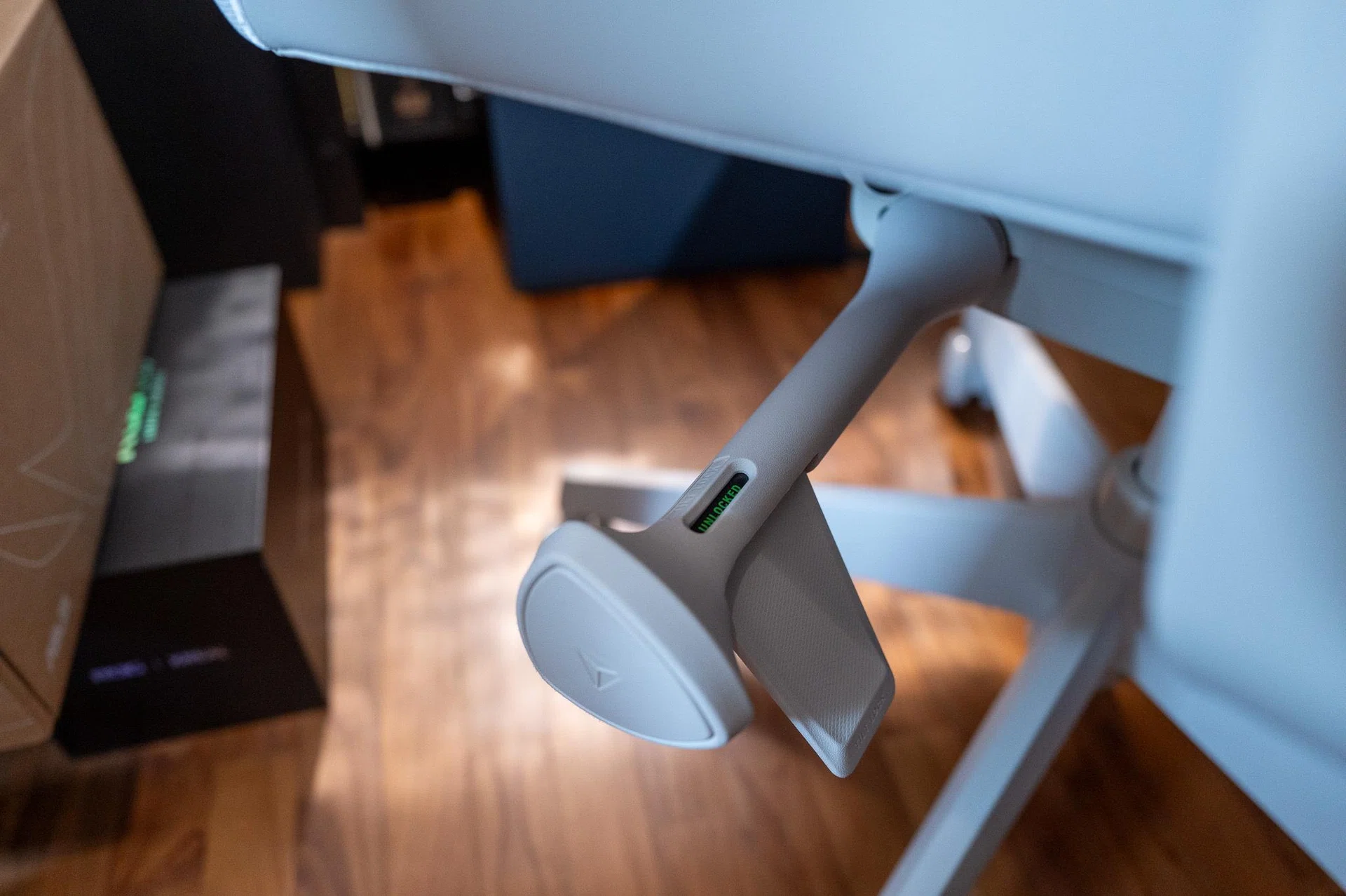
The biggest hardware difference, however, is found in the way the Atlas moves. Rather than relying on a traditional recline mechanism, the chair uses a weight-activated tilt system that allows the seat base and backrest to move together as your body shifts. Tilt resistance can be adjusted across four different levels, ranging from a relatively free-flowing setting to a much firmer configuration. It’s a very different approach from the Titan Evo and is designed to encourage more movement throughout the day rather than keeping users locked into a single position.

Living with the Atlas

As I’ve mentioned earlier, my daily chair of choice has been the Titan Evo and that’s a chair built around adjustment. You tweak the lumbar support, adjust the armrests, dial in the recline and configure everything until it feels exactly the way you want it. That’s probably why I wasn’t entirely convinced by the Atlas’ tilt mechanism when I first sat down in it. Years of using Titan Evo chairs had conditioned me to think of a chair as something that should support a fixed seating position, so the Atlas initially felt a little strange. Yet after a few days, I stopped consciously thinking about the chair’s tilting feature and simply found myself using it. During long editing sessions, I would instinctively lean back while reading through drafts before shifting forward again when it was time to write. The same thing happened during gaming sessions, particularly with slower-paced games like Civilization VII where I wasn’t sitting upright most of the time. What impressed me wasn’t the movement itself, but how natural it eventually felt. The Atlas never felt unstable or overly loose, yet it somehow made long periods of sitting feel less restrictive than they normally do.

Title angle backrest

Like the Titan Evo, the Atlas allows you to lock or unlock the tilt angle of the backrest.

Photo: HWZ

Tilt force resistance knob

You can fine tune the tilt force resistance with this knob

Photo: HWZ

The cushioning follows a similar philosophy. Secretlab has built a reputation around firmer seating surfaces, and while I never personally had an issue with the Titan Evo’s firmness, I know plenty of people who did. The Atlas feels like Secretlab acknowledging that feedback without completely compromising its ideals where cushioning is concerned. The NanoFoam Composite cushioning is somewhat softer than what you’ll find on the Titan Evo NanoGen (I’m pretty sure it’s not my imagination), but not to the extent where it feels like your living room couch. There is still a reassuring level of support underneath you, particularly during longer sessions. More importantly, the chair never felt like it was forcing me to adapt to it. One of the recurring criticisms levelled at older Secretlab chairs was that they sometimes required an adjustment period. The Atlas doesn’t entirely eliminate that feeling, but it comes closer than any previous Secretlab chair I’ve used.

That’s not to say the Atlas is perfect. The fixed lumbar support won’t appeal to everyone, particularly those who have grown accustomed to the highly adjustable lumbar system found on the Titan Evo. Personally, I didn’t find it problematic, but I can imagine existing Titan Evo owners missing the ability to fine-tune lumbar positioning. The Atlas with the Softweave Plus fabric also runs slightly warmer but in an air-conditioned room, this was largely a non-issue. Thankfully, Secretlab has also made the NanoGen Hybrid leatherette upholstery an available option, which from my experience offers a plushier and cooler experience despite its very limited colour options (black and white only).

Final thoughts

Secretlab Atlas

I’ve used the Atlas for a while and I’m now torn between it and the Titan Evo as my daily chair.

Photo: HWZ

It’s pretty clear that the Atlas isn’t a replacement for the Titan Evo. If anything, the two chairs feel designed for different audiences despite sharing the same DNA. The Titan Evo remains the chair I’d recommend to someone who wants maximum adjustability and a more traditional gaming-chair experience – and the range of accessories available for it. The Atlas, on the other hand, feels aimed at those of us who just wants a chair that simply “works” and looks noticeably less aggressive in its overall design philosophy.

That distinction is important because it potentially expands Secretlab’s audience beyond the gaming community that helped build the brand. There are plenty of people who want a comfortable chair but have no interest in owning something that looks like it belongs in a gamer’s room. The Atlas feels tailor-made for those buyers. It’s easy to imagine the chair finding a home in creative studios, home offices and workplaces where a Titan Evo might feel slightly out of place.

The question, of course, is whether it’s worth the money. At $599, the standard Atlas sits in a competitive part of the market, while the premium Dune+ version (along with the Black3+, Pure Black+ and Pure White+) reviewed here pushes the asking price to $849. That’s a significant investment for any chair, particularly when buyers can start cross-shopping against ergonomic office chairs at those prices. Yet after several weeks of use, I don’t think the Atlas is trying to compete directly with those products. Instead, it feels like Secretlab creating a new lane for itself between gaming chairs and traditional office seating.

If the Titan Evo represents the culmination of everything Secretlab has learnt about gaming chairs over the past decade, then the Atlas feels like the company’s first serious attempt at looking beyond them. I wouldn’t be surprised if Secretlab eventually expands the ecosystem around the Atlas with additional accessories, customisation options or even SKINs. More importantly, I wouldn’t be surprised if this ends up becoming the foundation for an entirely new category of products within the company’s portfolio. Whether that happens remains to be seen, but after spending time with the Atlas, it’s clear that Secretlab has no intention of standing still.

The Secretlab Atlas chair is now available at Secret’s e-store. Price start from $599. Click here to buy.


Read Full Article At Source

Share. Save. Don't Miss The Buzz: XFacebookRedditLINETelegramWhatsAppGmail