Oakley Meta Vanguard review: The Meta smart glasses with a clearer purpose

Oakley Meta Vanguard review: The Meta smart glasses with a clearer purpose


When I reviewed the Ray-Ban Meta Gen 2 a little while back, I came away liking it more than I expected. There was something oddly liberating about being able to take a photograph simply by tapping the side of the frame, although wearing a camera on my face also made me far more self-conscious than I thought it would. Even with the recording light, I occasionally worried that strangers might think I was filming them – and even more worried they would confront me.

The Oakley Meta Vanguard that I’m reviewing here does not entirely escape that problem, but its intended use makes the camera feel more practical. These are very obviously sports sunglasses. If I am running or cycling and recording the path or road ahead, there is much less ambiguity over what I am trying to capture. More importantly, I can take a photograph or start recording without having to reach for my phone while cycling– which is against traffic laws in Singapore. That makes the camera feel far more useful here than it did on the Ray-Ban Meta 2, where I mostly used it to capture the occasional “food porn” moment.

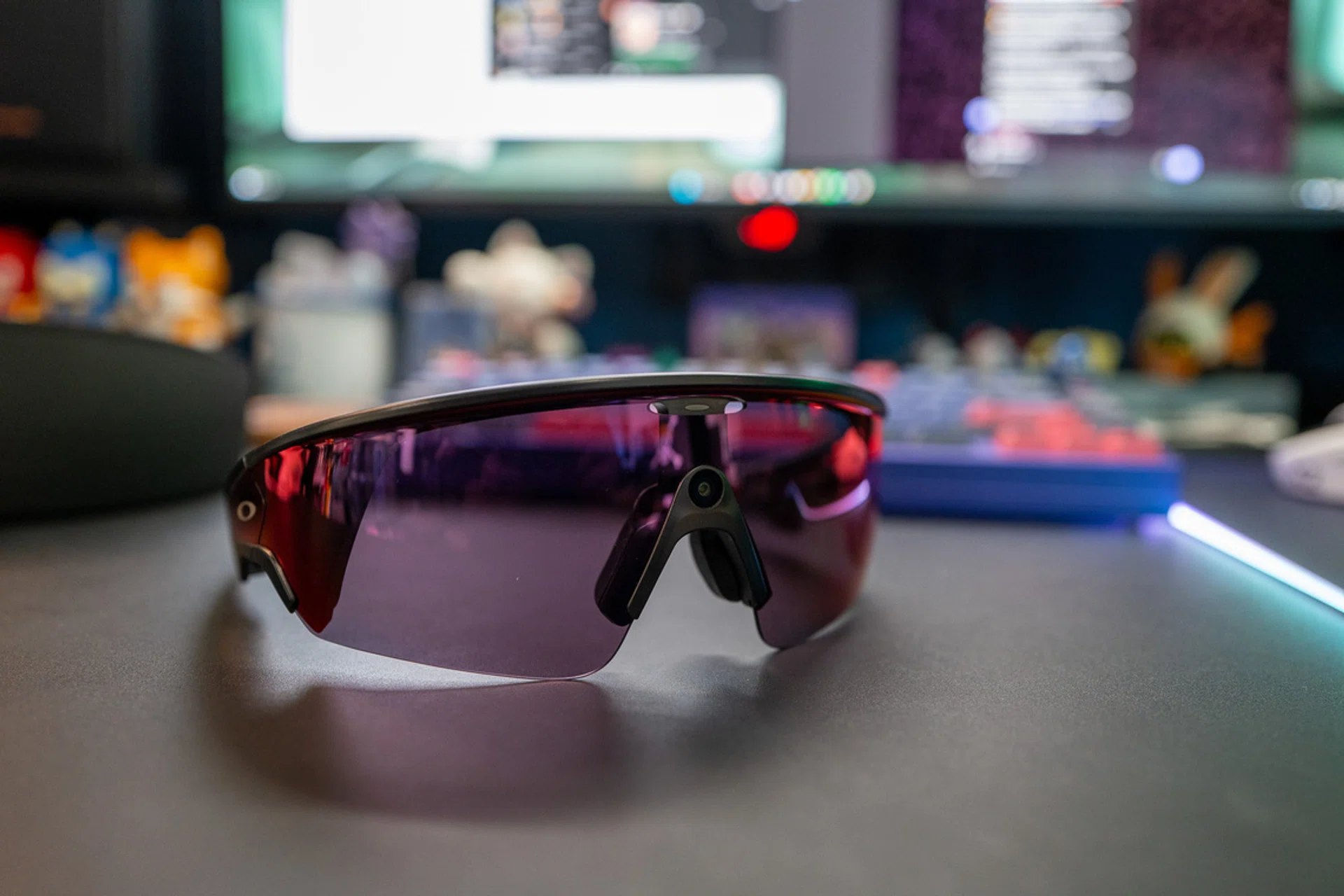
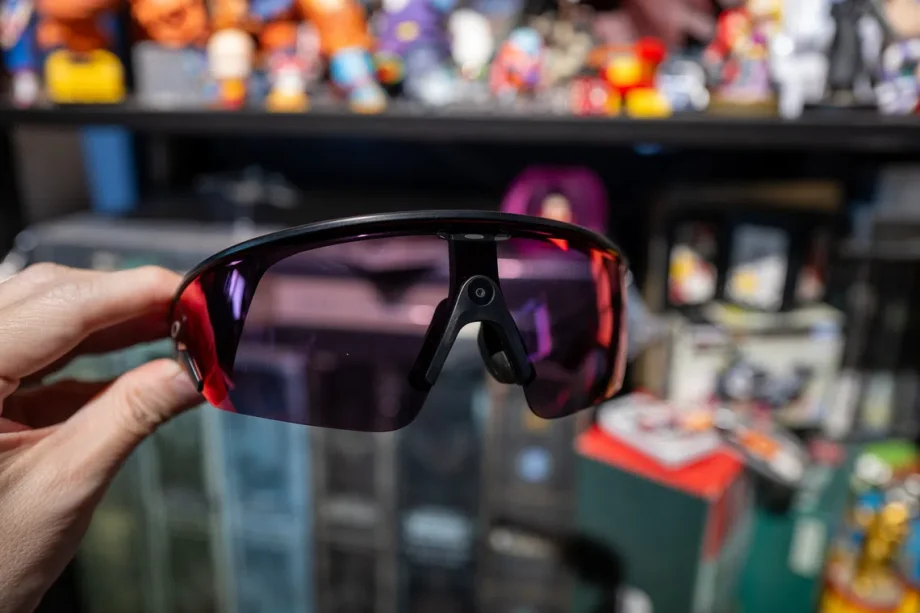
One important difference is that, unlike the Ray-Ban Meta Gen 2, the Vanguard is still based on Meta’s first-generation platform. Meta 2 mainly improves video quality (allowing up to 3K recording) and battery life extended from four to eight hours. Curiously, the Vanguard can still record 3K video despite using the older platform. It instead distinguishes itself through its sports-focused design, including an IP67-rated frame, a centrally positioned 12-megapixel camera, Oakley Prizm lenses and support for compatible Garmin devices, which can provide spoken performance information and add workout data to recorded footage.

For cyclists and runners
For cycling and running use

The Oakley Meta Vanguard is oddly liberating to use while cycling or running; unlike the Ray-Ban Meta 2 which tends to make me hesitate.

Photo: HWZ

Unlike the Ray-Ban Meta, which could easily pass off as an ordinary pair of glasses, there is nothing discreet about the Vanguard. Its large, wraparound shield lens gives it an aggressive sporting look that are geared for road cycling and running enthusiasts. And that is not necessarily a bad thing. The lens provides a broad field of vision and offers useful protection from wind (and debris) when cycling or running, while the frame remained secure even when I was riding on bumpy roads.

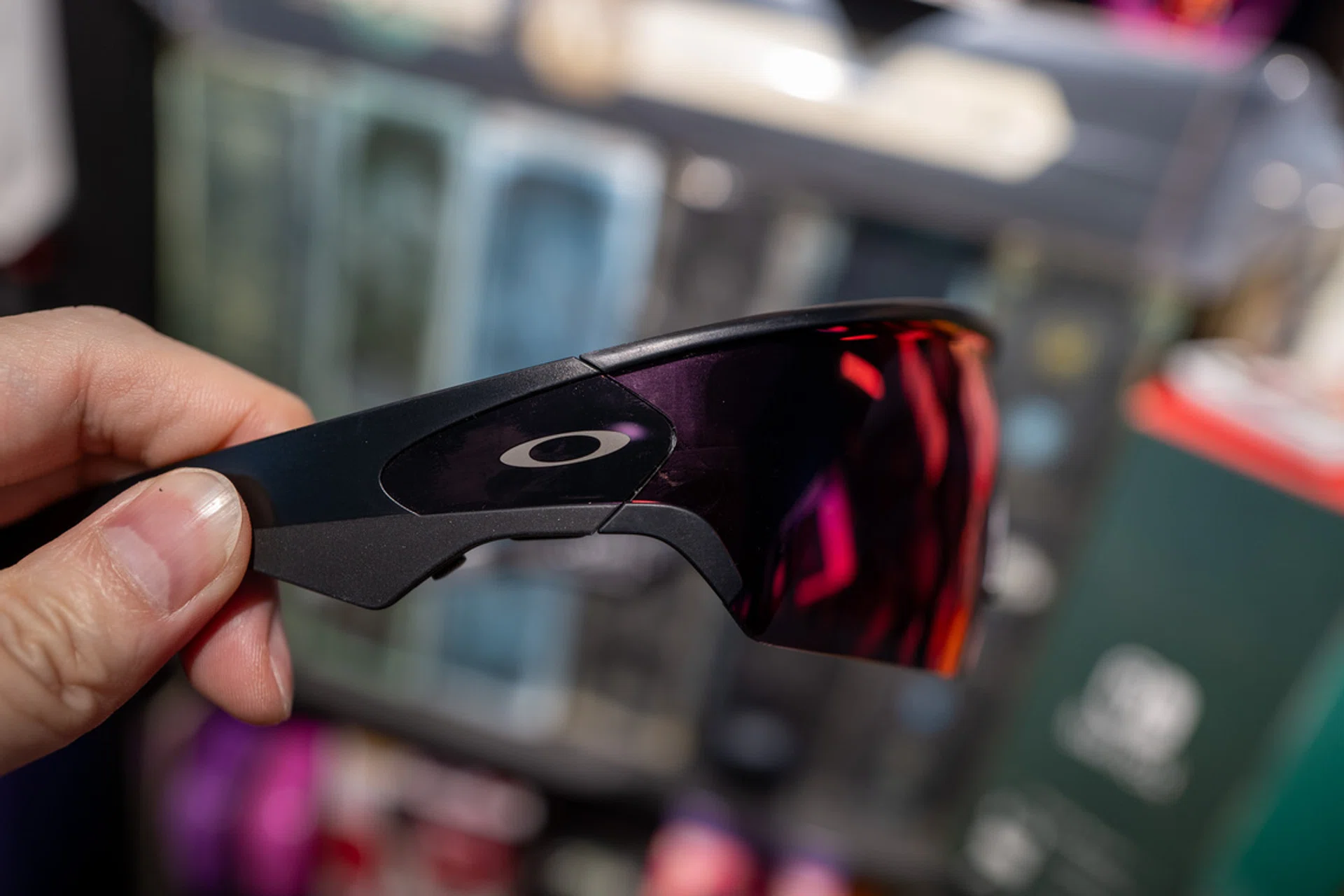
But I don’t think this shape will suit, or even fit, everyone. The Vanguard comes in one size, and although Oakley includes alternative nose pads, the overall width and curvature of the frame are fixed. On a smaller face, it can look and even feel enormous. The thick arms also contain the speakers, battery and other electronics, so they are considerably bulkier than those on non-Meta Oakley sunglasses. Those with wider heads may also find the arms pressing against their temples after a while.
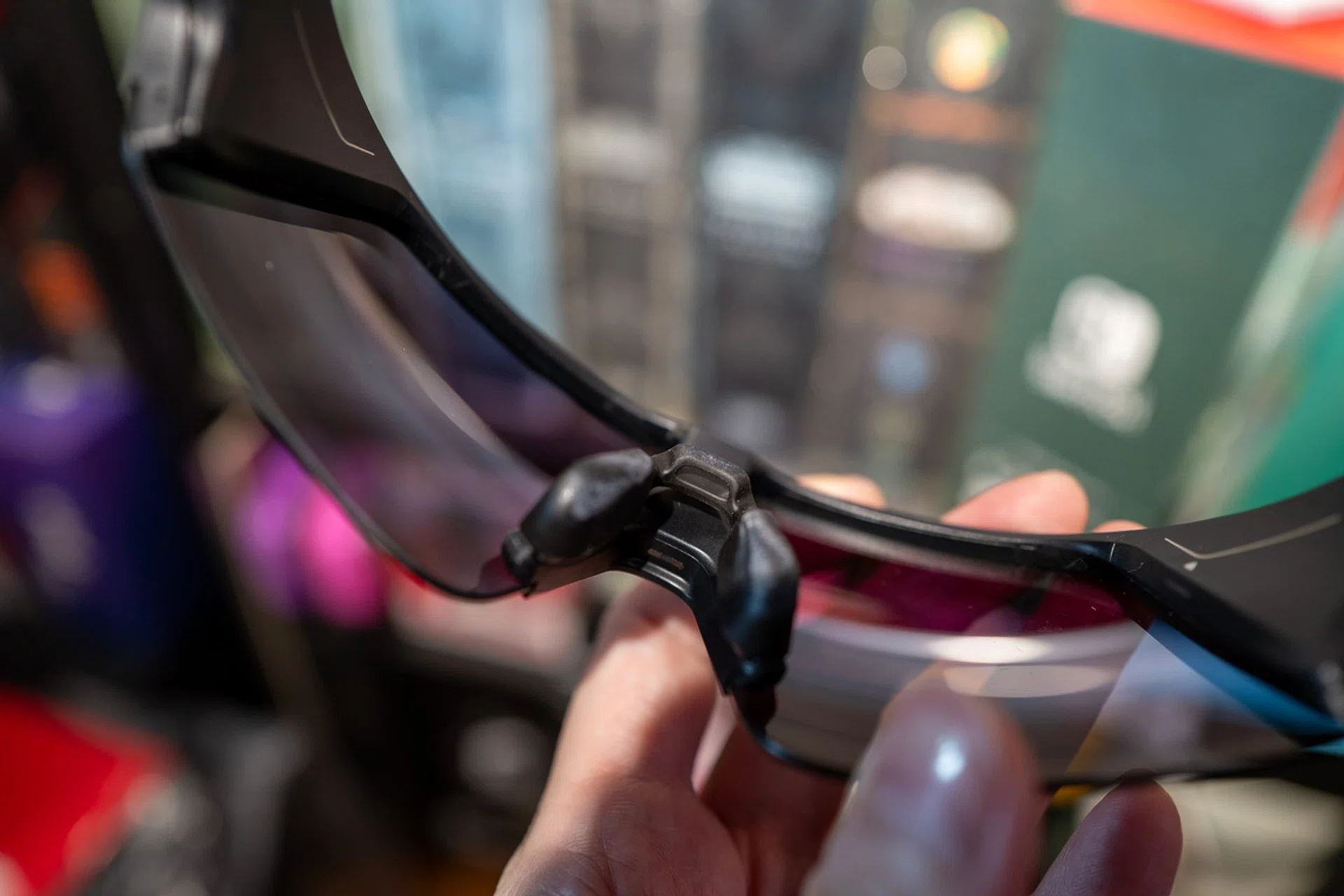
Asian fitting

Oakley provides nose pads for Asian fitting too.

Photo: HWZ
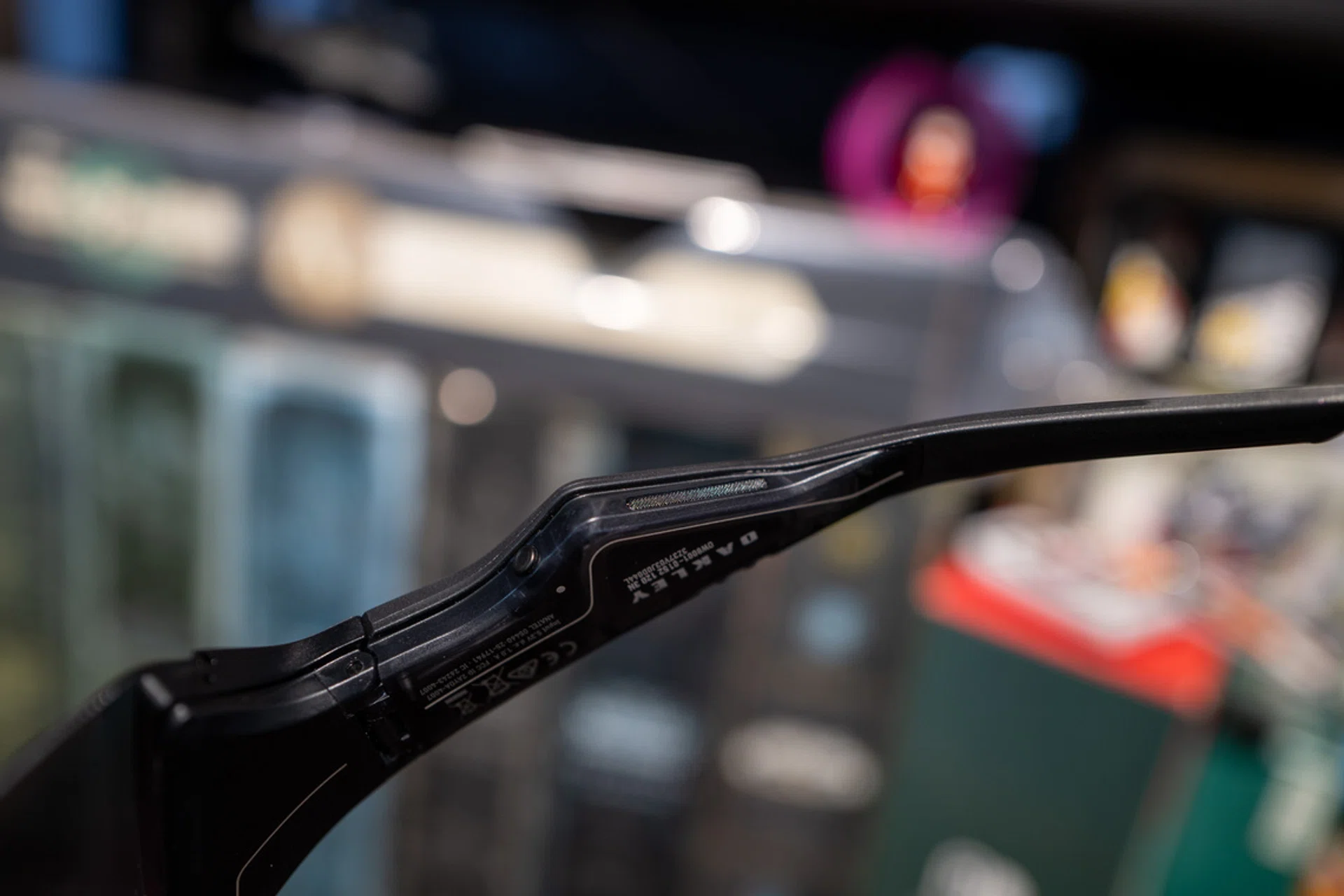
Open-ear speakers

The open-ear speakers allowed me to listen to music safely even while cycling.

Photo: HWZ

The Vanguard weighs about 66g, and isn’t that much more than the Ray-Ban Meta Gen 2 Scriber Optics. During shorter rides or runs, that weight was not much of an issue. But wearing for longer periods and I could feel the additional pressure around my nose and the sides of my head. It was similar to my experience with the Ray-Ban Meta Gen 2, and so while it’s not painfully heavy, neither does it feel comfortable in the way a light pair of sports sunglasses do.

Still, I had plenty of fun using it. When cycling, the centrally mounted camera captures a perspective that looks much closer to what I am actually seeing than the Ray-Ban Meta 2 – which has the camera built onto a corner of the frame instead. If a jerk of a driver tried to sideswipe me on the road, or if the sunrise calls for a kodak moment, I could quickly record it without having to take out my phone. The same applied while running. There was no need to stop, unlock my phone and ruin whatever fleeting moment I was trying to record.

The resulting 3K footage looked surprisingly steady, given how much my head was moving. It will not replace an Insta360 action camera, and a smartphone can still produce better photographs, but the Vanguard has one considerable advantage over both: it is already on my face. That convenience meant I recorded things I otherwise would not have bothered with. The camera is limited to portrait-oriented images and video, however, which works well for Instagram Stories and other social platforms but is less useful if you want conventional landscape footage.

I also liked the open-ear speakers more here than I did on the Ray-Ban Meta 2. They are not going to replace a good pair of earphones for sound quality, but running and cycling are two activities where I want to remain aware of my surroundings. Podcasts and spoken directions came through clearly without sealing off my ears, and the adaptive volume did a reasonable job of compensating for wind noise. At higher speeds, the wind inevitably wins, but the speakers were more usable while cycling than I expected them to be.

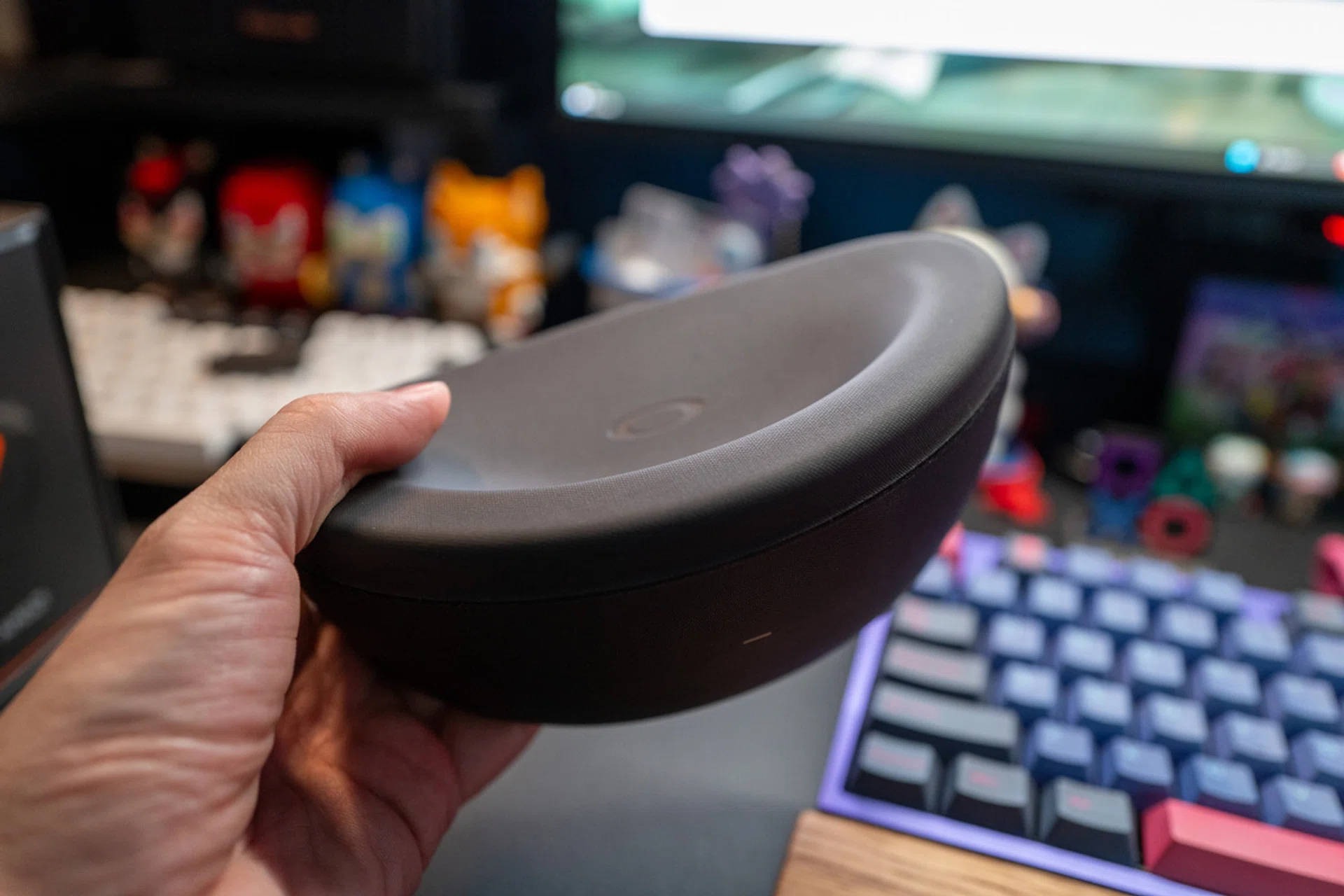
Meta Vanguard case

Oakley ought to make a less-chunky case for the Meta Vanguard.

Photo: HWZ

There are some irritations. Recording frequently eats through the battery much faster than the claimed nine hours, so that figure should not be taken as nine hours of continuous filming. The charging case is also rather large, and because there is no USB-C port on the glasses themselves, you need the case to recharge them. That is manageable if it is sitting in a backpack, but impossible if you’re doing a century ride or a marathon.

Final thoughts

Meta Vanguard pricing

At $819, the Vanguard isn’t easy to recommend

Photo: HWZ

All in all, I do like the Oakley Meta Vanguard a lot. It gives Meta’s smart-glasses technology a more convincing purpose than the casual Ray-Ban Meta 2. Being able to record a section of a run or ride without holding a phone was not only fun, but also safer, especially while cycling. I could keep my attention on the road and my hands where they should be instead of fumbling with a phone (Warning: please do not do this while cycling on the road).

That said, the Vanguard isn’t going to my regular Oakley cycling sunglasses. For longer rides, I would still reach for a lighter, non-Meta pair. They are less tiring to wear and a Vanguard without any battery juice left is pretty much useless.

Then there is the not so small problem of price. At S$819, the Vanguard costs considerably more than an ordinary pair of Oakley sports sunglasses and even more than the Ray-Ban Meta Gen 2, which starts at S$629 here in Singapore. That’s quite a substantial premium to have video recording and audio functions added into your sunglasses. For runners, it might just be more sensible to stick to your AirPods Pro and smartphones for photo-taking.

So, while I’ve enjoyed my time with the Vanguard especially while cycling, at this price it’s not an easy recommendation. You really do want to make use of the camera frequently, otherwise that money can be spent on simply a good pair of sports sunglasses.

The Oakley Meta Vanguard is available for $819 (a model with transition lens costs $949) at the Meta store. Click here to buy.


Read Full Article At Source

Share. Save. Don't Miss The Buzz: XFacebookRedditLINETelegramWhatsAppGmail

Leave a Reply