Smart glasses are no longer quite the gadgets from science fiction movies that we watched while growing up, although I still think we are some distance away from everyone happily walking around with cameras, speakers and AI assistants sitting on their faces. What has changed in recent years, especially over the past couple of years, is that the category has started to feel a lot more normal, and a big part of that has been driven by Meta’s partnership with EssilorLuxottica. The Ray-Ban Meta Gen 2 glasses worked better than I expected because they did not try too hard to look like a piece of tech toy. They looked like Ray-Bans first, and smart glasses second, which made the whole concept much easier to accept. That matters because the smart glasses market is heating up quickly, with Counterpoint figures showing the display-less smart glasses market surging 210 per cent year-on-year in the first quarter of 2026 alone, while Meta accounted for 84 per cent of the market.
That is the world HTC is stepping into with the VIVE Eagle. Unlike HTC’s more familiar VIVE VR and XR headsets, this is not a headset, nor is it trying to put a display in front of your eyes. It is closer in spirit to the Ray-Ban Meta glasses: a pair of everyday-looking smart glasses with a camera, open-ear speakers, microphones, voice controls and an AI assistant that lives alongside your phone. In Singapore, the VIVE Eagle starts at $730 with ZEISS UV400 sun lenses (reviewed here), while the AdaptiveSun version costs S$880, putting it above the Ray-Ban Meta Gen 2 range, which starts from $629 locally and goes up to S$699 for the Scriber Optics and Blayzer Optics models.
Hardware and design
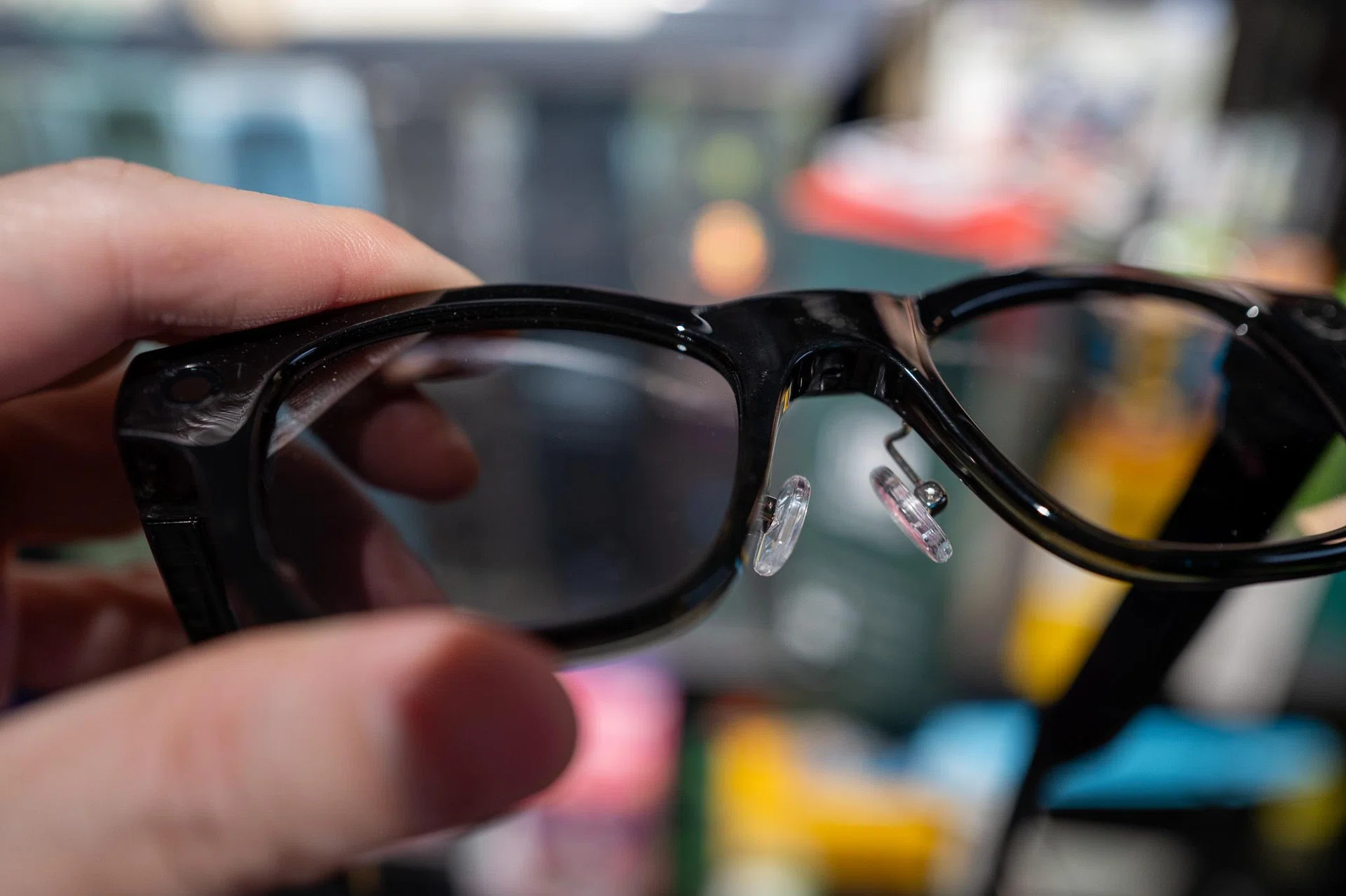
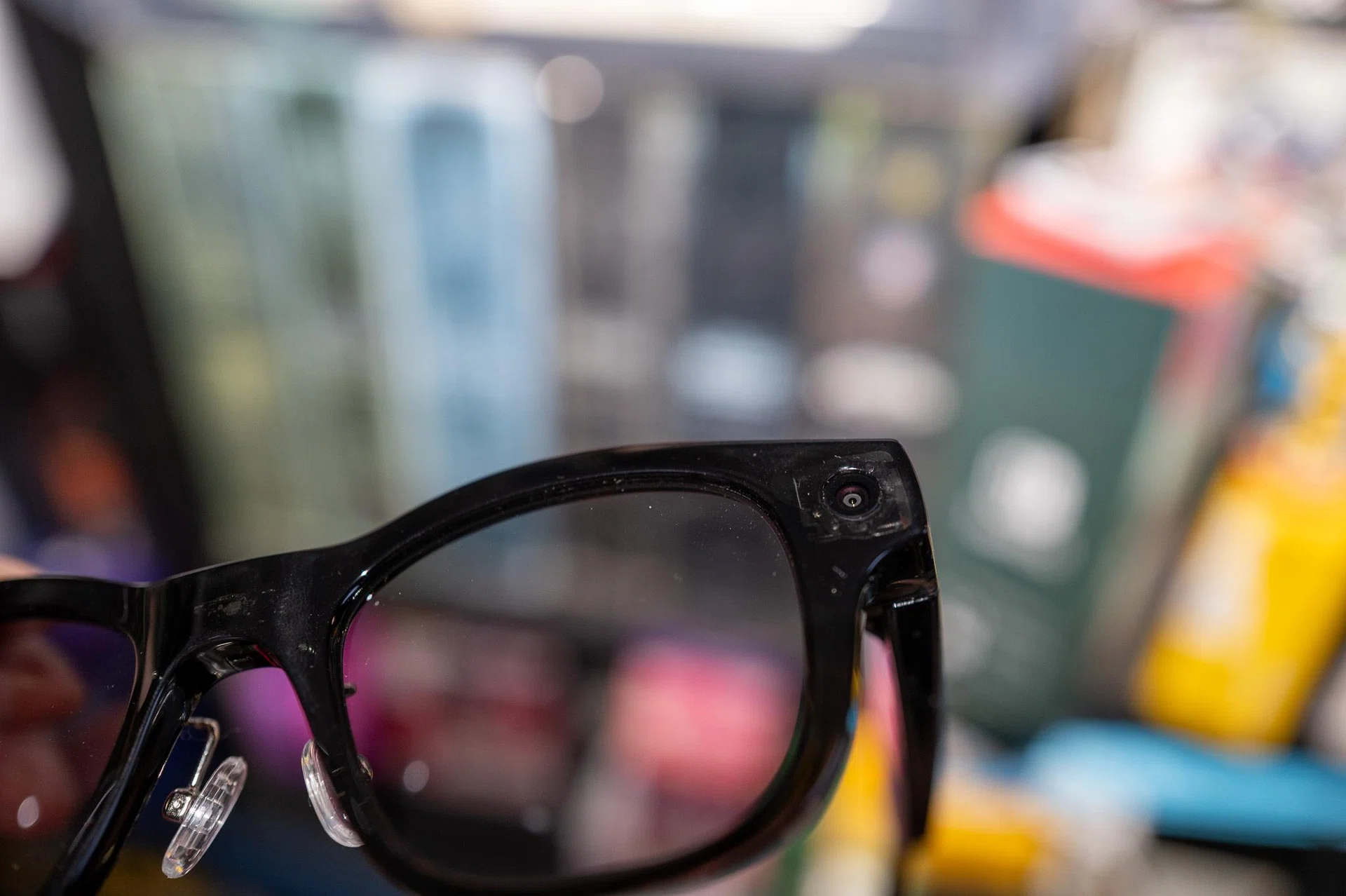
The adjustable nose pads are a better fit for Asians.
Photo: HWZ
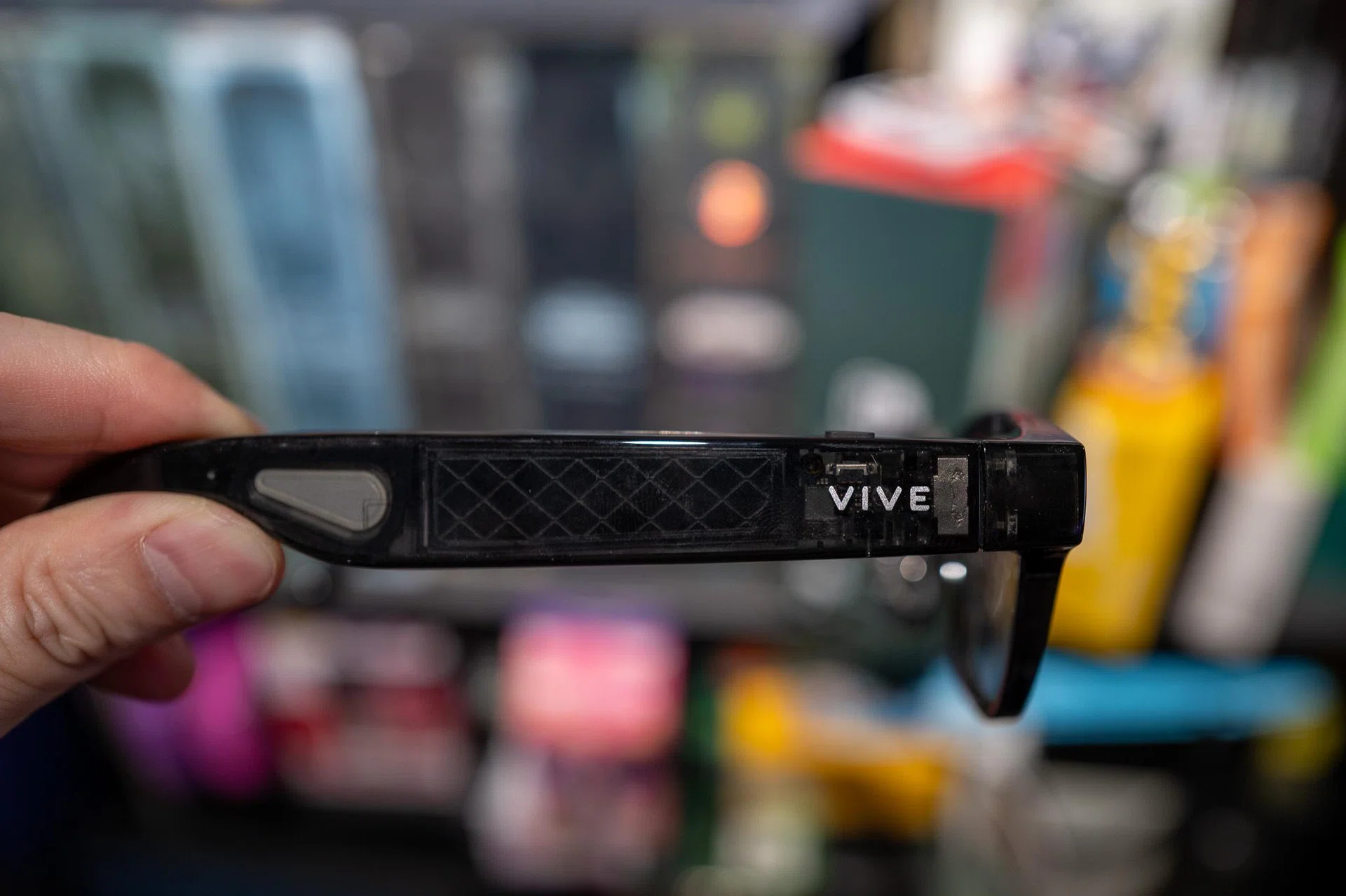
Smart glasses should look cool, more a fashion statement than a gadget on your face, and I thought the VIVE Eagle mostly clears that hurdle. The frame and arms are thicker than a normal pair of sunglasses to house all the necessary circuitries, as expected, but it can remain remarkably conspicuous unless someone is paying close attention to the camera module on the frame. It comes in Black, Berry, Coffee and Grey for the medium size, while the large size is limited to Black and Grey.
HTC lists the medium model at 48.8g with lenses, while the large version comes in at 51.5g, and that puts it in roughly the same range as the Ray-Ban Meta Gen 2 Scriber Optics that I reviewed earlier. From my time spent with it, I found the VIVE Eagle comfortable enough for short stretches but like the Ray-Ban Meta glasses, you do become aware of it after a while, especially around the bridge of the nose. The adjustable nose pads help, and I do think HTC’s focus on Asian fit makes sense, but anyone expecting these to feel exactly like a normal pair of sunglasses will need to manage their expectations.
Where the Ray-Ban Meta glasses have the advantage is still in the overall eyewear experience. That is not really surprising, because Ray-Ban has decades of design familiarity working in its favour, and Meta’s smartest move was always to hide its technology inside a lifestyle brand most people already recognise. The VIVE Eagle looks decent, but it feels more like a tech company’s version of fashionable eyewear – to me anyway. The build feels solid enough, the arms do not feel flimsy, and the physical controls are sensible, with voice command, a touchpad, a capture button and a power/AI button all available. But when placed next to the Ray-Ban Meta Gen 2 Scriber Optics, the VIVE Eagle does not quite have the same easy style or polish. It is a respectable first effort from HTC, but the Meta glasses from Ray-Ban still feel like the more natural thing to wear daily.
Read Full Article At Source