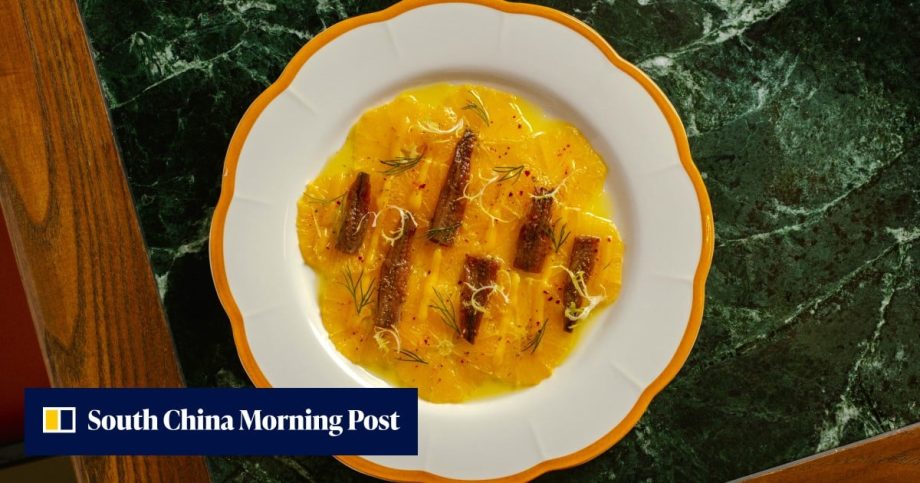
Why Ninetta’s orange carpaccio is Hong Kong’s most unlikely new Italian dish

Why Ninetta’s orange carpaccio is Hong Kong’s most unlikely new Italian dish


Hong Kong’s Italian dining scene has traditionally been dominated by two extremes: the fine-dining temples – your Bombana, Grissini and Sabatini – and the red-sauce joints that range from The Spaghetti House to Fini’s. Ninetta, which opened last month in Central, proposes a third way. Pronounced “nee-NET-ta”, a term of endearment meaning “little Nina”, the restaurant channels the image of a beloved Italian mama whose home is always open and whose table is always full. It is warm, approachable and serious about food without being serious about itself – a neighbourhood trattoria in the truest sense.
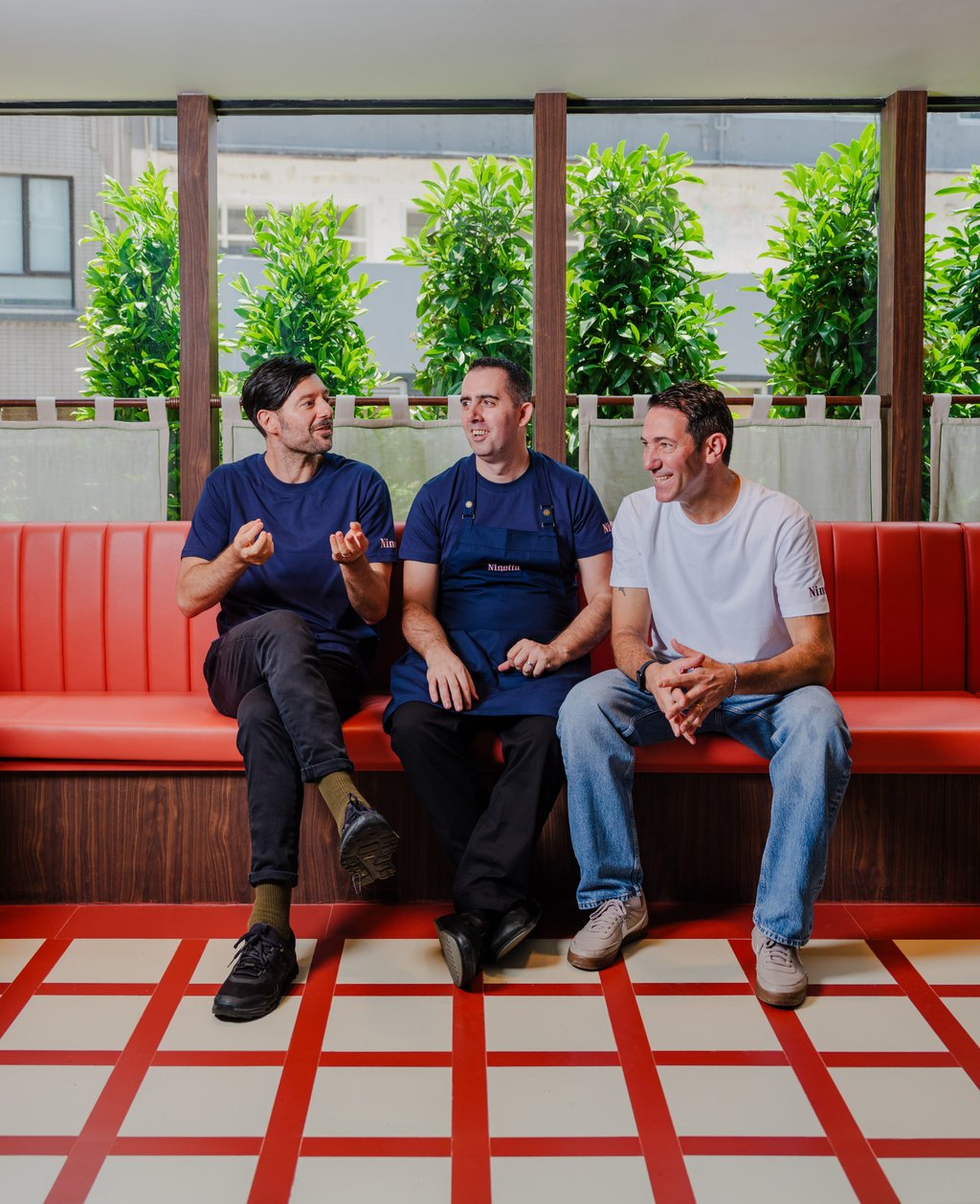
Step inside Ninetta’s kitchen, however, and you won’t find a nonna. It’s chef Marco Xodo, formerly of Testina, Central’s much-missed nose-to-tail concept that made unglamorous cuts glamorous. Before that, Xodo spent more than seven years as chef de cuisine at 8½ Otto e Mezzo Bombana in Shanghai. He conceived Ninetta alongside Antimo Merone and Graziano De Gregorio, chef and general manager of Estro, respectively. The trio have more than enough fine-dining pedigree to find backers for any elevated concept. Surprisingly, they went in the opposite direction and chose a trattoria.

“Fine dining teaches rigour, precision, and respect for ingredients,” Xodo says. “But the heart of Italian cuisine lives in the trattoria. Moving towards more casual concepts is a conscious choice to strip away the stiff formality of fine dining. It is a step closer to the authentic spirit of an Italian kitchen.”
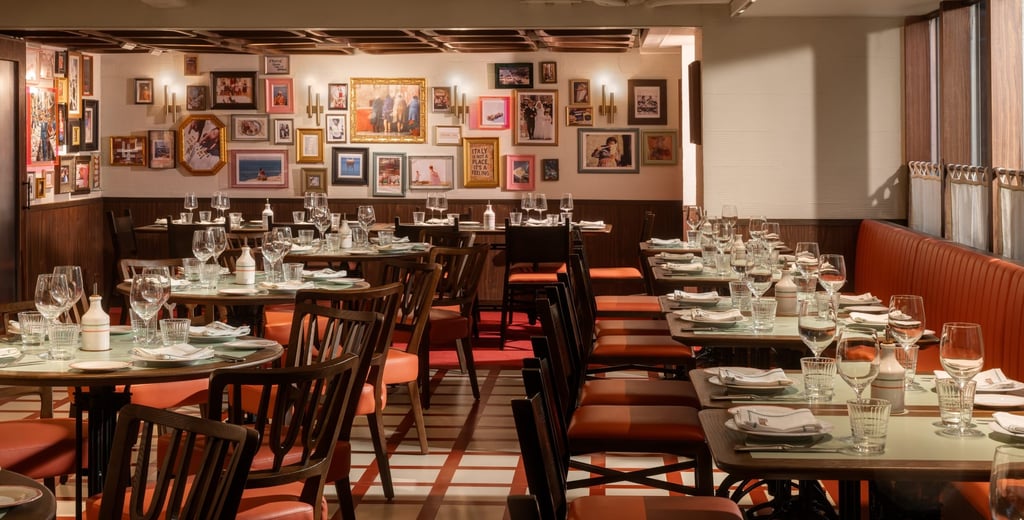
The Ninetta dining room. Photo: Handout

That commitment to unpretentious warmth explains the restaurant’s playful, nostalgic decor. “The choice of the 1980s and 1990s aesthetic is deeply personal,” Xodo explains. “That is simply the period we grew up in, a time when Italy was experiencing incredible cultural vitality. That vibrant energy translated directly into the lively neighbourhood trattorias and family homes of our youth. Food was always the thing that brought people together around a single table.”


Read Full Article At Source

Share. Save. Don't Miss The Buzz: XFacebookRedditLINETelegramWhatsAppGmail

Leave a Reply