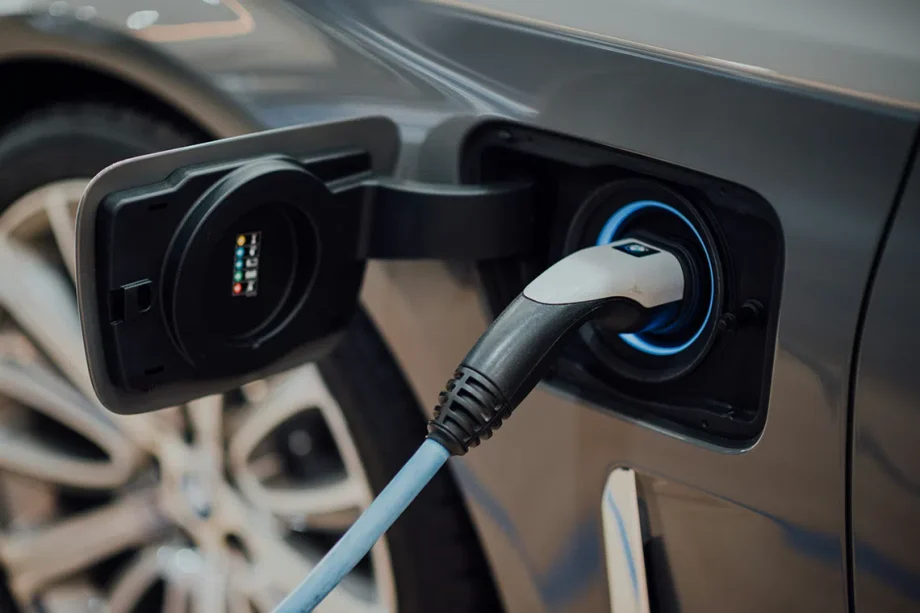
We all know how expensive cars are in Singapore. So when we’re in the market to buy one, it’s only natural to mull over every little detail to make sure that the 6-figures we’re spending don’t go to waste. This is especially true for EVs – these vehicles feature cutting-edge automotive tech, so there’s a whole host of other factors to consider, especially compared to conventional ICE vehicles.
One of those factors is the battery. Some of the considerations you might think of are range, capacity and charging, but they’re all influenced, at least in part, by the type of battery an EV uses and how it’s implemented.
Which is why we’ve written this guide to help you understand that. We’ll go through some of the most common EV battery types that are on the market now, as well as some emerging technologies that you might want to keep an eye on. Along the way, we’ll populate it with models utilising these battery technologies.
Lithium-ion Batteries (LFP, NMC, NCA)
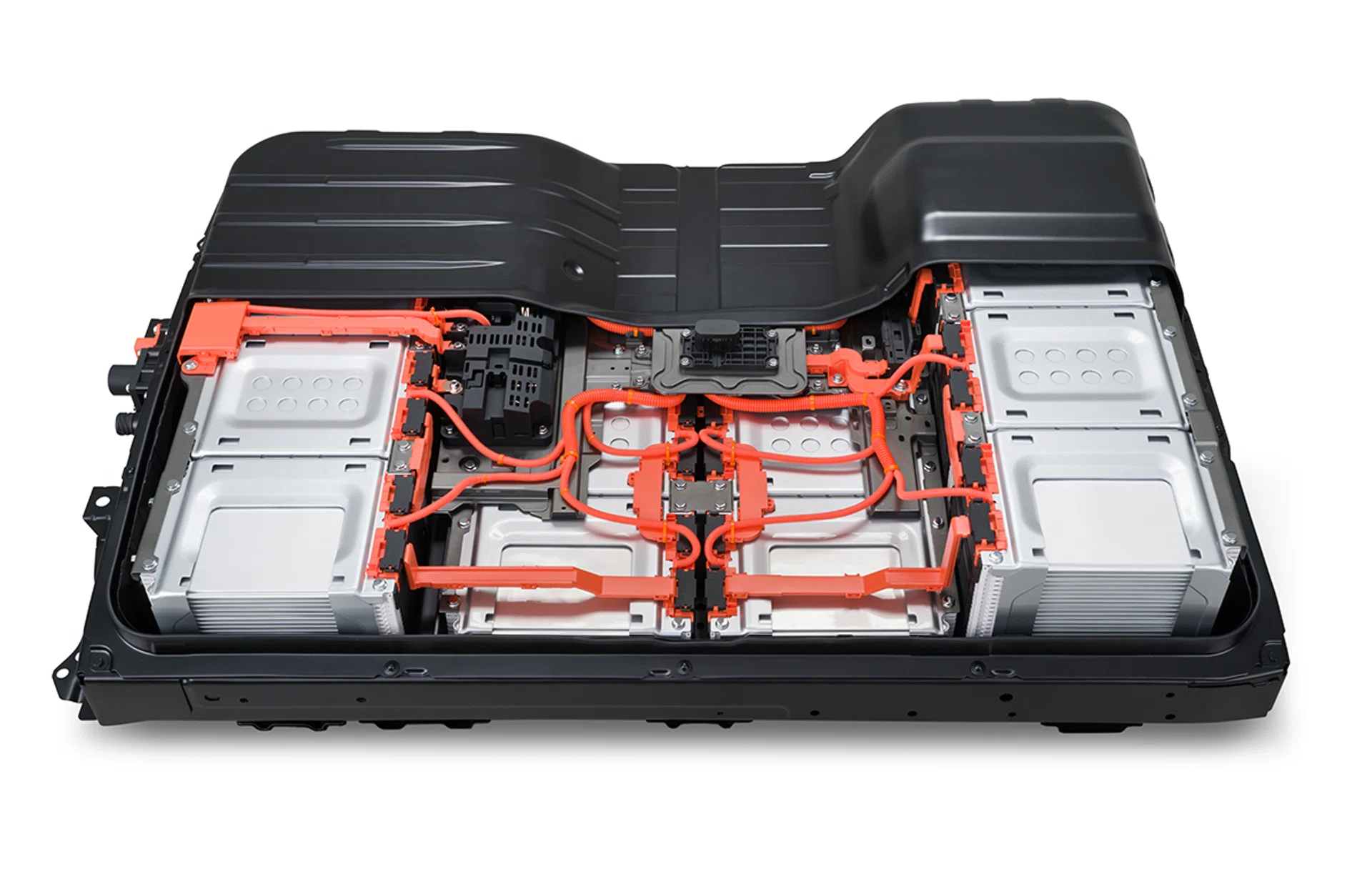
Most EV batteries today are some form of lithium-ion batteries.
Photo: Nissan
We’ll start with what’s easily the most common kinds of batteries on EVs. Typically, Li-ion batteries use a graphite anode (negative electrode) and a metal compound as the cathode (positive electrode), separated by an electrolytic layer. To keep it simple, it works similar to Li-ion batteries in other devices, where lithium ions travel through the electrolyte layer from one electrode to another.
The differences in lithium-ion batteries come from the materials used to make the cathode. For EVs, there are two prominent types: Lithium Iron Phosphate and nickel-based batteries, which consist of Nickel Cobalt Manganese and Nickel Cobalt Aluminum.
Lithium Iron Phosphate (LFP) batteries
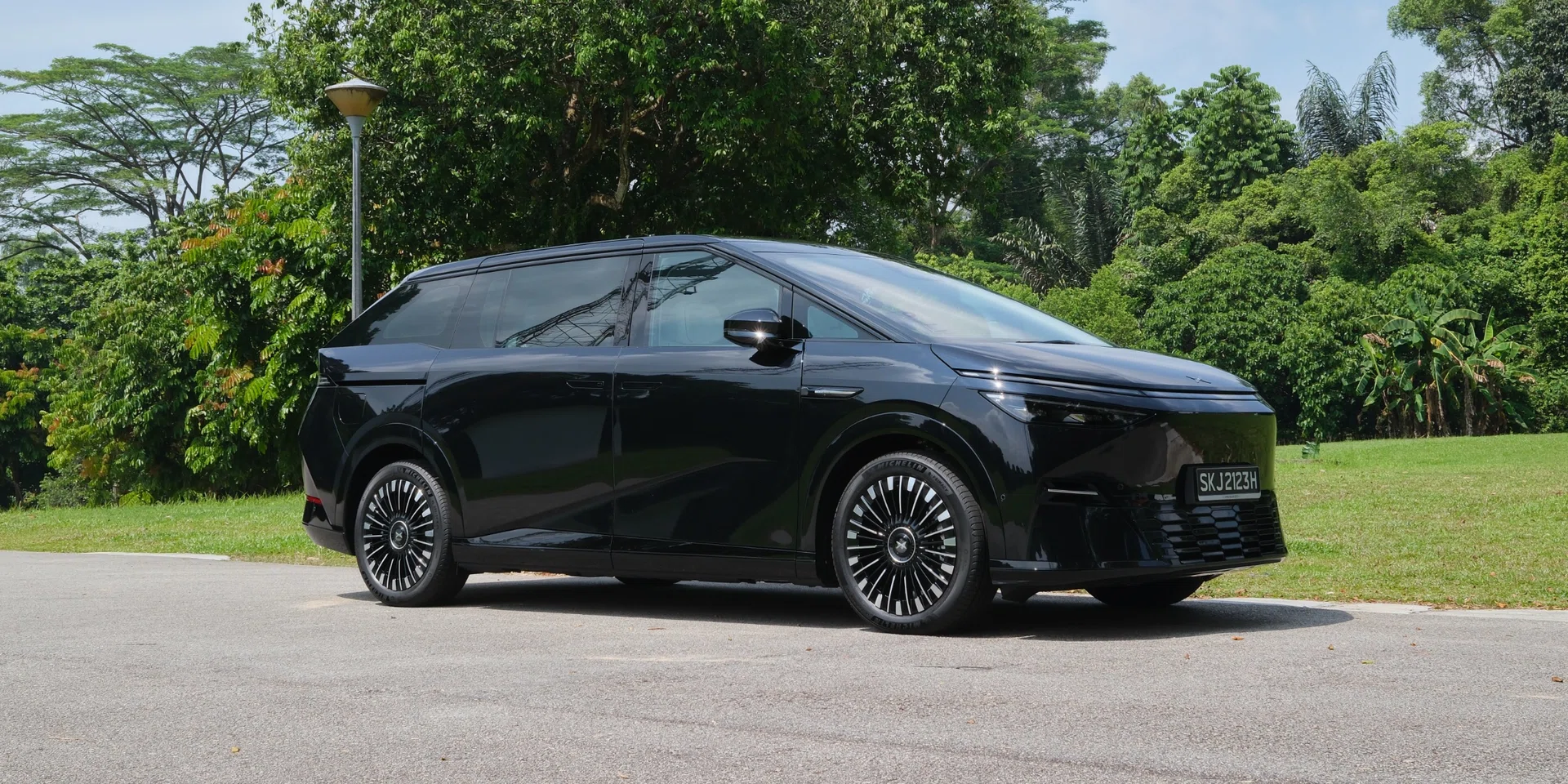
You’ll normally find LFP batteries on entry or mid-tier EV options, such as the Standard Range model of the Xpeng X9. The long range variants use NMC batteries.
Photo: HWZ
We’re starting with LFP batteries first because they’re fast becoming the most common type of battery you’ll find on EVs, especially in entry-level and mid-range models. To give some context for why this is the case, LFP batteries have incredibly stable chemical structures, which confer a host of benefits, as well as a couple of drawbacks.
For starters, LFP batteries can withstand more mechanical abuse compared to other lithium-ion batteries. Indeed, compared to nickel-based batteries – we’ll get into those in the next section – they degrade more slowly in high charge states (>80%) and take longer to heat up. As a result, LFP batteries are also safer than nickel-based lithium-ion batteries, though this is comparative since both are considered safe as long as there are good battery management systems in place. Practically, what this means for owners is that they can leave their cars in a higher state of charge with less of an impact on the health of their batteries.
The lower degradation also means LFP batteries have longer lifespan in terms of the number of charge cycles they can endure. Broadly speaking, LFP batteries are rated for more than 3,000 charge cycles before it’s capacity drops to 80%, whereas NMC batteries are rated for around 1,000 to 2,000 charge cycles.
Theoretically, LFP batteries should also be friendlier for the environment too, due to their reduced reliance on problematic materials like nickel and cobalt – cobalt is particularly troublesome because of its high cost and supply chain concerns. It helps too that the iron phosphate compound used is generally low in toxicity.
The main shortcoming for LFP batteries is that they aren’t as energy dense as nickel-based Li-ion batteries. In other words, they can’t hold as high a capacity with the same weight. The average density for LFP batteries differs depending on the source, but it generally comes down to between 100 and 150 Wh/kg. For NMC batteries, it’s generally around 150Wh/kg to 250Wh/kg.
However, since LFP batteries degrade more slowly, it is possible that they can become more energy dense than nickel-based batteries as time passes. But that’s only likely if both batteries are subject to many years of use or over a thousand charge cycles.
Pros:
Nickel Cobalt Manganese / Nickel Cobalt Aluminum (NMC/NCA) batteries
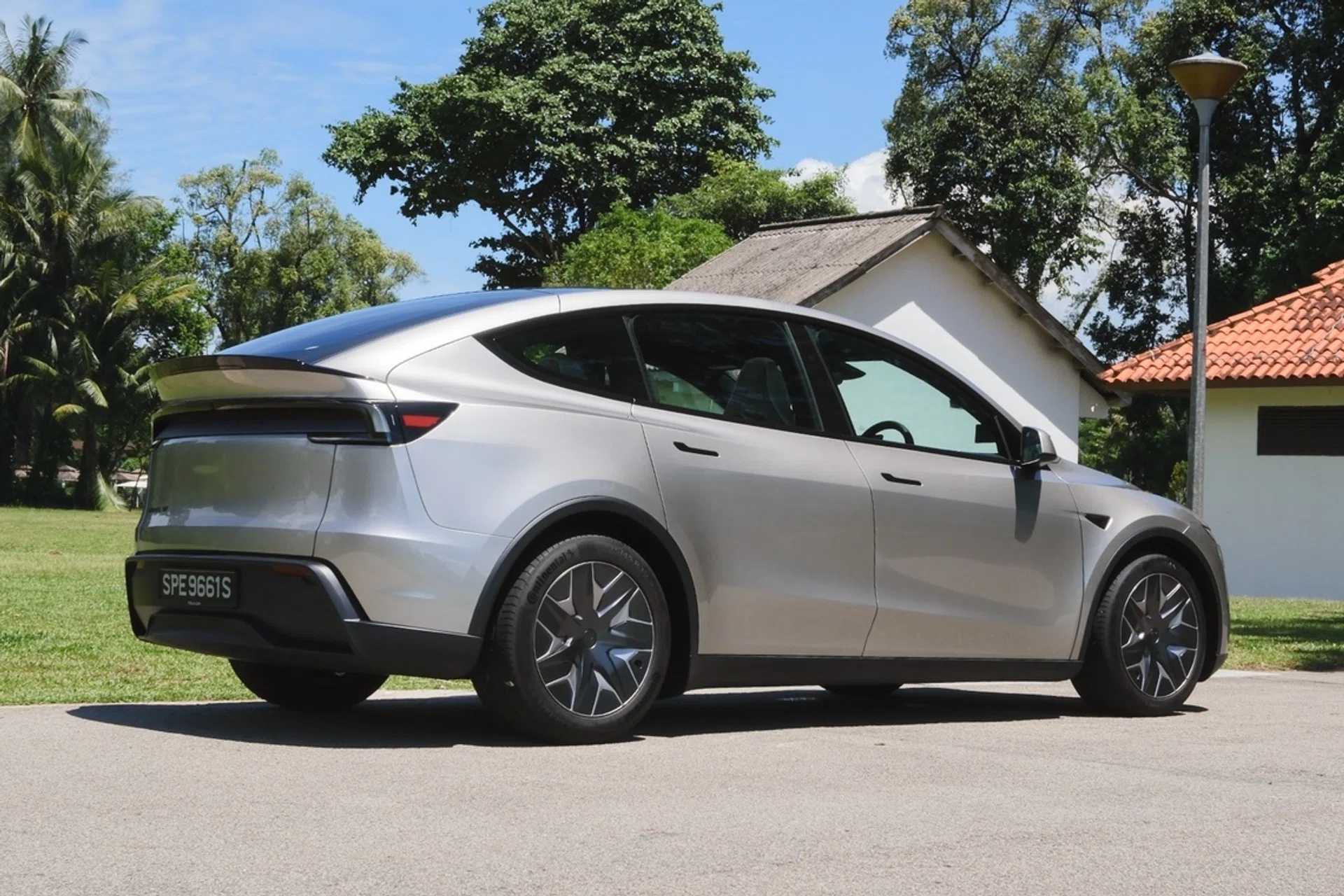
Nowadays, you might find nickel-based lithium-ion batteries in performance EVs like this Tesla Model Y L (Premium).
Photo: HWZ
NMC and NCA batteries are somewhat comparable. This is because nickel is the main component, enhancing the battery’s energy density. Cobalt and manganese/aluminium helps stabilise the cathode structure, ensuring that the battery can operate in more adverse conditions. NMC/NCA batteries tend to have higher energy density compared to LFP batteries – about 150 to 250 Wh/kg – and can charge/discharge faster, which is why you’ll see them used in performance or long-range models.
The main differences between NMC and NCA batteries are that NCA have a slightly higher energy density, but aren’t as chemically stable as NMC. But this is relative speaking, of course – NCA batteries aren’t by any means significantly more dangerous than NMC batteries.
While NMC/NCA batteries can have higher energy density, they’re less stable compared to LFP batteries. This is their main disadvantage, and it means a shorter overall lifespan and worse thermal stability. It also means that, between the two lithium-ion types, NMC/NCA batteries are more susceptible to degradation in high charge states. In short, if your EV has one of these batteries, you’ll want to keep them charged between 20% and 80% to preserve their longevity.
And as mentioned earlier, they tend to have a shorter lifespan of around 1,000 to 2,000 charge cycles. LFP batteries, on the other hand, typically have a lifespan of over 3,000 charge cycles. But even then, NMC batteries should be more than adequate for most users. If you assume a conservative range of 350km on a full charge, 1,000 charge cycles would still yield 350,000km. You’d have to travel that much to see your battery capacity fall to 80%.
The worse thermal stability also means NMC/NCA batteries may also reach thermal runaway at lower temperatures. Thermal runaway refers to the process where a battery gets hot enough that it starts uncontrollably producing more excess heat, leading to a feedback loop that could damage the battery (or worse, start a fire). But again, since most EVs have decent battery management systems, the chance of these batteries entering thermal runaway is slim.
Despite these drawbacks, their higher energy-to-weight ratio means that they’re a popular choice for performance long-range vehicles. Also, their faster rate of discharge translates to higher power outputs, making them the battery of choice for performance EVs.
Pros:
- Higher energy density than LFP
- Faster energy discharge = higher power output
- Charges faster
Cons:
- Degrades faster outside of the 20% to 80% range
- Heats up faster than LFP batteries
- Shorter overall lifespan
Cars w/ NMC/NCA Batteries:
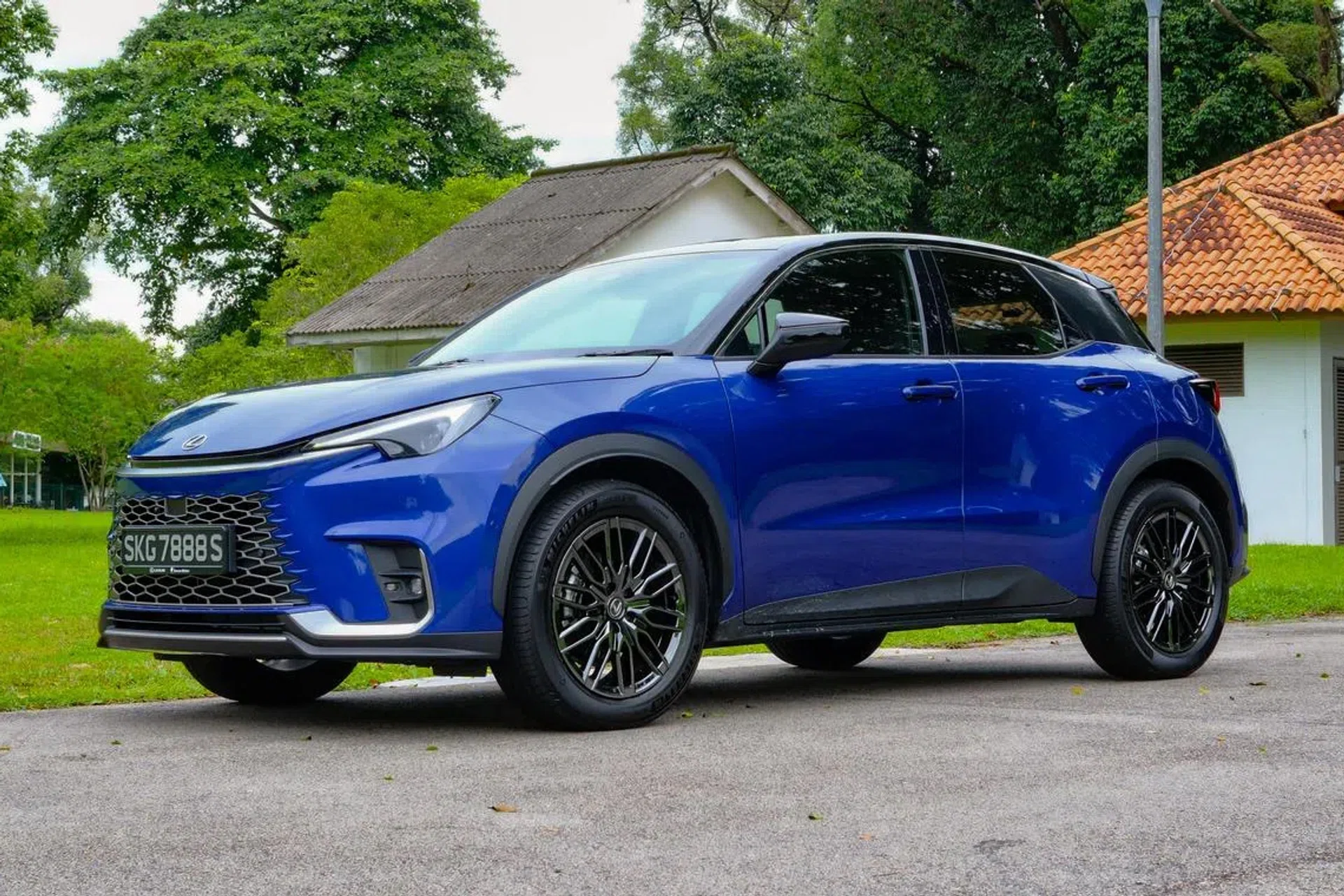
NiMH is still widely used in hybrids (like this Lexus LBX), though that may also be starting to change.
Photo: HWZ
These are an older type of battery compared to Li-ion, and although they don’t see use in fully-electric EVs, we wanted to mention them here because they historically featured pretty heavily in hybrid vehicles. In fact, it’s only in Toyota’s Q1 2027 earnings call, released in August 2026, that the company indicated it was shifting from using NiMH batteries to lithium ones in its hybrid strategy. The move, it said, would help reduce manufacturing costs and improve its profit margins.
Rather than using lithium, NiMH batteries use a nickel oxyhydroxide as the cathode, and a metal hydride for the anode. And while NiMH batteries do have higher energy densities compared to their contemporaries, they’ve more or less been supplanted by Li-ion. They can, however, endure more charge and discharge cycles, and their lesser energy density probably doesn’t matter much for hybrid makers when their cars can still tap on fuel. However, when it comes to all-electric EVs, you pretty much won’t find one that has a NiMH battery pack.
Emerging Technologies (sodium-ion and solid state)
Sodium-ion Batteries
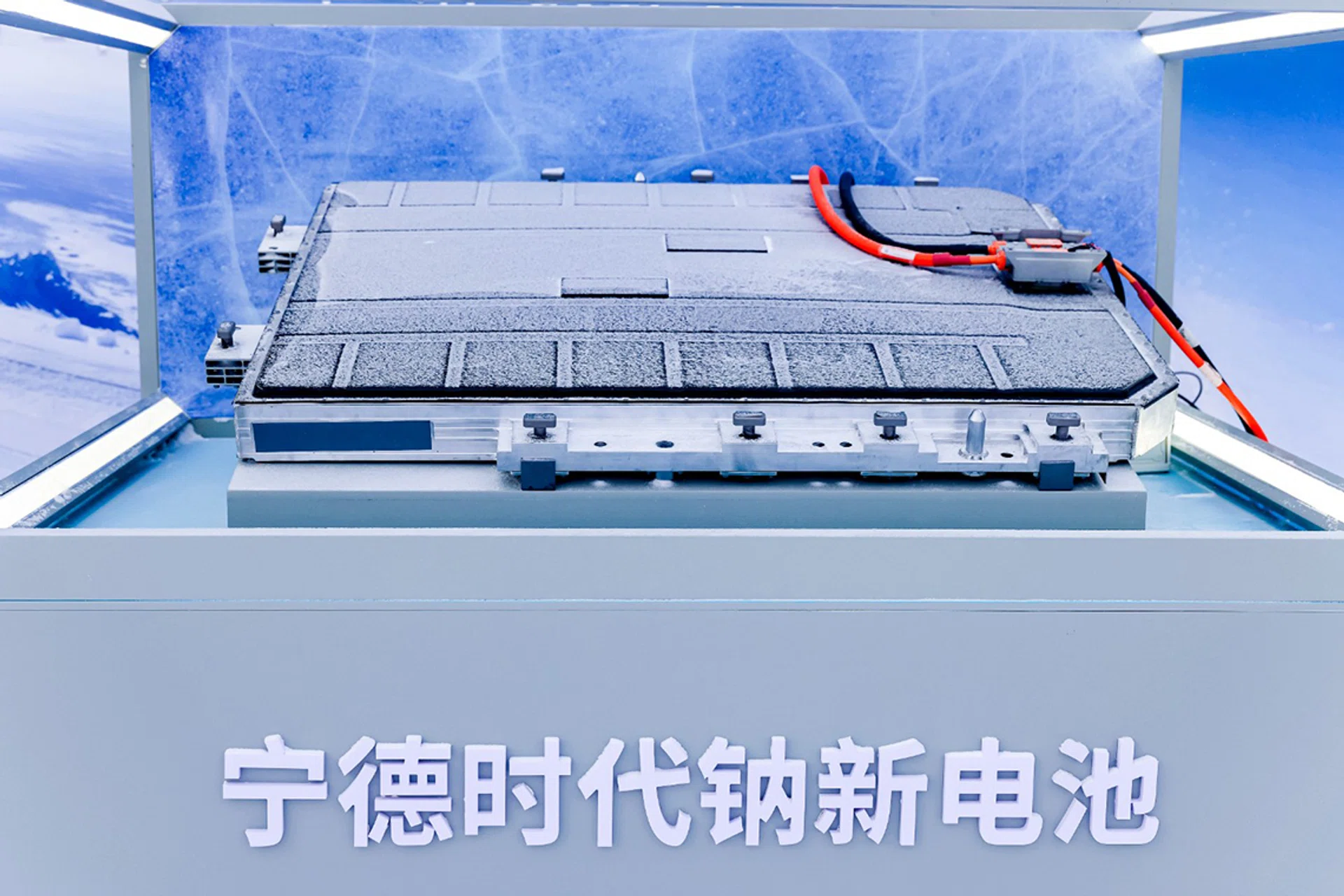
Battery-maker CATL launched a Na-ion passenger vehicle earlier this year with Changan Automobile, and claims to have achieved an energy density of 175Wh/kg.
Image: CATL
These batteries work in the same way that Li-ion batteries do, but instead have sodium ions travelling between both electrodes. And while we’re tagging them under “emerging”, it’s not as if they’re a brand new concept; development of Na-ion batteries has been ongoing since the 1980s. It’s only now that manufacturers are taking to it as an alternative to Li-ion – CATL, the biggest EV battery maker in the world, began deploying Na-ion batteries at a large scale in multiple sectors this year, and launched an EV featuring a 45kWh Na-ion battery pack with Changan Automobile in June 2026.
One of Na-ion’s main benefits is being able to tolerate lower temperatures better than Li-ion. Not exactly relevant to a country like Singapore, but it’s an important consideration in major markets like China, Europe and the US, where the frostiness of winter can negatively impact the range of EVs (batteries lose charge when it’s cold). It also bears mentioning that sodium is more abundant compared to lithium, and is less resource-intensive to mine.
However, the biggest factor holding these batteries back, apart from just the lack of manufacturing capacity, is their lower energy density compared to Li-ion batteries. According to the International Energy Agency, the latest Na-ion batteries only have energy densities of up to 175Wh/kg (such as CATL’s battery shown above), compared to the over 200Wh/kg densities that NMC batteries can reach. When these batteries do start to hit the market, maybe don’t expect them to replace lithium-ion just yet – they might be a complementary technology confined to smaller EVs.
Pros:
- Sodium is more abundant than lithium, nickel, and cobalt
- Better tolerance for lower temperatures
Cons:
- Lesser energy density than Li-ion
- Little manufacturing capacity as of now
Solid State Batteries (SSBs)
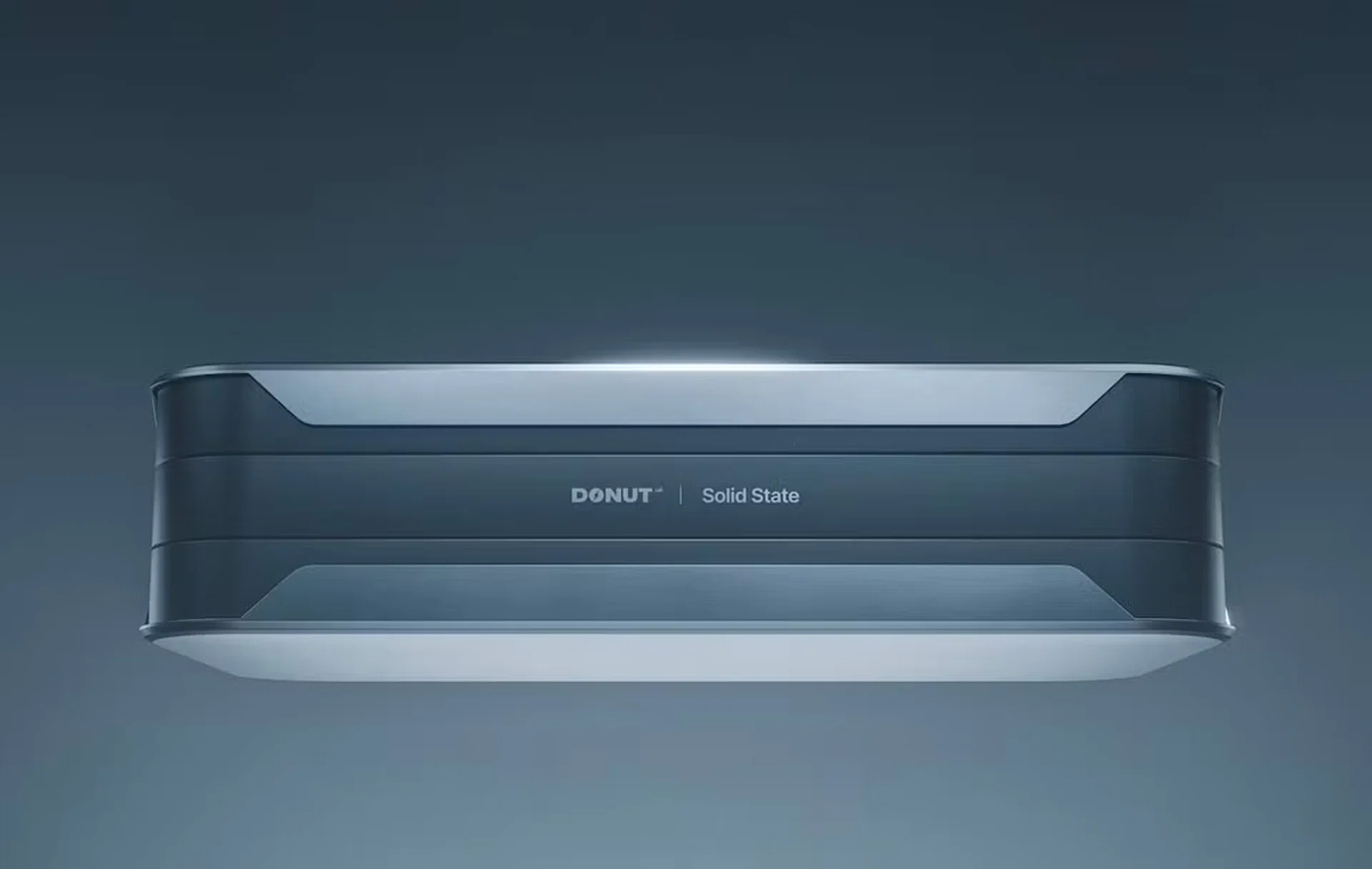
At CES 2026, Donut Lab unveiled what it stated was the first SSB ready for use in OEM vehicle manufacturing, though many of their claims remain questionable.
Image: Donut Lab
Unlike the battery types thin is guide, the “solid state” in SSBs doesn’t refer to the materials used for a battery’s electrodes, but instead to the electrolytic layer. Typically, EV batteries use liquid electrolyte solutions to let ions travel between the cathode and anode, but there’s been increasing interest in using a solid layer instead.
The main benefits of SSBs are in safety – there’s little risk of the battery leaking due to the lack of liquids, and as a result, SSBs are less of a fire risk. This reduced flammability leads to a host of benefits, including the possibility of faster charging and a wider operating temperature range. Finnish startup Donut Lab claims to have produced an SSB that’s ready to be used for OEM vehicle manufacturing, but many of its claims, including a 400Wh/kg energy density and 100,000 charging cycles, remain questionable at best.
One of the major engineering challenges to work out with SSBs is keeping the solid electrolyte layer in contact with the electrodes (not an issue when this layer is liquid). Additionally, there’s also the issue of when the solid electrolyte layer produces metallic cracks (also called dendrites) which cause the battery to short circuit. Research is still ongoing, and one workaround has been to produce “semi-SSBs” – solutions in this vein include electrolyte layers that are in a gel form or that liquify in lower temperatures. However, it may take a while before we start seeing “true” SSBs in the EV market. For now, SSBs may just be one of those technologies that are perpetually on the horizon.
Pros:
- Safer, less flammable
- Can potentially charge faster than Li-ion batteries
- Can potentially have a wider operating temperature range
Cons:
- Still in its infancy;
- Engineering challenges
Practical considerations
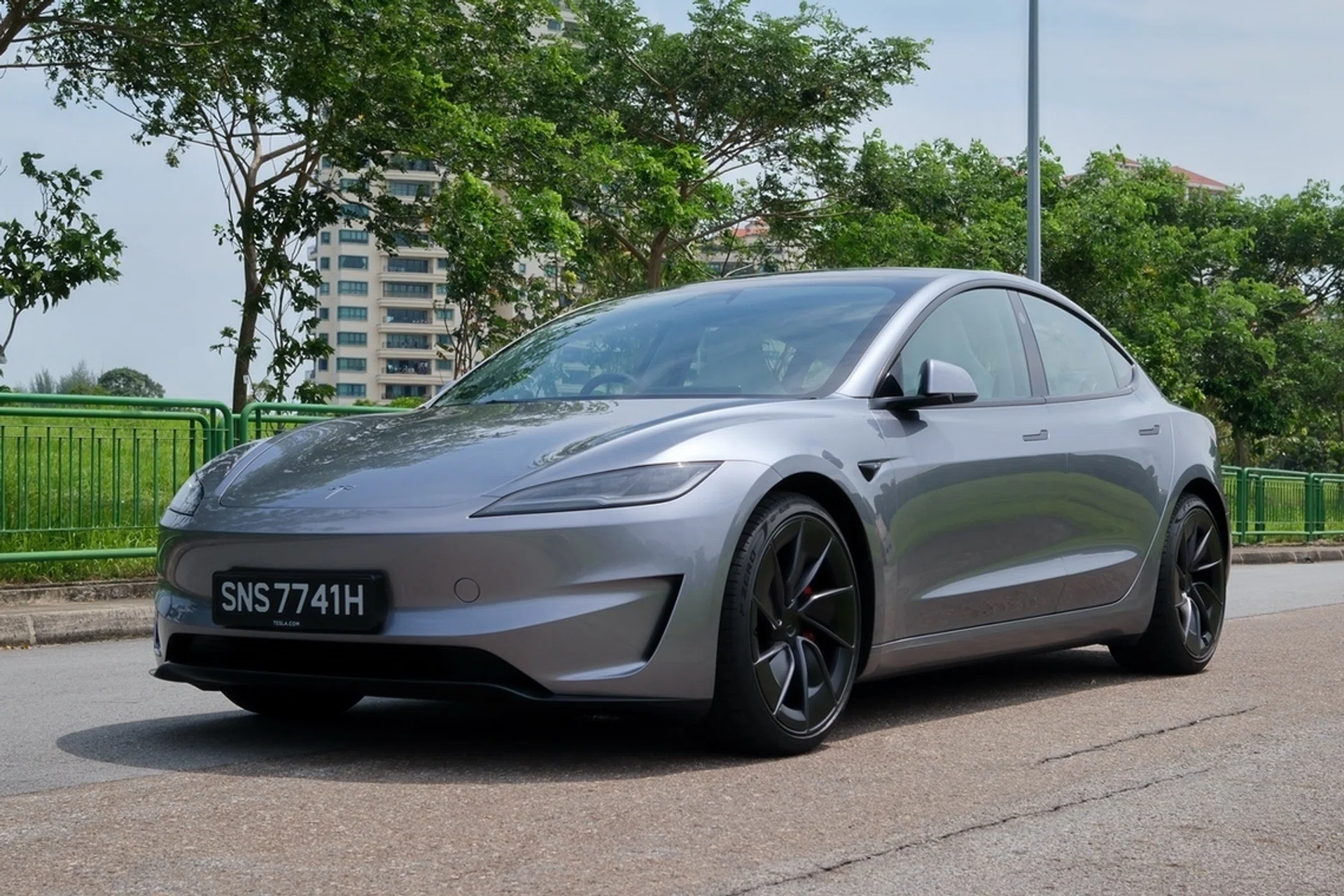
If you yearn for performance, are you going disregard the Tesla Model 3 Performance just because it uses an NMC battery?
Photo: Tesla
Now that we know the different battery chemistries and their advantages and disadvantages, what does it mean for buyers? What should you look out for? And should you let the type of battery a car has sway your purchasing decision?
Seeing that EV fires are tricky and tedious to put out, it’s understandable that safety is one of the biggest concerns for car buyers looking to make the switch. However, from a safety perspective, there isn’t a particular type of battery that is significantly safer than the other. EV manufacturers have sophisticated battery management systems in place to ensure batteries are kept in optimal operating ranges. So if safety is your priority, there’s little to be gained by picking one battery type over another and limiting your choices. It’s better to buy the car that best suits your needs.
That said, if longevity is a priority and you intend to keep your car for a long time, it’s worth prioritising cars with LFP batteries. They have significantly higher endurance than NMC batteries, and this could be important as your car ages. That said, unless you travel a lot (over 35,000km a year), an NMC battery will more than suffice for most users.
Read Full Article At Source