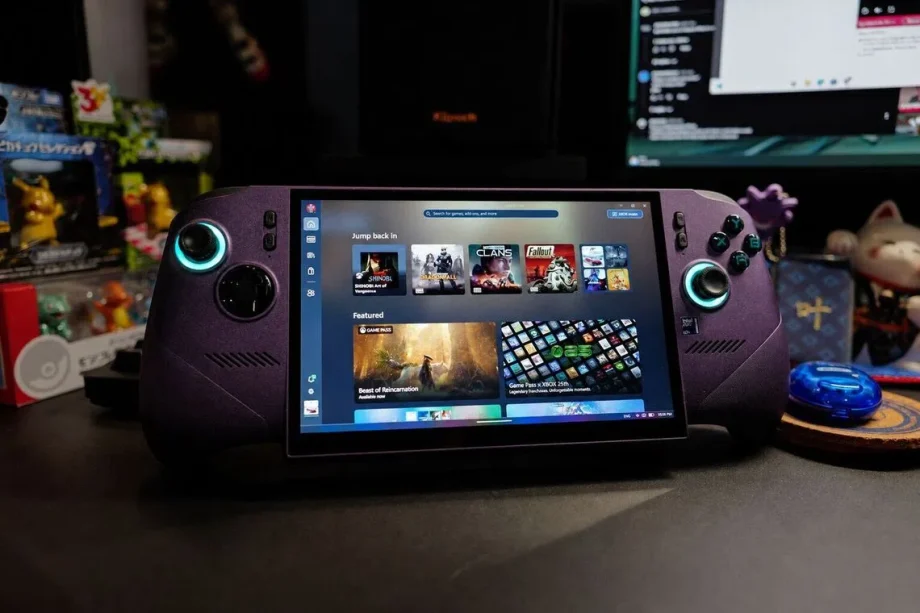
The gaming handheld market has changed quite a bit over the past couple of years. What started with Valve’s Steam Deck offering a portable, and somewhat more affordable way, to play PC games has quickly been upended – no thanks to AI.
The enormous demand for memory and storage from the AI industry has pushed component prices upwards, and gaming handhelds – along with every other consumer electronic products – have been caught in the crossfire. Manufacturers have had little room to absorb the higher costs and while the result is a new generation of handhelds that are more powerful than before, they are also starting to cost as much as a budget gaming PC.
That makes the launch of the MSI Claw 8 EX AI+ rather interesting. Priced at $2,299, it is considerably more expensive than most of its rivals, including the very good ROG Xbox Ally X – even after its latest price adjustment. But such is the world we are living in now. Any consumer electronics product that relies heavily on memory and storage seems to have become more expensive, from laptops and graphics cards to smartphones and gaming handhelds. Don’t get me wrong, the Claw’s price is still difficult to swallow, but it no longer looks like an outlier. It is simply another sign of how expensive personal computing has become.
MSI is at least offering more than a routine processor refresh for the money. This time, the Claw 8 EX AI+ is powered by Intel’s new Arc G3 Extreme processor, which comes with an integrated Arc B390 graphics, 32GB of memory and a 1TB of SSD. It also comes with a large 8-inch, 1,920 x 1,200 IPS display running at up to 120Hz, along with an 80Wh battery.
More importantly, this is another opportunity for Intel to prove that it can compete properly in a handheld market dominated by AMD. Ryzen Z-series chips have become the go-to option for manufacturer such as ASUS, Lenovo and Acer and even smaller brands for their gaming handhelds. Remember how MSI’s original Intel-powered Claw struggled to make a convincing case for itself? Even they subsequently turned to AMD for the Claw A8, which said quite a bit about where the balance of power stood.
The Claw 8 EX AI+ is Intel’s, along with MSI, attempt to prove that it can compete properly in the gaming handheld market. On paper, it has the hardware to do so, and there is a genuine sense that this is more than an incremental update. But specifications alone are not enough when a handheld costs north of two grand. It has to perform faster, last enough for long gaming sessions away from a power socket, and yet comfortable to play on.
Let’s find out.
Big but comfortable
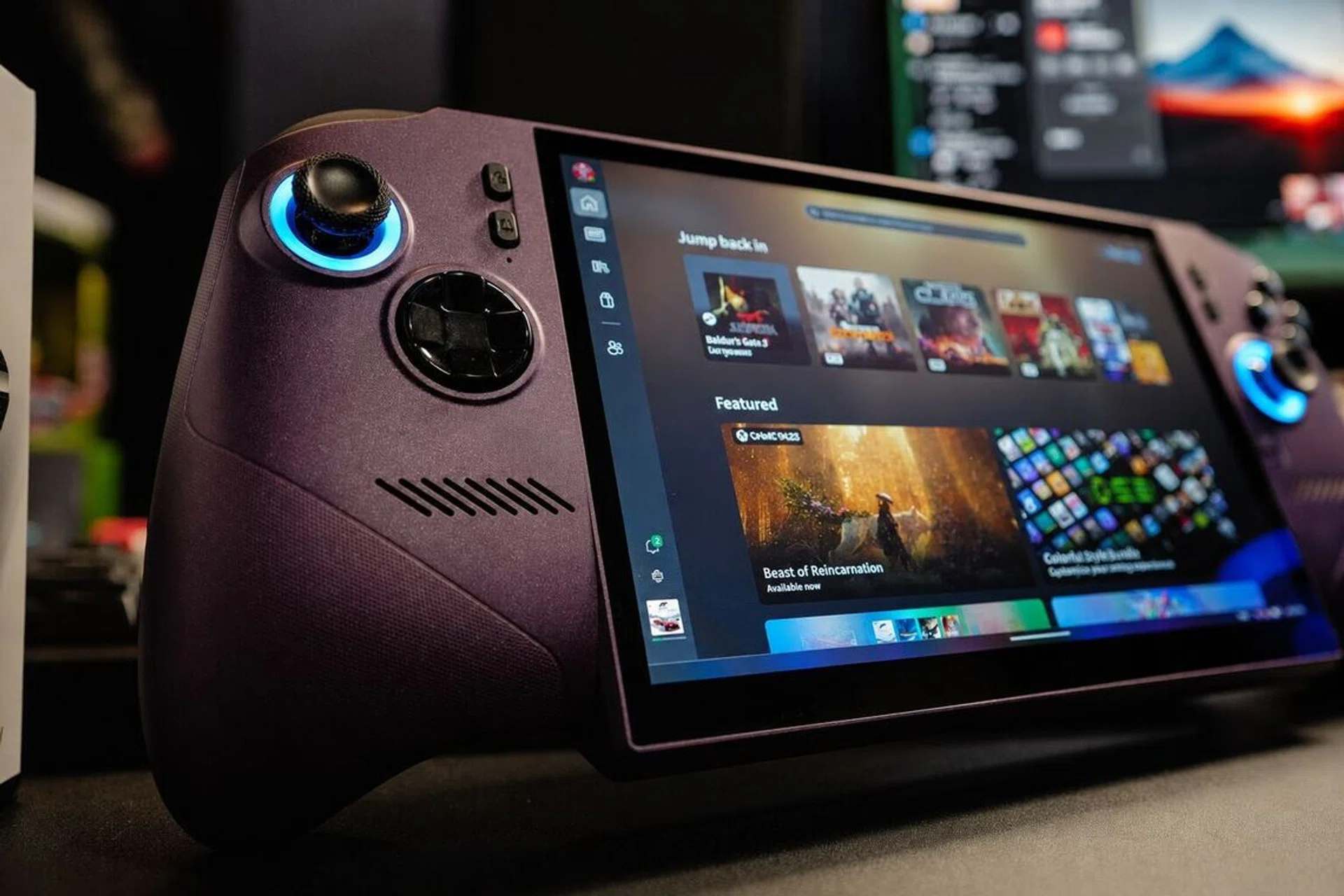
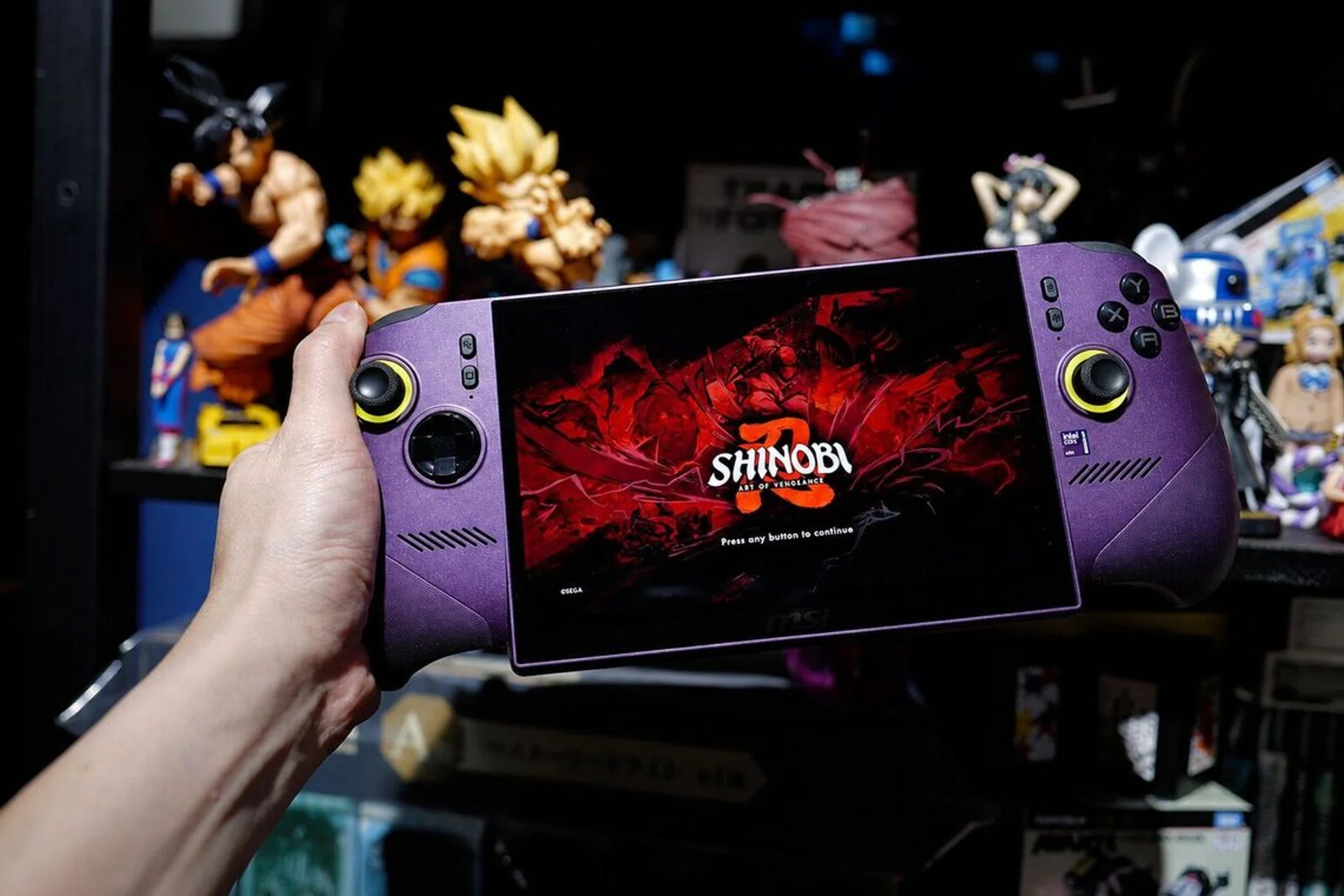
The MSI handheld is comfortable to hold, but its weight eventually becomes noticeable.
Photo: HWZ
| MSI Claw 8 EX AI+ specifications | |
|---|---|
| Dimensions | 296 x 130 x 25-48 mm |
| Weight | 785g |
| CPU | Intel Arc G3 Extreme |
| GPU | Intel Arc B390 |
| RAM | 32GB DDR5 |
| Storage | 1TB SSD |
| Display | 8-inch FHD (1920 x 1200), Touchscreen, 120Hz, 100% sRGB (Typical), 500nits (Typical), IPS-Level Panel |
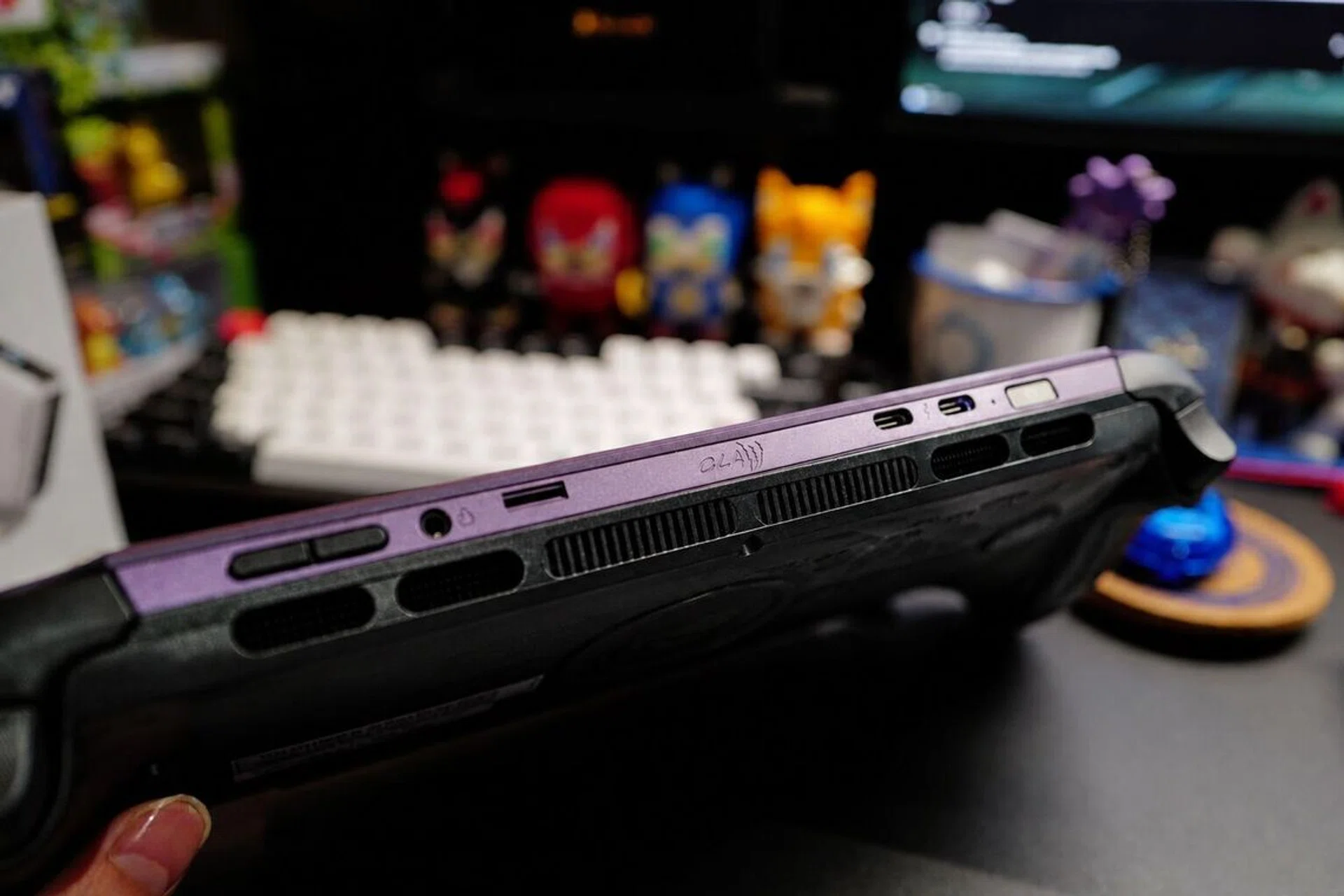
| Ports | 2x Thunderbolt 4 (DisplayPort™/ Power Delivery 3.0) 1x Micro SD |
| Wireless Connectivity | Intel Wi-Fi 7 BE213, Bluetooth v6 |
| Battery | 80Whr |
| SRP | $2,299 |
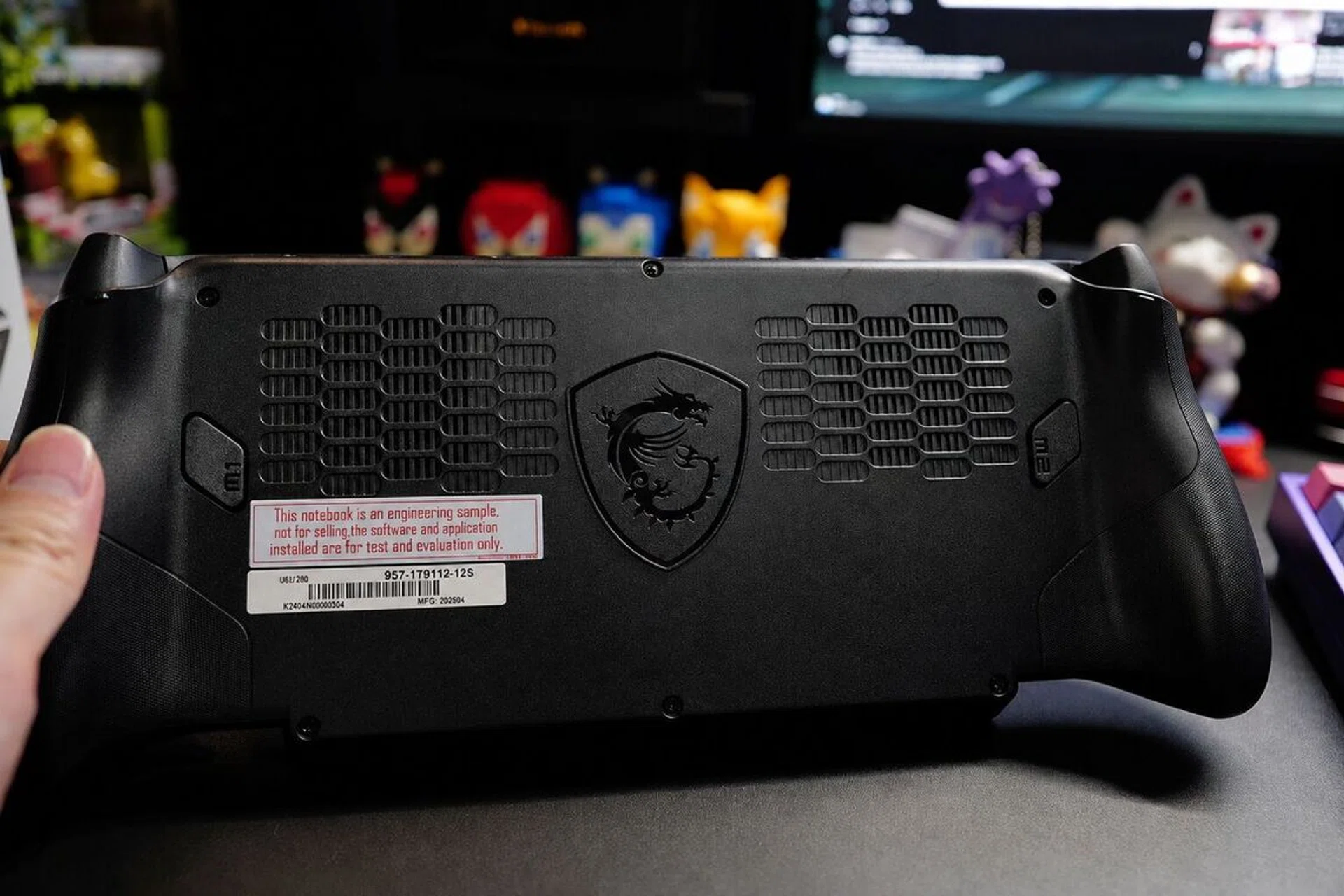
If there is one thing the Claw 8 EX AI+ does not hide, it is its size. The 8-inch display, substantial grips and 786g weight make it larger and heavier than the ROG Xbox Ally X, and you will certainly notice the difference when carrying it around. Yet, somewhat surprisingly, that extra bulk did not make it uncomfortable to use. MSI has given the Claw deep, outward-flaring grips that fill my palms nicely and spread its weight across both hands. I could still feel the strain during longer sessions, especially without somewhere to rest my elbows, but the shape allowed me to hold it more naturally than some smaller handhelds with flatter sides. It feels reassuringly solid as well, although the mostly plastic construction does not quite look or feel as expensive as its price suggests.
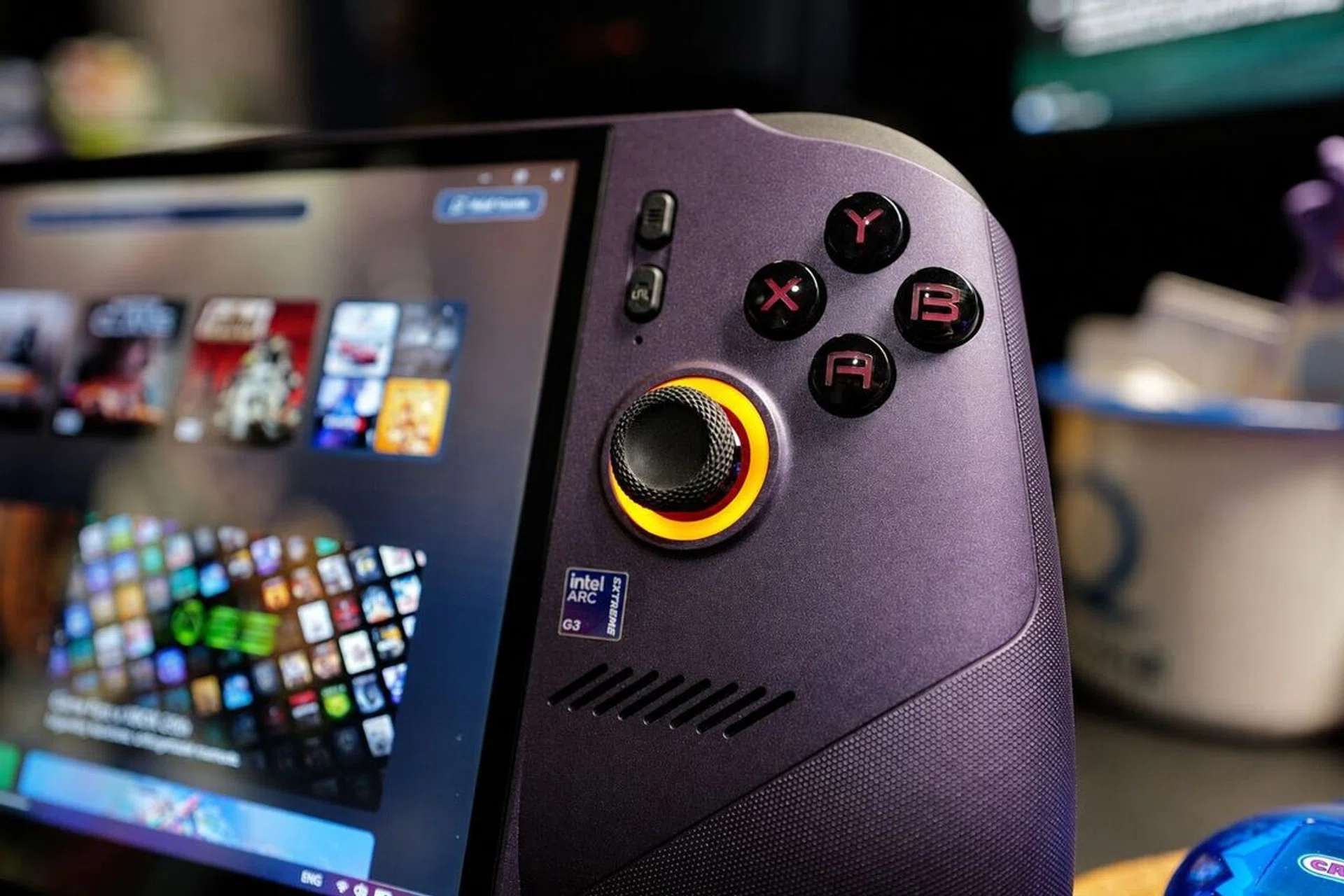
The controls include Hall effect analogue sticks, face buttons and triggers.
Photo: HWZ
Read Full Article At Source