Dr Annabelle Chow, clinical psychologist at Annabelle Psychology, said another warning sign is when someone’s anger is disproportionate to what has happened.
“Because of all your compounded stresses, you might respond in a very intense way. That’s a warning sign that your behaviour is … not for punishing or not educating, but it’s dysregulation,” she added.
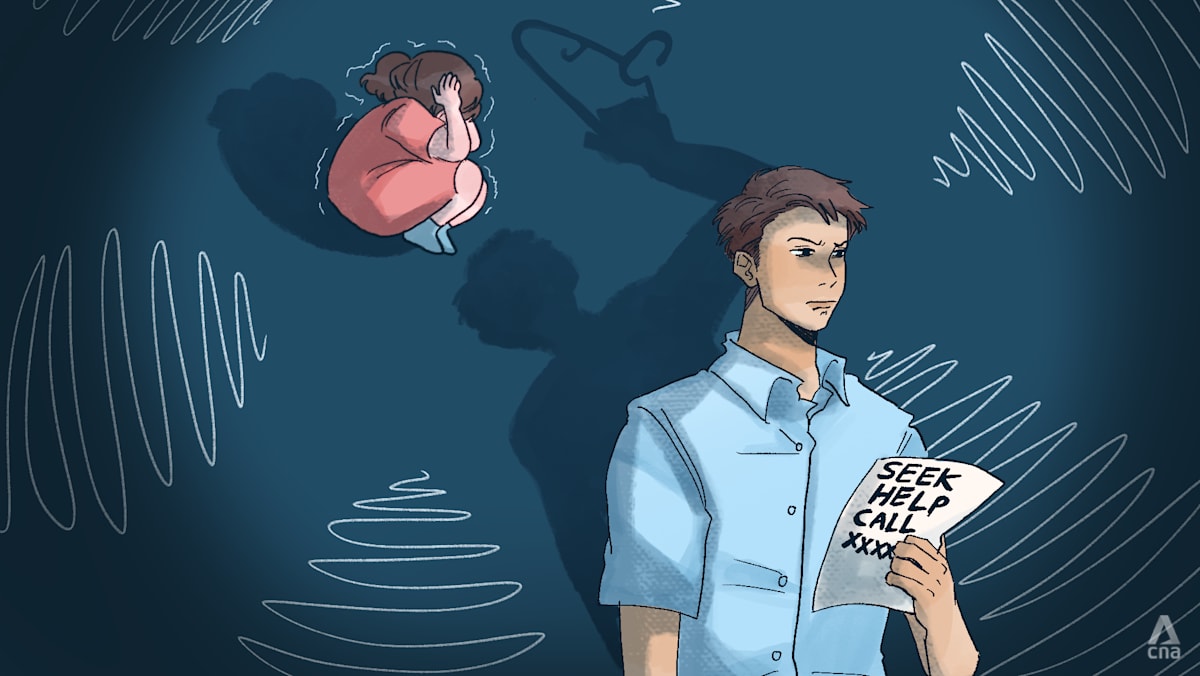
“If you have a lot of insults or threats or like physical force, especially when there’s a power imbalance between the size of a man and a woman, or a parent and a child, that’s also another sign.”
Abuse does not always leave physical marks, and emotional and psychological abuse can also change how safe someone feels at home, Dr Chow added.
“The emotional climate is very intangible, and there’s a lot of power imbalance.
“When a child or a spouse starts to feel like they are walking on eggshells, where they have to constantly read the room and monitor the other person’s mood, or like if they are starting to hide or be extremely avoidant … That actually tells you that this is not a safe climate.”
RESPONDING TO CONFLICT
Once social workers have identified some of the factors driving abusive behaviour, they help parents and spouses respond differently when pressures and conflicts arise.
This often means moving away from physical punishment and learning disciplinary approaches appropriate for their child’s age.
Social workers and psychologists who spoke to CNA said they take a “zero-tolerance” approach towards physical punishment and encourage parents to use alternative strategies.
Read Full Article At Source