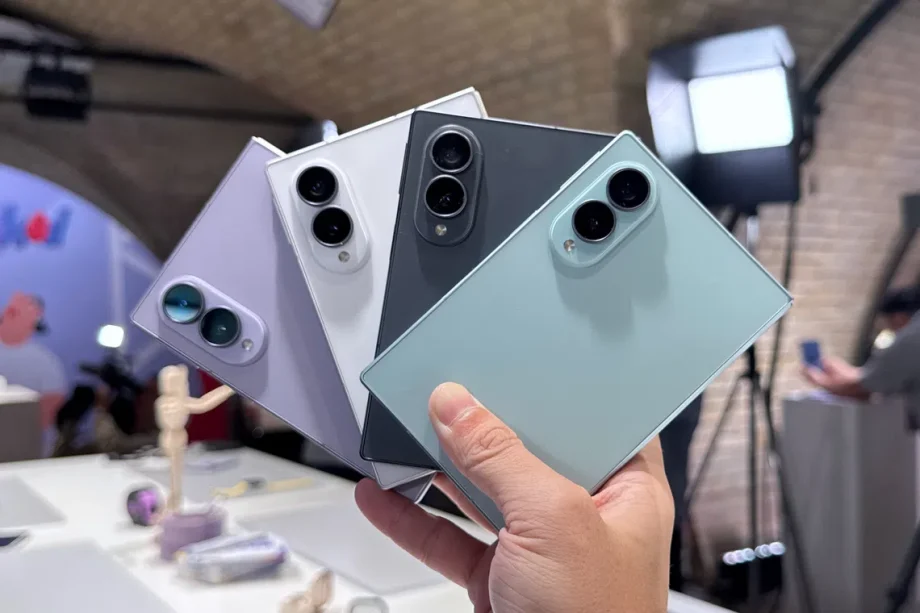
The shape of success takes many forms
When something like the Samsung Galaxy Z Fold8 pops up in the Android phone space, it’s easy to fall for the hype and make a snap judgement simply based on how it looks and feels in the first few moments of using the device. We’ve seen enough content out there glazing the wide foldable phone like it’s the best thing since sliced bread.
Hence, a review telling you that Fold8 is a good phone wasn’t enough for us, and we endeavoured to explain why it feels good here. Even Samsung’s own executives admit it’s hard to tell you about the perks of foldables until you hold one yourself.
After all, this is the brand’s third unique form factor for foldables (fourth, if you count Galaxy Z TriFold). It’s a breath of fresh air in a stagnated Android phone landscape that’s spent years chasing after incremental gains in affordability, camera prowess, battery efficiency, and display quality. For a long time, Android handsets were always about bigger, brighter, fatter, and better. Such trends pushed camera housing sizes to balloon beyond reason, making expensive telephoto attachments is an accepted practice for Ultra-sized bar-type mobiles.

This is where Galaxy Z Fold8 defies the norm. Samsung committed to a form factor that’s not only smaller than the popular book-style foldable format (Galaxy Z Fold8 Ultra) but also adopted display aspect ratios that aren’t common to modern Android phones on both Cover and Main Screen. It even forced its flagship to give up the “Fold” name and pegged the book-style format to “Ultra” instead, akin to a multinational corporate-sized bet on a new form factor with many unknowns.
To reassure users, Samsung reminded both fans and haters it has seven generations’ worth of foldable experience, added its new Flex Titanium display support module, swapped to silicon-carbon batteries, and gave it the same premium treatment as its foldable Ultra counterpart via a top-end Snapdragon processor, updated 45W wired charging, and display technologies (check the specs in the menu above).
Even its software isn’t spared, with optimisations to Now Brief, Now Nudge, Galaxy AI, Bixby, and Gemini all dressed up with a mini-makeover that promises more practical use.
All this starts at S$2,498 (256GB storage), and that’s with the price hikes from memory shortages already taken into account.
In all senses, Samsung did the opposite of what historical data supposedly says. Compact phones usually get the short end of the stick, and brands traditionally held on to familiar designs and aspect ratios because of how content is rendered on your mobile phone.
We ask if breaking the mould is worth it for Samsung. More importantly, we want to know if the Samsung Galaxy Z Fold8 brings any tangible value with its shape, and whether it qualifies as a premium flagship foldable. Let’s go.
Using past lessons, but not in the way you’d expect
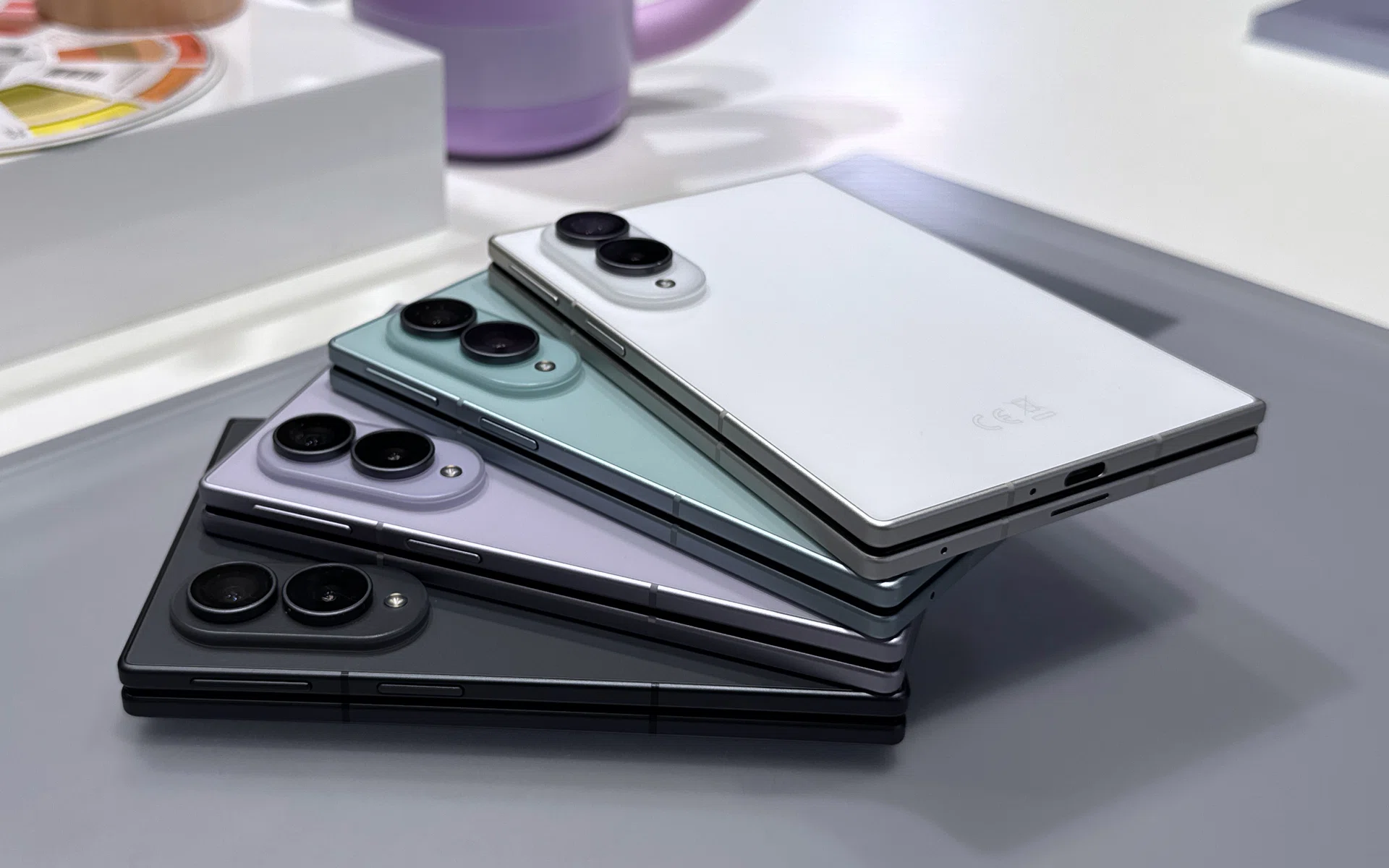
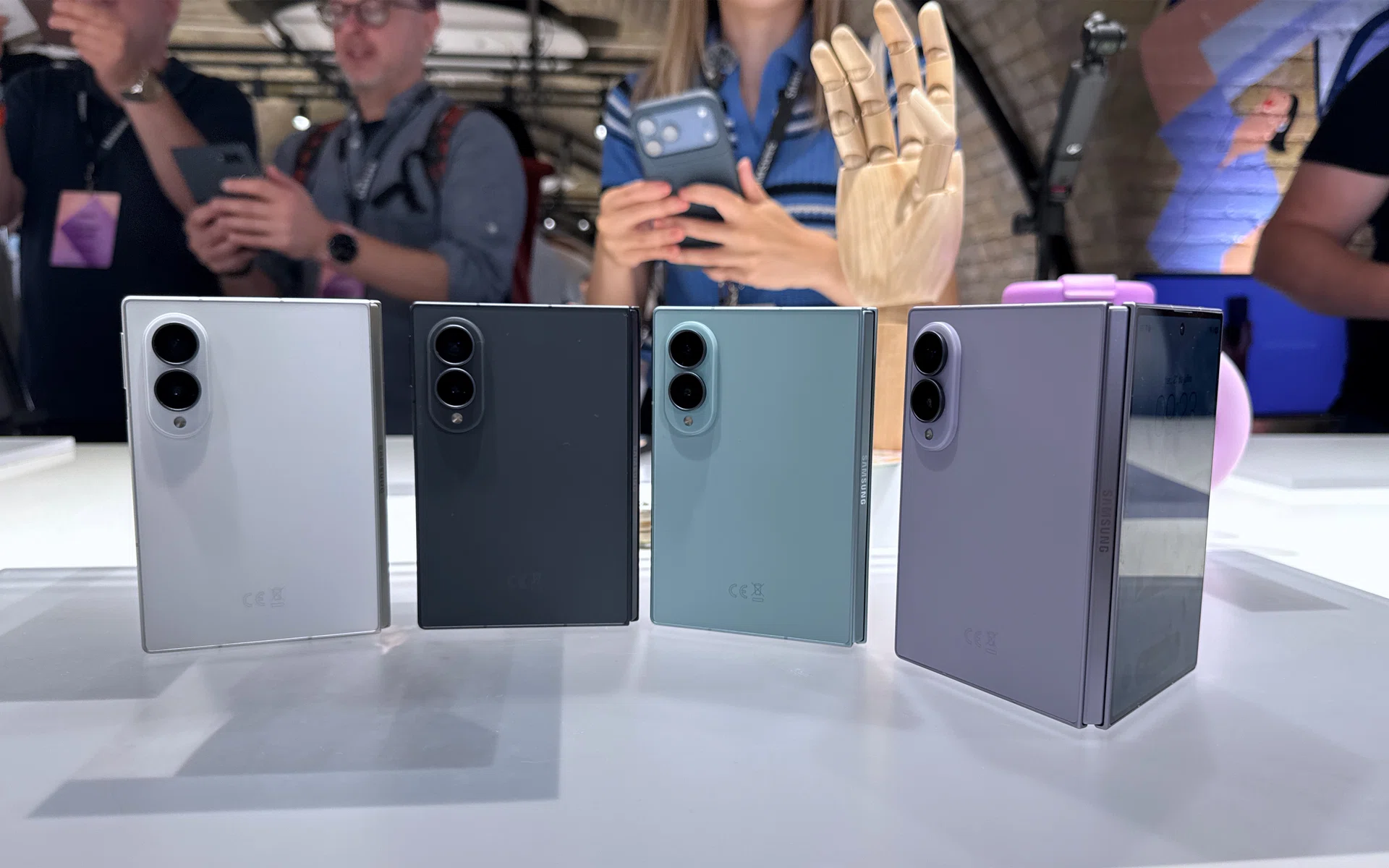
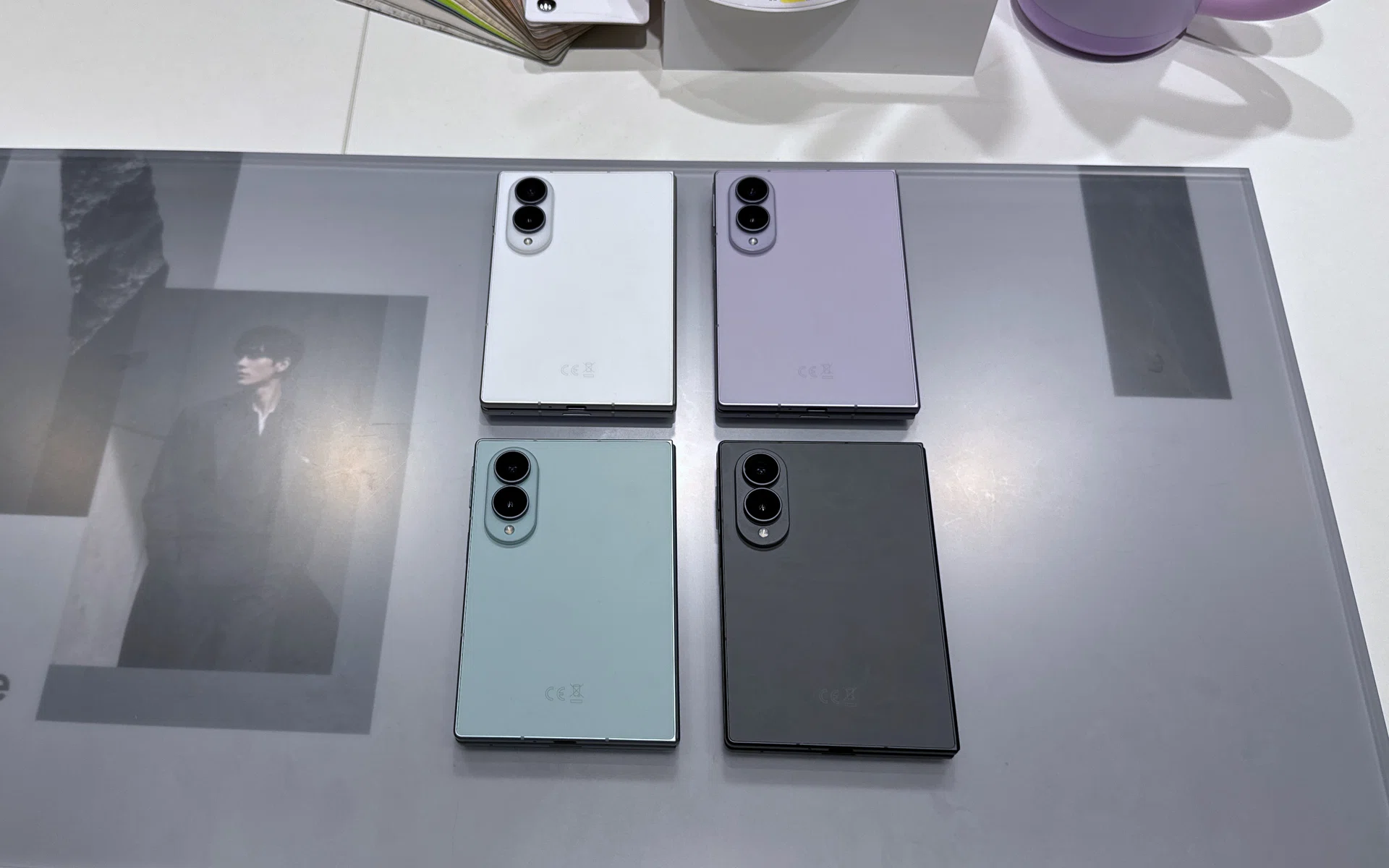
Samsung Galaxy Z Fold8 in four colours (one is online-exclusive).
Photo: HWZ
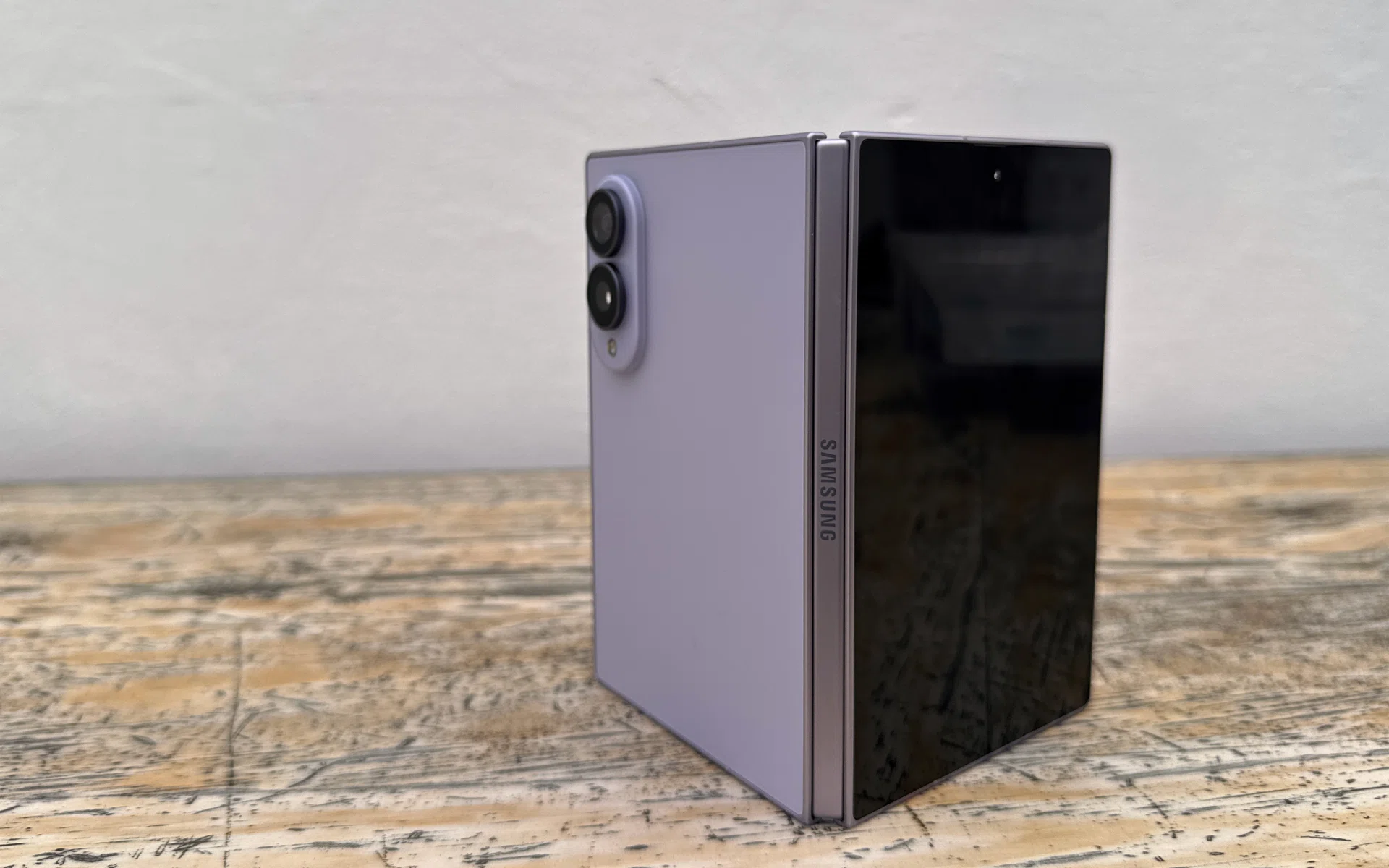
The Galaxy Z Fold8 format scratches an itch we never knew existed, with its key successes coming down to clever use of ergonomics and time-tested technologies.
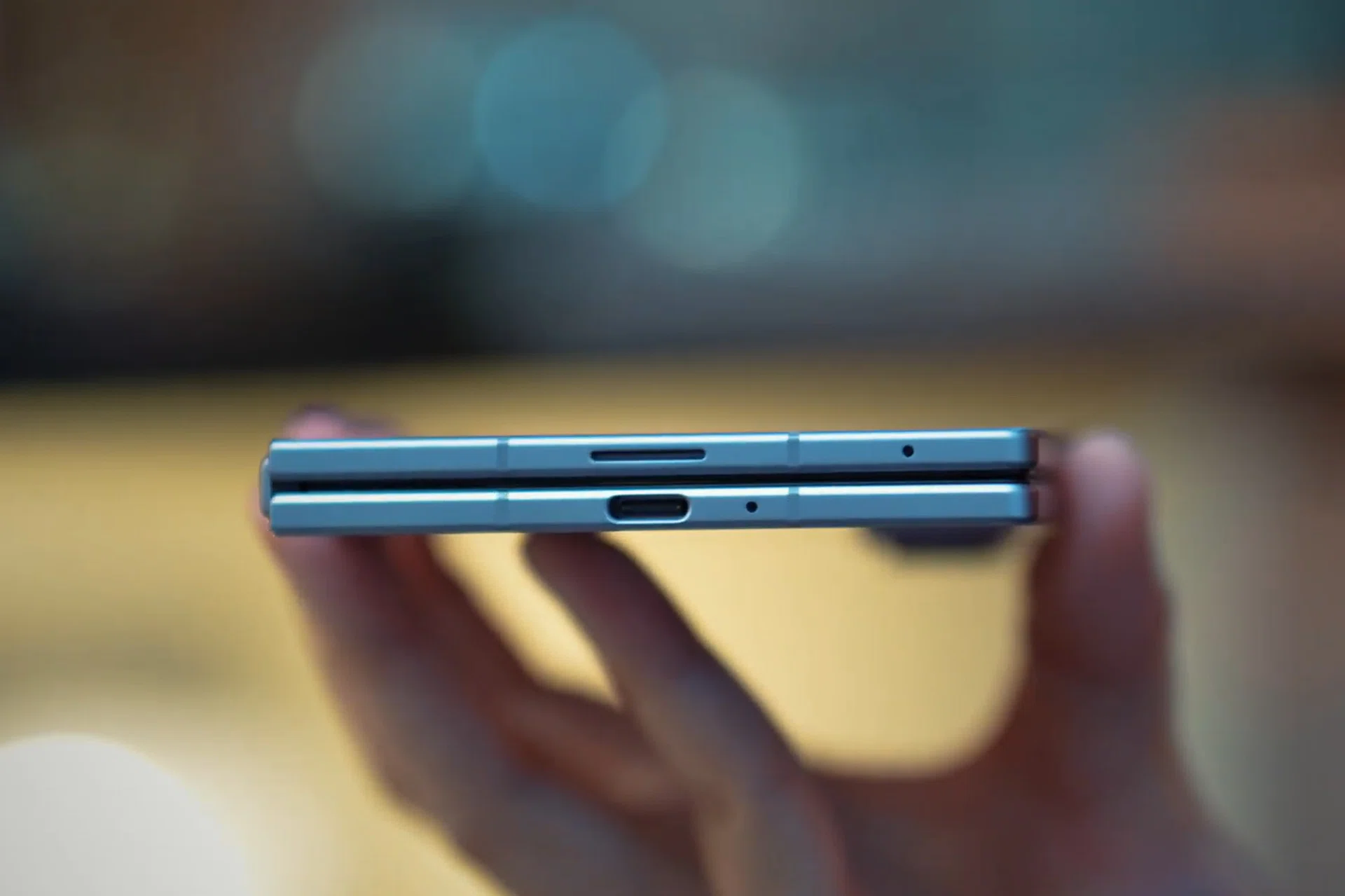
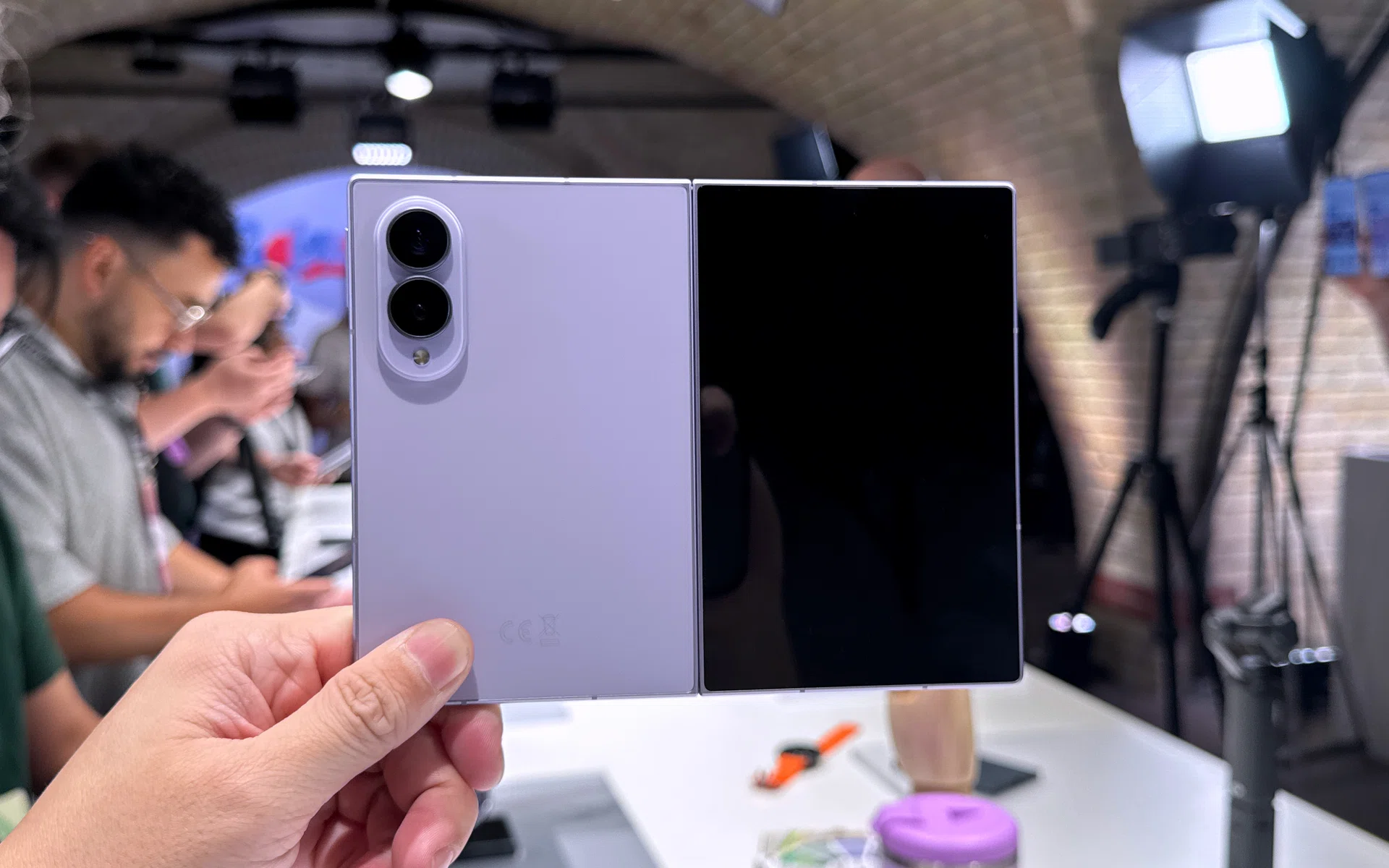
Bevelled edges.
Photo: HWZ
One example of such old technology is the use of bevelled edges – a technique that exists as early as the 4th millennium BC. By indenting the folding entry points, this makes the Galaxy Z Fold8 much easier to unfold than previous models. While not recommended, it’s technically possible to slide one thumb into the metal sandwich to start up the main display now.
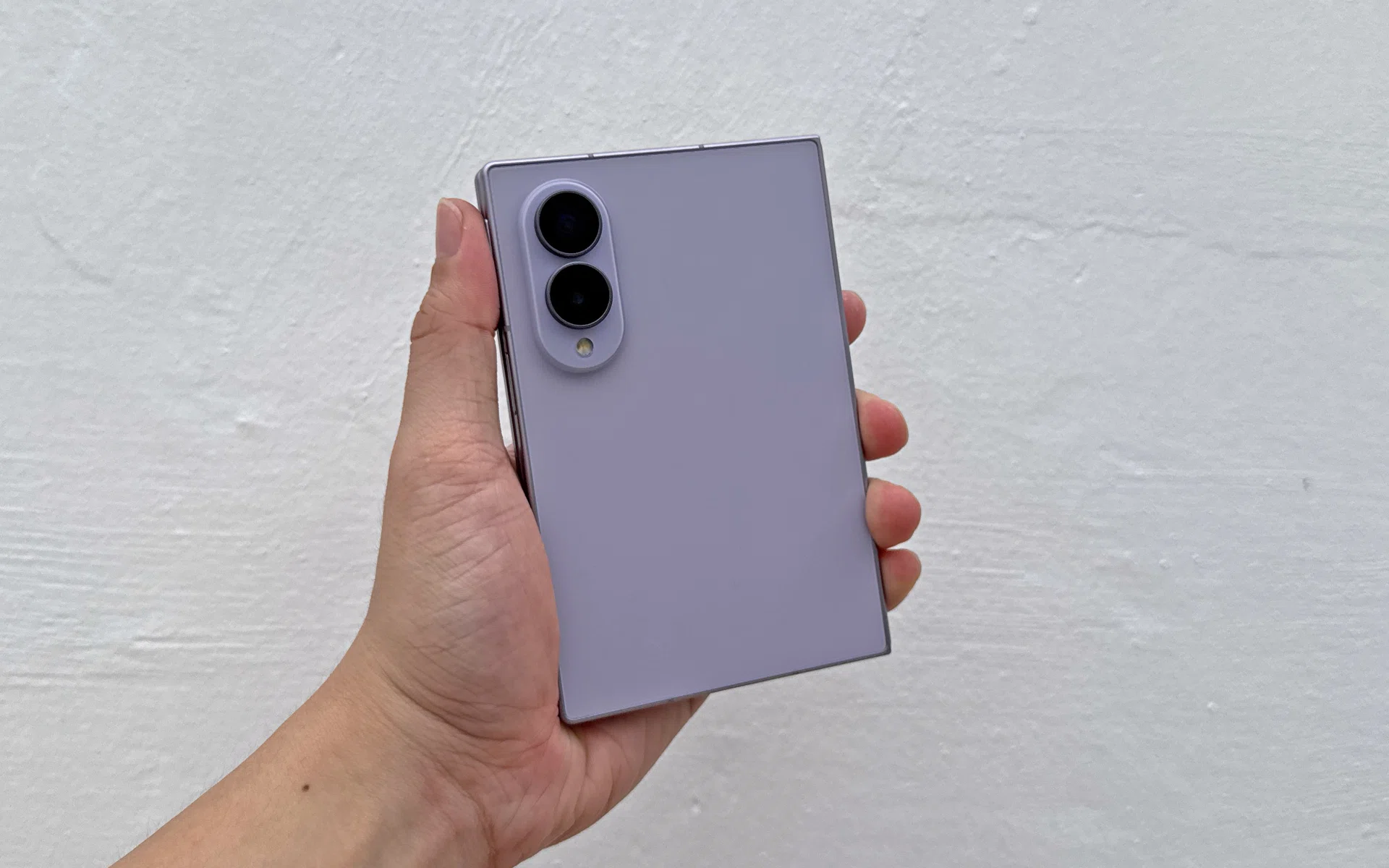
Another tried-and-tested factor is the phone’s folded dimensions (123.9 x 81.9 x 9.7mm). Users born before the 2000s might find it reminiscent of the iconic BlackBerry Classic (2014), one of the last “smart” phones to have a physical keyboard. Younger users would find the phone resembles a standardised travel passport, large enough to be legible, yet pocketable enough to be carried on your person through security checkpoints.
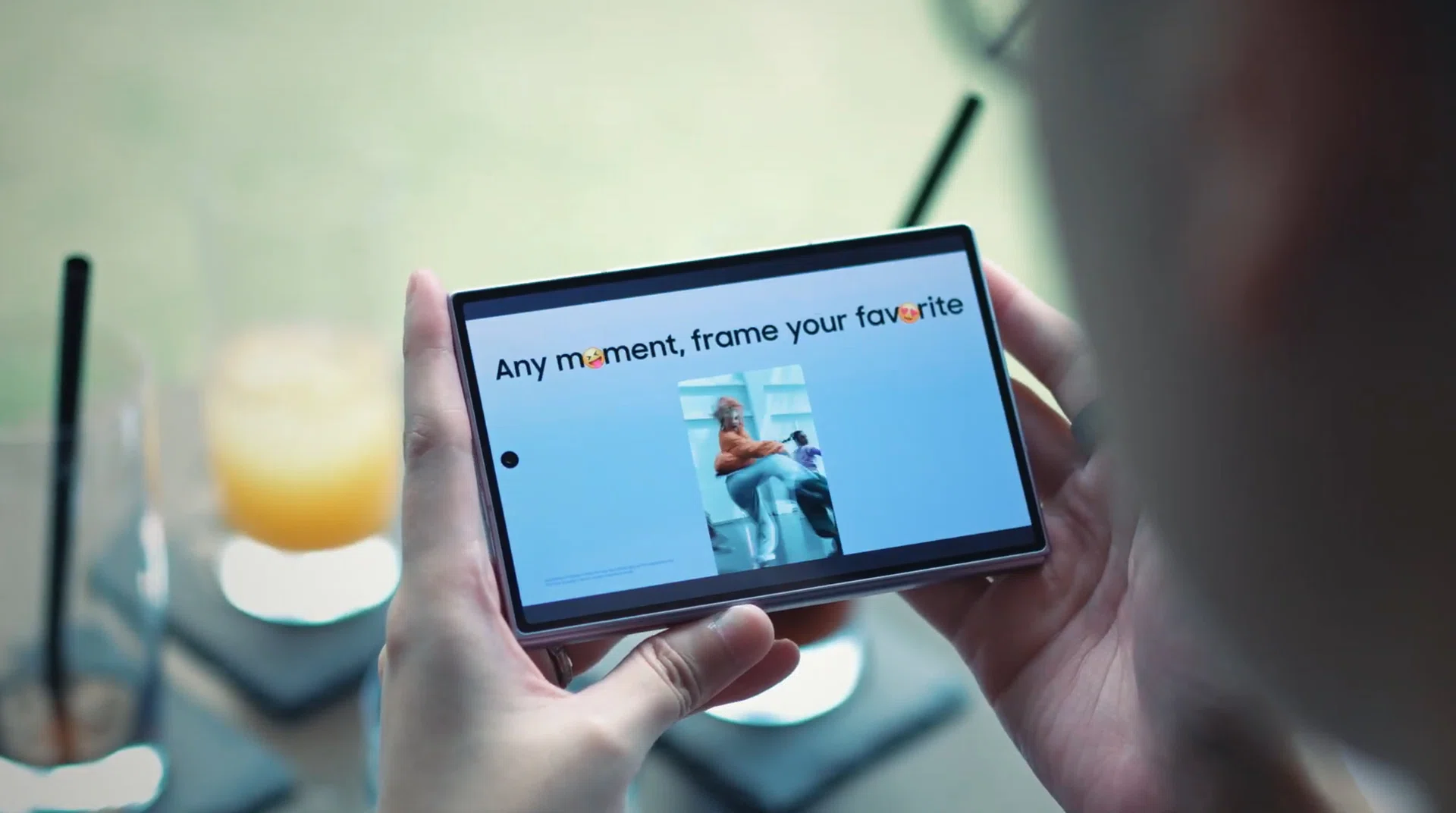
5.5-inch Cover Screen.
Photo: HWZ
The Galaxy Z Fold8’s 5.5-inch Secondary Display has an almost 16:10 aspect ratio, which is a familiar format for a good number of laptop and desktop monitors. Besides viewing, this shape keeps the keys spaced comfortably apart so you’re less likely to fat-finger your words.
Since most online content is also mastered in 16:9 (or the other way around for vertical short-form videos), there is minimal letterboxing. App navigation across the Home Screen feels relaxed, as the app icons also have generous spacing. A cherry on top is its unusually high pixel density of ~424 PPI, which makes content above 1080p compatible on the panel and appears sharp to the eye.
This is a huge difference from using the secondary displays of a Galaxy Z Fold8 Ultra (21:9 aspect ratio) or a Galaxy Z Flip8 (almost 1:1 aspect ratio). While these other shapes have their viewing and navigation advantages, neither are as good as Fold8 overall when it comes to the twin tasks of watching and typing.
Samsung calling the Fold8 a “media consumption” phone undersells the full gamut of ergonomics and handling perks it offers. A passport’s shape and carefully selected aspect ratios affect many everyday tasks and behaviours, including how you put the device away. It feels different when you format emails, reply (or ghost) messages, watch shows, and leave Internet comments. Even the way it’s held during a commute, pulled out of your pants to pay a vendor, placed on your desk, and doomscrolling are affected, too. Ultimately, the Fold8 returns some of the ergonomic perks we compromised on when phones swelled up to Ultra or Pro Max sizes of today.
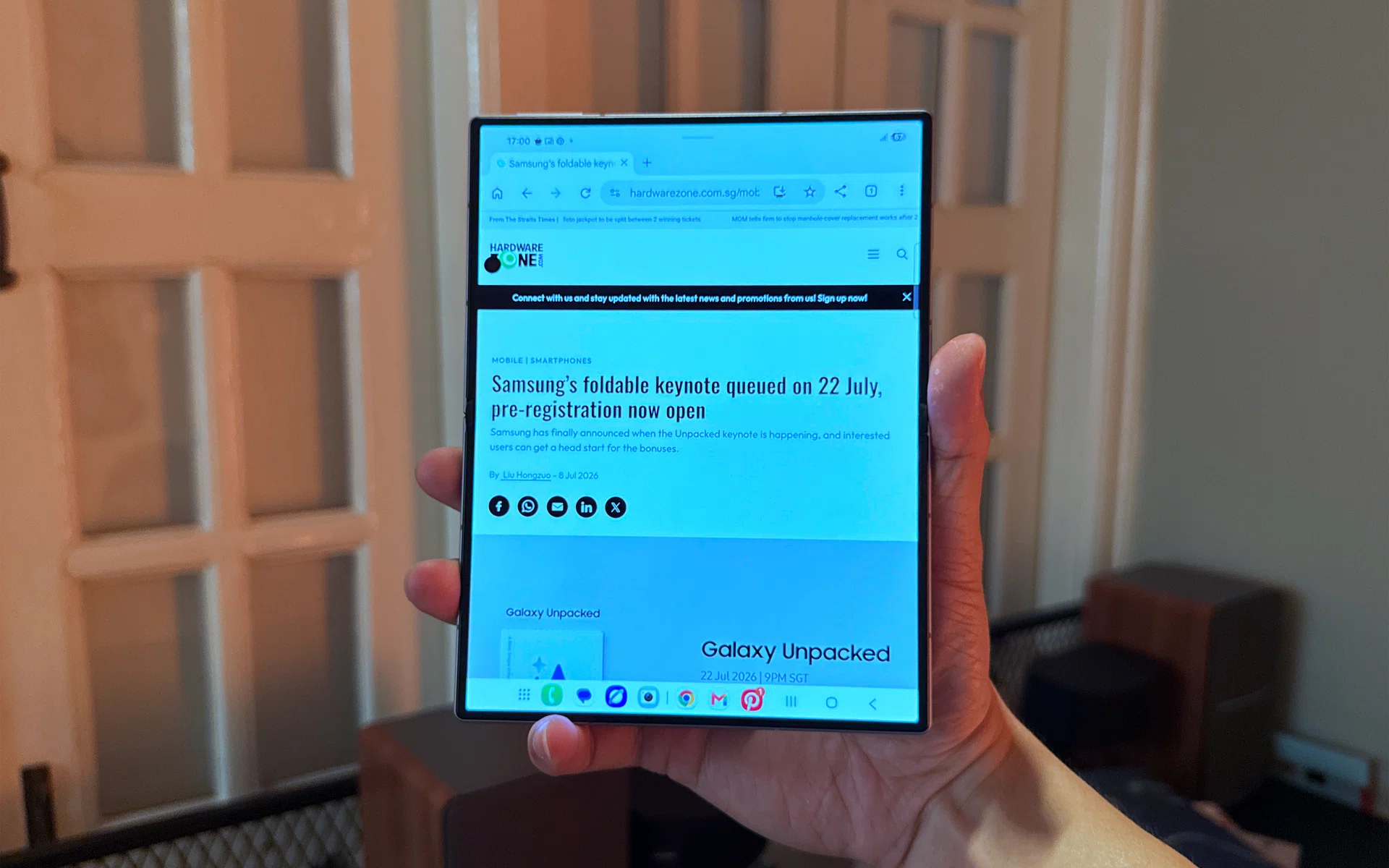
7.6-inch Main Screen.
Photo: HWZ
We’ve not even started on the 7.6-inch Main Screen yet.
Unfold the device, and you’re greeted by a display that’s a few pixels away from a perfect 4:3 aspect ratio with ~403 PPI. Letterboxing of 16:9 videos is more visible here because of the shorter display length, but some users might not mind as much, since it grants a pseudo-cinema effect.
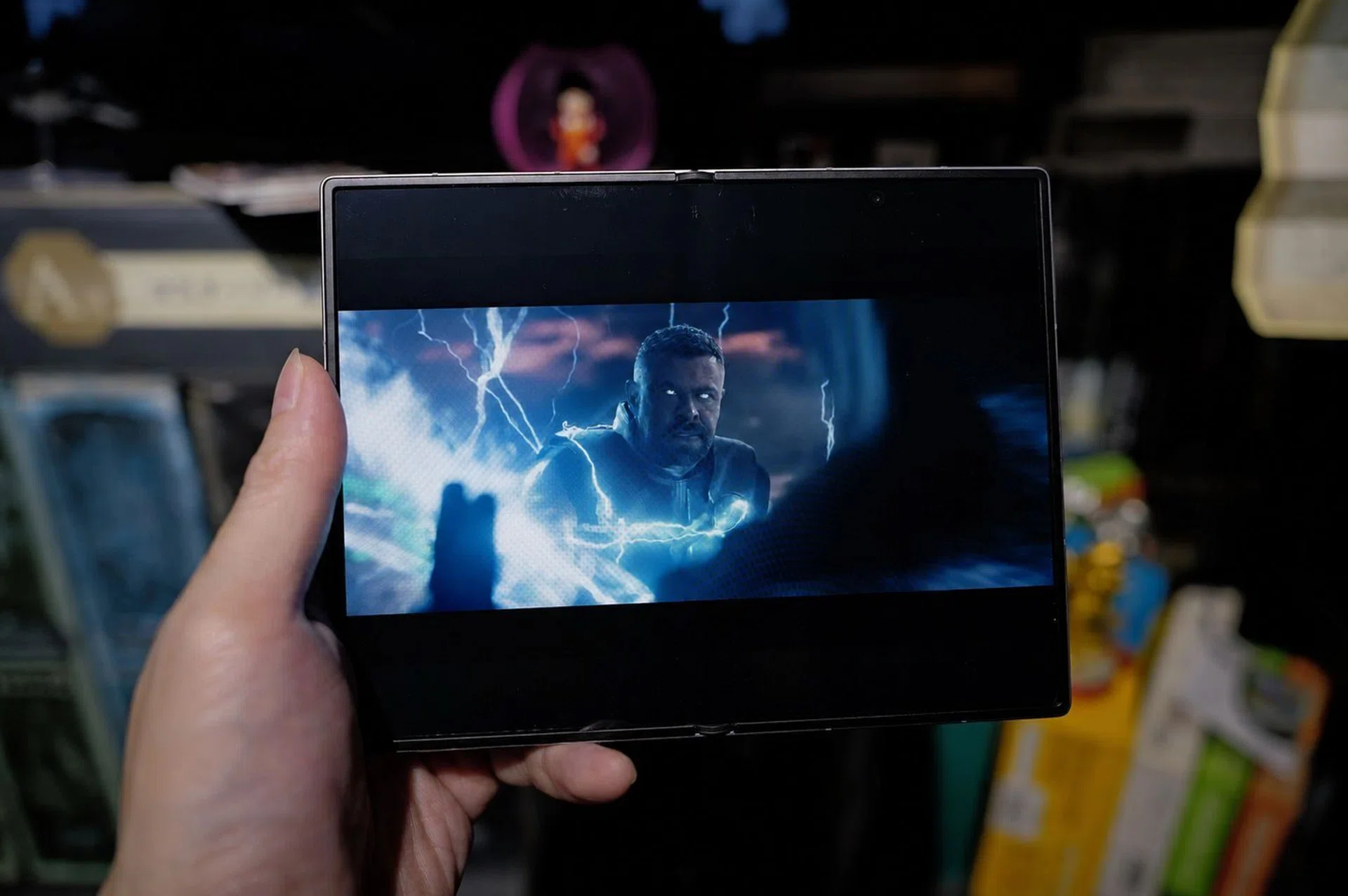
Movies, with letterboxing included on Main Screen.
Photo: HWZ
4:3 is also what your phone camera typically shoots at out of the box, which means the photos you (or your friends) have will take full advantage of the Main Display.
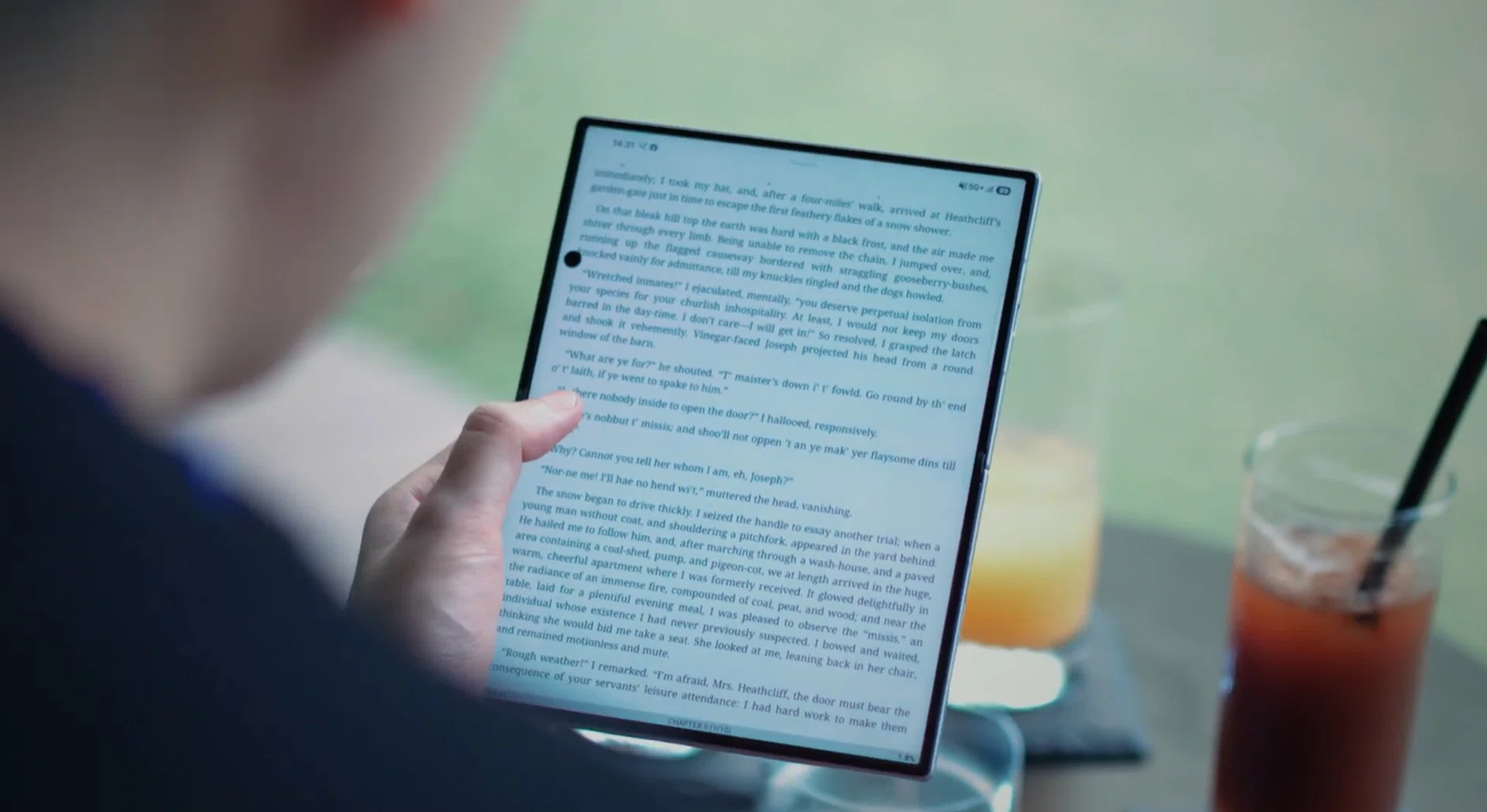
Reading on Main Screen.
Photo: HWZ
Another perk is that apps and written content (e-books, deep-dive websites, game guides, cooking recipes, etc.) also use the full panel. This makes the content appear expansive and more comfortable to view. You can fit full bullet points or sentences in one glance, making text feel shorter and more accessible.
Besides leisure reading, it also benefits “personal productivity”. It feels easier to check your flight, hotel, or car rental details, snatch up concert tickets, or ensure you didn’t miss an important line when trying to meal-prep or bake a goodie.

Read Full Article At Source