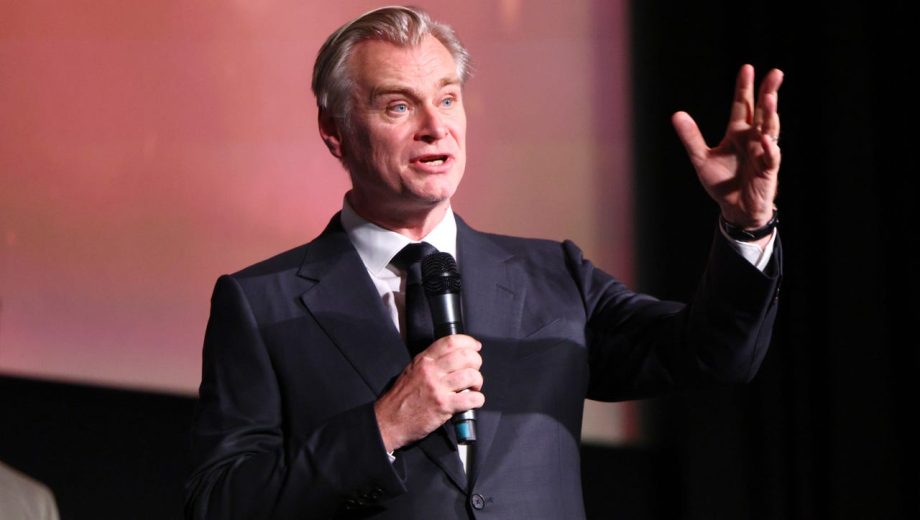
The Odyssey is a smash hit with critics and on course to make over $1 billion at the global box office, but some have questioned changes made by Nolan for his adaptation of Homer’s epic poem.
Warning! Spoilers for The Odyssey follow:
For example, Greek translator Emily Wilson, who is behind the 2017 translation of The Odyssey that Nolan reportedly credited with inspiring his take on the poem, has questioned the absence of the gods Zeus and Poseidon in the movie, and called the film’s anti-war and anti-cowardice message “incoherent.” She was also critical of Anne Hathaway’s Penelope, saying the role was so reduced it endangered “any possibility of believing in this marriage.” Neither did she like the scenes with Odysseus’ dog, Argos, which she said “catered towards modern sentimentality.” Overall, Wilson said she thought Nolan “was trying to pack everything in while missing themes that were essential to the poem.”
In an interview with Time Magazine, Nolan explained some of his changes around Helen of Troy, Athena, and his new ending — although he still left much to audience interpretation.
For a start, Nolan wouldn’t confirm that Athena — played by Zendaya — is actually the god Athena, as she is in the poem, or a manifestation of Odysseus’ guilt over the Trojan war. Referencing how he learnt his lesson from explaining Memento, Nolan refused to define the experience. But he did talk generally about his take on The Odyssey and the question of whether the gods exist in his adaptation, insisting that “we view the gods the way that people at the time might have viewed them. So they’re seeing evidence of the gods in nature. They’re seeking and finding gods and the influence of gods in the people around them.”
Read Full Article At Source