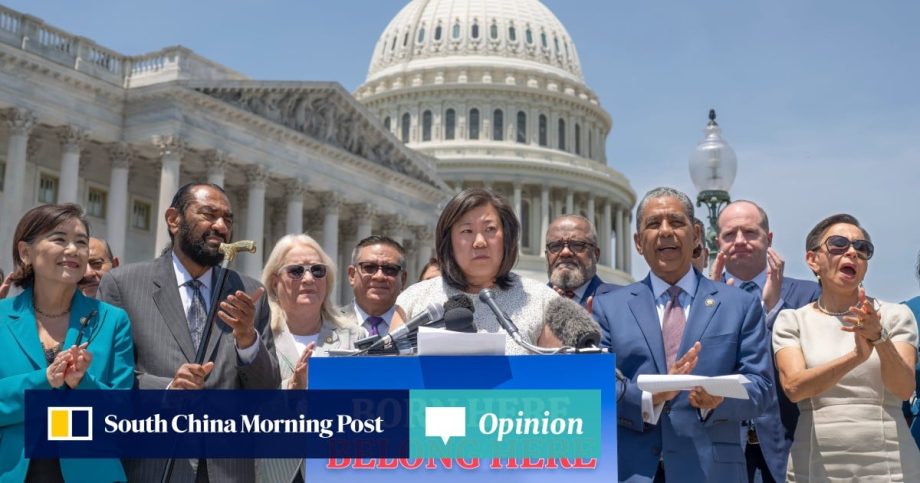
Questions about who belongs to a nation and how citizenship should be acquired remain as contentious today as they have ever been. The rise of xenophobic, far-right politics in many countries is an ugly consequence of this debate.
On June 30, 2026, the United States Supreme Court rejected an executive order issued by President Donald Trump that sought to end so-called birthright citizenship, the guarantee of citizenship to almost anyone born on American soil, including the children of undocumented immigrants and temporary foreign residents.
While three justices (out of nine) dissented, the court ultimately ruled in Trump vs Barbara that the US Constitution protects birthright citizenship regardless of a child’s parentage or immigration status. In doing so, it left intact an interpretation of the country’s constitution that has stood for more than a century.
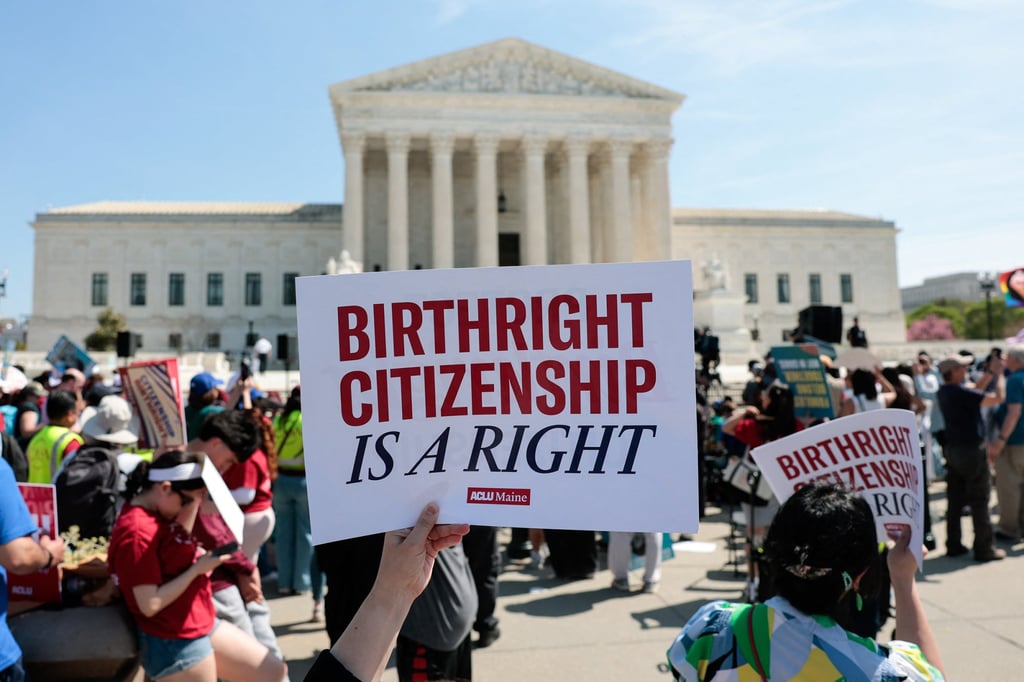
Yet the broader questions highlighted by the case – who can become part of a community, and on what basis – are ones that all peoples have attempted to answer, with varying degrees of success.
Read Full Article At Source