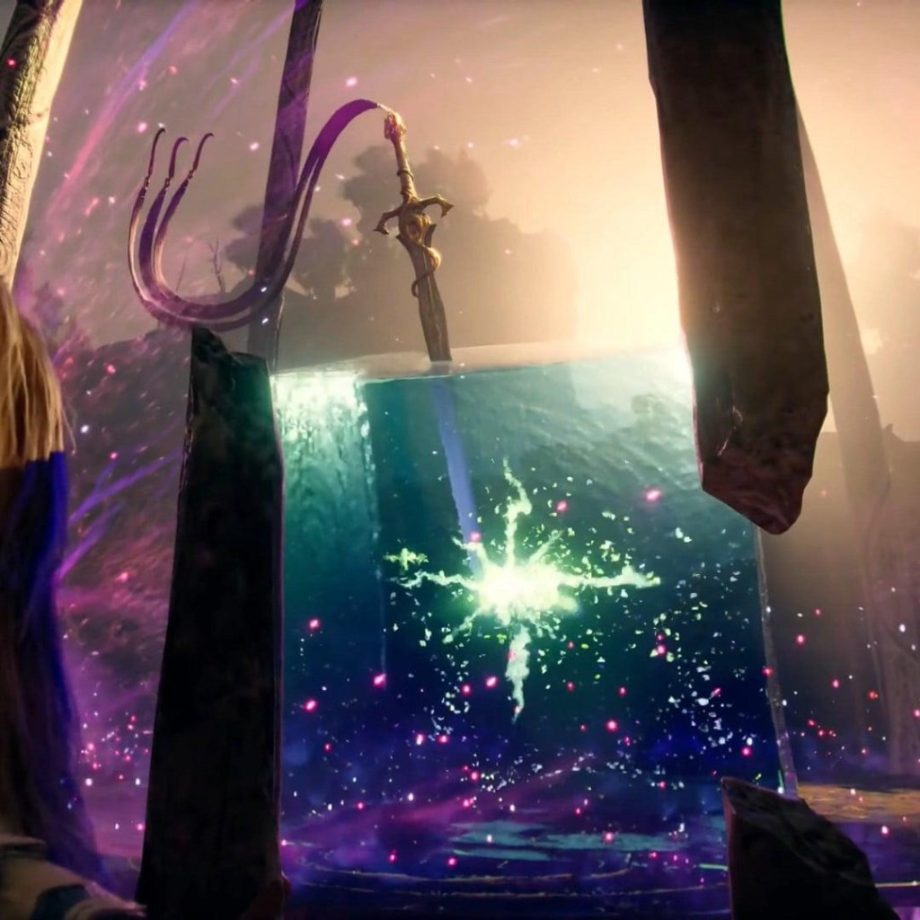
When God of War Laufey was unveiled a few weeks ago, the titular late wife of Kratos was supposed to be the star of the showcase. Things turned out differently, however, as much of the online discussion was centered around one of Laufey’s sidekicks: a square of goo by the fancy name of Phranque. The sludgy sidekick–voiced by Jack Quaid in one of the funniest mo-cap setups we’ve ever seen–quickly stole the show, whirling and twirling as he helped Faye mow down a mob of foes with shocking agility. The consensus is clear: We stan the cube.

Phranque, however, is just part of a long-running legacy of slimes in gaming. These slippery characters have been friend and foe, obstacle and companion, and sometimes even playable heroes. Let’s step back and take a look at the trail of game history our bubbly buddies have left behind.
Slime monsters have been a staple in pop culture for eons, but the creatures’ continued presence across gaming comes primarily from an analog source: the great Dungeons and Dragons. Slime creatures have existed in D&D since its genesis in 1974, but one particular muck-monster has endured in popularity throughout the years: the Gelatinous Cube. This 10-by-10-foot carrion-feeder sweeps dungeons to consume the remains of living things that have perished in the depths.

The Gelatinous Cube’s appeal is understandable–there’s something fascinating and morbidly humorous about a massive, mindless cube of toxic jelly that feeds on dead adventurers–and the recent uptick in popularity for all things Dungeons and Dragons has given the cube a fresh fanbase (though I wonder if Minecraft’s slimes taking a cubical form has also bolstered the AD&D OG’s profile). Heck, the Gelatinous Cube even occupies prime real estate on Stern’s recent Dungeons and Dragons pinball table. So while Phranque’s relatives may lack intelligence, they’re certainly not lacking in prestige.
D&D would go on to inspire the first wave of computer RPGs, including the legendary Wizardry, which featured slimes as some of your party’s earliest enemy encounters. Other early adventure games, like Namco’s Tower of Druaga and Hydlide, also featured enemy slimes. But it was Wizardry’s success and direct influence that led to the creation of gaming’s most famous slime.