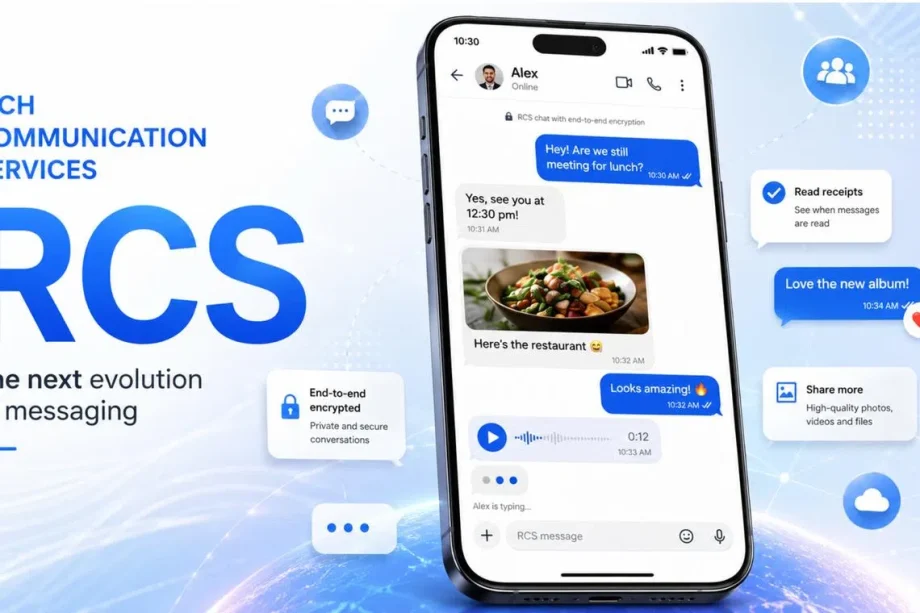
If you have ever sent a video from your iPhone to an Android friend and watched it arrive looking like it was filmed through a frosted-glass window, or lost all your emoji reactions the moment someone without iMessage joined a group chat, those frustrations now have a name and a fix. The name is Rich Communication Services (RCS).
What is RCS, and why has it taken this long?
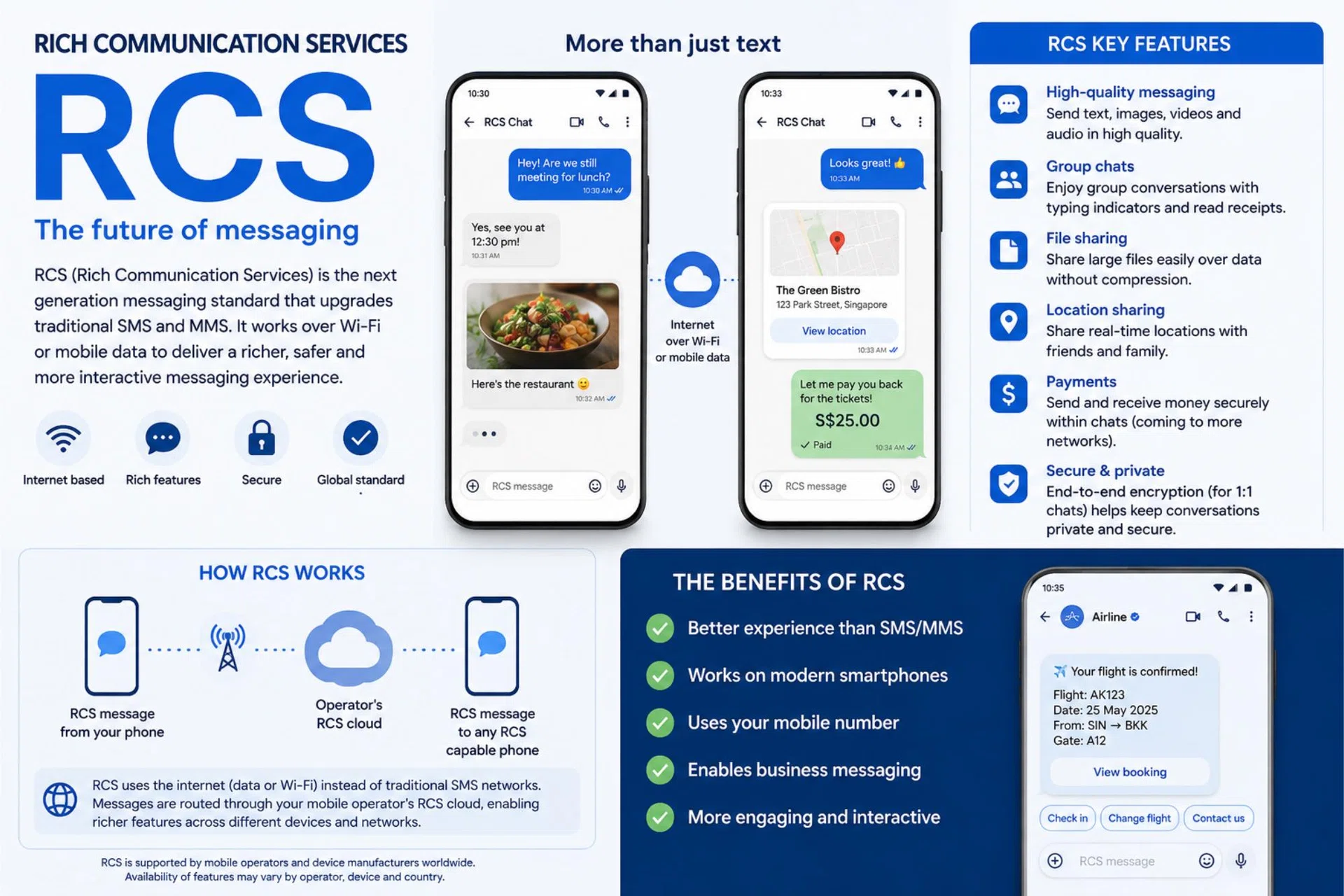
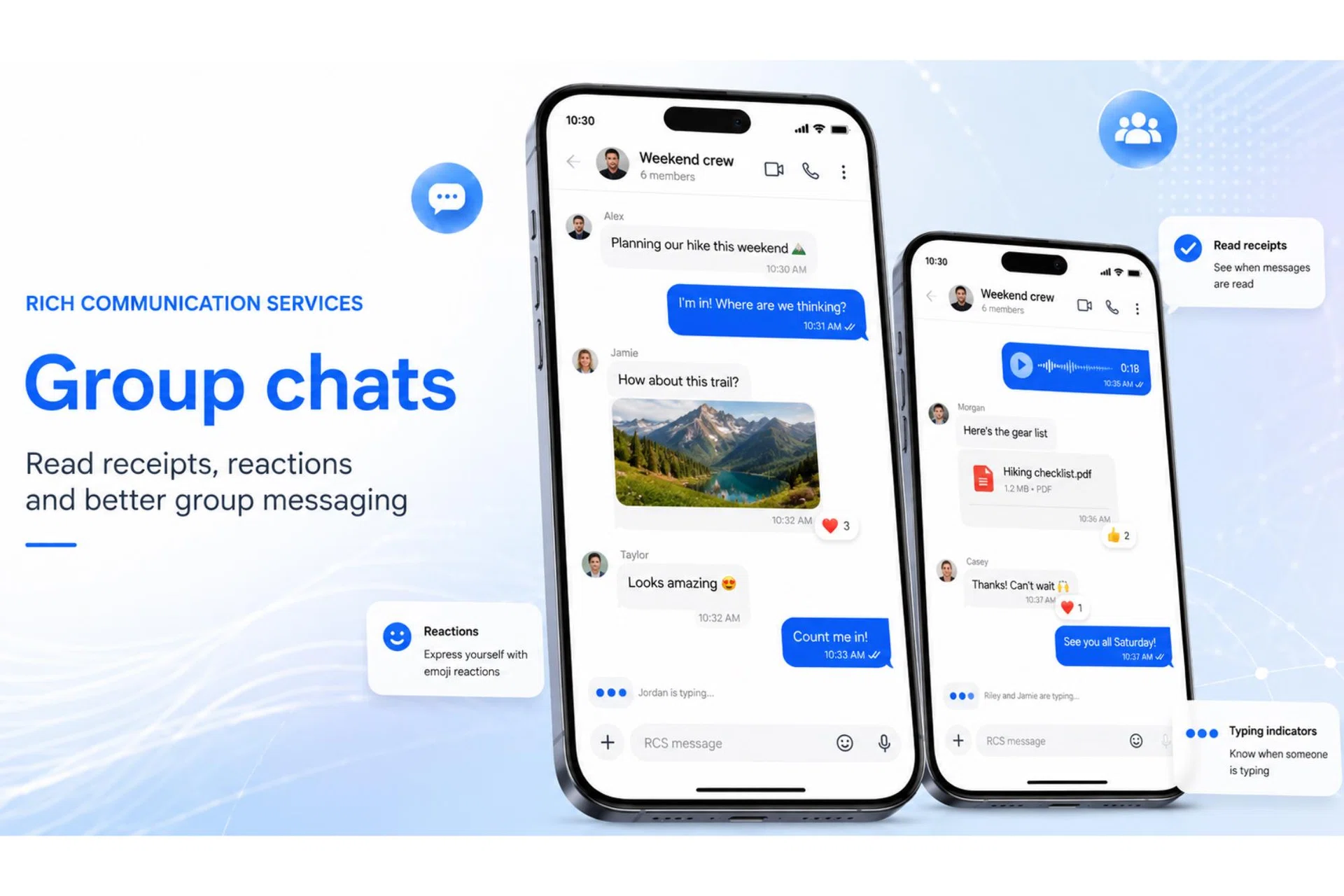
The messaging utopia offered by RCS.
Photo: AI-generated image
RCS, or Rich Communication Services, is a messaging protocol developed and defined by the GSM Association (GSMA) as the modern replacement for SMS and MMS. Think of it as the upgrade SMS would have been if it had been invented for the smartphone era rather than the mid-1990s.
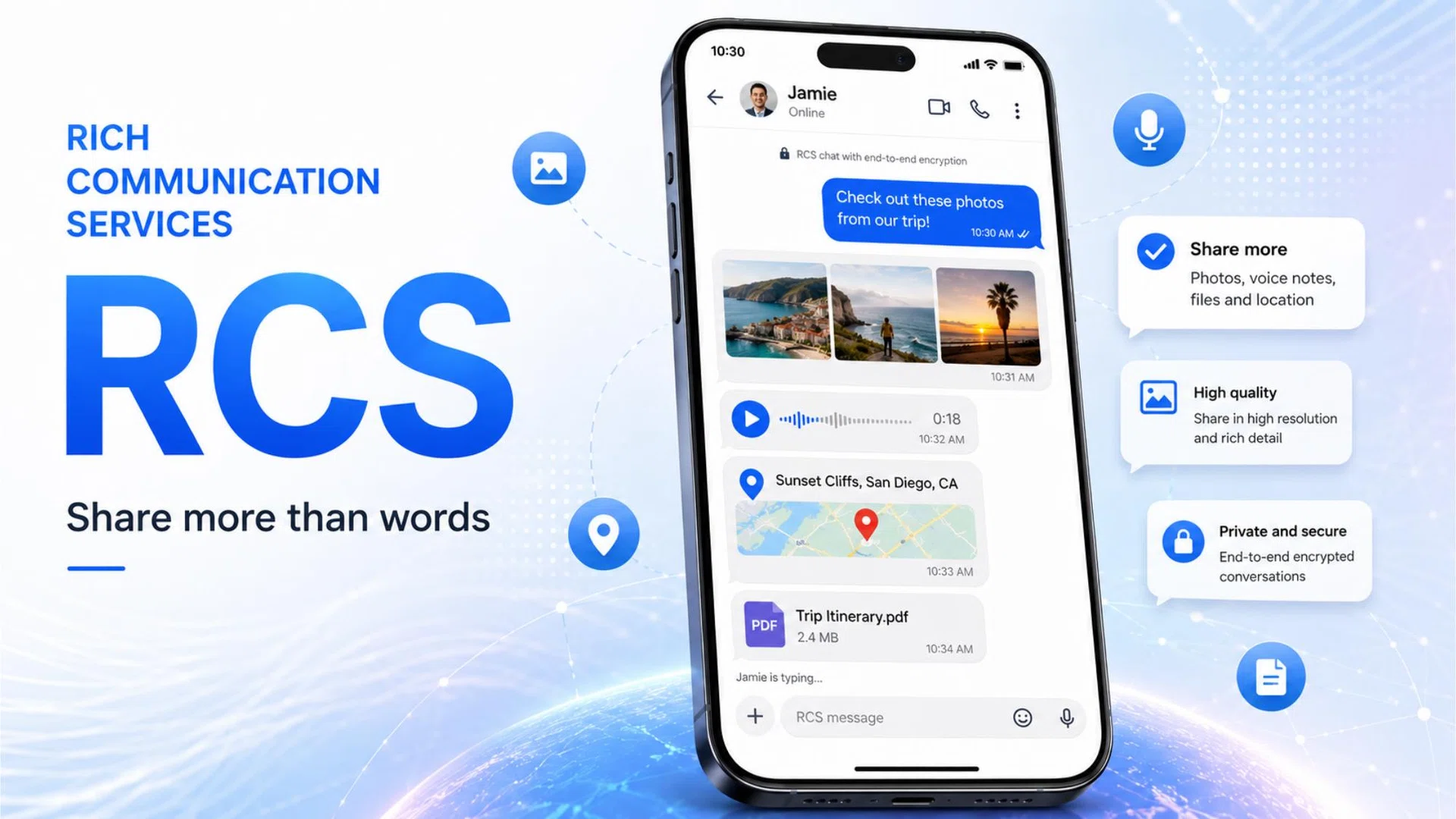
Standard SMS is limited to 160 characters of plain text. MMS allows basic media sharing but compresses images and video heavily and carries strict carrier file-size limits, often leaving photos blurry. RCS improves on both with a protocol built on internet connectivity, and when both people are on RCS it delivers:
- High-resolution photo and video sharing without compressionHigh-resolution photo and video sharing with far larger file-size limits than MMS and none of its aggressive compression
- Typing indicators so you can see when someone is composing a reply
- Read receipts that confirm when a message has been seen, where the recipient has them enabled
- Emoji reactions that actually display as reactions, not as text saying ‘liked your message’
- Enhanced group chat functionality with the ability to name chats, add or remove members, and leave groups
- Delivery over Wi-Fi or mobile data, including while roaming internationally
The key distinction from apps like WhatsApp or Telegram is that RCS operates within the native Messages app on your phone. There is nothing to download, no account to create, and no need to convince friends and family to switch platforms. It just works, in the same place you have always sent texts, as long as both your device and your carrier support it.
Development of RCS began in 2007, and the GSMA formally published it in 2008. For most of the decade that followed, it remained largely an Android feature, championed most visibly by Google. The missing piece was Apple. For years, iPhone users sending messages to Android users were stuck with the limitations of SMS or MMS fallback, those infamous compressed videos, and the green bubble that signalled you were outside the iMessage ecosystem. Apple resisted adopting RCS for years despite sustained public pressure from Google, which ran a high-profile campaign called “Get The Message”, directly calling out the gap. Apple’s position eventually shifted, reportedly influenced in part by regulatory pressure from the European Union’s Digital Markets Act. In late 2023, Apple announced it would support RCS in iOS 18, which duly arrived in September 2024. That opened the door, but the door has been opening carrier by carrier and market by market ever since.
What about those who do not have it yet?
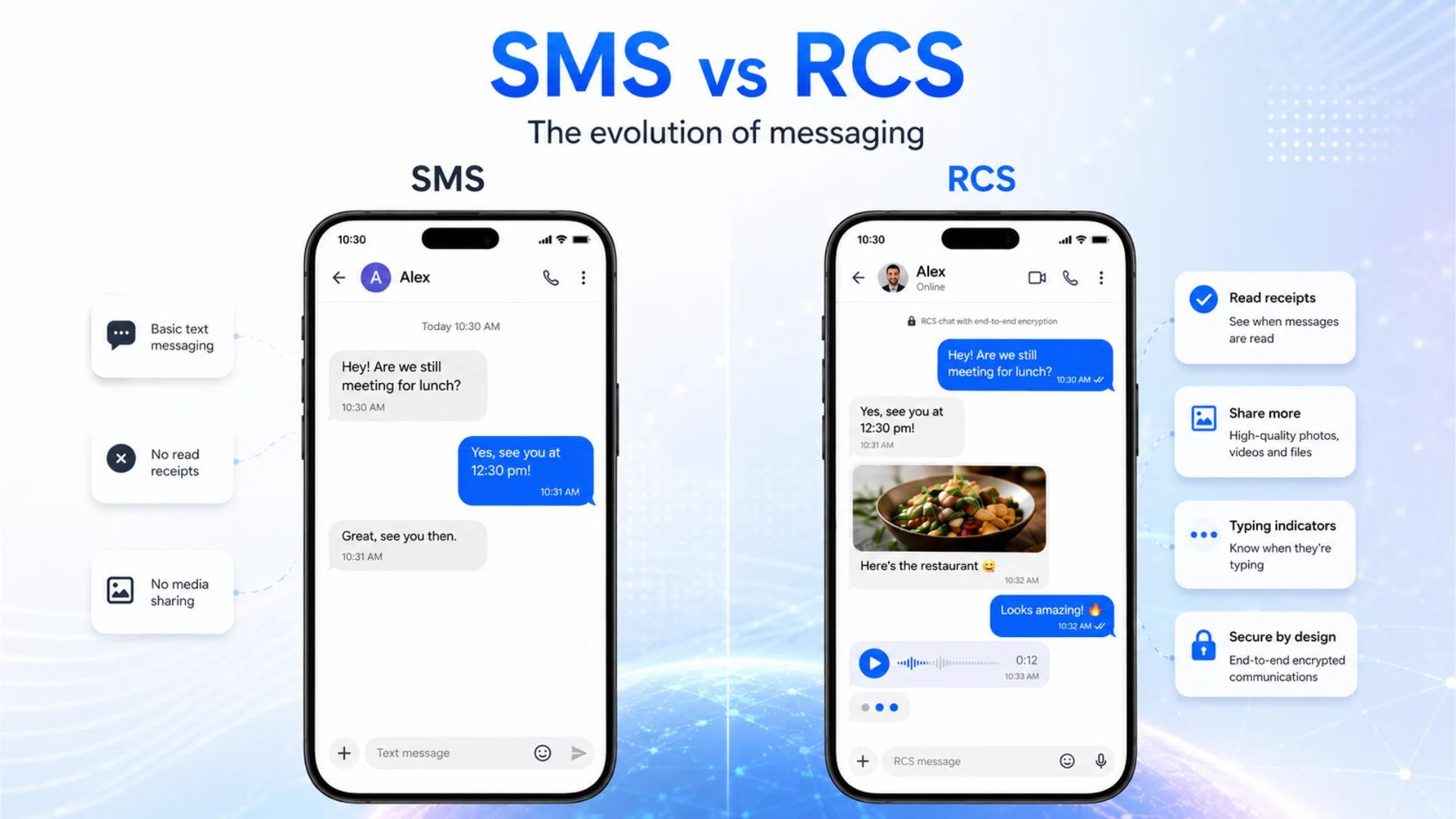
Those not in the Singtel network will have to wait to get an MMS.
Photo: AI-generated image
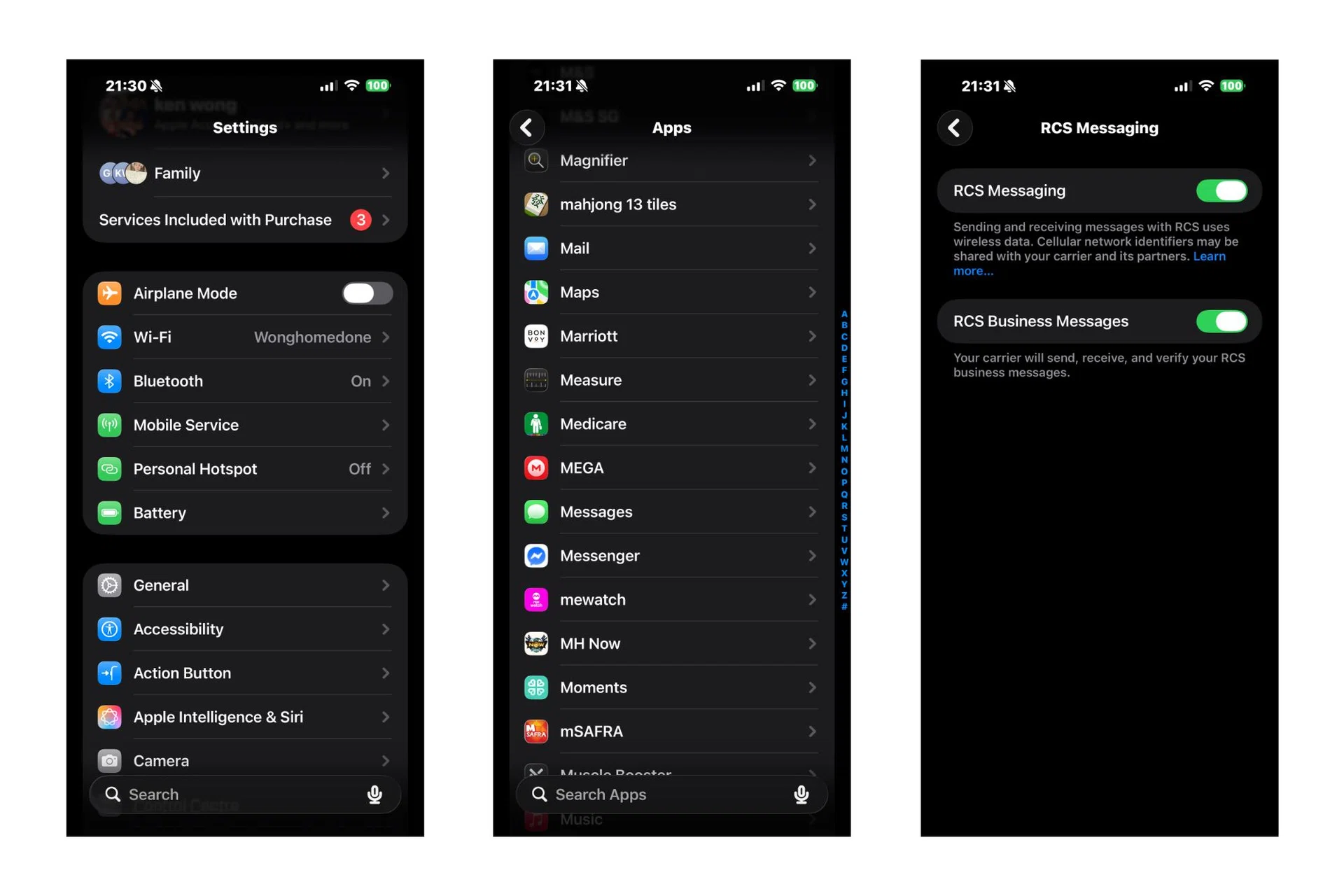
Carrier support is a prerequisite for RCS to work. A device can have the latest iOS, but if the user’s carrier does not support RCS, the feature simply will not activate. Singtel’s announcement explicitly positions it as the first and only telco in Singapore currently offering RCS support for iPhone. Unfortunately, both StarHub and M1 confirmed they don’t support RCS on iOS or Android yet, and couldn’t provide a timeframe for when they would.
For users on non-supporting carriers or on devices that are not RCS-enabled, conversations with RCS users will still work via standard SMS or MMS fallback. The experience simply does not include the richer features, messages are compressed, there are no read receipts or typing indicators, and reactions appear as text. No messages are lost, and communication reverts to the older standard.
It is also worth noting that both parties need RCS for the features to work. If you upgrade to iOS 26.3 and have RCS active through Singtel, but the Android user you are messaging is not on an RCS-enabled network or device, you will still fall back to SMS. RCS is a two-sided unlock, it only operates when everyone in a conversation has it.
For those who depend heavily on WhatsApp for cross-platform messaging, RCS is not a replacement but a complement. Apps like WhatsApp operate on their own protocols with end-to-end encryption and can work on any carrier and across countries where RCS carrier support may not yet exist. RCS’s advantage is that it requires nothing extra; it lives in the default messages app, needs no account, and handles the same casual texting scenarios where people have historically been stuck with SMS.
Read Full Article At Source