Earlier this week, it was reported that Microsoft has entered negotiations to shut down, or grant independence to, acclaimed action-game studio Ninja Theory just a mere eight days after the studio revealed its newest title, Senua, at this year’s Xbox Games Showcase. While the potential dismantling of a tenured studio is always tragic, Ninja Theory leaves behind a legacy that goes beyond video games, ultimately shaping Hollywood films that perhaps would not have been made without the studio’s ambition.
Founded in 2000 under the name Just Add Monsters, Ninja Theory built itself upon a promise of delivering high-octane action games with unique aesthetics, such as Kung Fu Chaos and Heavenly Sword. The studio emphasized creativity and narrative as its core values and sought to deliver AAA-level experiences despite its smaller team and budgets.
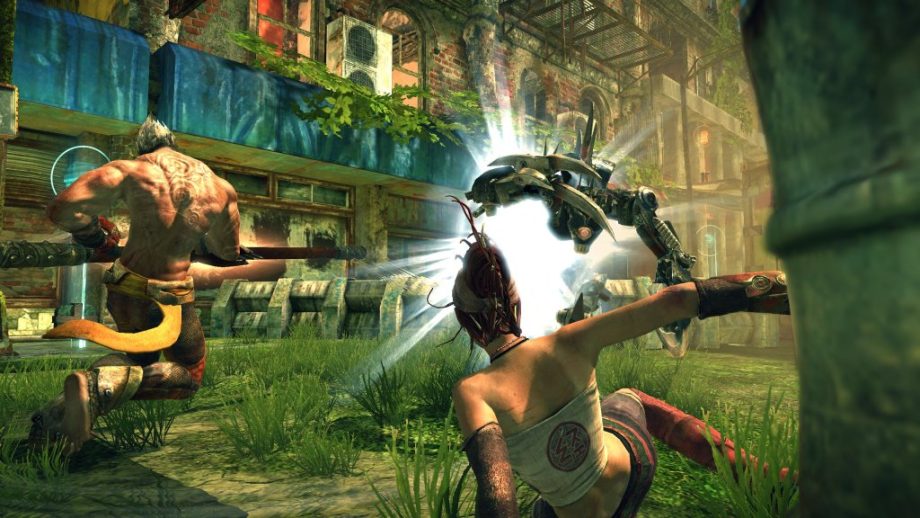
In 2009 after the studio delivered their first Sony exclusive with Heavenly Sword, this ambition led founder Tameem Antoniades and his team to visit numerous Hollywood studios to pitch their next project, Enslaved: Odyssey to the West, as a CGI film. The project would be a retelling of the classic Chinese novel Journey to the West, but set 150 years after mankind has been wiped out in an apocalyptic event. However, Ninja Theory found itself unable to convince a movie studio to fund it. Ninja Theory then began pitching it as a video game and, eventually, struck a deal with Bandai Namco to publish the title.
With development of the game fully underway, the studio then opted to bring on Hollywood screenwriter Alex Garland, who had just begun to make a name for himself for his work on films such as 28 Days Later and Sunshine. Eager to find a way to break into game development, Garland offered his services to help make Enslaved’s story more cinematic. He took an active role in the game’s design, stripping down the exposition in the script and allowing the gameplay and environments to convey information to the player. According to Antoniades, Garland was “intimidating” to work with, but the studio founder later praised Garland’s gameplay design choices as the correct decisions in retrospect.