We have been gushing over Xiaomi’s T series over the last three years, but will the new Xiaomi 17T Pro live up to our sky-high standards?
Just like previous years, Xiaomi is offering a flagship-level smartphone starting at sub-S$1,000 prices, even though there’s been a notable price increase.
The phone is equipped with LPDDR5X RAM and UFS 4.1 storage as per usual, and gets a refresh to the latest MediaTek Dimensity 9500 processor (which we see in other flagship devices like the OPPO Find X9 Pro, Vivo X300 Pro and more).
The cameras get small changes such as an upgrade to the Light Fusion 950 sensor for the main camera (the same one as the Xiaomi 17), a new coating to prevent halos and other unwanted artefacts, and up to 120x digital zoom on the 5x optical zoom telephoto camera (up from 100x digital zoom).
So is it still worthy of our Best Value award? Let’s find out.
Even more refined design
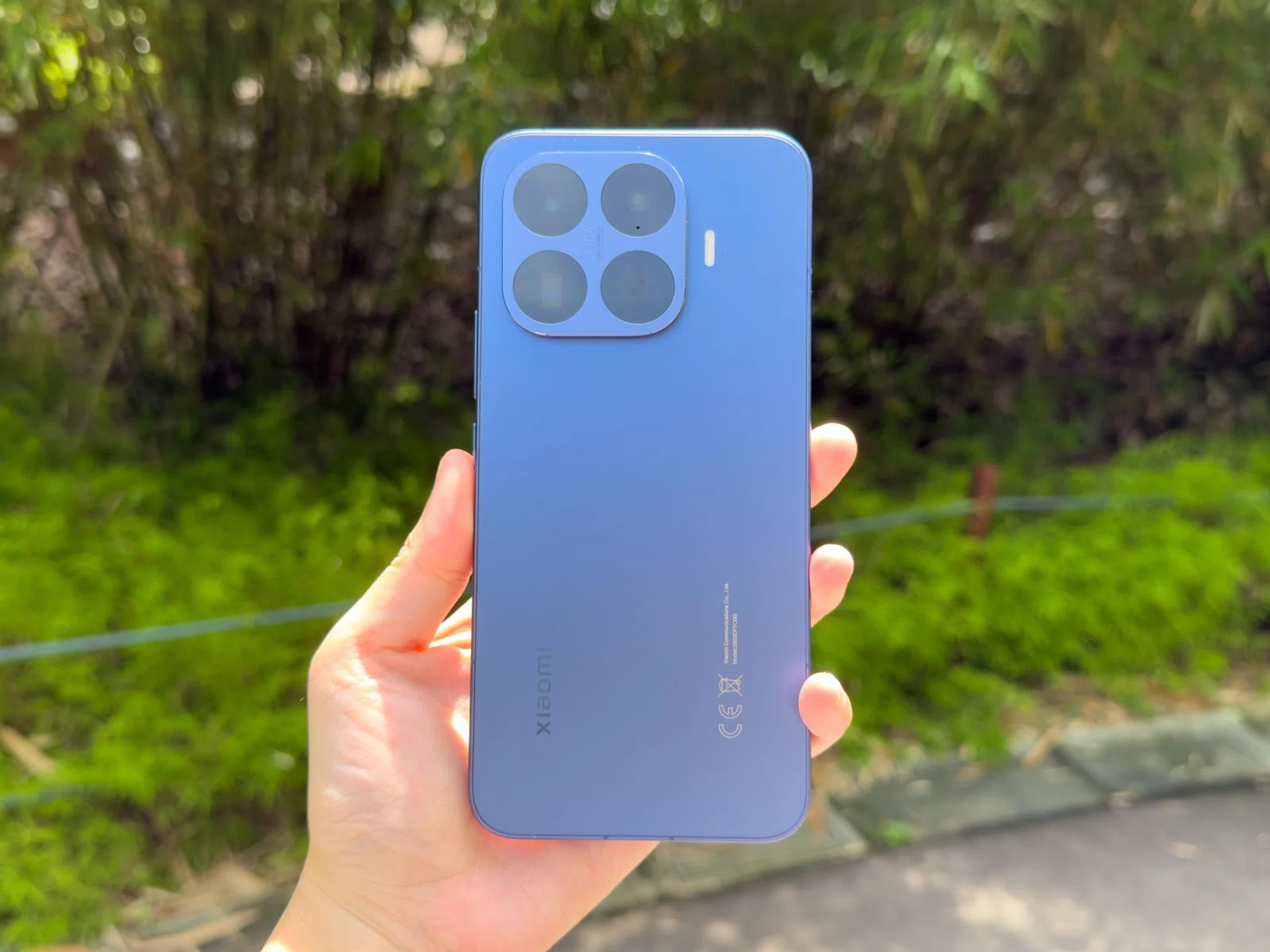
95% similar, but we like it
Photo: HWZ
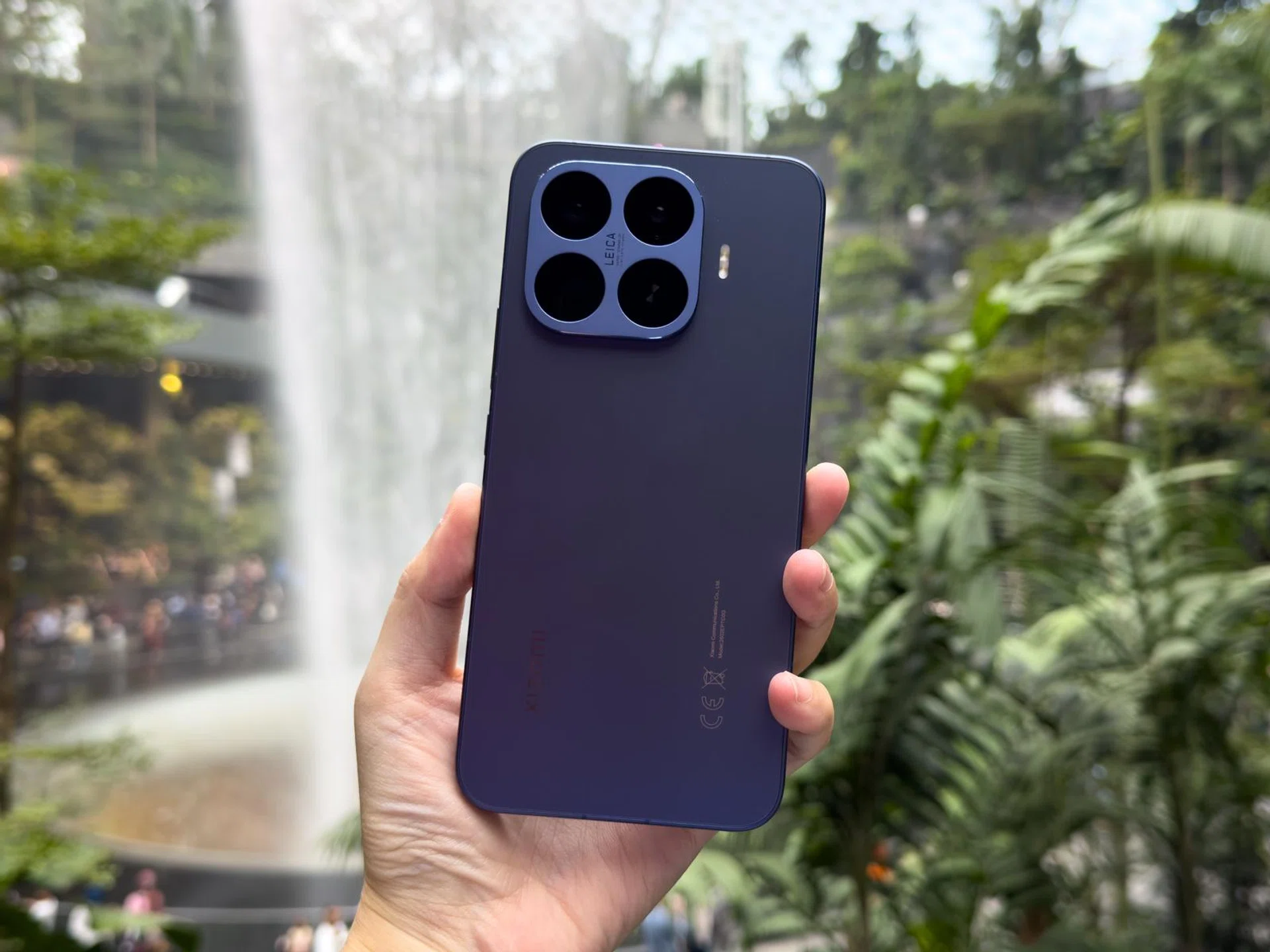
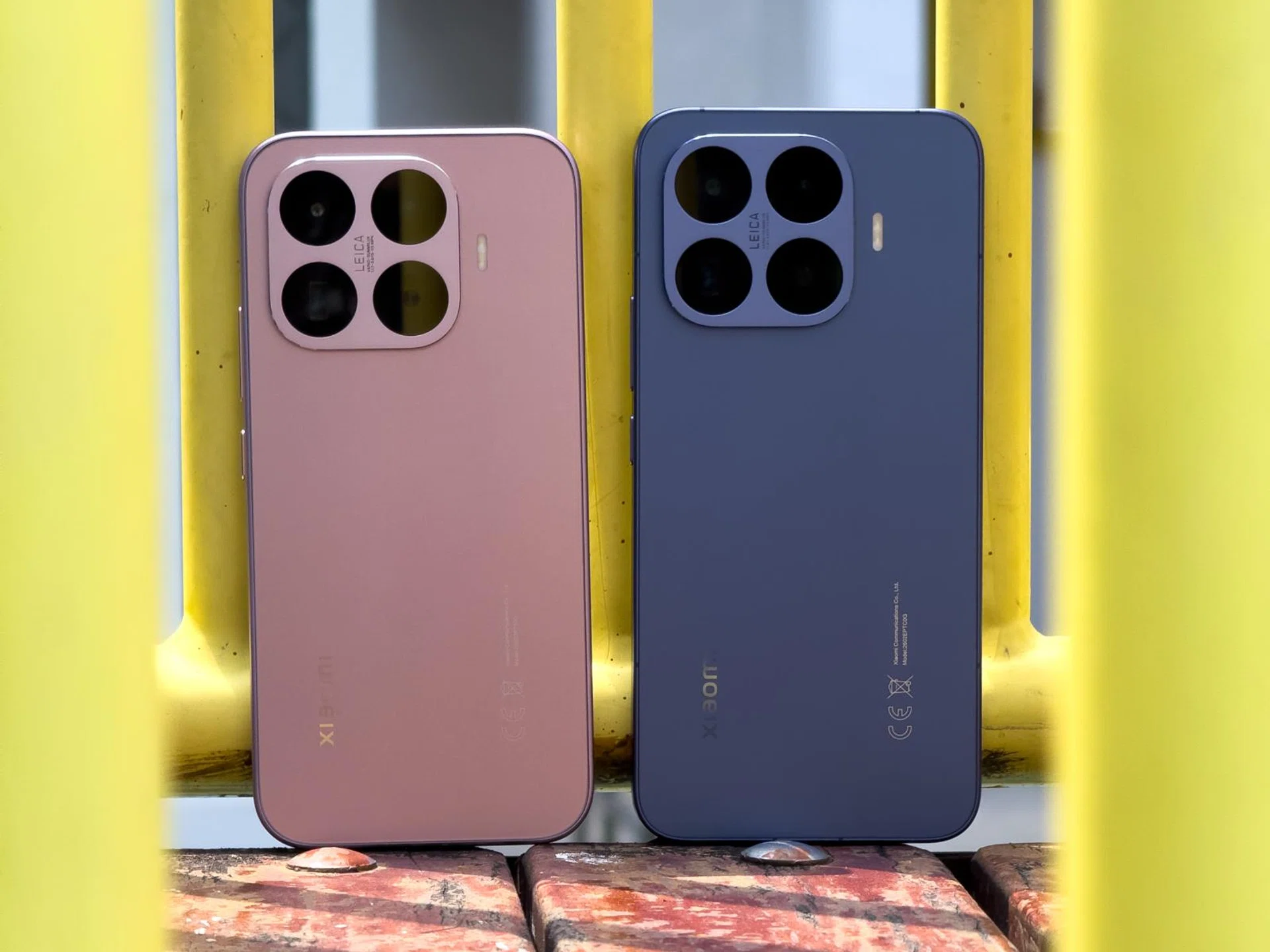
The general design language of the T series has been relatively consistent through the years with minor refinements, and the 17T Pro has to be the sleekest so far. The lines of this smartphone are sharper and more angular, with the camera bump now a stark island on its own without the chamfered edges.
The front and rear glass panels are flat, and the colour-matched sides offer a secure grip.
The display for the 17T Pro remains at 6.83 inches, but the 17T now comes in at 6.59 inches. This is the first time we’ve had two sizes for the T series, which means consumers now have more choice when it comes to screen sizes.
The display specs (and differences) remain mostly the same. The 17T Pro’s AMOLED panel (2772 x 1280 pixels) supports up to 144Hz refresh rate, while the 17T (2756 x 1268 pixels) gets a 120Hz refresh rate.
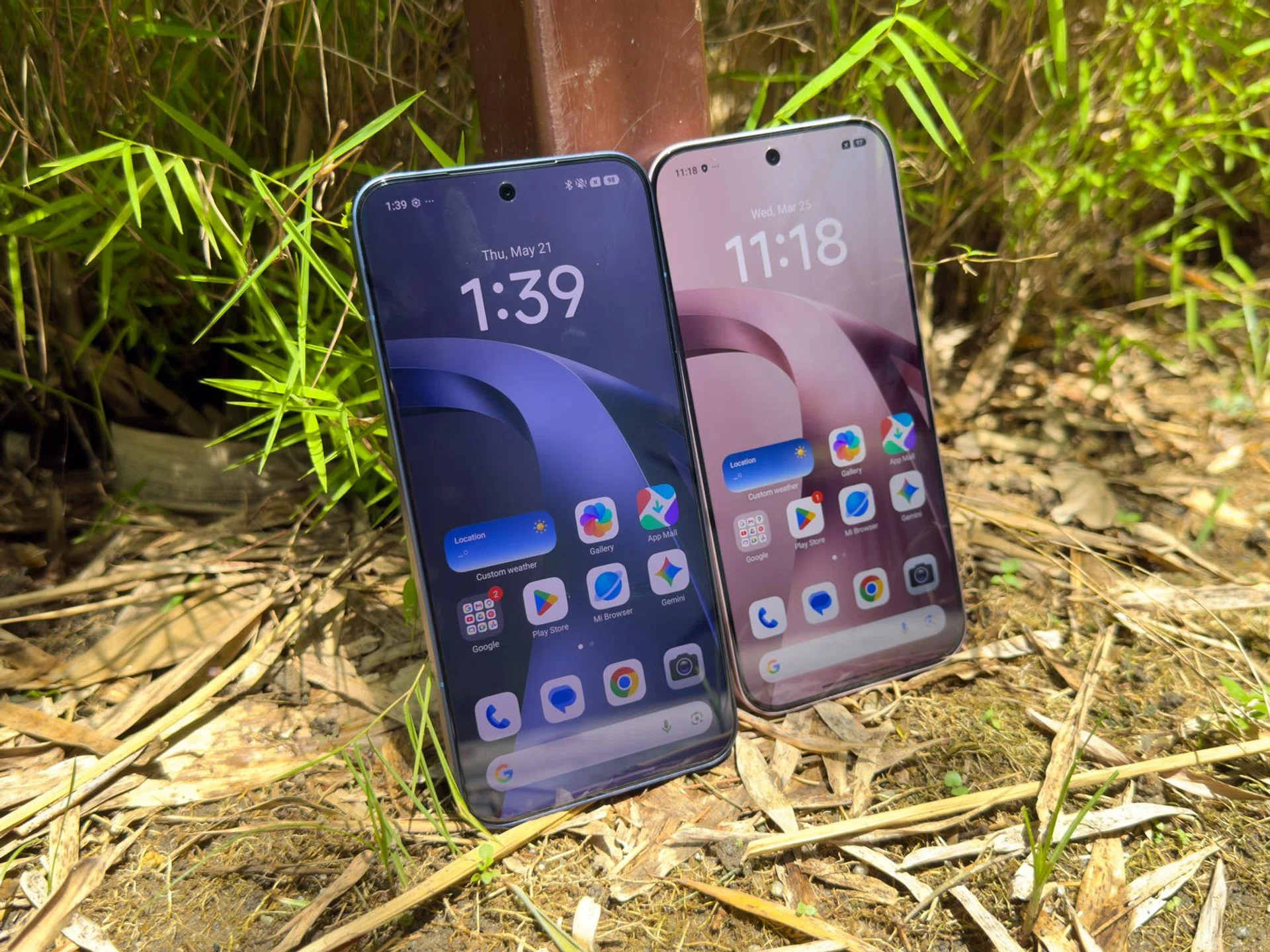
Left to right: Xiaomi 17T Pro, Xiaomi 17T
Photo: HWZ
Both panels are protected by Corning Gorilla Glass 7i and have a 3,500 nit peak brightness, and support for Dolby Vision and HDR10+. Watching content and playing games on the 17T Pro is great thanks to the high refresh rate, and the screen is perfectly legible even under harsh afternoon sunlight.
Both phones retain an IP68 dust and water resistance rating, and Xiaomi will offer five years of major OS updates and six years of security updates for both phones.
HyperOS 3
The Xiaomi 17T Pro runs HyperOS 3 right out of the box, and we’ve covered the more important features and details in our Xiaomi 17 Ultra review, so we won’t rehash it again.
That being said, the latest HyperOS 3.1 update does offer some nice quality of life features, such as better cross-device features, native Apple AirPods support and more.
Imaging performance
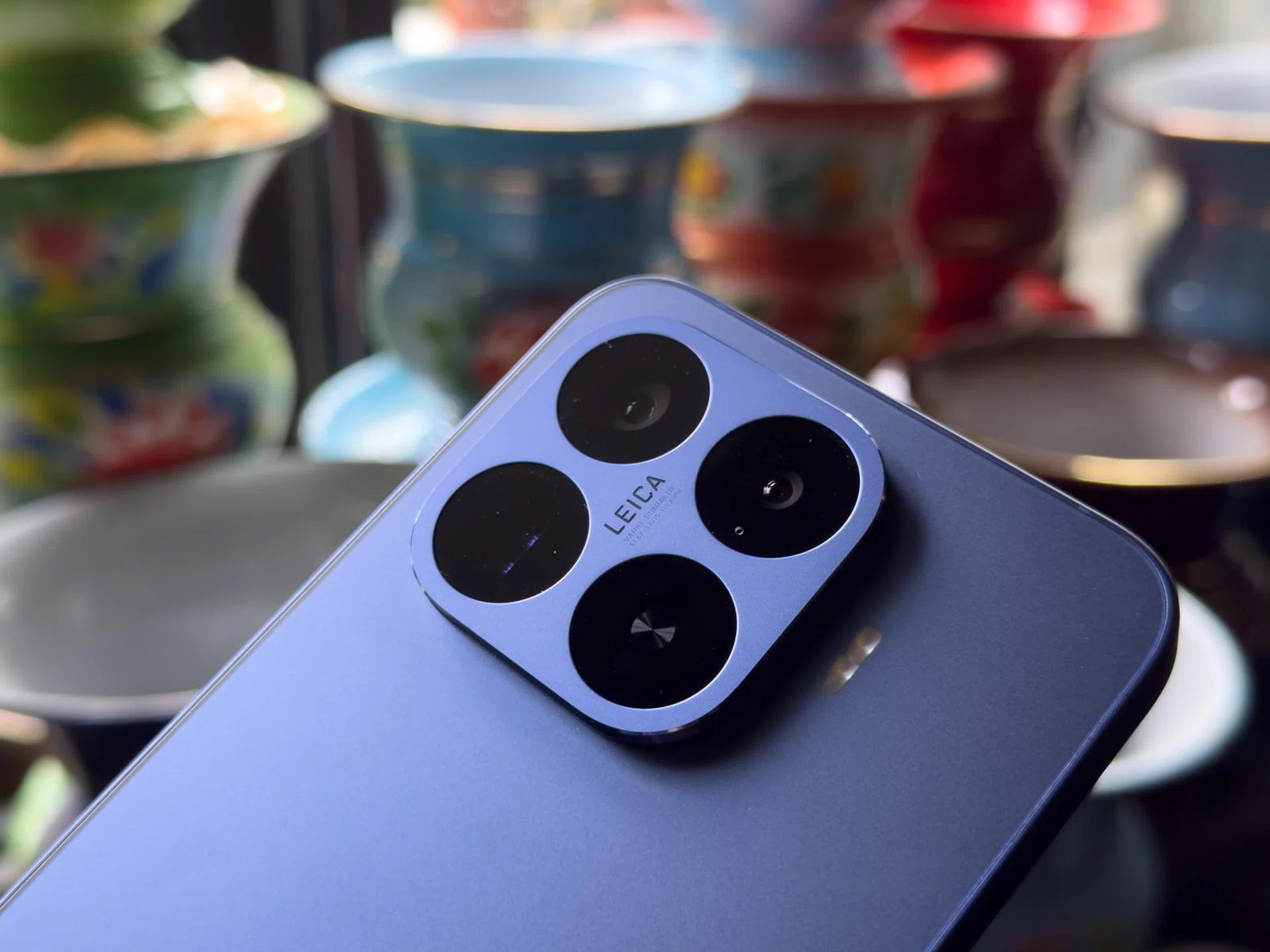
Not many changes in this department even under the hood.
Photo: HWZ
The camera hardware for the Xiaomi 17T Pro is mostly unchanged from its predecessor.
Thanks to the continued partnership with Leica, the phone has Leica Vario-Summilux 1:1.67-3.0/15-115 ASPH. optics with the following cameras:-
- 50MP main camera (23mm, f/1.67 aperture, 2.4µm 4-in-1 Super Pixel, Light Fusion 950 sensor, OIS)
- 50MP telephoto camera (115mm, f/3.0 aperture, 5x optical zoom, 120x digital zoom, Samsung Isocell JN5 sensor, OIS)
- 12MP ultrawide camera (15mm, f/2.2 aperture, OmniVision OV13B sensor)
Unfortunately, the native camera still locks users into either the Leica Authentic or Leica Vibrant photographic styles.
The images from this phone are detailed with good colours. It feels like Xiaomi has dialled back on the saturation of Leica Vibrant, which makes it feel more accurate to the eye. As such, all of our imaging photos were shot on Leica Vibrant mode this time round.
Portrait shots were surprisingly good, with fast eye tracking and autofocus helping to get sharp shots even when the subject was moving around.
The telephoto camera’s hardware is the same as before, and we get the same excellent shots at 5x optical zoom. The 10x lossless zoom is pretty serviceable if you have enough light and your hands are steady, else it can get a bit blurry. The ultrawide is fairly standard for this class of device and we don’t notice any improvements, nor is there anything noteworthy to comment about.
The phone handles decently in low-light situations, although it does struggle a little in challenging situations that have a lot of contrast between pitch-dark shadows and very bright light sources. The software does a good job of boosting the image while taming the bright areas so there aren’t too many blown highlights. Indoor photos turned out well across the different focal lengths, and we’re glad it delivers in this regard to help maintain coherency if one is sharing a variety of shots for a montage.


Read Full Article At Source