Vivo X300 Ultra review
Vivo has moved very fast in Singapore. What was originally years of excluding the Lion City from its flagship X-tier phones has quickly transformed into a fast-and-furious onslaught of its X300 series ( Vivo X300, Vivo X300 Pro), with its Vivo X300 Ultra arriving on our shores the moment it broke free from its home market.
To recap, X300 Ultra is the first-ever Ultra release by Vivo overseas (outside of Mainland China), and it packs everything you’d expect from a true premium flagship-grade mobile: the latest chipset from Qualcomm (Snapdragon 8 Elite Gen 5), a big battery (6,600mAh) with a display to match (6.82-inch AMOLED with 144Hz refresh rate). It also checks the boxes for what people have come to expect in handsets at this level, like its IP68 and IP69 resistance to water and dust.
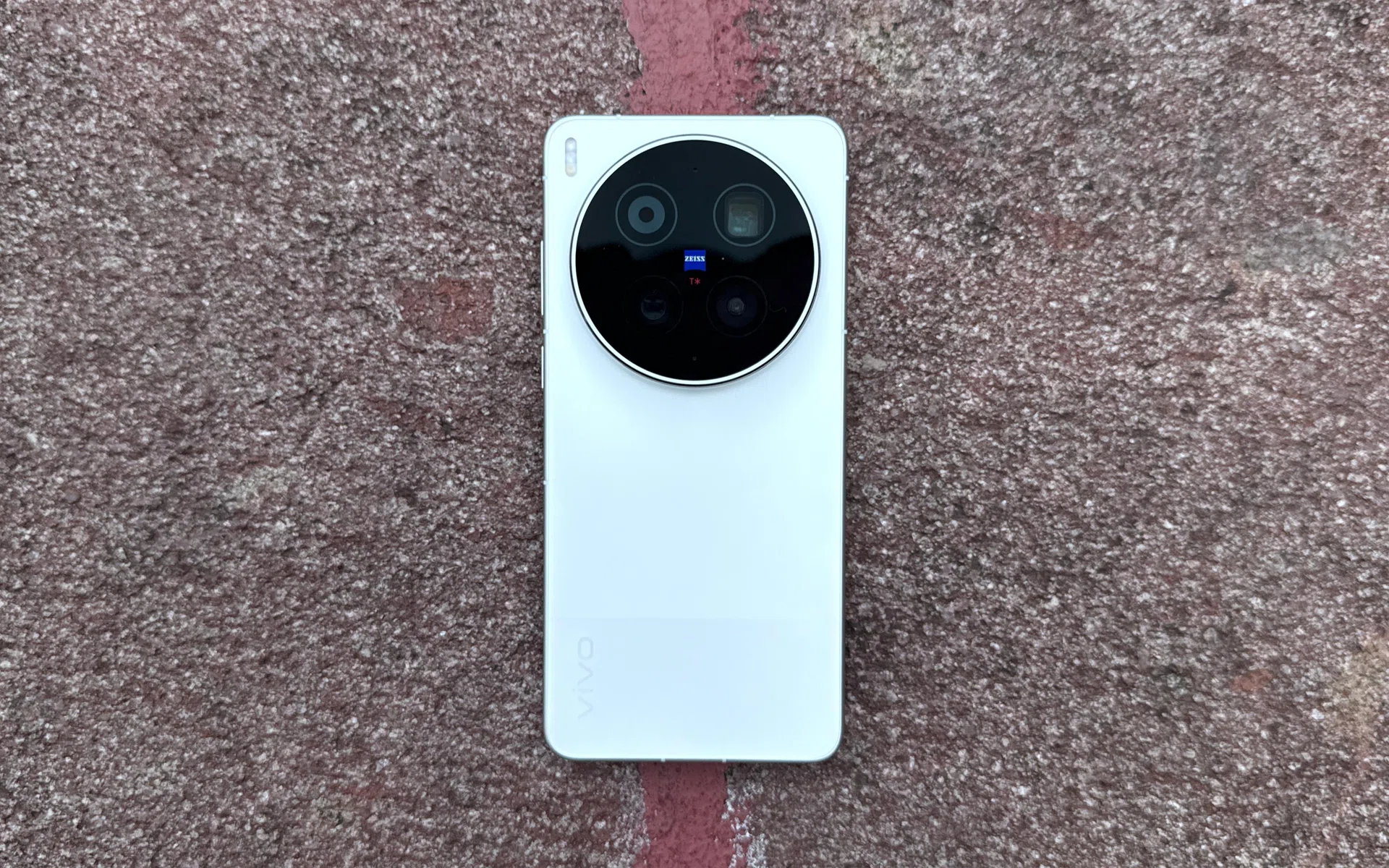
Vivo X300 Ultra.
Photo: HWZ
Vivo’s calling card for the X300 Ultra leans heavily on its ZEISS collaboration for its camera lenses, boasting a 200MP main, 200MP telephoto, and 50MP ultrawide, all complete with optical image stabilisation and anti-aberration lenses. There’s even an extra colour data camera to assist all its rear shooters.
If you’re feeling especially rich, there’s also the option to “top up a bit more” (read: another S$800) to rock not one, but two teleconverters (200mm and 400mm) and really push the Vivo X300 Ultra’s camera system to its limits via its Photographer’s Kit. While we won’t score the phone’s review based on these add-ons, we tried them out as an extra bonus to this article.
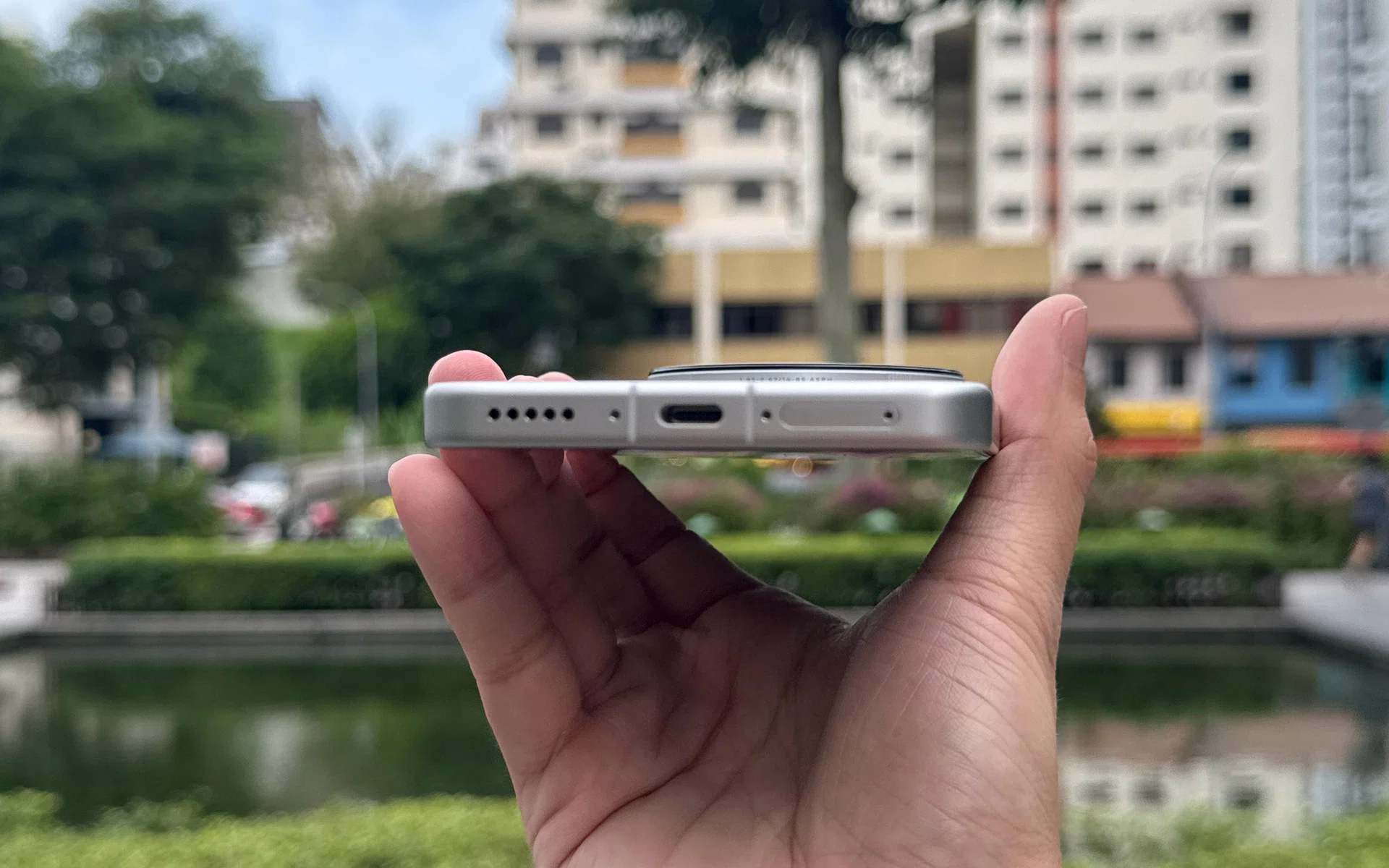
Vivo X300 Ultra’s bottom rung, with USB-C port.
Photo: HWZ
Of course, S$2,499, even for 1TB storage, feels steep. It’s missing smaller storage variants (which are usually more affordable). Seeing how other 1TB variants have fared here, we know Singaporeans wouldn’t break a sweat at such prices. The real challenge is that this is Vivo’s first Ultra phone overseas, and that’s after it hasn’t brought any flagship models for a really long time until now. The ask is very big for a device with a minimal track record in local mindshare to put their trust (and money) in.
We will see if the Vivo X300 Ultra is indeed an Ultra you can put your S$2,499 with (S$3,200, if you get it with the teleconverter kit).
All-around stunning display, decent audio

Vivo X300 Ultra playing a music video.
Photo: HWZ
With its 6.82-inch, 3168 x 1440-pixel resolution AMOLED display, the Vivo X300 Ultra could handle the higher-quality content we threw at it. 4K resolution content still played fine with little to no stuttering. We only wished it were brighter under direct sunlight.
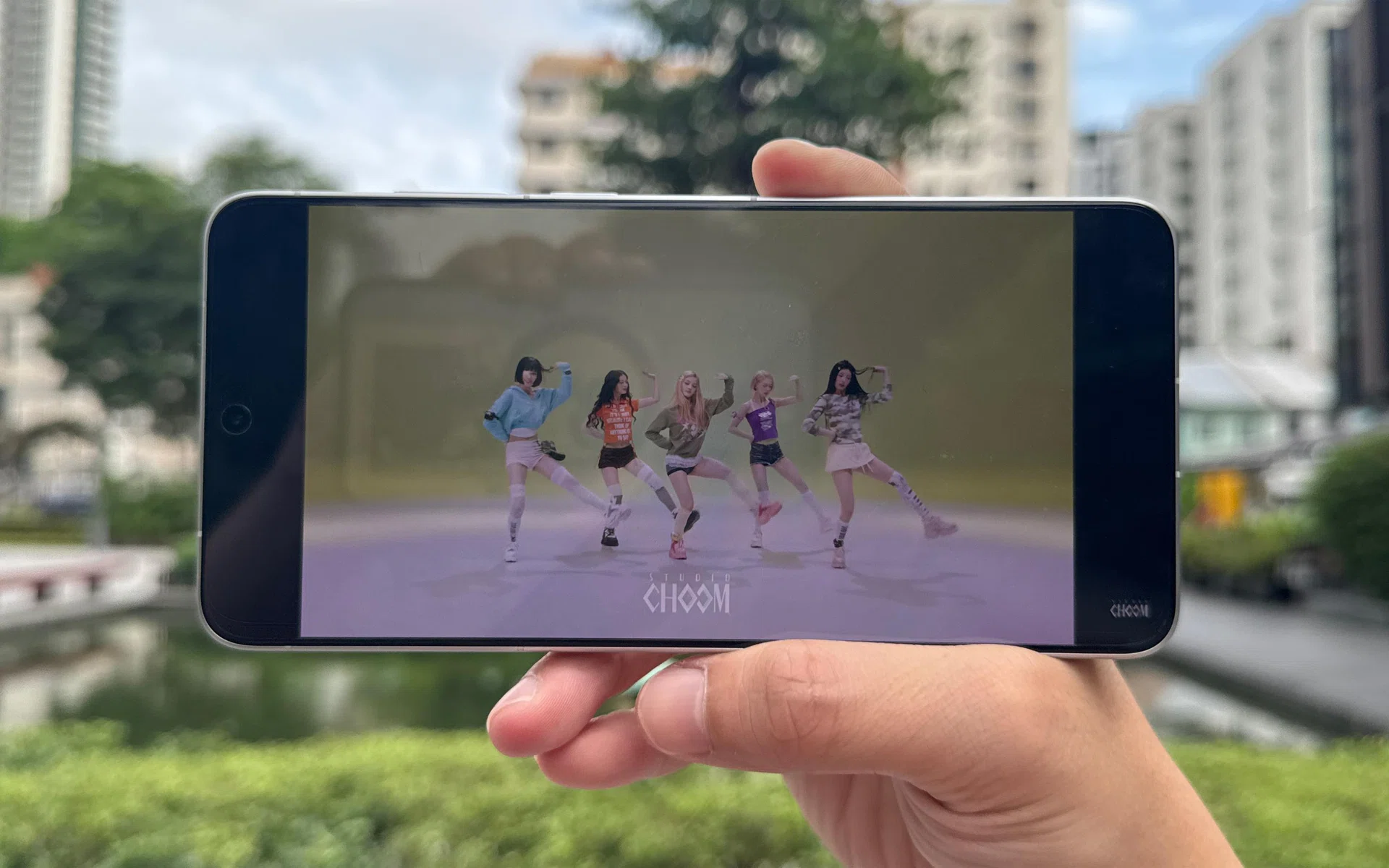
Content on the phone looks sharp and colour accurate, if a little dim.
Photo: HWZ
As far as our eyes can tell, colours are also accurate out of the box. We believe this has to do with its ZEISS Master Color Display tuning, which manages highlights and shadows in your content. If you’re a stickler for good displays, the downside of having 1440p is that 1080p content will have obvious quality loss – but that’s not the X300 Ultra’s fault.
The built-in stereo speakers sound pleasant enough to make audio enjoyable, though they do have some bias towards vocals with their clearer separation from other mid-range frequencies. Its audio quality has no major weaknesses aside from its boxy bass, which means it’s not quite tuned for harder-hitting tracks.
144Hz refresh rate: Is it actually useful?
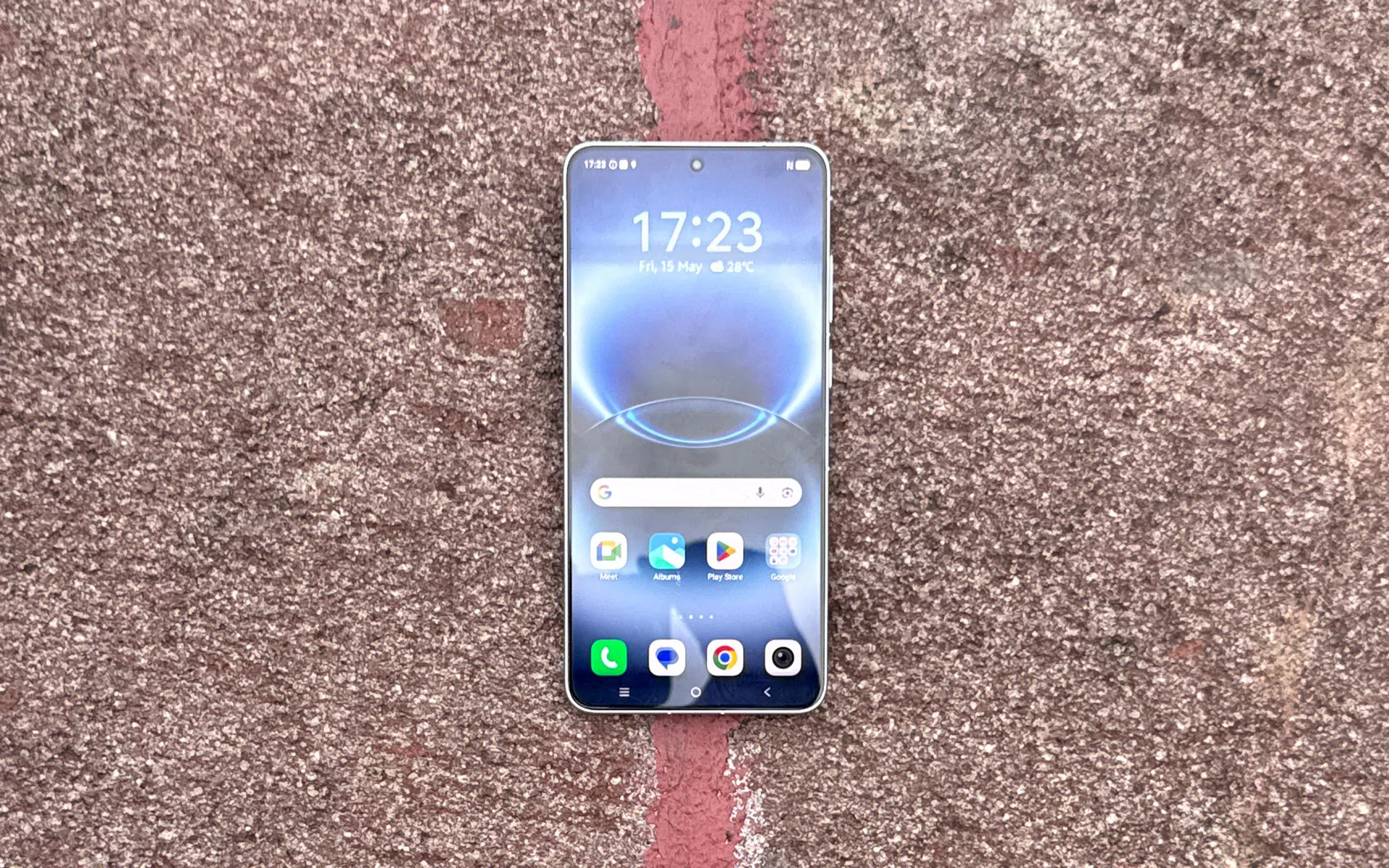
Vivo X300 Ultra’s 144Hz AMOLED display.
Photo: HWZ
Vivo X300 Ultra’s display and its 1-144Hz refresh rate work, but it largely depends on what you’re doing with the phone.
Using 144Hz depends on individual apps. It even says so (paraphrased) on Vivo’s official website. This means that if the developer capped the app’s refresh rate at 60, 90, or 120 frames per second, you’d be less likely to experience higher refresh rates, even if the screen refreshes 144 times a second.
That’s not a waste of hardware, since you don’t really want to get bottlenecked by the display on the off chance you have a 144Hz app. For example, the Settings app on the Vivo X300 Ultra can go above 60Hz, and that’s easily tested by choosing Standard screen refresh rate (60Hz capped) or High (up to 144Hz) and swiping through the menus like a maniac.
What we liked best about Vivo X300 Ultra’s display settings is the ability to cap refresh rates on an individual app level. This way, it won’t restrict content-based apps (video streaming, games, etc.), letting them tap into the highest possible refresh rate, while mundane or routine apps like travel booking platforms and your Contacts app save some battery with a restricted refresh rate.
Bonus bloatware on your S$2,499 phone
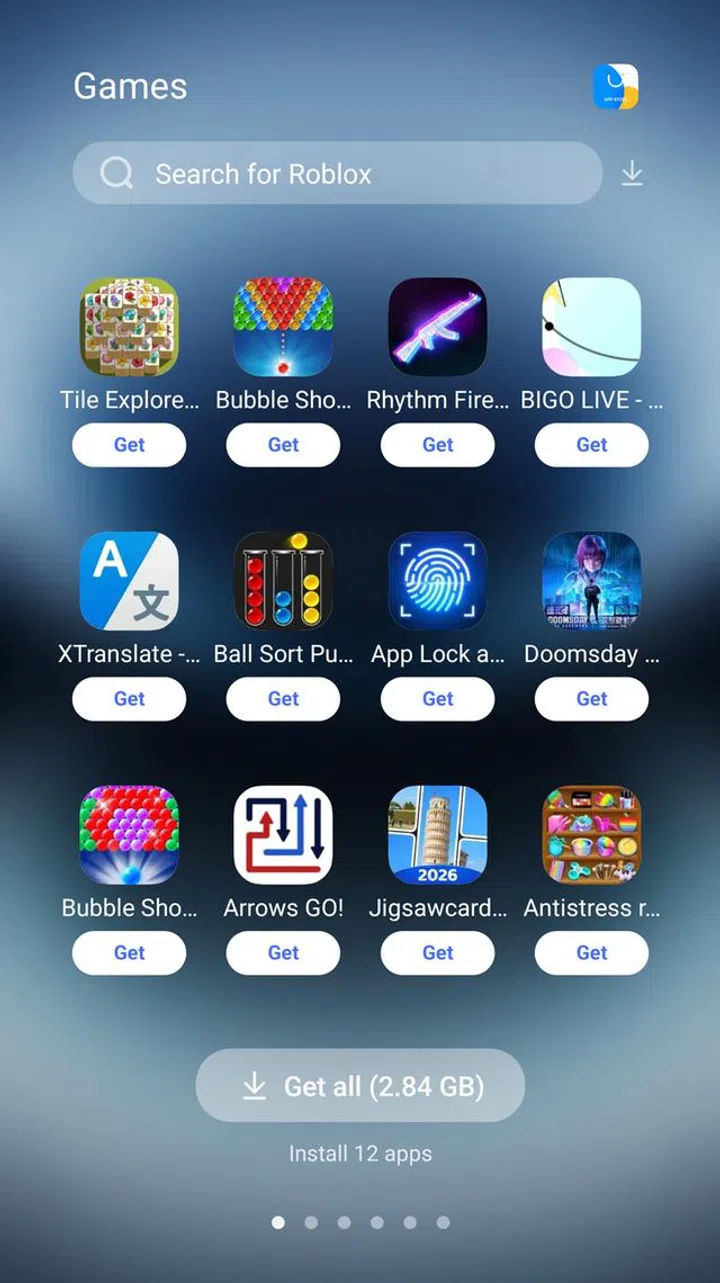
“Recommended” game apps come in six pages worth of icons, making it easily a hundred bloatware vectors in just two app folders.
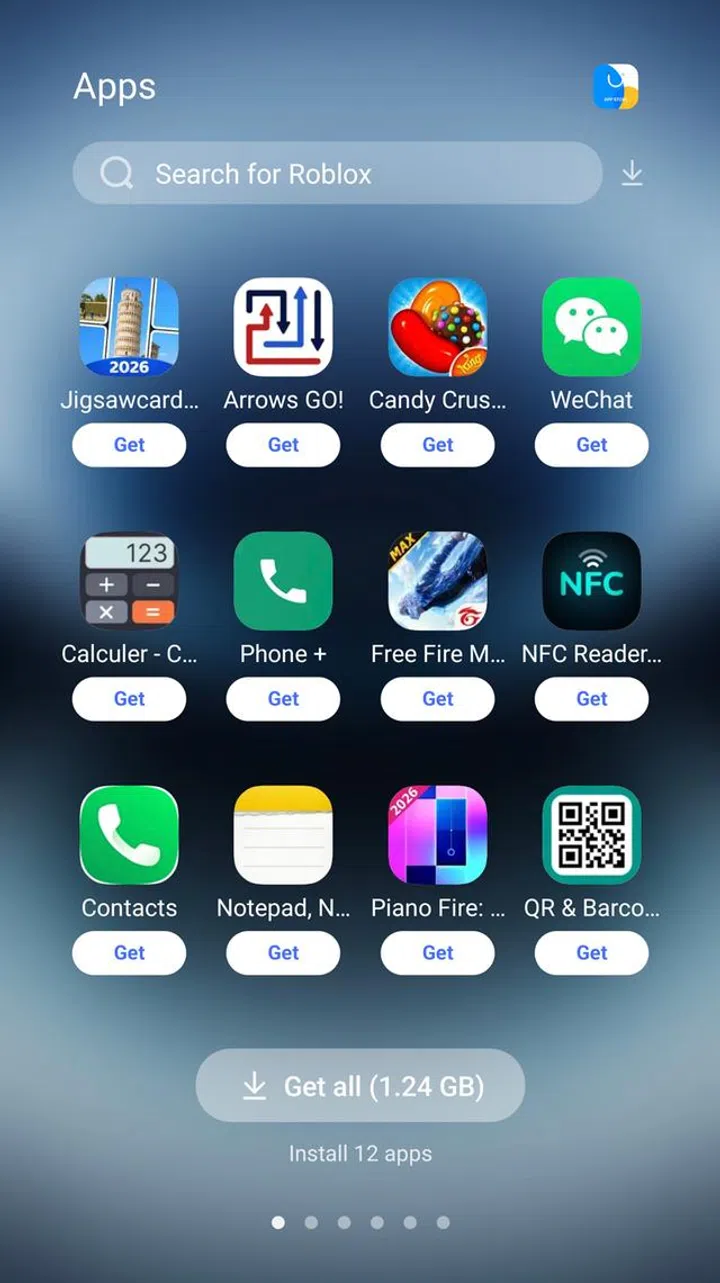
Excuse me Vivo, but what is all these doing on my S$2,499 phone?
Screenshot: HWZ
The Vivo X300 Ultra comes with OriginOS 6 right out of the box, which is the same international version we saw and tried late last year. It replaces FunTouch OS, and it’s even nicer now that it’s finally on the company’s first overseas Ultra phone.
We particularly enjoyed the level of customisation available even in Android-default stuff, like packing pull-down menu options together with notifications, or really granular settings for games. They’ve also packed a storage cleanup feature into the Settings app, which reduces the likelihood that a user will download other dodgy phone management apps (and step on a malware landmine).
Sadly, the marvel of its smooth operating system and intuitive menus is quickly marred by the same problem that plagued its preceding premium OriginOS foldable — bloatware.
Despite having a more pleasant user interface than FunTouch, the X300 Ultra comes with a mountain of preloaded garbage teeming out of multiple app folders, all of which require time and effort to spot and remove. It’s further hampered by the pervasiveness of advertising pop-ups masquerading as important notifications. Unfortunately, the abovementioned storage cleanup feature does not help with this.
Note: For users looking to remove all that drivel, delete the entire folder that contains the app icons. Also, remember to disable notifications coming from Vivo’s own app store, V-Appstore.
At S$2,499 for a 1TB phone, we’re sorry to see that Vivo fans are being treated like consumerist cattle that’s farmed for eyeballs, clicks, and downloads. It’s not that we don’t understand the need for phone brands to make a little bit of pocket money when they promote apps this way. Neither are we entirely against all bloatware, since many top-tier brands use optional apps to promote their own ecosystem and offer power-user features (and we’ve even featured truly helpful ones from specific brands before).
But on the Vivo X300 Ultra, “recommended” apps are, at their best, questionable (from lesser-known third-party sources), with some of the worst choices leading to game apps that are constantly whacked for having misleading gameplay representations. There is little to no quality offered, which is a major security concern for less-savvy users (resulting in another point deducted on top of the bloat and intrusiveness).
In a strange twist, you’d actually get a friendlier OS with less junk through a S$2,578 (1TB) Samsung Galaxy S26 Ultra — a line we’d never thought we would have to write this year. We were originally going to give it a much higher User Friendliness sub-score in our review, but it’s not right of us to recommend digital perils for nearly no returns.
Imaging Performance (with Photography Kit trial)
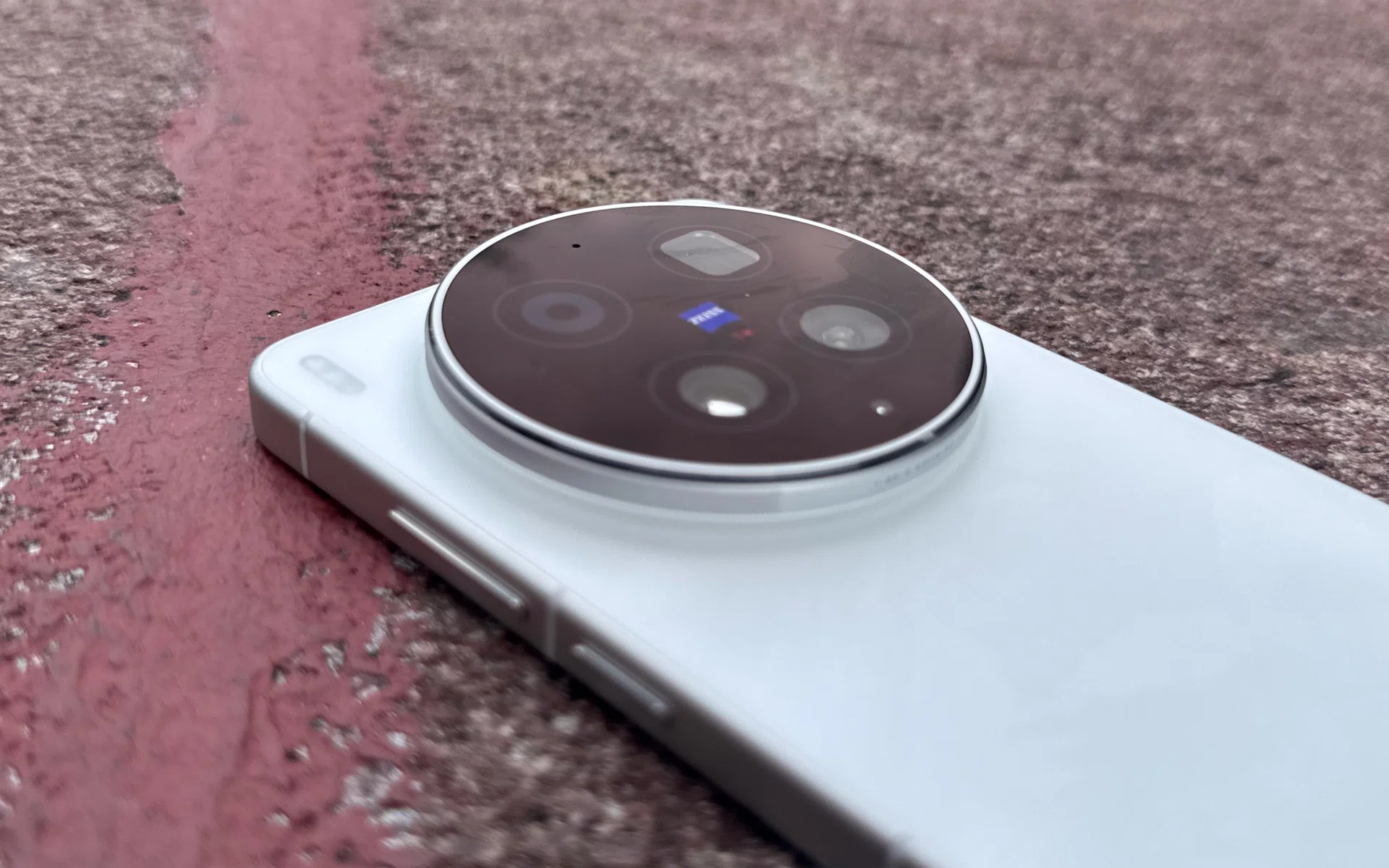
Vivo X300 Ultra rear cameras.
Photo: HWZ
The Vivo X300 Ultra phone itself has three rear cameras with an assistive sensor for extra colour-sensing data:
- 200MP main, 1/1.12-inch Sony LYT-901 sensor, f/1.85 aperture, 35mm equivalent range, OIS
- 50MP ultrawide, 1/1.4-inch Sony LYT-818 sensor, f/2.0 aperture, 14mm equivalent range, OIS
- 200MP telephoto, Samsung HP0 sensor, f/2.67 aperture, 85mm equivalent range, OIS
- 5MP multispectral sensor for colour data
As you can see from the images, the Vivo X300 Ultra produces consistent, well-lit images with balanced highlights and shadows across its shortcut zoom ranges. We like the colour expression and how it uses its mastery of shadows and highlights to bring out minute details.
If you’ve also seen our side-by-side shots of the OPPO Find X9 Ultra on our TikTok, both are visibly comparable in quality and accuracy, with X300 Ultra leaning towards a grittier look and feel.
As a whole, Vivo X300 Ultra is a highly competent shooter, and we wish it were on a friendlier operating system. This, and the OPPO Find X9 Ultra, are the closest to what we like best about shooting on Android. Every shot feels impressive and within reach.
A standout feature is Vivo’s double-tapping of the viewfinder to lock focus onto your preferred subject, which is great for people who regularly switch between different focal lengths.
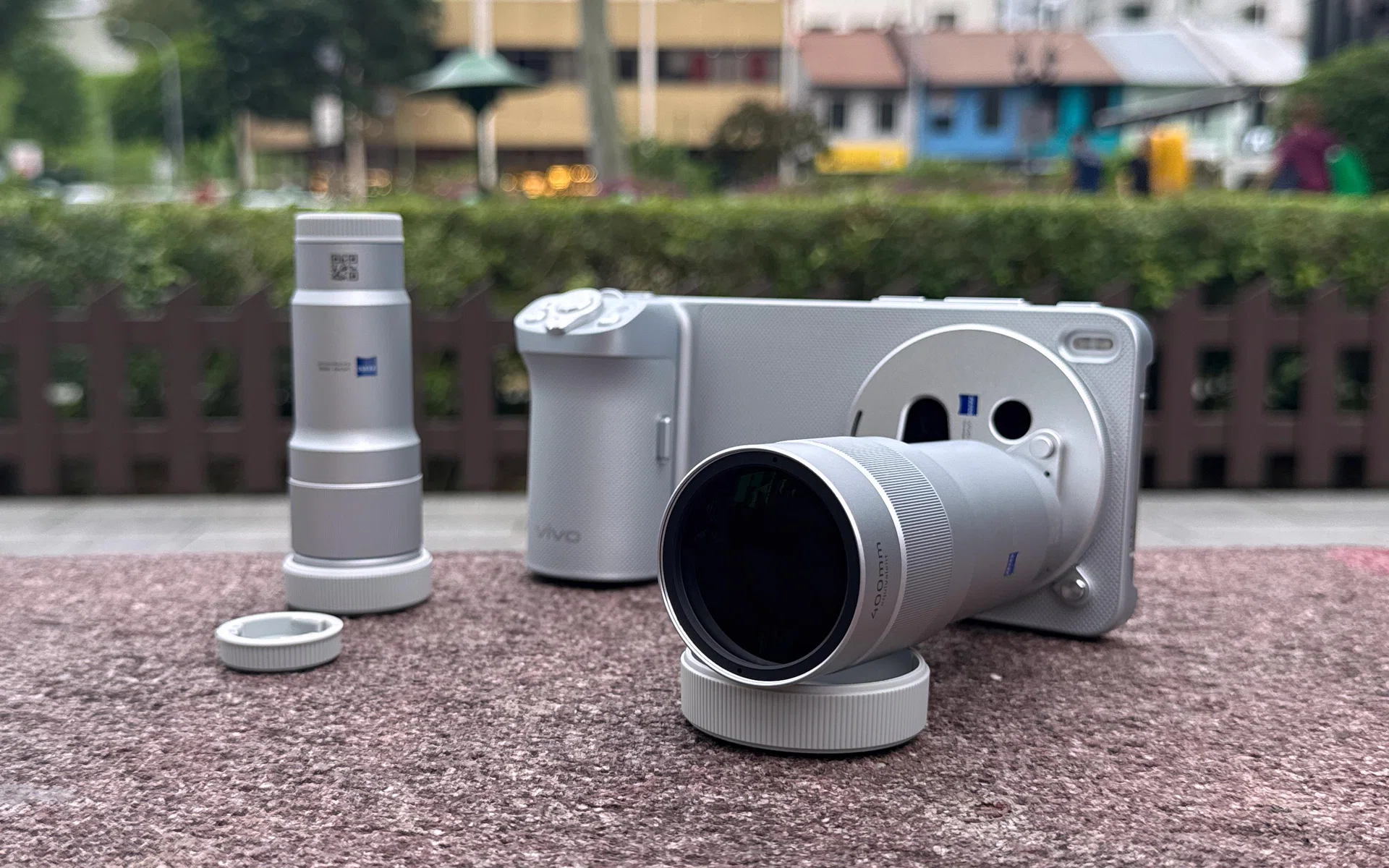
Vivo X300 Ultra with 400mm teleconverter mounted.
Photo: HWZ
If you paid S$3,299 instead, the Vivo X300 Ultra comes with the full Photography Kit. That includes two teleconverters: the 400mm Vivo ZEISS Telephoto Extender Gen 2 Ultra and the 200mm Vivo ZEISS Telephoto Extender Gen 2. Like its previous teleconverters and those from rival Chinese Android phone brands, it can be attached to the back of your phone with the included mounting case and adapter.
Note: Since the Photography Kit is an optional add-on, our review’s score does not include performance for these lenses. However, we still tried out the kit to see its value and how it would work for its potential owners.
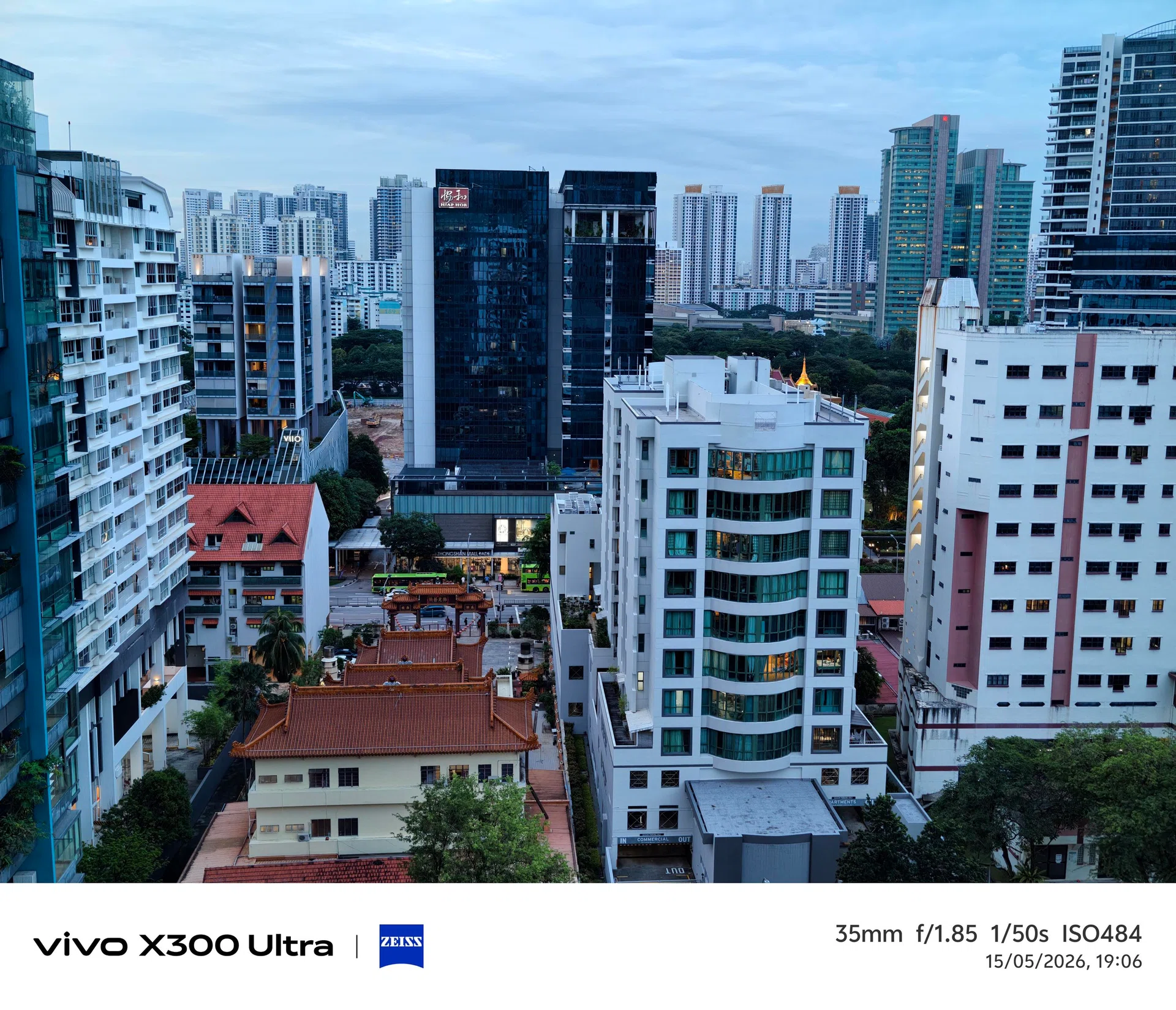
Reference Main Camera photo to show the distance we’re shooting at. We’re aiming at the traffic light behind the temple’s awnings.
Photo: HWZ
Using these teleconverters is just like before, or like other brands: once equipped, select the teleconverter icon from the default camera app, and you’re good to go (for the Vivo X300 Ultra, the shortcut pops up on its viewfinder screen). What stood out was how well integrated they were with the camera app; you can double-tap the viewfinder display to lock your focus, which helps immensely with your aim.
As expected, both teleconverters work very well, and shooting at their default minimum focal lengths (200mm and 400mm) feels stable and manageable. It gets trickier as you approach the far end of its zoom range (e.g., 3,200mm on the 400mm teleconverter). At that distance, it was truly difficult to get a steady shot of moving subjects without support from your surroundings — be it a table, railing, or anything solid to rest against.
Plenty of computational photography comes into play to make their resulting images look great, given that the phone’s camera itself is usually too far away to read extra sensor data, such as distance. If you’re patient enough to get a stable shot and learn the handling tricks, all the photos (including 3,200mm) can be very impressive and suitable for social media uploads.
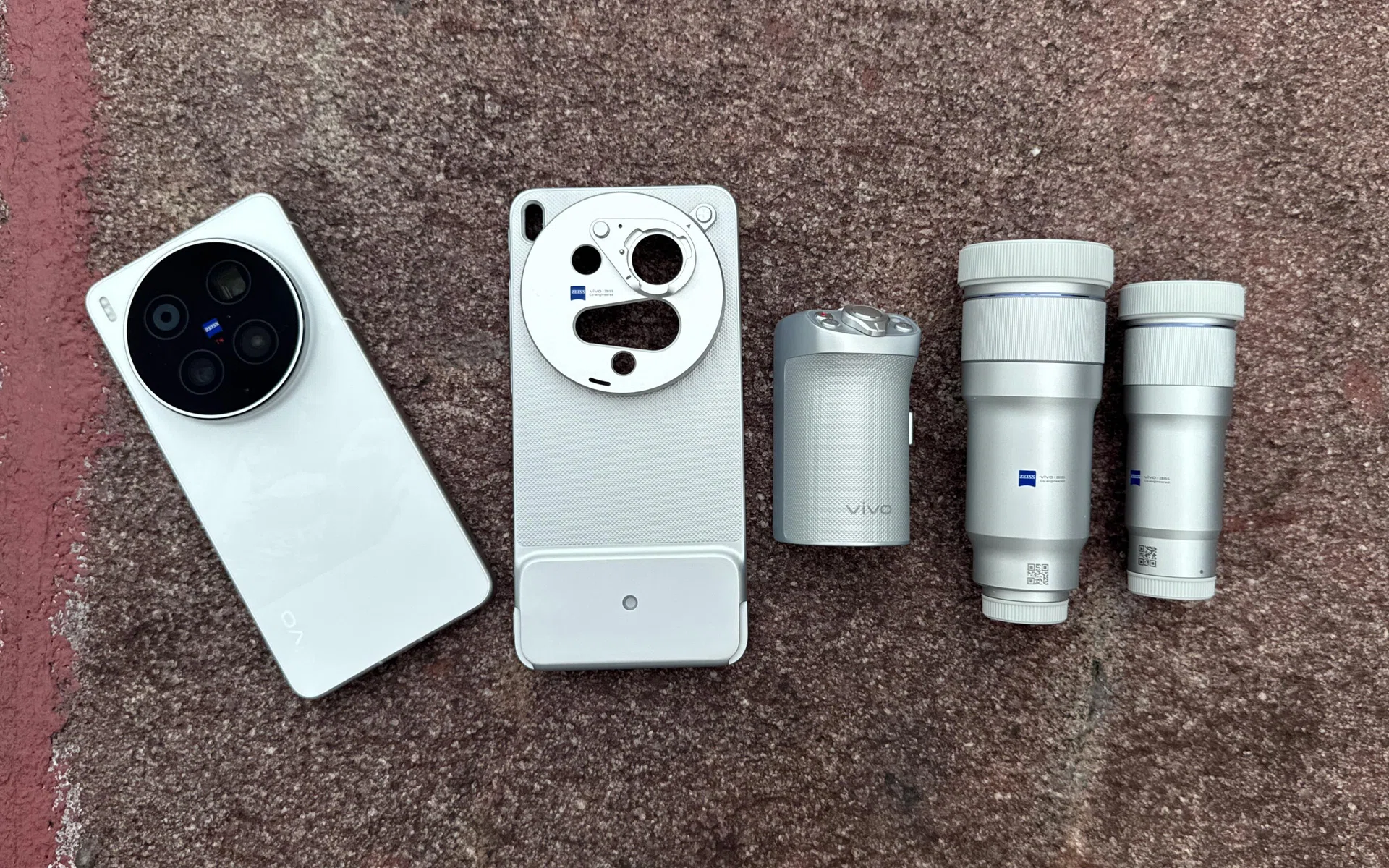
Vivo X300 Ultra with the bare essentials needed to shoot using its teleconverters.
Photo: HWZ
Our only complaint is that the kit lacks a carrying pouch for the teleconverters. Still, if you can afford an extra S$800 for two extra lenses on a handset that usually gets swapped out after three typical years of use, you can definitely afford a carrying pouch to keep them safe while outside.
Benchmark Performance
The details on how we benchmark Android phones can be found here.
Vivo X300 ultra has the Snapdragon 8 Elite Gen 5 chipset, Qualcomm’s 2026 premium flagship chipset for phone manufacturers. That puts it in direct competition with the Samsung Galaxy S26 Ultra, Xiaomi 17 Ultra, and the Honor Magic8 Pro, which are all 2026 flagship alternatives carrying the same processor as mentioned in our OPPO Find X9 Ultra review.
Note: PCMark’s storage benchmark has been facing issues with the latest version of Android, and we’re unable to get the scores at the time of benchmarking. We’ll revisit the testing where possible.
Battery Life
Our battery benchmark uses PCMark for Android’s Work 3.0 Battery Life, with results shown in minutes. This controlled benchmark simulates real-world usage, such as web and social media browsing, video and photo editing, parsing data with various file formats, writing, and more. The test starts at 100% and ends with 20% left on the device.
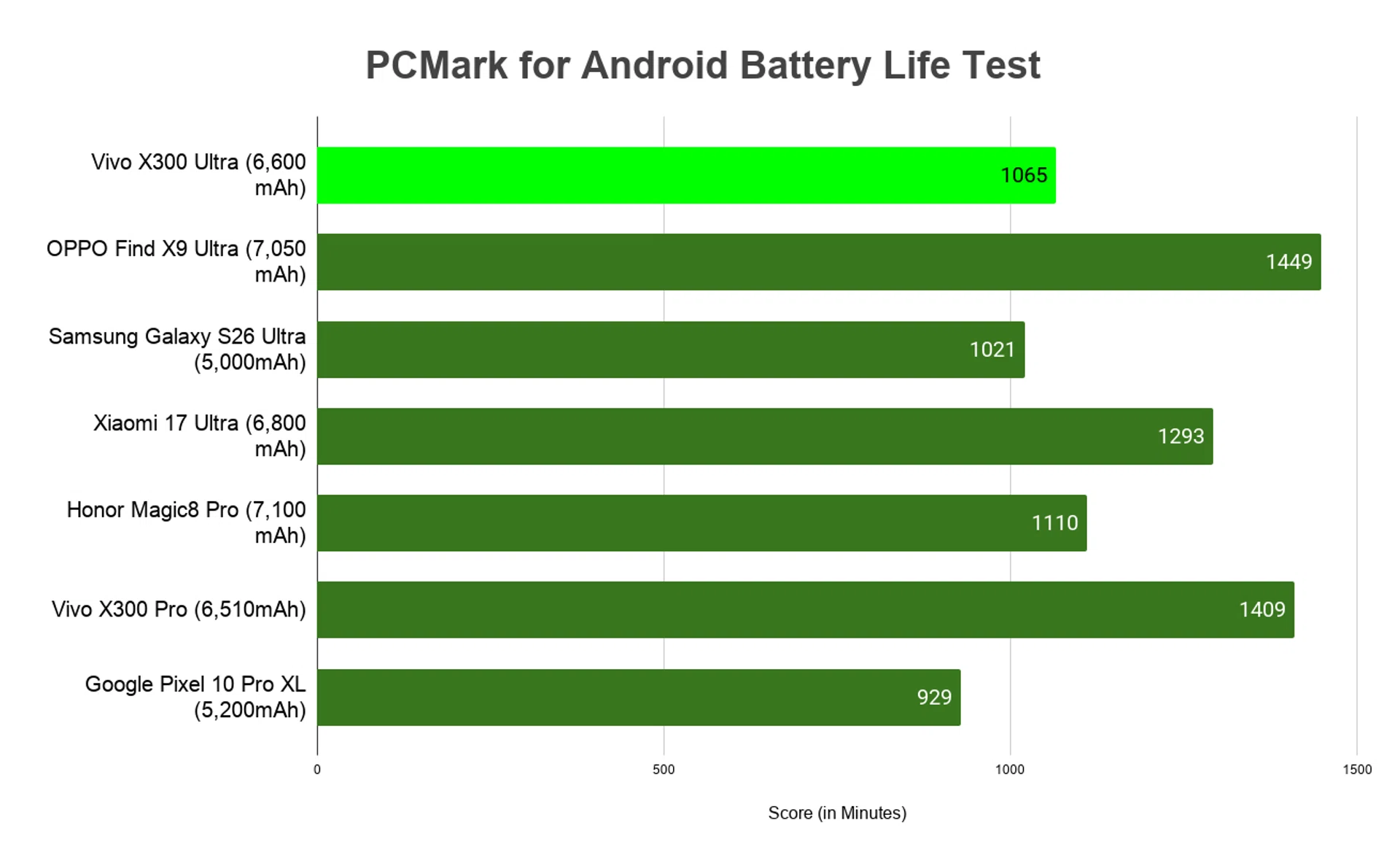
Battery life benchmarking.
Photo: HWZ
Vivo X300 Ultra’s specification page claims it uses a 6,600mAh lithium-ion battery. It resulted in almost 18 hours after multiple attempts of battery uptime testing. That’s generous enough for extended use, even if it’s not the longest-lasting 2026 premium Android option available in Singapore (that honour still goes to the OPPO Find X9 Ultra as of this review’s publication). In real-world use, the battery drain was expected, and we charged at most once a day, regardless of the content or activity from earlier.
Through its 100W wired charging, we were able to get a 0-50% charge within half an hour, and it took around 70 minutes to reach a full 100%. The wireless charging module on the back is magnetic, but you’ll need a compatible puck to catch the phone’s charging plate.
Conclusion
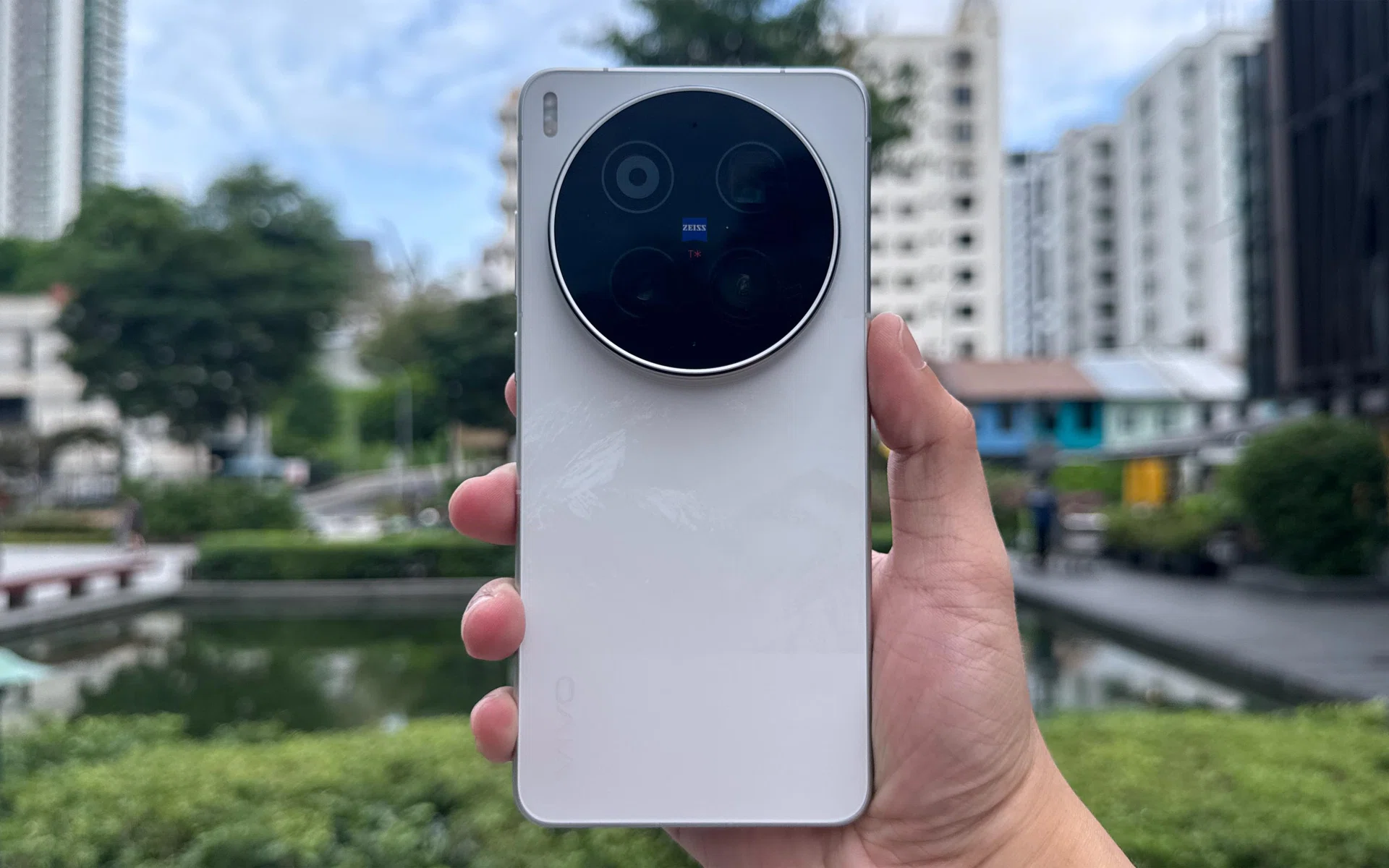
Vivo X300 Ultra, rear.
Photo: HWZ
The Vivo X300 Ultra has done several things right. If you look past its oddly low battery life (relative to capacity), the phone still has an amazing display, and stunning ZEISS-covered rear cameras.
Its greatest achievement is that the default camera set performs wonderfully, even if you don’t buy the optional teleconverter kit (which is also very powerful, but brings the price up to S$3,200, all-in).
If we come down to the phone itself, its S$2,499 price tag (1TB storage, 16GB RAM) still feels prohibitive, but that’s likely due to global memory shortages. Vivo should have considered adding the 512GB variant to make its starting price less of a shock, or considered a more aggressive pre-order campaign to force more users to switch to its amazing ZEISS-powered photography.
Asking S$2,499 for its first overseas Ultra is also a huge leap of faith, unlike competing Android phone brands like OPPO, Xiaomi, and even Samsung. Despite some of them having higher-priced 1TB handsets, these rivals have consistently brought in their Ultra phones, or at the very least made their other high-end products regularly available in the Singapore market. For example, OPPO has just brought in its first overseas Ultra after years of bringing in Pro models of its Find X series. Vivo, if you recall, took a long break before resuming with the Vivo X300 Pro (which we reviewed as well).
With that lens, Ultra-loving users switching to Vivo’s might find it tougher to swipe their cards or open their wallets.
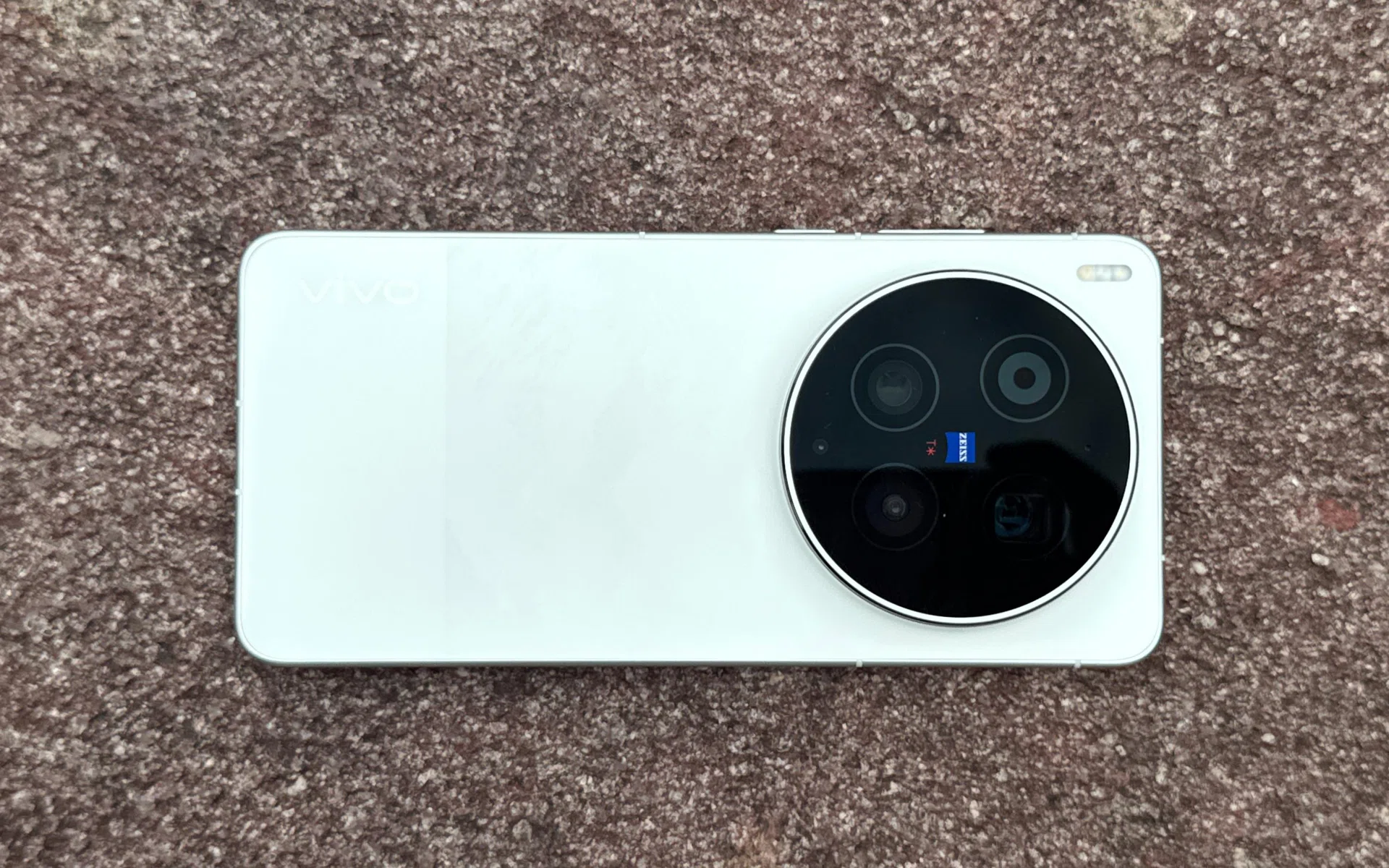
Vivo X300 Ultra.
Photo: HWZ
The X300 Ultra’s strongest competitors are arguably the Xiaomi 17 Ultra and OPPO Find X9 Ultra. Like the Vivo, these phones pride themselves on their photographic capabilities. Because Xiaomi and OPPO offer 512GB versions, they have more affordable starting prices. Particularly the Xiaomi, because it starts at S$1,799 and has a capable Leica-powered camera system. The OPPO is pricier at S$2,199, but some might prefer the colours provided by its Hasselblad-backed camera system. The OPPO also comes with the option of a teleconverter kit for more serious shooters.
For a more like-for-like comparison, we’ll have to turn towards the 1TB version of the OPPO Find X9 Ultra. The OPPO is pricier, but only just – S$2,599 vs S$2,499. However, it has a cleaner OS and offers superior battery longevity. Given that their performance is, in terms of the chipset and cameras, comparable, we are giving the OPPO the slight nod.
Furthermore, first-time users of Vivo’s Ultra variant would also be greeted with the most bloatware among the 2026 options available here (thus far). We genuinely felt sad for the hardworking engineers at Vivo. The team has put much effort into building its first overseas Ultra, along with two teleconverters in an optional kit, only to have their efforts betrayed by the amount of preloaded junk app icons and ad notifications. As seen in other Android phone brands, a phone bearing the Ultra’s namesake cannot be ordinary in its dealings or user experience, and it seems like Vivo missed this memo, big time.
Still, you won’t be disappointed with the Vivo X300 Ultra if you really want to splurge on a premium-grade phone that aces most of its fundamentals, aside from user experience. We believe you might have more fun shooting with its default ZEISS lenses while still getting a long-lasting everyday carry with 1TB to play around with. Be more thorough in your first bootup, and your X300 Ultra can hit the streets in short order.
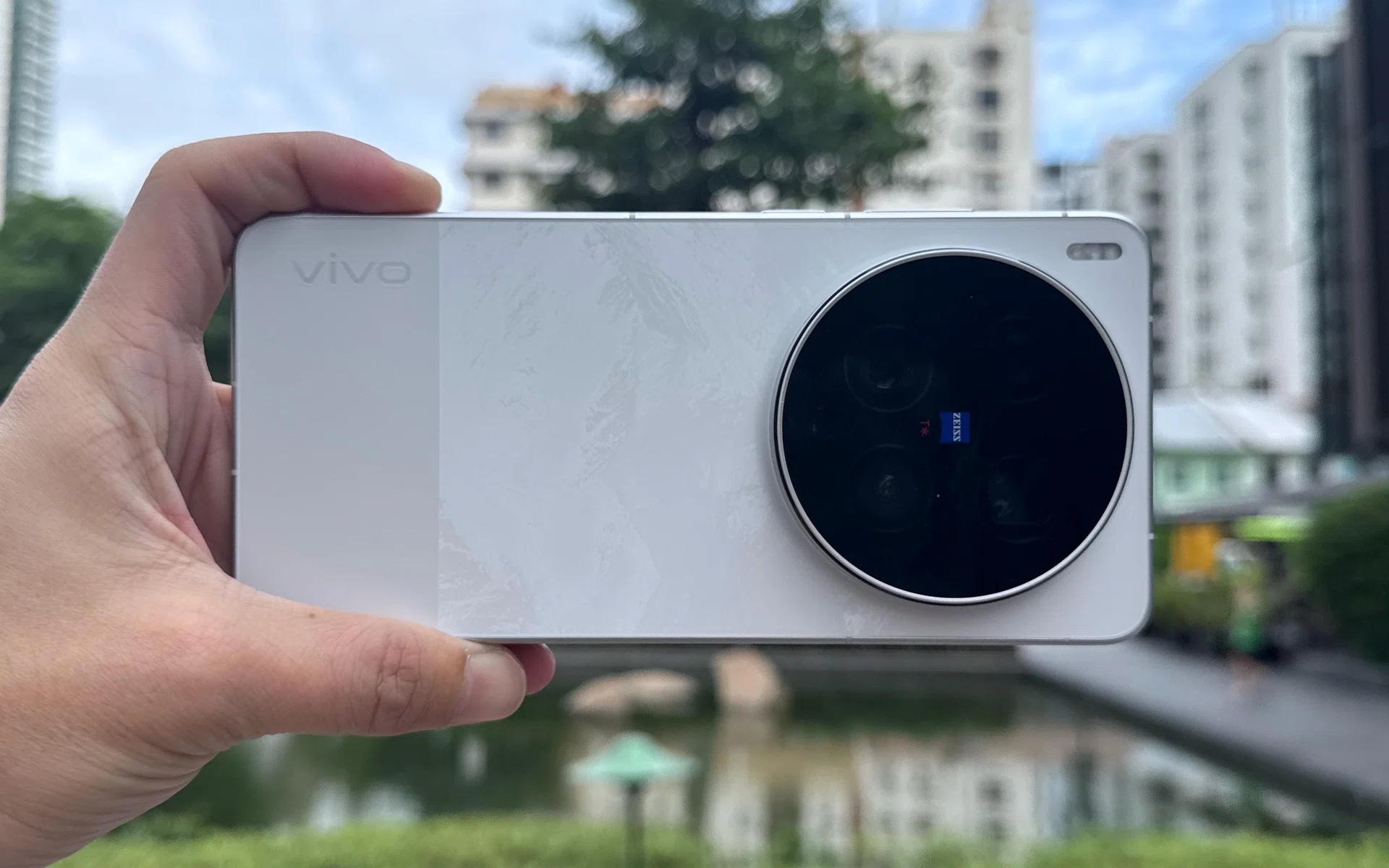
Vivo X300 Ultra.
Photo: HWZ
Vivo X300 Ultra (S$2,499 for 1TB storage) official pre-order and purchase platforms:
Any purchase of a Vivo X300 Ultra (phone only) gets:
- Vivo Watch GT 2 (worth S$199)
- 2 years of local warranty with 3 months screen care