According to Google’s I/O 2026 keynote, AI is no longer just answering questions. It is doing things.
Across Search, the Gemini app, and the new Gemini Omni model for video, Google is pushing its products from passive assistants to active partners that work in the background, take instructions, and increasingly carry out tasks on a user’s behalf.
The scale numbers Google quoted during the keynote set the tone. AI Mode in Search has crossed one billion monthly active users in its first year, with queries more than doubling every quarter since launch. The Gemini app has seen its user base more than double, from 400 million monthly users at I/O 2025 to over 900 million today, across 230 countries and 70-plus languages. Search queries last quarter hit an all-time high.
So this year, the pitch from Google is that the AI shift is genuinely working at scale, and now needs to evolve from talking to doing.
Here’s what Google announced, and what is actually changing.
A new AI Search box, the biggest upgrade in 25 years
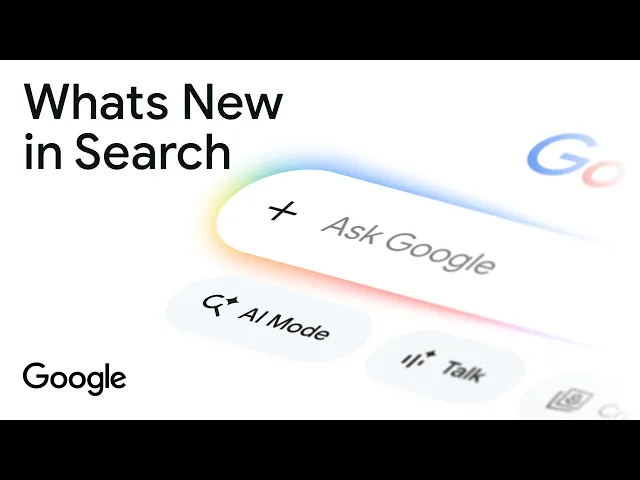
The headline change to Google Search is structural. The Search box itself is being reimagined for the first time in over 25 years. Liz Reid, VP of Search, describes it as a Search box “completely reimagined with AI“ and puts Google’s most powerful AI tools in users’ hands the moment they start typing.
The new intelligent box dynamically expands as queries get more complex, accepts text, images, files, videos, and Chrome tabs as inputs, and offers AI-powered suggestions that go beyond traditional autocomplete by anticipating user intent.
The familiar Search results pages remain, but the box itself is now positioned as a multimodal AI prompt window. It begins rolling out today across all countries and languages where AI Mode is available.
Under the hood, AI Mode now defaults to Gemini 3.5 Flash, Google’s new model designed for sustained frontier-level performance on agents and coding. AI Overviews now flow naturally into a conversational AI Mode dialogue when users ask follow-up questions, with supporting links and context staying with the conversation as it deepens.
The biggest behavioural change for users, though, is the introduction of agents inside Search itself.
Search AI Agents working in the background, 24/7
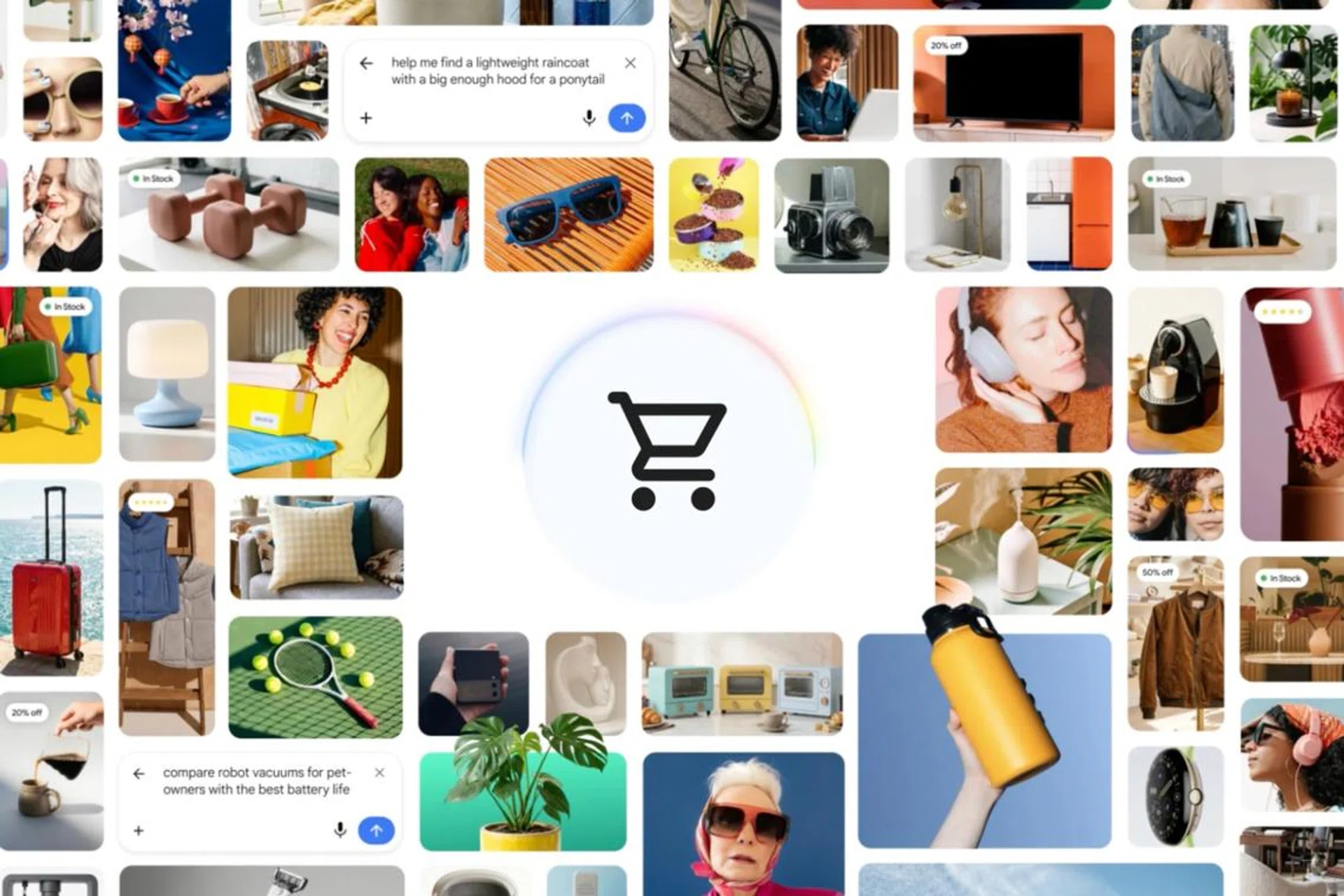
You can have a shopping agent working for you, getting the best deals
Photo: Google
Google calls this “the era of Search agents“.
The starting point is information agents, which run in the background and monitor for changes across the web (news, blogs, social posts) and Google’s freshest data (real-time finance, shopping, sports) related to whatever a user has flagged as important.
The use cases are deliberately everyday. Apartment hunters can describe exactly what they’re looking for, and the agent will scan listings continuously and notify them when something matches. Sneaker fans can ask the agent to watch for a specific athlete’s collab announcement, and the agent pings them the moment a new drop lands. Information agents launch first this summer for Google AI Pro and Ultra subscribers.
Search agents also extend to agentic booking, and are now expanding to a wider range of local experiences and services. A user can ask Search to find a private karaoke room for six on a Friday night that serves food late, and Search brings together live pricing, availability, and direct booking links from providers. For select categories, including home repair, beauty, and pet care, Google can also call businesses on the user’s behalf, with that capability rolling out to all users in the United States (US) this summer.
The third leg is agentic coding in Search, powered by Google’s new Antigravity platform. Search can now build a custom response on the fly, including generative UI such as interactive visuals, simulations, and dashboards tailored to a specific question. Users can ask Search to build a fitness tracker that pulls in reviews, live maps, and local weather, and Search will code it up as a “mini app” that the user can return to and continue updating. Generative UI capabilities are coming to everyone in Search this summer, free of charge.