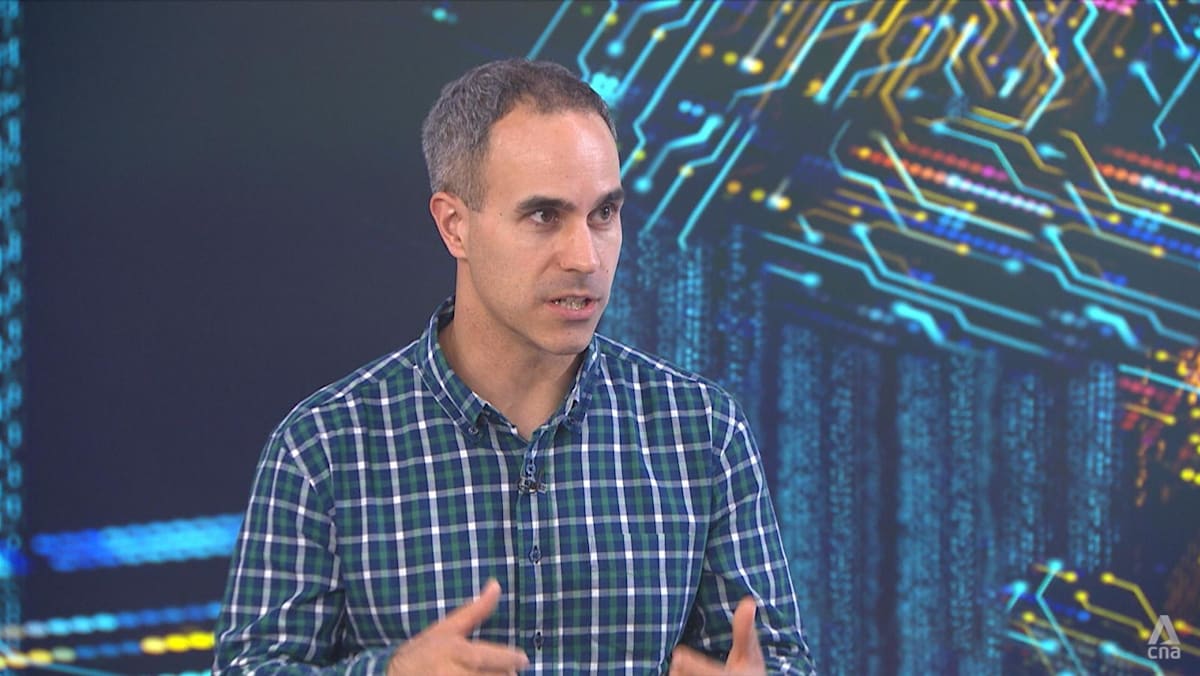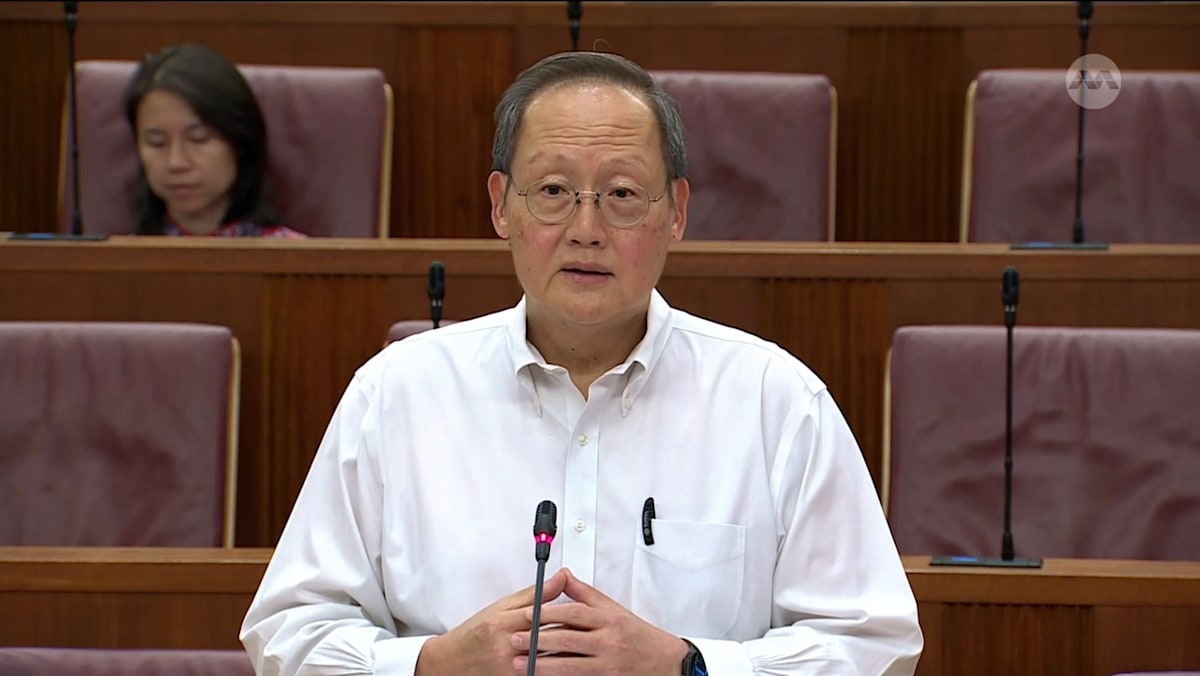
But Dr Tan on Wednesday said Singapore must be prepared that AI’s impact on jobs will be greater as its adoption gains pace and scale.
The goal is to enable more businesses to use AI in such a way that workers can do their jobs better rather than be replaced, that work becomes more meaningful, and that AI’s benefits are shared between businesses and workers, he said.
Dr Tan said Singapore has weathered deep disruption in the past – through the Asian financial crisis, SARS and COVID-19 – because workers, businesses and the government stood together.
“In many countries, AI becomes a tug of war – workers on one end, business on the other. Progress contested, trust strained. Singapore does not have to go down that road,” he said.
Dr Tan acknowledged anxieties that AI may erode workers’ skills and experience and even take over jobs.
While some jobs will disappear, AI also creates new opportunities, he said.
AI can also enable new forms of flexible work and fractional work by small teams or “solopreneurs”, and Dr Tan said a tripartite work group on senior employment will explore how to scale flexible work models.
The government will also study NTUC’s proposal to raise the income ceiling of the SkillsFuture Jobseeker Support Scheme to better support higher-income individuals, said the minister.
The scheme provides temporary financial relief of up to S$6,000 and job search support to people who lost their jobs involuntarily, and currently has a salary cap of S$5,000.
IMPROVING AI SKILLS
Addressing the concerns brought up by MPs over inequality caused by AI, Dr Tan said fairness, resilience and shared opportunity in AI-enabled growth will not happen naturally, because the technology’s adoption is uneven across sectors, worker segments and business sizes.
“Without deliberate effort, the gains from AI could flow to some while others are left behind,” he said.