OPPO Find X9 Ultra: 10x optical zoom smartphone

OPPO Find X9 Ultra: 10x optical zoom smartphone


OPPO’s Find X9 Ultra had not officially stepped out into the world yet, but HardwareZone members were already getting a taste of it at a special community preview, where the mood was part tech briefing, part camera flex, and part “wait, your phone can see that far?”

Despite being held on a Sunday, the members-only session brought together OPPO, HardwareZone, and an auditorium full of people who, as OPPO’s Winston Tan gently pointed out, were not exactly casual smartphone shoppers. These were the sort of users who knew their phones, their camera sensors, and probably the difference between optical zoom and digital zoom before breakfast. 

No pressure then.

HardwareZone’s Editor-in-Chief, Vijay Anand, opened the session by noting that the Find X9 Ultra shared an important connection with OPPO’s Find N6. Both were about cameras, and challenged the old advice that users had to choose between a foldable for screen size and a bar phone for the best imaging experience. The Find X9 Ultra seemed ready to grab the line, shake it a bit, and ask whether anyone really needed a separate camera anymore.
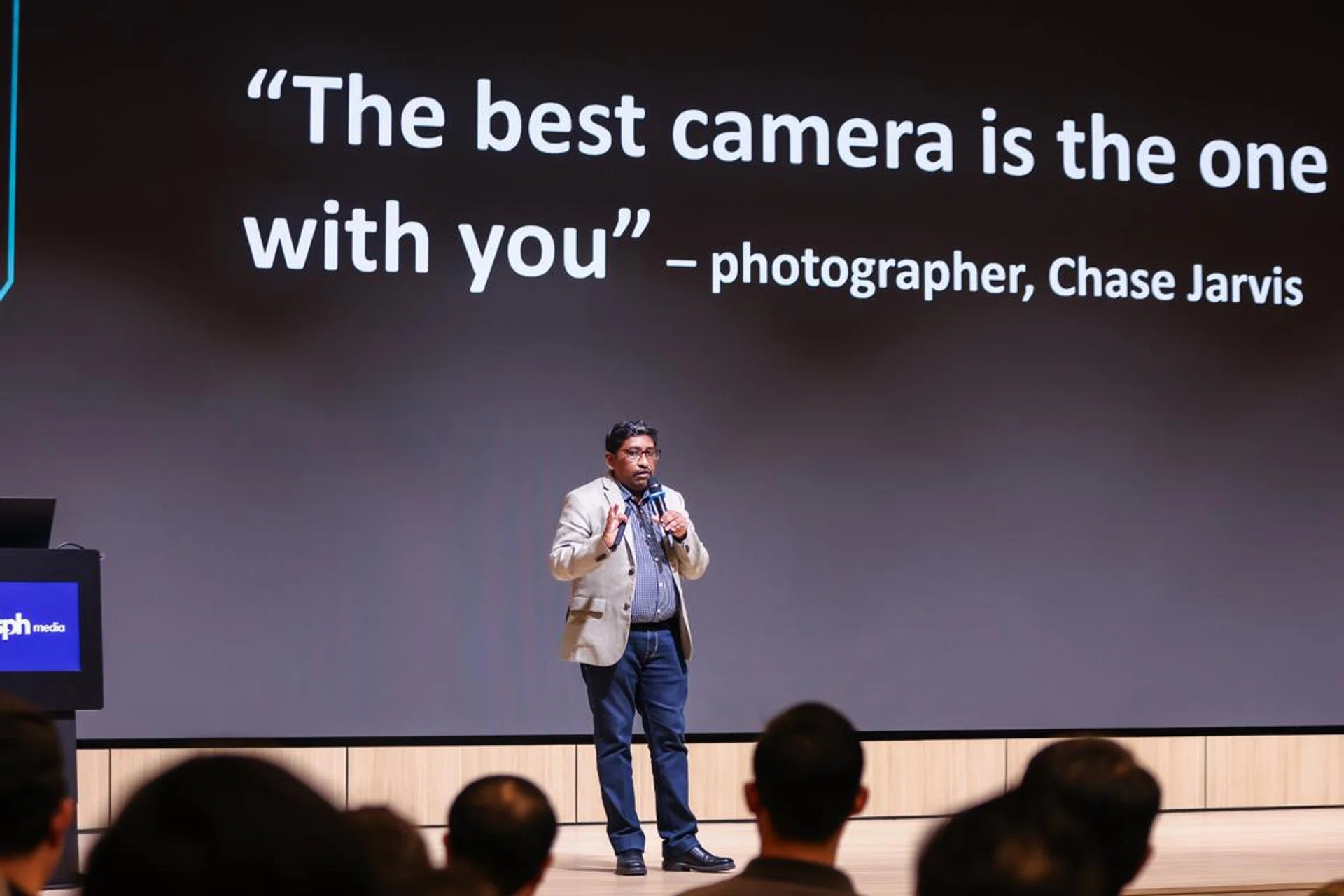
Dr Vijay sharing his view on the “best camera!”

Known to many as “Dr Vijay” in the forums, our boss shared his view on the “best camera!”

Photo: HWZ

As Vijay reminded, the old saying that “the best camera is the one with you” has been around for ages. But in this case, OPPO’s bigger point appeared to be that the best camera might now be the one in your pocket, especially if that pocket happened to contain a phone with a built-in 10x optical zoom.

The headline feature was the Find X9 Ultra’s 10x optical zoom, which OPPO positioned as the world’s first 10x optical zoom powered by a large 50-megapixel sensor. With the teleconverter, the setup could go even further, with Vijay referring to the phone’s 30x optical-quality zoom during the preview.

The practical pitch was simple. This was not just a phone for people who wanted nice food photos, although it would presumably handle your kaya toast with dignity. It was aimed at users who wanted reach, detail, and flexibility for scenarios such as concerts, wildlife, sports, and travel.

  1. 1. OPPO’s first Ultra outside China
  2. 2. A phone dressed like a camera
  3. 3. The 10x optical zoom: The main event
  4. 4. ColorOS 16 tried to clean up the lock screen mess
  5. 5. OPPO also brought a smartwatch and earbuds to the party
  6. 6. Why it all mattered
  7. 7. What our members thought

OPPO’s first Ultra outside China

Dylan Tan of OPPO introducing the OPPO Find X9 Ultra as OPPO’s first Ultra device outside China

Dylan Tan of OPPO introducing the OPPO Find X9 Ultra as OPPO’s first Ultra device outside China

Photo: HWZ
Tan from OPPO then took over and acknowledged the size of the crowd. OPPO had previously hosted around 50 people for the Find N6 session, but demand had been strong enough that the company increased capacity to 100 attendees this time and the target had been reached. 

Tan framed the Find X9 Ultra as one of OPPO’s most important launches of the year. OPPO had launched the Reno series in January, the Find N6 in March, and now the Find X9 Ultra in April. More importantly, he said the Ultra had never previously made it out of China, making this the first OPPO Ultra device outside China.

His central claim was bold but clear. The Find X9 Ultra was not just a smartphone with a great camera. It was:

A phone dressed like a camera

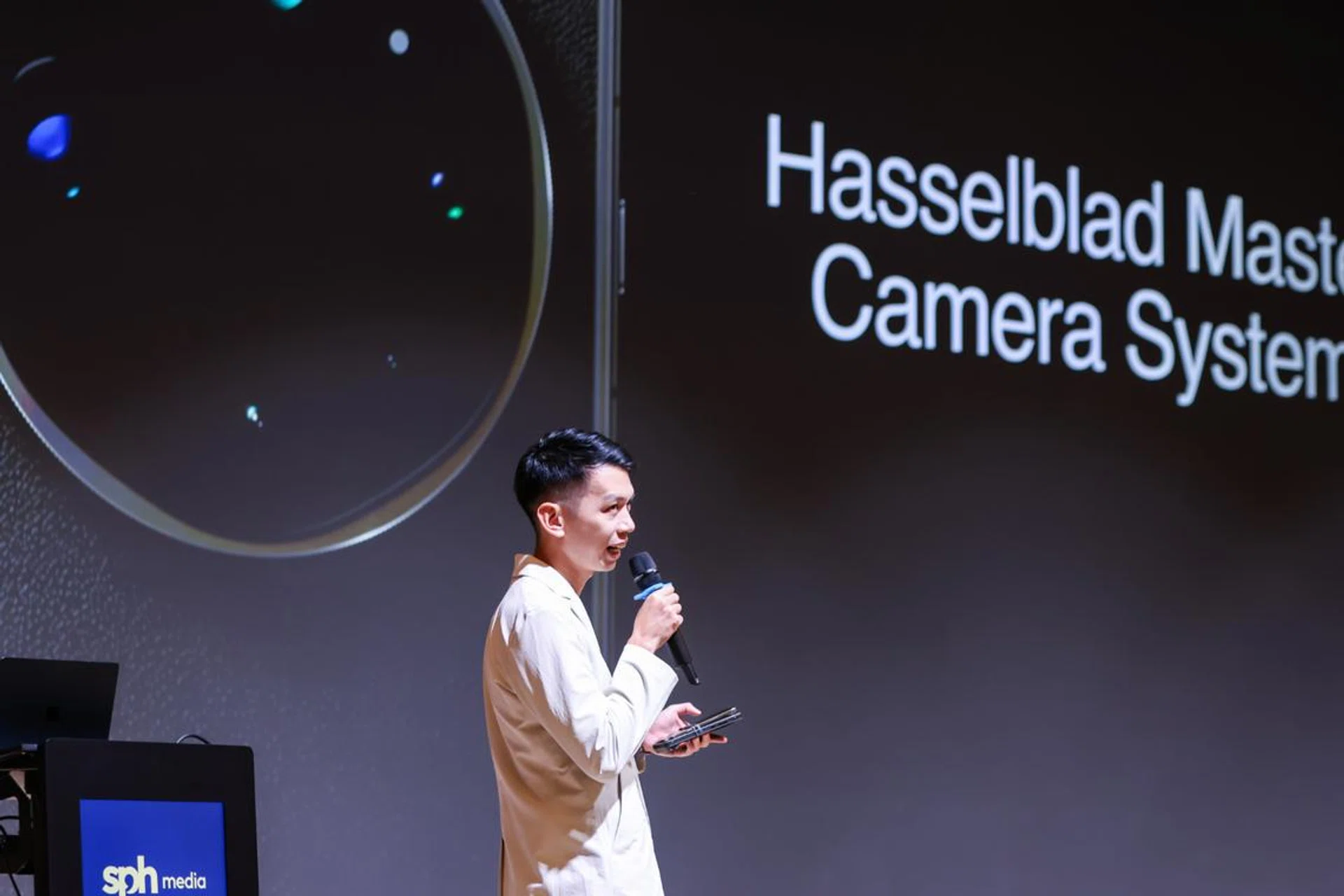
Tan sharing on the Find X9 Ultra’s camera lens was developed

Tan sharing on the Find X9 Ultra’s camera lens was developed

Photo: HWZ

OPPO’s design story leaned heavily into its Hasselblad partnership. Tan said the Find X9 Ultra drew inspiration from the Hasselblad X2D camera, with the OPPO and Hasselblad logos placed horizontally across a new eco-friendly vegan leather back.

The phone also introduced OPPO’s Master Lens design, with a hexagon shape inside the camera module inspired by the aperture of professional camera lenses.

There were two colour options mentioned during the presentation. Tundra Umber featured a deep black finish with a softer hint of brown, giving it what OPPO described as a sophisticated, classic camera-like feel. Canyon Orange was brighter and more eye-catching, with a matte finish and aircraft-grade fibre that was said to be thinner while still structurally durable.

The 10x optical zoom: The main event

The star of the presentation was still the built-in 10x telephoto camera that delivered an uncropped 10x optical zoom. 

With the Find X9 Pro, OPPO had used an external Hasselblad teleconverter on the 3x telephoto lens to achieve a true 13x optical lens. Tan said users loved it for concerts, football matches, and basketball matches. But there was one recurring complaint. Carrying an external lens could be a hassle.

So with the Find X9 Ultra, OPPO built that power directly into the phone.

The result, according to OPPO, was a camera that could pull distant buildings, wildlife, and performers into view with far more clarity than a typical phone zoom.

ColorOS 16 tried to clean up the lock screen mess

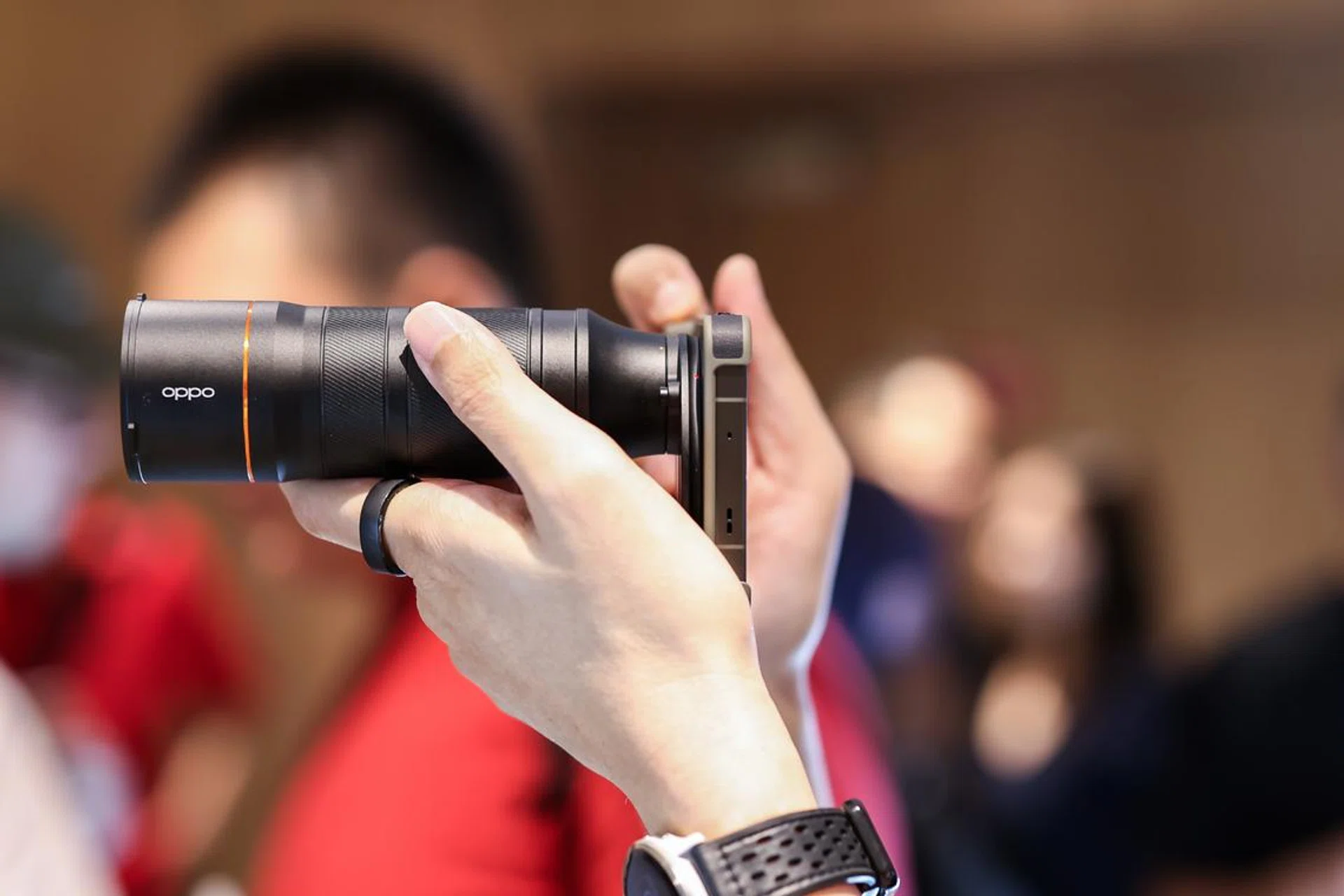
What the lens and smartphone look like together

What the lens and smartphone look like together

Photo: HWZ

For software, OPPO positioned ColorOS 16 as the Ultra-level companion to the Find X9 Ultra’s hardware.

Tan said ColorOS 16 had already launched with the Find X9 and X9 Pro, and that many users and media had called it one of the smoothest Android experiences they had used. Some of the new features included:

  • Live Space. The idea came from a very familiar problem. A user sets a beautiful photo as the lock screen wallpaper, then five minutes later it gets buried under a messy stack of notifications. OPPO’s fix was to let users slide down on the lock screen and collapse notifications into a minimalist capsule.
  • ColorOS 16 also expanded OPPO’s AI Mind Space. Users could swipe up with three fingers or hit the Snap Key to save whatever was on-screen into a central hub.
  • AI Bill Manager recognised digital payments and logged expenses. It could also use the camera to capture data from physical receipts and organise spending insights in the user’s own currency.
  • Then came AI Mind Pilot, which OPPO described as a tool that could index across AI Mind Space and coordinate multiple AI models, including Gemini, Perplexity, and DeepSeek. Users could ask one model, compare responses from all three, or manage everything in a single unified space.
  • Tan said this would be available in selected countries and that he believed Singapore was one of them. That availability would need to be confirmed by OPPO at launch.
  • AI Menu Translation was another feature. Rather than simply translating text, it turned menus into visual guides by identifying key ingredients and showing what dishes looked like before users ordered. It was pitched as a way to make ordering food overseas less like a culinary lottery.
  • OPPO also said it was working closely with Google on Quick Share with Apple devices, allowing users to share photos and videos directly with Apple devices without additional apps. The timing and device support would need confirmation.

OPPO also brought a smartwatch and earbuds to the party

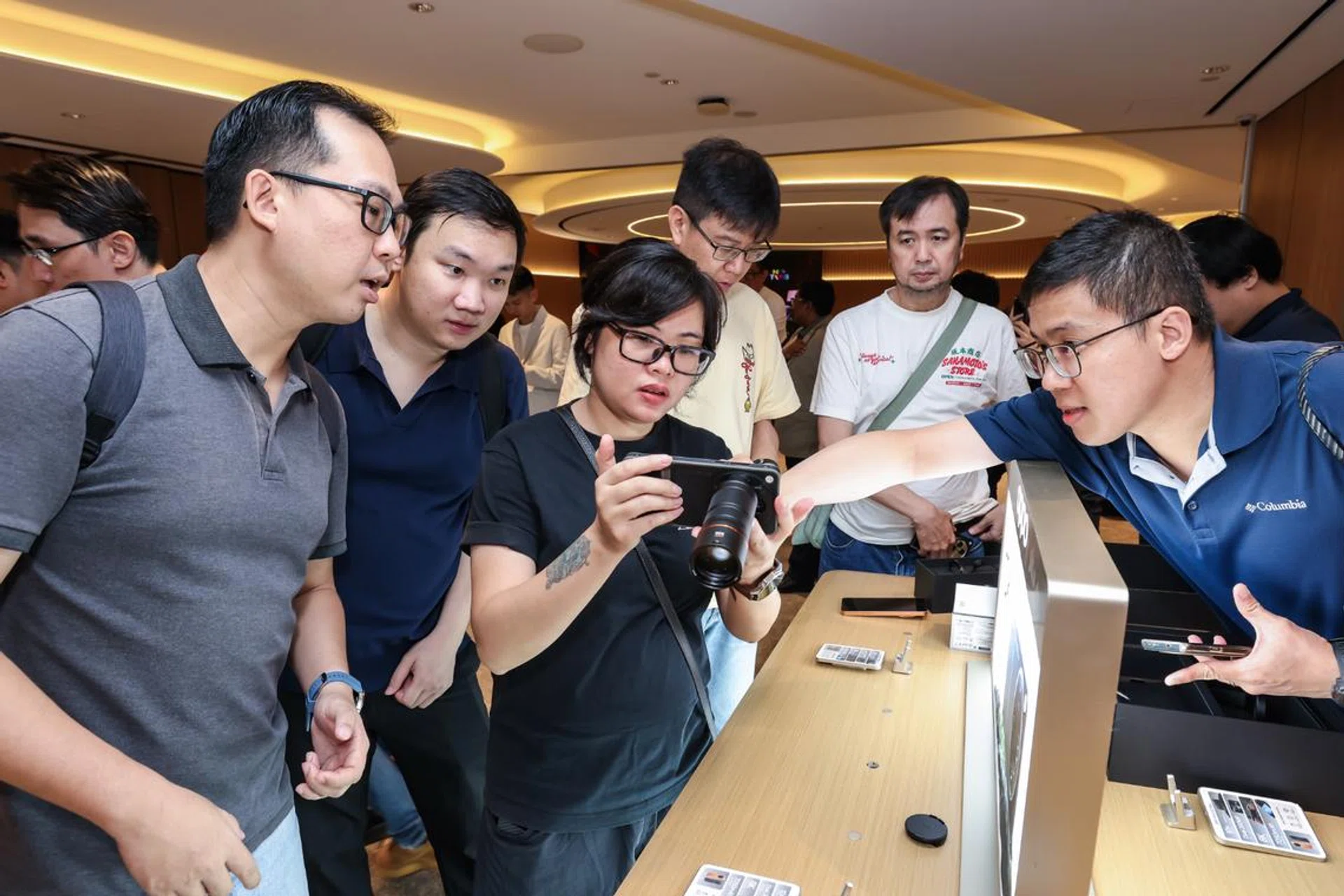
The hands-on was a hit with the members!

The hands-on was a hit with the members!

Photo: HWZ

The Watch X3, made with light aerospace titanium alloy and protected by sapphire crystal, is so ridiculously light and thin that its predecessor is noticeably heavier. It still has a mechanical watch-inspired side crown, which, thankfully, now offers a long-press shortcut to Google Gemini for voice commands. Because what’s the point of a classic watch look if you can’t instantly ask an AI assistant what time it is?

Meanwhile, OPPO’s Enco Clip 2 open-ear audio accessory is so comfortable, it analysed over 3,500 ear profiles just to create a unique, adaptable design using shape-memory alloy and, has no fixed left or right earbud, allowing them to finally break free from their assigned social roles.

Why it all mattered

The Find X9 Ultra event was not just another smartphone launch where someone said “flagship” until the room politely nodded. OPPO clearly wanted to position the device as a camera-first phone for people who cared about real focal lengths, large sensors, colour accuracy, and manual creative control.

The assumption, based on OPPO’s presentation, was that the company wanted the Find X9 Ultra to appeal not only to smartphone users, but also to creators, concert-goers, travellers, serious mobile photographers, and the kind of forum members who would absolutely pixel-peep a bird photo taken at night. It may not be what you want in its default point-and-shoot mode, but with custom profiles and settings, the Find X9 Ultra can be much more.

One mode that OPPO wanted to highlight strongly is the Hasselblad Master mode usage, where the output can come very close to truly match what you personally observe with your eyes, as it cuts out all extra AI processing to present the photographer’s intent.

What our members thought

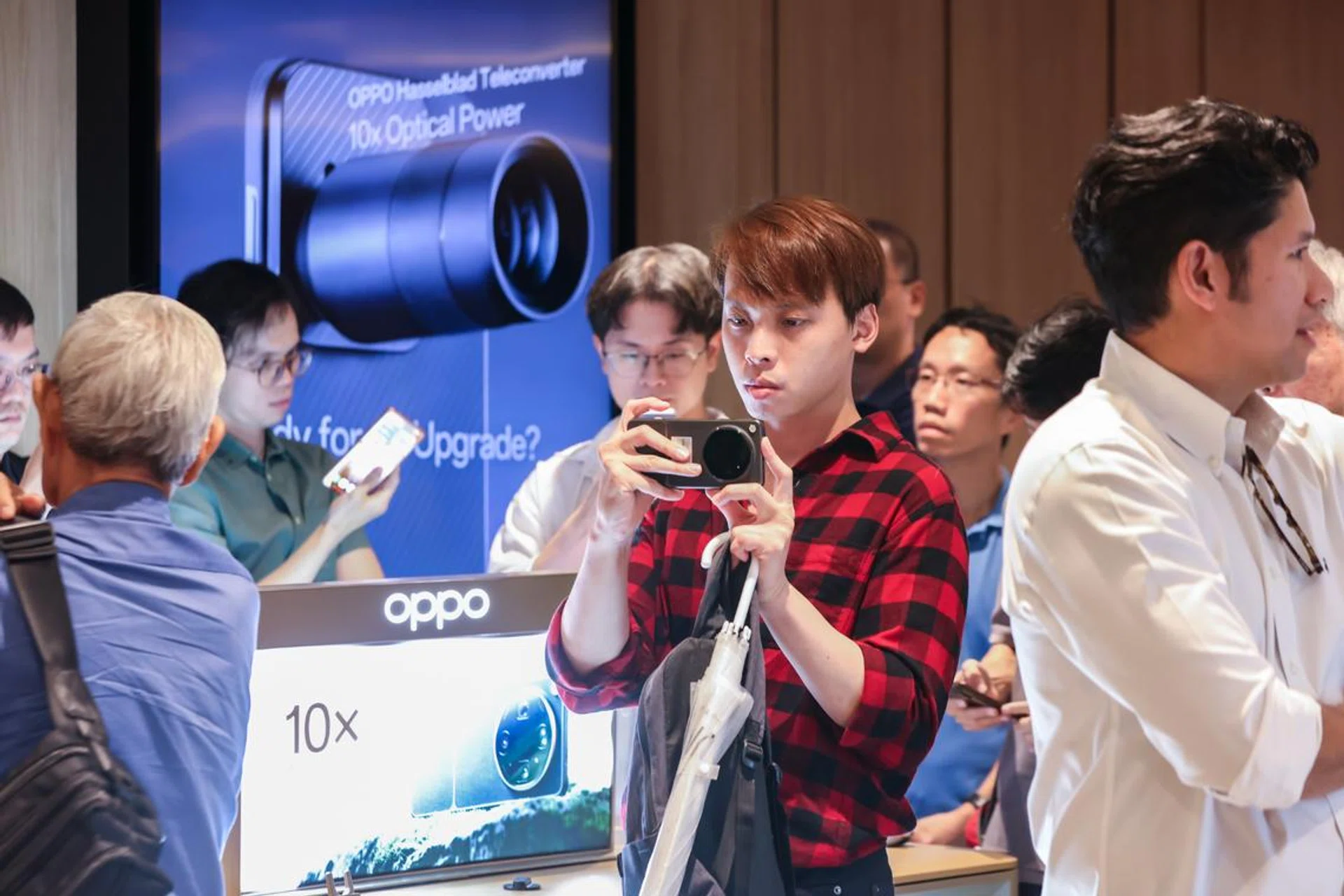
The camera was a real draw

The camera was a real draw

Photo: HWZ

For attendee Ray Ong, he felt the Find X9 Ultra promising, liking the camera and its battery life, but felt that he would wait for reviews of the smartphone to come out before making a purchase decision. Dinesh Velosamy was also attracted to the Find X9 Ultra for its camera capabilities and the add-on lens and 10x optical zoom. However, his purchase caveat was the price, which he hoped would be less than S$2,000.

Stay tuned to HardwareZone as we’ll be the first to break the local pricing details as soon as the embargo lifts in a few days. Our review will also be out by 22nd April to make a better-informed decision.

If you missed attending this special preview session, be sure to follow all our channels and be in the know of our special opportunities!


Read Full Article At Source