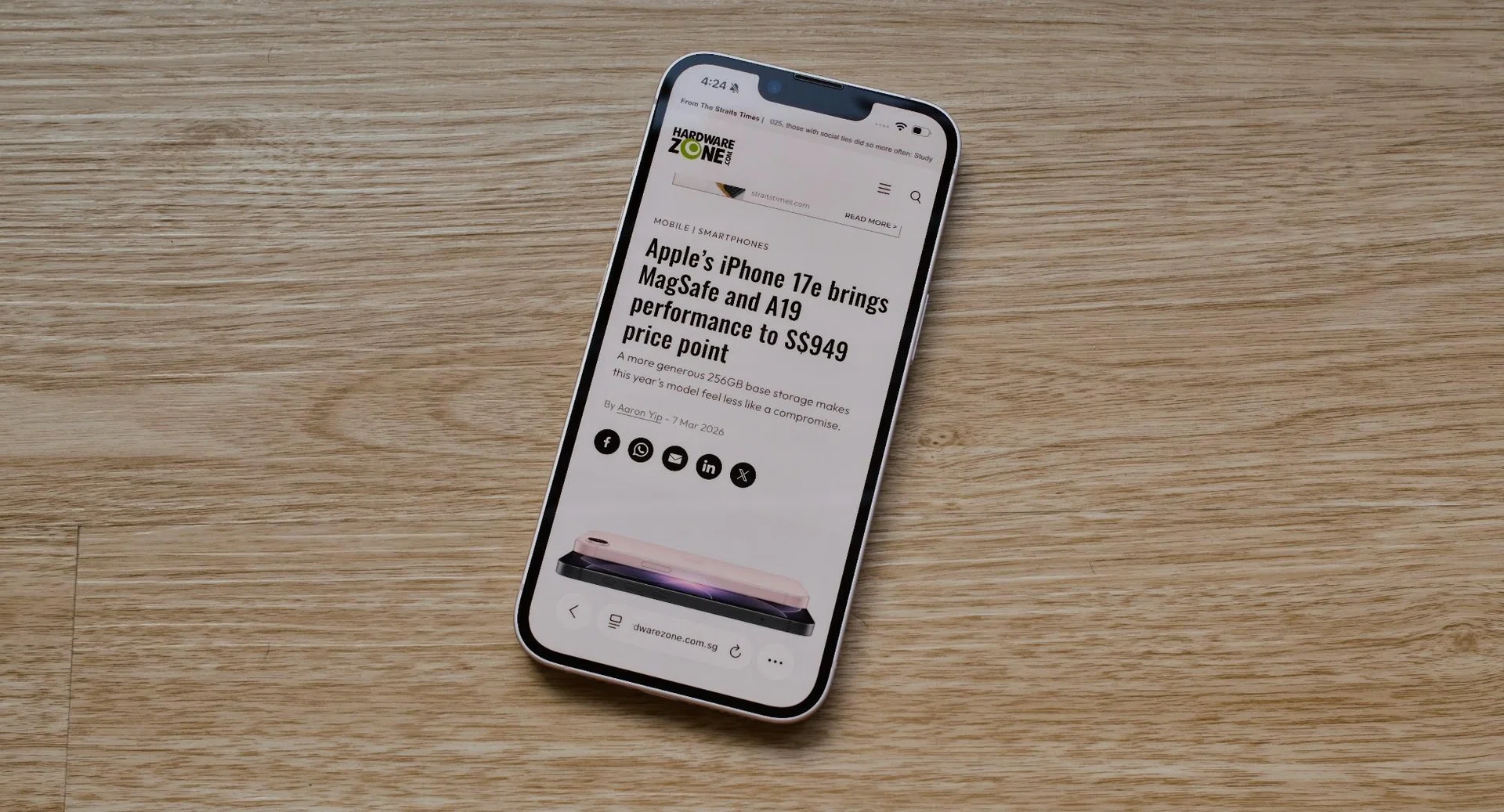
iPhone 17e review: Great value, but is it the best choice?

iPhone 17e review: Great value, but is it the best choice?


The iPhone 16e had a tough time at birth. Scoffed for being expensive and lacking features that some consider to be crucial to the iPhone experience, many did not expect it to sell well. My review was more positive, and I thought it was a commendable effort from Apple. Which is why I felt vindicated when it was revealed that the 16e was among the top-selling phones during the holiday season last year.

Its popularity ensured a sequel, which is the iPhone 17e. Has Apple done enough to improve it over its predecessor? Is it the iPhone that most people should buy? Or is the iPhone 17 the smarter buy? Let me address these questions in this review.

The TL;DR version:

Though Apple has undoubtedly made its entry-level iPhone better, those who can afford it should get the iPhone 17 instead.

  1. 1. What’s new
  2. 2. How does it compare to the iPhone 17?
  3. 3. A19 Performance
  4. 4. Camera performance
  5. 5. Final thoughts and buying advice

What’s new

iPhone 17e Soft Pink

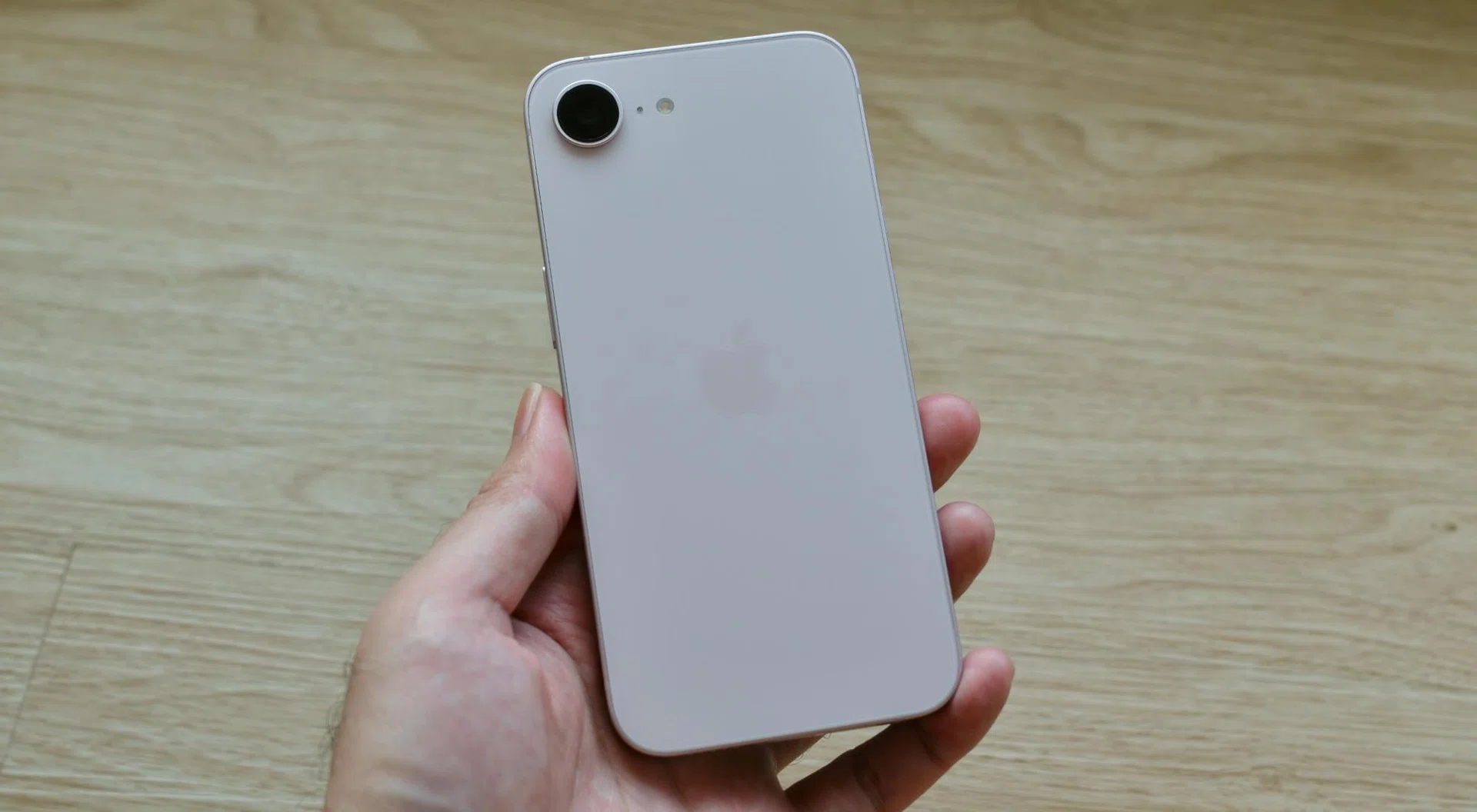
The 17e comes in a new colour called Soft Pink. It’s extremely pale and difficult to make out that it’s pink at all. It’s also available in White and Black.

Photo: HWZ

There are four key updates to the iPhone 17e. They are:

  • The new A19 chip
  • Support for MagSafe
  • Doubled base storage
  • Better durability with Ceramic Shield 2

The 17e gets the newer A19 chip, which made its debut last year when Apple unveiled the iPhone 17 series. However, it’s not quite the same version as the one you get with the iPhone 17. It still has 6 CPU cores, but makes do with 4 GPU cores – one less GPU core. Essentially, the 17e uses a binned version of the A19 chip. This follows last year’s iPhone 16e, which used a binned version of the A18 chip.
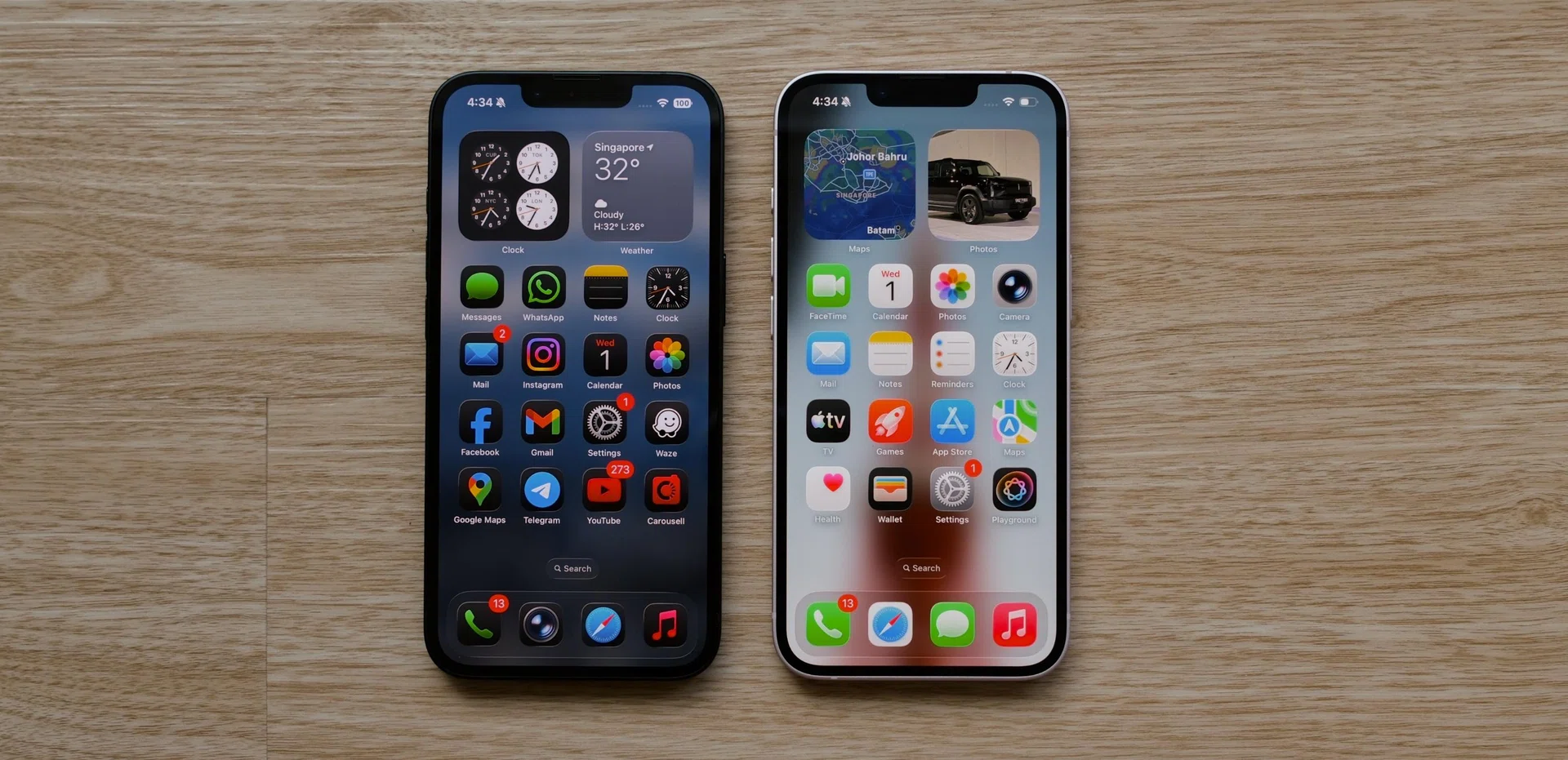
iPhone 17e vs iPhone 16e

Can you tell which is the iPhone 17e? It’s the one on the right.

Photo: HWZ

One of the biggest things that was missing from the 16e was MagSafe. Happily, Apple has included it in the 17e. Since its introduction in 2020, it has become one of the defining features of iPhones, and it’s good to use it included in the 17e. Aside from charging, it also lets the 17e play nice with a wide range of MagSafe accessories, including holders, mounts, gimbals, wallets, and more. That said, MagSafe charging in the 17e is limited to 15W, whereas it’s 25W in the 17 and 17 Pro and Pro Max.

Apple has bumped up the base storage of the 17e from 128GB to 256GB. But what’s astonishing is that it did so without increasing the price. The 17e still starts at S$949. For those who require more storage, there’s a 512GB version that goes for S$1,249. That’s S$300 for an additional 256GB of storage. Storage does not come cheap at Apple.

The 17e also gets improved durability with Ceramic Shield 2. After months of using the iPhone 17 Pro Max, I can confidently say Ceramic Shield 2 is one of the most important new features that Apple has introduced to its phone. Apple claims that it’s 3x stronger appears to be true because the display on my iPhone 17 Pro Max remains flawless.

How does it compare to the iPhone 17?
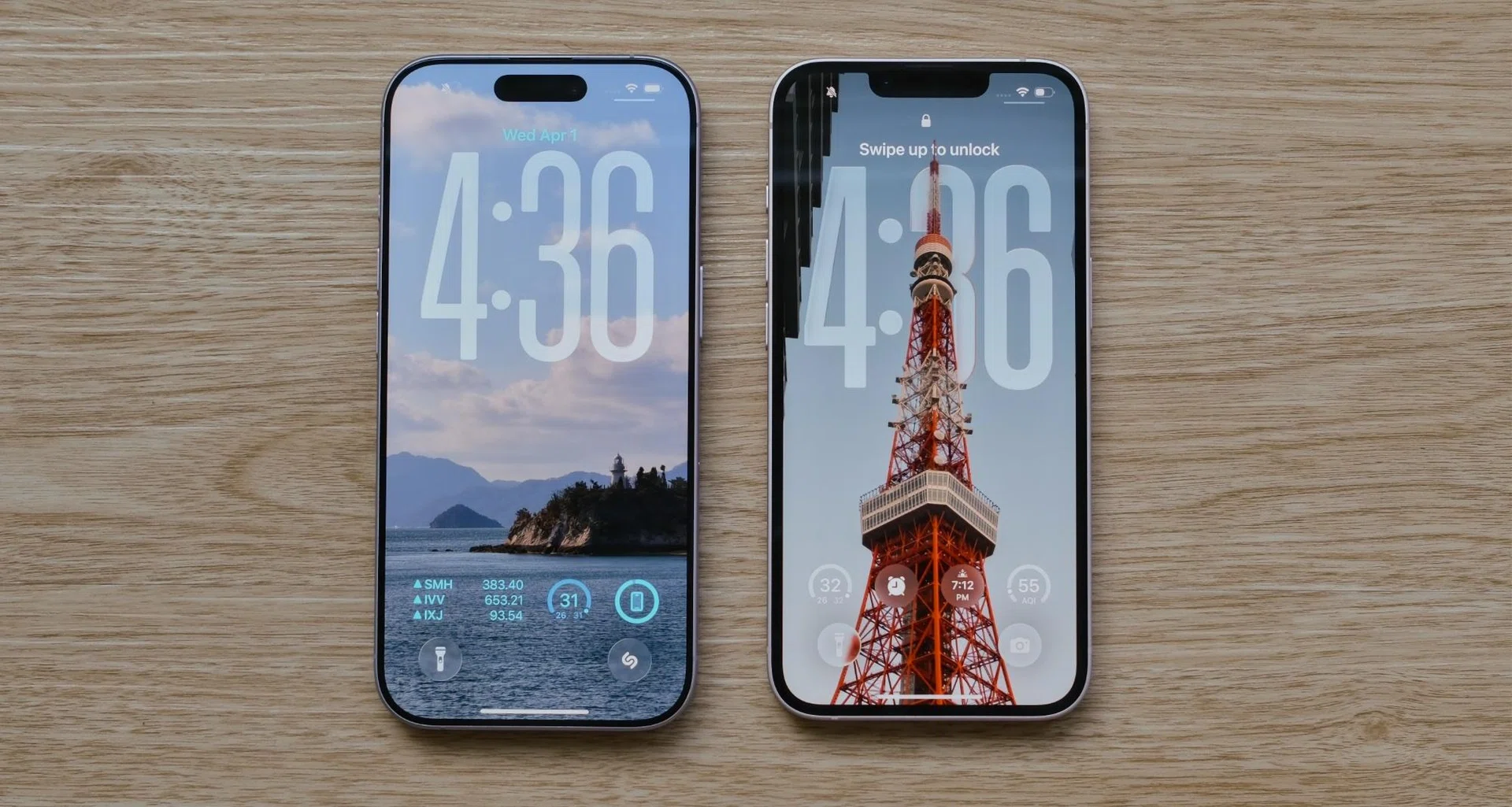
iPhone 17e vs iPhone 17

The biggest difference is the screen. The iPhone 17’s screen is always-on and has a higher refresh rate.
For most users, there are two areas in which the iPhone 17 is superior to the iPhone 17e. And that’s the display and camera system.

Let’s start with the display because it’s the biggest update to the iPhone 17. After years of clamouring, Apple has finally given the iPhone 17 a ProMotion always-on display. This means it finally has a display that not only matches its price tag, but also that of its contemporaries. 

Now, to be clear, the 17e’s display isn’t bad. It’s still an OLED display after all, and it has great colours and sharpness. But it’s stuck with a 60Hz refresh rate, and it isn’t always-on. I find that phones with 60Hz displays feel slower. Their slower displays make them feel less fluid and responsive. And without an always-on display, it means you need to wake the 17e up whenever you want to check for notifications or even just the time. An always-on display is so convenient and shouldn’t be underestimated.

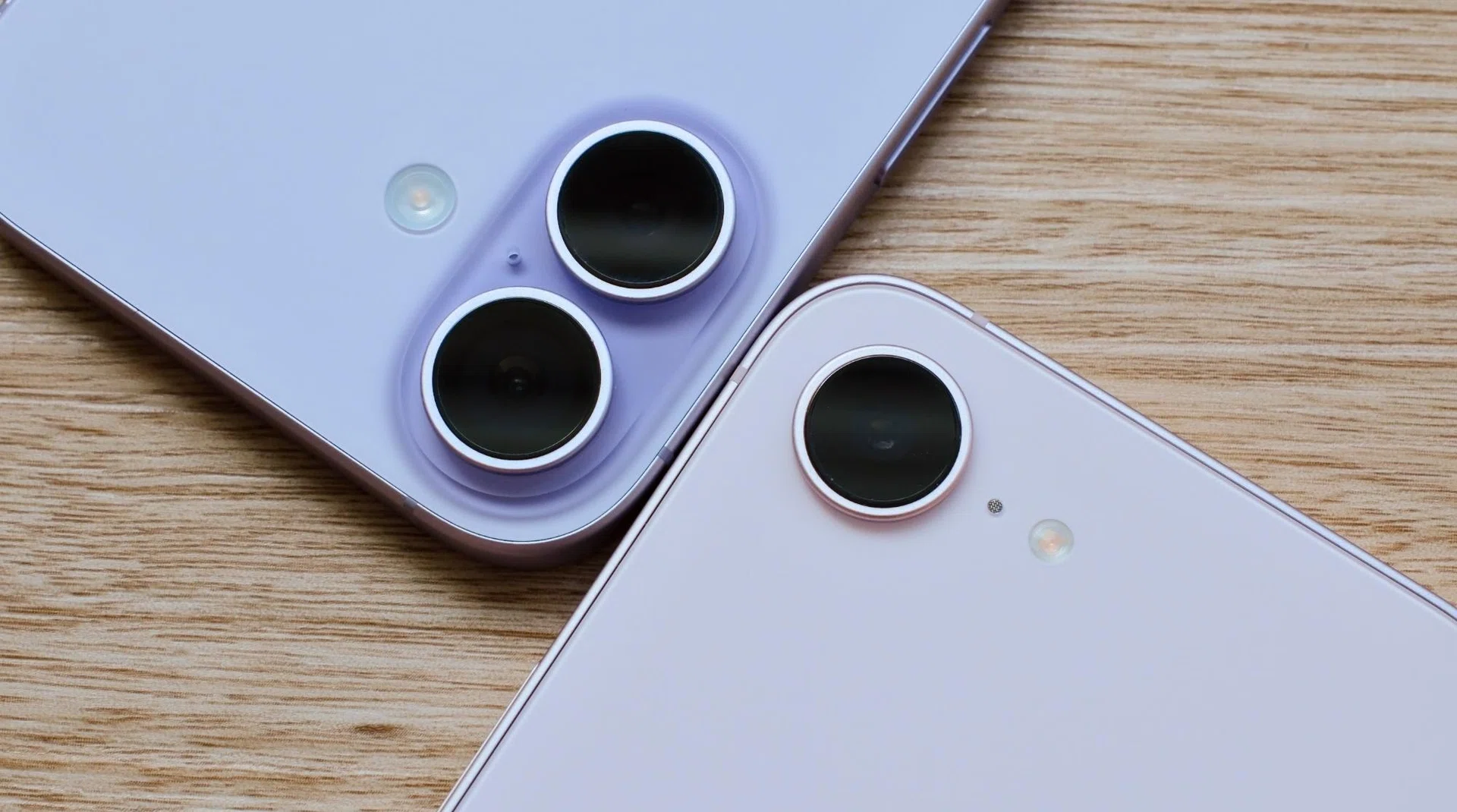
iPhone 17 vs iPhone 17e camera system

The iPhone 17 has two cameras versus the 17e’s one.

Photo: HWZ

The iPhone 17 also has a better and more versatile camera system. It has two cameras for a start: one main and one ultrawide. Though the main camera also shoots 48-megapixel photos, it has a larger sensor, which lets it take cleaner photos when it gets dark or when lighting isn’t ideal. And even though I’ve long said that the ultrawide camera is the weakest camera on iPhones, I cannot deny that the flexibility it offers, particularly in tight spaces and during travels. And if you take many selfies, only the 17 gets Apple’s new 18-megapixel Centre Stage front camera. 

Camera hardware aside, the 17 also gets the latest Photographic Styles editing tool, which, in my opinion, is one of the best software improvements Apple has made in recent times for iPhone photography. It lets you fine-tune the “tone” and “colour” of your photos in a non-destructive way, making it easy for users to change the vibe of their photos. You can think of it as a photo filter, but one with more flexibility and control. The 17e is missing this and has to make do with the “older” Photographic Styles, which is more restrictive and less useful

A19 Performance

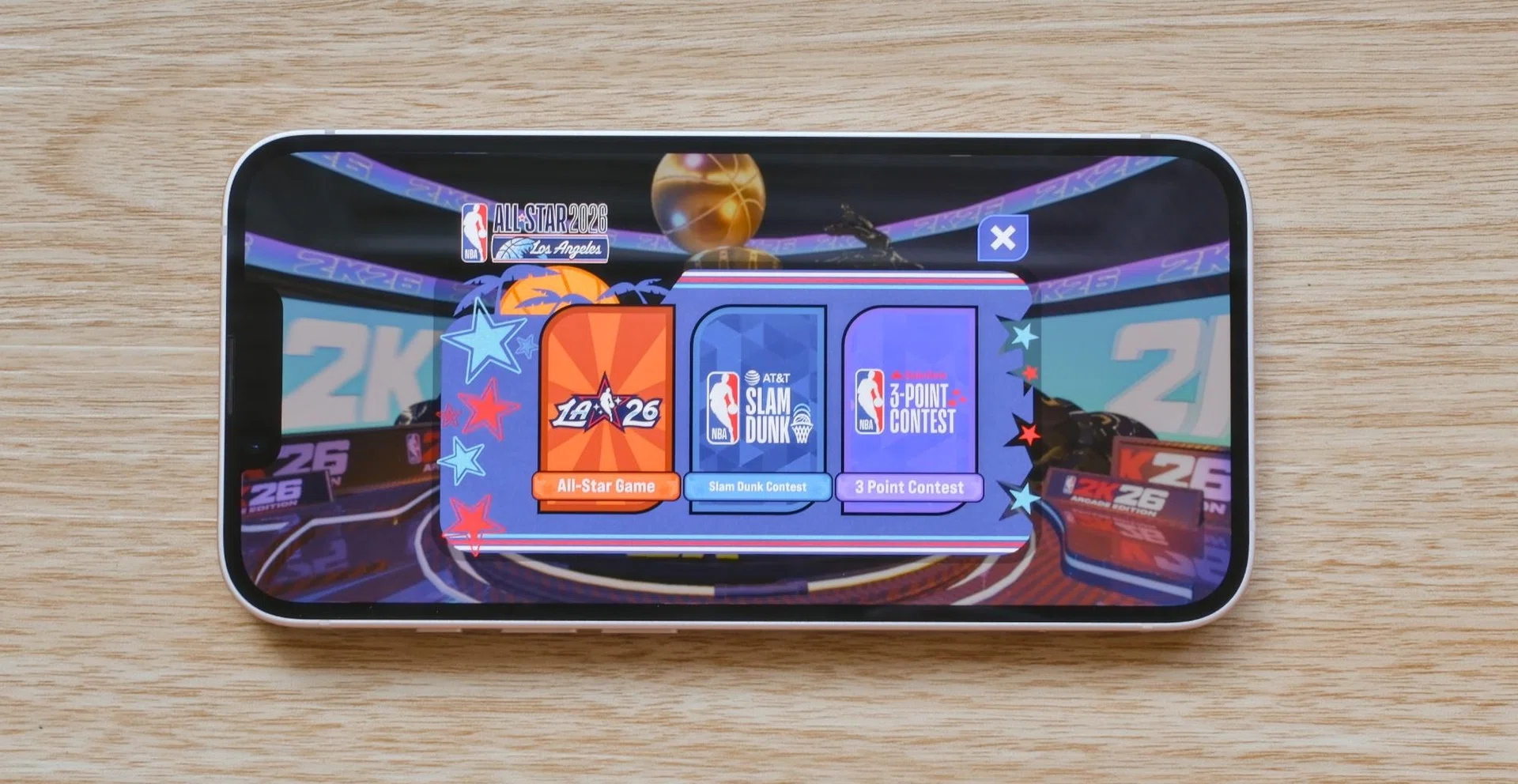
iPhone 17e gaming

The 17e might lack one GPU core, but it’s still a beast.

Photo: HWZ

As I’ve said, the iPhone 17e’s A19 chip is nearly identical to the one in the iPhone 17, except it has one less GPU core. From the benchmark results, you can see that the 17e’s CPU performance is just as good as the 17’s, and only that its graphics performance is slightly compromised. Still, I wonder how many people will notice the difference in the real world. I managed to play games like Mobile Legends and NBA 2K26 flawlessly.

Model iPhone 17e iPhone 16e iPhone 17
Geekbench (single-core) 3512 3299 3549
Geekbench (multi-core) 8845 8065 9103
Geekbench GPU (Metal API) 31,640 24,363 37,068
Jetstream 2.0 428.49 354.74 423.19
3DMark Life Solar Bay 8523 6280 9647
3DMark Wild Life Unlimited 18,089 13,692 20,641
Battery life 545 minutes 428 minutes 593 minutes

Battery life was pretty good. It lasted 545 minutes in our battery test, which puts it right smack in the middle between the iPhone 17 and iPhone Air. That also means it lasted substantially longer than the iPhone 16e. What this means practically is that it should last an entire day for most people. On days with heavier use, I found that Adaptive Power mode helps to extend battery life so that I could get by without needing a mid-day charge.  

Camera performance

iPhone 17e camera

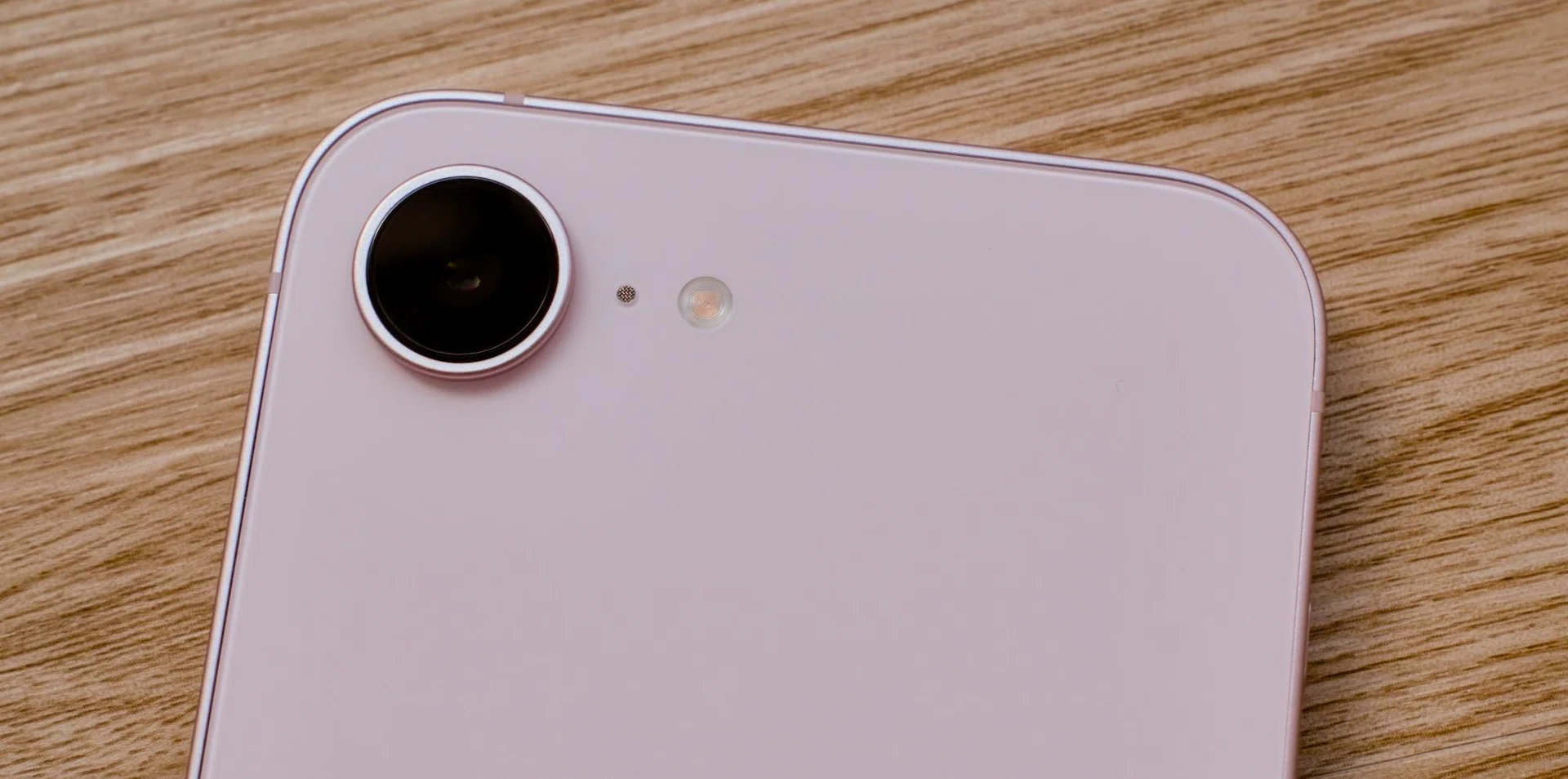
The 17e has a single camera. It shoots 48-megapixel photos and has a focal length of 26mm.

Photo: HWZ

The iPhone 17e still only has a single camera. And it’s the same camera that you get in the 16e. This means it’s a 48MP Fusion camera that shoots with a 26mm focal length. If you need a tighter shot, it has a 2x mode that basically works as a digital zoom.

Even though the hardware is unchanged, it does have some software upgrades up its sleeves thanks to the more advanced A19 chip that powers it. Chiefly, it gains what Apple calls “next-generation portraits”, which improves the quality of portrait photos and gives users the ability to change focus and background blur in post. If you take lots of photos of people, you could find this useful.

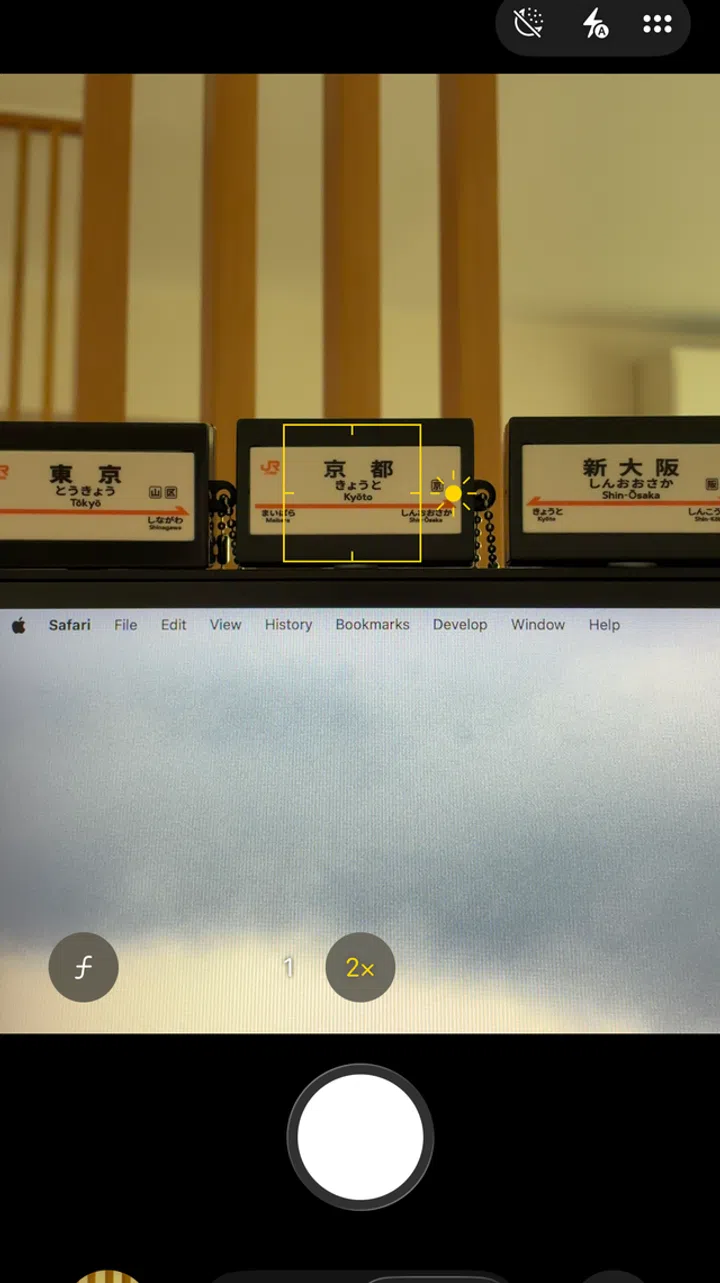
iPhone 17e next-generation portraits

You’ll know next-generation portraits is at work when you see the small “f” icon appear in the bottom left corner.

Photo: HWZ

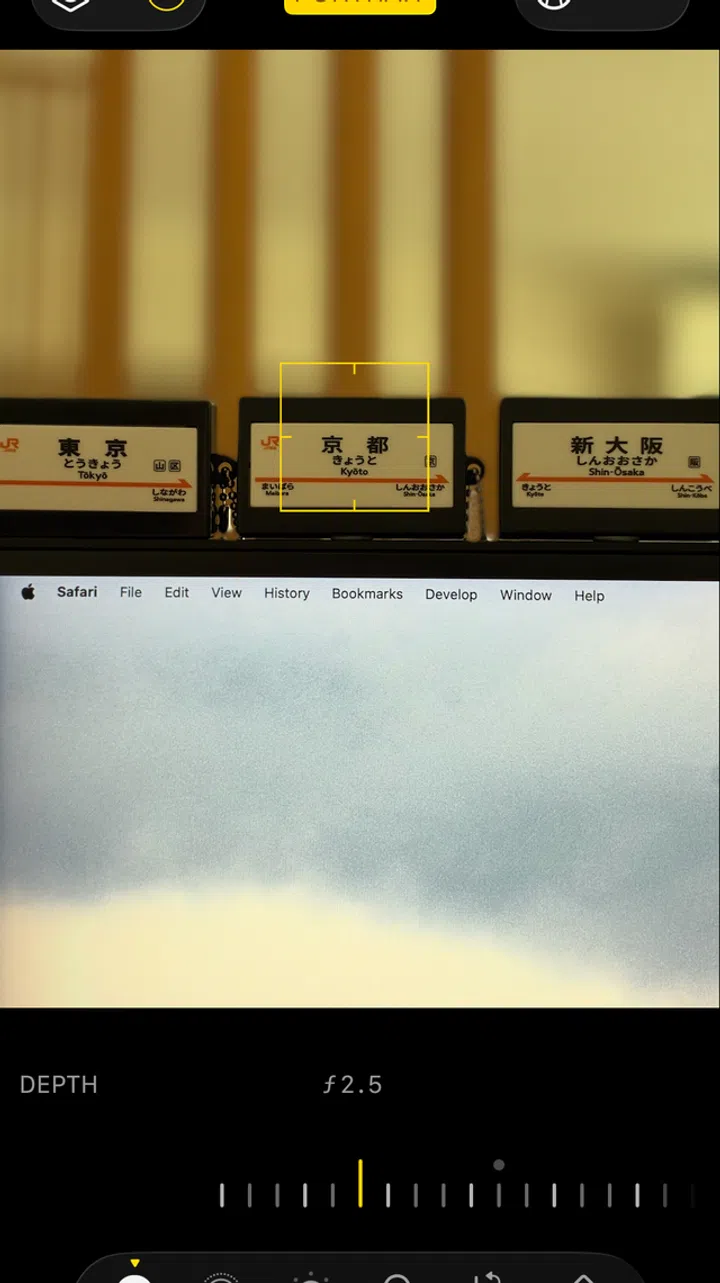
iPhone 17e photo editing

With next-generation portraits, you can adjust the amount of background blur in post-processing.

Photo: HWZ

What’s more important to me is that it gains the A19’s image processing pipeline. Though Apple is coy on the specific changes they’ve made, this new generation of iPhones takes photos that, to my eyes, appear to be more natural-looking and less digitised. They are softer and less crunchy-looking, and therefore more pleasing to the eyes. The 17e is also more willing to just let shadows be, so lighting looks more true to life, and there’s more contrast. 

However, there are shortcomings. Even though it’s a 48MP unit, the actual sensor is smaller than the ones used in the iPhone 17 and iPhone 17 Pro. For the most part, the differences are difficult to tell. But in low light situations, when it has to crank up the ISO, photos from the 17e appear noticeably noisier – especially when shooting at 2x.

iPhone 17e main camera sample

The 17e’s single camera is easily capable of taking beautiful photos.

Photo: HWZ

The 17e also lacks the new Photographic Styles, which debuted in the iPhone 16 and 16 Pro. This lets you fine-tune the “tone” and “colour” of the photos you take. For me, it’s an indispensable tool, and it’s the thing I miss the most when shooting with the 17e.

Finally, there’s the fact that it only has a single camera. To be fair, it probably won’t be that big of a deal in day-to-day life. How often do you take ultra-wide photos on your way home from work? But there’s no denying that it also limits your options. I’m certain that it will be an issue if you take the 17e on holiday. Personally speaking, a good chunk of my holiday photos are often either taken with an ultra-wide or telephoto camera.

All of this is to say that if you can live with the fact that you only have one camera, and you are not super fussy about the photos you take, you’ll be fine with the 17e. There’s no question that the iPhone 17 and 17 Pro take better photos, but the differences, in most situations, are minimal. 

Here are some photo samples I took with the iPhone 17e:

Final thoughts and buying advice

iPhone 17e

The iPhone 17e is a solid phone, but the iPhone 17 is the better option if you can afford it.

Photo: HWZ

There’s no question Apple has improved its entry-level iPhone. It gets MagSafe, and its base storage has been doubled at no additional cost. Performance and battery life have been improved with the A19 chip, while durability takes a big leap forward with Ceramic Shield 2. These are substantial improvements over last year’s iPhone 16e.

However, it’s still lacking in some areas. Having just a 60Hz display is frustrating, and it’s missing features like an always-on display, the latest Photographic Styles, support for Wi-Fi 7, and the list goes on. If it’s any consolation, none of these is an outright dealbreaker. The 17e, for the most part, remains a very solid entry-level iPhone. But it’s also clear that Apple has trimmed just enough off to make users want to pony up more money for their higher-end phones. 

Therein lies the biggest problem with the iPhone 17e, the iPhone 17 exists, and it’s a phone that, I think, will give users more satisfaction. I’ll admit, it costs substantially more. Prices start at S$1,299, which is S$350 more or 36% more than the cheapest 17e, and that is no small amount. But consider all the extra features that are missing on the 17e and are present on the iPhone 17, and you’ll probably start to arrive at the conclusion that perhaps the iPhone 17 makes more sense, especially if you intend to keep the phone for a few years. It’s not often that I think readers should stretch their budgets, but in the case of the iPhone 17, if you can, you should.

Storage iPhone 17e iPhone 17 iPhone 17 Pro
256GB S$949 S$1,299 S$1,749
512GB S$1,249 S$1,599 S$2,049
1TB S$2,349

Note: You can find the iPhone 17e on Amazon, Lazada, Shopee, and the Apple Online Store.


Read Full Article At Source